1 free read left. Create a free account for unlimited reading + AI research.
Create free accountWhitepaper European Conference on Games Based Learning (ECGBL)
1 free read left. Create a free account for unlimited reading + AI research.
Create free accountWhitepaperEuropean Conference on Games Based Learning (ECGBL)
Researchers at the University of Aveiro in Portugal trialled eight non-digital games across sixteen class sessions.
This study investigates whether non-digital educational games can enhance motivation and engagement in mathematics among first-year pre-service primary teachers at the University of Aveiro in Portugal. Adopting a mixed case study design, the researchers introduced eight games, some in multiple versions, across sixteen class sessions and then gathered end-of-semester questionnaire responses from a convenience sample of 44 students, most aged 17 to 19 and 95.5 percent female. Among the activities, Garden Animals and Maths Monopoly were the most preferred.
The findings are strongly favourable to game-based learning. None of the participants disliked the games, 98 percent expressed some degree of liking, and mean agreement exceeded four on a five-point scale for statements that games made learning more interactive, engaging, and motivating. The games examined included Mysterious Divisor, the Boxes Game, Decimal Numbers Pictionary, and Open Middle problems, among others. Competitive elements produced more mixed reactions: roughly one in five students reported disliking them, and 36 percent expressed no positive view. The authors therefore recommend adapting competitive rules or providing non-competitive play options so that students who prefer collaboration are not disengaged.
The study's conclusions align with prior research on gamification and self-determination theory, which associates game-based approaches with increased motivation and positive learning outcomes. Its framing also reflects broader concerns about mathematical skills in the future workforce and the societal role of mathematics. Because the sample is small, drawn by convenience from a single institution, and limited to one cohort of primary teacher trainees, the results indicate promising practice rather than generalisable effects. Nonetheless, they suggest that non-digital games can be a practical and well-received tool for preparing future teachers to foster mathematical engagement in their own classrooms.
European Conference on Games Based Learning (ECGBL) · 2024
European Conference on Games Based Learning (ECGBL) · 2024
European Conference on Games Based Learning (ECGBL) · 2024
European Conference on Games Based Learning (ECGBL) · 2024
European Conference on Games Based Learning (ECGBL) · 2024
European Conference on Games Based Learning (ECGBL) · 2024
European Conference on Games Based Learning (ECGBL) · 2024
European Conference on Games Based Learning (ECGBL) · 2024
European Conference on Games Based Learning (ECGBL) · 2024
European Conference on Games Based Learning (ECGBL) · 2024
European Conference on Games Based Learning (ECGBL) · 2024
European Conference on Games Based Learning (ECGBL) · 2024
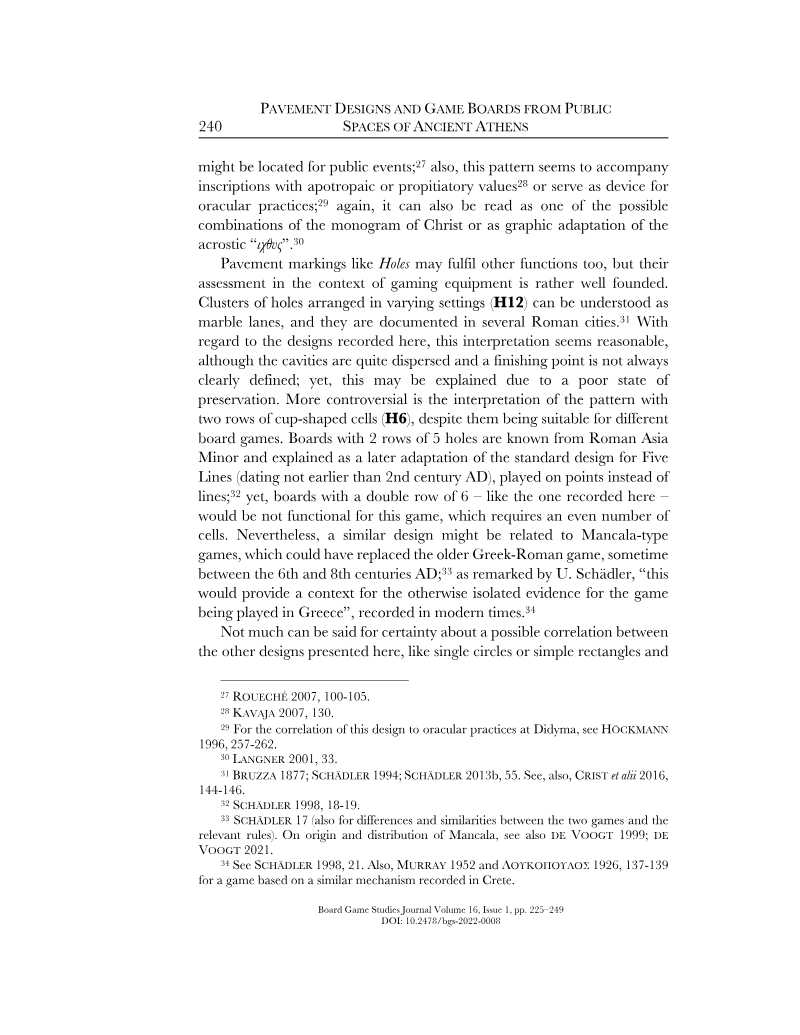
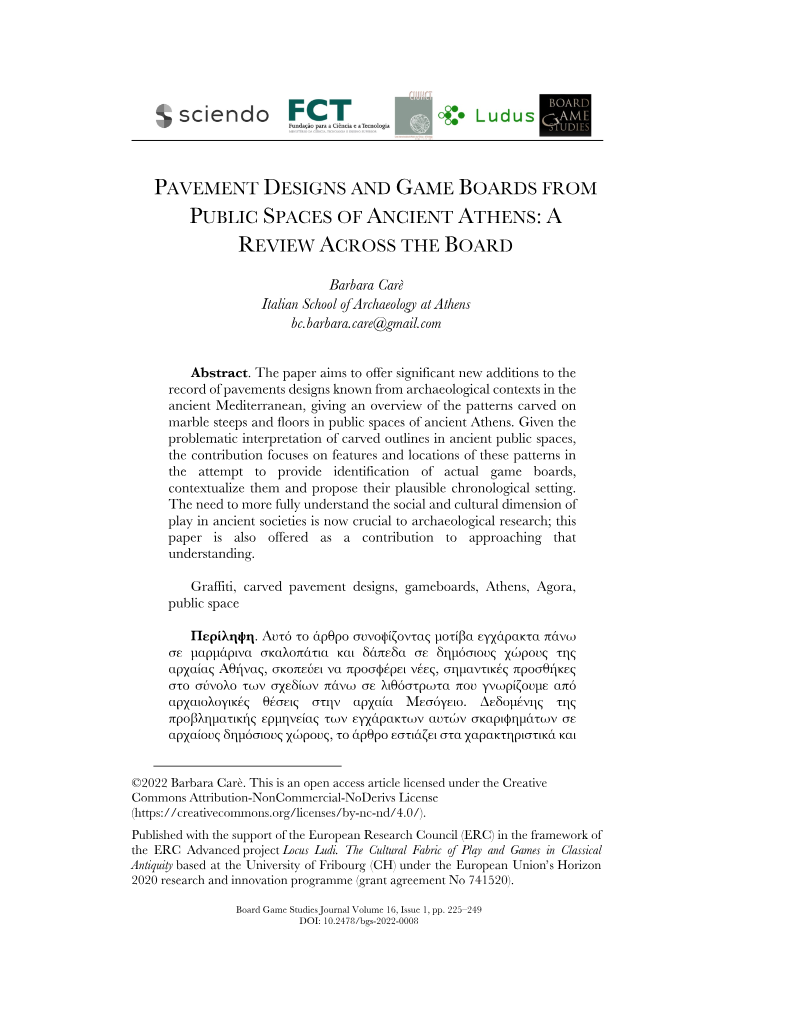
Board Game Studies Journal · 2022
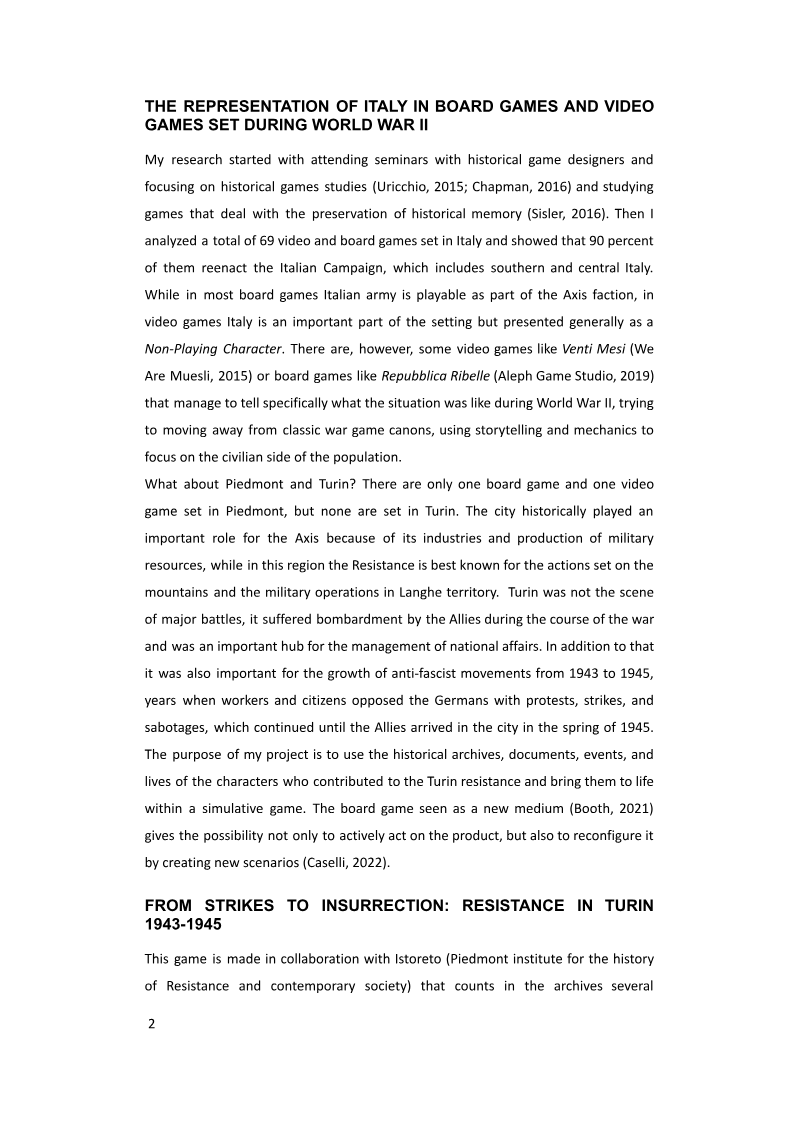
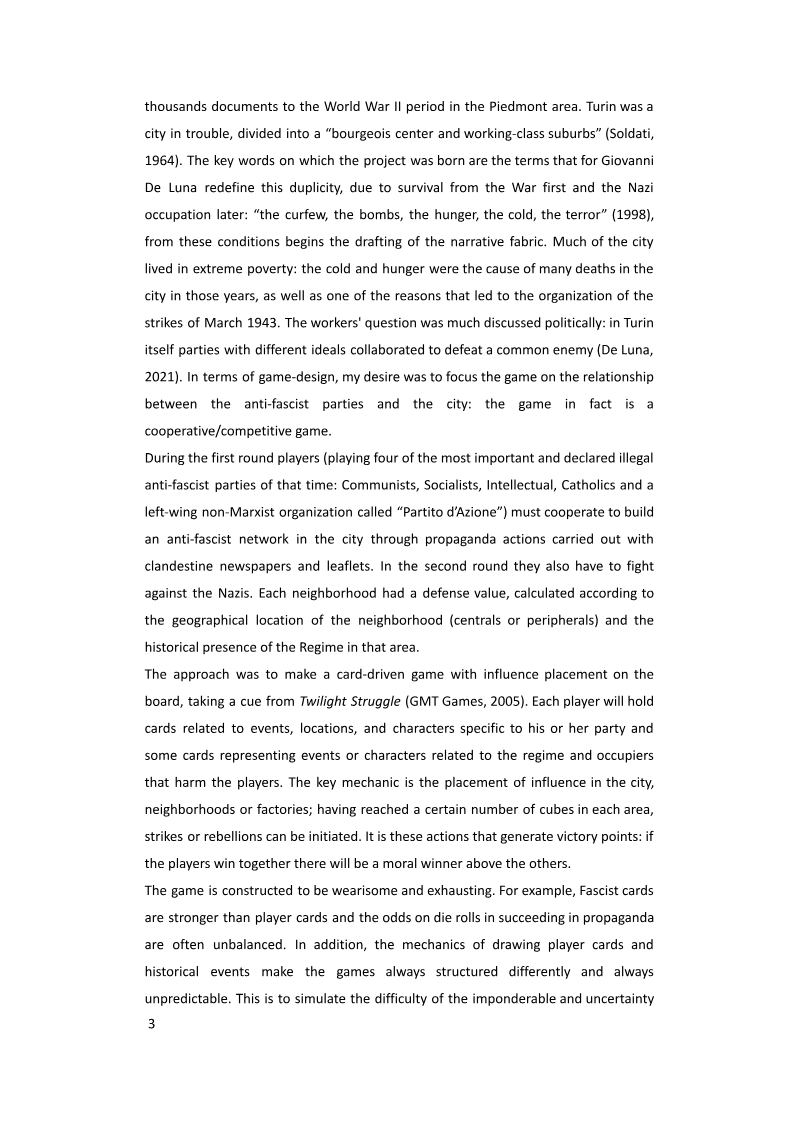
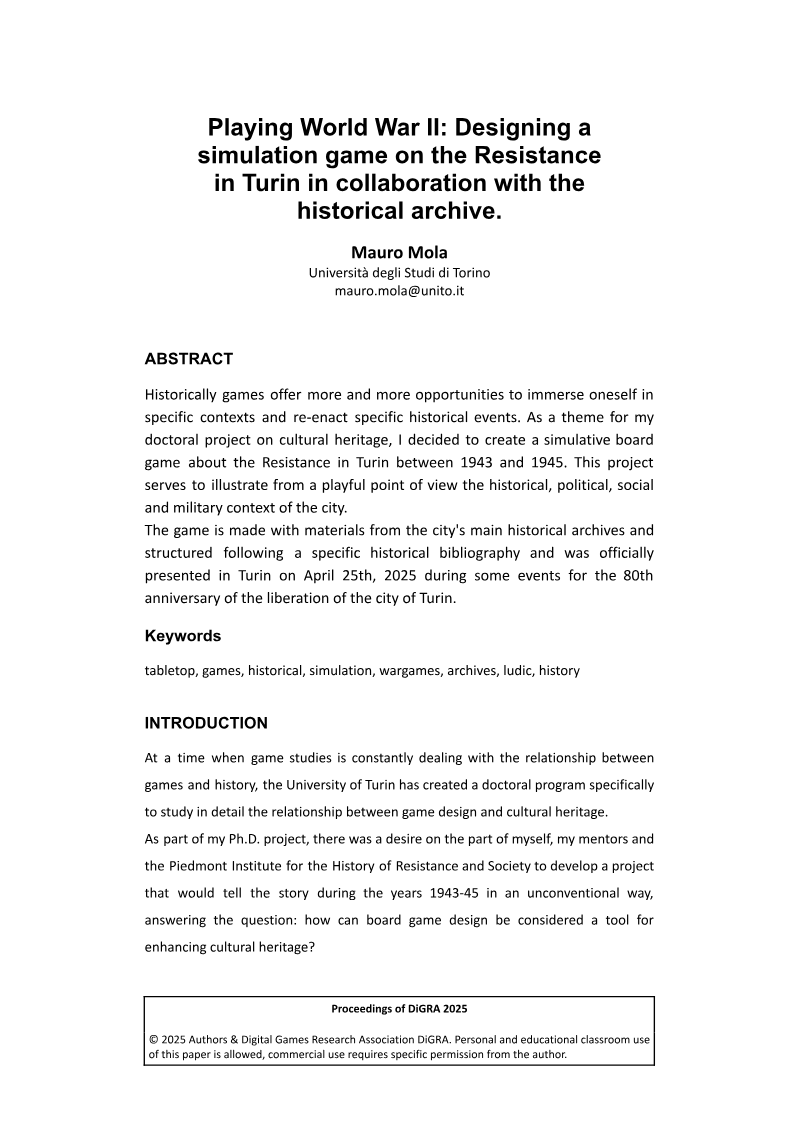
Università degli Studi di Torino · 2025
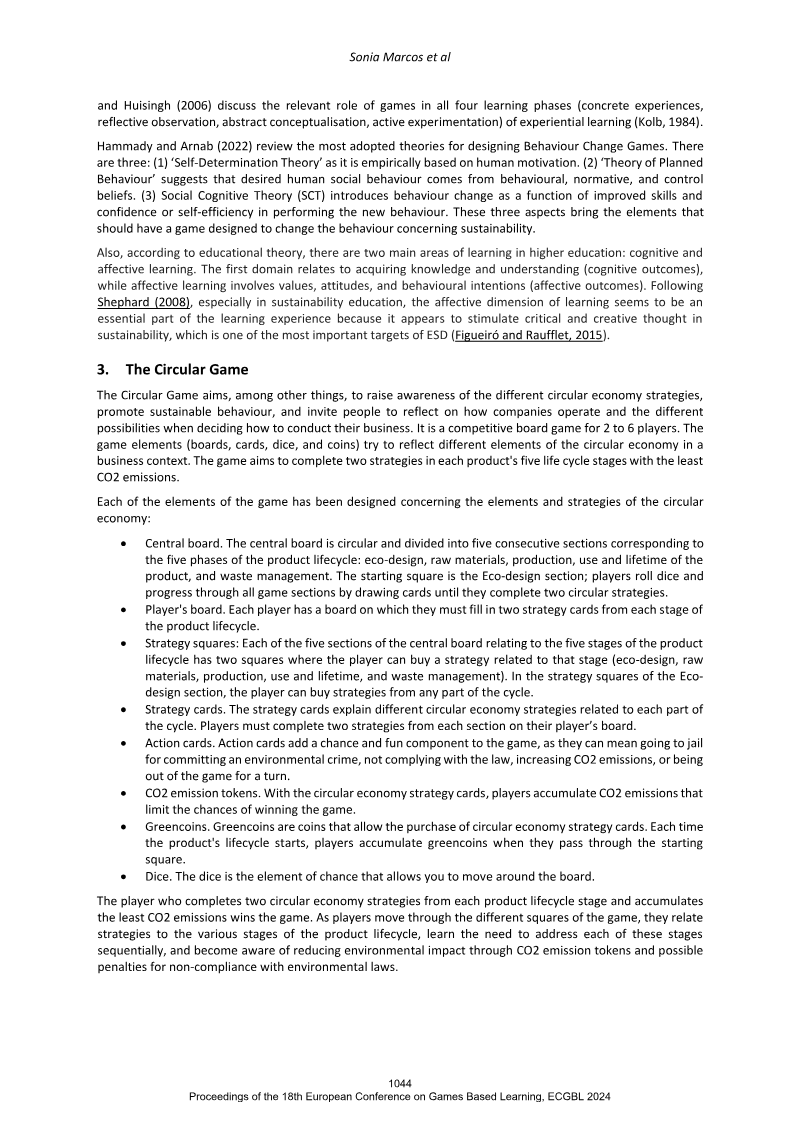
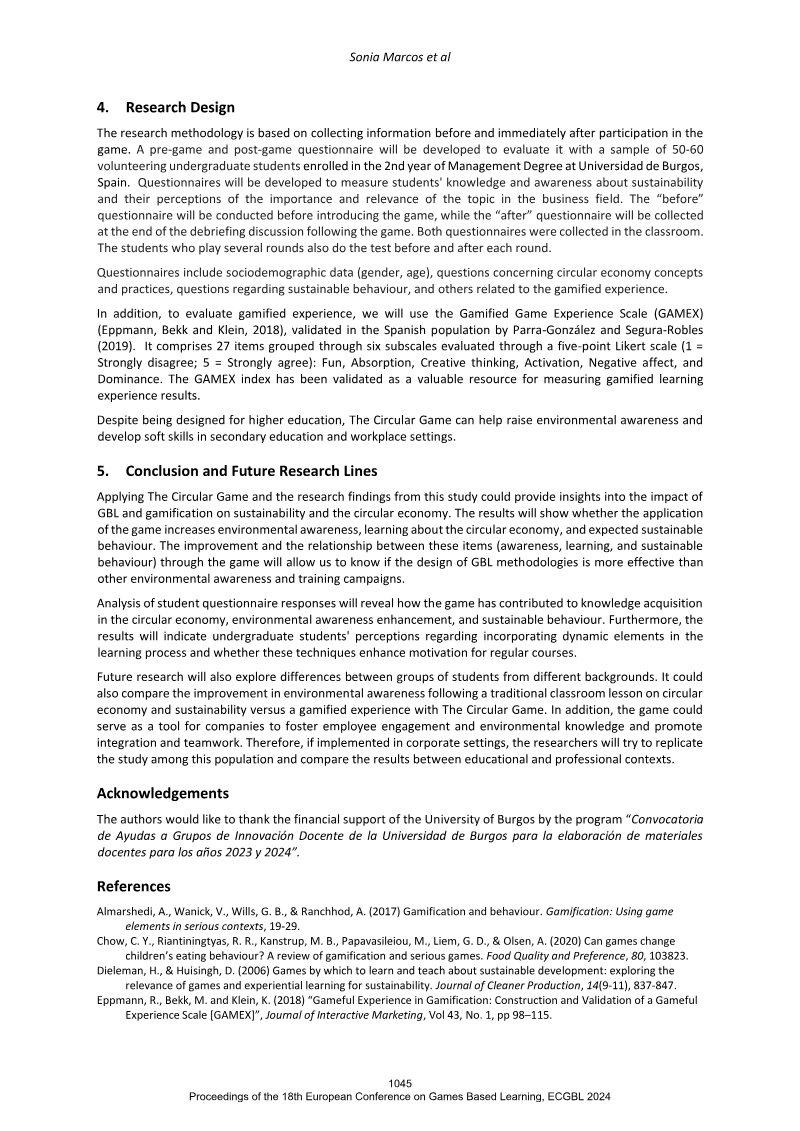
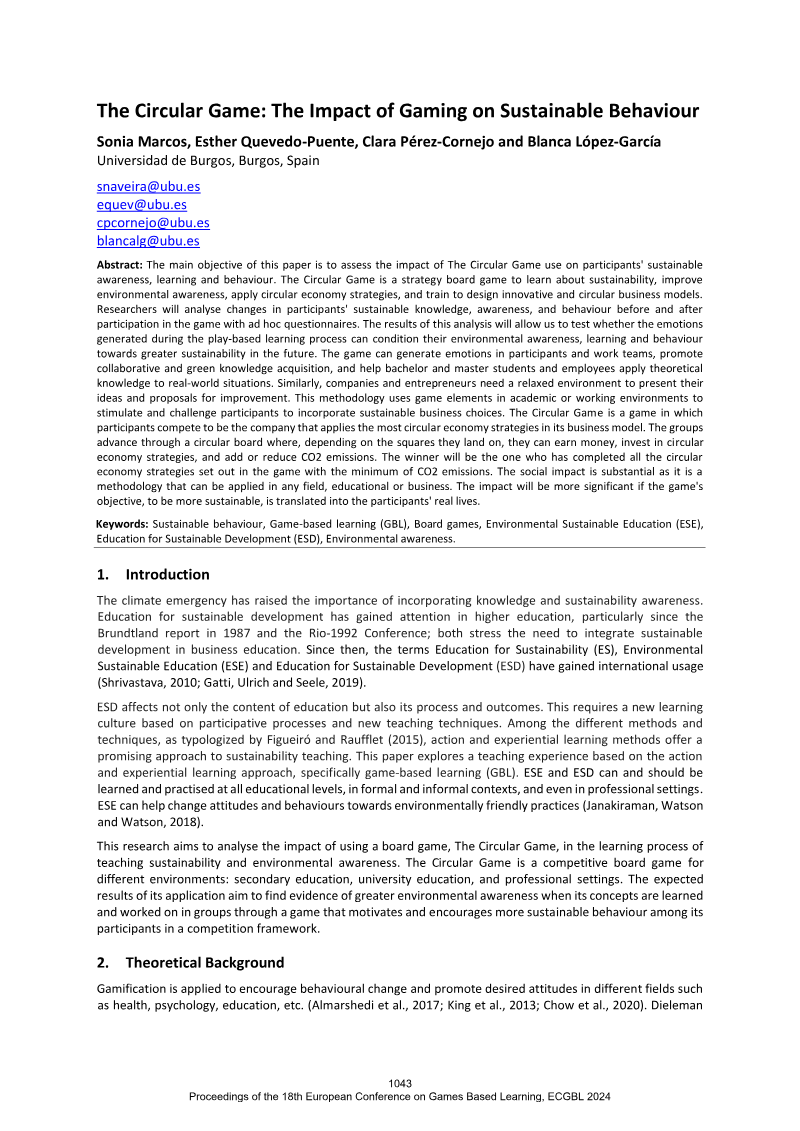
European Conference on Games Based Learning (ECGBL) · 2024