2015
Company
Documents about 2015
Nordic Game Education Index: 2015
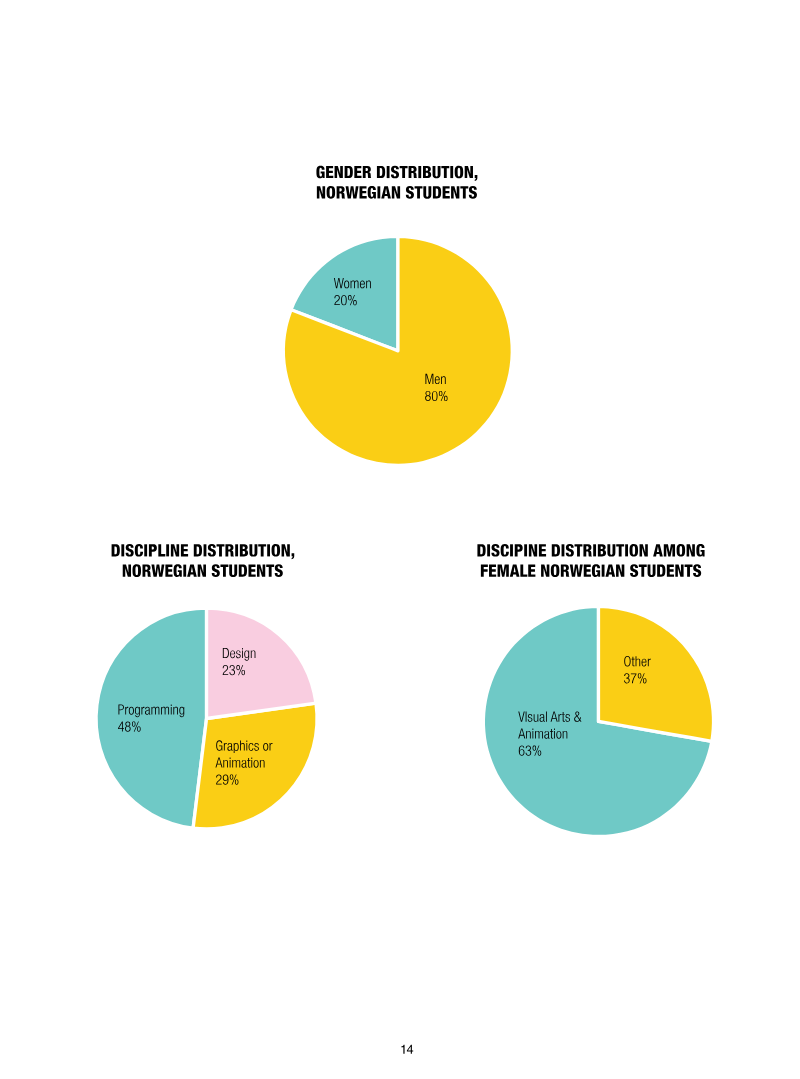
The Nordic game education sector functions as a mature, highly specialized ecosystem, comprising approximately 65 distinct programs that attract over 6,000 annual applicants.
- The Nordic game education sector consists of approximately 65 programs serving over 6,000 annual applicants, focusing on project-based learning to simulate real-world studio environments.
- Swedish higher vocational programs demonstrate high industry integration, with 80 to 87 percent of graduates securing roles within six months of completion.
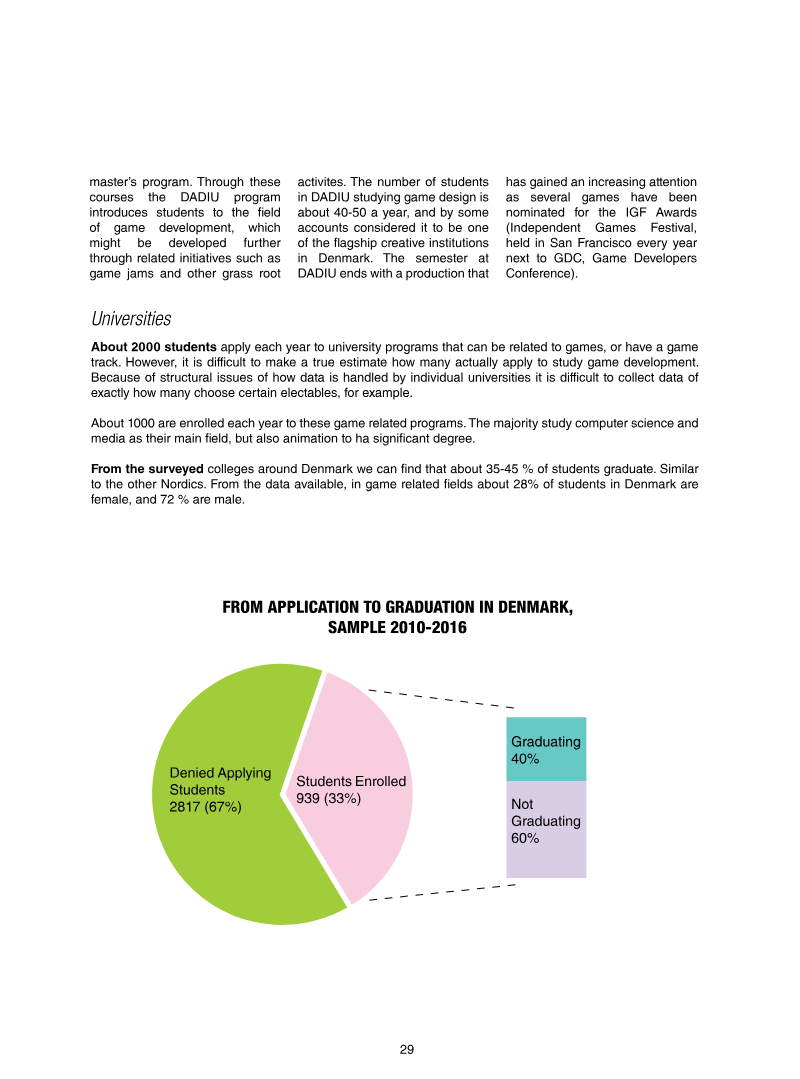
- Finland leads the region in academic efficiency with a 60 percent graduation rate, significantly outperforming the broader Nordic average of 40 percent.
Libro Blanco del Desarrollo Español de Videojuegos 2016
The 2016 White Paper on the Spanish Video Game Development Industry serves as a comprehensive analysis of the sector's economic health, growth trajectory, and strategic importance within the national economy.
- The Spanish video game industry generated 510 million euros in revenue in 2015, marking a 24% year-over-year increase with projections to reach 1.14 billion euros by 2019.
- The sector supported nearly 8,000 jobs in 2015, establishing itself as a significant contributor to national employment.
- The industry is highly atomized, with 71% of companies employing fewer than 10 people and a significant portion of these firms reporting zero revenue.
White Paper on Video Game Development in Spain: 2016
The 2016 White Paper on Video Game Development in Spain provides a comprehensive analysis of the domestic gaming industry, utilizing data collected through an exhaustive survey of Spanish development studios conducted in April 2016.
- The Spanish video game industry generated 510.7 million euros in 2015, representing a 24% year-over-year growth with projections to reach 1.14 billion euros by 2019.
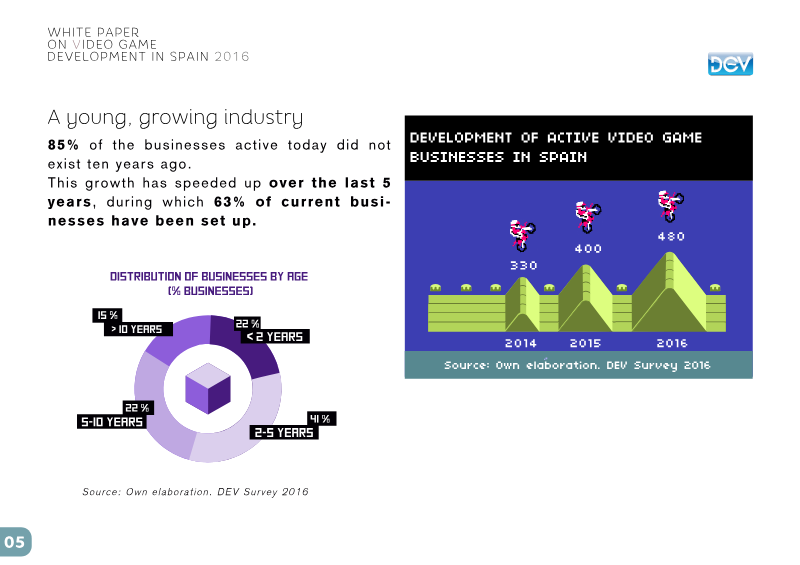
- As of 2016, there were 480 active development companies in Spain, a 20% increase from the previous year, with 85% of these firms established within the last decade.
- Direct employment in the sector grew by 32% to 4,460 professionals, yet 55% of companies report significant difficulties in recruiting appropriately skilled staff.



Faith: Investeringar i globala digitala innehållsproducenter
Intellectual property serves as the fundamental engine for investment and growth within the global digital content sector, particularly within the Swedish and Nordic gaming industries.
- Intellectual property is the primary driver of industry transactions, accounting for 68 to 77 percent of all analyzed deals between 2015 and 2017.
- The core value of gaming companies has shifted from technical infrastructure to intangible assets, specifically creative content, brand equity, and proprietary game design.
- Long-term commercial viability for studios now depends on the rigorous legal protection and active management of copyright and trademark assets to prevent cloning and unauthorized distribution.
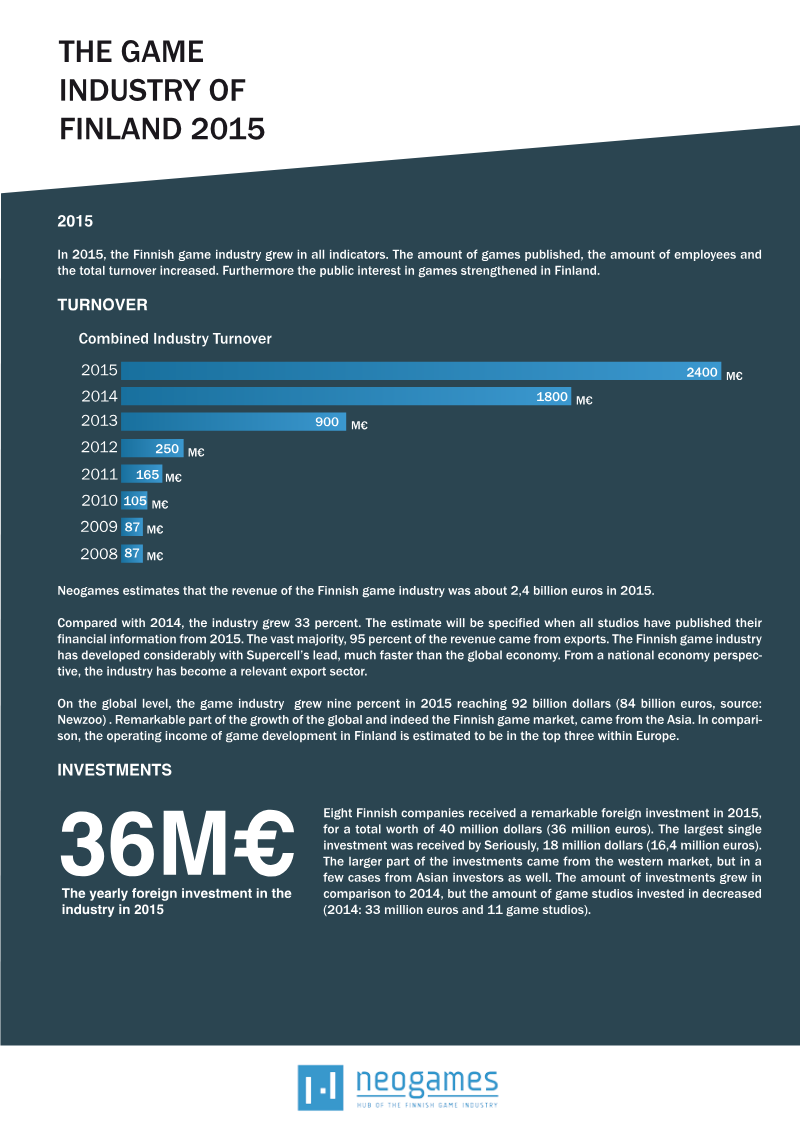
The Game Industry of Finland 2015
The Finnish game industry experienced significant expansion throughout 2015, characterized by robust growth in turnover, employment, and output.
- The Finnish game industry generated 2.4 billion euros in turnover in 2015, marking a 33 percent year-over-year growth that solidified the country as a top-three European hub for game development.
- Exports are the primary economic driver for the sector, accounting for 95 percent of total industry revenue.
- The industry employed 2,700 professionals across 290 active companies, with the majority of talent and operations concentrated in the Helsinki metropolitan area.
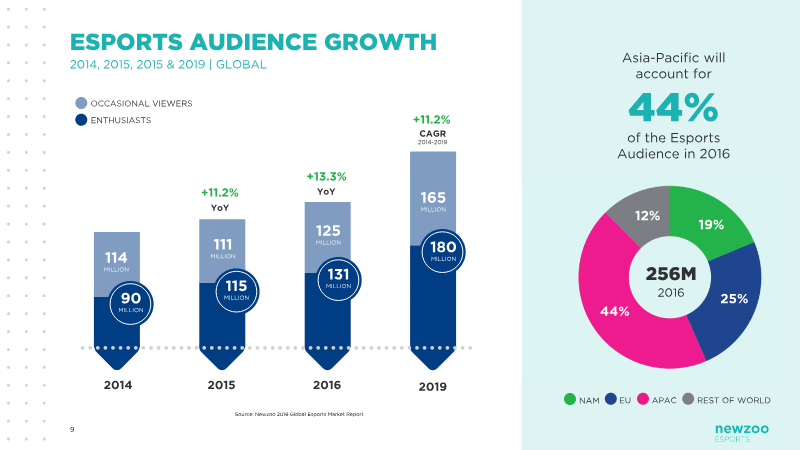
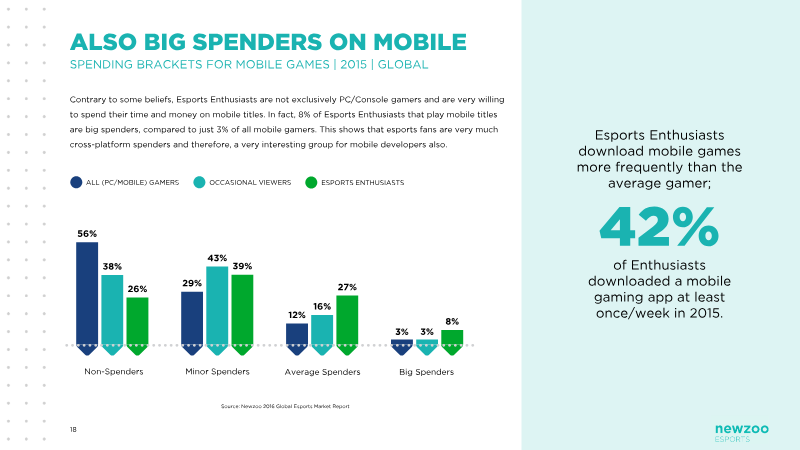

2016 Global Esports Market Report: An Overview of the Esports Market & Its Valuable Audience
The 2016 Global Esports Market Report provides a comprehensive analysis of the burgeoning esports economy, identifying it as a transformative force in the video game industry.
- The global esports economy reached $325 million in 2015, with projections indicating continued rapid acceleration.
- The esports enthusiast audience grew by 13.3% year-over-year, signaling a shift in gaming from a personal activity to a spectator sport.
- Revenue per enthusiast is projected to rise from $2.20 in 2014 to $6.00 by 2019.

Essential Video Game News: Market, Consumption, Use – France (February 2016)
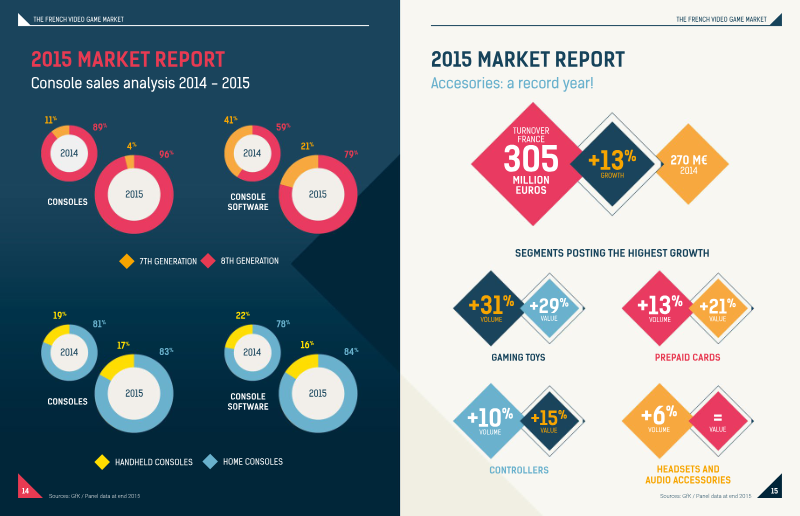
The French video game industry experienced a period of sustained growth in 2015, marking the second consecutive year of positive performance with a 6% increase in total market value to €2.8 billion.
- The French video game market grew by 6% in 2015 to a total value of €2.8 billion, marking its second consecutive year of positive performance.
- Software sales reached €1.6 billion (up 7%), while accessory sales hit a record €300 million, representing a 13% increase.
- The transition to 8th-generation consoles drove market vitality, with 1.57 million units sold during 2015.

Developer Satisfaction Survey 2015: Industry Trends and Future Outlook Report
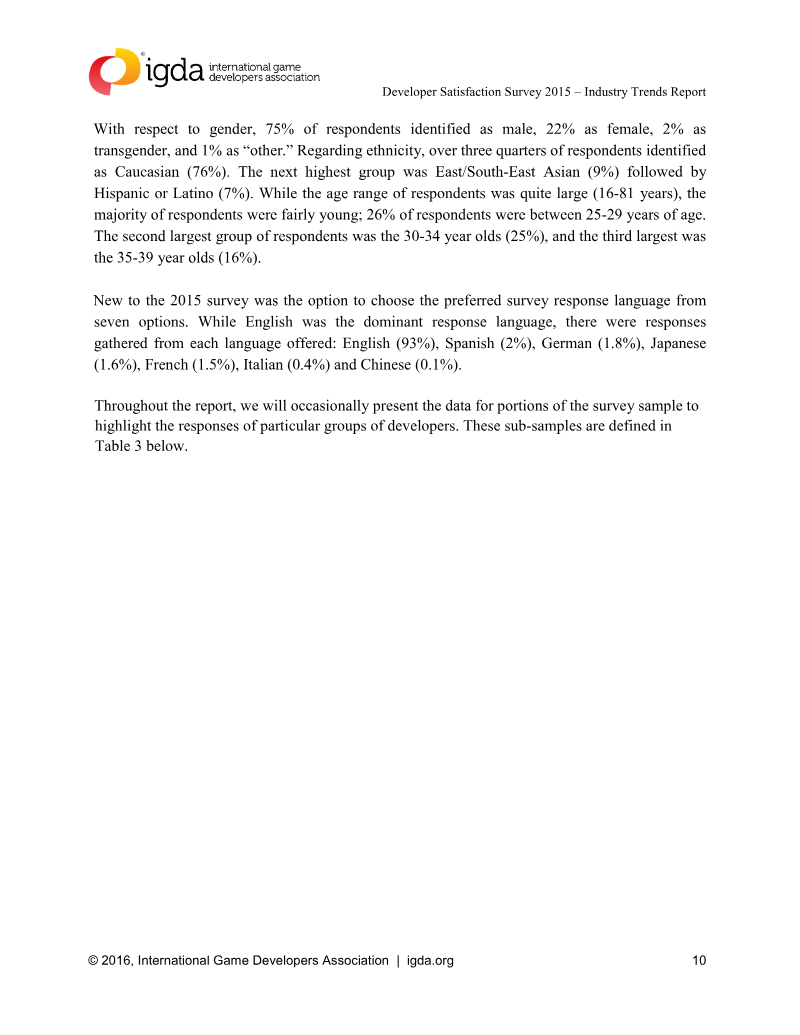
The 2015 game industry landscape reflects a complex dichotomy between individual professional fulfillment and systemic cultural anxiety.
- Over 50% of the nearly 3,000 surveyed professionals believe the public views the game industry negatively due to high-profile controversies regarding sexism, racism, and toxic workplace conditions.
- Female and transgender developers report a significantly higher awareness of and exposure to discriminatory practices within both the workforce and game content.
- Despite cultural concerns, the industry maintains a stable growth trajectory with developers expressing optimism for technological innovation and career prospects.
Gamevironments of the Past: A Broad Take on Games and History
This report by Xenia Zeiler examines the Indian indie game development scene as of 2016, focusing on the tension between commercial market realities and creative ambitions around cultural heritage.
- Smartphones have become the dominant gaming platform in India, while console and PC gaming remain niche.
- Successful Indian mobile titles since 2015 have been overwhelmingly card and casino games, particularly the Teen Patti family, with mythology-, animation-, or film-tied titles tending to have short lifespans.
- Earlier large-scale Indian heritage games, such as Hanuman: Boy Warrior (2009), largely failed, making the current wave of indie heritage projects notable.
Global Influences on Regional Industries: Game Development in Nordic Countries, China, and India
This paper examines how regional cultural and structural contexts shape the development of local game industries, using the Nordic region, China, and India as comparative cases.
- The global games industry has been dominated by a few historically influential actors, principally Japan and the United States, whose practices serve as benchmarks that other regions tend to follow.
- The authors find that regional content still largely follows globally established standards, possibly because development tools and distribution platforms are concentrated among a small number of companies that pressure developers to adopt existing mechanics while varying aesthetics.
- Nordic game industries took different shapes according to their origins: Sweden and Finland grew out of software engineering and the demoscene with an emphasis on programming, while Norway and Denmark drew on film, animation, and visual storytelling traditions.
The Divide Between E-Sport and Playing Games in China
The paper argues that the rise of competitive e-sports in China has reshaped public perception of gaming, crowding out other forms of play from media discourse and everyday life.
- The paper argues that media coverage of competitive e-sports, driven by record viewership, sponsorship, and prize-money narratives with China as the centerpiece of a global market, has made e-sports the only socially acceptable form of gaming in China and cast other play as less legitimate.
- The authors' evidence comes from ethnographic fieldwork in China conducted between 2013 and 2015, combining informal interviews with online forum observation.
- Terms from League of Legends and similar titles, such as "da ye" (jungling), "shua bin," and "penta kill," have spread into everyday Chinese speech, including among people who rarely or never play games.
Teaching Digital Game Curricula in the Communication Discipline in Higher Education Institutions in the Greater China Region: A Curriculum Analysis Approach
This study examines how communication programs in higher education institutions across the Greater China Region have incorporated digital game curricula, using a curriculum analysis approach grounded in curriculum mapping.
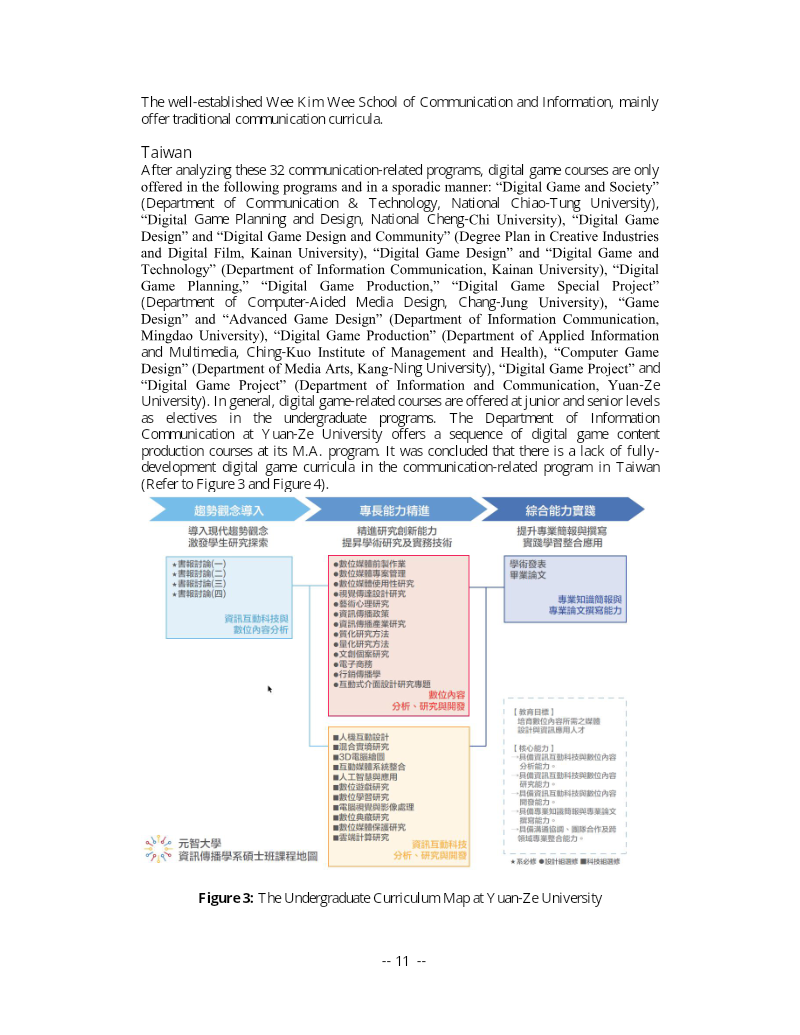
- Most traditional communication programs across the Greater China Region (China, Hong Kong, Macau, Singapore, Taiwan) offer few or sporadic digital game courses, leaving curricula out of step with a fast-growing industry.
- The Asian digital game market was projected to generate roughly $20 billion in revenue in 2015, about 38 percent of the global total, underscoring the scale of demand for skilled professionals.
- Where game courses exist, they lean heavily toward technical and programming instruction, while player research, the social implications of games, and game rhetoric receive comparatively little attention.