1 free read left. Create a free account for unlimited reading + AI research.
Create free accountWhitepaper DEV – Asociacion Espanola de Empresas Productoras y Desarrolladoras de Videojuegos
1 free read left. Create a free account for unlimited reading + AI research.
Create free accountWhitepaperDEV – Asociacion Espanola de Empresas Productoras y Desarrolladoras de Videojuegos
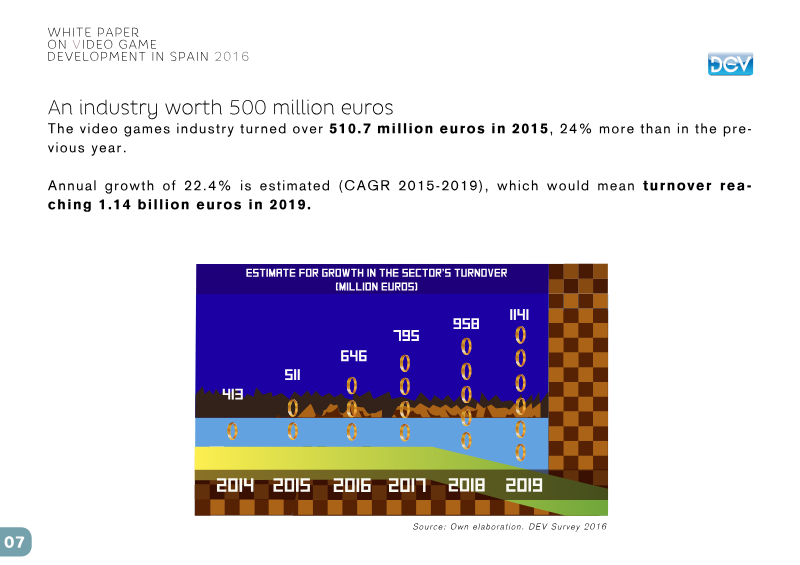
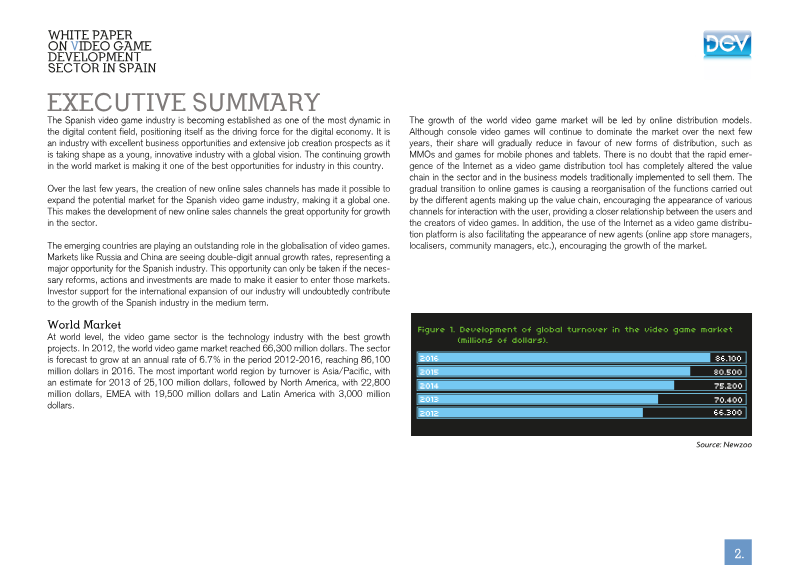
The sector generated 510.7 million euros in turnover, marking a 24% year-over-year increase. Projections indicate the industry could reach 1.14 billion euros by 2019.
The 2016 White Paper on Video Game Development in Spain provides a comprehensive analysis of the domestic gaming industry, utilizing data collected through an exhaustive survey of Spanish development studios conducted in April 2016. The report serves as a strategic tool for stakeholders, including public bodies and investors, to understand the sector's potential, identify growth barriers, and inform future policy and investment decisions.
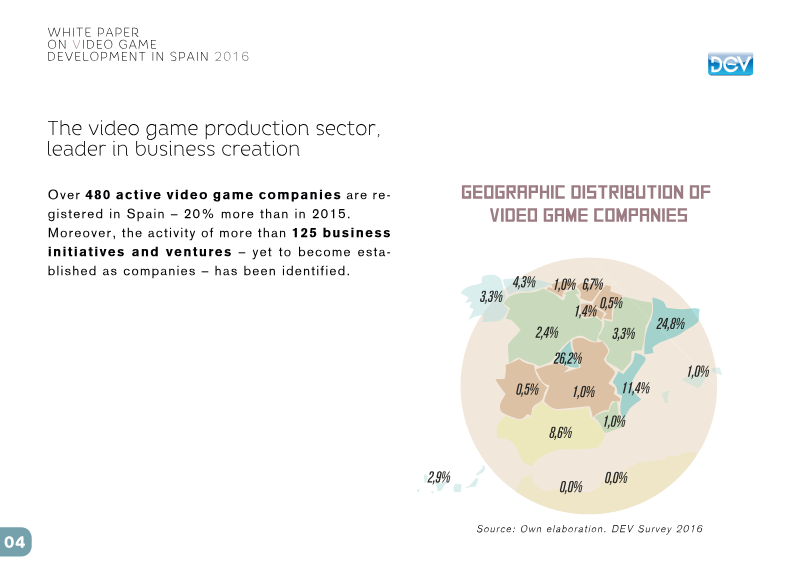
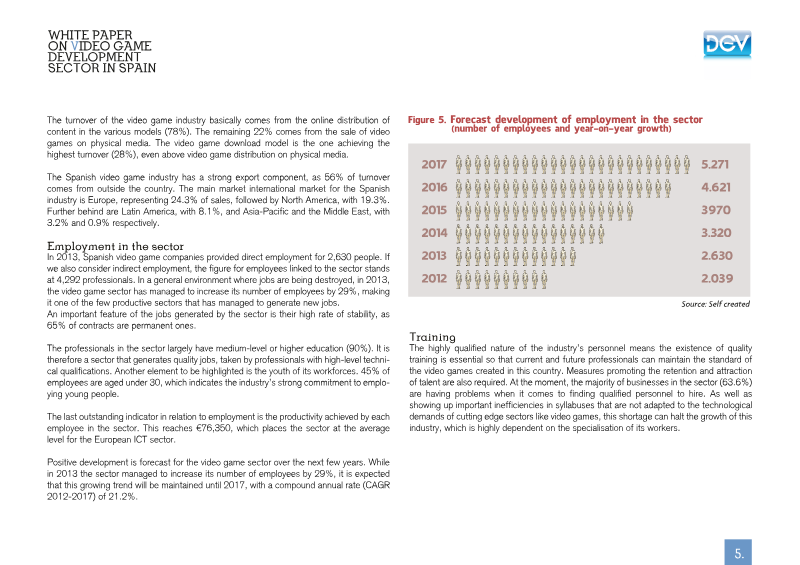
The industry is characterized by rapid expansion and a youthful demographic, with 85% of active companies established within the last decade. As of 2016, there were 480 active video game companies in Spain, representing a 20% increase over the previous year. The sector generated 510.7 million euros in turnover in 2015, reflecting a 24% year-over-year growth, with projections suggesting the industry could reach 1.14 billion euros by 2019. Employment also saw significant gains, with the workforce growing by 32% to reach 4,460 direct professionals. Despite this, the report notes a structural gap where Spain’s industry turnover remains low relative to its status as a major consumer market compared to international peers like Finland and Germany.
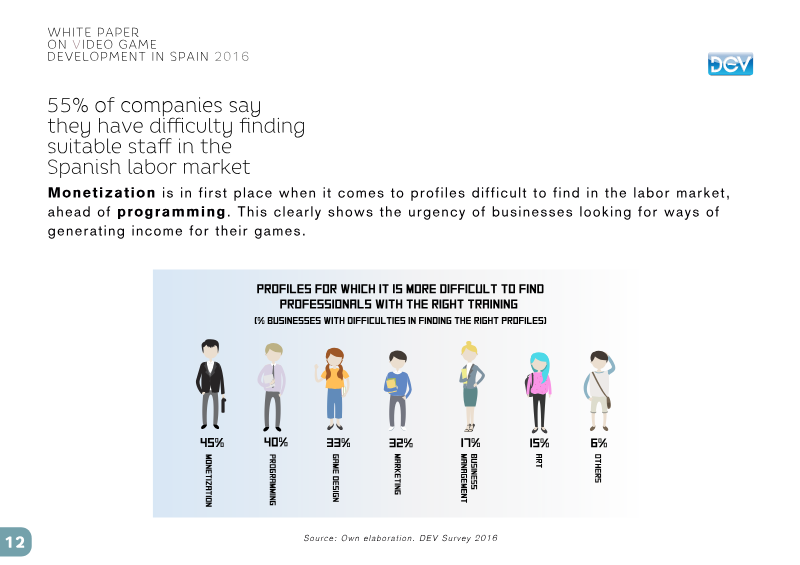
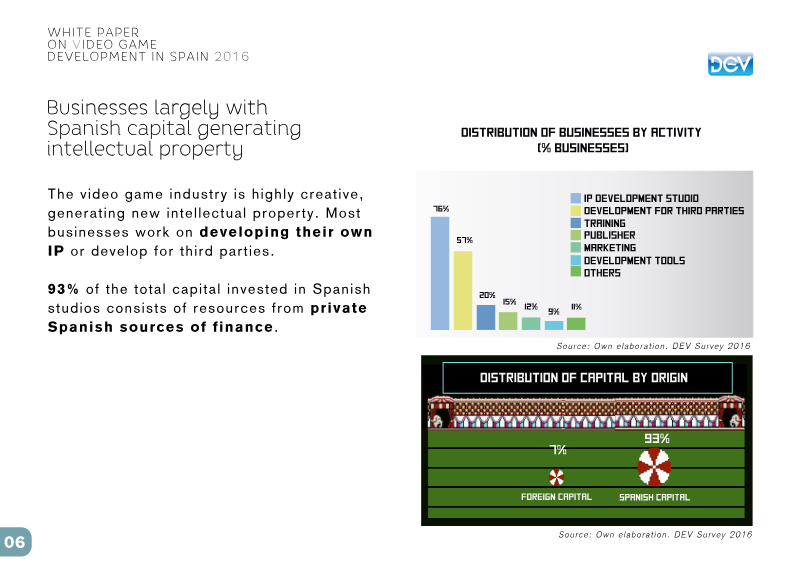
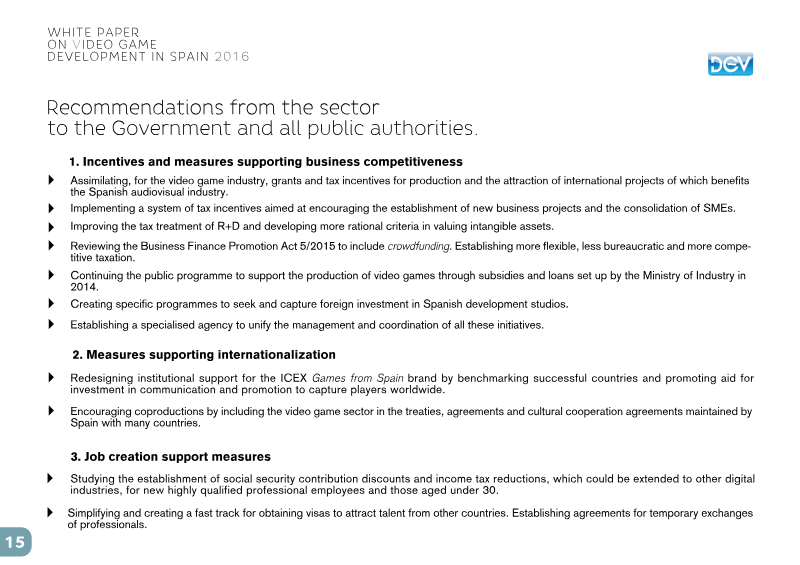
Key operational findings highlight that 93% of capital is sourced domestically, and 52% of total turnover is derived from international exports. While the sector is highly creative, it faces significant challenges, including difficulties in accessing finance, complex monetization, and a talent shortage, with 55% of companies struggling to recruit appropriately skilled staff. To address these hurdles, the report recommends that the government implement targeted tax incentives, improve R&D support, streamline visa processes for international talent, and foster stronger ties between academic institutions and the industry to align training with market demands.
DEV – Asociacion Espanola de Empresas Productoras y Desarrolladoras de Videojuegos · 2026
DEV – Asociacion Espanola de Empresas Productoras y Desarrolladoras de Videojuegos · 2024
DEV – Asociación Española de Empresas Productoras y Desarrolladoras de Videojuegos · 2023
DEV · 2023
DEV – Asociacion Espanola de Empresas Productoras y Desarrolladoras de Videojuegos · 2022
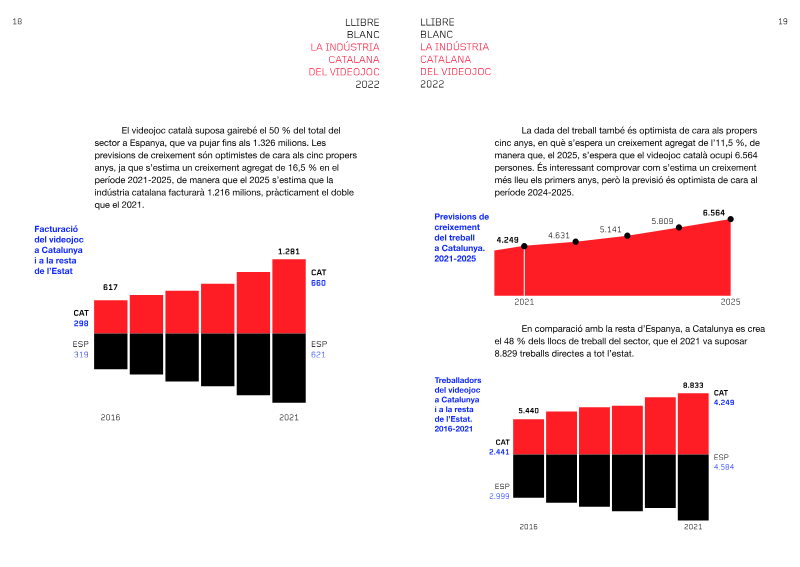
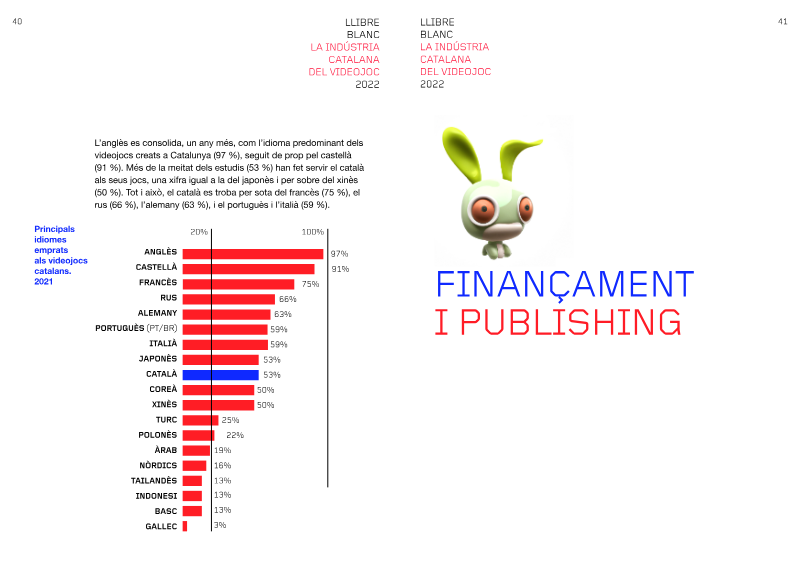
DEV · 2022
Spanish Association for the Game and Entertainment Software Development and Publishing Industry · 2021
Fondo Europeo de Desarrollo Regional · 2021

DEV – Asociacion Espanola de Empresas Productoras y Desarrolladoras de Videojuegos · 2020
DEV - Spanish Association of Video Games and Entertainment Software Producers and Development Companies · 2020
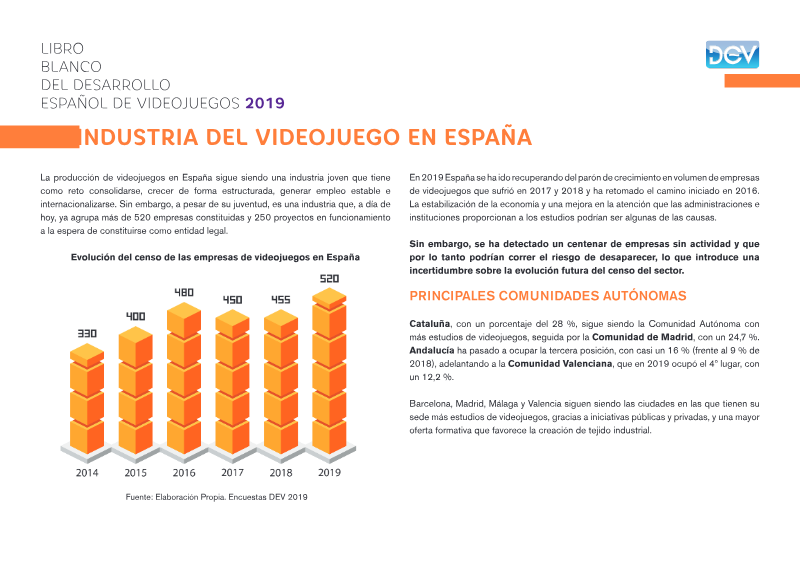
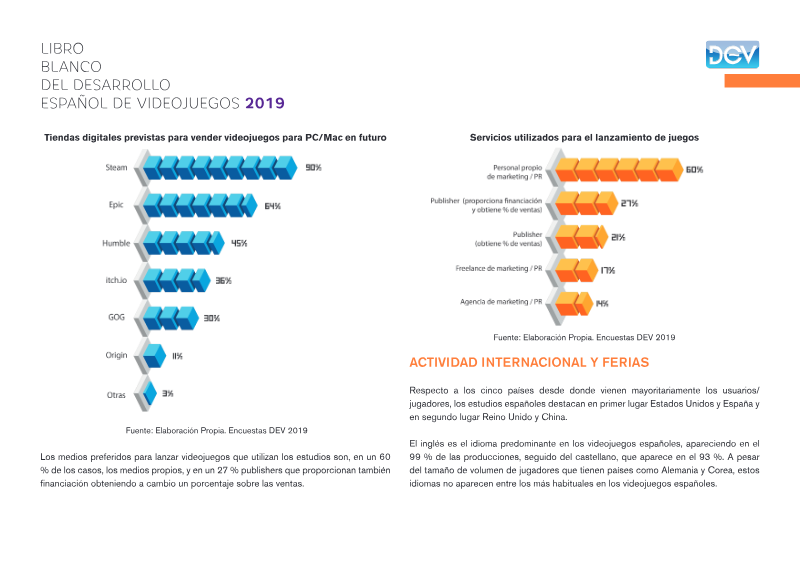

DEV - Desarrollo Español de Videojuegos · 2019
DEV – Asociacion Espanola de Empresas Productoras y Desarrolladoras de Videojuegos · 2018
Icelandic Game Industry · 2024