Serious Games reports and market data
Documents
Designing a Fantasy Bike-based Exergame to Foster Physical Activity
Play’n Ride functions as a bike-based exergame designed to increase physical activity by integrating extrinsic fantasy elements with standard cycling equipment.
- Mapping pedaling cadence to vertical flight altitude rather than forward movement shifts user focus from repetitive exercise to immersive, goal-oriented gameplay.
- A 2019 field study of 178 participants during the Tour de France demonstrated high accessibility, with over 86% of users successfully initiating gameplay without formal instruction.
- The system achieved high engagement across diverse demographics regardless of age, gender, or prior gaming experience, indicating that extrinsic fantasy is an effective tool for sustaining physical activity.
Different Performance, Full Experience: A Learning Game Applied Throughout Adulthood
Educational games serve as effective learning tools across the entire adult lifespan, regardless of age-related cognitive shifts.
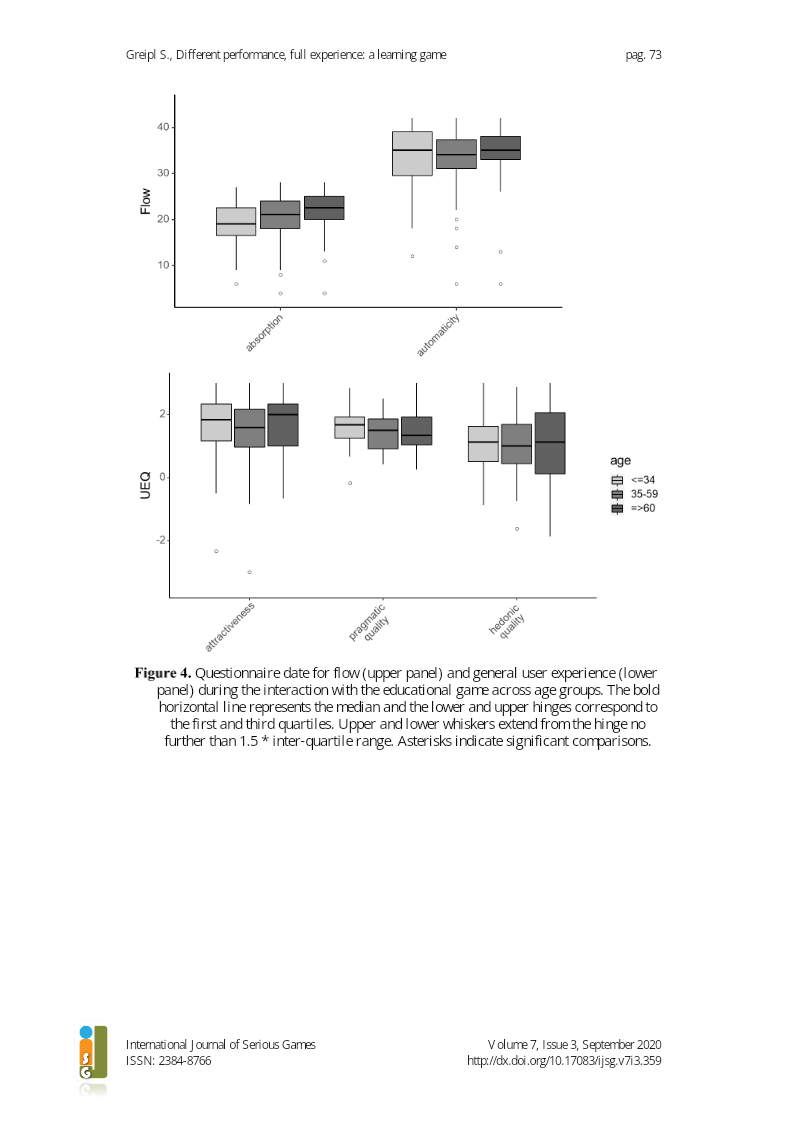
- Educational games are effective for all adults regardless of age, as 141 participants aged 19 to 79 reported high levels of engagement and flow regardless of chronological age.
- While age correlates with slower processing speeds, accuracy in game-based learning is primarily driven by educational background and crystallized knowledge rather than age.
- Prior gaming frequency acts as a critical mediator that mitigates performance gaps often misattributed to cognitive aging.
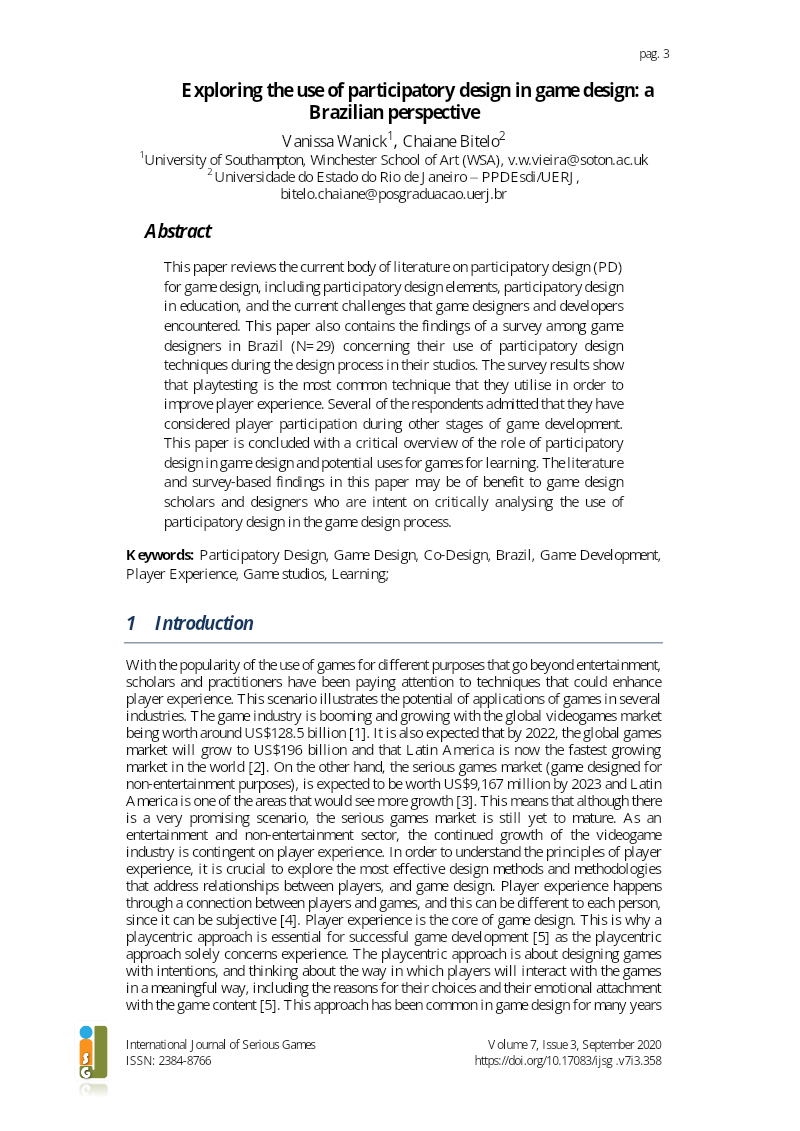
Exploring the Use of Participatory Design in Game Design: A Brazilian Perspective
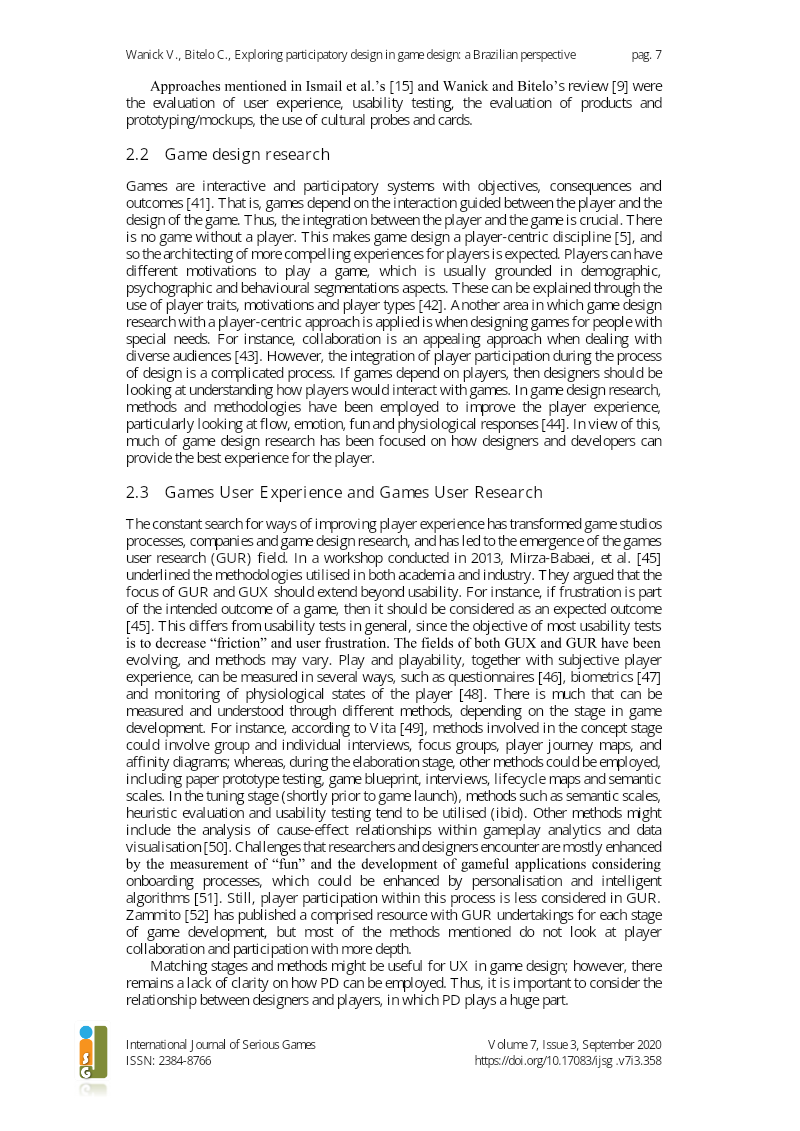
The Brazilian game industry currently relies heavily on traditional playtesting as its primary mechanism for gathering player feedback, yet there is a significant opportunity to transition toward more robust Participatory Design (PD) frameworks.
- The Brazilian game industry primarily relies on traditional playtesting, missing the deeper, collaborative co-creation benefits of Participatory Design (PD).
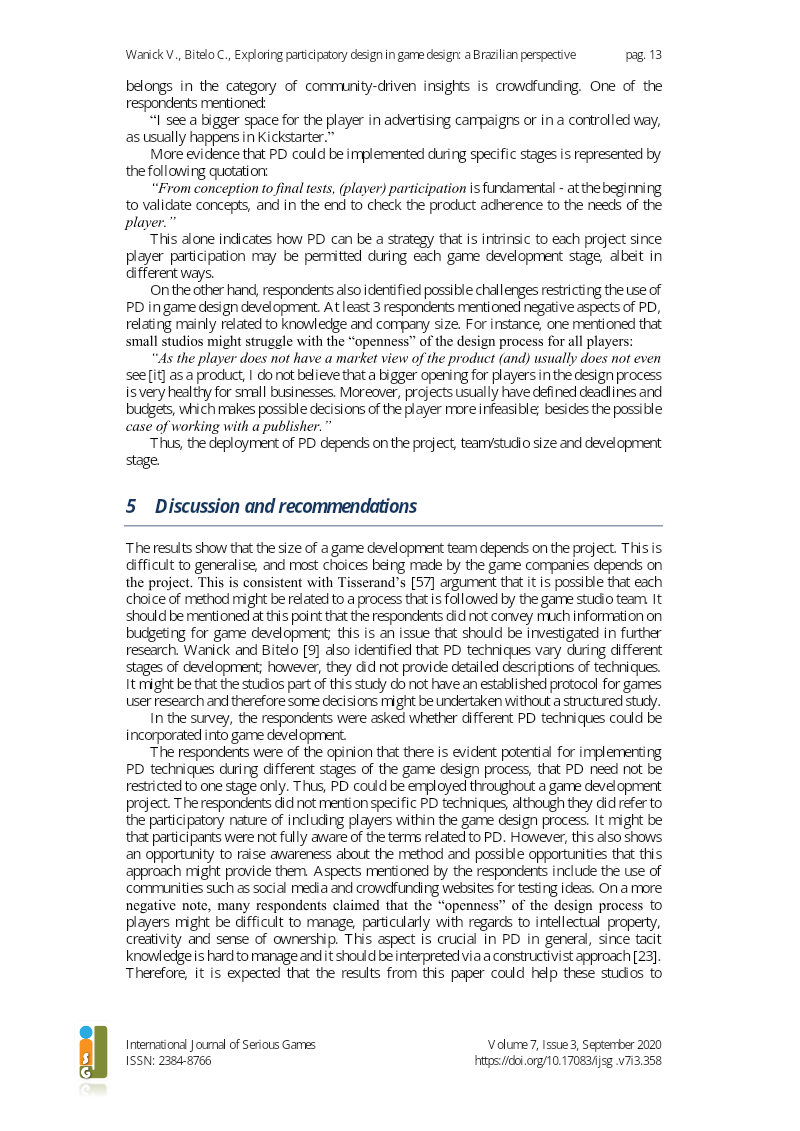
- A study of 29 studios, representing approximately 28% of the Brazilian market, reveals that developers struggle to integrate community-driven insights throughout the full development lifecycle.
- Primary barriers to adopting formal PD frameworks include budget constraints, concerns over intellectual property protection, and the operational complexity of managing open design processes.
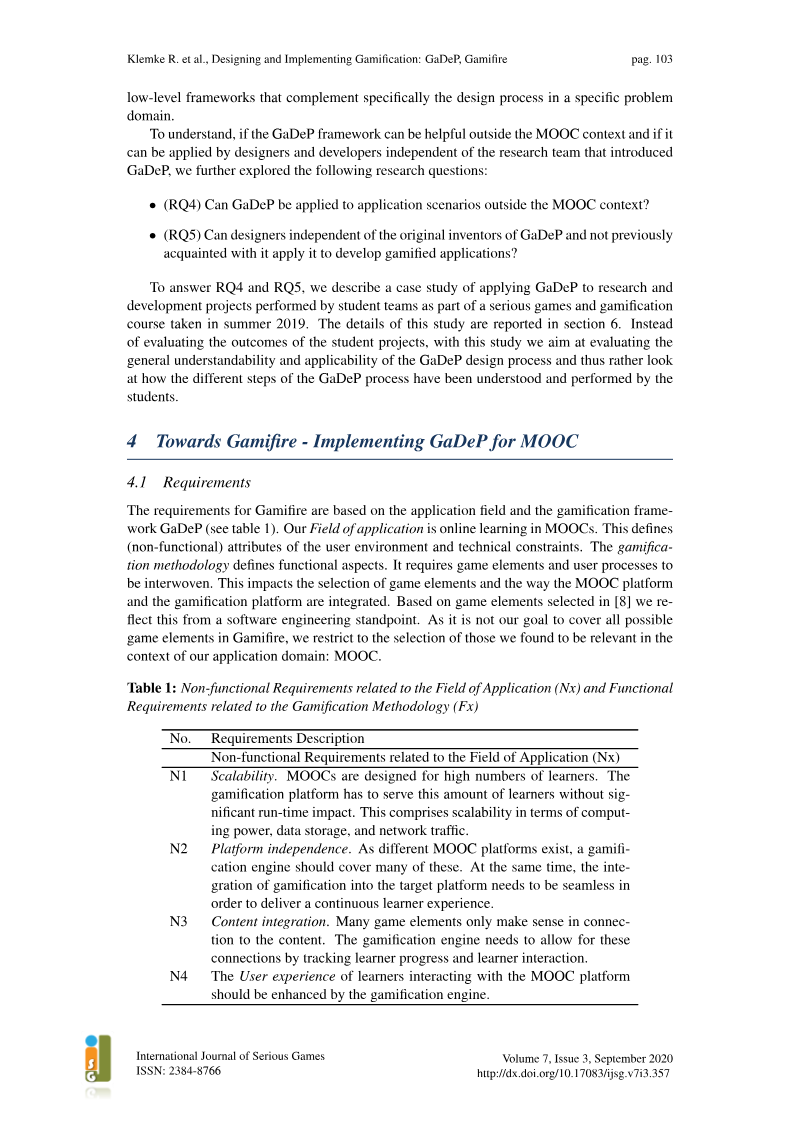
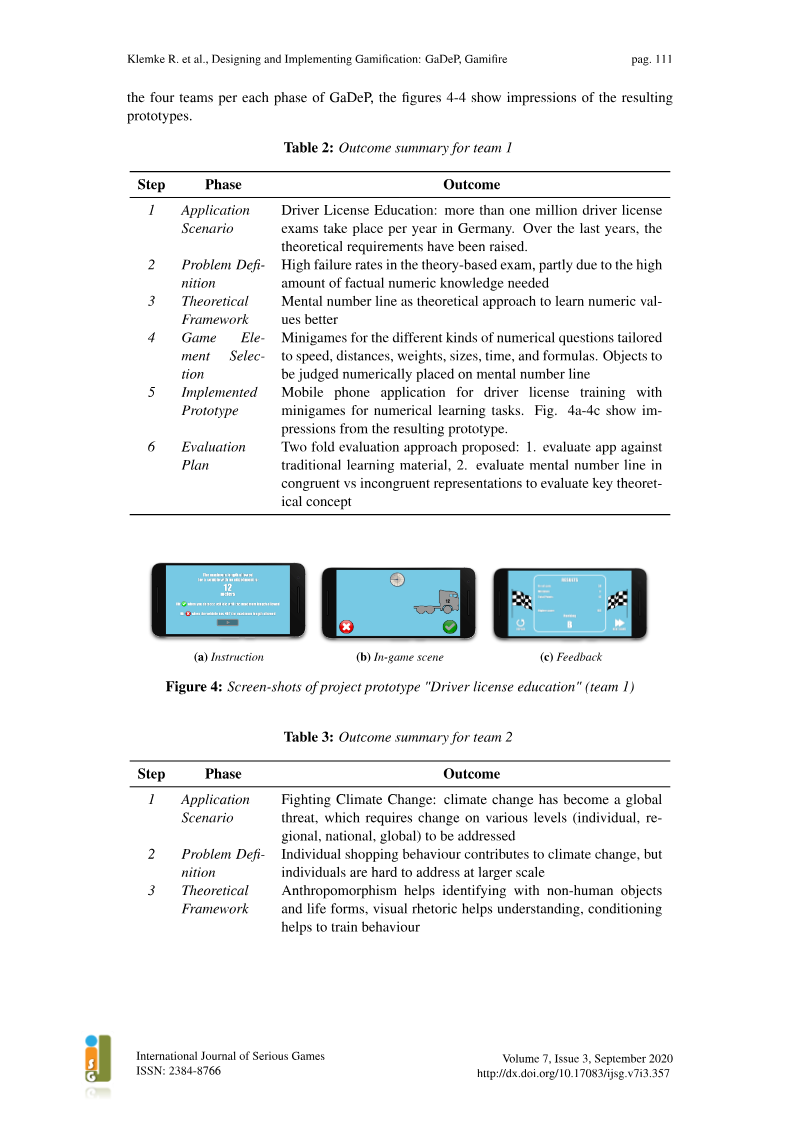
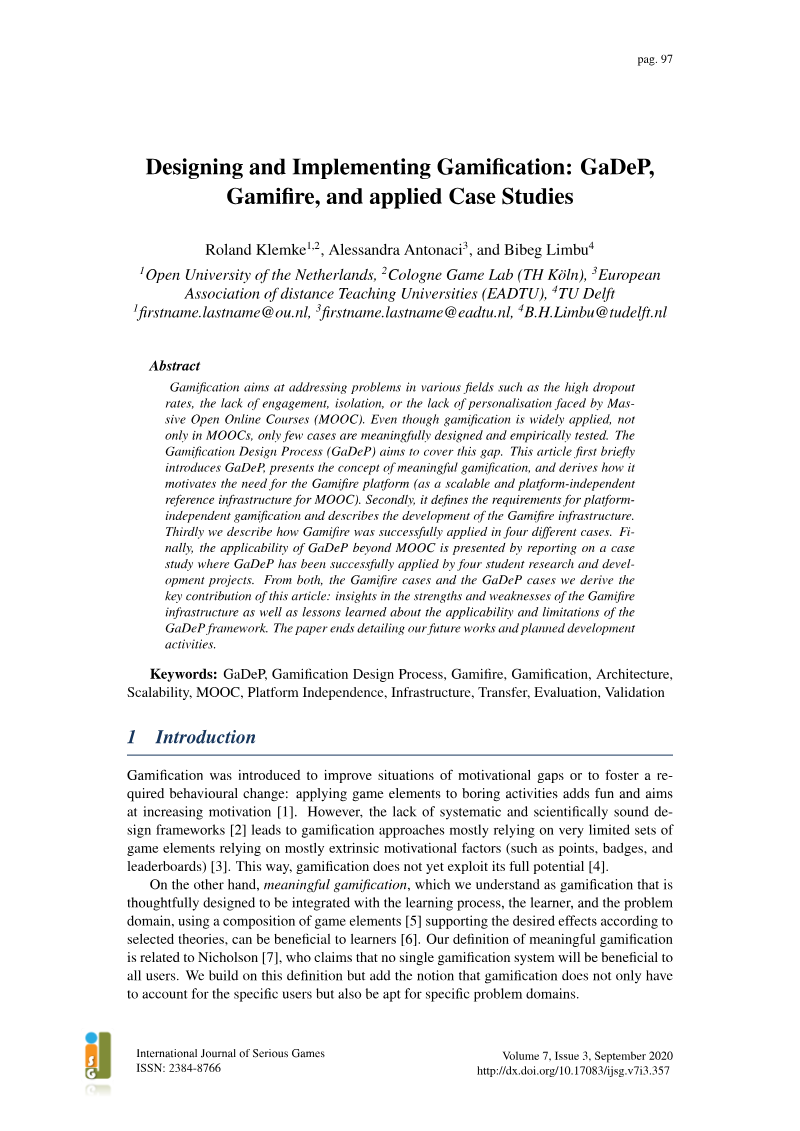
Designing and Implementing Gamification: GaDeP, Gamifire, and Applied Case Studies
The Gamification Design Process (GaDeP) provides a structured, six-phase framework intended to move gamification beyond superficial mechanics toward meaningful, theory-driven engagement.
- The Gamification Design Process (GaDeP) is a six-phase, platform-independent framework designed to transition gamification from superficial mechanics to theory-driven engagement.
- The Gamifire infrastructure utilizes a three-tier cloud architecture and front-end widget integration to deploy gamification elements into MOOCs without requiring back-end access.
- Technical validation confirms that the Gamifire system supports complex social and psychological mechanics, including clan systems and stimulated planning, while maintaining scalability.



An Empirical Study on Factors Affecting User Engagement in a Gamified Team Building Environment
Gamified team-building applications rely on a complex interplay between individual personality traits and organizational dynamics to sustain user engagement.
- Gamified team-building success depends less on individual user personality types and more on the presence of internal 'organizers' who act as catalysts for engagement.
- Internal opinion leaders are essential for structuring platforms into small-world networks, which effectively bridges the gap between individual motivations and collective team goals.
- User engagement is driven by three primary BrainHex typologies: Achievers (task-focused), Socializers (connection-focused), and Conquerors (competition-focused).

Visuospatial Abilities Training with Digital Games in a Primary School
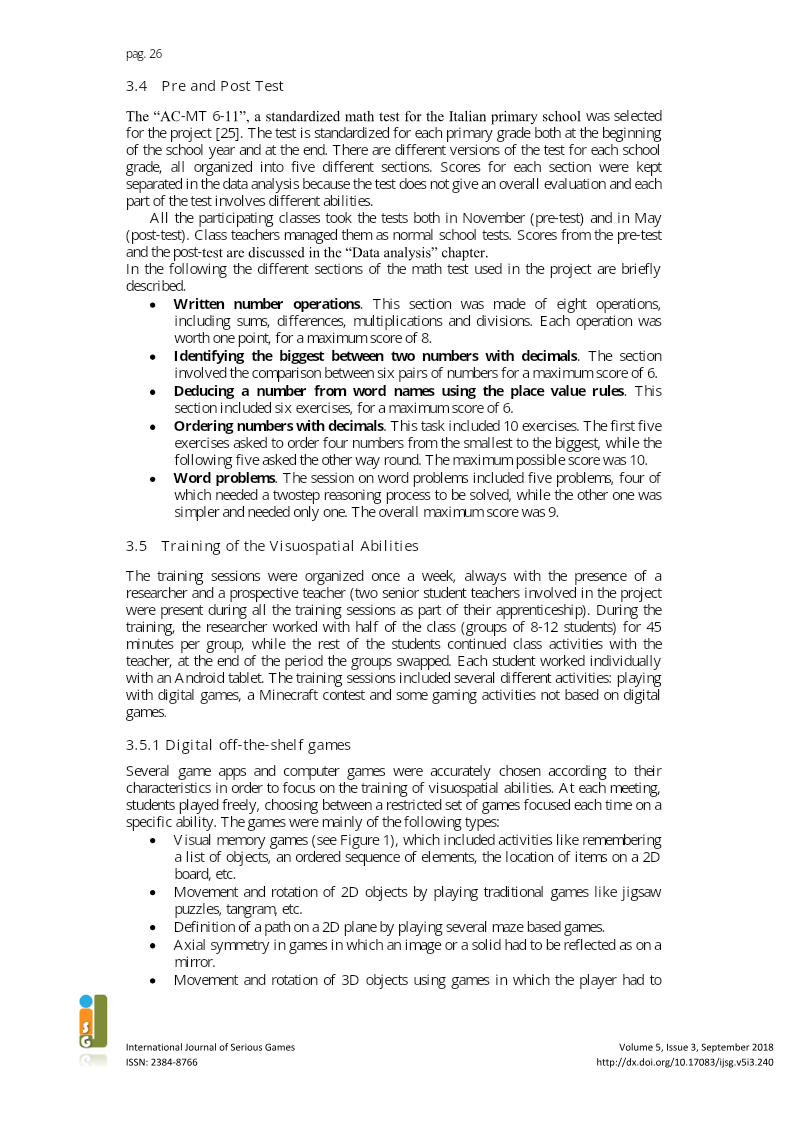
The A me gli occhi project establishes a clear link between targeted visuospatial training via digital games and enhanced mathematical performance among primary school students.
- Targeted visuospatial training through digital games significantly improves mathematical performance in primary school students aged nine to eleven.
- Students participating in the 'A me gli occhi' project outperformed traditional curriculum methods in standardized assessments, showing gains in numeric knowledge, word problems, and written operations.
- Fifth-grade students demonstrated the most notable progress, particularly in the execution of complex written operations.
A Serious Game to Improve the Verbal Resilience Against Doorstep Scams
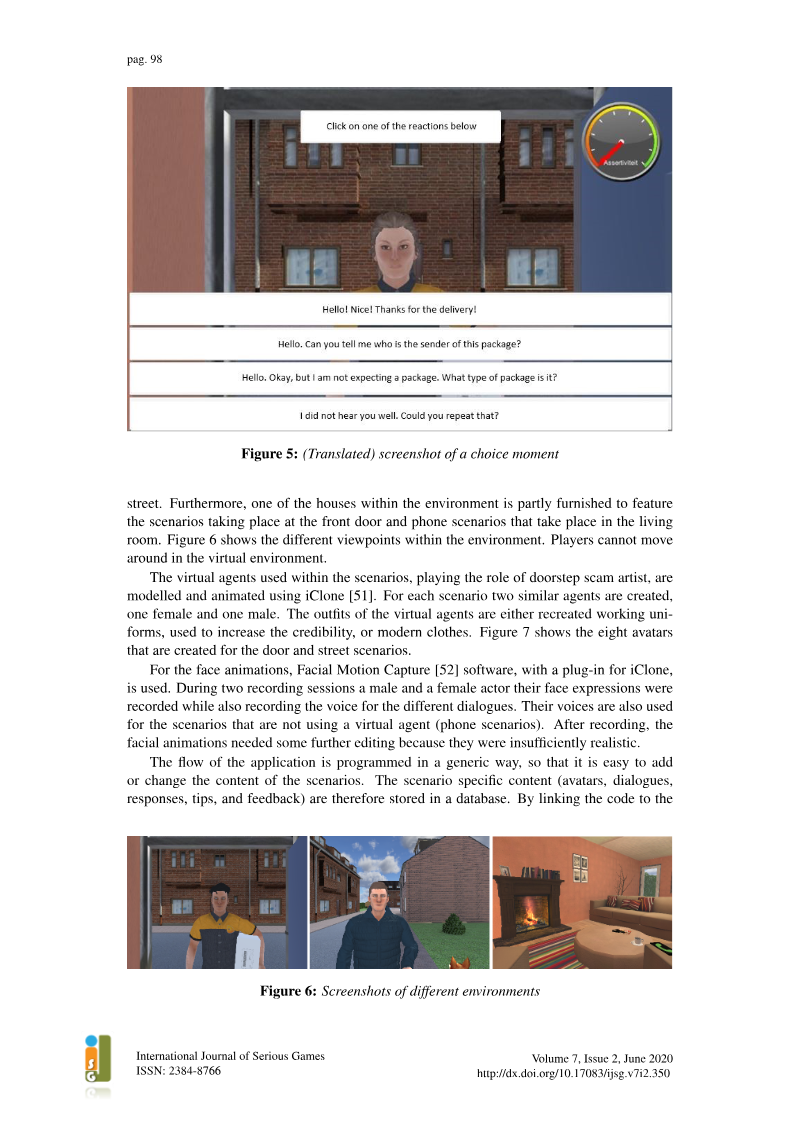
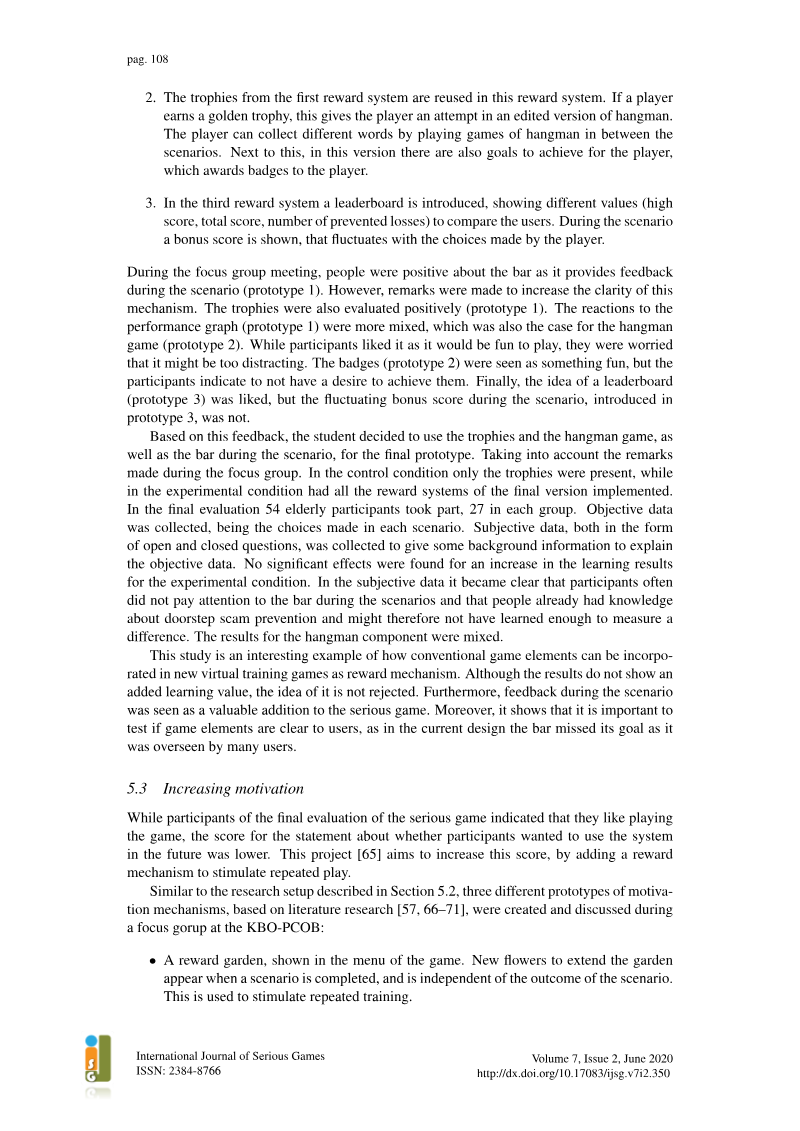
The primary objective of this initiative is to enhance the verbal resilience of elderly individuals against doorstep scams through the application of serious gaming technology.
- A tablet-based serious game successfully trains elderly users in verbal resilience against doorstep scams using six expert-validated, branching scenarios.
- The platform utilizes a voice analysis module powered by a support vector machine algorithm to classify user assertiveness with 86.56% accuracy.
- The system provides a responsive feedback loop by dynamically adjusting scenario outcomes based on both the content and vocal delivery of the user's responses.

A Survey of Digital Health Interventions for Children with Cancer
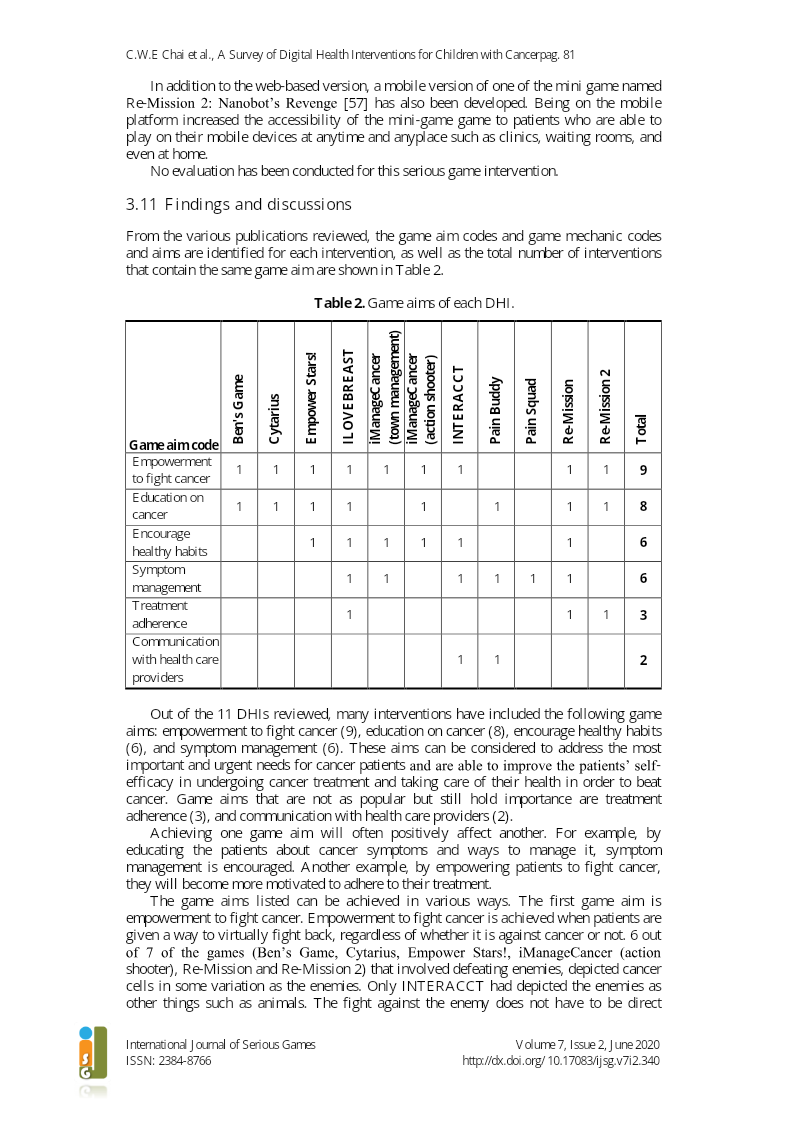
Digital health interventions for pediatric oncology patients leverage game-based mechanics to improve clinical outcomes, patient empowerment, and health literacy.
- Mobile platforms are the dominant delivery vehicle for pediatric oncology digital health interventions, accounting for 72 percent of all analyzed applications.
- Serious games like Re-Mission, Pain Squad, and Empower Stars! utilize action and adventure mechanics to improve patient adherence, symptom management, and psychological well-being.
- Pilot studies indicate that game-based interventions are highly usable and motivating for children, with no significant adverse effects reported.
Battlespace Next: Developing a Serious Game to Explore Multi-Domain Operations
Battlespace Next serves as a specialized serious game designed to enhance military readiness by teaching the complexities of Multi-Domain Operations and Joint All-Domain Command and Control.
- Battlespace Next utilizes a collectible card game framework to teach Multi-Domain Operations and Joint All-Domain Command and Control, with 83% of participants preferring this method over traditional classroom instruction.
- Research involving 160 military participants across six experiments demonstrated that 62% to 78% of players achieved measurable improvements in key operational competencies.
- The project has secured formal endorsement from senior Air Force leadership as a validated educational supplement for personnel across varying levels of experience.

Nano-Games for Cultural Venues: The HEAL Game
Nano-games represent a strategic solution to the pervasive challenge of visitor disengagement and time constraints within cultural and educational institutions.
- Nano-games effectively communicate complex scientific concepts like Hadron Therapy to diverse audiences through short, intuitive, and gesture-based interactions.
- Evaluation of the HEAL game at CERN’s Microcosm exhibition showed that 80 percent of 221 participants successfully internalized the presented scientific information.
- Learning outcomes occur rapidly, with data indicating that users grasp core concepts within the first minute of interaction.
Results and Insight Gained from Applying the EnergyCat Energy-saving Serious Game in UK Social Housing
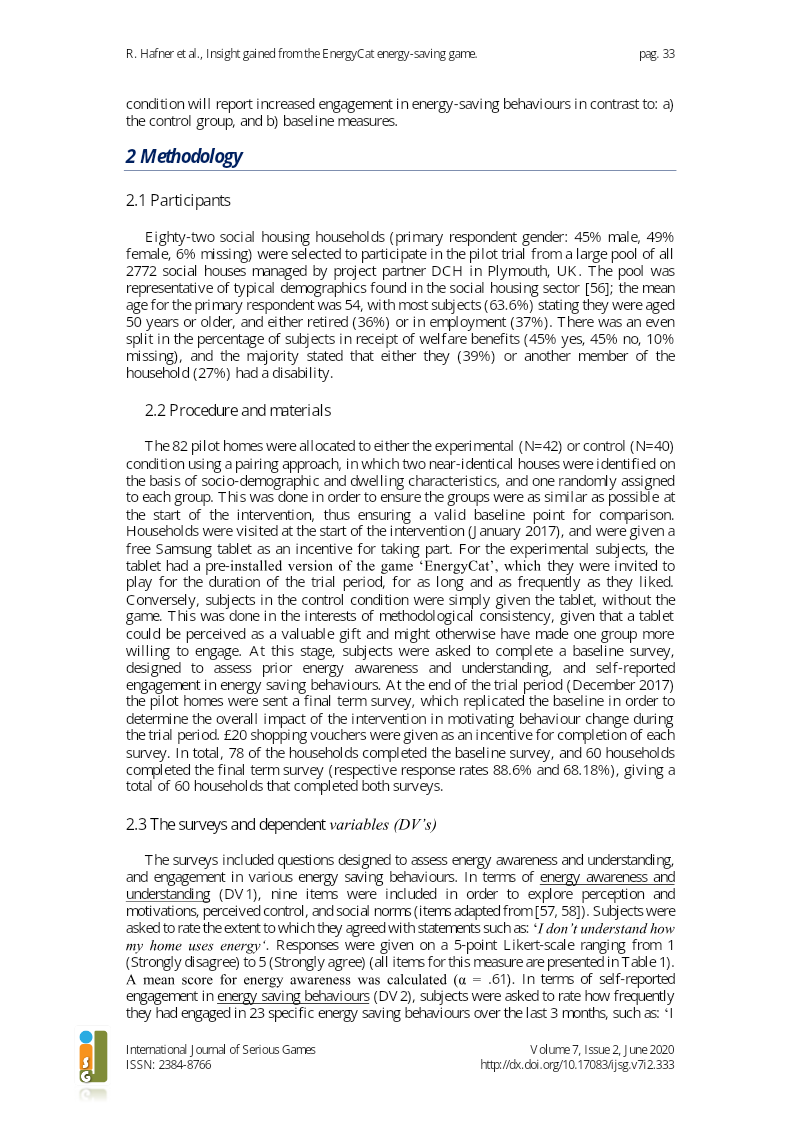
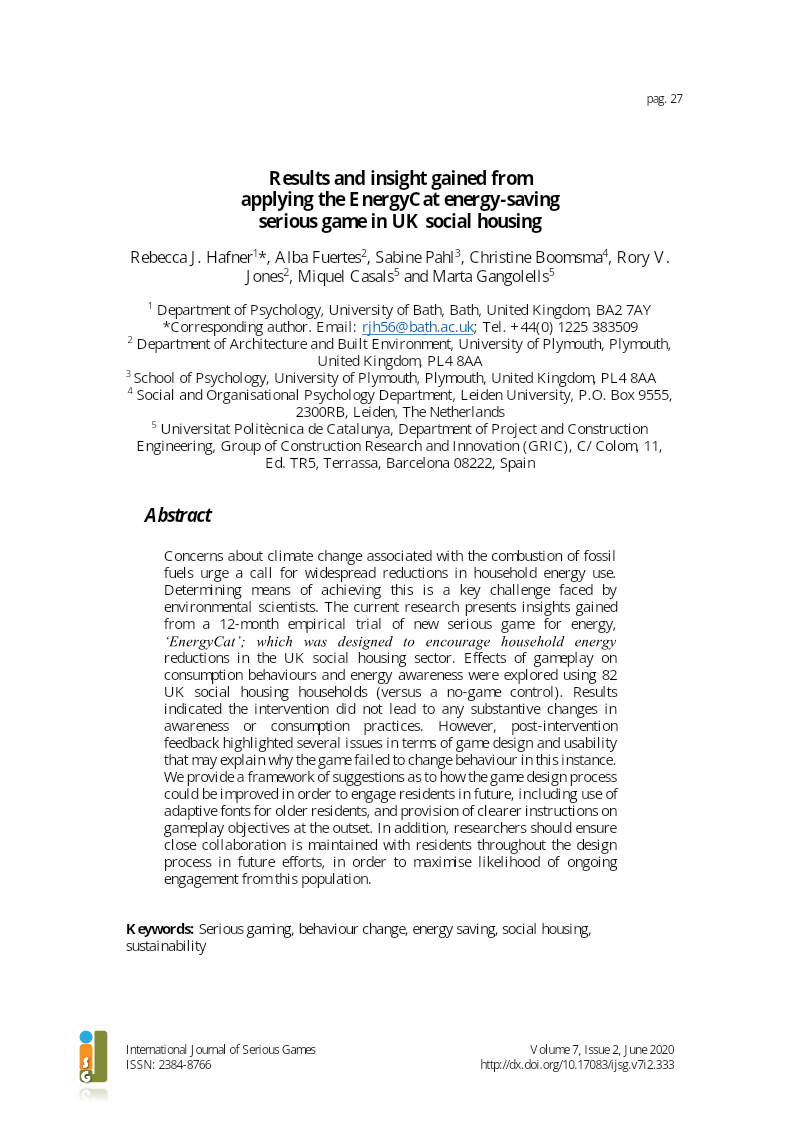
The EnergyCat serious game initiative sought to evaluate whether gamified interventions could effectively promote energy conservation among social housing residents in the United Kingdom.
- The EnergyCat serious game failed to produce statistically significant changes in energy usage or awareness levels among the 82 participating UK social housing households over the 12-month study.
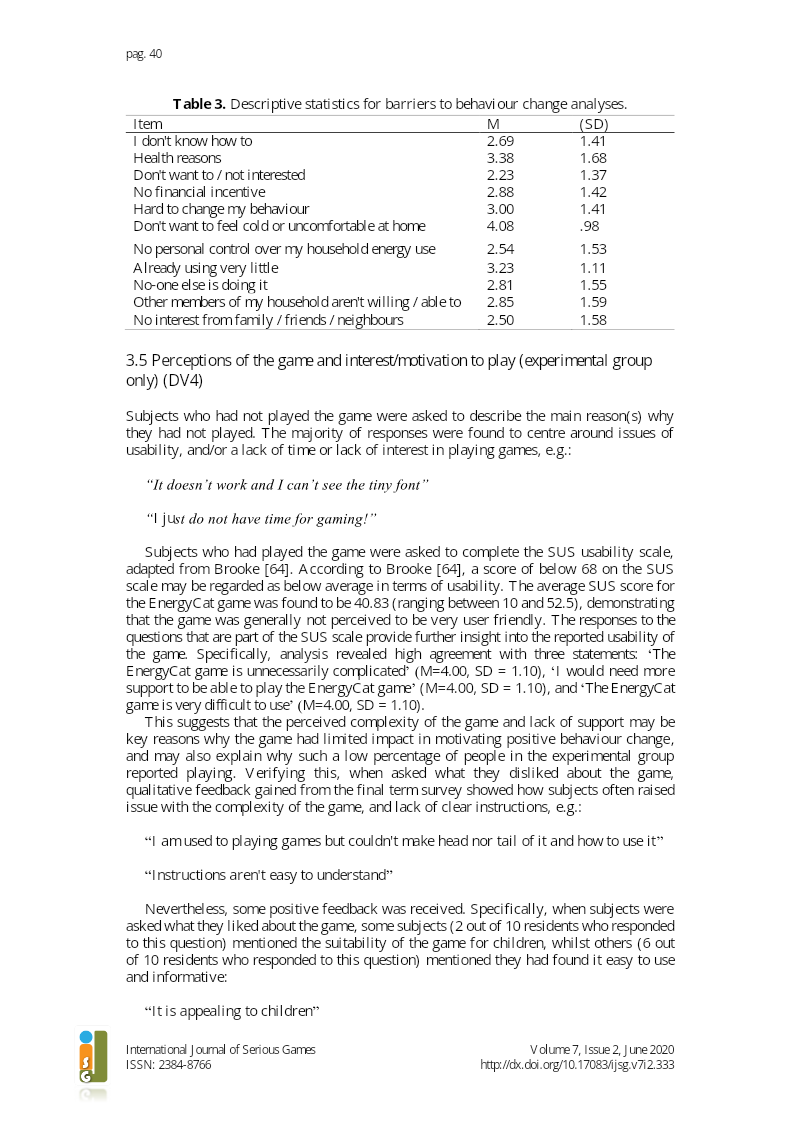
- The software received a poor System Usability Scale score of 40.83, driven by design flaws including excessive complexity, small font sizes, and unclear instructions.
- Low IT literacy and usability barriers significantly hindered engagement, preventing the game’s mechanics from effectively influencing user behavior.
Patterns in Mainstream Programming Games
Mainstream programming games serve as a bridge between entertainment and technical education, utilizing specific design patterns to introduce software development fundamentals to a broad audience.
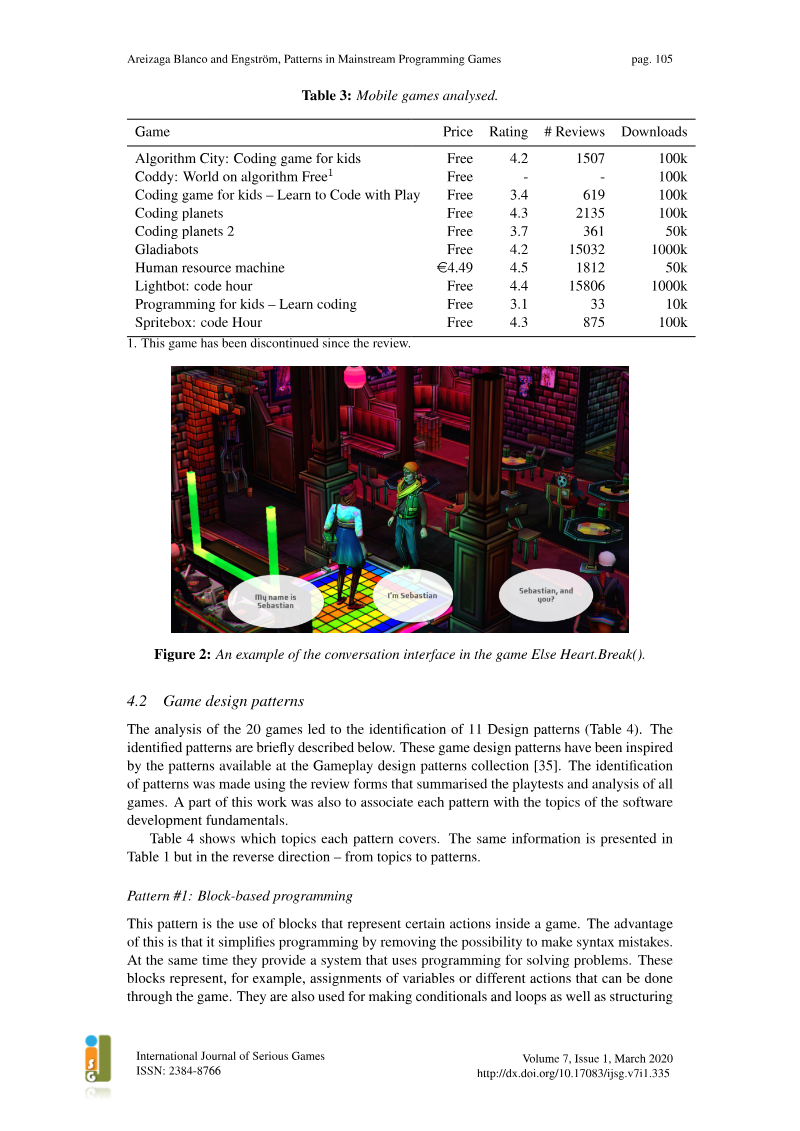
- Mainstream programming games rely on eleven recurring design patterns, such as block-based programming, register representation, and device hacking, to teach software development fundamentals.
- An analysis of twenty commercially successful titles on platforms like Steam and Google Play confirms that puzzle-based mechanics are the primary vehicle for teaching logic, debugging, and control structures.
- Current programming games prioritize player retention and accessibility, which leads to a significant educational gap regarding complex data structures, advanced algorithms, and software design principles.