Serious Games reports and market data
Documents

The Players' Experience of Immersion in Persuasive Games: A Study of My Life as a Refugee and PeaceMaker
Immersion serves as a fundamental mechanism for enhancing the efficacy of persuasive games, acting as a bridge between interactive play and the reception of socio-political messaging.
- Immersion in persuasive games functions as the primary bridge between interactive play and the effective communication of socio-political messaging.
- The player's ability to identify with characters and internalize complex narratives is the fundamental driver of engagement in titles like My Life as a Refugee and PeaceMaker.
- Effective persuasive impact requires a strategic balance between emotional resonance and analytical engagement, utilizing ludic elements like time constraints to force critical thinking.

A Game-Based Tool for Cross-Cultural Discussion: Encouraging Cultural Awareness with Board Games
Board games serve as a highly effective pedagogical tool for fostering cross-cultural awareness and facilitating sensitive discussions within educational environments.
- Board games facilitate superior long-term retention of cultural awareness compared to traditional open-discussion methods, as evidenced by a three-week comparative study.
- The structured environment of board games reduces social anxiety and increases classroom inclusion, making it easier for participants to engage in sensitive cross-cultural dialogues.
- Game-based tools provide a safe framework for reflection on cultural norms without the pressure of adhering to prescriptive behavioral standards.
Risk Game: Capturing Impact of Information Quality on Human Belief Assessment and Decision Making
The Risk Game methodology serves as a specialized framework for eliciting expert knowledge regarding human cognitive processes during complex decision-making tasks.
- Elevated levels of false information in decision-making environments directly correlate with increased cognitive confusion and a higher probability of operational errors.
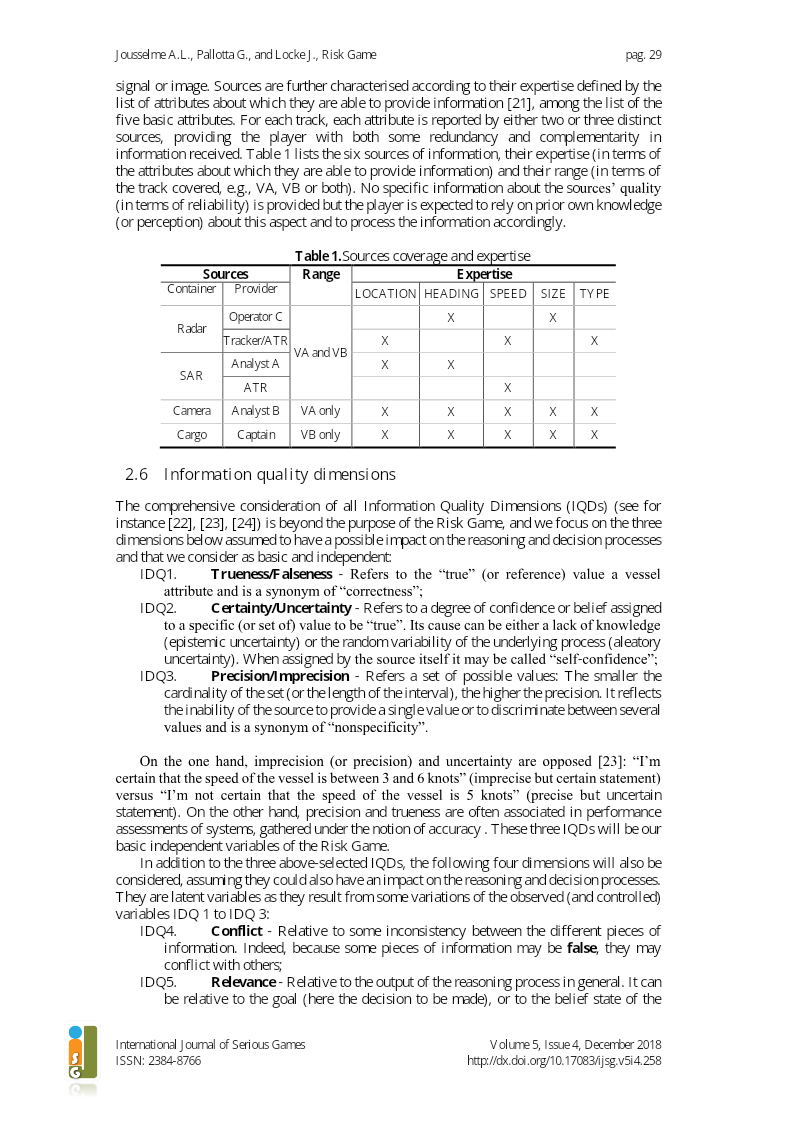
- High-certainty data and specific object attributes serve as the primary drivers for human belief revision during complex analytical tasks.
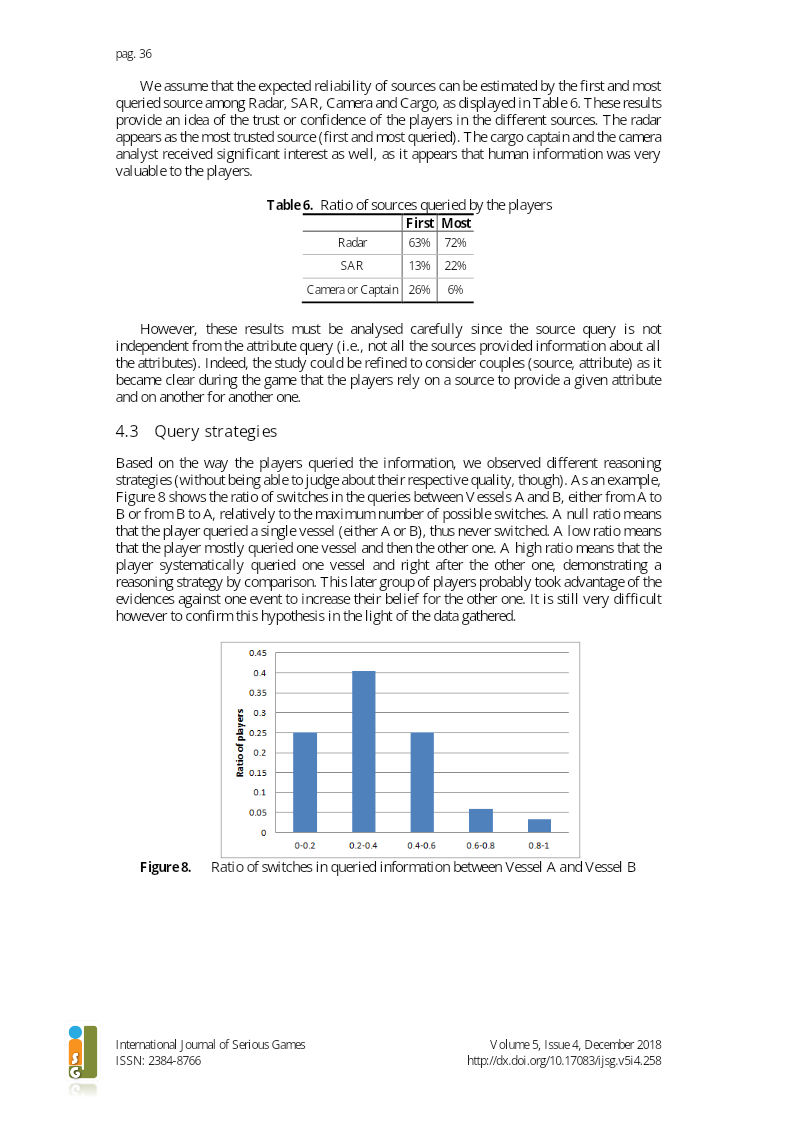
- The Risk Game methodology, validated by 32 maritime experts, provides a domain-independent, gamified platform that effectively mirrors real-world analytical challenges like intelligence gathering and crisis management.
Missing: Understanding the Reception of a Serious Game by Analyzing App Store Data
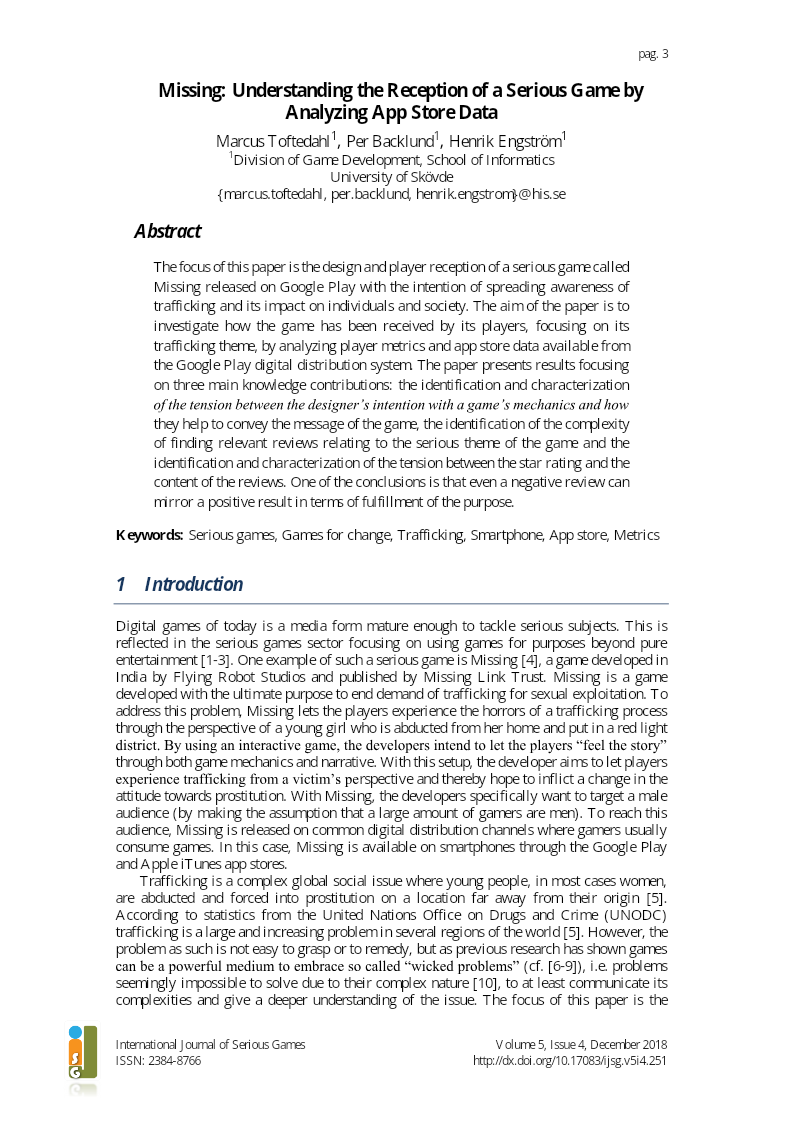
The serious game Missing serves as a case study for evaluating how narrative-driven mechanics can effectively raise awareness regarding human trafficking.
- Technical stability is a critical gatekeeper for social impact, as bugs and progression issues frequently overshadow the intended narrative message in serious games.
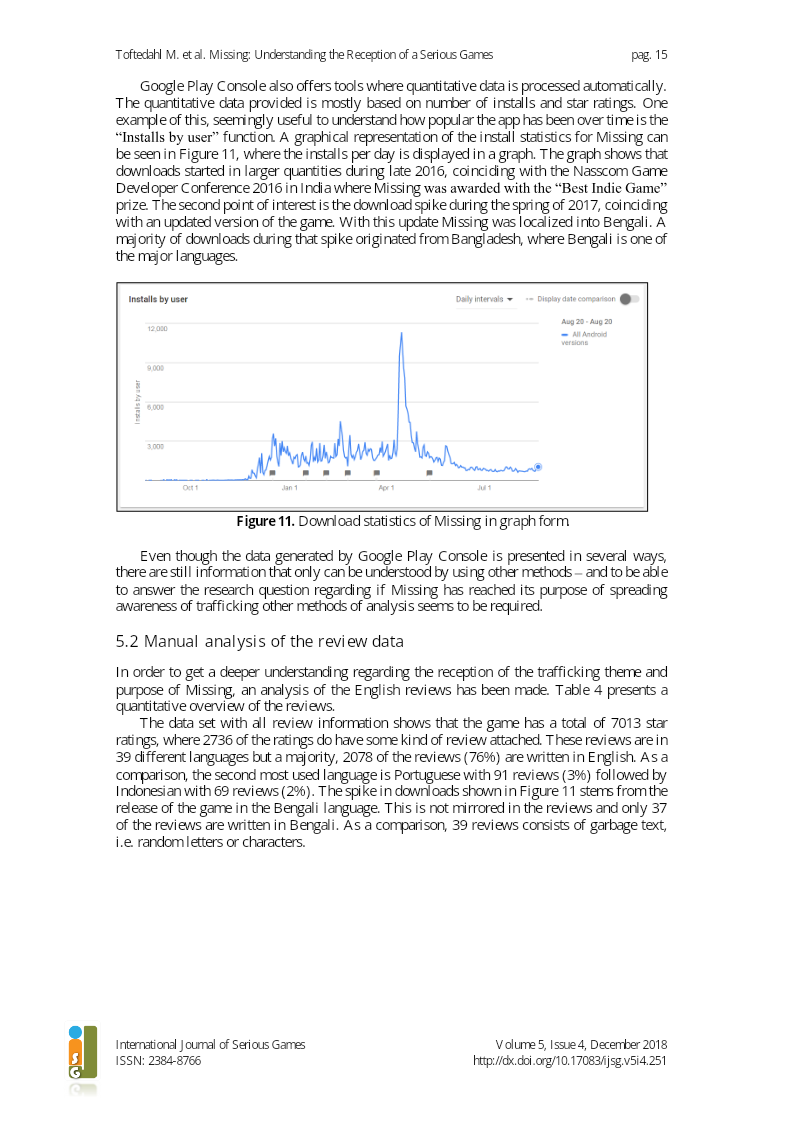
- The game 'Missing' achieved significant reach with over 460,000 downloads, demonstrating that mobile platforms are viable conduits for social advocacy.
- User demographics for 'Missing' were highly concentrated, with 63% of the total user base located in India and Bangladesh.
A Tutorial on Machine Learning for Interactive Pedagogical Systems
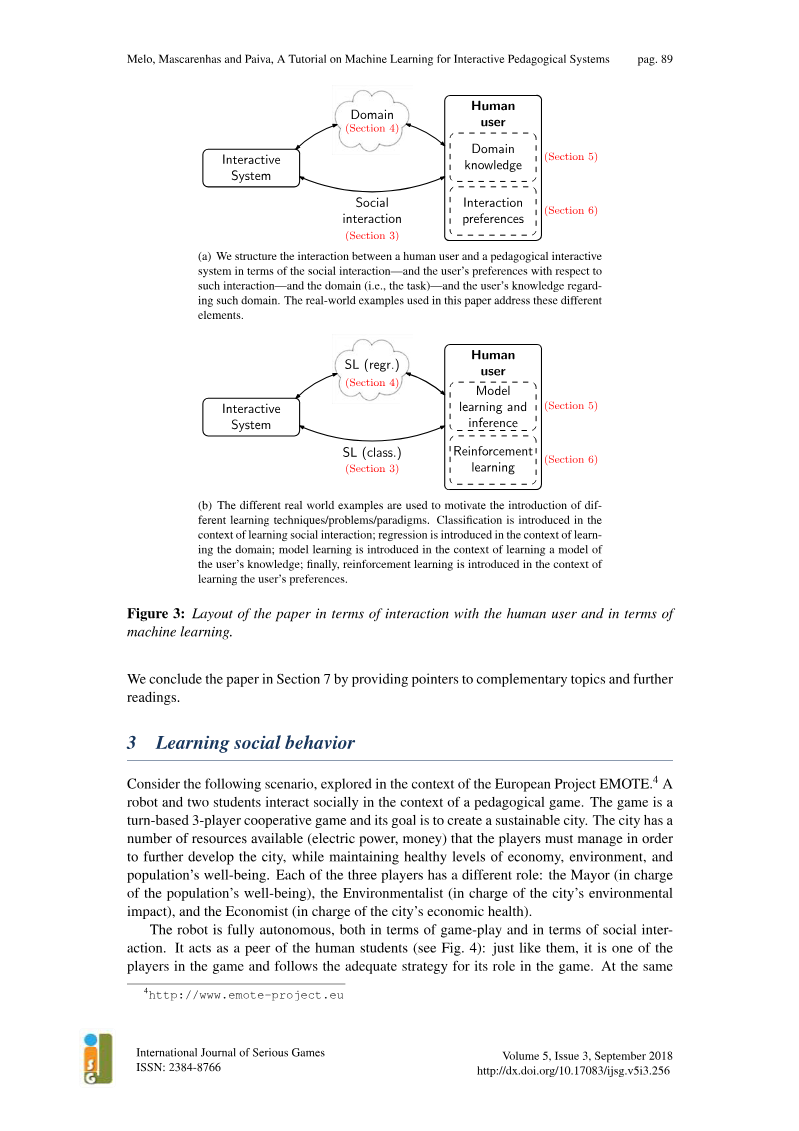
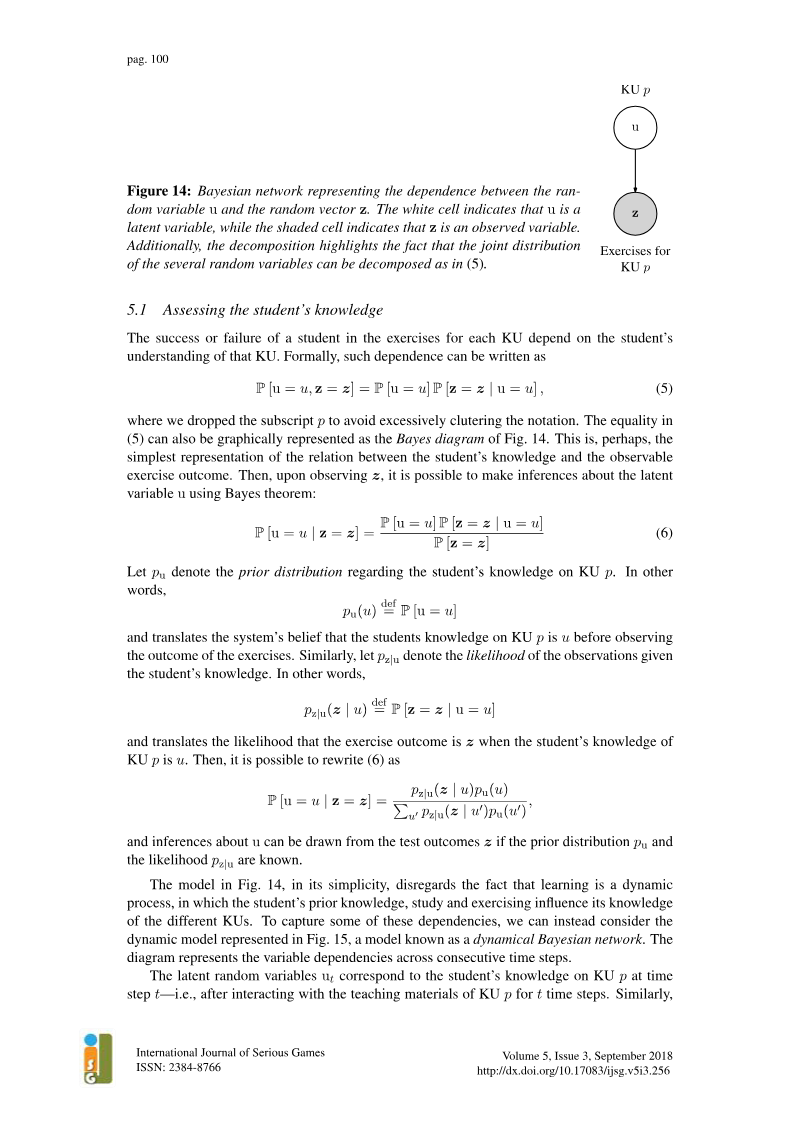
Machine learning serves as a critical foundation for the development of adaptive, personalized pedagogical systems, including intelligent tutoring platforms and serious games.
- Machine learning replaces static, hand-crafted rules with data-driven models to enable adaptive, personalized instruction in intelligent tutoring platforms and serious games.
- Empirical evidence from environments like Crystal Island demonstrates that tailoring educational experiences to individual user needs significantly improves learning outcomes.
- Supervised learning techniques, including decision trees, k-nearest neighbors, and neural networks, are used to model continuous motion and facilitate effective human-robot interaction.
Get Gamification of MOOC Right: How to Embed the Individual and Social Aspects of MOOCs in Gamification Design
Massive Open Online Courses frequently suffer from low completion rates and diminished user engagement, largely because they are often structured as traditional academic environments rather than flexible, goal-oriented platforms.
- Gamification in MOOCs must move beyond superficial mechanics like points and badges to integrate psychological theories of social presence, flow, and implementation intention.
- Effective design requires treating individual learning objectives and collective social interaction as a unified system rather than isolated features.
- A structured, six-phase design methodology has been developed to address low completion rates and engagement by shifting MOOCs from traditional academic structures to goal-oriented platforms.
How to Train Your Syllable Stress Awareness: A Digital Game-Based Intervention for German Dyslexic Children
German dyslexic children face significant challenges navigating the complex orthographic rules of the German language, yet there remains a notable scarcity of empirically validated digital interventions to support their literacy development.
- Prosodiya is a mobile serious game developed to supplement traditional therapy for German dyslexic children by targeting syllable stress awareness, vowel length, and orthographic markers.
- The intervention utilizes embodied cognition by integrating wearable sensors that connect physical mouth motor activities with linguistic structures.
- The platform employs game-design elements including fantasy-themed narratives, adaptive difficulty mechanics, and incentive-based reward systems to maintain learner engagement and autonomy.
OneUp: Supporting Practical and Experimental Gamification of Learning
Higher education faces a persistent challenge in implementing effective gamification due to a lack of empirical evidence and the absence of flexible, customizable software tools.
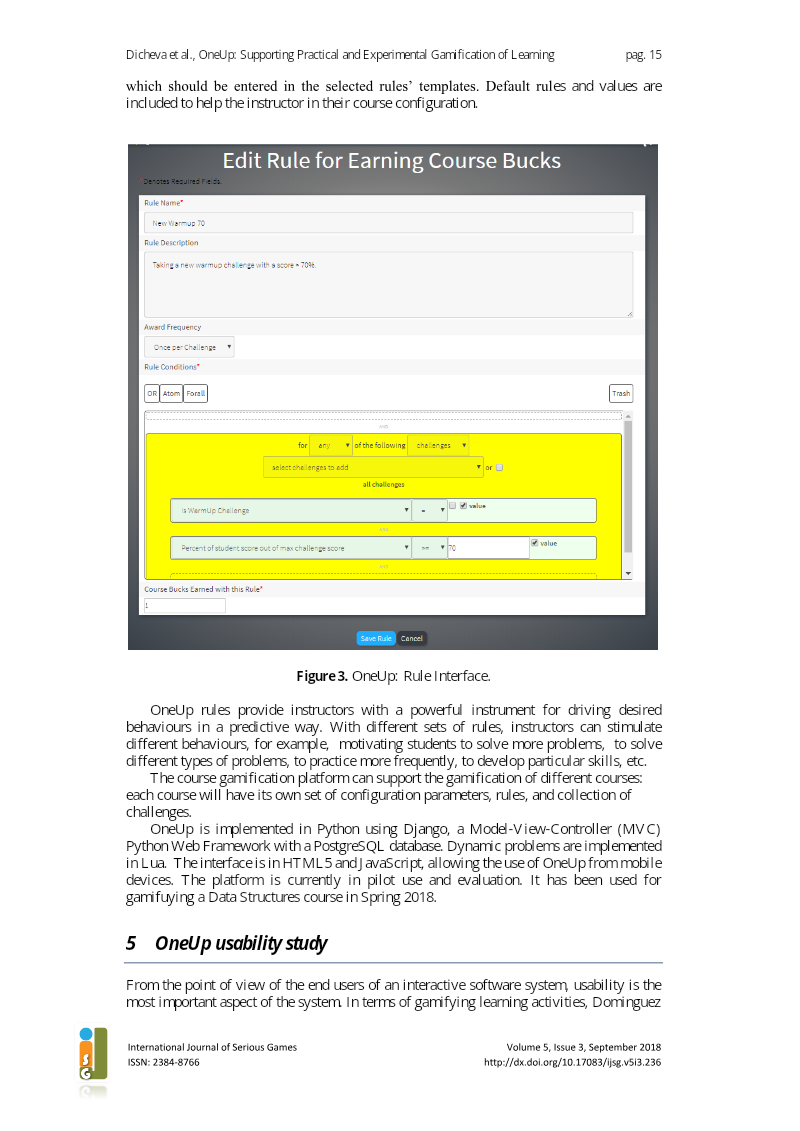
- OneUp is a configurable, event-based platform designed to support empirical research and pedagogical innovation in higher education gamification.
- The platform architecture is grounded in Self-Determination Theory, focusing on the psychological needs of autonomy, competence, and relatedness rather than superficial mechanics like points and badges.
- Instructors use a course-independent framework to structure learning through virtual currency, leaderboards, and dynamic problem sets while utilizing visual analytics to track student progress.
Development of a Hardware/Software System for Proprioception Exergaming
The development of a low-cost, open-source exergaming system seeks to bridge the gap between clinical proprioception therapy and engaging serious games.
- A study of 40 participants confirmed a strong 0.738 correlation between in-game performance on the balance board and real-world equilibrium skills.
- The system utilizes low-cost, open-source hardware, specifically Arduino and inertial sensors, to create a scalable platform for proprioception therapy.
- Keyboard-based controls showed zero correlation with physical balance, proving that specialized motion-sensing hardware is essential for effective proprioceptive feedback.
Employee Profiles and Preferences towards IoT-enabled Gamification for Energy Conservation
IoT-enabled gamification serves as a strategic tool for fostering long-term energy conservation within multicultural corporate environments.
- Achievers and Philanthropists are the most prevalent user profiles in corporate environments, making them the primary targets for energy-saving gamification strategies.
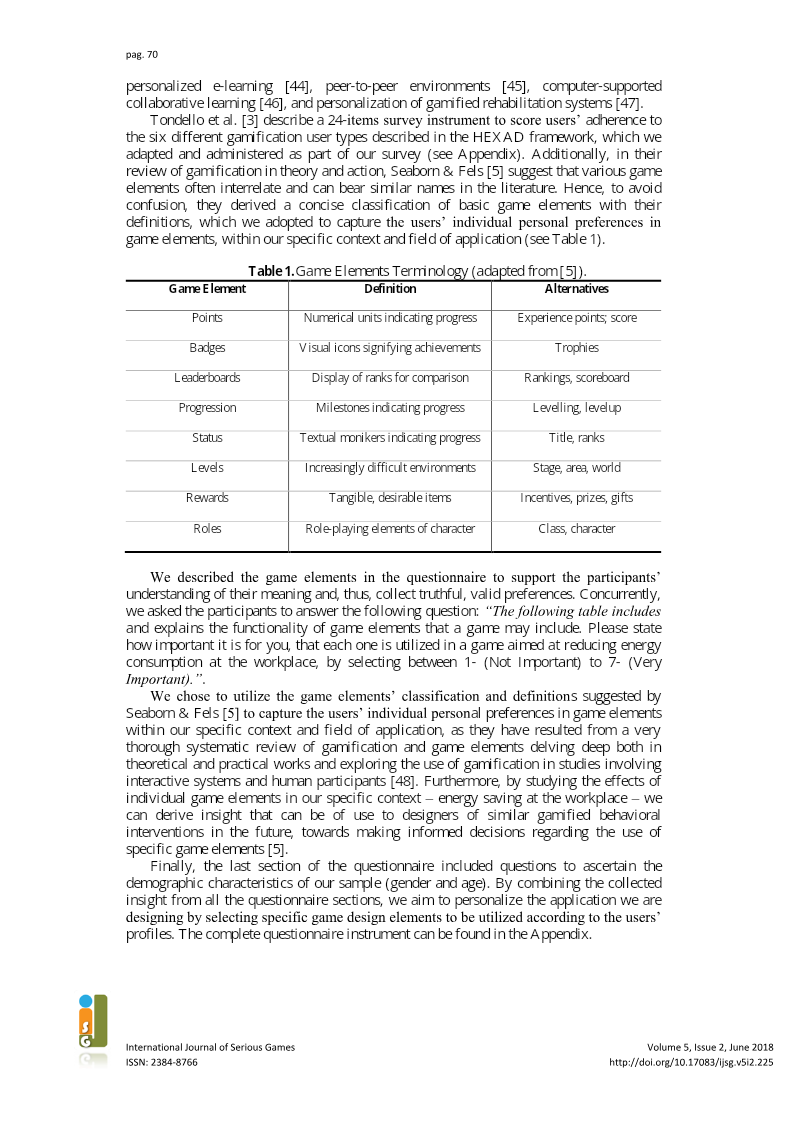
- Progression, levels, and points are the most effective gamification mechanics for driving employee participation in energy conservation initiatives.
- A study of 99 participants across three European countries confirms that mapping gamification mechanics to specific HEXAD user profiles significantly improves engagement and behavioral change.
Training Computational Thinking through Board Games: The Case of Crabs & Turtles
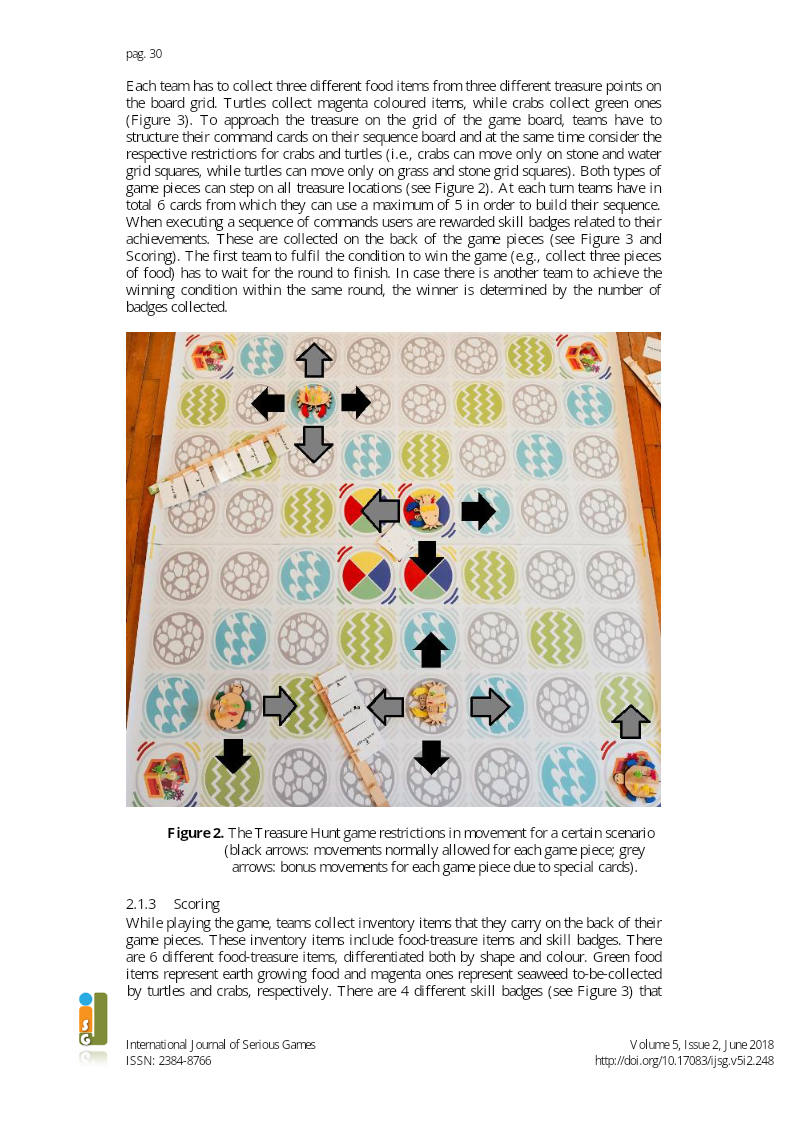
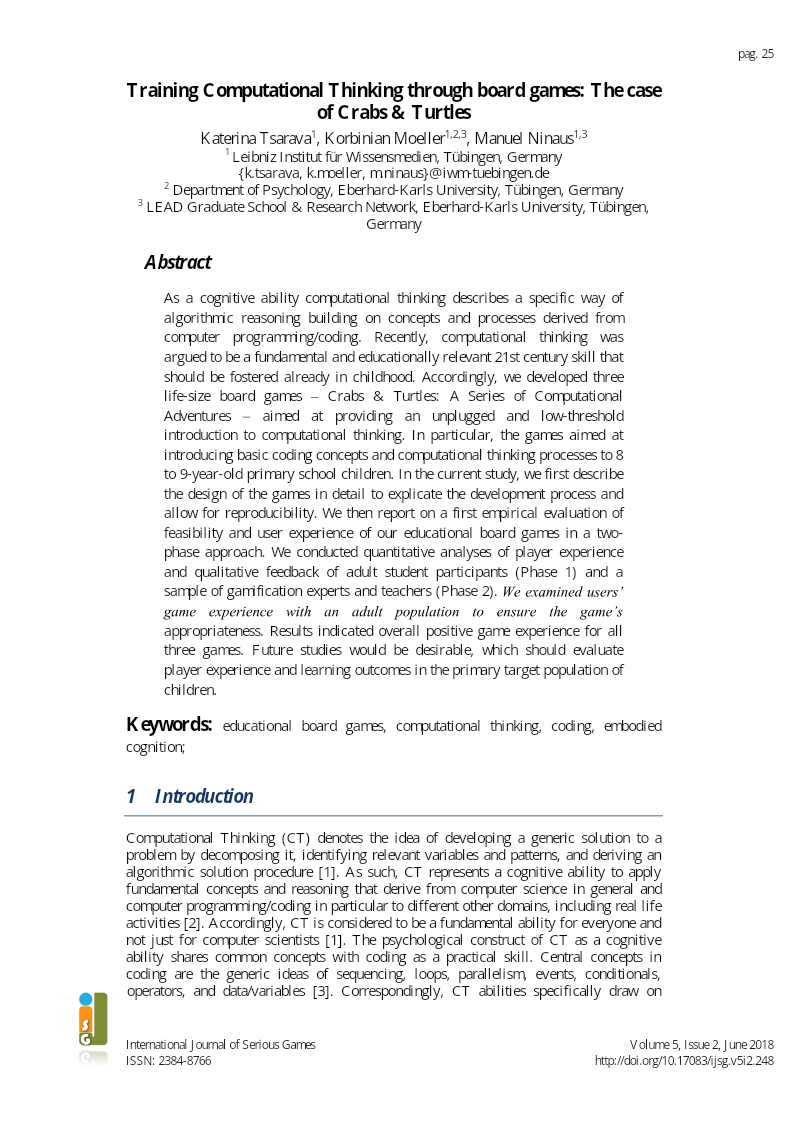
The Crabs & Turtles board game series serves as an innovative, unplugged pedagogical tool designed to introduce children aged 8 to 12 to foundational computational thinking concepts.
- The Crabs & Turtles board game series uses unplugged, physical gameplay to teach children aged 8 to 12 foundational programming concepts like sequencing, loops, and conditionals.
- The suite consists of three distinct games—The Treasure Hunt, The Race, and Patterns—designed to develop specific cognitive skills including algorithmic sequencing, variable manipulation, and pattern recognition.
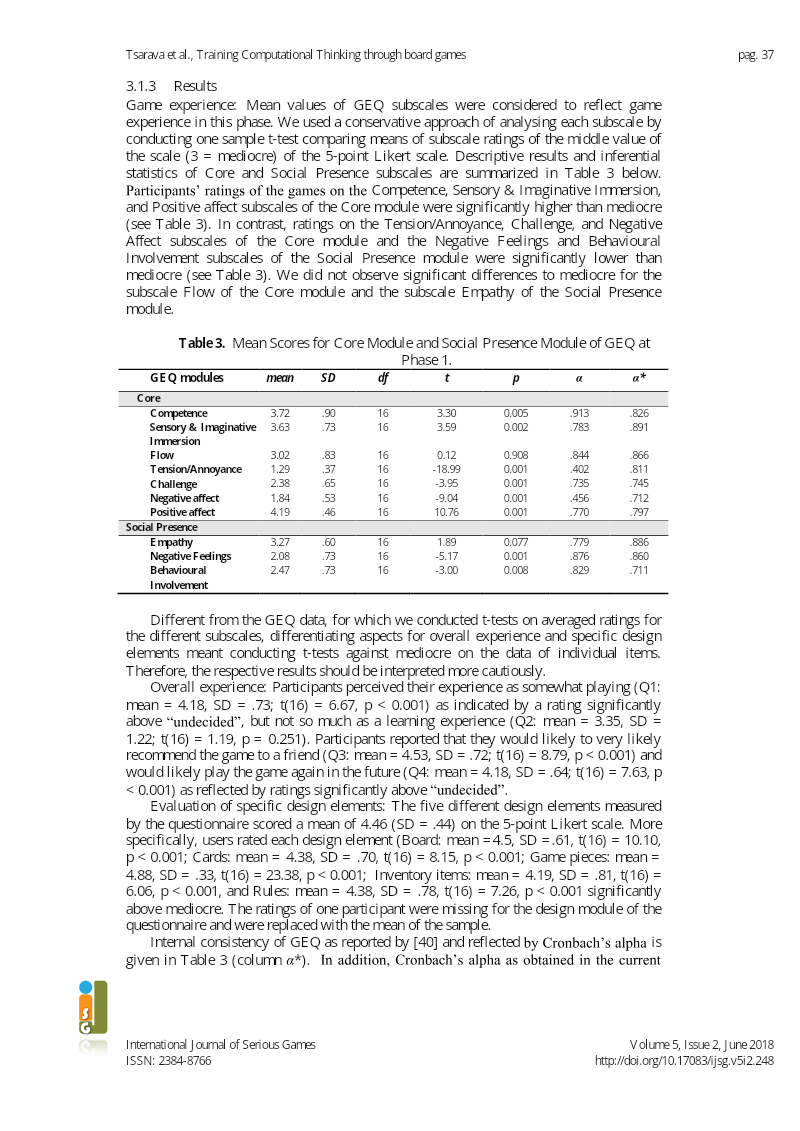
- A two-phase pilot study utilizing the Game Experience Questionnaire confirmed that the games achieve high levels of user competence, immersion, and positive affect among participants.
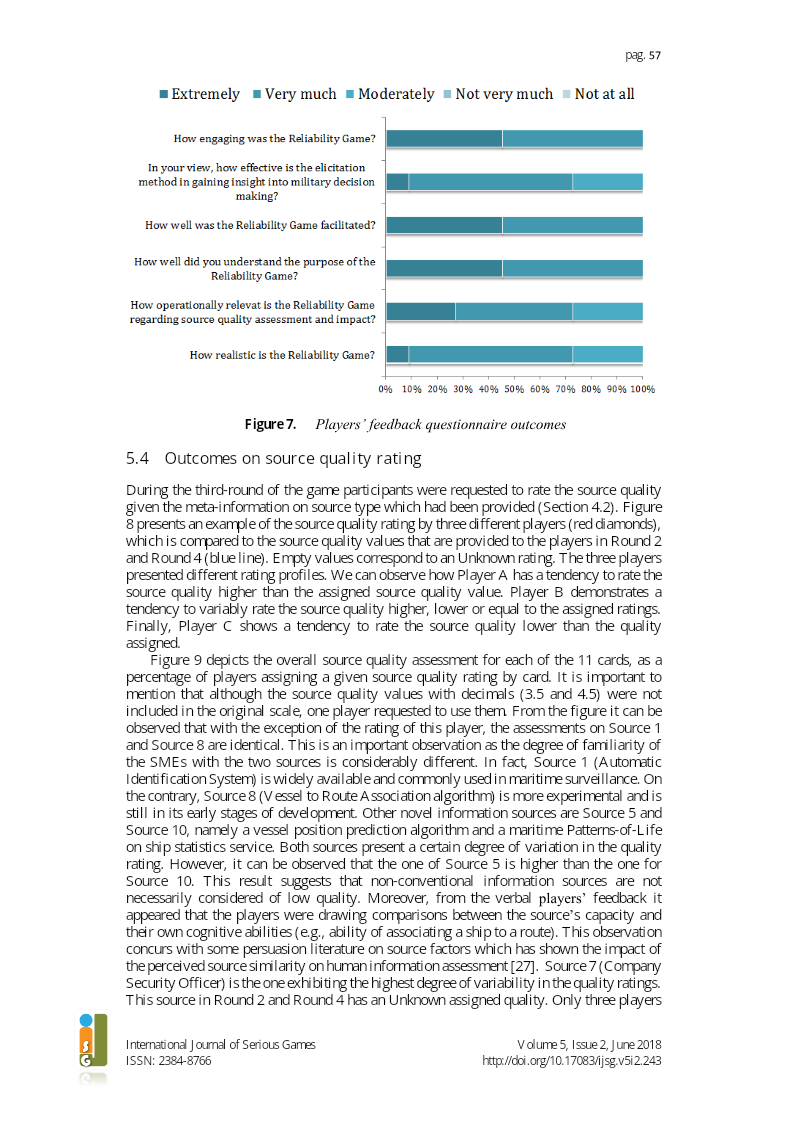
A Reliability Game for Source Factors and Situational Awareness Experimentation
The Reliability Game serves as a specialized serious game designed to investigate the cognitive mechanisms behind situational awareness and belief formation under conditions of uncertainty.
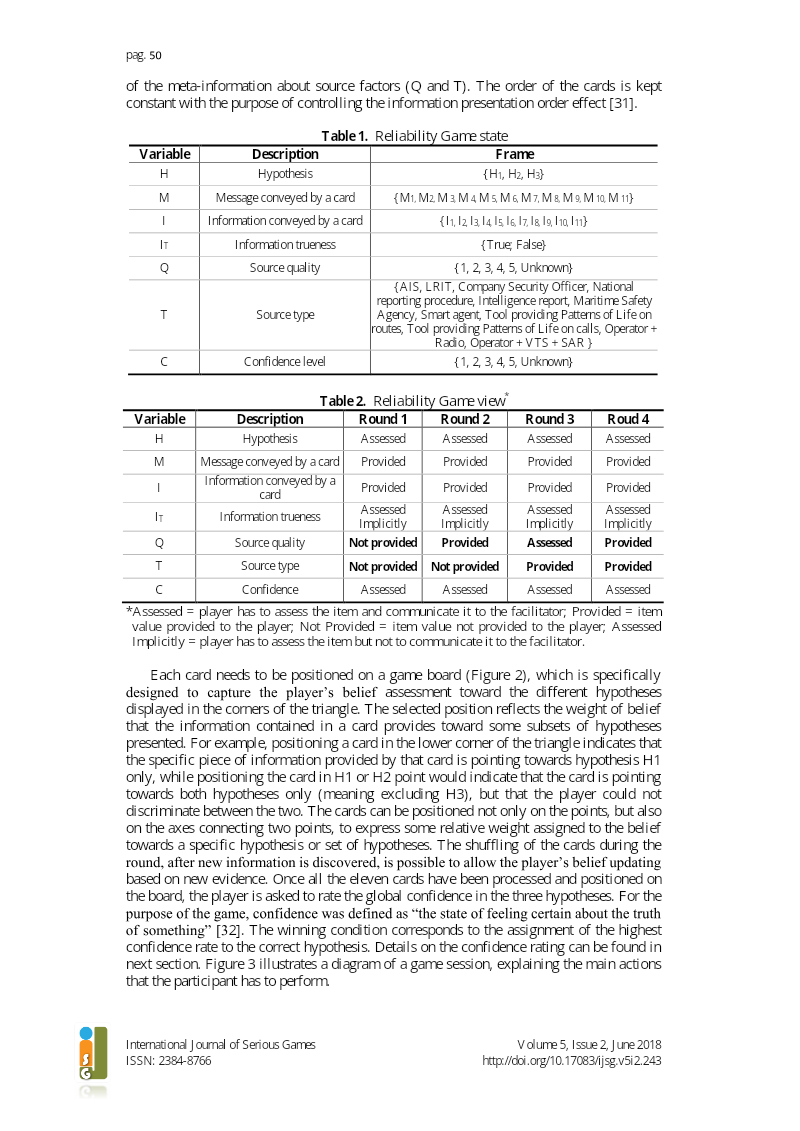
- The Reliability Game uses a structured, four-round simulation involving eleven information cards to quantify how experts weigh evidence against three potential maritime outcomes: no incident, safety issue, or security issue.
- Human decision-making in the study demonstrates a cognitive bias toward excluding specific hypotheses rather than actively confirming them.
- Participants show a strong reluctance to use 'unknown' ratings, preferring to commit to definitive, albeit uncertain, stances when evaluating information.