1 free read left. Create a free account for unlimited reading + AI research.
Create free accountWhitepaper International Journal of Serious Games
1 free read left. Create a free account for unlimited reading + AI research.
Create free accountWhitepaperInternational Journal of Serious Games
Nano-games represent a strategic solution to the pervasive challenge of visitor disengagement and time constraints within cultural and educational institutions. By utilizing short, single-level, and intuitive interactive experiences, these games facilitate the rapid communication of complex scientific concepts. The primary thesis posits that leveraging familiar metaphors and gesture-based mechanics allows diverse audiences to grasp sophisticated subject matter, such as Hadron Therapy, without the need for extensive training or prolonged gameplay.
The development of the HEAL game at CERN’s Microcosm exhibition serves as a successful case study for this approach. Following initial technical and instructional hurdles observed in earlier prototypes, the HEAL project integrated self-explanatory visual guidance and improved sensor technology to ensure a seamless user experience. Evaluations involving 221 participants confirm the efficacy of this design, with nearly 80 percent of users successfully internalizing complex scientific information. Furthermore, data indicates that learning occurs rapidly, often within the first minute of interaction, validating the scalability of this model for high-traffic environments.
Ultimately, these findings suggest that nano-games provide a cost-effective and highly engaging medium for institutions to communicate their societal contributions. With 92 percent of participants reporting a positive experience and advocating for the broader implementation of such tools, the evidence supports a shift toward self-contained, body-controlled interactive media in public spaces. By balancing accessibility with educational depth, these games effectively bridge the gap between institutional expertise and public understanding, offering a robust framework for future museum-based engagement strategies.
International Journal of Serious Games · 2023
International Journal of Serious Games · 2022
International Journal of Serious Games · 2020
International Journal of Serious Games · 2020
International Journal of Serious Games · 2020



International Journal of Serious Games · 2020
International Journal of Serious Games · 2020
International Journal of Serious Games · 2020
International Journal of Serious Games · 2020
International Journal of Serious Games · 2020
International Journal of Serious Games · 2020
Air Force Institute of Technology · 2020



European Conference on Games Based Learning (ECGBL) · 2026
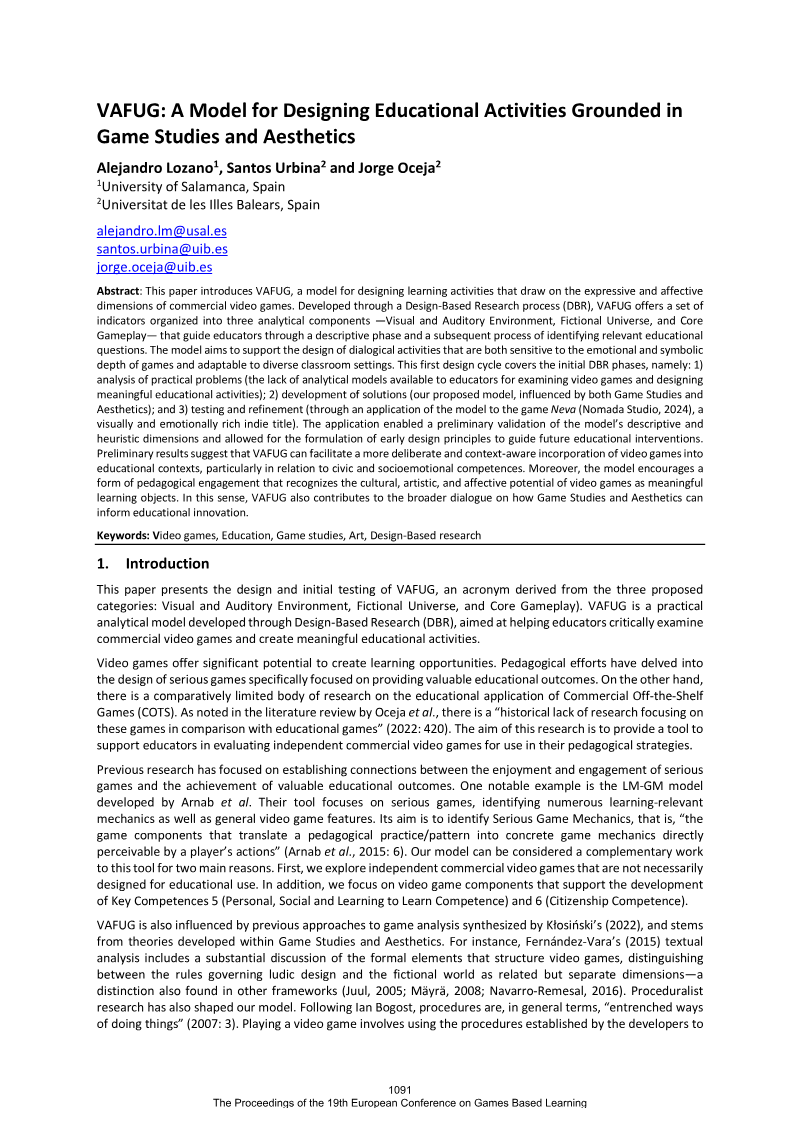
European Conference on Games Based Learning (ECGBL) · 2025
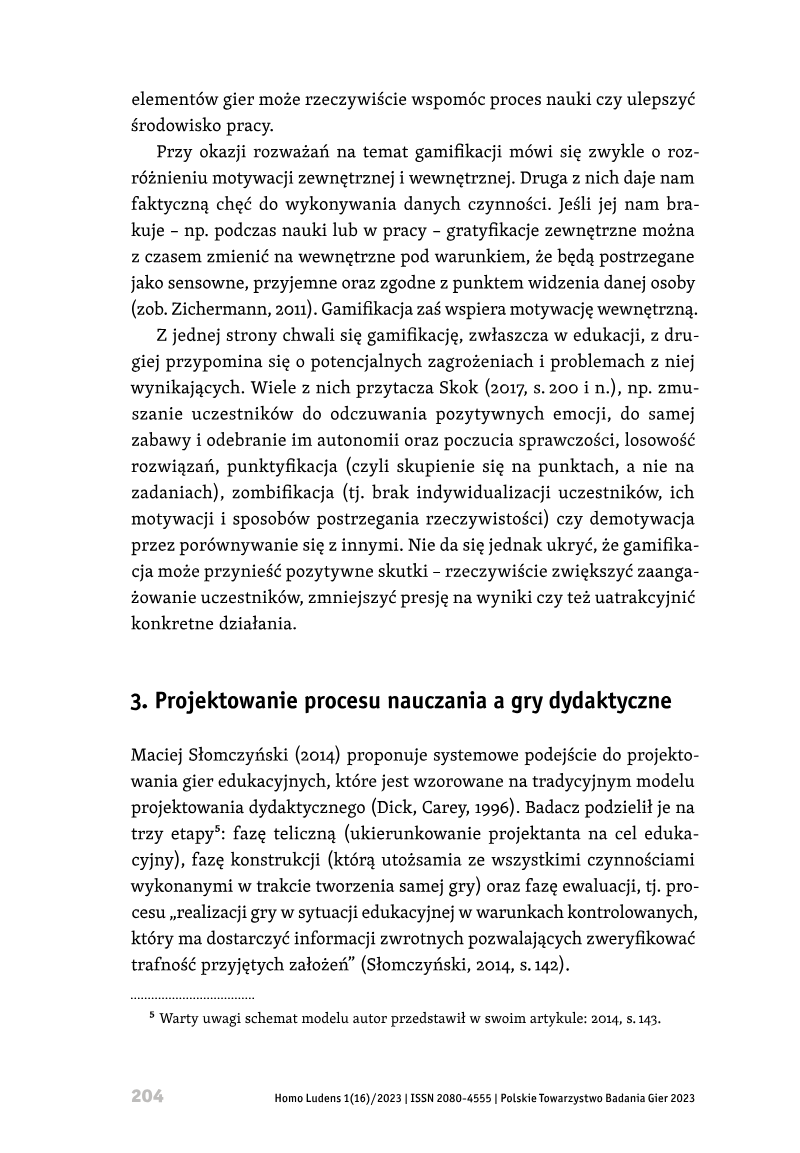
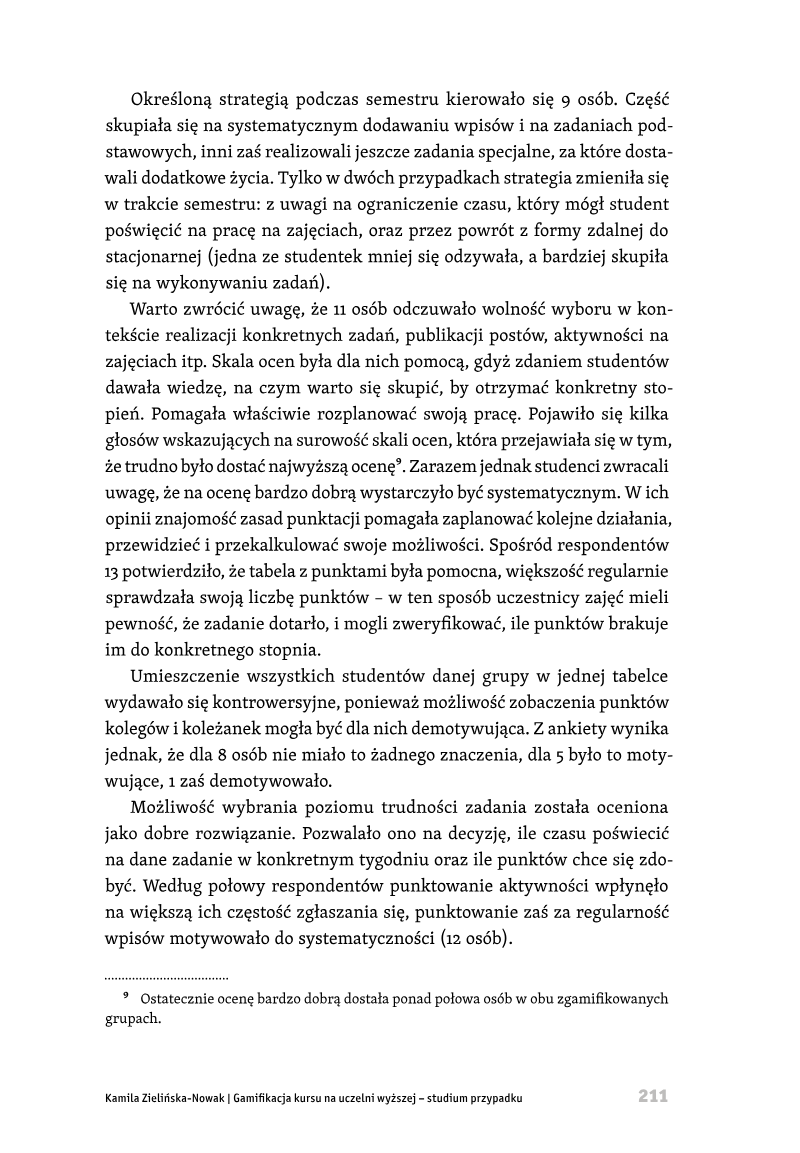
Homo Ludens · 2024