Serious Games reports and market data
Documents
Exploring Tactical Choices and Game Design Outcomes in a Simple Wargame 'Take That Hill'
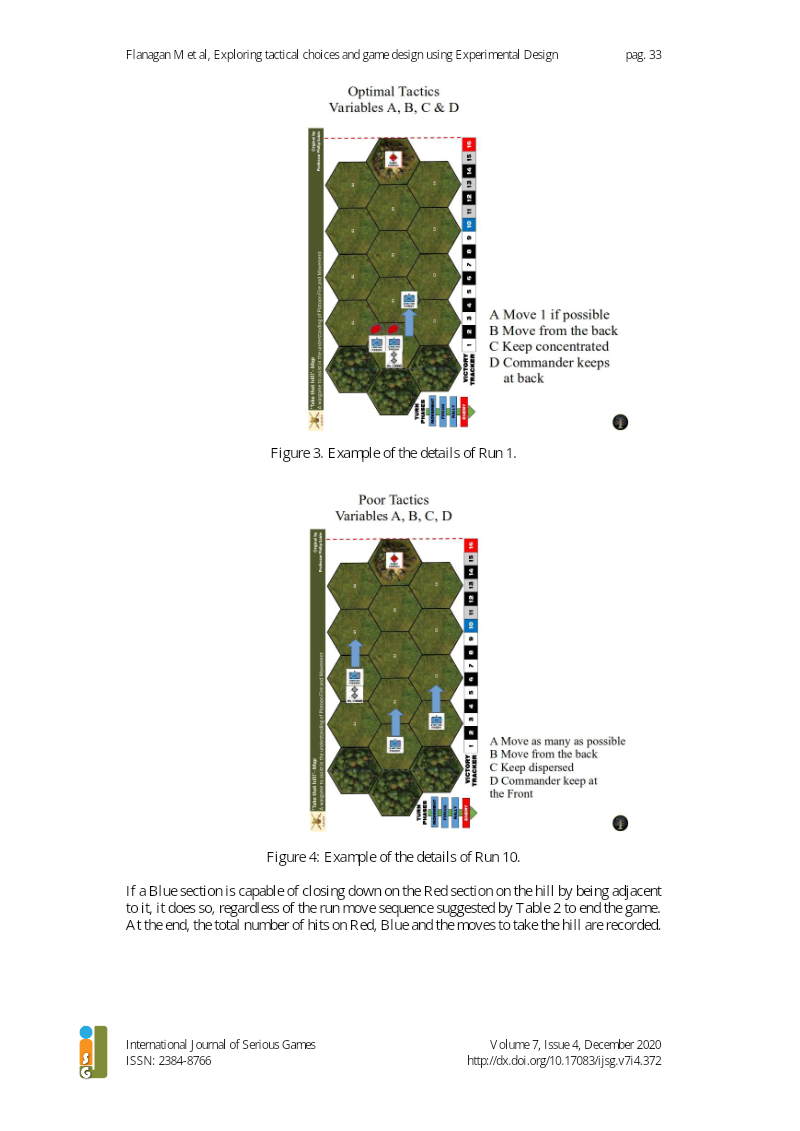
The application of experimental design, a statistical methodology traditionally reserved for industrial processes, offers a rigorous framework for optimizing tactical decision-making and evaluating design balance within the wargame Take That Hill.
- Section movement is the primary determinant of success in 'Take That Hill' across all measured performance metrics.
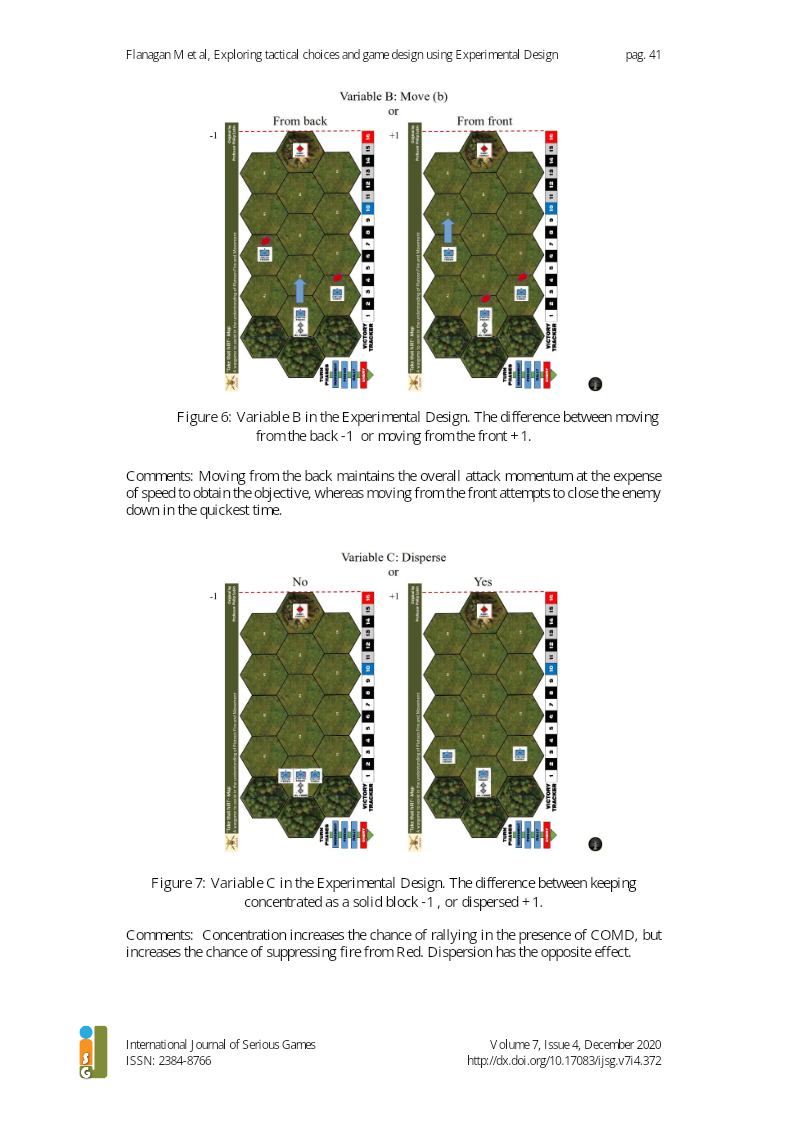
- A 2⁴ factorial design combined with computer-assisted simulations effectively isolates the impact of four variables—section movement, movement position, unit dispersion, and commander placement—to identify optimal strategies.
- Statistical analysis reveals that maintaining unit concentration minimizes casualties, a counterintuitive result driven by the game's specific command-and-control mechanics.
CySecEscape 2.0: A Virtual Escape Room to Raise Cybersecurity Awareness
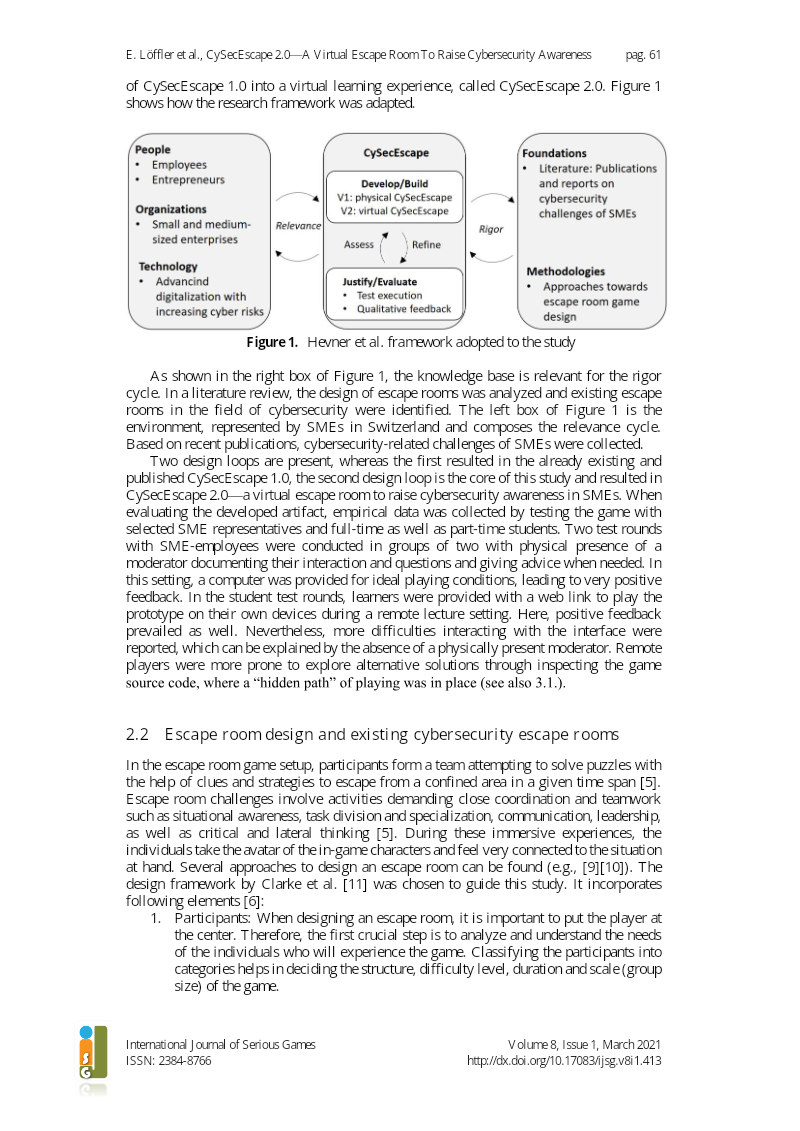
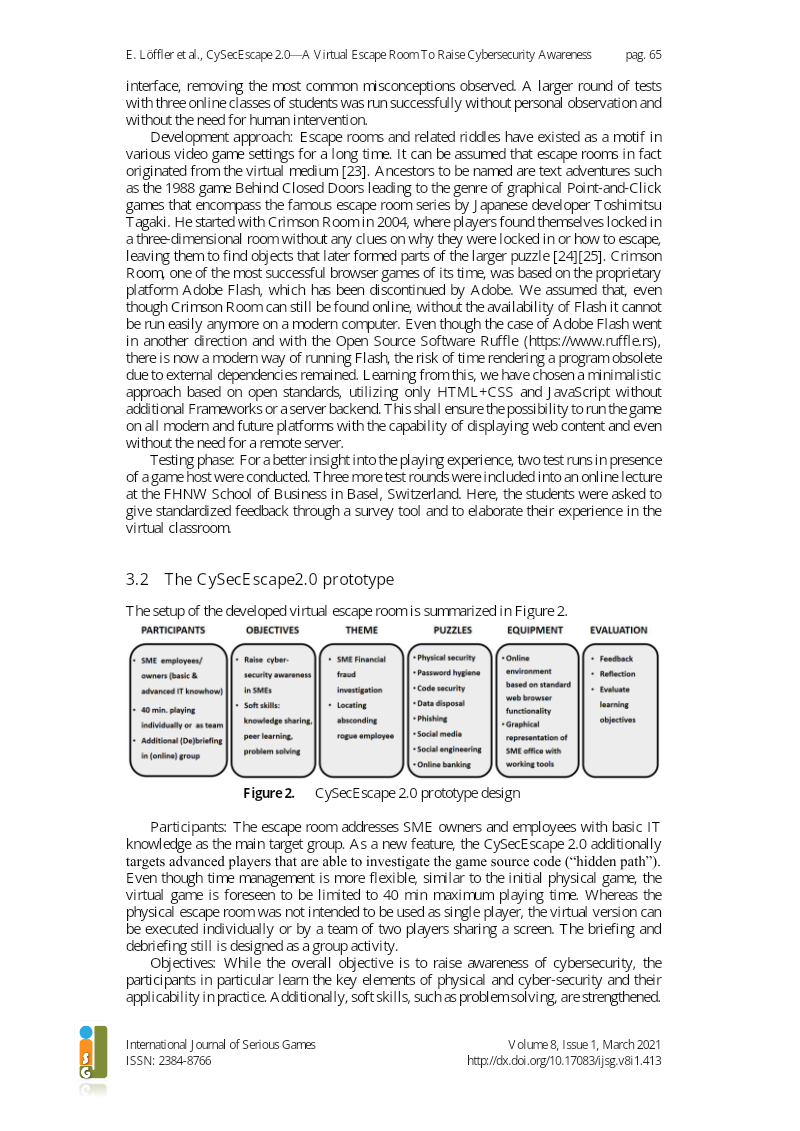
CySecEscape 2.0 serves as a digital pedagogical tool designed to bolster cybersecurity awareness among employees within small and medium-sized enterprises.
- CySecEscape 2.0 successfully scales cybersecurity training for SMEs by transitioning physical escape room concepts into a browser-based, multi-linear virtual environment.
- Nearly 50% of participants rated the virtual escape room experience as high-quality, validating the effectiveness of gamified puzzle structures for security awareness.
- The platform utilizes a hidden path within the source code to accommodate varying technical skill levels, ensuring accessibility for both novice and advanced users.
The Effects of Playing the COSMA Cognitive Games in Dementia
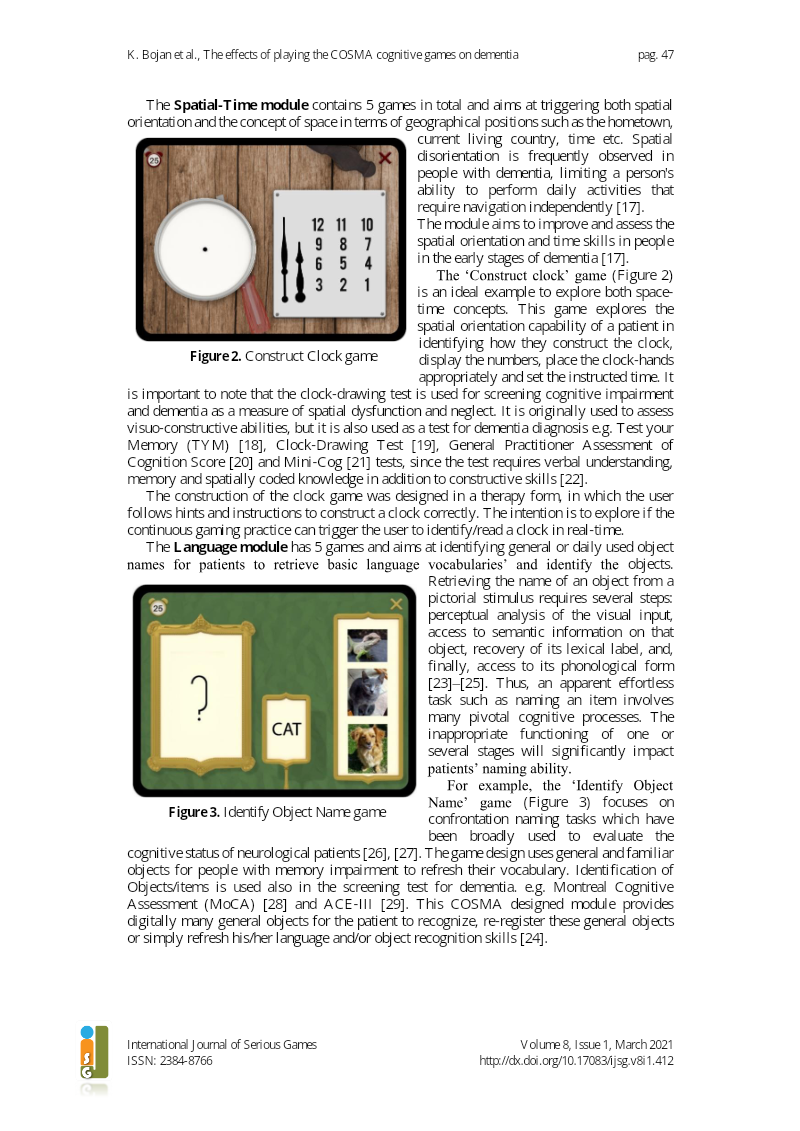
The Cognitive Operational System for Mental Health Advancement (COSMA) functions as a specialized suite of serious games engineered to provide targeted brain stimulation and emotional support for individuals diagnosed with mild cognitive impairment and early-stage dementia.
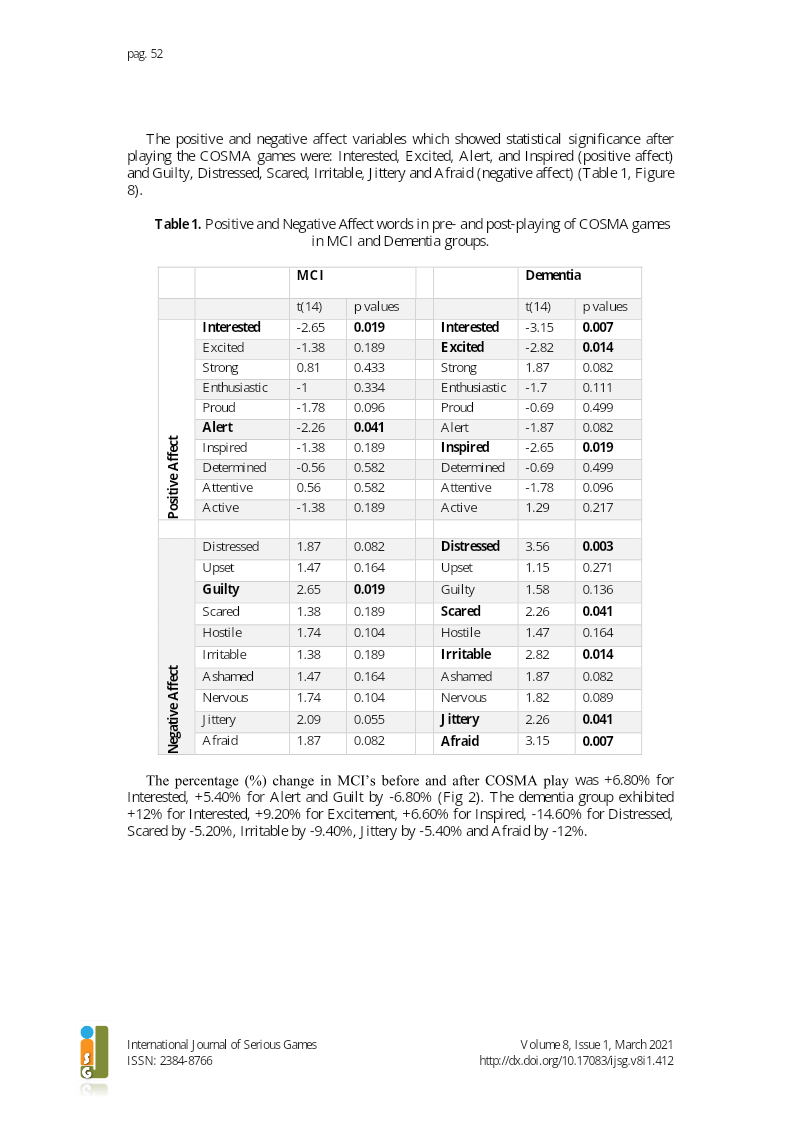
- A pilot study of 30 participants with mild cognitive impairment and early-stage dementia showed that consistent use of COSMA games significantly increases positive affect and reduces negative states like distress and guilt.
- The COSMA suite utilizes personalized modules focused on reminiscence, logical reasoning, and daily task simulation to provide targeted brain stimulation and emotional support.
- Data from the Positive and Negative Affect Schedule indicates that the software is particularly effective at increasing participant interest, suggesting it is a viable tool for emotional regulation in clinical settings.
A Game-Based Online Tool to Measure Cognitive Functions in Students
The eFun application serves as an innovative digital assessment tool designed to measure executive functions—specifically working memory, inhibition, and cognitive flexibility—in primary school students.
- The eFun application successfully measures primary school students' executive functions—specifically working memory, inhibition, and cognitive flexibility—using a tablet-based, gamified interface.
- Gamified assessments effectively reduce test-related anxiety and improve data accuracy by replacing traditional clinical evaluations with an engaging, user-centric environment.
- Performance outcomes in cognitive testing are driven primarily by structural task adjustments rather than superficial gamification elements like aesthetics or rewards.
Comparing Bayesian Statistics and Frequentist Statistics in Serious Games Research
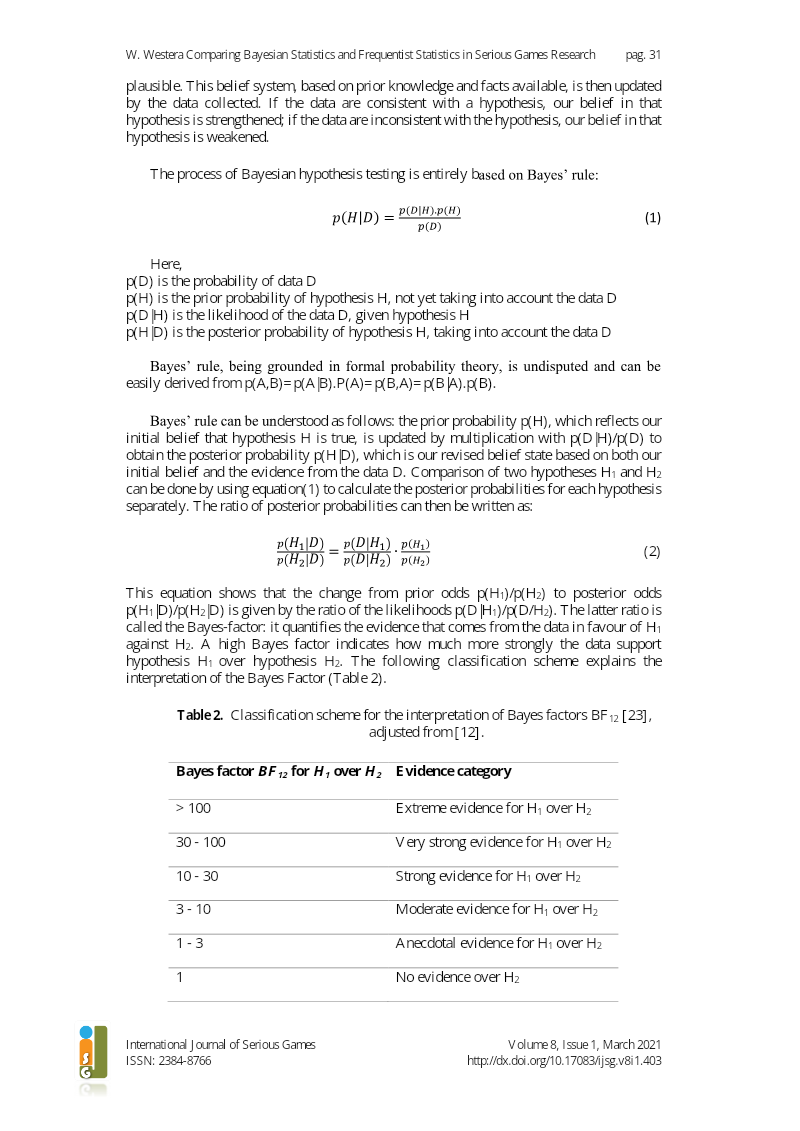
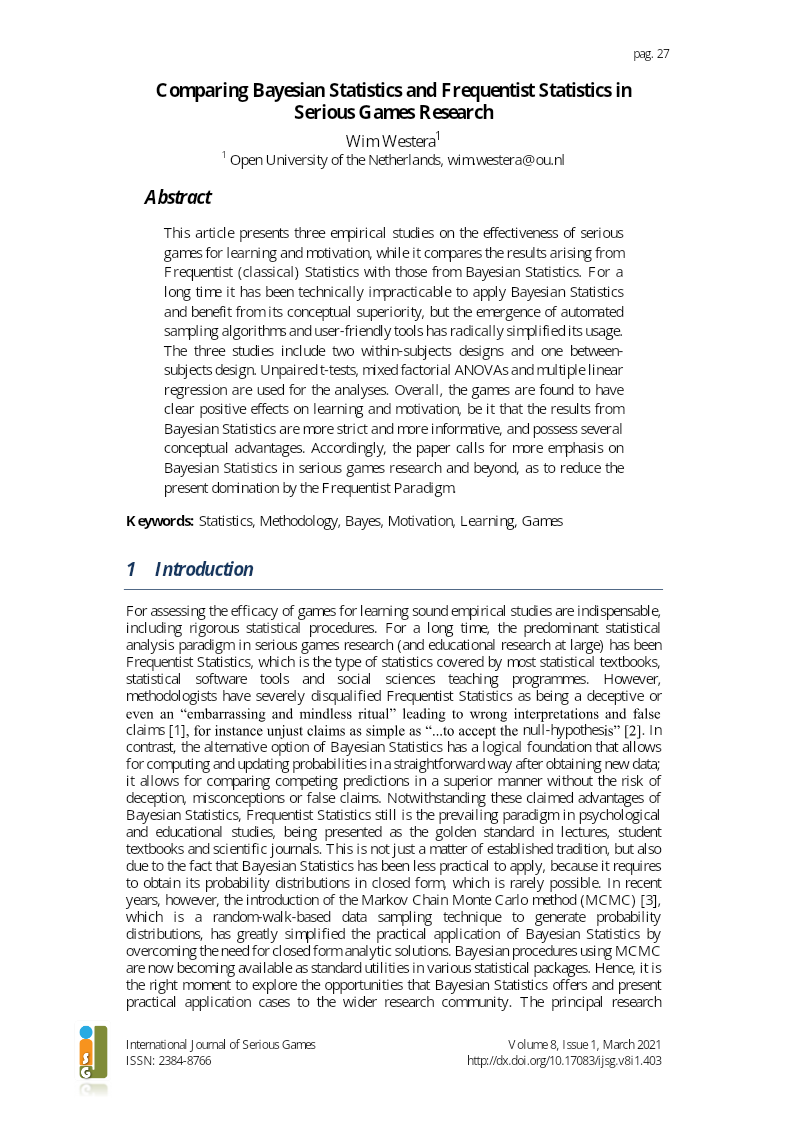
Serious games research currently relies heavily on Frequentist statistical methods, yet these traditional approaches are increasingly viewed as prone to methodological limitations and potential misinterpretations of data.
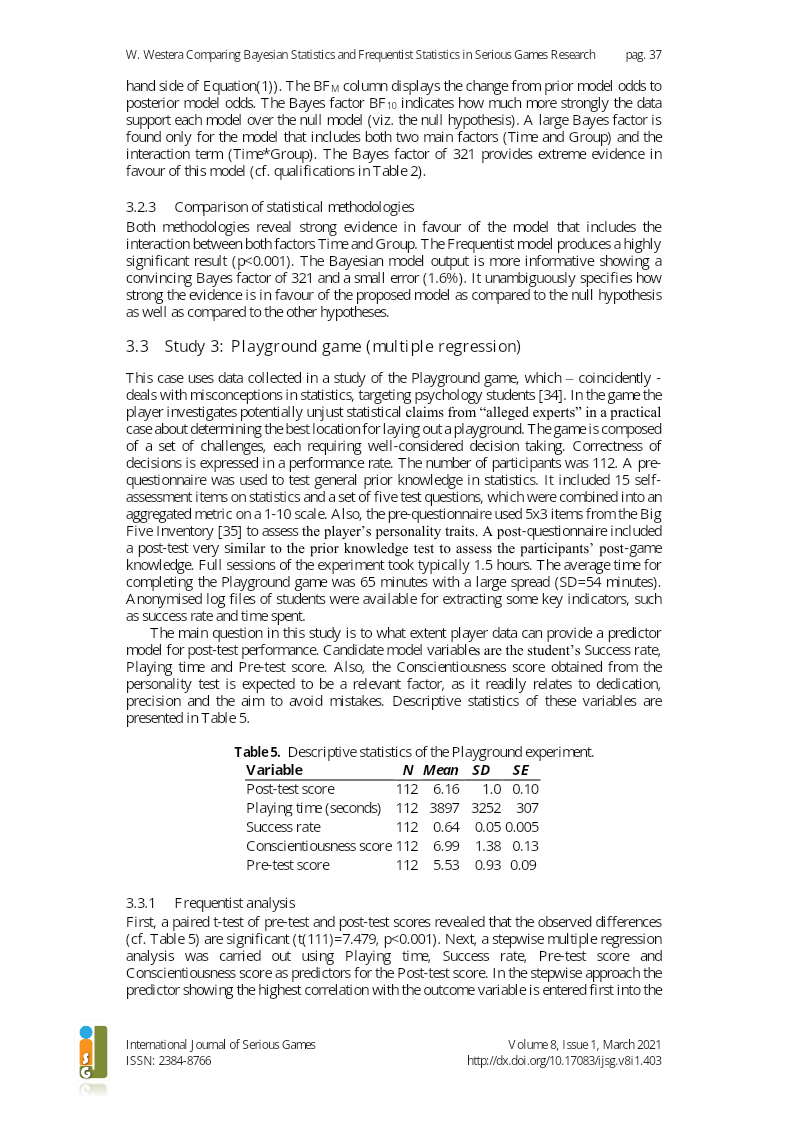
- Serious games research should transition from Frequentist methods to Bayesian statistics to overcome the methodological limitations and binary constraints of traditional p-value testing.
- Bayesian inference provides a more robust framework by utilizing Bayes factors to quantify evidence for competing hypotheses rather than relying on binary significance.
- Bayesian models offer superior predictive accuracy and lower standard errors compared to traditional Frequentist approaches in empirical game-based evaluations.
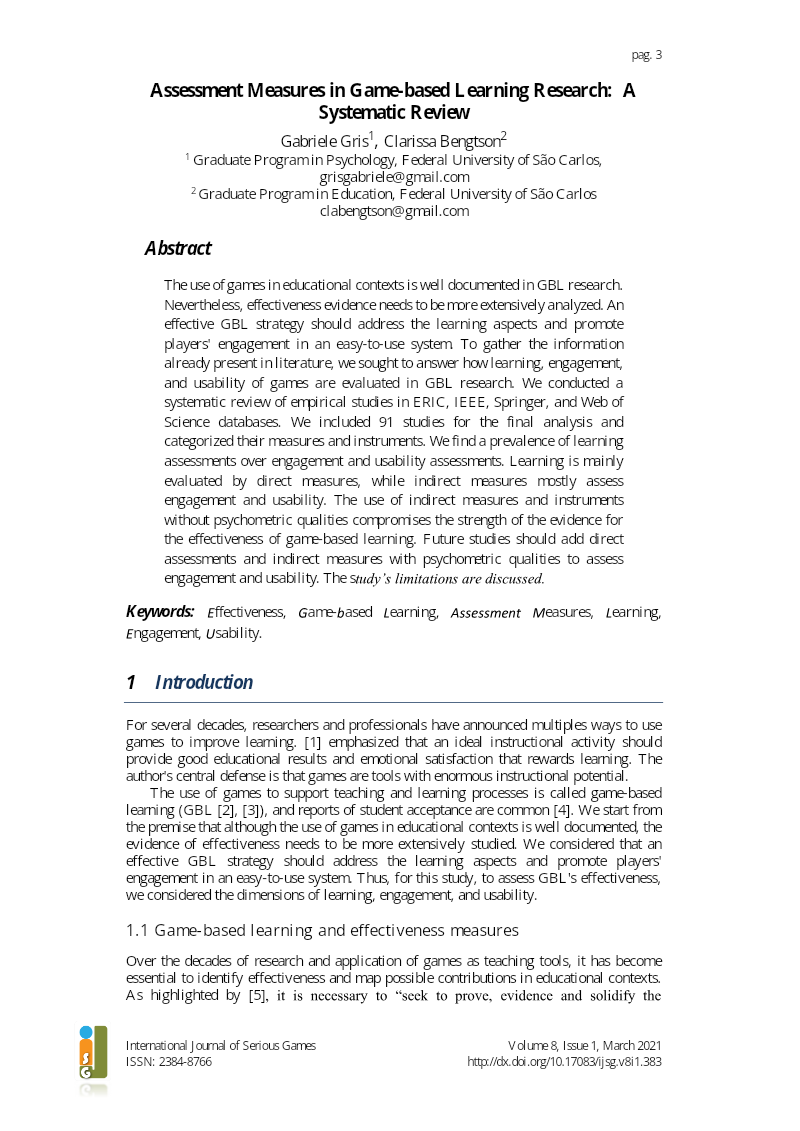
Assessment Measures in Game-based Learning Research: A Systematic Review
Game-based learning research currently suffers from a significant methodological imbalance that undermines the reliability of its empirical evidence.
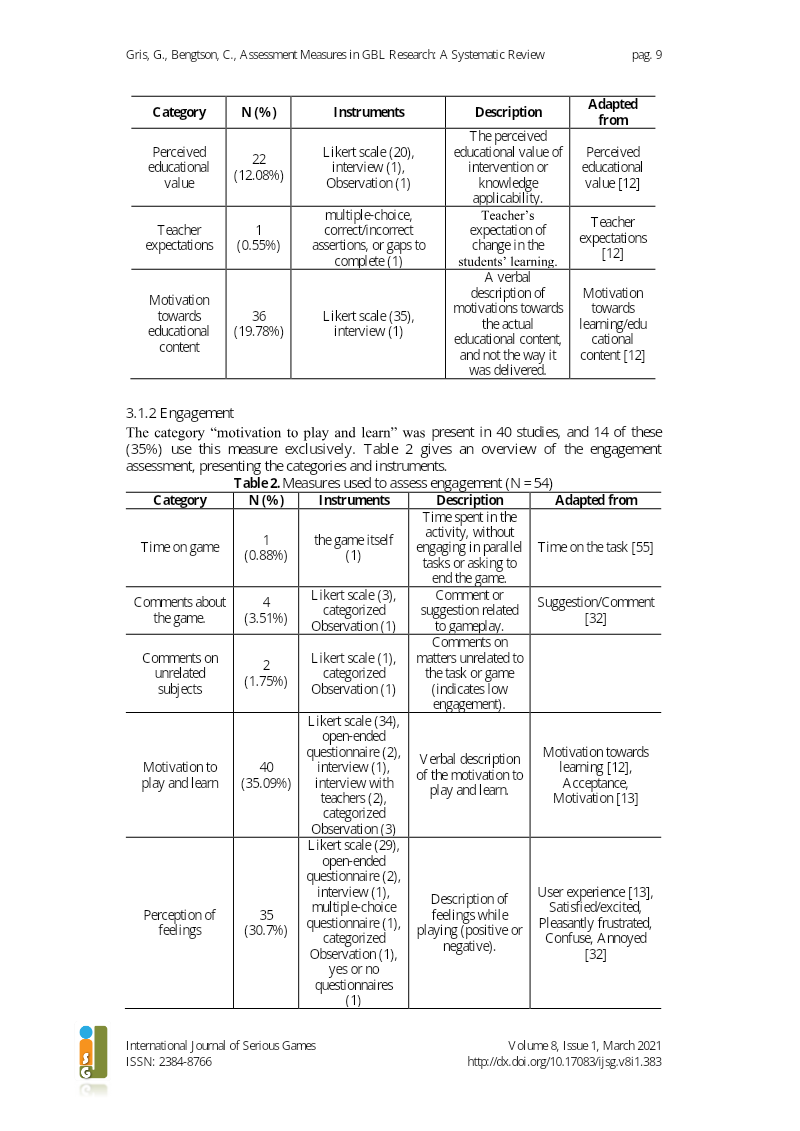
- A systematic review of 91 empirical studies reveals a significant methodological imbalance that prioritizes learning outcomes while neglecting the critical dimensions of engagement and usability.
- The evaluation of engagement and usability in game-based learning relies almost exclusively on indirect, self-reported data rather than objective, observable metrics.
- Current research frequently utilizes non-validated Likert scale questionnaires and poorly defined instruments, which lack the psychometric rigor necessary for scientific reliability.

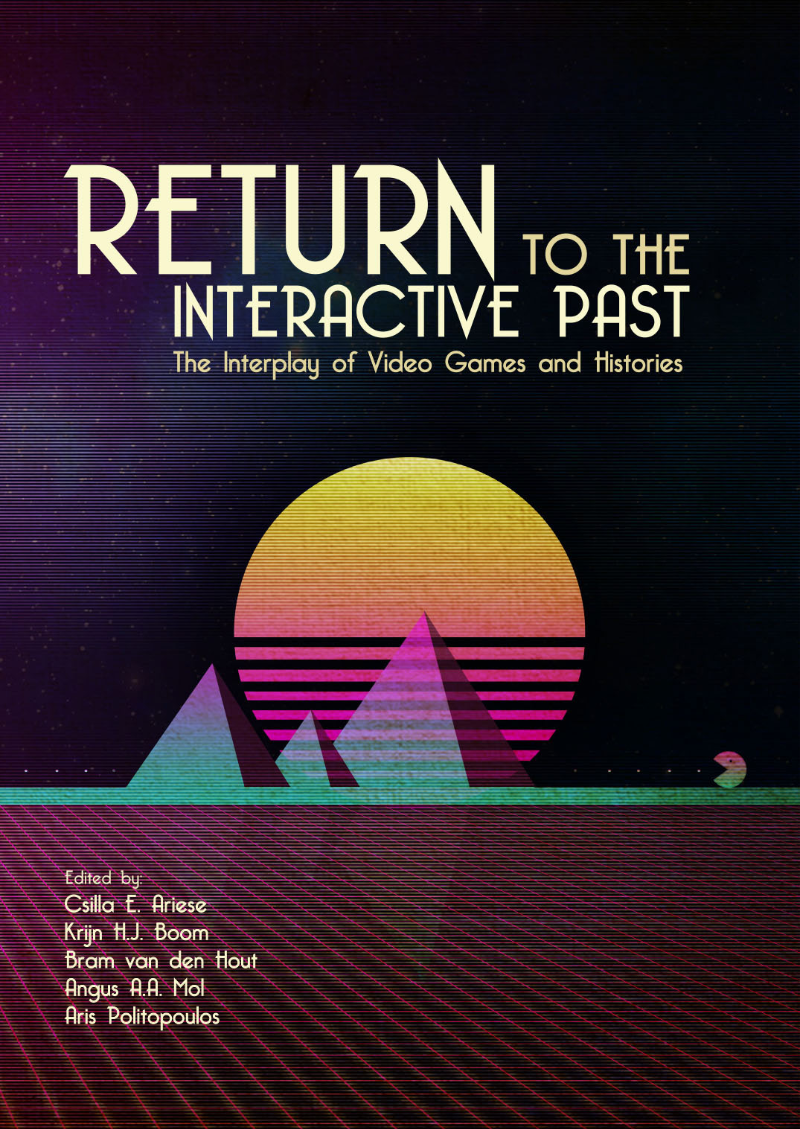
Return to the Interactive Past
Fragments of Him is presented as a case study in how video games can be understood through emotional and narrative content rather than through their interaction mechanics alone.
- The report argues that labels like 'walking simulator' obscure what games like Fragments of Him actually do, and that the game deliberately prioritizes a story about love, grief, and recent social history over conventional notions of fun.
- The analysis proposes a four-part taxonomy of immersion, systems, spatial, empathic/social, and narrative/sequential, to give the vague concept of 'immersion' more precision.
- Fragments of Him is positioned as deliberately low in systems immersion but high in spatial, empathic/social, and narrative/sequential immersion, achieved through period-accurate objects, locations drawn from the creator's personal memories, and back-storied characters set in southern England between the 1980s and 2000s.

Public Play Space Symposium Proceedings 2021
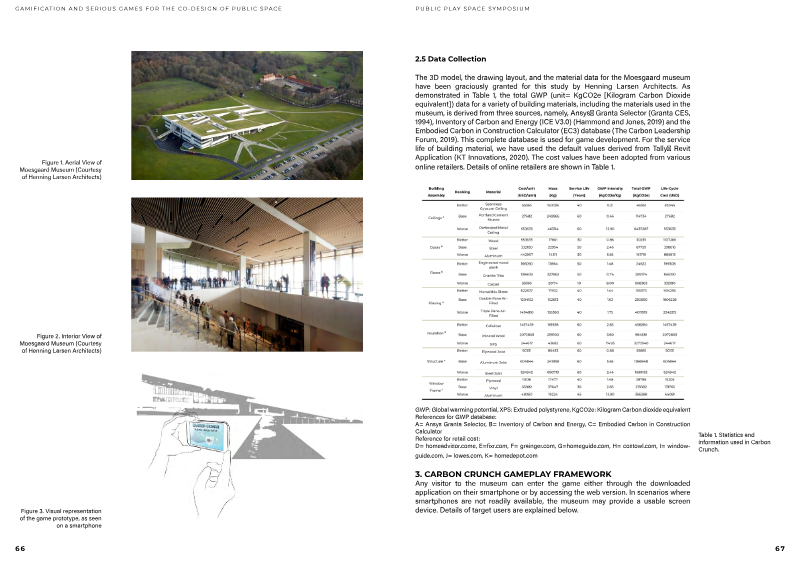
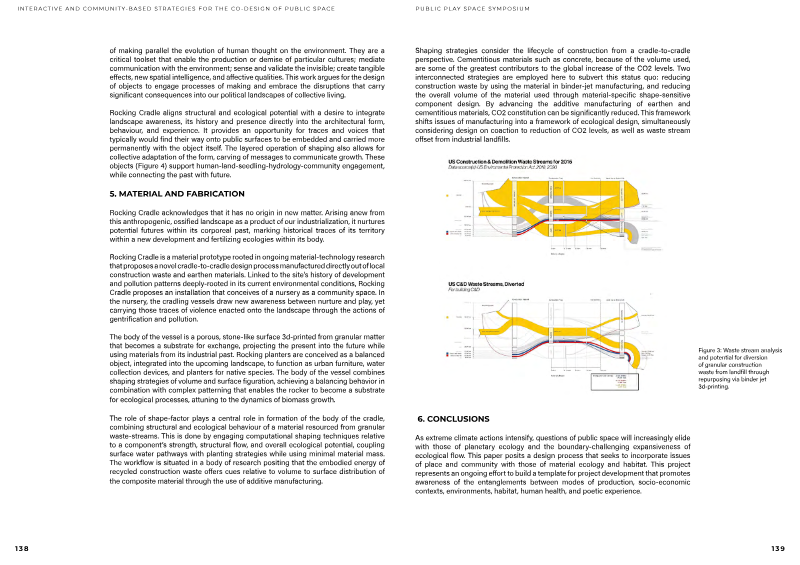
The 2021 Public Play Space Symposium Proceedings examine how gamification, responsive digital technologies, board and sandbox games, augmented reality, and playful interventions can support participatory co-design of public space.
- Serious games and gamified interfaces consistently boost engagement, collaboration, and educational value, especially with children, though individual-level data collection and facilitator dependence remain limitations.
- Play is argued to lower barriers to citizen engagement in urban planning, making participation more appealing, measurable, and sustained.
- Board-game experiments in Portugal found that collaborative groups produced more efficient transport networks.
Communicating Maritime Spatial Planning: The MSP Challenge Approach
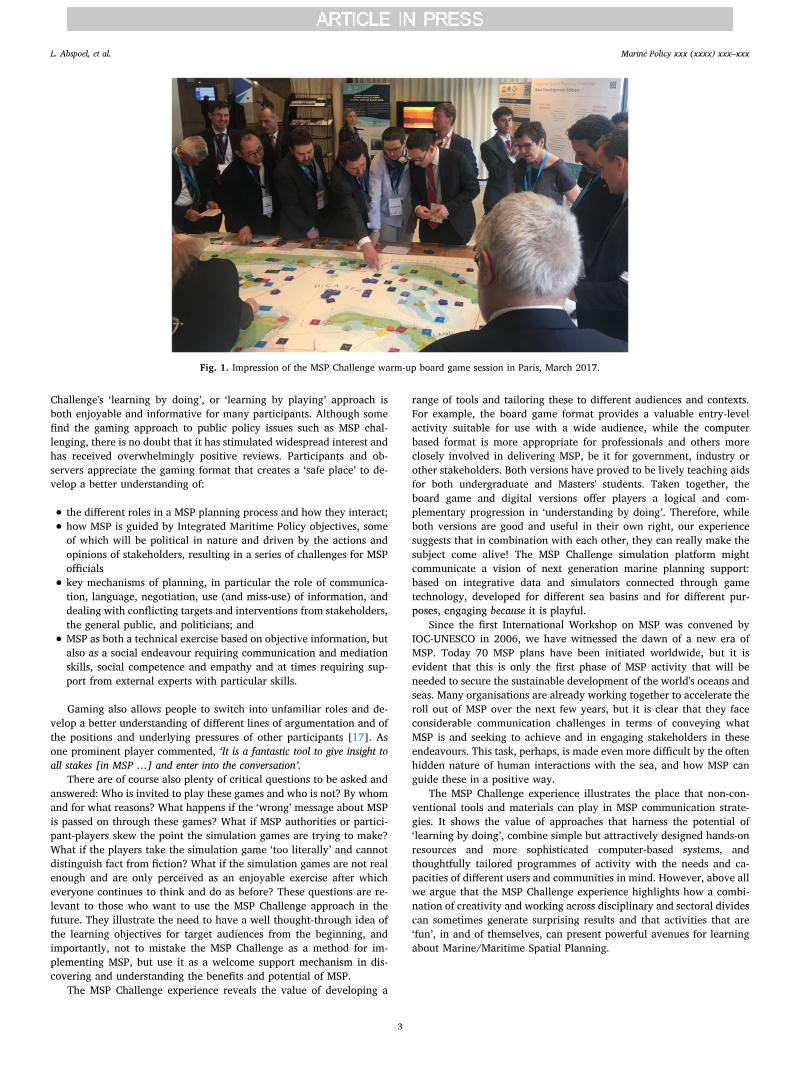
The MSP Challenge paper presents an overview of a game-based communication and learning tool developed to support Marine and Maritime Spatial Planning (MSP).
- The MSP Challenge is a game-based communication tool for Marine and Maritime Spatial Planning that combines role-play, board-based play, and digital simulation to build mutual understanding among planners and stakeholders.
- Development began in 2011 with a role-playing game for a HELCOM/VASAB/OSPAR/ICES workshop of around 100 professionals, was integrated into three EU-funded projects in 2015, and produced a board game and an interactive simulation platform.
- The simulation platform links geodata from ICES, HELCOM, IMO and EMODnet with ecological and shipping models, and has supported stakeholder sessions in the Baltic, North Sea and Clyde regions.
Educational Board Game and Flashcard: Which One is Better for Learners at Beginner Level of Chinese Language?
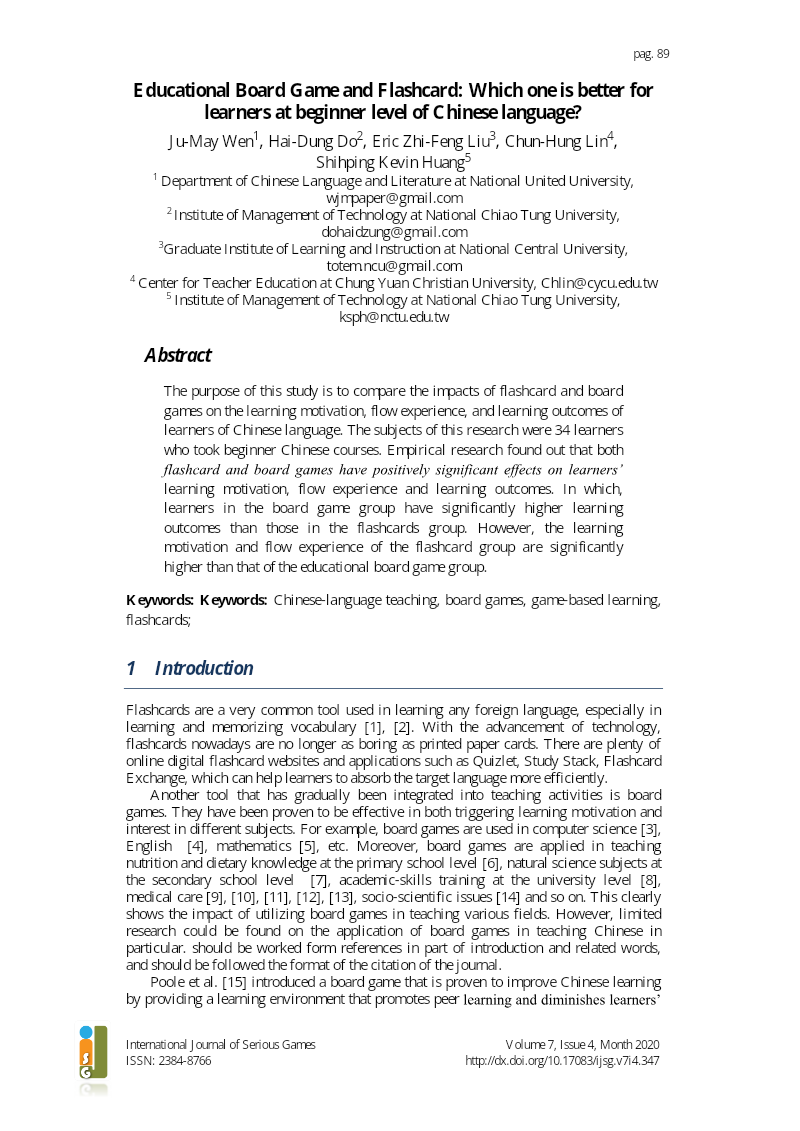
Educational board games and flashcards serve distinct pedagogical functions for beginner-level Chinese language learners, each offering unique advantages regarding cognitive engagement and linguistic proficiency.
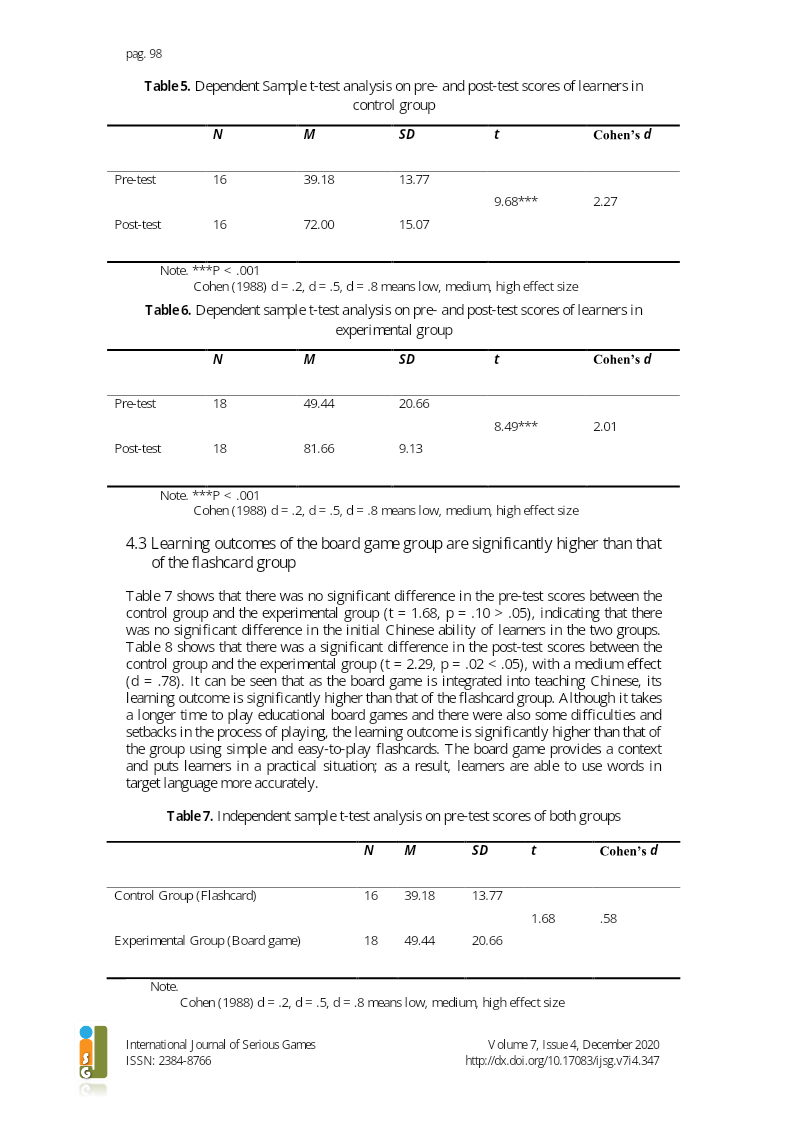
- Educational board games produce superior overall learning outcomes and higher linguistic accuracy compared to flashcards by requiring students to use language in interactive, social contexts.
- Flashcards are the most effective tool for rapid vocabulary acquisition and foundational recall due to their lower cognitive load and ability to sustain immediate focus.
- Board games provide the necessary complexity for meaningful communication, whereas flashcards are limited to rote memorization.
Scenario Smells: Signalling Potential Problems in Dialogue Scenarios in a Serious Game
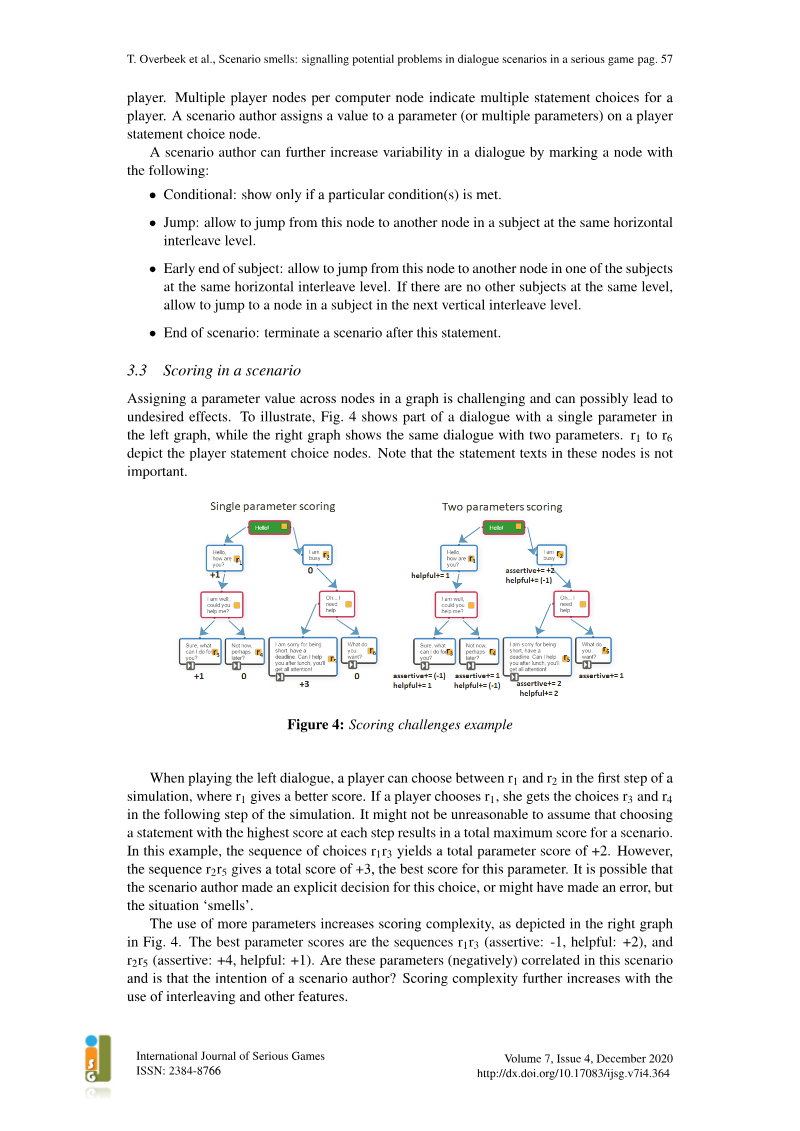
Serious games rely heavily on complex, branching dialogue trees to simulate real-world interactions, yet these structures often suffer from hidden design flaws that compromise scoring fairness and narrative consistency.
- Automated diagnostic tools can identify structural flaws in branching dialogue trees, such as unattainable scores and non-monotonic paths, during the authoring phase.
- The developed diagnostic tool utilizes tree traversal algorithms to scan complex dialogue scripts for logical inconsistencies in under one minute.
- Integrating automated quality assurance into the authoring process allows non-programmers to validate narrative logic and parameter dependencies without requiring extensive player testing.
Constructive Alignment of Learning Mechanics and Game Mechanics in Serious Game Design
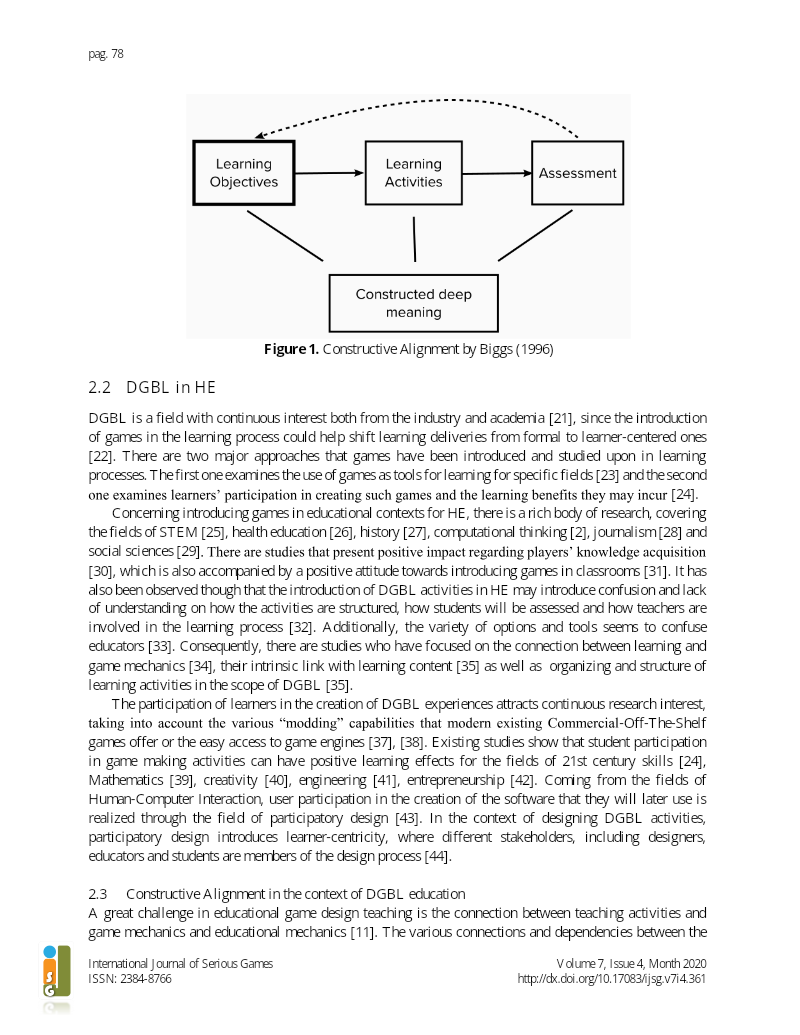
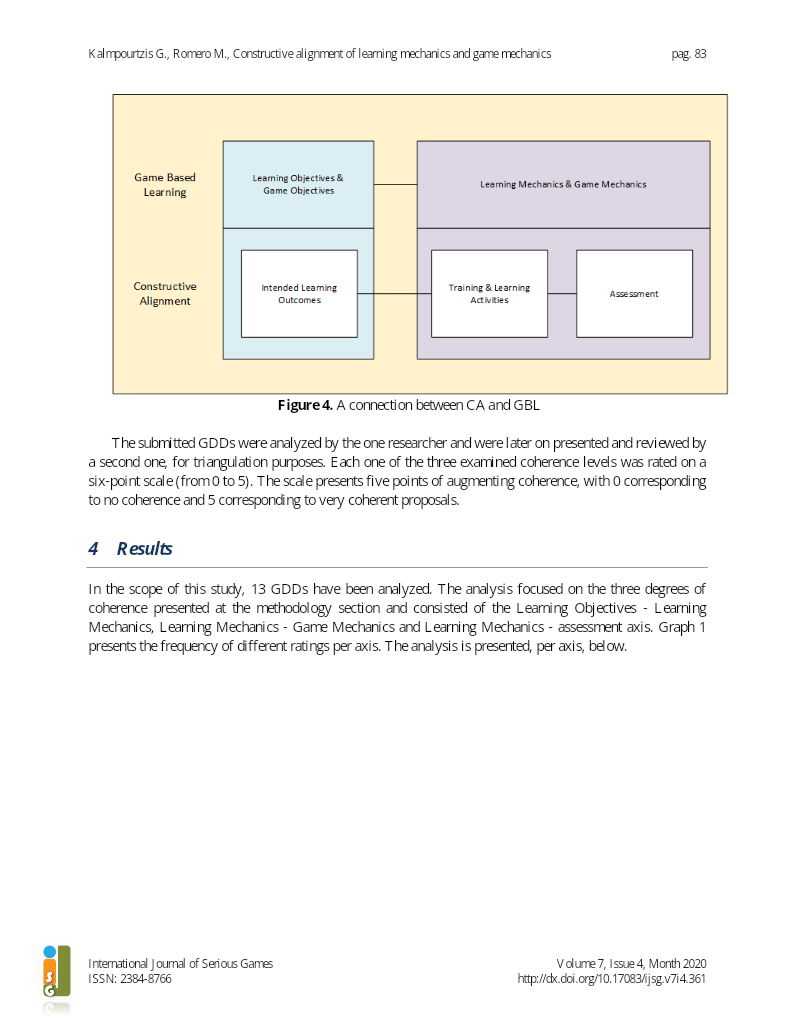
The integration of Constructive Alignment within serious game design serves as a critical framework for ensuring that learning objectives, game mechanics, and learning mechanics function in unison.
- Serious game design requires a robust connection between learning objectives, game mechanics, and assessment strategies to achieve full constructive alignment.
- An analysis of thirteen student-produced game design documents shows that while learners effectively align objectives with mechanics, they consistently fail to implement adequate assessment strategies.
- Current instructional models in serious game design prioritize interactive mechanics over the evaluative components necessary for measuring player performance.