More on Serious Games
View all
Whitepaper
Italian Teachers’ Attitudes and Competence According to the Acceptance Game-Based Learning Questionnaire
European Conference on Games Based Learning (ECGBL) · 2025
Whitepaper
The Expert, The Novice, and The Skeptic: Game Literacy and Pedagogical Practice
European Conference on Games Based Learning (ECGBL) · 2024
Whitepaper
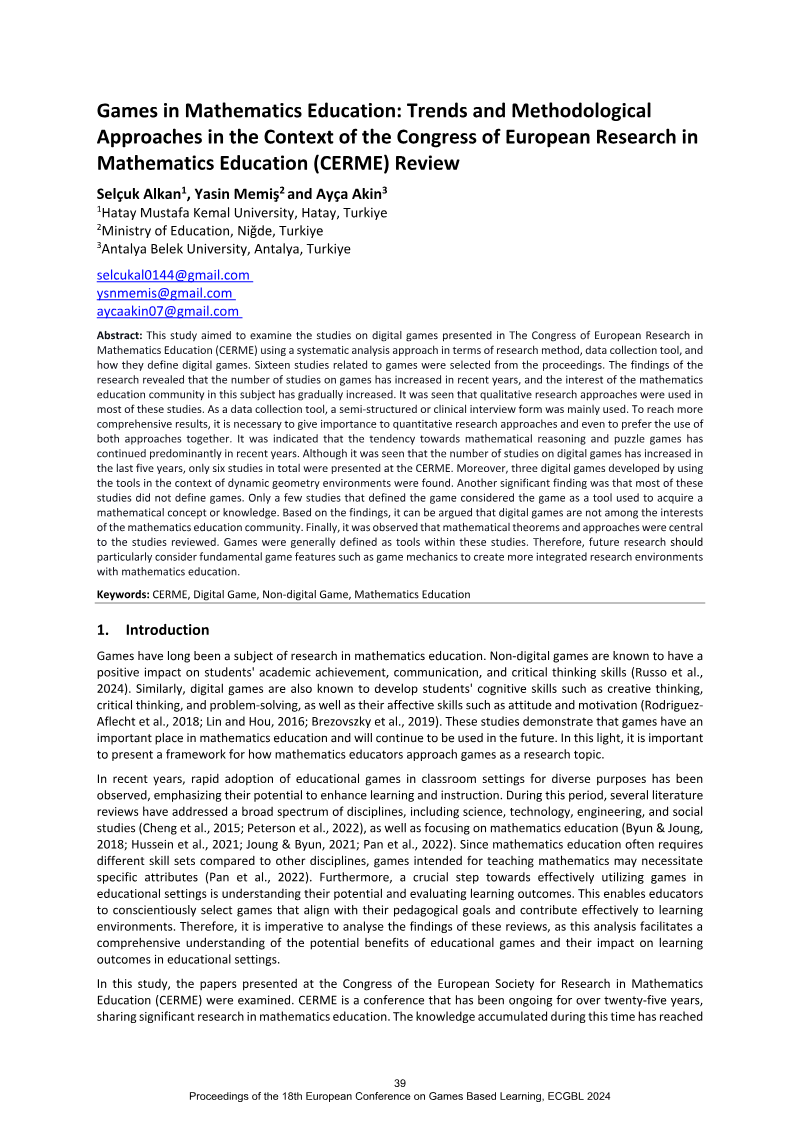
Games in Mathematics Education: Trends and Methodological Approaches in the CERME Review
European Conference on Games Based Learning (ECGBL) · 2024
Whitepaper
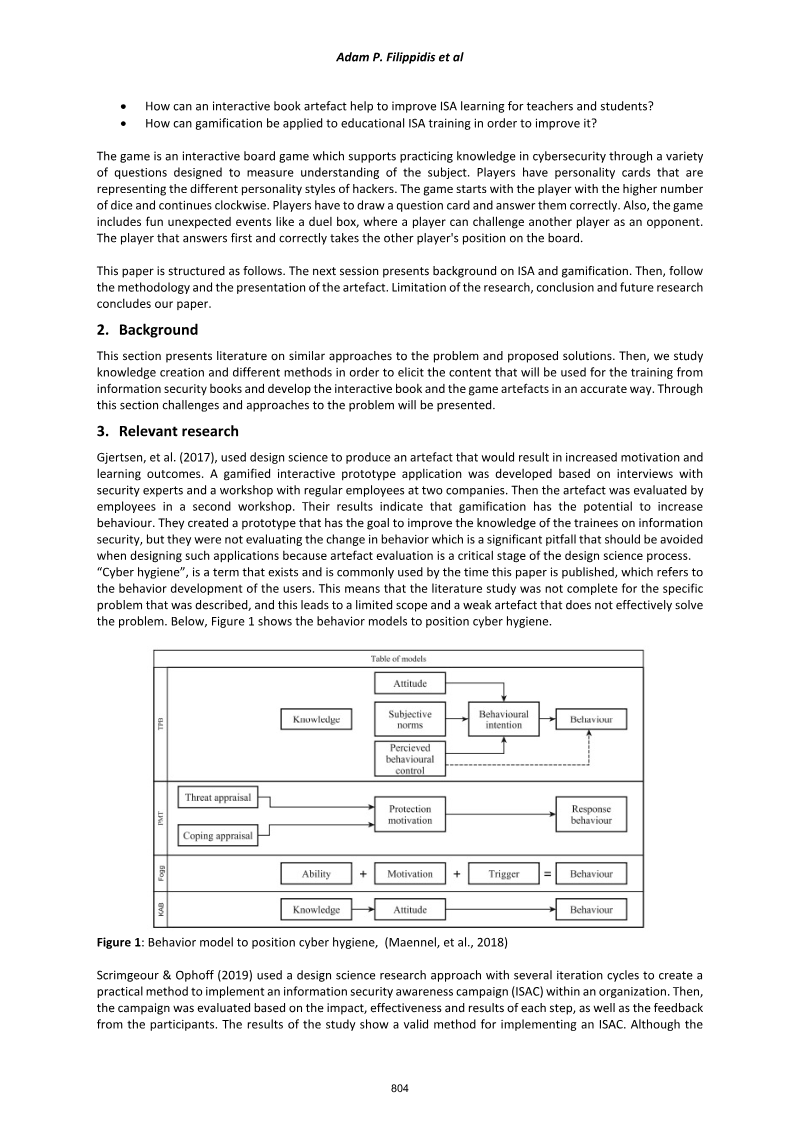
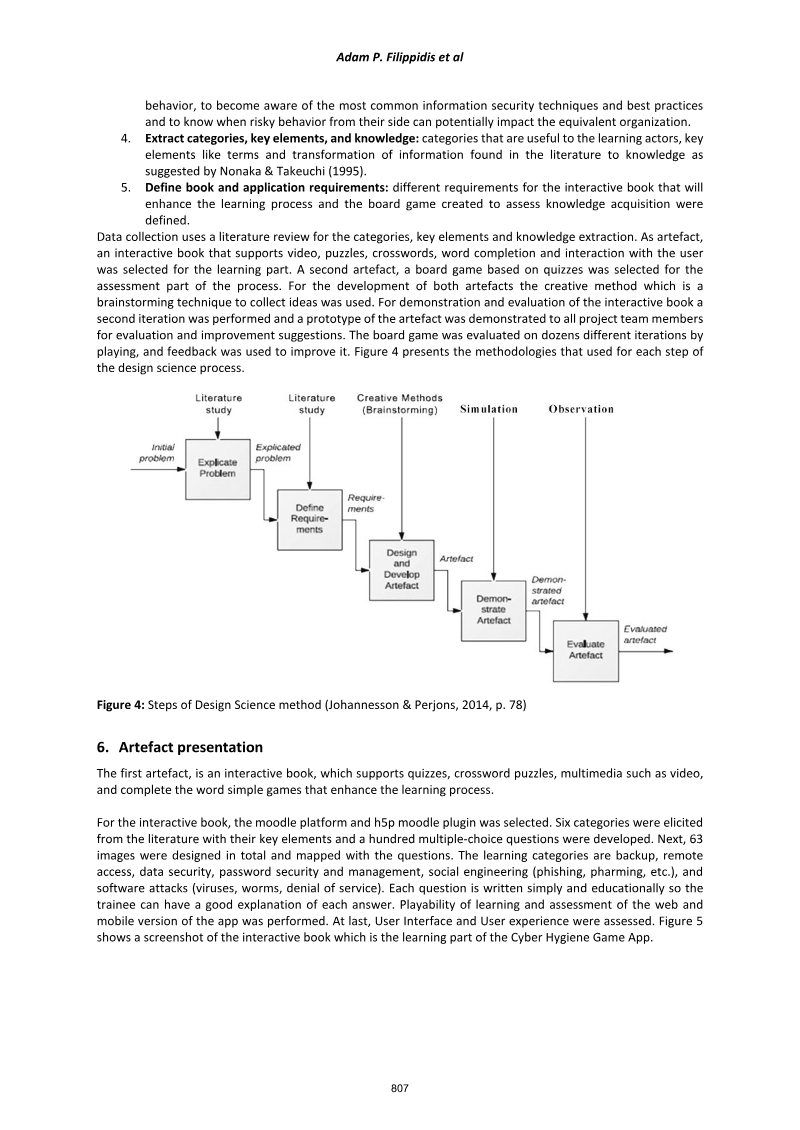
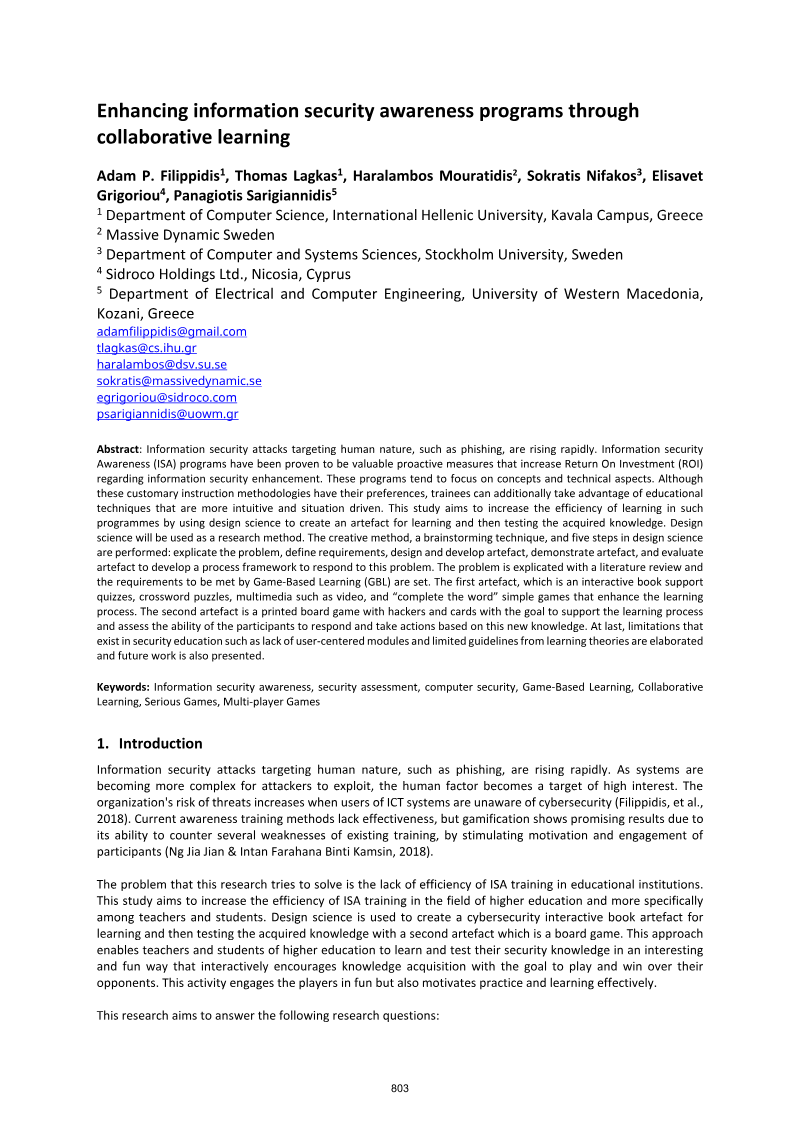
Enhancing Information Security Awareness Programs Through Collaborative Learning
European Conference on Games Based Learning (ECGBL) · 2022
Whitepaper
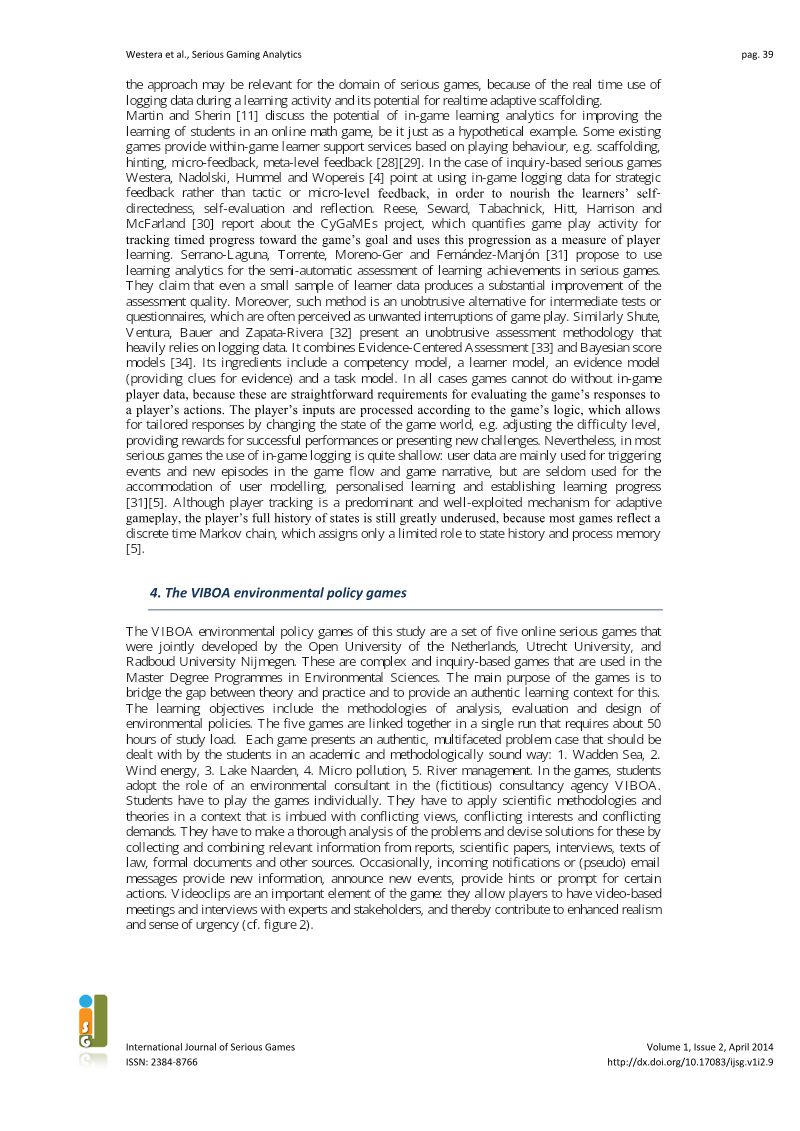
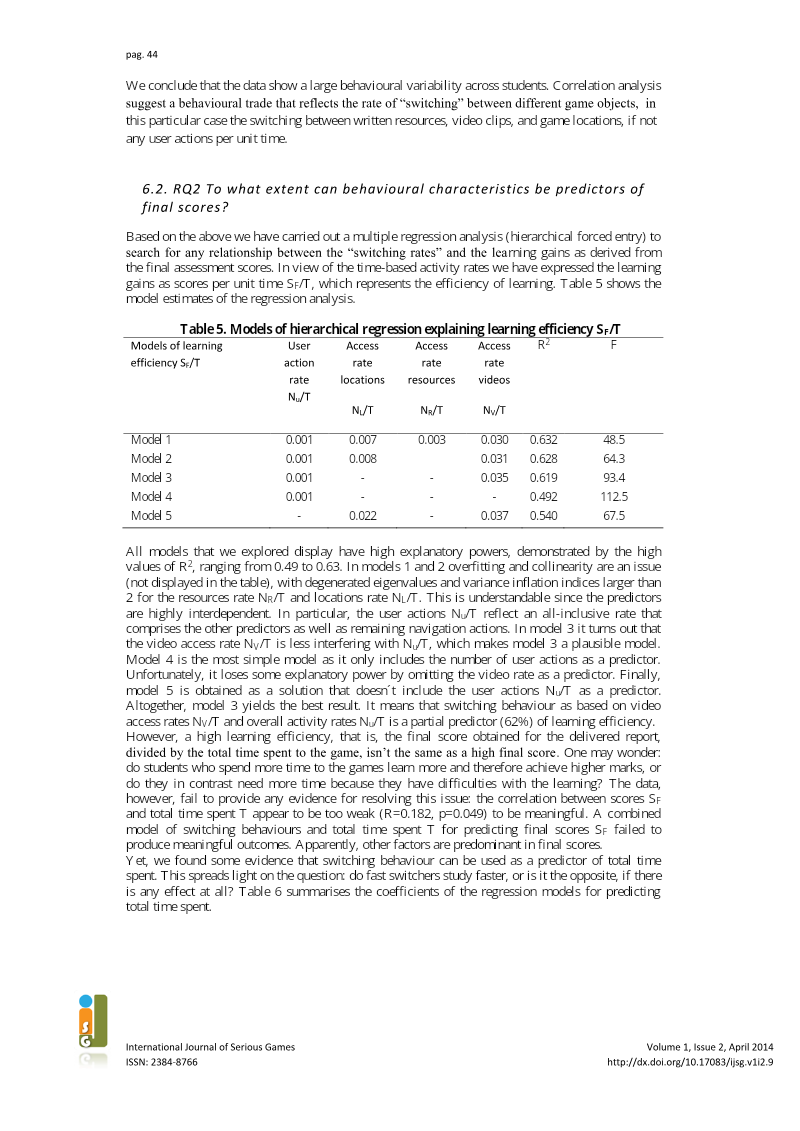
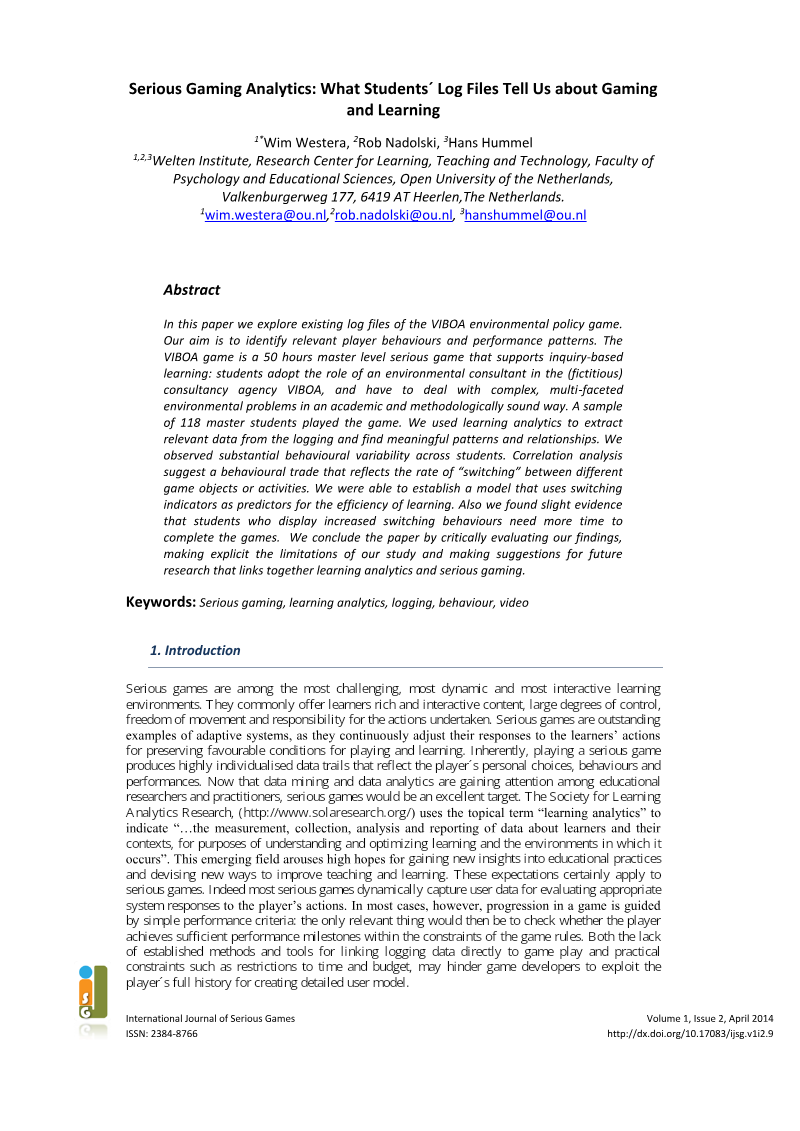
Serious Gaming Analytics: What Students' Log Files Tell Us about Gaming and Learning
International Journal of Serious Games · 2014
Whitepaper
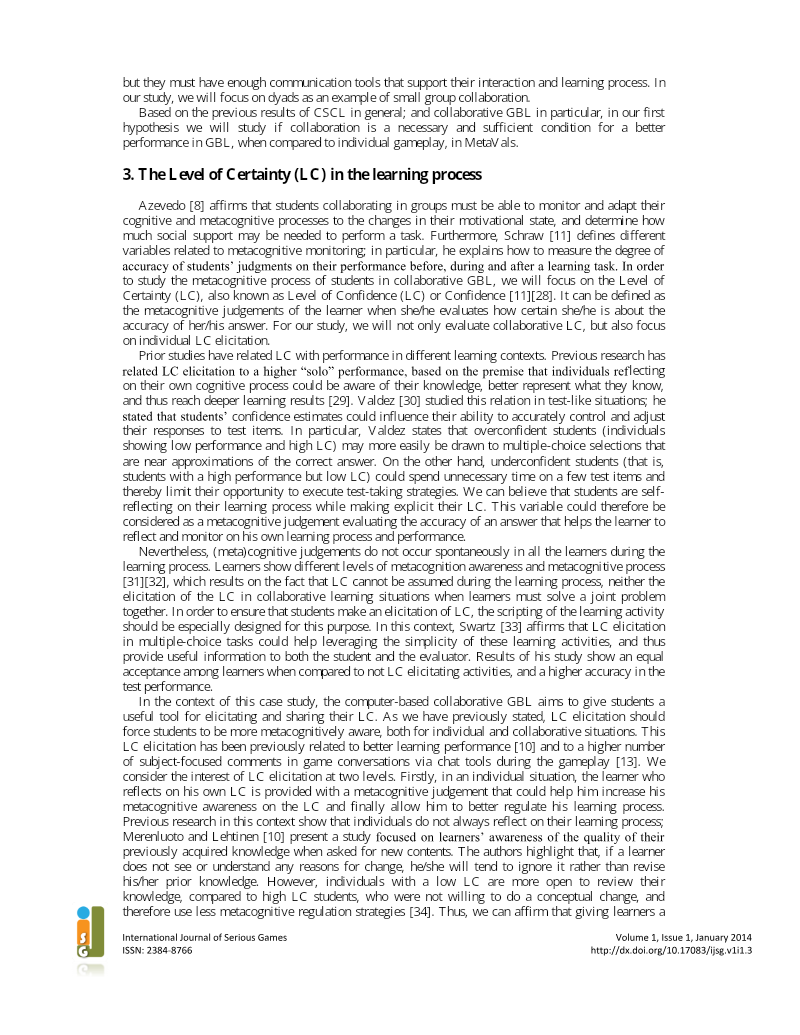
Individual and Collaborative Performance and Level of Certainty in MetaVals
International Journal of Serious Games · 2014
Whitepaper
Persuasive Design of a Mobile Energy Conservation Game with Direct Feedback and Social Cues
DiGRA · 2009
Report
Use of Computer and Video Games in the Classroom
DiGRA · 2003



Whitepaper
Challenges of Simulations and Serious Games Embedded in Emergency Preparedness Platforms
European Conference on Games Based Learning (ECGBL) · 2026



Whitepaper
Designing Educational Games in Higher Education: A Convergent Mixed-methods Pilot Evaluation
European Conference on Games Based Learning (ECGBL) · 2026
Whitepaper
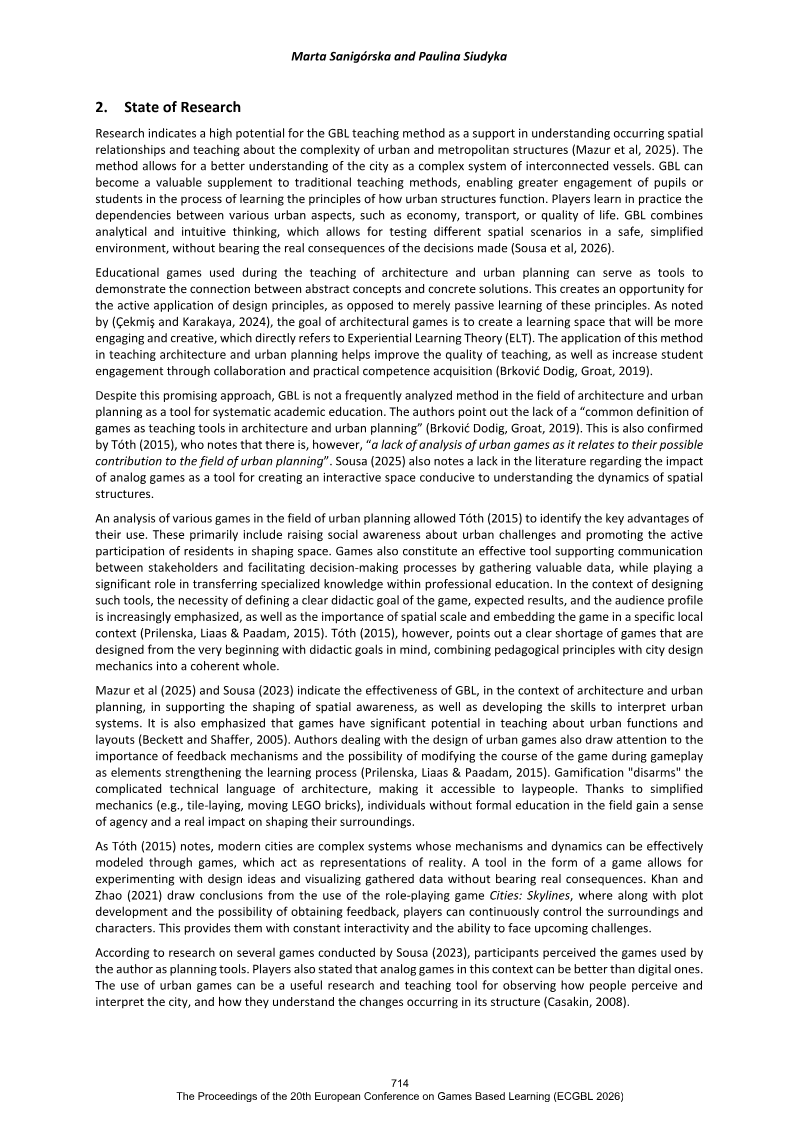
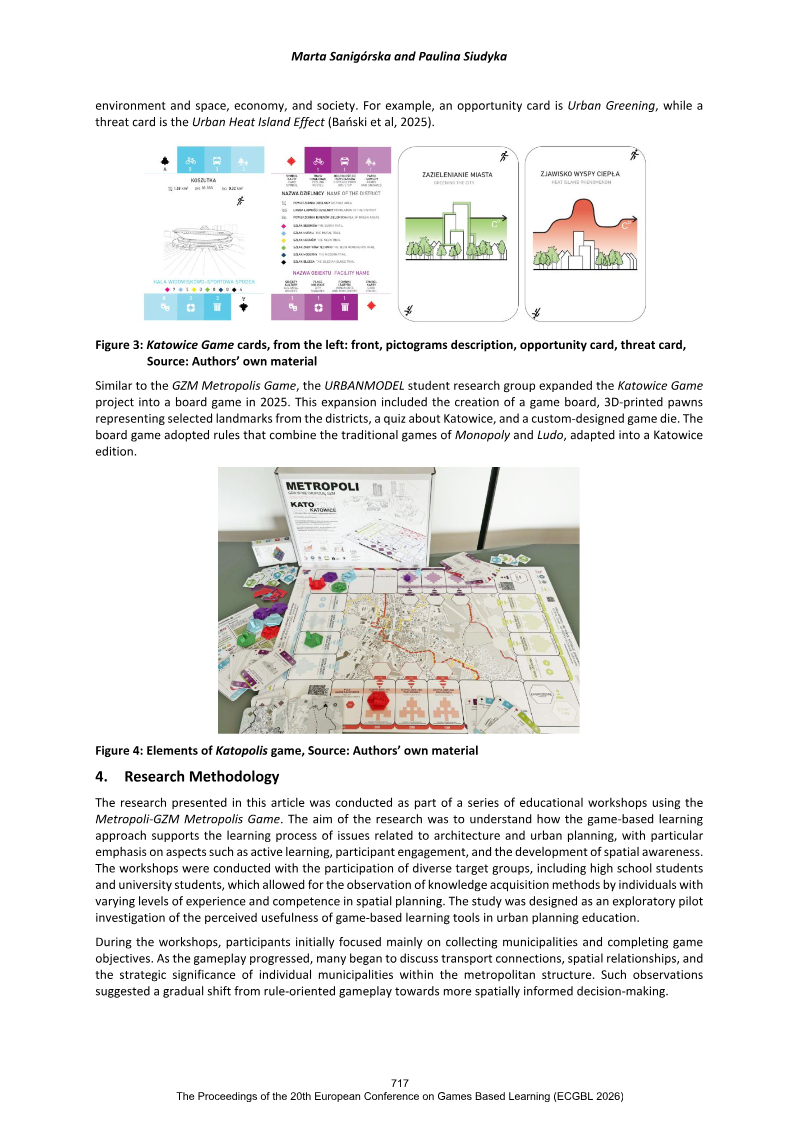
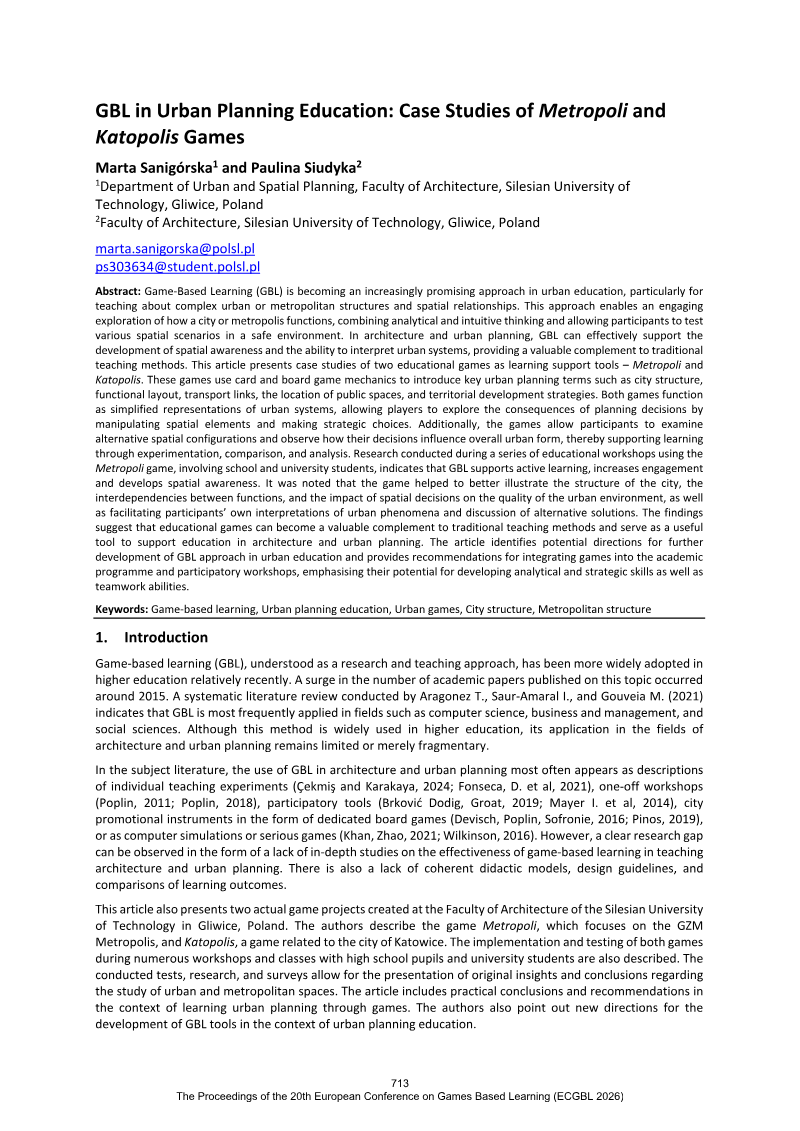
GBL in Urban Planning Education: Case Studies of Metropoli and Katopolis Games
European Conference on Games Based Learning (ECGBL) · 2026
Whitepaper
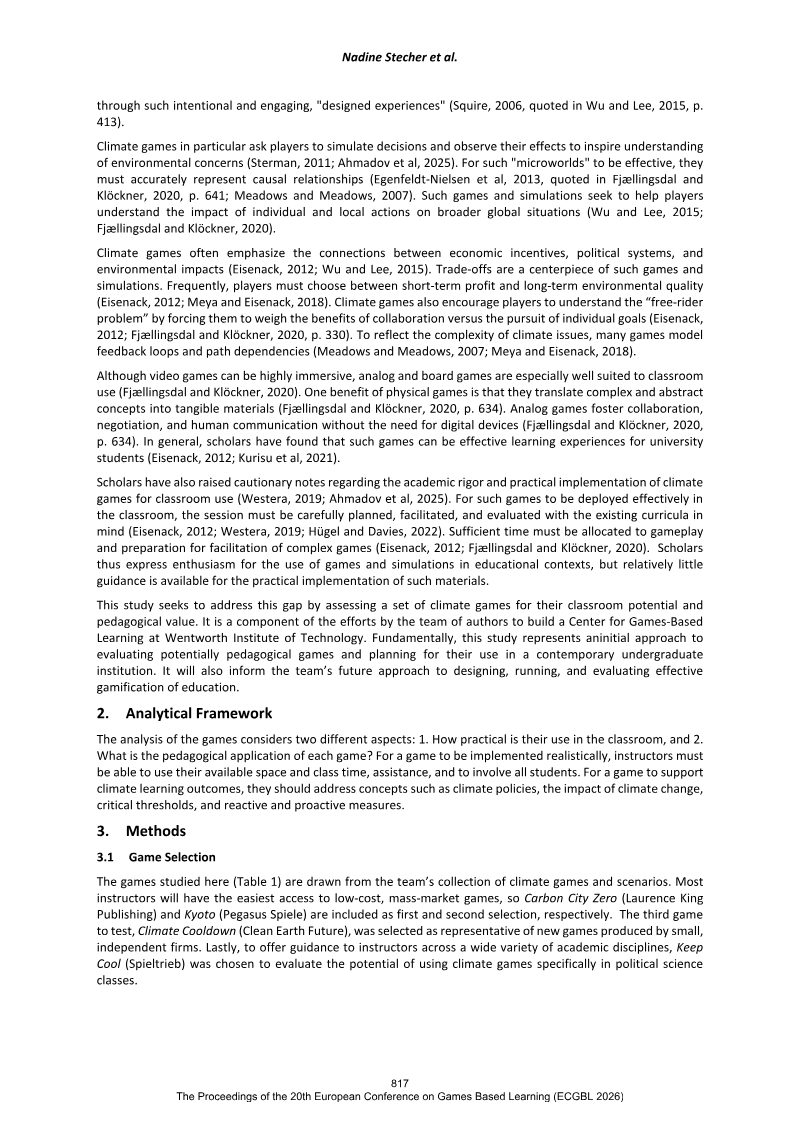
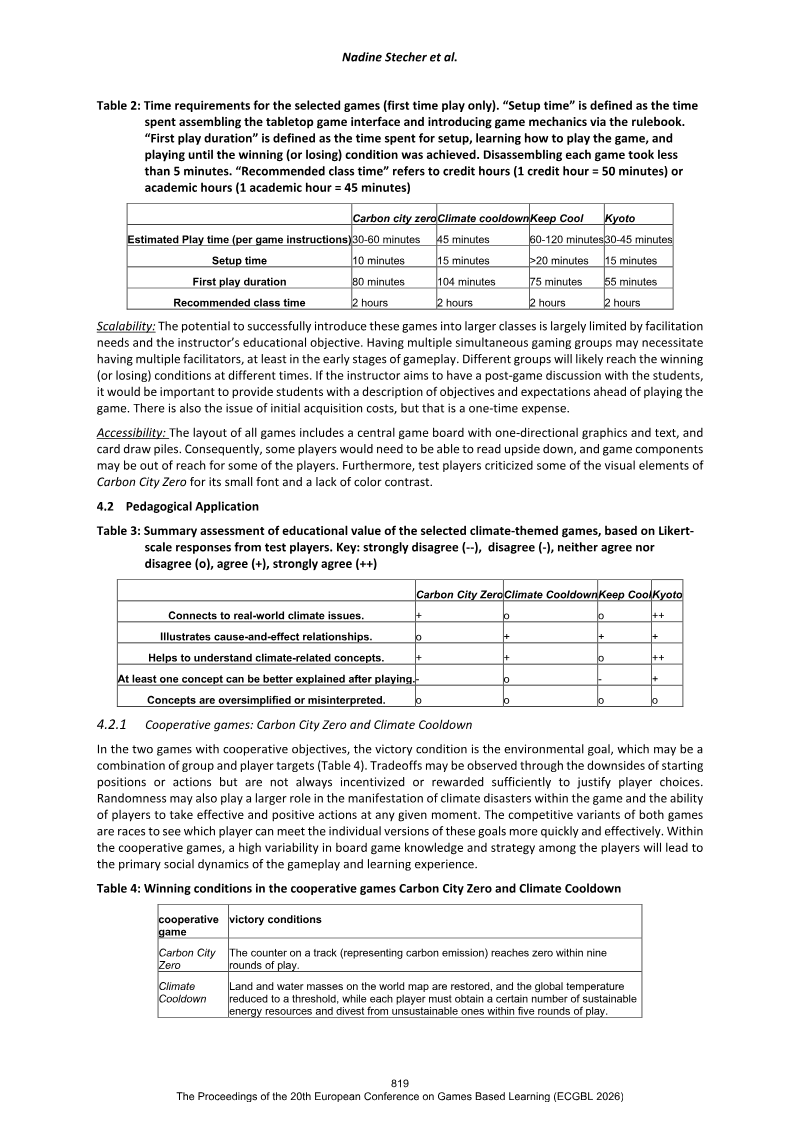
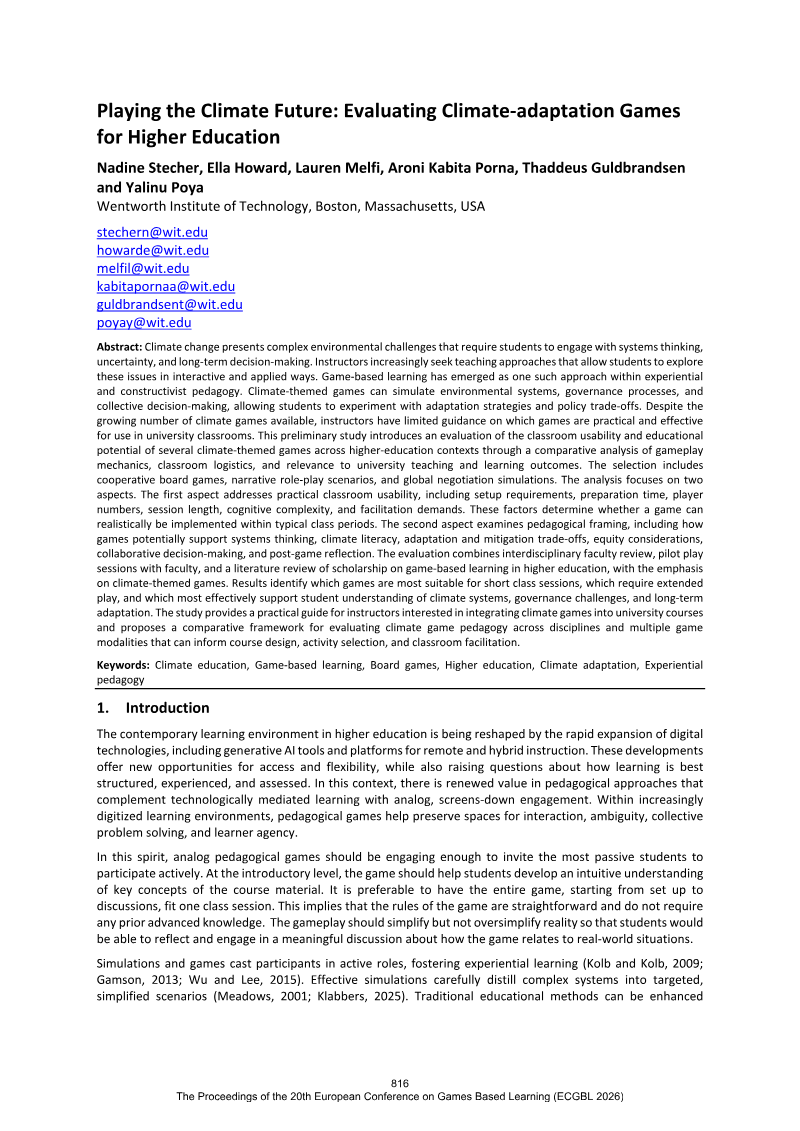
Playing the Climate Future: Evaluating Climate-adaptation Games for Higher Education
European Conference on Games Based Learning (ECGBL) · 2026