1 free read left. Create a free account for unlimited reading + AI research.
Create free accountWhitepaper International Journal of Serious Games
1 free read left. Create a free account for unlimited reading + AI research.
Create free accountWhitepaperInternational Journal of Serious Games
The Brazilian game industry currently relies heavily on traditional playtesting as its primary mechanism for gathering player feedback, yet there is a significant opportunity to transition toward more robust Participatory Design (PD) frameworks. While Games User Research effectively addresses usability and immediate player experience, it often lacks the deep, collaborative co-creation inherent in PD. By analyzing 29 studios, which represent approximately 28% of the Brazilian market, it becomes clear that while developers recognize the value of community-driven insights, they struggle to integrate these practices throughout the entire development lifecycle due to concerns regarding budget constraints, intellectual property protection, and the complexities of managing open design processes.
The research highlights a disconnect between the desire for player-centric development and the practical execution of such methods. Small-scale studios, in particular, face communication barriers and knowledge management challenges that hinder the adoption of formal PD techniques. Despite these obstacles, there is a strong potential for studios to evolve beyond basic usability testing. By adopting project-specific, value-centric approaches and utilizing low-budget toolkits, developers can bridge the gap between initial concept and final product, ensuring that player feedback informs design decisions from the earliest stages of production.
To facilitate this shift, the industry should prioritize the implementation of six strategic recommendations centered on community-driven participation and mixed-method research. These guidelines aim to help studios navigate the transition toward more collaborative workflows, ultimately aligning game development more closely with player needs. By moving away from isolated testing phases and toward a more integrated, iterative model, Brazilian game studios can enhance their competitive edge and foster deeper engagement with their audiences, effectively transforming the role of the player from a passive tester into an active participant in the creative process.
International Journal of Serious Games · 2023
International Journal of Serious Games · 2022
International Journal of Serious Games · 2020
International Journal of Serious Games · 2020
International Journal of Serious Games · 2020
International Journal of Serious Games · 2020
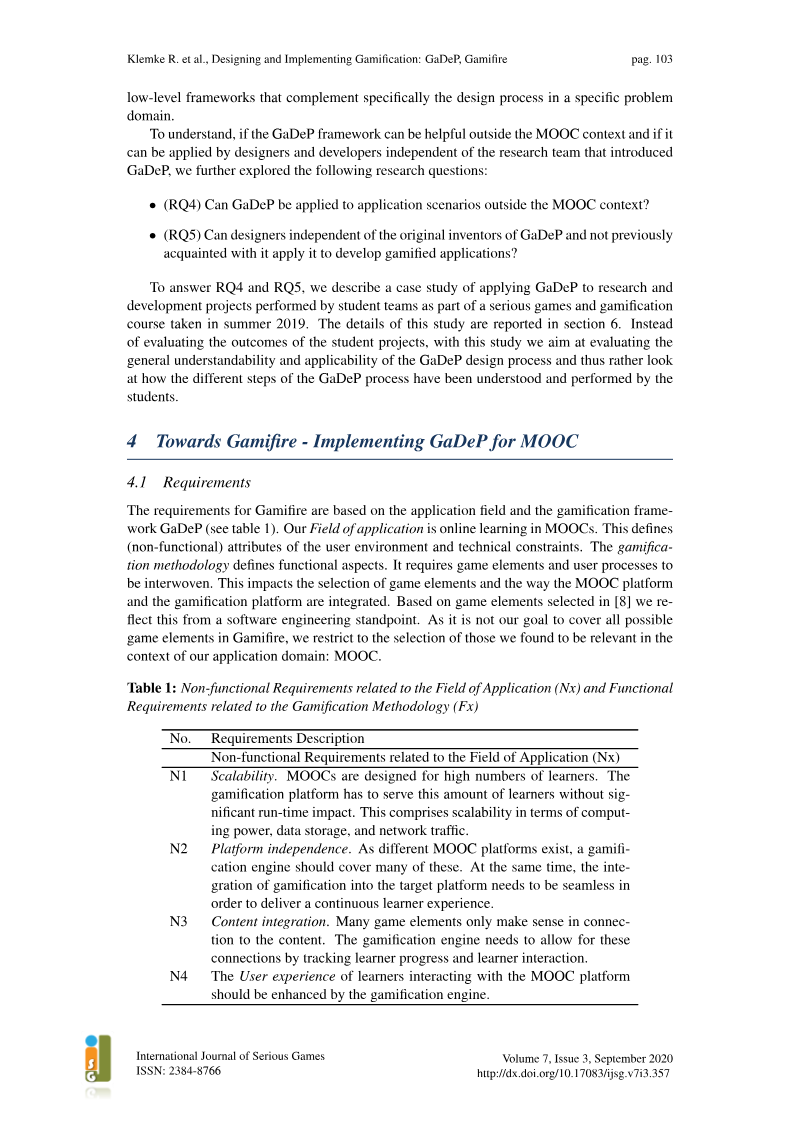
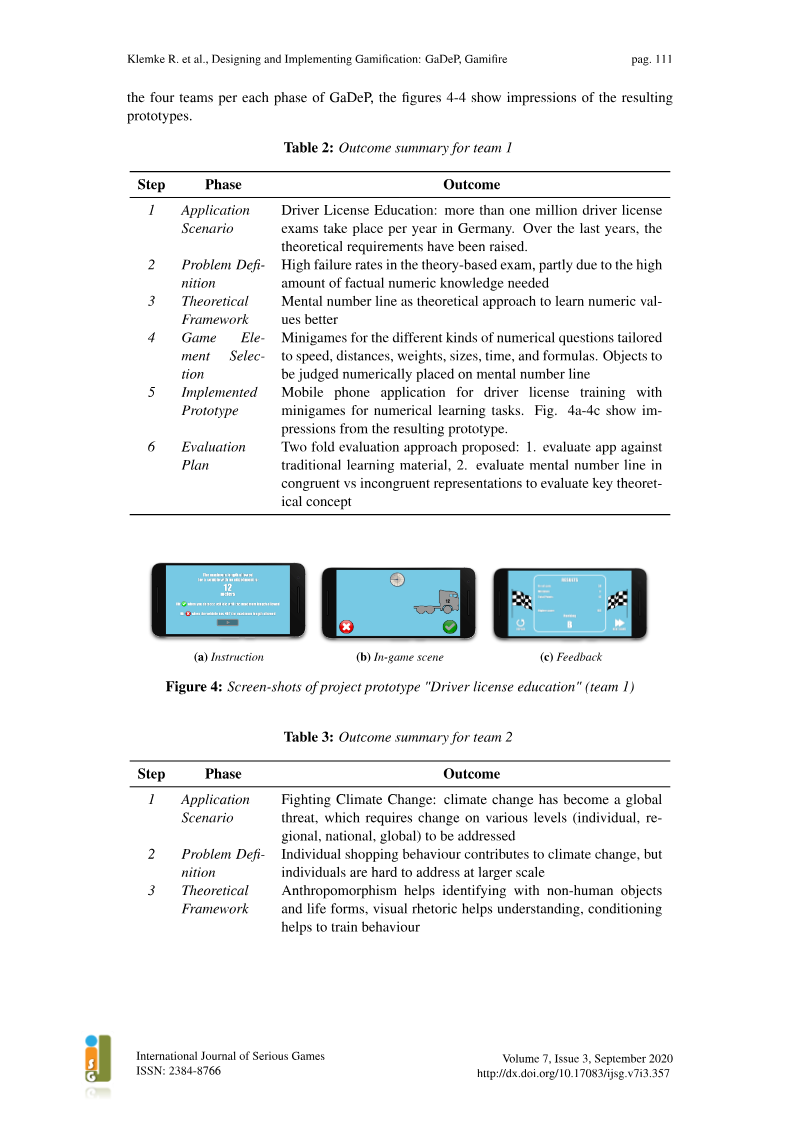
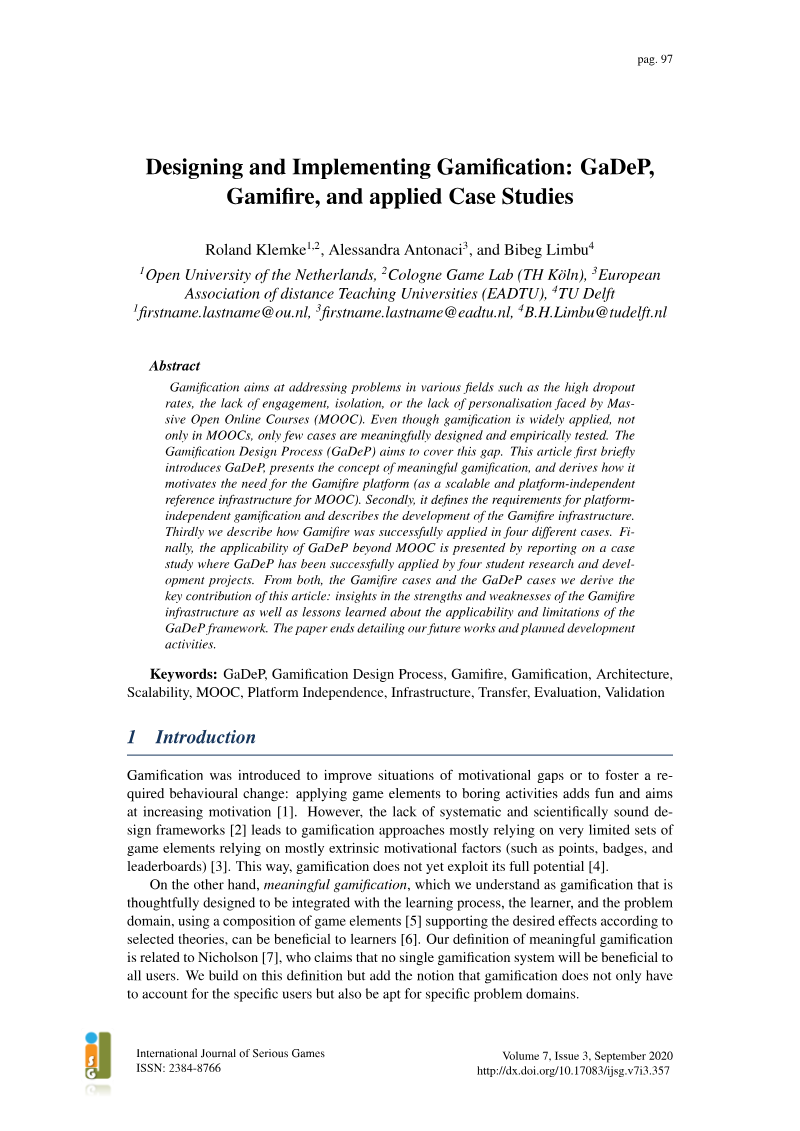
International Journal of Serious Games · 2020
International Journal of Serious Games · 2020



International Journal of Serious Games · 2020

International Journal of Serious Games · 2020
Air Force Institute of Technology · 2020
International Journal of Serious Games · 2020



European Conference on Games Based Learning (ECGBL) · 2026
European Conference on Games Based Learning (ECGBL) · 2026



European Conference on Games Based Learning (ECGBL) · 2026