
Journal of Games, Game Art, and Gamification
Open-access journal of Bina Nusantara University on games, game art, game design and gamification.
Documents
Effective and Immersive Teleoperation with Real-World Constraints
This study explores the development of a cost-effective teleoperation system that utilizes standard, consumer-grade virtual reality (VR) hardware to control a mobile robotic platform.
- Consumer-grade VR hardware can effectively replace specialized, high-cost telepresence systems for controlling mobile robotic platforms like the ROSbot 2R.
- The VR interface significantly improves situational awareness, resulting in a 20-minute improvement in spatial accuracy compared to traditional keyboard-and-monitor setups.
- Maintaining a consistent 90Hz refresh rate within the Unity 3D and ROS 2 environment is critical to mitigating simulator sickness and user discomfort caused by video feed latency.
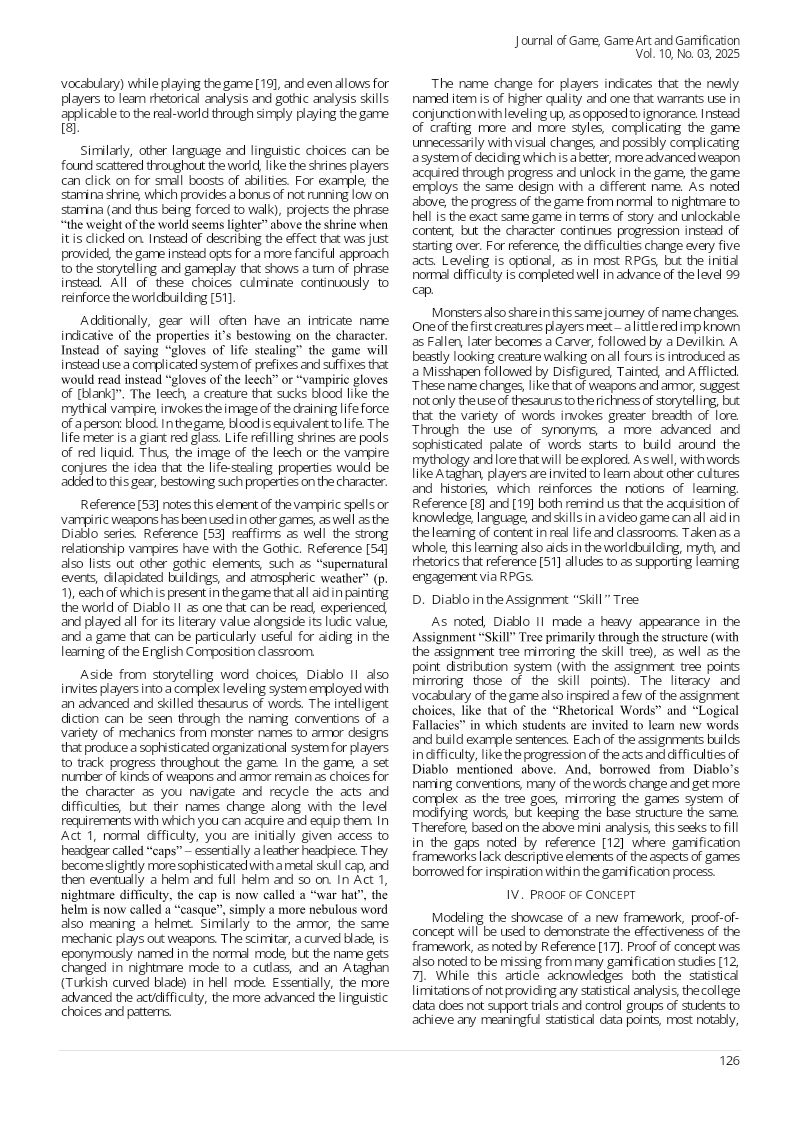
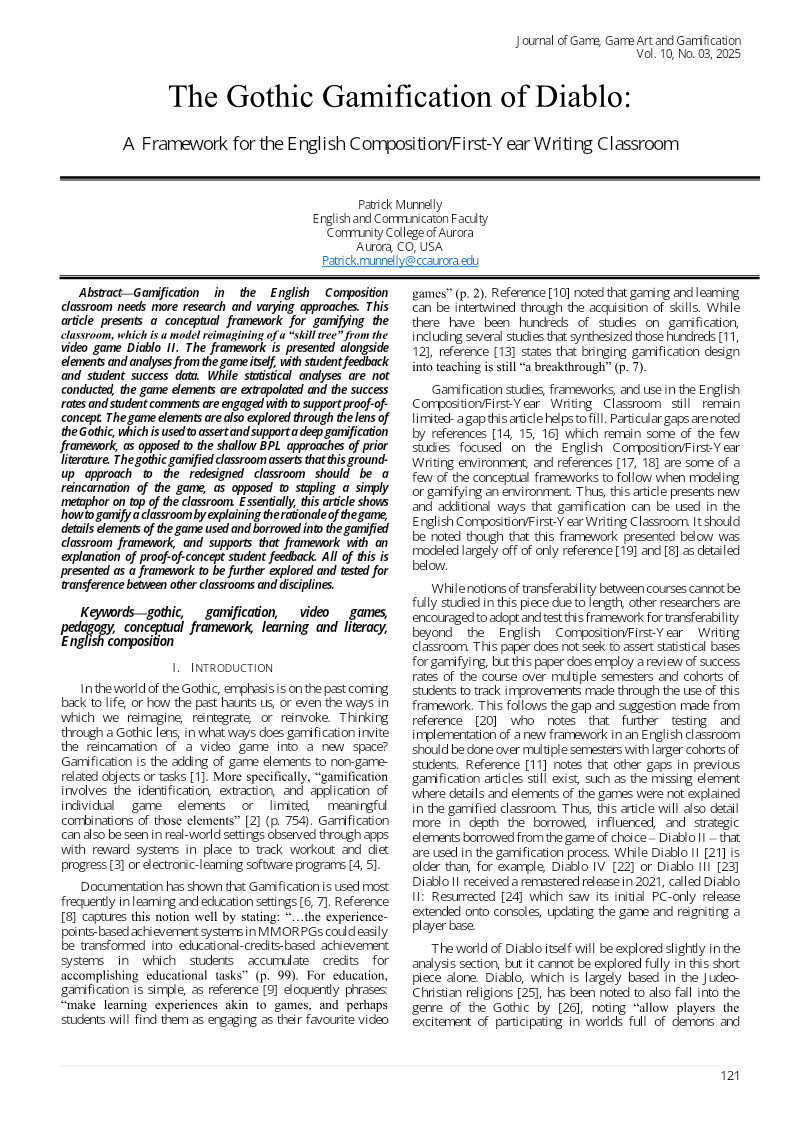
The Gothic Gamification of Diablo: A Framework for the English Composition/First-Year Writing Classroom
Deep gamification offers a transformative pedagogical framework for English Composition and first-year writing classrooms by replacing traditional, rigid grading structures with the strategic progression mechanics of the video game Diablo II.
- Implementing a Diablo II-inspired skill tree model in English Composition classrooms increased student success rates by 21%, rising from 54% to 75%.
- The framework replaces traditional, rigid grading with strategic progression mechanics that prioritize student agency and iterative drafting.
- Gamification elements, including choice-based assignments and flexible deadlines, were shown to foster higher levels of student engagement and personalized rhetorical analysis.
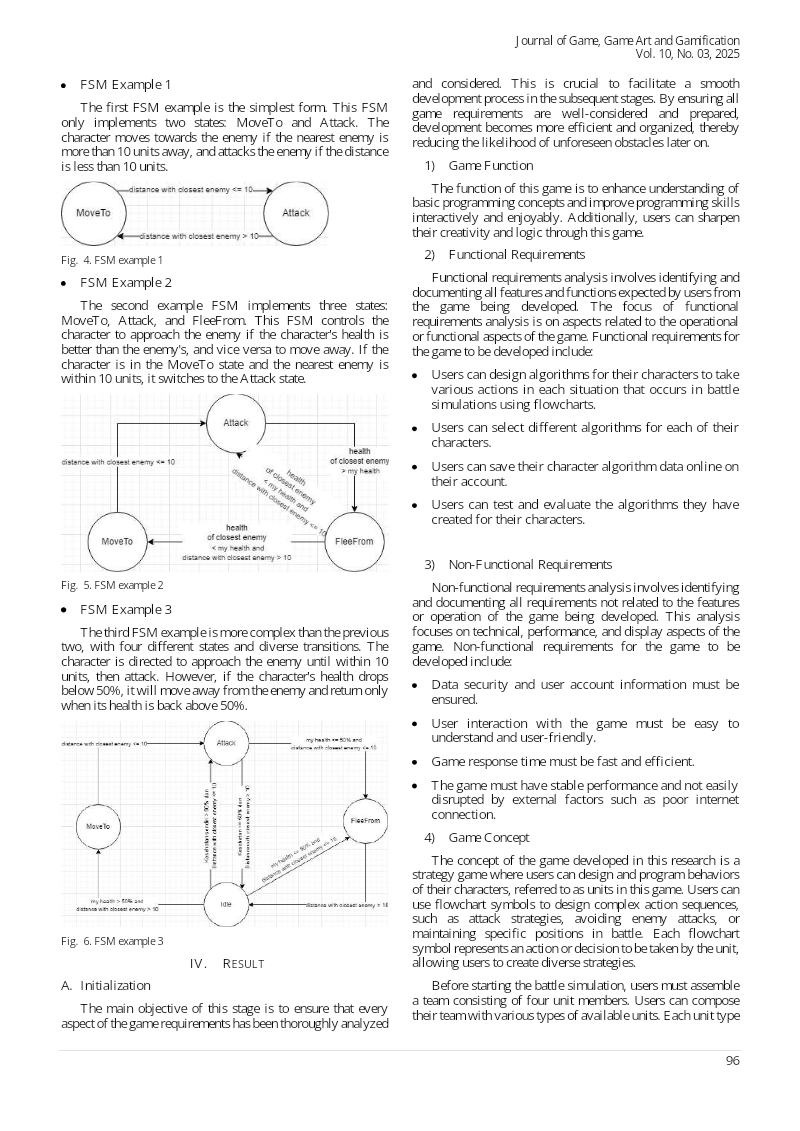
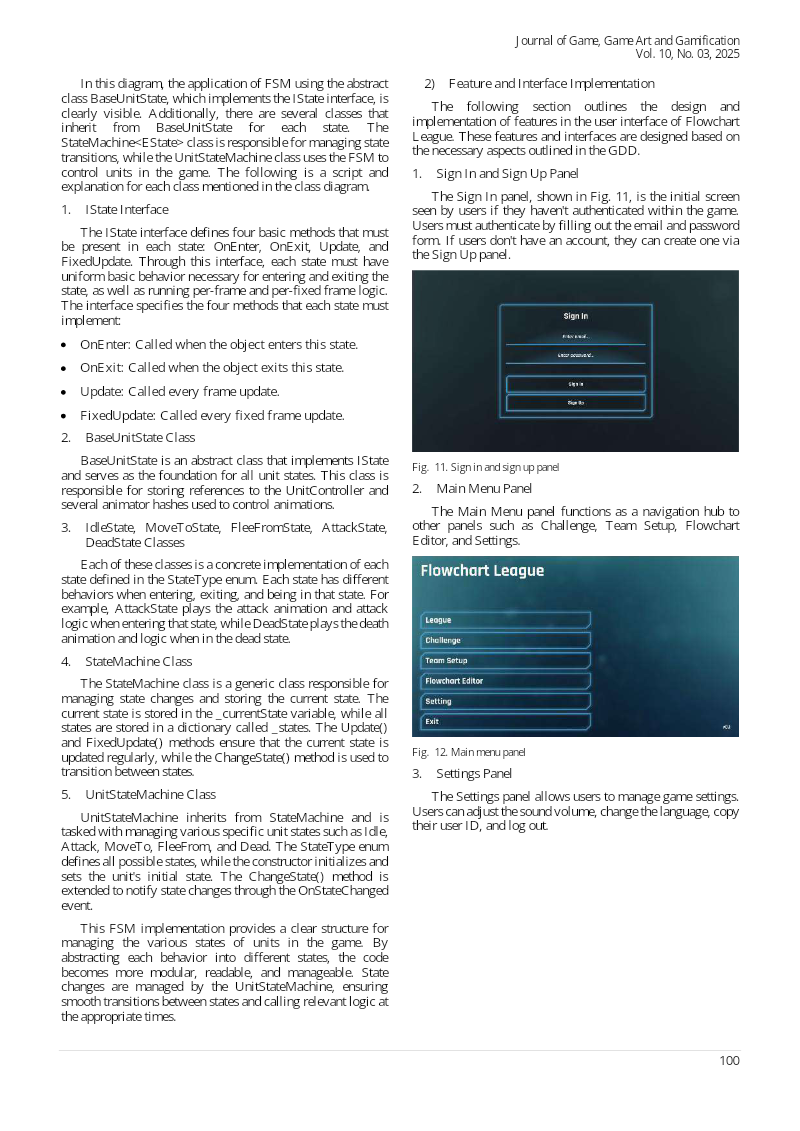
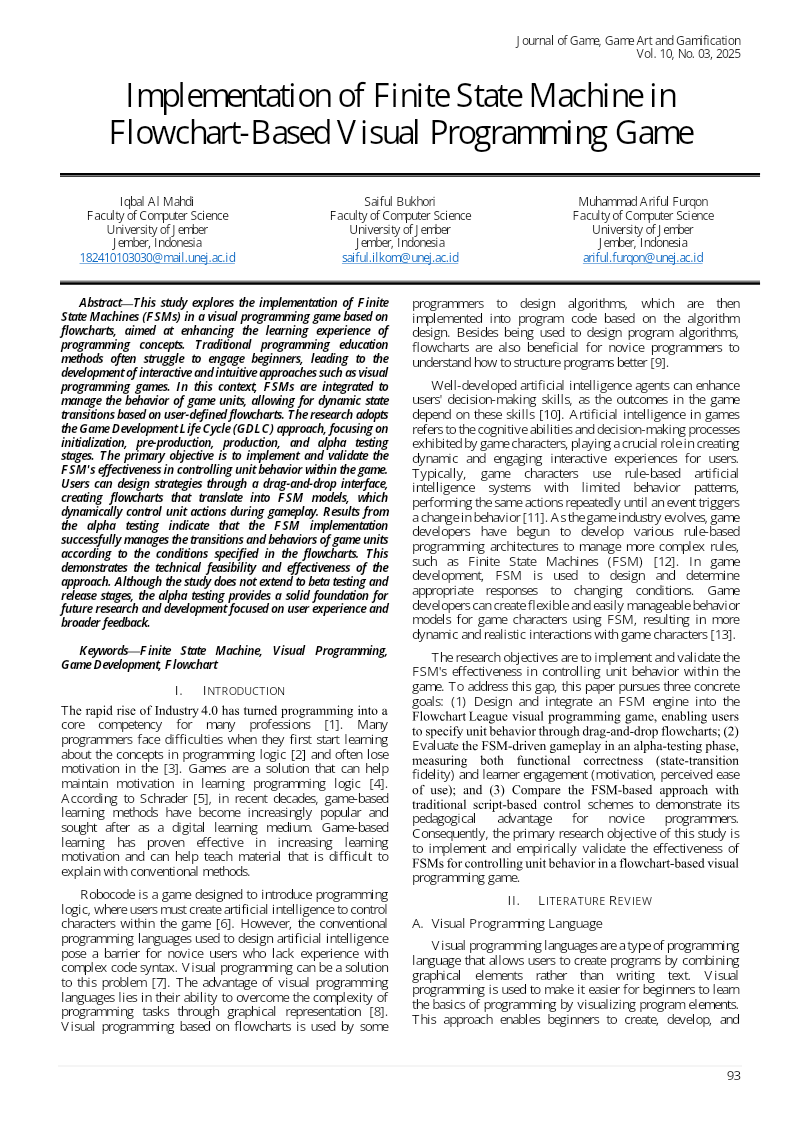
Implementation of Finite State Machine in Flowchart-Based Visual Programming Game
The integration of Finite State Machine (FSM) architecture into flowchart-based visual programming environments provides a robust framework for novice users to design complex character behaviors.
- Integrating Finite State Machine (FSM) architecture into Unity-based visual programming allows novice users to create complex, modular agent behaviors like moving, attacking, and fleeing.
- The system utilizes a C# backend with an IState interface to ensure reliable unit responses to contextual triggers such as proximity sensors and health thresholds.
- Alpha testing confirms that user-defined flowcharts successfully govern dynamic unit transitions, effectively lowering the barrier to entry for gameplay scripting.
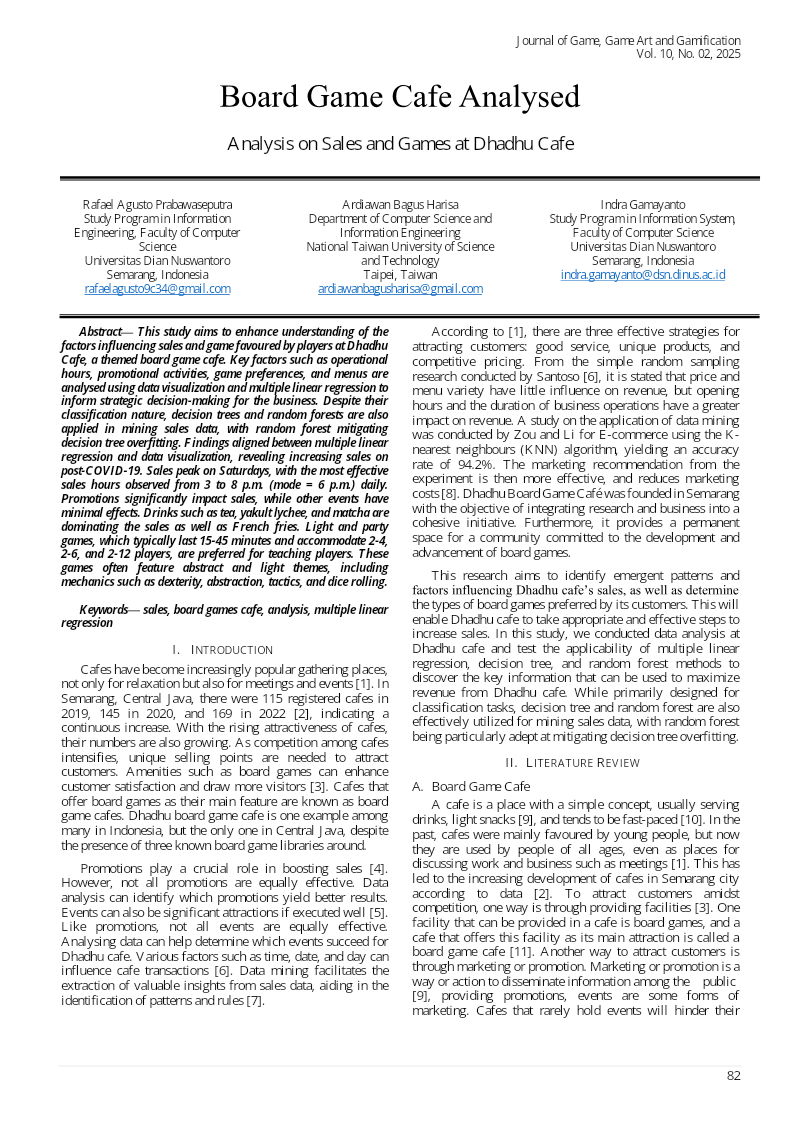
Board Game Cafe Analysed: Analysis on Sales and Games at Dhadhu Cafe
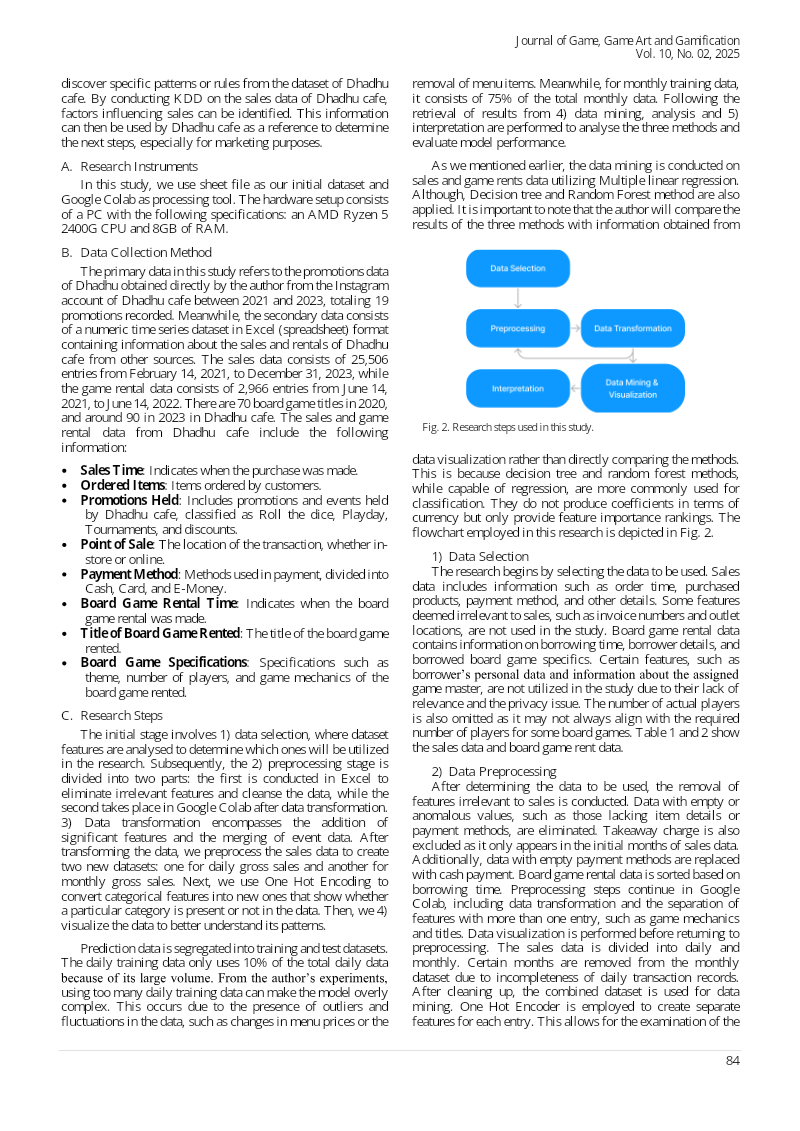
Dhadhu Board Game Cafe operates as a focal point for understanding the intersection of hospitality and tabletop gaming, utilizing data mining to optimize revenue streams and operational efficiency.
- Multiple linear regression models achieved high predictive accuracy for Dhadhu Cafe, reaching a 94.4% coefficient of determination for daily data and 97.75% for monthly data.
- Revenue is primarily driven by food and beverage sales, which consistently peak between 3:00 p.m. and 8:00 p.m., with the highest volume occurring on Saturdays.
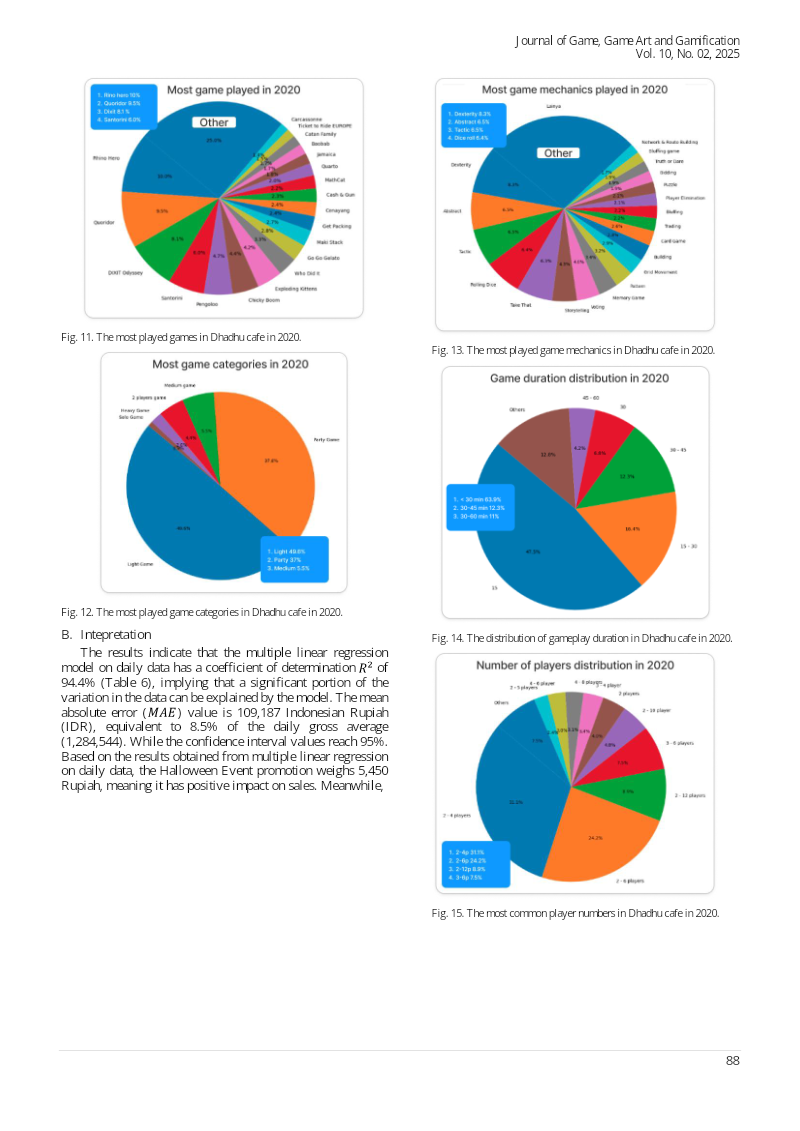
- Customer preference strongly favors party-style board games that feature short playtimes of 15 to 45 minutes and accommodate smaller group sizes.
Predicting Preference with Sparse Data in Personalized Gamification via Deep Learning
Personalized gamification often faces significant hurdles regarding development overhead and inconsistent user engagement, necessitating a shift toward more granular, automated personalization strategies.
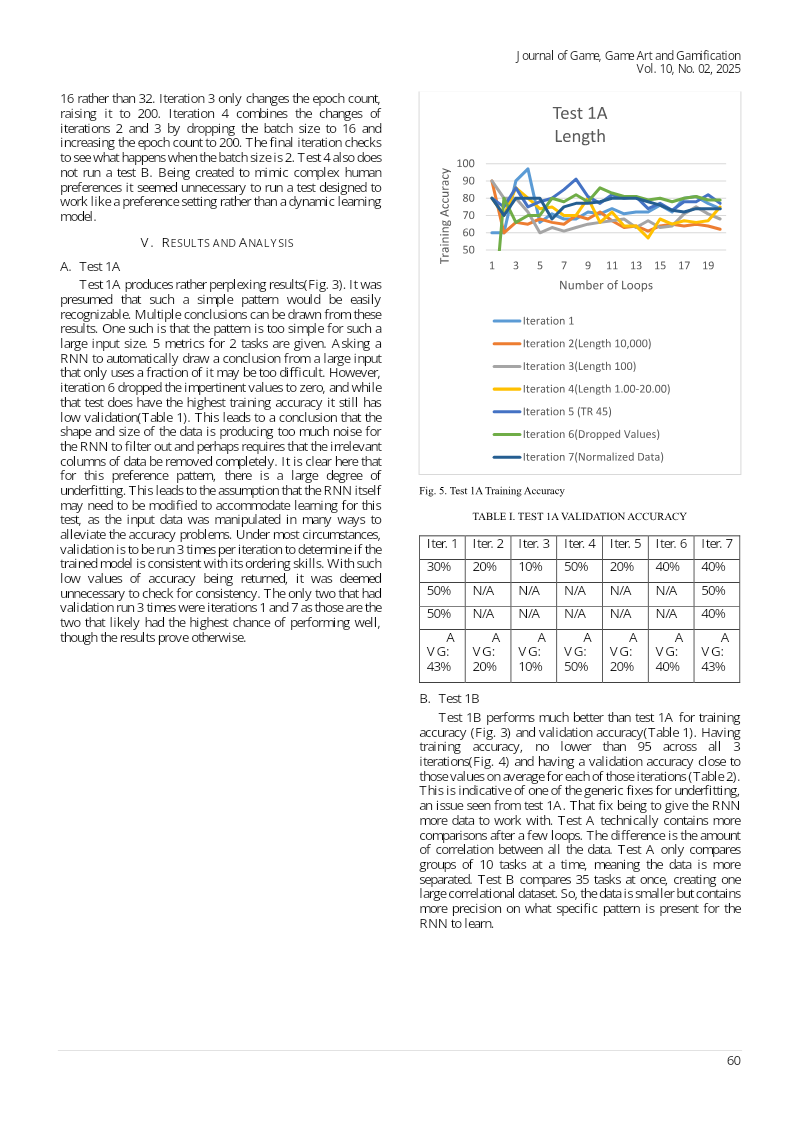
- Deep learning architectures, specifically Recurrent Neural Networks (RNNs), enable effective personalization of gamified task scheduling even when working with sparse user datasets.
- Prioritizing the adaptation to unique individual user biases is more effective for sustained engagement than attempting to implement theoretically optimal, generalized schedules.
- Model performance is highly sensitive to data structure and input quality, with initial development efforts often hindered by data noise and underfitting.
Development of Multilingual Educational Game UI/UX Design for Animal Introduction: Indonesia
The integration of digital tools into primary education serves as a vital strategy for enhancing student engagement and overcoming the limitations inherent in traditional textbook-based learning.
- A study of 60 elementary students and three teachers confirmed that interactive digital games significantly improve student motivation and comprehension compared to traditional textbooks.
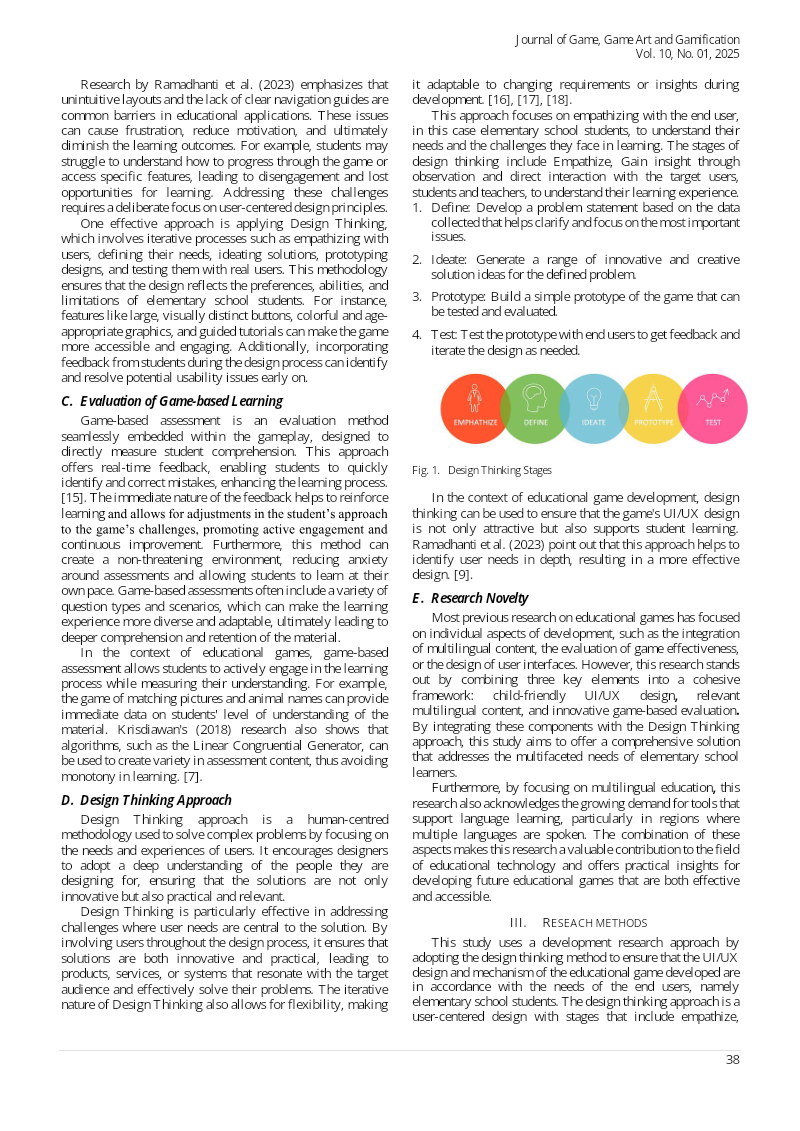
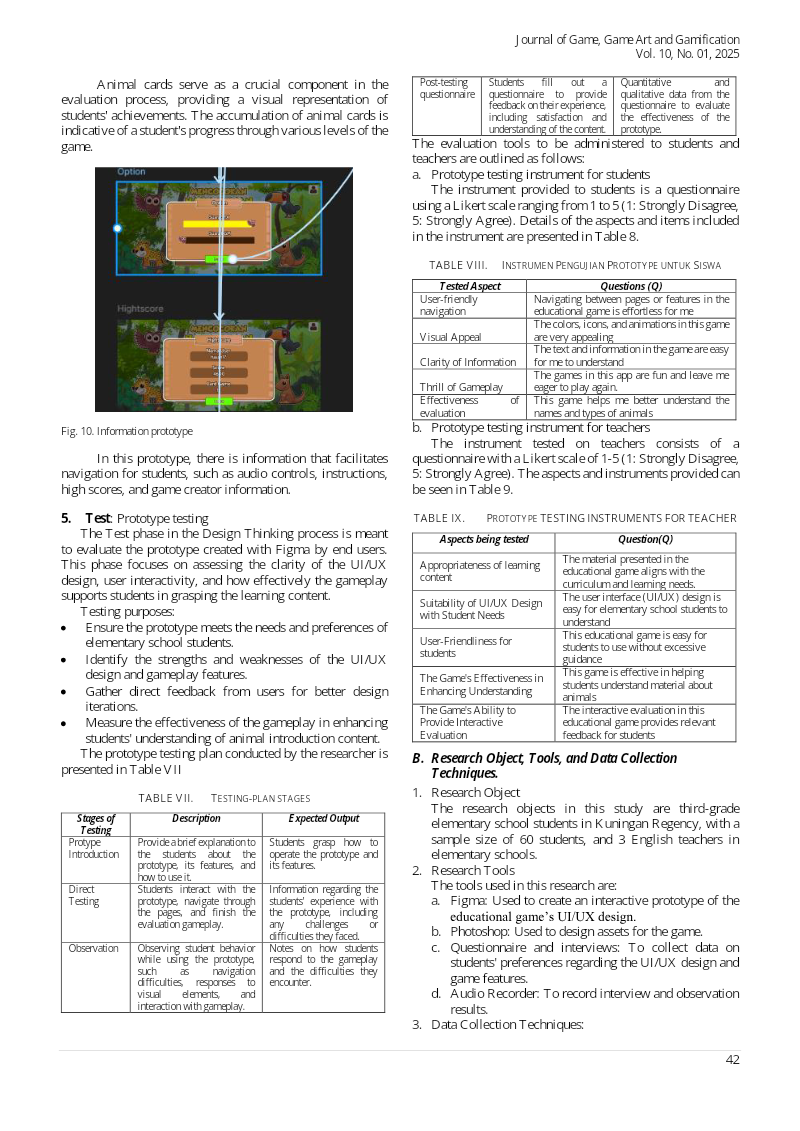
- The application of a Design Thinking framework and iterative prototyping in Figma successfully produced a bilingual English-Indonesian UI/UX for third-grade animal recognition.
- User testing revealed high levels of student satisfaction regarding the visual appeal and accessibility of the interface, validating the effectiveness of interactive digital media over static materials.
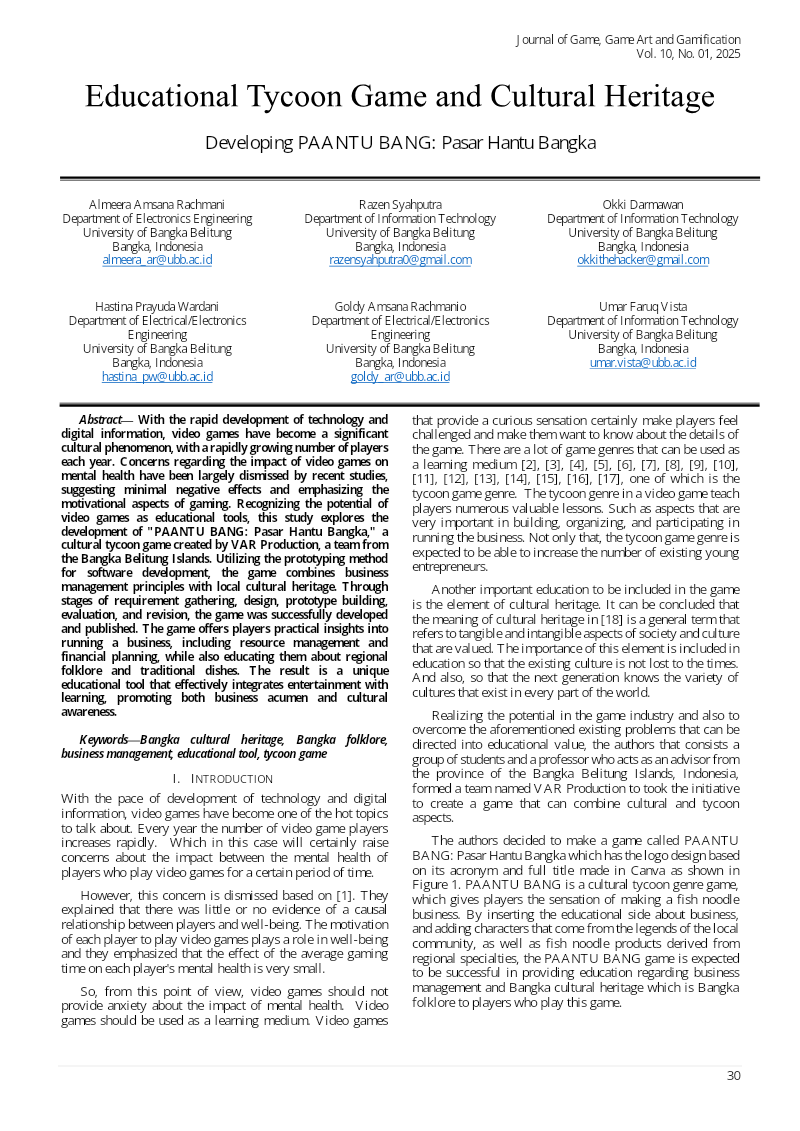
Educational Tycoon Game and Cultural Heritage: Developing PAANTU BANG
The development of PAANTU BANG: Pasar Hantu Bangka serves as a case study for integrating cultural heritage into the educational tycoon game genre.
- PAANTU BANG: Pasar Hantu Bangka serves as a model for integrating regional folklore and culinary traditions into the educational tycoon game genre.
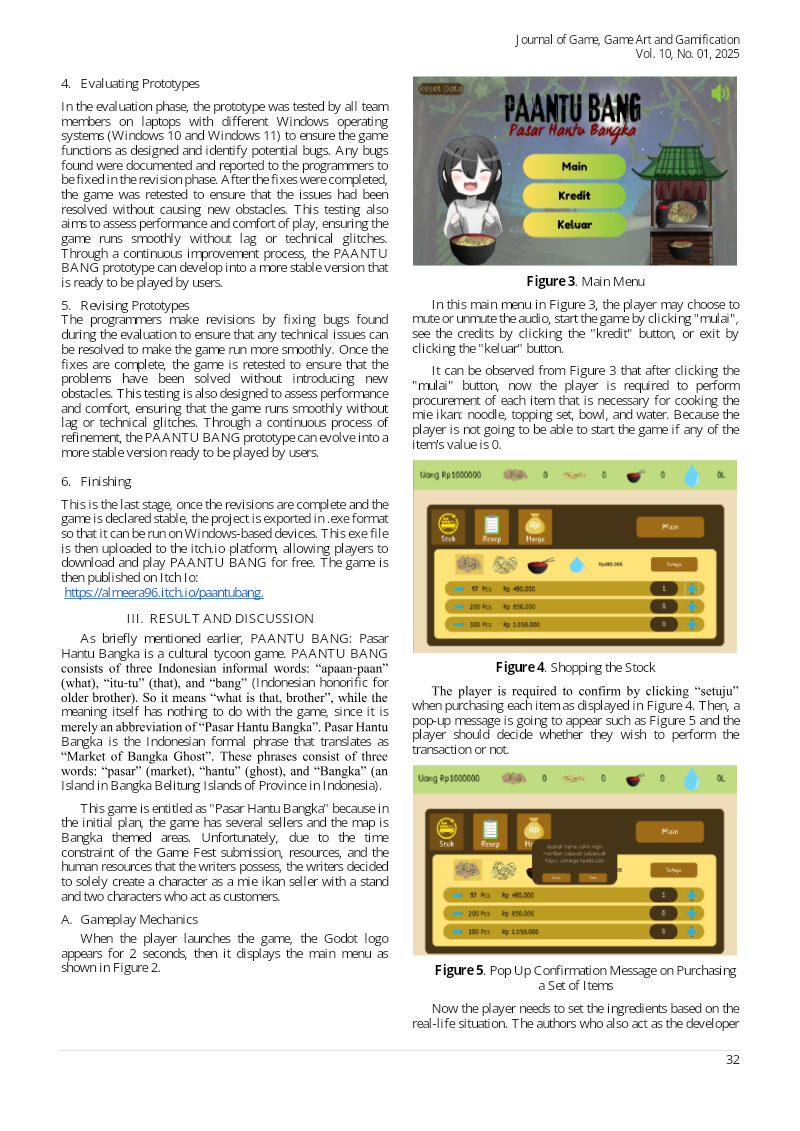
- The game teaches core business management principles, specifically focusing on inventory procurement, financial planning, pricing strategies, and customer service simulations.
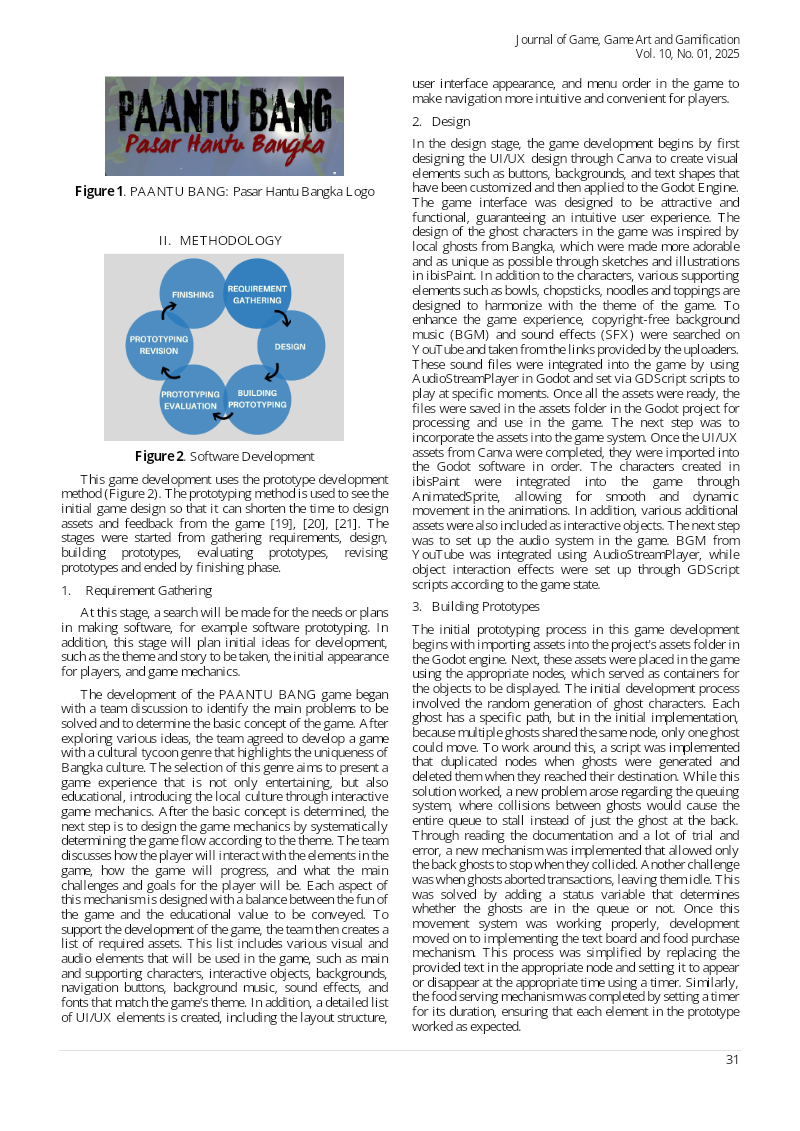
- The development team at the University of Bangka Belitung utilized an iterative prototyping methodology to refine game mechanics and resolve technical issues like queuing systems and character movement.
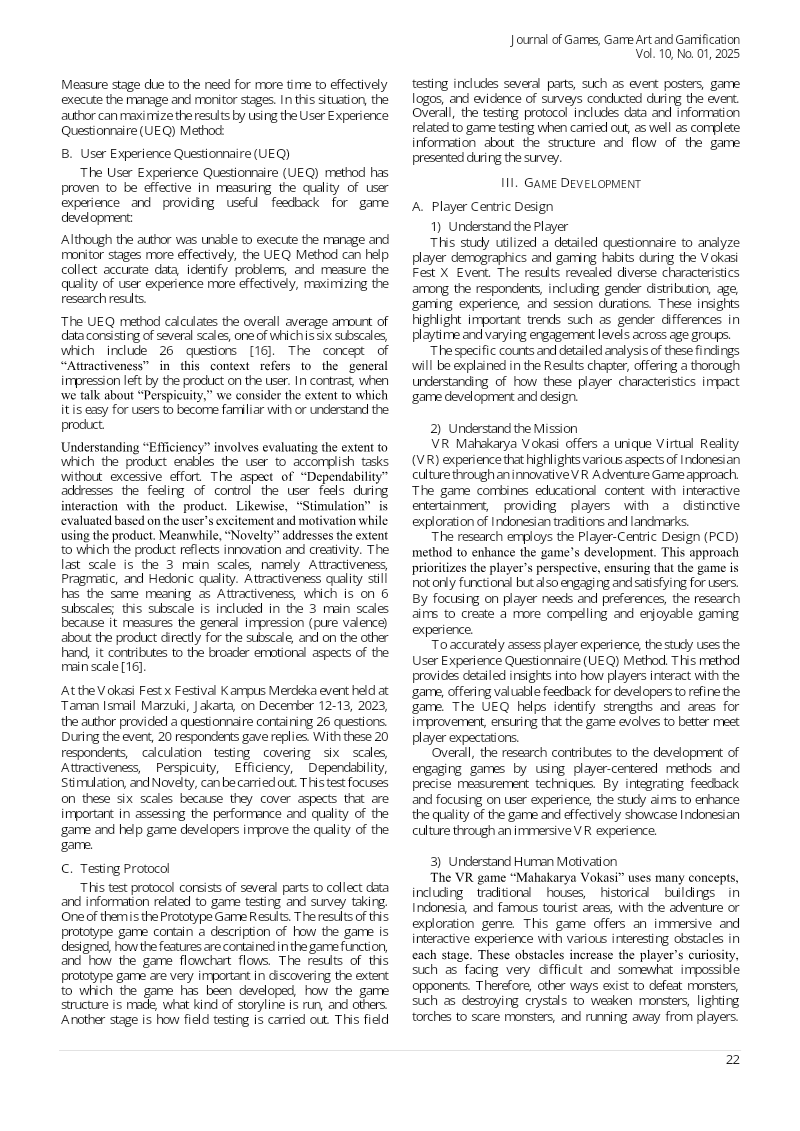
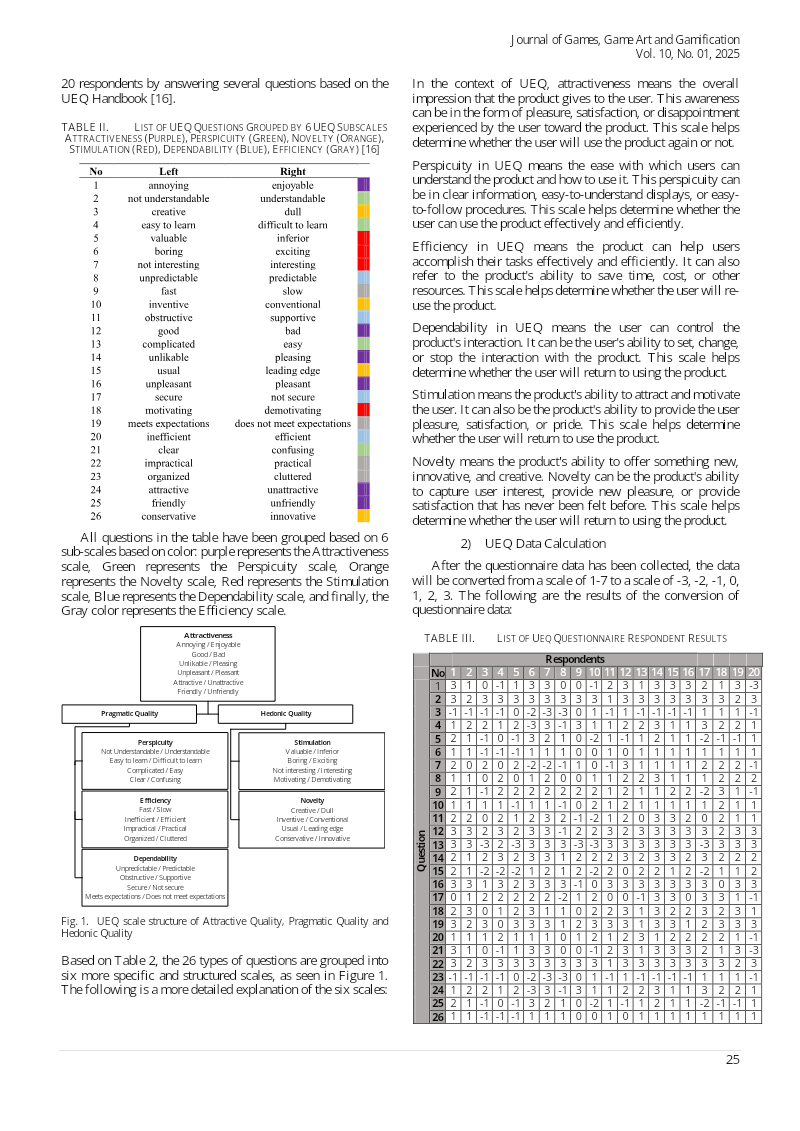
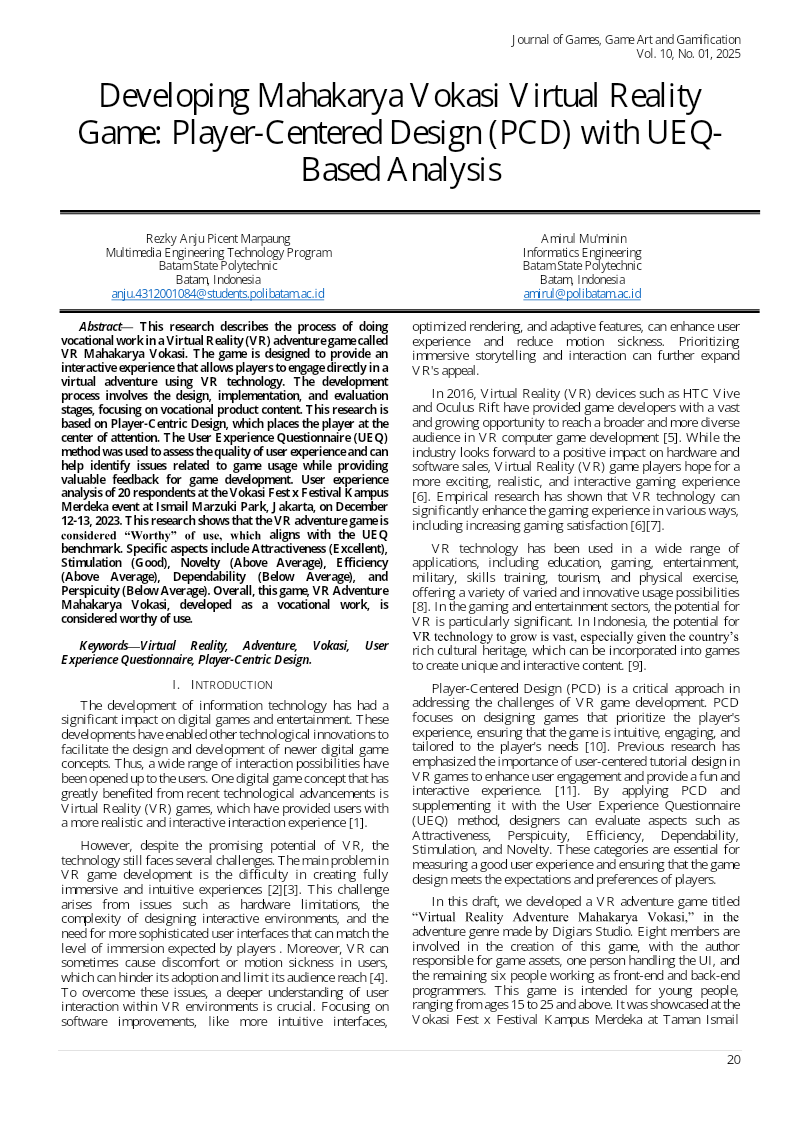
Developing Mahakarya Vokasi Virtual Reality Game: Player-Centered Design with UEQ-Based Analysis
The development of the virtual reality adventure game Mahakarya Vokasi centers on a Player-Centered Design approach intended to create an immersive, culturally resonant experience.
- The Mahakarya Vokasi VR game successfully achieved high performance metrics in attractiveness, stimulation, and novelty, validating its core immersive design.
- User Experience Questionnaire (UEQ) analysis of 20 participants identified perspicuity as the primary weakness, indicating that players struggled with narrative consistency and interface clarity.
- While efficiency and dependability scores were rated above average, the study highlights a critical need to refine UI design to improve immediate user comprehension.
Gamification, Employee and Emotional Engagement: Leveraging Gamification to Boost Employee Emotional Engagement
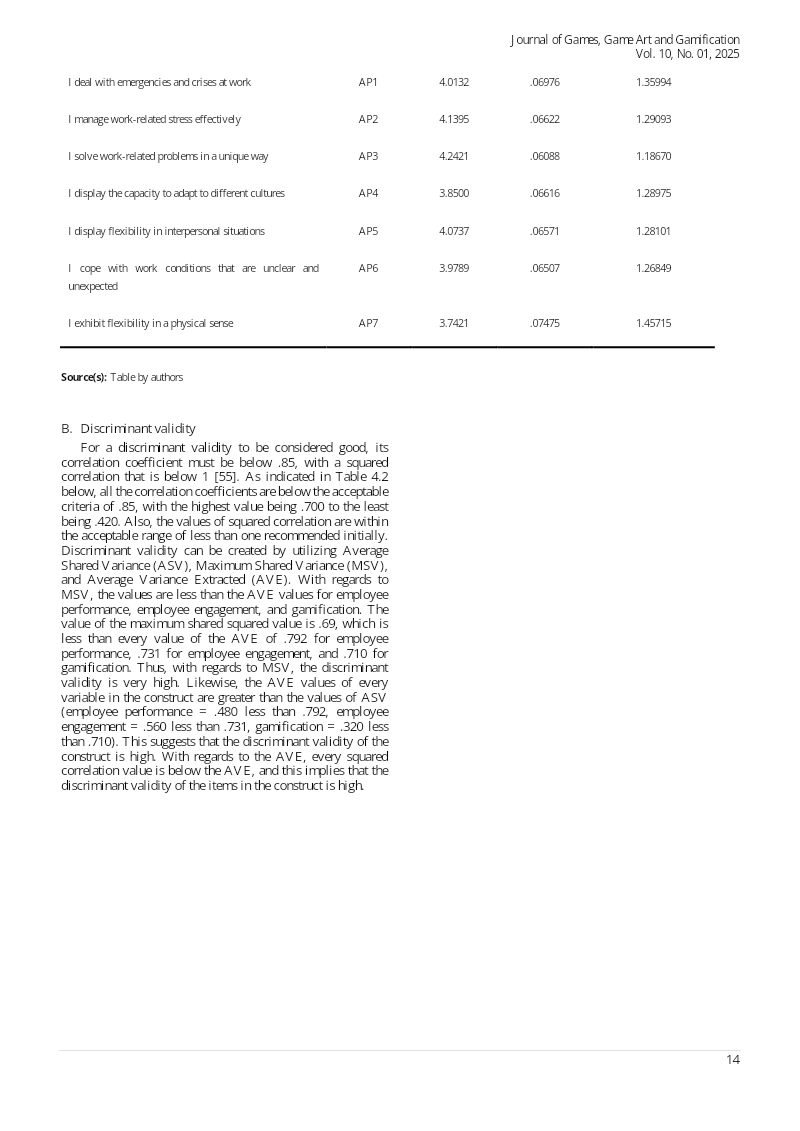
Integrating game design elements into non-gaming workplace environments serves as a strategic mechanism to enhance employee emotional engagement, motivation, and productivity.
- Employee engagement acts as a full mediator between gamification and workplace performance, meaning gamification does not directly improve productivity on its own.
- Gamification functions as a strategic catalyst that boosts productivity only by first increasing the emotional engagement and motivation of the workforce.
- To be effective, gamification must be implemented as a holistic human resources strategy rather than as a standalone performance management tool.
Designing and Developing Digital Computer Game of Plastic Waste Awareness for Young Children
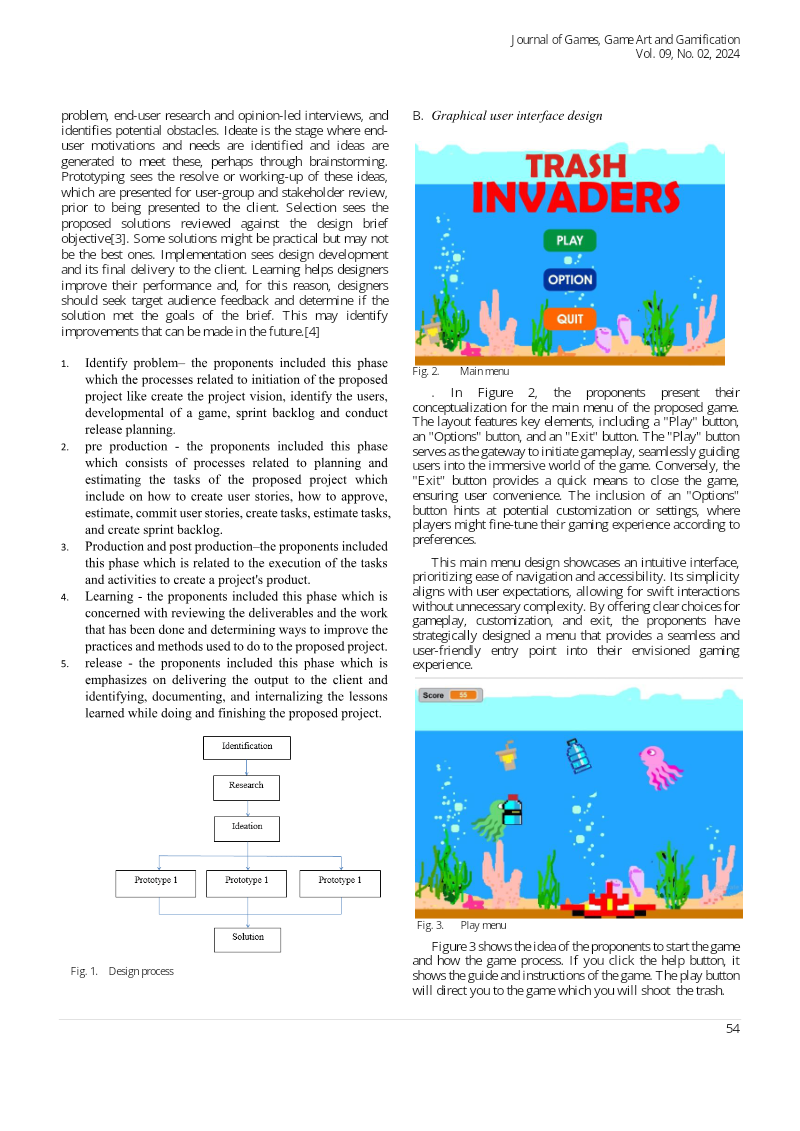
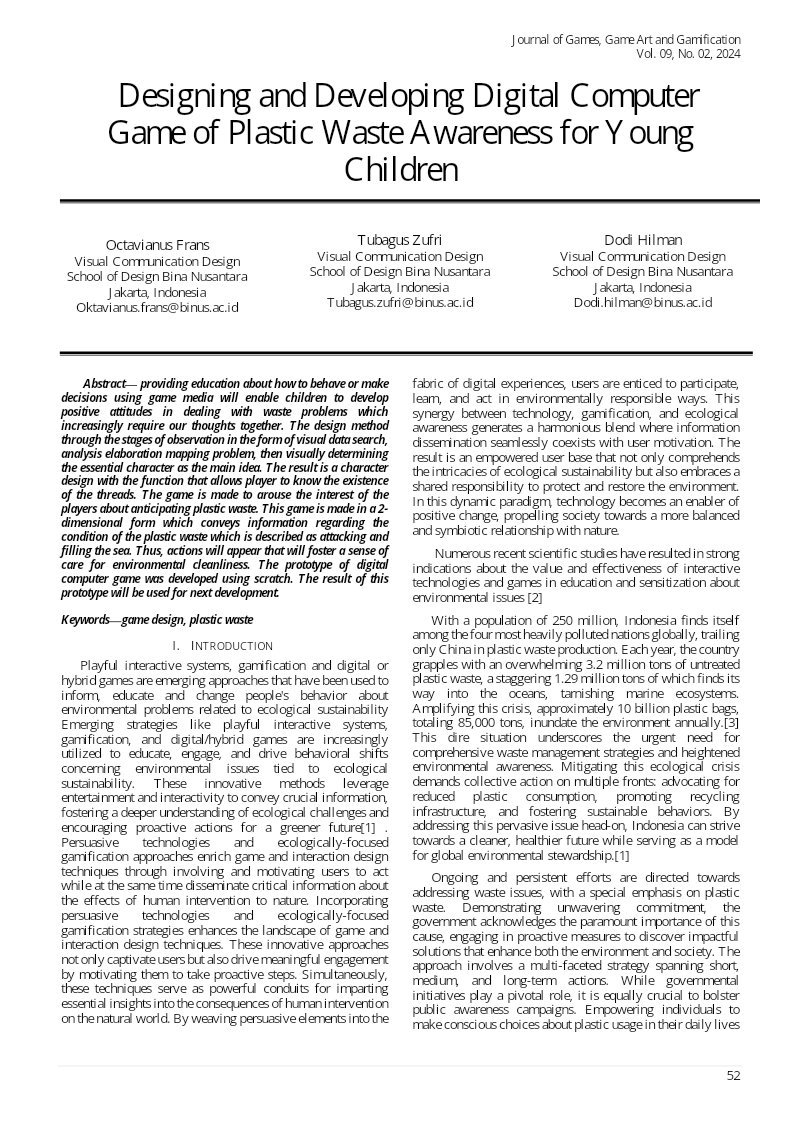
This research details the design and development of a 2D educational computer game, titled Trash Invaders, intended to foster environmental awareness regarding plastic waste among children aged 6 to 9.
- Trash Invaders is a 2D educational game developed in Indonesia to teach children aged 6 to 9 about marine plastic pollution and waste management.
- The game utilizes the Scratch platform to provide a visual, accessible interface for young users to engage with environmental stewardship concepts.
- Core gameplay mechanics require players to intercept falling trash before it hits the seabed, with a scoring system that penalizes missing waste or harming marine life.
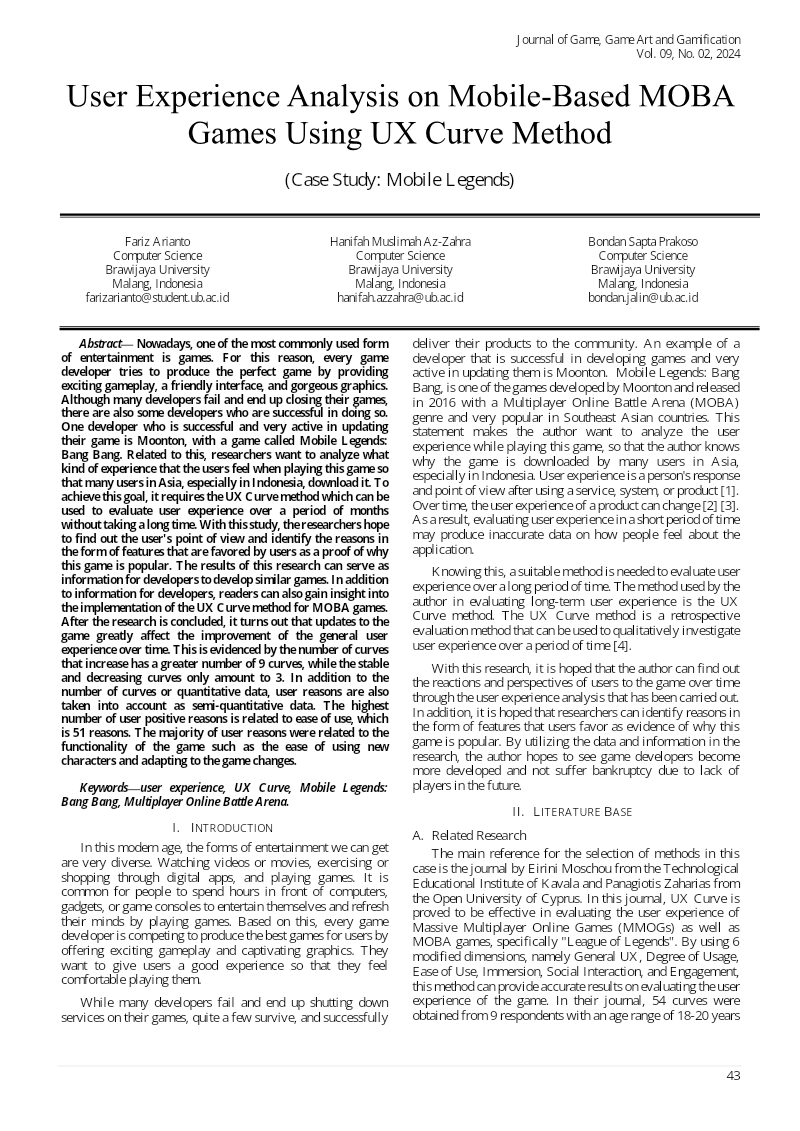
User Experience Analysis on Mobile-Based MOBA Games: Mobile Legends
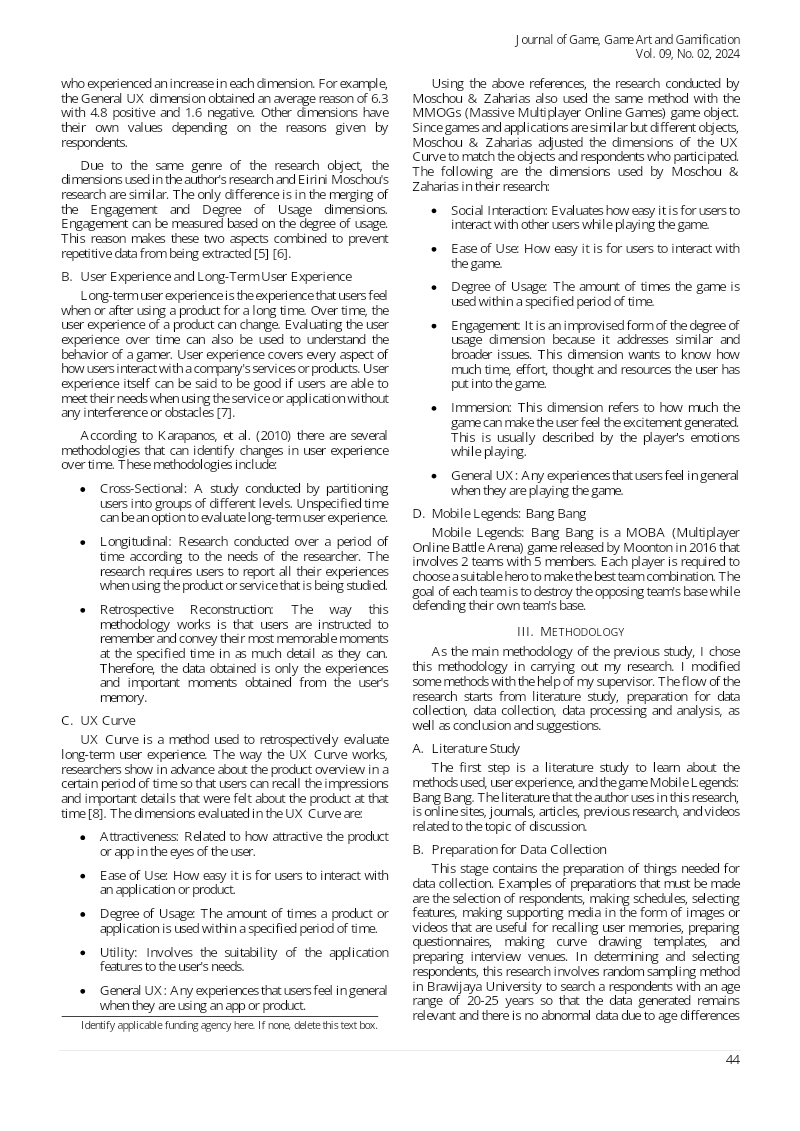
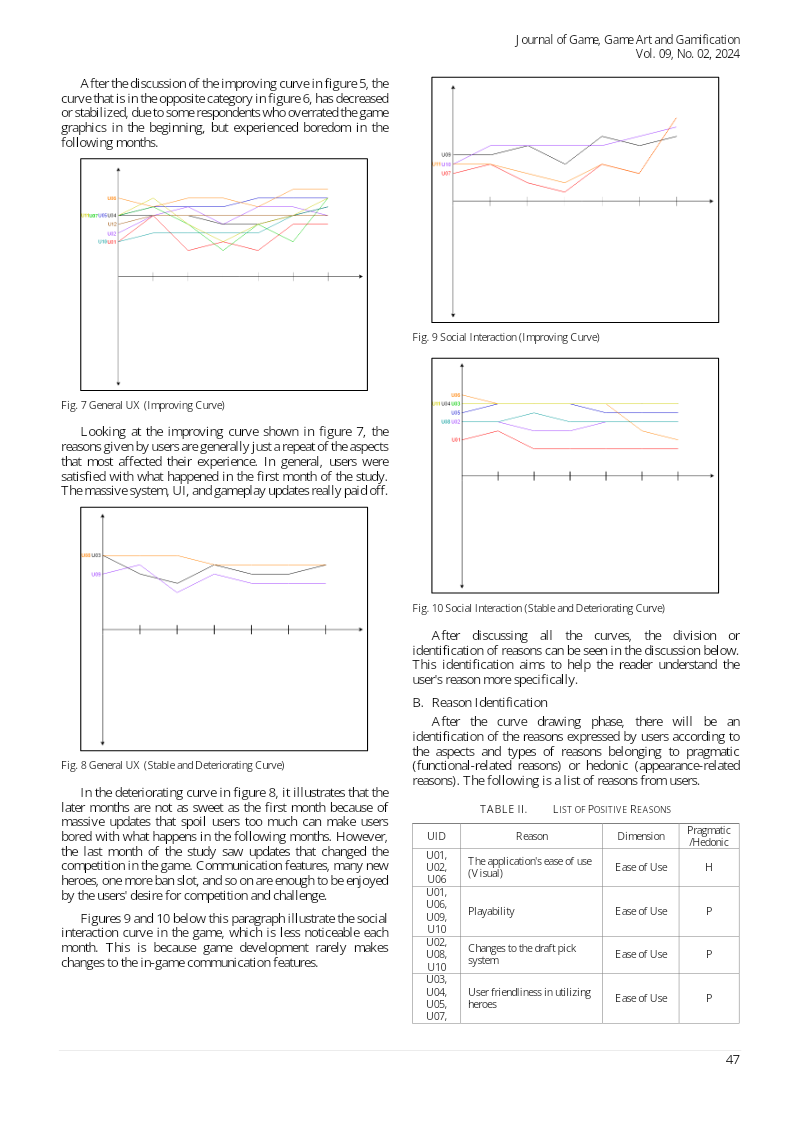
The long-term user experience of Mobile Legends: Bang Bang is primarily driven by the strategic implementation of frequent game updates.
- Long-term player retention in Mobile Legends: Bang Bang is driven primarily by frequent, functional game updates rather than aesthetic or hedonic feature additions.
- Ease of use is the most critical factor for maintaining a positive user experience, as players prioritize the ability to adapt quickly to evolving mechanics.
- Rapid content deployment creates a critical threshold where excessive updates lead to technical performance degradation on lower-end devices and increased user fatigue.
What Does the Perfect Companion in Games Look Like? Development and Validation of the Companion Design Scale
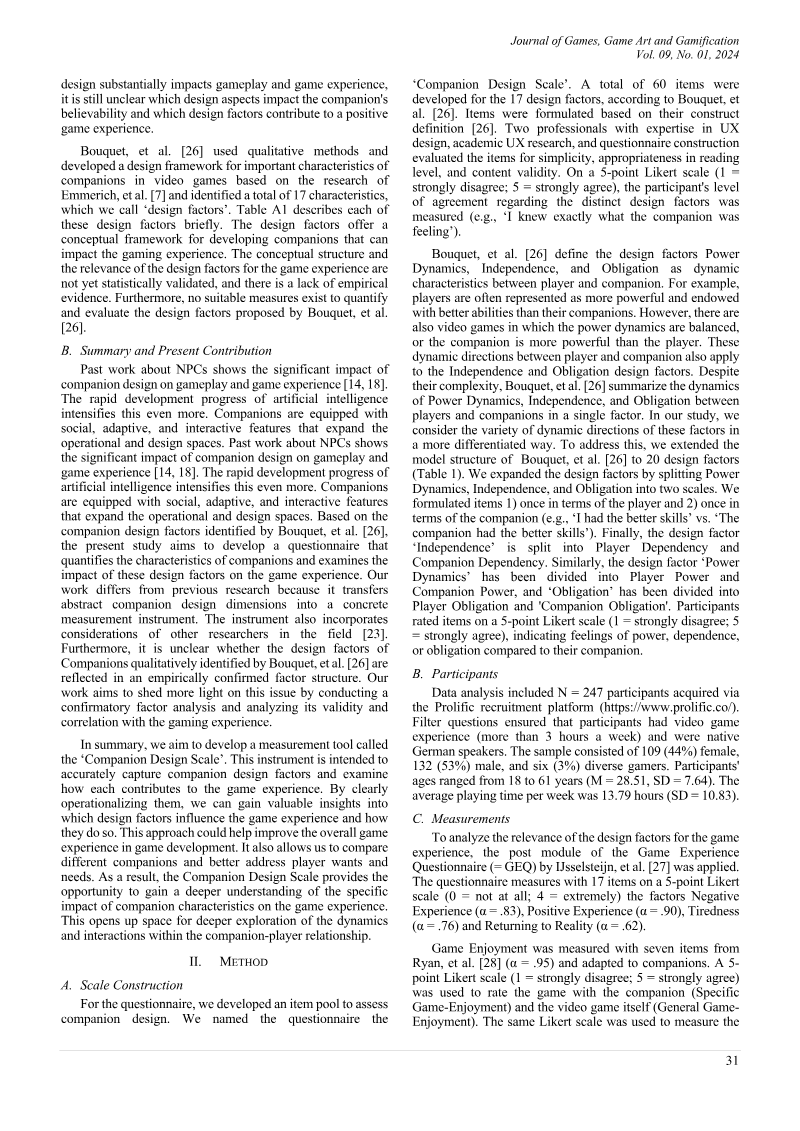
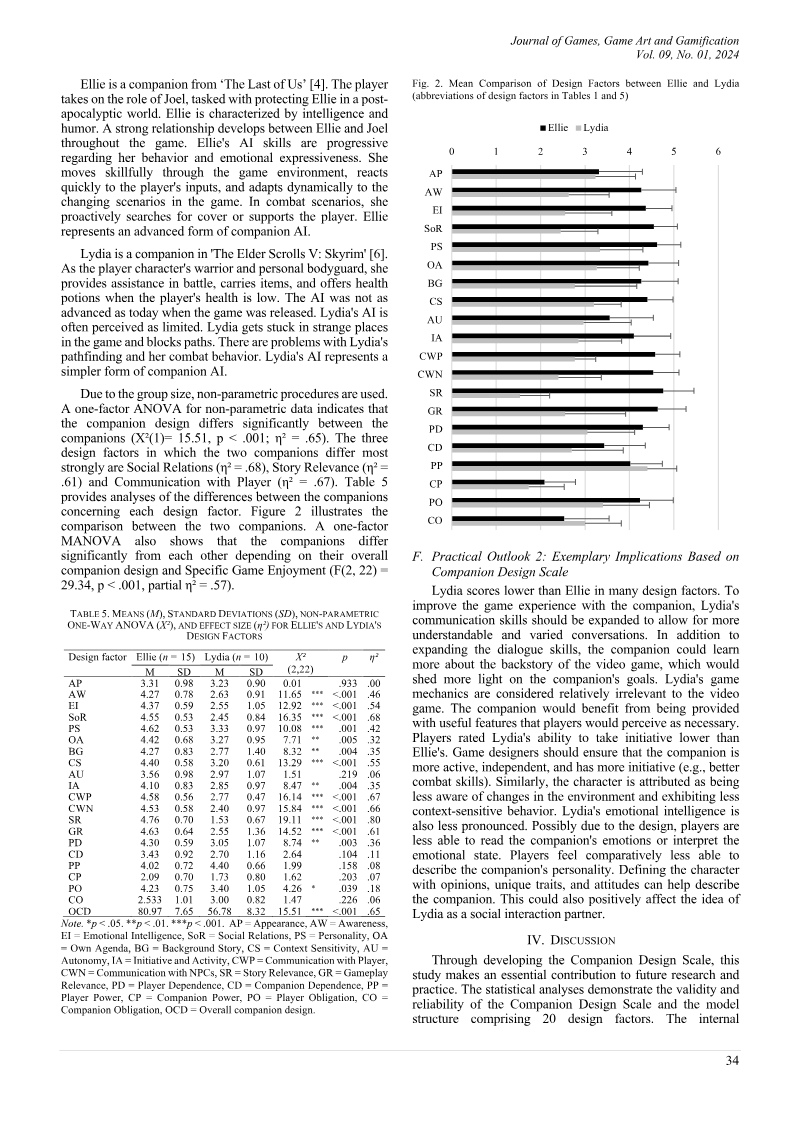
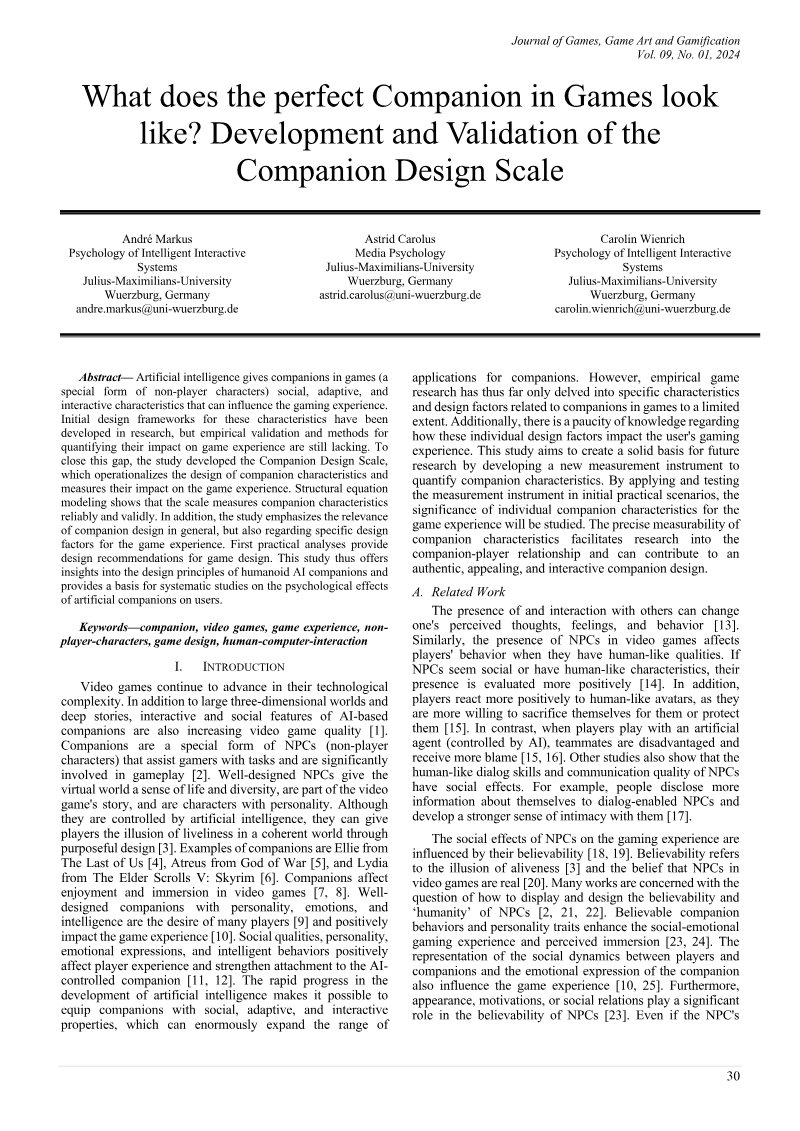
The Companion Design Scale provides a standardized, psychometrically validated framework for quantifying the influence of non-player character characteristics on the overall gaming experience.
- The Companion Design Scale provides a psychometrically validated framework of 20 distinct design factors to quantify how NPC characteristics influence player engagement and enjoyment.
- Developers can use this standardized instrument to transition from subjective intuition to a data-driven approach for evaluating and iterating on AI-driven companion design.
- Research indicates that many current game companions fail to achieve true autonomy, a deficiency that negatively impacts the quality of the player-companion relationship.