Serious Games reports and market data
Documents
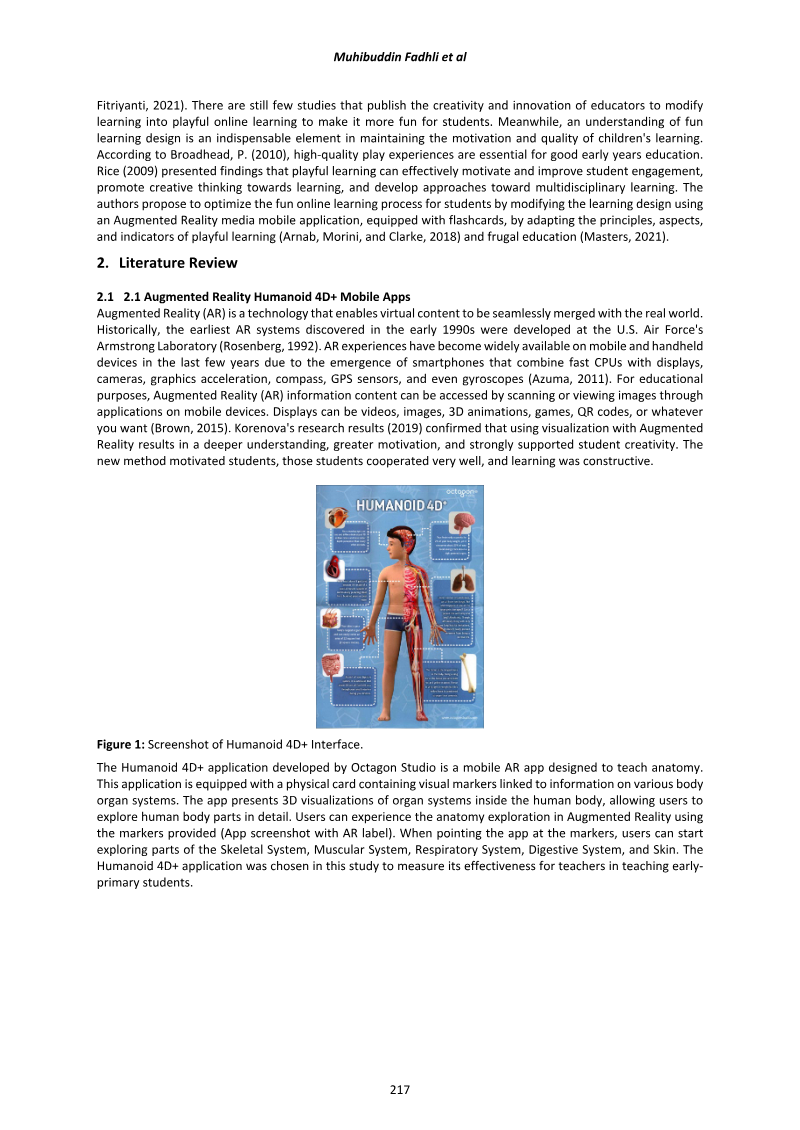
The Effectiveness of Playful Augmented Reality Media for Teaching Early-Primary Students: Indonesia
This study examines whether the Humanoid 4D+ augmented reality flashcard app can make anatomy lessons more engaging for early-primary students in Solo City, Indonesia.
- The study evaluates the Humanoid 4D+ augmented reality flashcard app for teaching human organ systems to early-primary students in Solo City, Indonesia, as a low-cost alternative to purely screen-based remote instruction during the Covid-19 shift online.
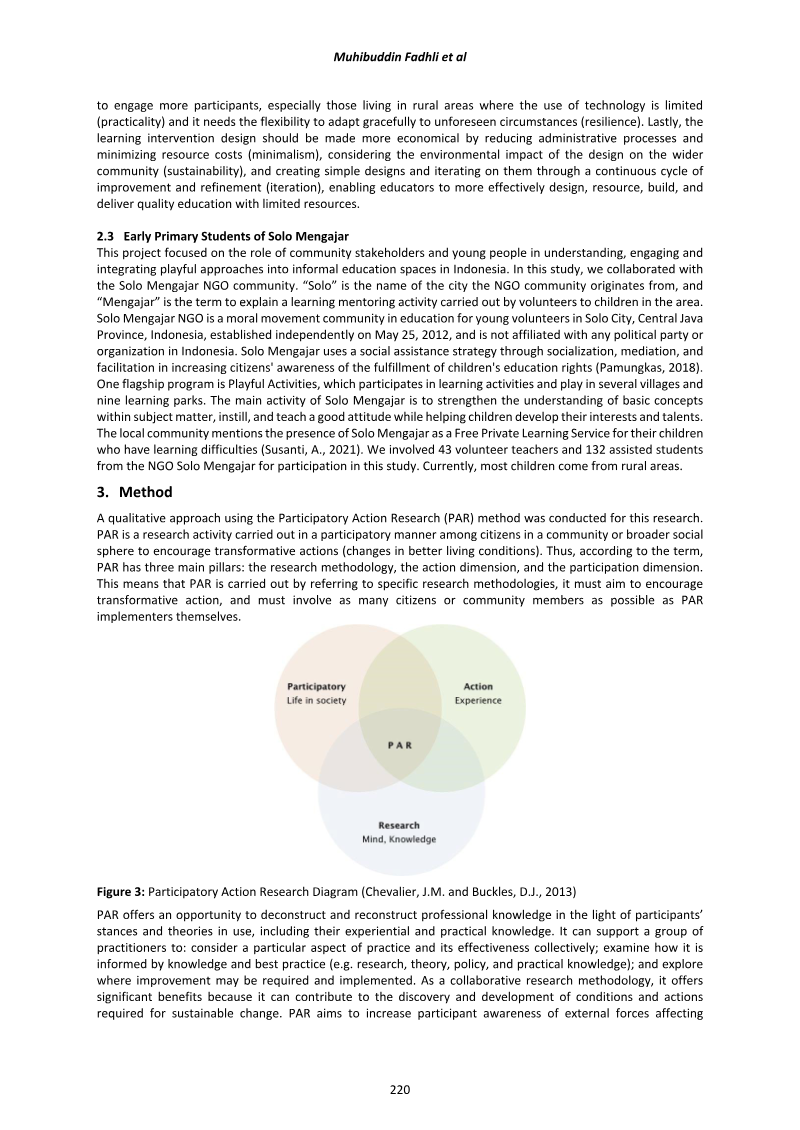
- Findings come from a Participatory Action Research design with 43 volunteer teachers and 132 early-primary students, using open-ended survey responses collected in March and April 2021 and analyzed thematically.
- Respondents reported uniformly positive perceptions of the app's engagement, usefulness, and efficiency, and the authors concluded it helps reduce Zoom Fatigue.
Developing an Evaluation Framework for Analysing Educational Simulation Games
Slyman, Gillies, and Lytra present the GADDIE model, a game evaluation heuristics framework designed for educational and entertaining simulation games.
- The GADDIE model is a game evaluation heuristics framework for educational and entertaining simulation games, built to integrate human-computer interaction, usability, and educational perspectives in one structure, which existing tools like HEP, MDA, PLAY, and GameFlow do not do.
- The framework rests on qualitative evidence from forty professional critic reviews of six MMORPG-style games and three focus groups with 24 university students.
- Across sources, gameplay clarity, meaningful feedback, rewards and risk incentives, and a compelling narrative were the primary drivers of engagement, while unclear objectives, repetitive gameplay, weak story appeal, and usability problems produced boredom and frustration.
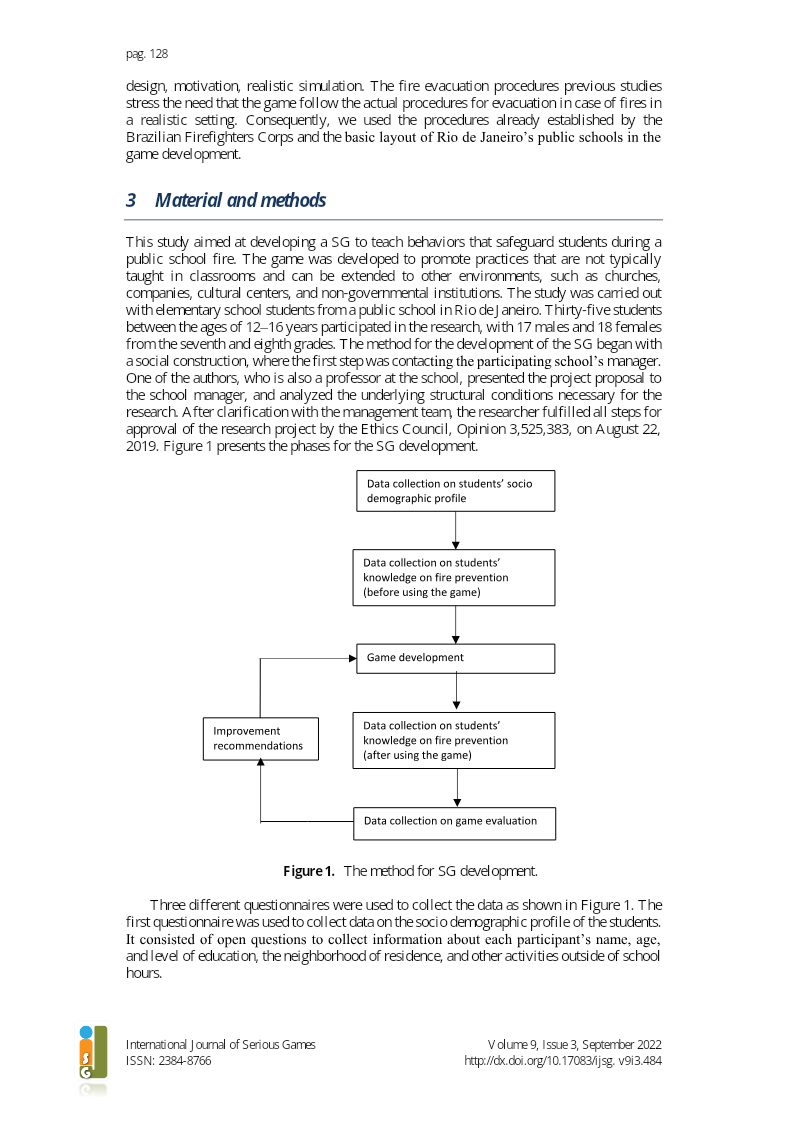
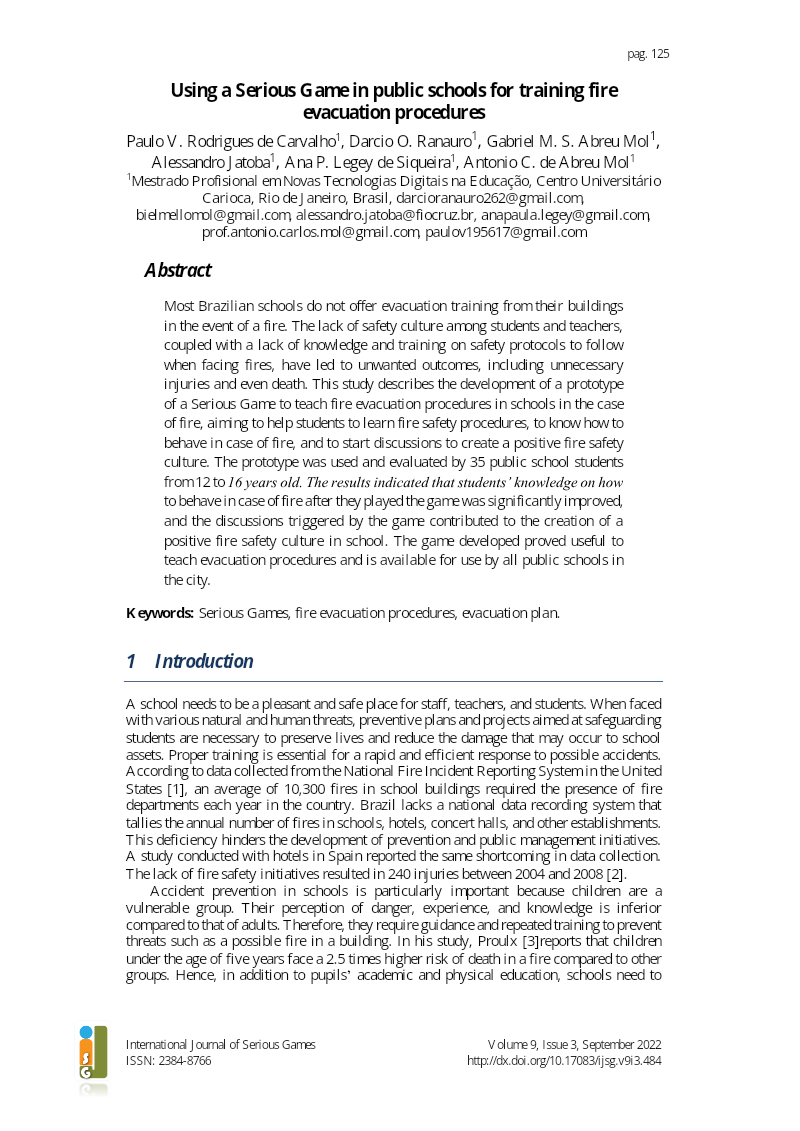
Using a Serious Game in Public Schools for Training Fire Evacuation Procedures
Serious games serve as a highly effective, scalable solution for addressing critical gaps in emergency preparedness within public educational institutions.
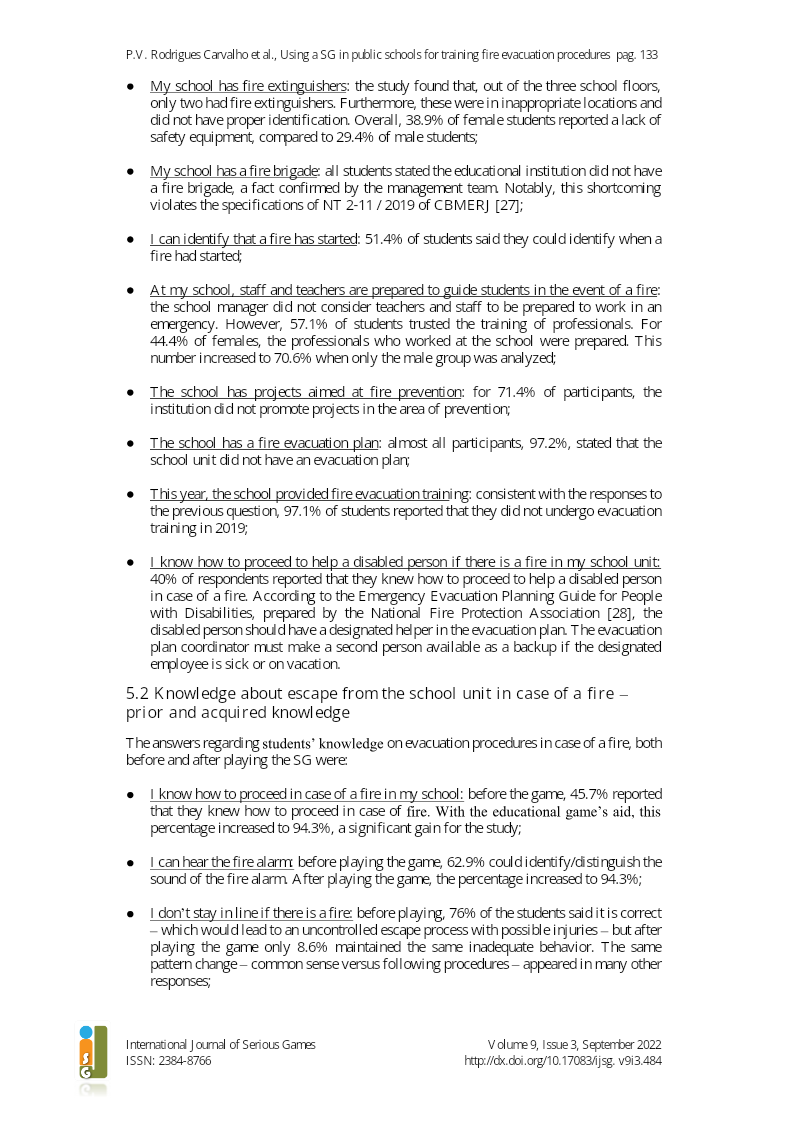
- Gamified fire evacuation training significantly improves student comprehension, with test scores increasing from 45.7% to 94.3% following intervention.
- Serious games provide a scalable, effective solution for addressing systemic deficiencies in emergency preparedness within public schools.
- Interactive simulations are highly effective at correcting dangerous behavioral misconceptions while maintaining high levels of student motivation and engagement.
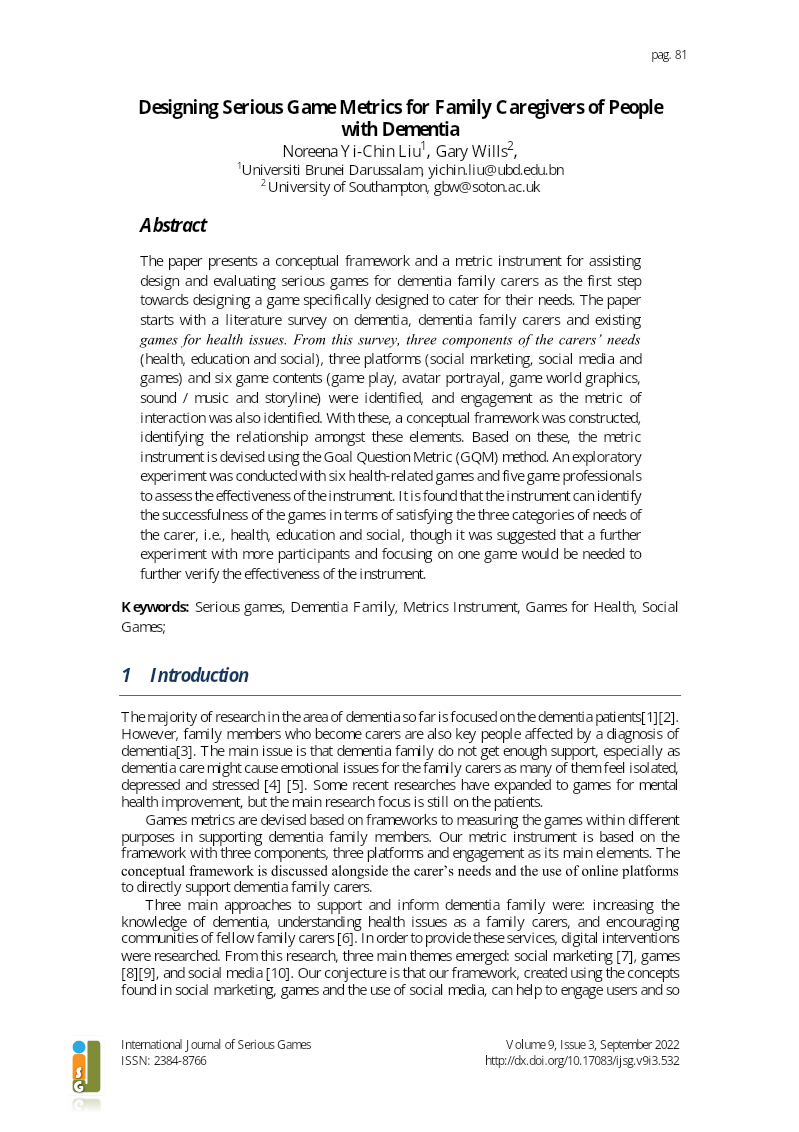
Designing Serious Game Metrics for Family Caregivers of People with Dementia
Serious games serve as a critical intervention for family caregivers of individuals with dementia, offering potential improvements in health literacy, educational support, and social connectivity.
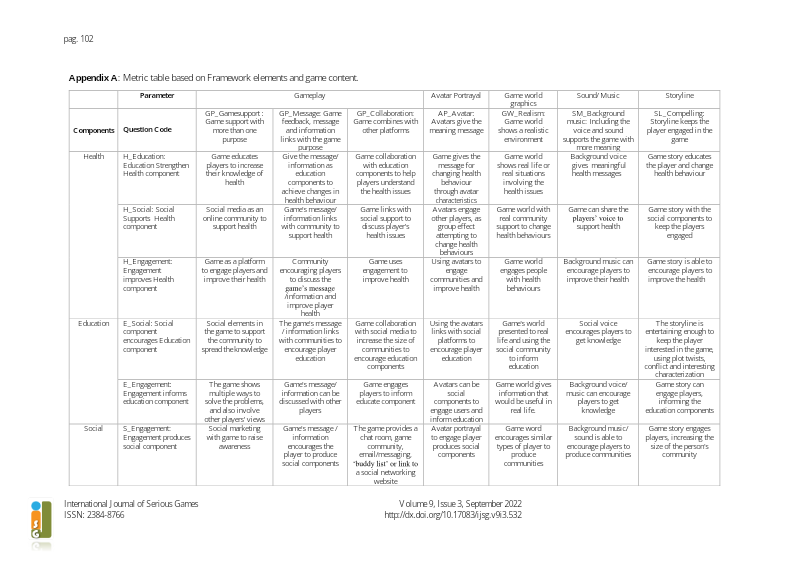
- A conceptual framework using the Goal-Question-Metric method has been developed to standardize the evaluation of serious games for dementia caregivers across the pillars of health, education, and social engagement.
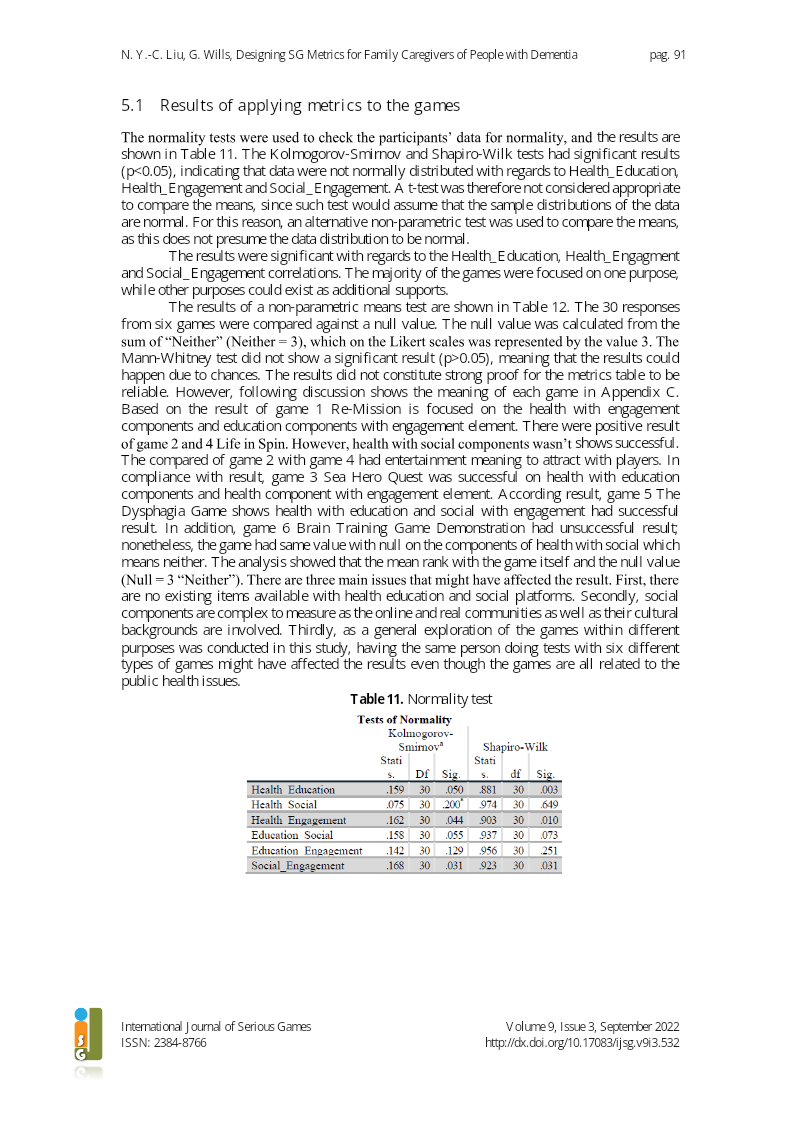
- Initial validation testing with a cohort of five industry professionals failed to reach statistical significance, highlighting the need for larger sample sizes to measure the impact of game design on user engagement.
- Future research will scale validation efforts to include over thirty participants to overcome current limitations in statistical sensitivity and non-parametric testing.
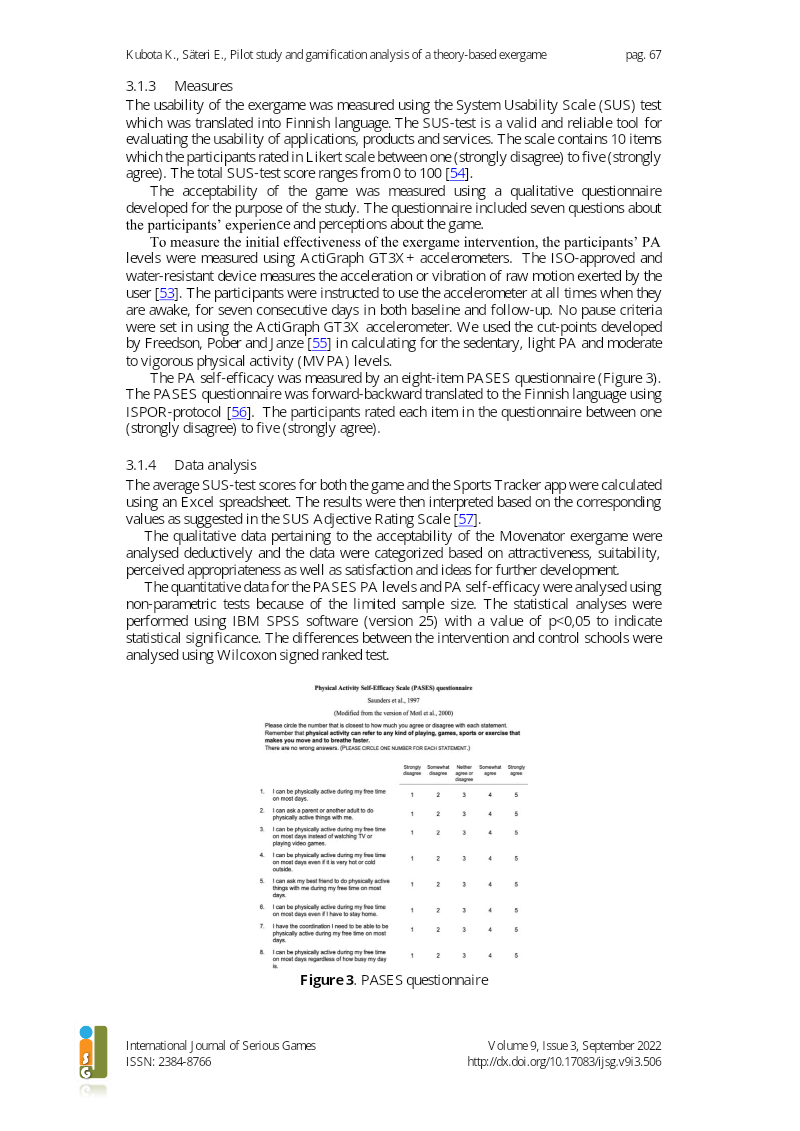
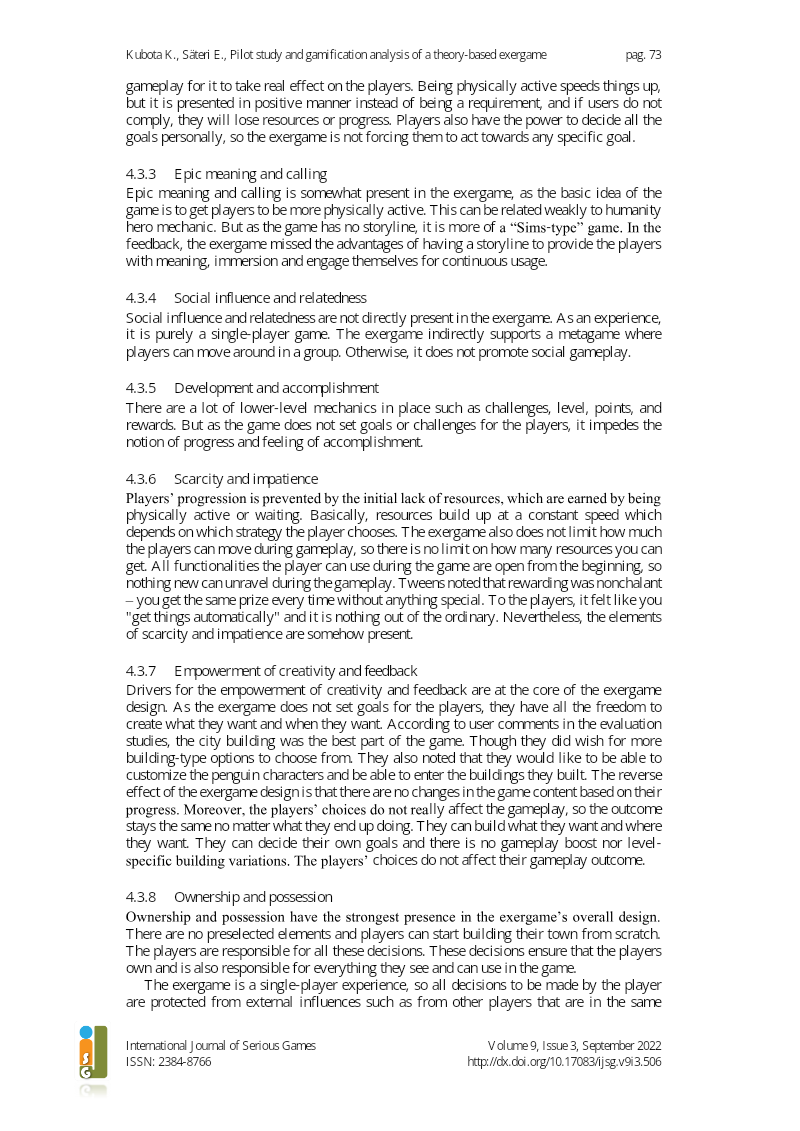
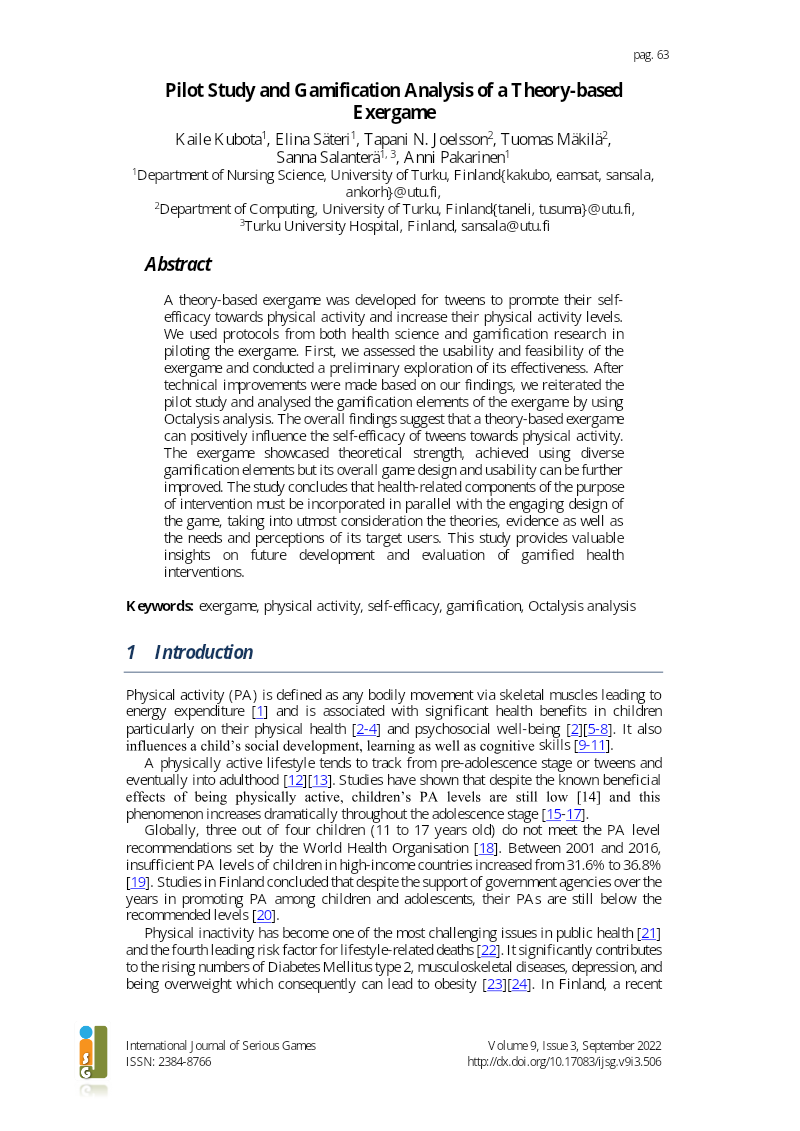
Pilot Study and Gamification Analysis of a Theory-based Exergame: Finland
The Movenator exergame functions as a pilot intervention designed to increase physical activity and self-efficacy among tweens in Finland.
- The Movenator exergame failed to produce statistically significant improvements in physical activity or long-term behavioral changes among its target demographic of Finnish tweens.
- Technical instability and exclusive reliance on the Android platform created significant barriers to accessibility and user retention.
- The game’s reward structure relies too heavily on extrinsic motivators, allowing users to progress without performing the intended physical exertion.
Toward a Digital Companion to Monitor a Mixed Reality Game
The development of DigitComp addresses the critical challenge of orchestrating mixed-reality educational games within museum environments.
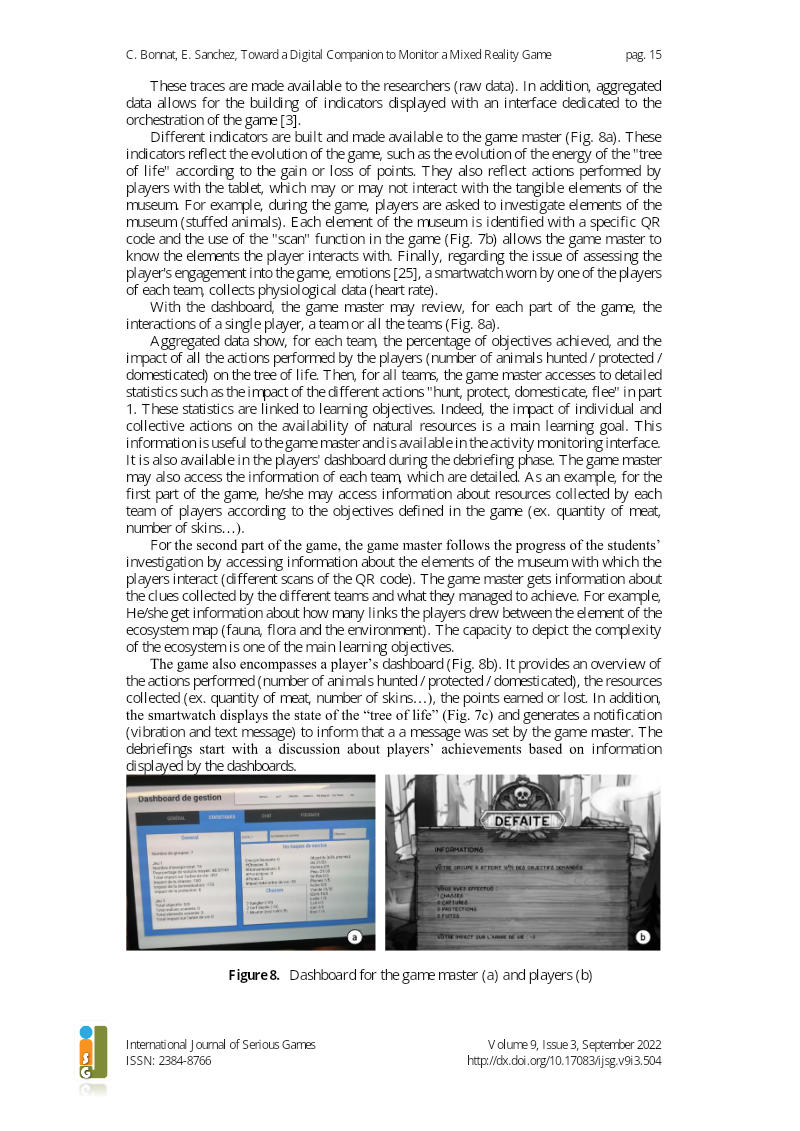
- The DigitComp system successfully integrates multimodal data—including tablet activity, physical object scanning, and physiological metrics—to track student learning in mixed-reality museum environments.
- Empirical testing revealed that game masters frequently underutilized the digital dashboard, preferring traditional manual mediation over the system's automated insights.
- The primary barriers to adoption were technical complexity and a desire by facilitators to maintain direct, intuitive control over the museum experience.
Exploring and Evaluating Different Game Mechanics for Anti-Phishing Learning Games
Educational interventions utilizing serious games offer a robust method for improving user resilience against phishing attacks.
- Gamified cybersecurity training significantly improves user ability to identify phishing attempts, with measurable gains in classification accuracy and confidence that persist for at least three months.
- Advanced, complex game mechanics do not provide a statistically significant performance advantage over simpler, binary-decision models in terms of user classification accuracy.
- Complex game designs offer superior diagnostic utility by capturing granular log data that reveals specific user misconceptions and decision-making patterns during URL parsing.
TAECon: A Web-based Platform to Promote STEM
TAECon functions as a web-based serious game platform engineered to revitalize STEM education through the integration of gamification, narrative-driven problem solving, and modular content management.
- TAECon is a web-based serious game platform that uses narrative-driven problem solving and gamification to teach STEM concepts.
- Empirical testing across 50 secondary schools with over 1,000 students showed that 86% of participants reported high levels of engagement and enjoyment.
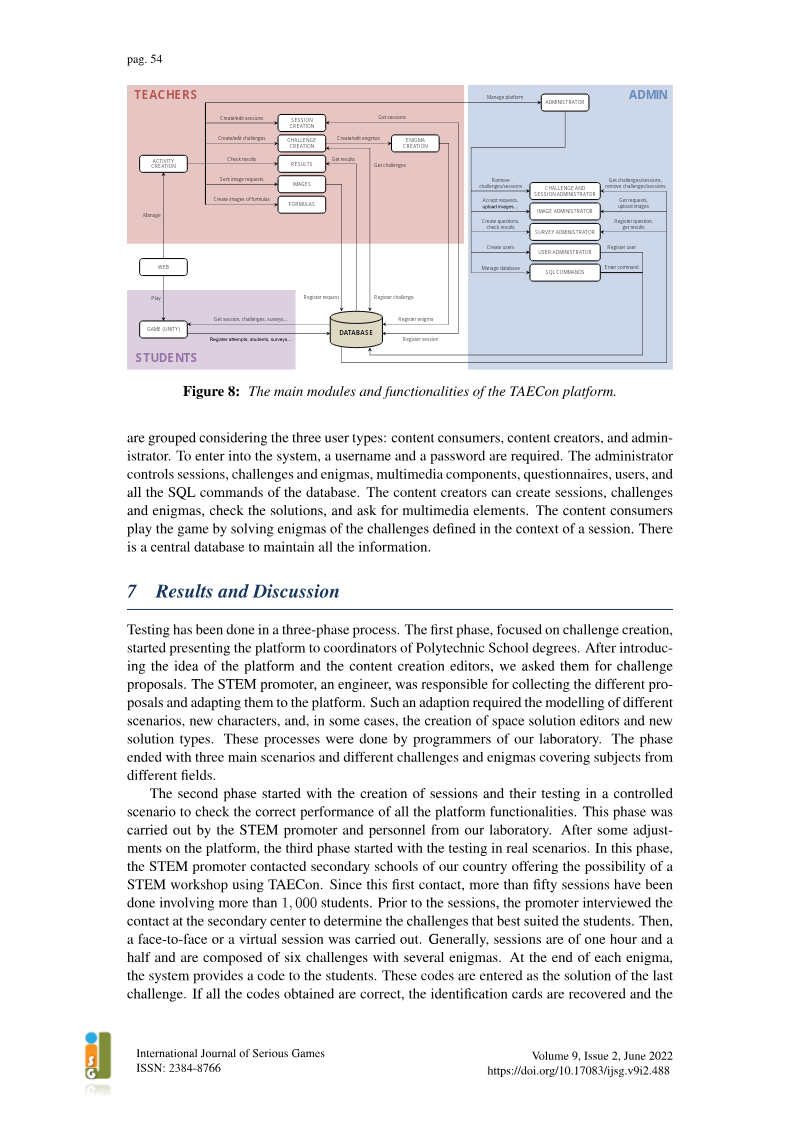
- The platform features modular content management and intuitive editors that allow educators to design custom tasks, define solution parameters, and set grading strategies.
Serious Games in Spatial Planning: Strengths, Limitations and Support Frameworks
Serious games function as transformative instruments within spatial planning, bridging the divide between technical expertise and civic participation.
- Serious games serve as critical tools for bridging the gap between technical urban planning expertise and civic participation by fostering collaborative learning and stakeholder empathy.
- The efficacy of these tools depends on a precise balance between engaging gameplay mechanics and the realistic simulation of complex urban systems.
- Professional adoption is currently hindered by practitioner skepticism regarding the legitimacy of gamified processes, high development costs, and the risk of oversimplifying urban challenges.
Design Principles for Integrating Gamification into Distance Learning Programs in Higher Education
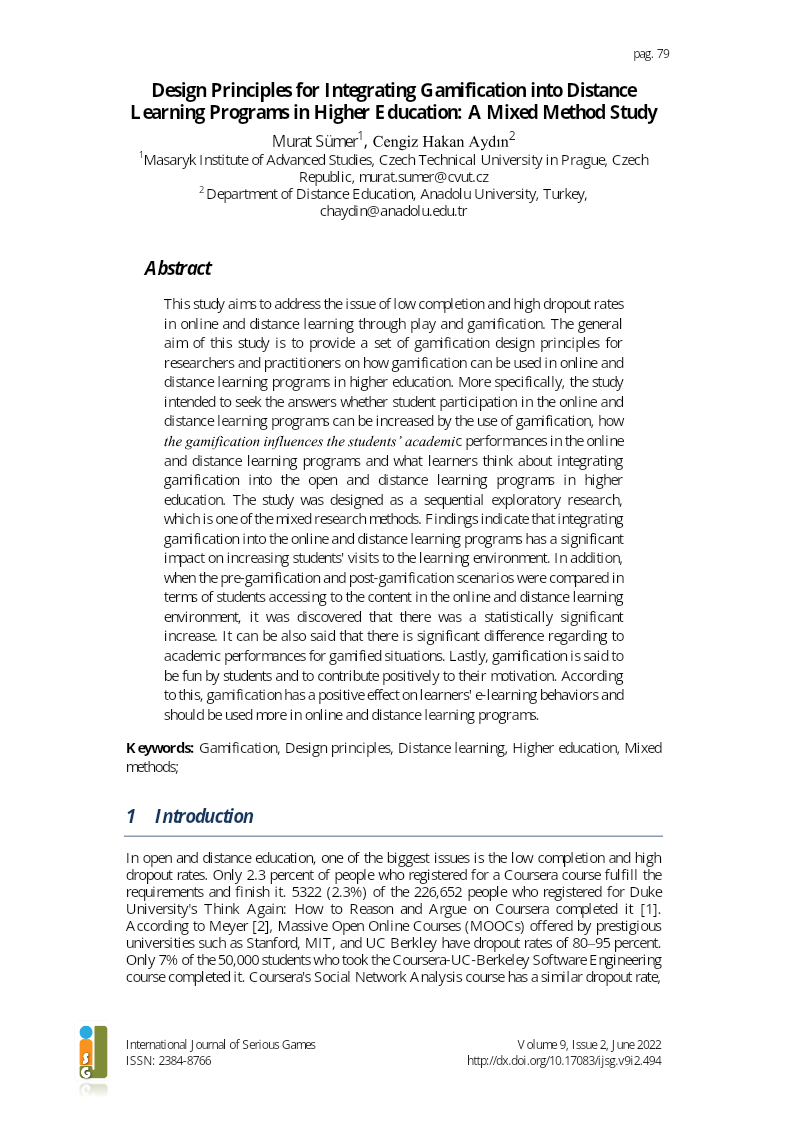
Gamification serves as a potent pedagogical strategy for enhancing student engagement and academic outcomes within higher education distance learning programs.
- Gamification elements like points, badges, and leaderboards are effective tools for reducing dropout rates and increasing student participation in distance learning.
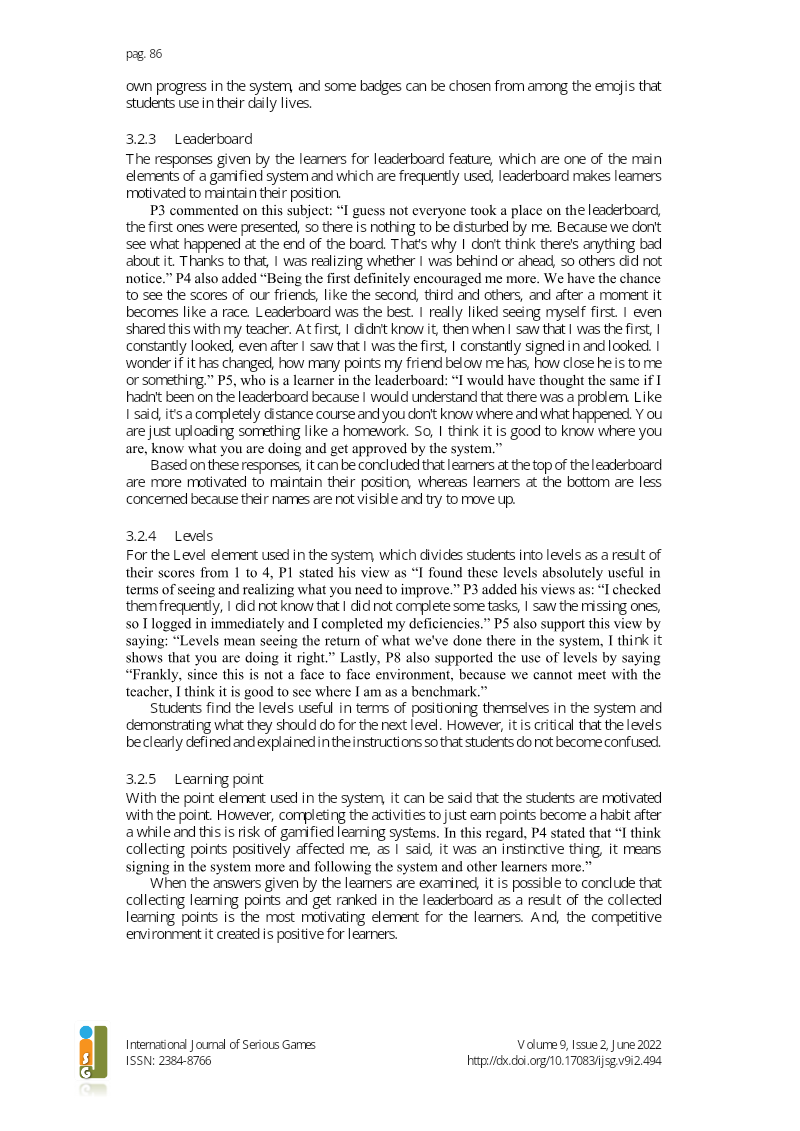
- Research involving 294 undergraduate students demonstrates a positive correlation between well-implemented gamification and improved academic performance.
- To prevent the 'wear-out' phenomenon where student interest declines, institutions must carefully balance the intensity and frequency of gamified elements.
Virtual Reality versus Desktop Experience in a Dangerous Goods Simulator
Virtual reality offers a superior training environment for dangerous goods unloading simulations compared to traditional desktop interfaces.
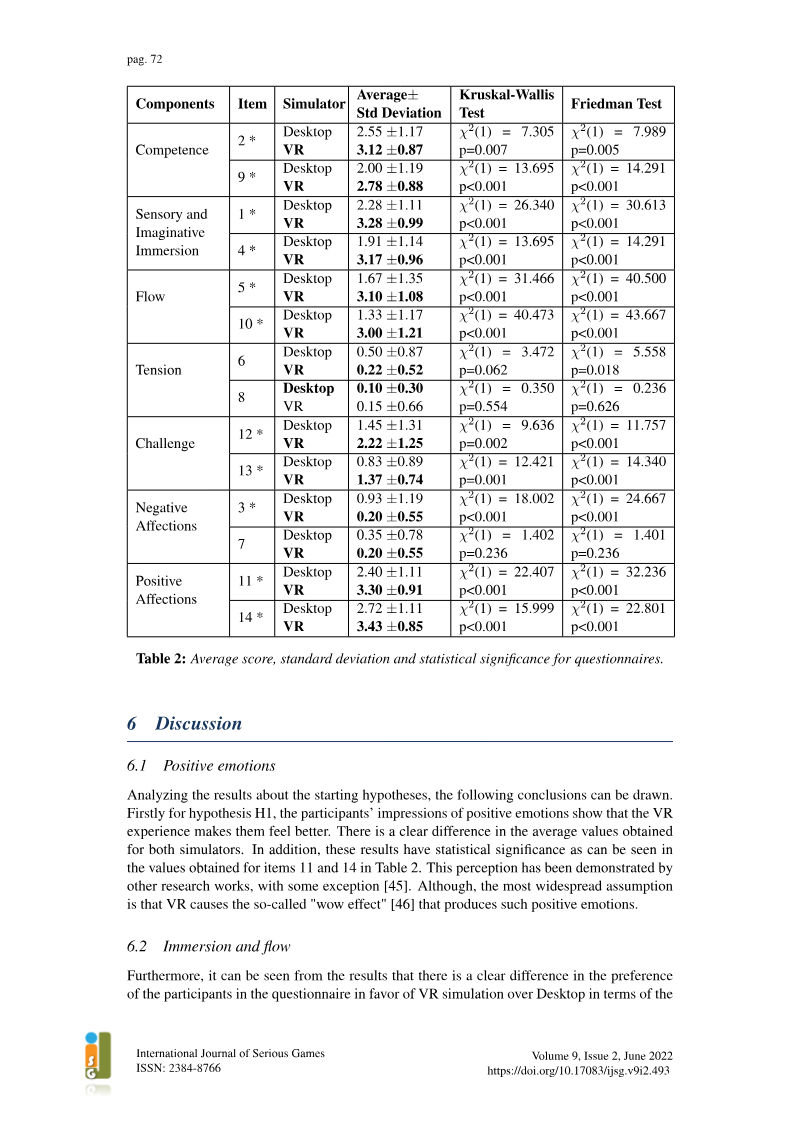
- Virtual reality (VR) is a more effective training medium than desktop interfaces for high-stakes dangerous goods simulations due to superior user engagement, flow, and competence levels.
- The heightened sense of presence provided by VR is the primary driver for its increased effectiveness in mastering complex professional protocols compared to traditional screen-based interaction.
- While both VR and desktop platforms induce similar levels of tension and negative affect, VR’s ability to simulate realistic, task-oriented scenarios makes it a more robust tool for safety training.

Games to Support Disruptive Technology Adoption: The MUST Game Use Case
The Maritime Unmanned Systems Trust (MUST) Game serves as a specialized analytical wargame designed to evaluate human perspectives on the integration of unmanned maritime systems into naval operations.
- The Maritime Unmanned Systems Trust (MUST) Game is an analytical wargame designed to extract expert knowledge and decision-making trade-offs regarding the deployment of unmanned maritime assets in complex threat scenarios.
- The game functions as a Knowledge Acquisition Analytical Game (K2AG), capturing data on variables such as threat levels, deployment propensity, and force composition to inform the development of future decision support systems.
- Participants in the MUST Game evaluate trade-offs between manned and unmanned assets based on factors including cost, endurance, detection range, and operational security.