Serious Games reports and market data
Documents
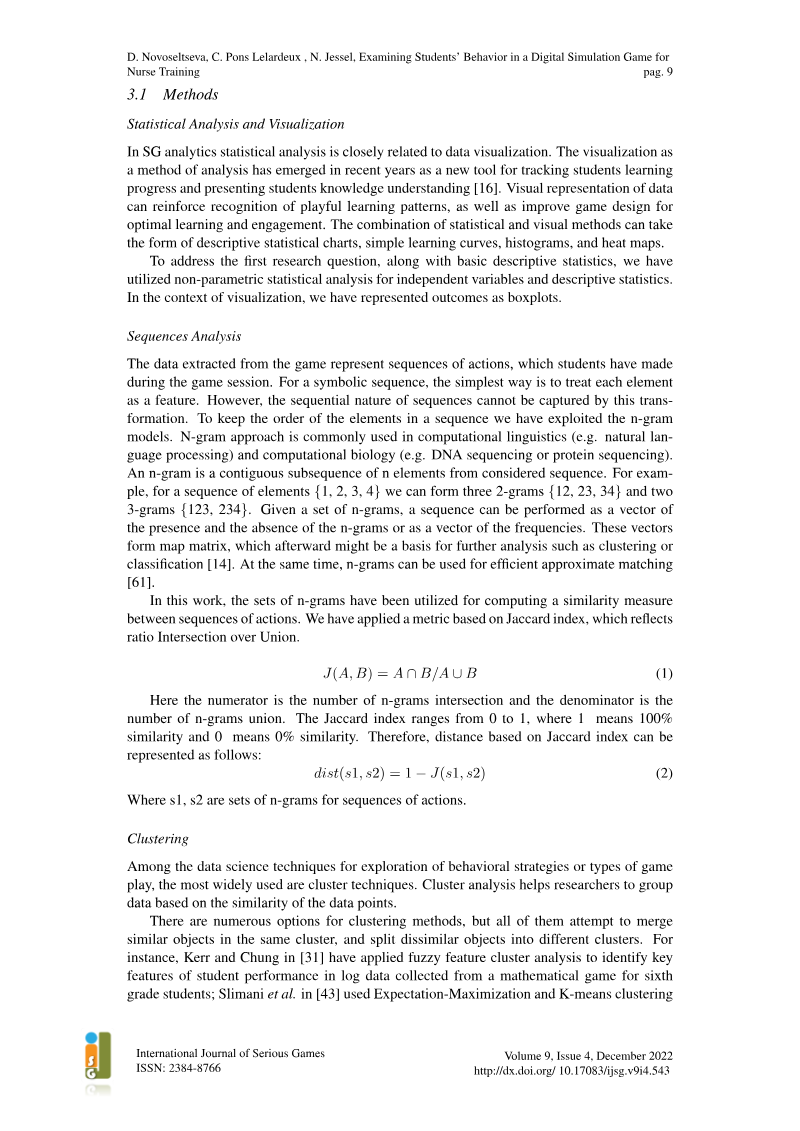
Examining Students’ Behavior in a Digital Simulation Game for Nurse Training
Digital simulation games serve as a critical pedagogical tool for nursing education, specifically in fostering decision-making, task delegation, and patient care management.
- High-performing nursing students in the CLONE simulation platform are distinguished by high-intensity planning, thorough information inspection, and frequent task delegation.
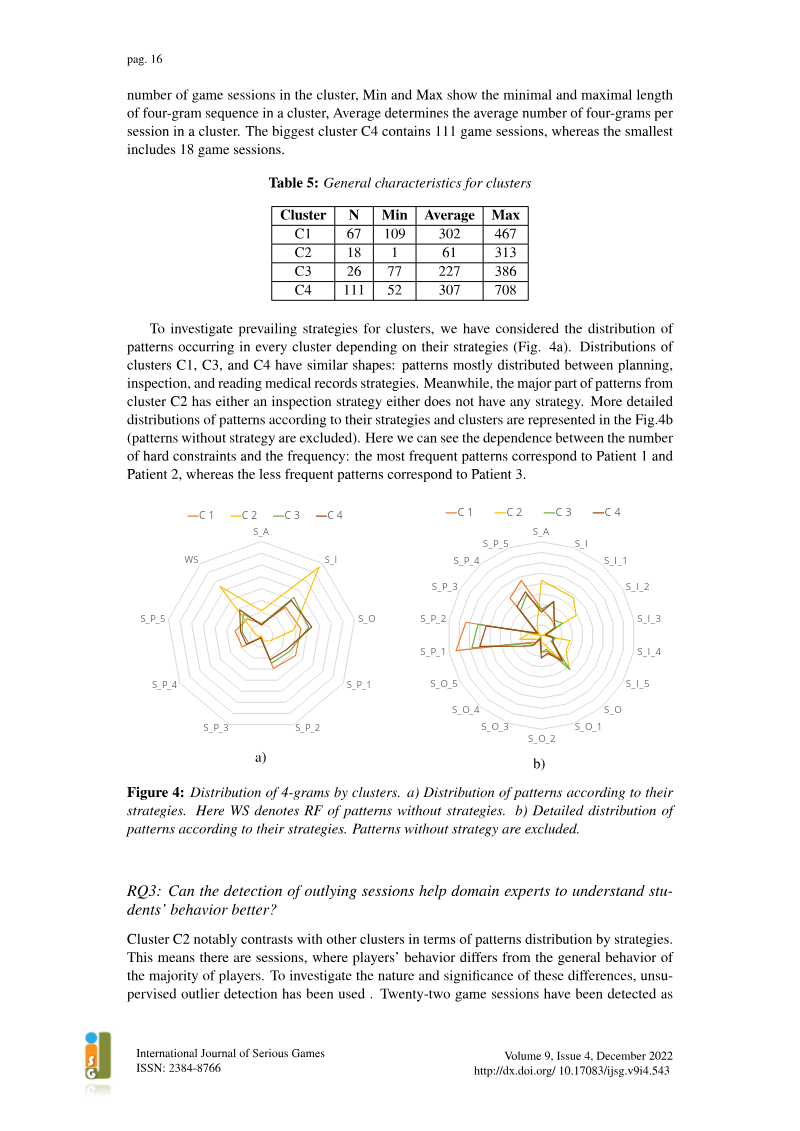
- Analysis of 353 simulation sessions reveals that successful learning outcomes correlate directly with methodical, structured approaches to patient care.
- Outlier sessions, characterized by poor performance, are marked by a lack of structured planning and a tendency to prioritize game mechanics over clinical requirements.
Understanding Students’ Engagement with a Serious Game to Learn English: A Sociocultural Perspective
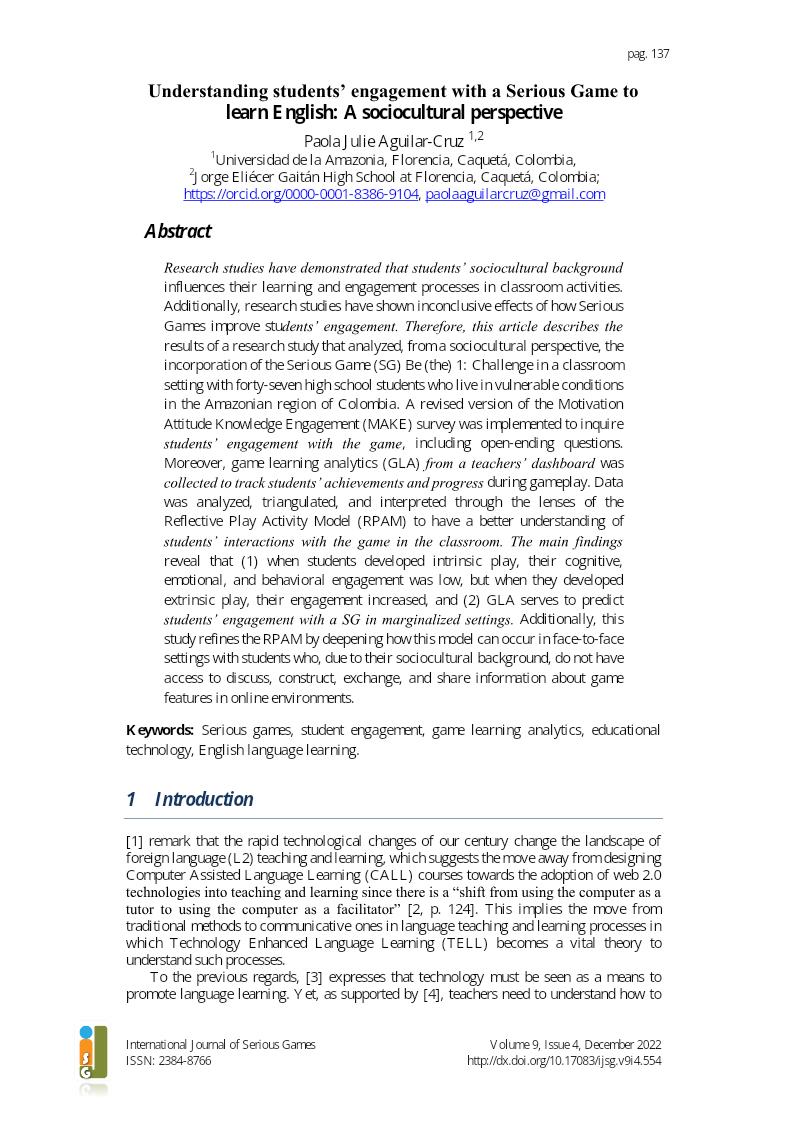
Serious games serve as a potent pedagogical tool for English language acquisition among high school students in marginalized regions of Colombia.
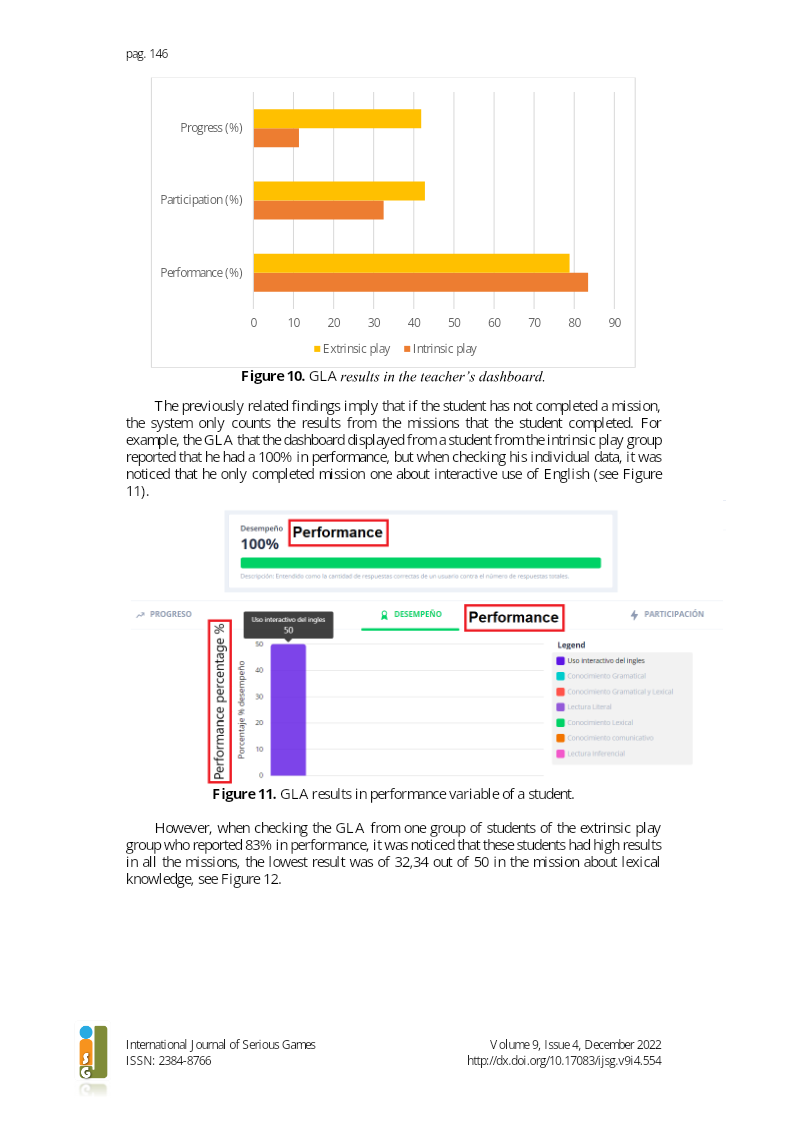
- Collaborative, group-based gameplay significantly outperforms individual play in enhancing cognitive, emotional, and behavioral engagement for English language acquisition.
- The Reflective Play Activity Model, when adapted for social agency in resource-limited settings, improves student performance metrics and persistence in vocabulary acquisition.
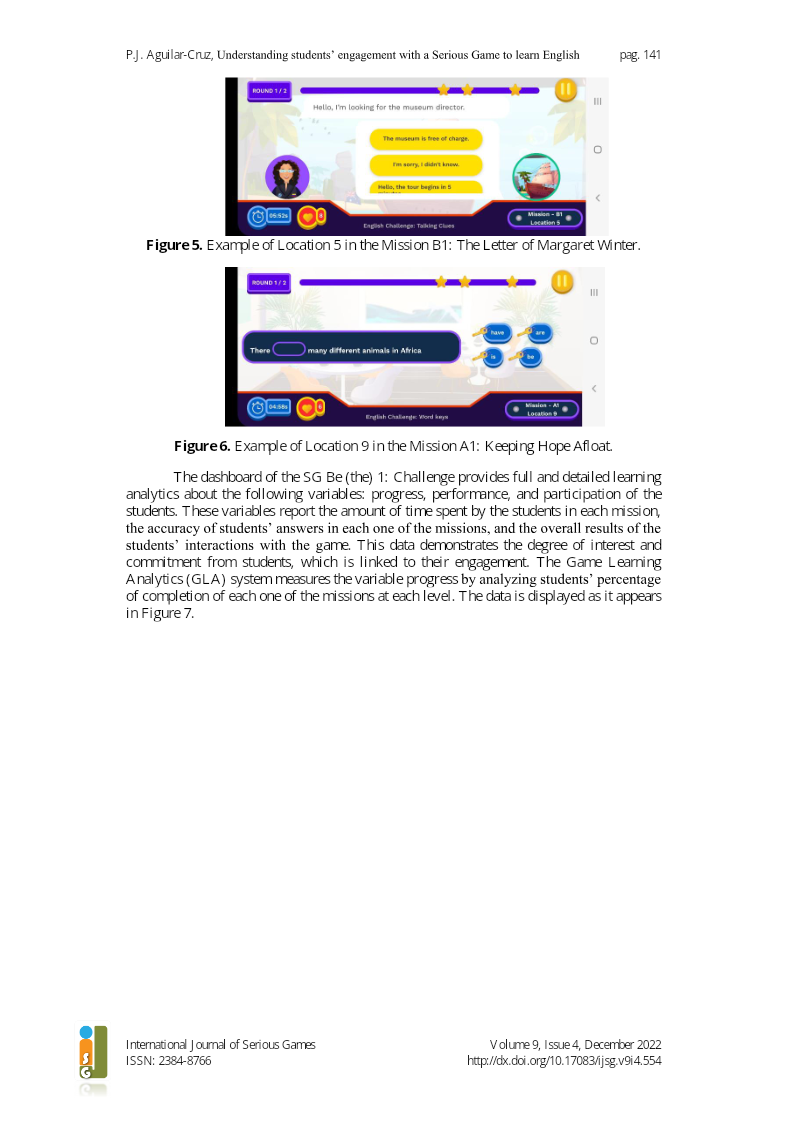
- Game Learning Analytics provide a functional framework for educators to monitor and predict student commitment levels in real-time.

A Metric Instrument for the Games with Cultural Heritage
Commercial video games represent a largely untapped resource for the preservation and dissemination of cultural heritage.
- A new 56-item Goal-Question-Metric instrument provides a standardized framework to quantify tangible and intangible cultural heritage across five core design components: gameplay, narrative, acting, art/design, and music/sound.
- Statistical validation using Mann-Whitney and Kruskal-Wallis tests confirms that this metric effectively distinguishes between varying levels of cultural representation in commercial video games.
- The Assassin’s Creed franchise serves as a benchmark for high-performing titles, demonstrating that intentional design and strong historical foundations result in superior cultural integration scores.
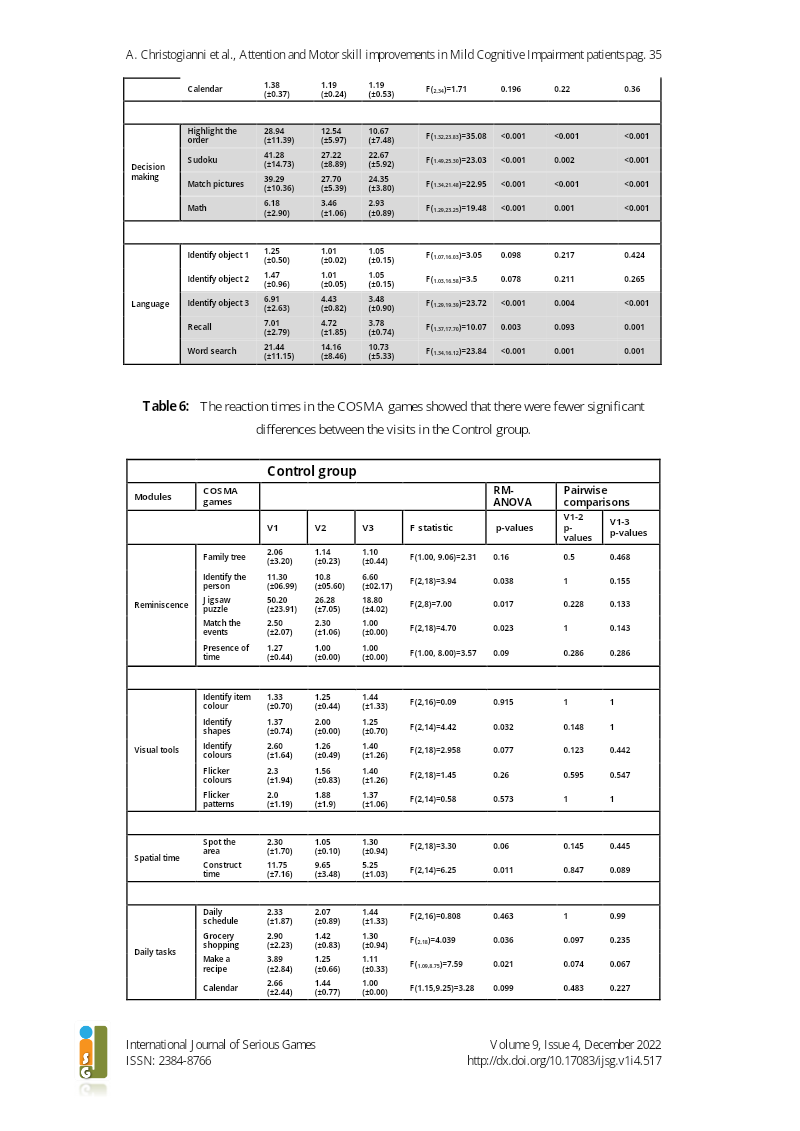
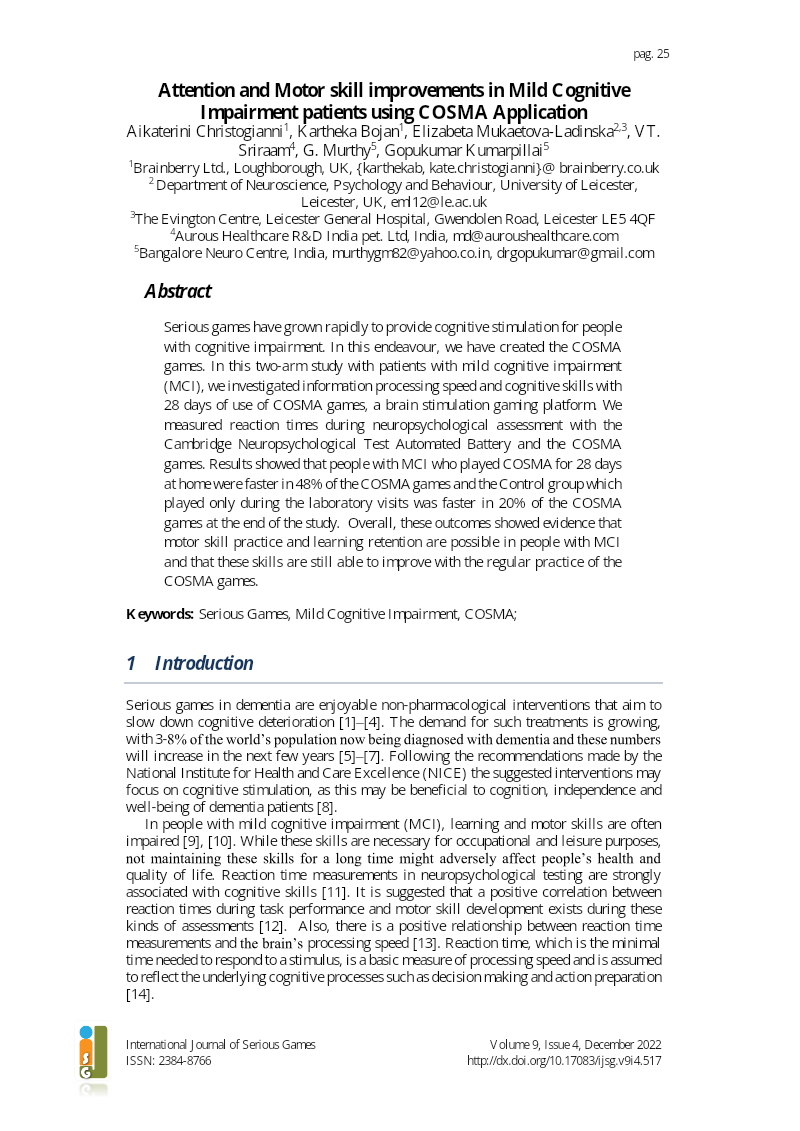
Attention and Motor Skill Improvements in Mild Cognitive Impairment Patients Using COSMA Application
The COSMA serious gaming platform serves as a targeted, non-pharmacological intervention designed to mitigate cognitive decline and enhance motor coordination in patients diagnosed with Mild Cognitive Impairment (MCI).
- Patients using the COSMA platform at home achieved performance gains in 48% of games, significantly outperforming a control group limited to laboratory sessions, which saw improvements in only 20% of games.
- A 28-day clinical protocol demonstrated that consistent, at-home digital stimulation is more effective for cognitive and motor skill retention than sporadic, facility-based intervention.
- CANTAB neuropsychological assessments confirmed that COSMA users experienced measurable advancements in motor screening and visual information processing capabilities.
ISPO: A Serious Game to Train the Interview Skills of Police Officers
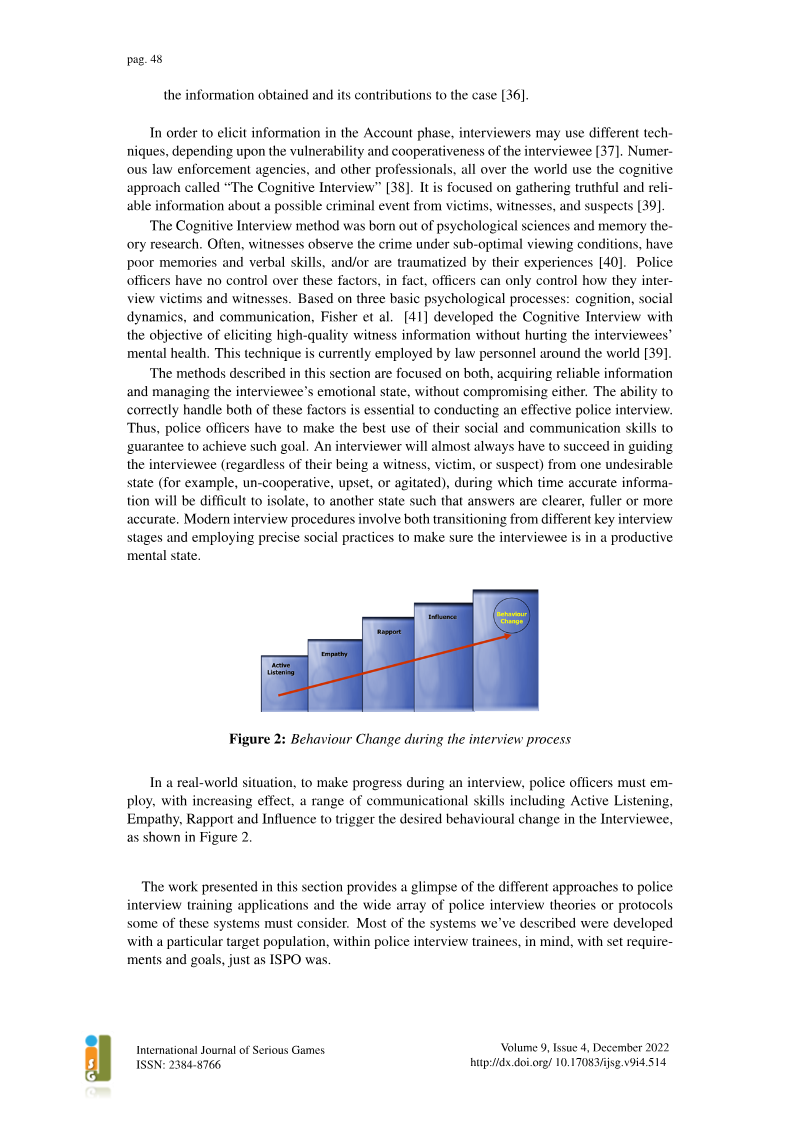
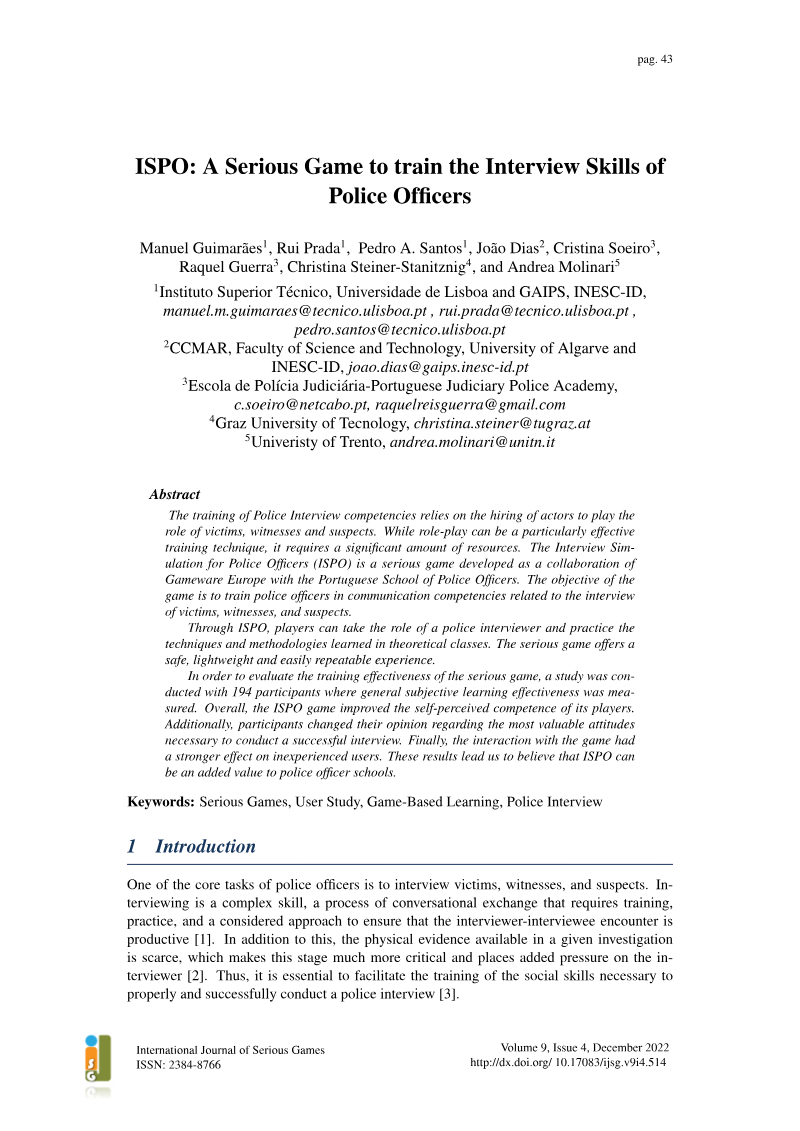
The Interview Skills for Police Officers (ISPO) project establishes a digital training framework designed to enhance the investigative capabilities of law enforcement through serious gaming.
- The ISPO project utilizes Intelligent Virtual Agents to provide a scalable, repeatable digital training environment for police officers to practice investigative interviewing techniques.
- Empirical testing with 194 participants showed that the simulation effectively reduces reliance on dominance-based tactics in favor of empathetic engagement and structured communication.
- The platform is designed to teach established investigative protocols, specifically the PEACE model and the Cognitive Interview, through real-time feedback and post-session analysis.
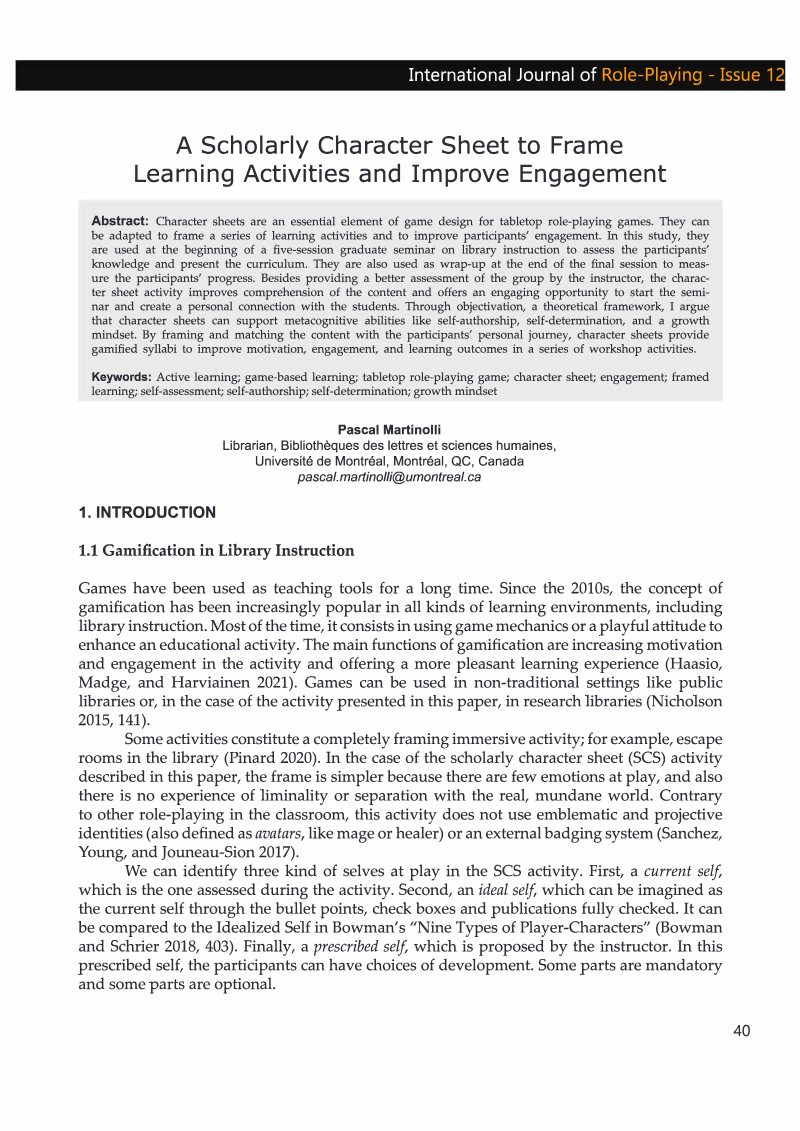
A Scholarly Character Sheet to Frame Learning Activities and Improve Engagement
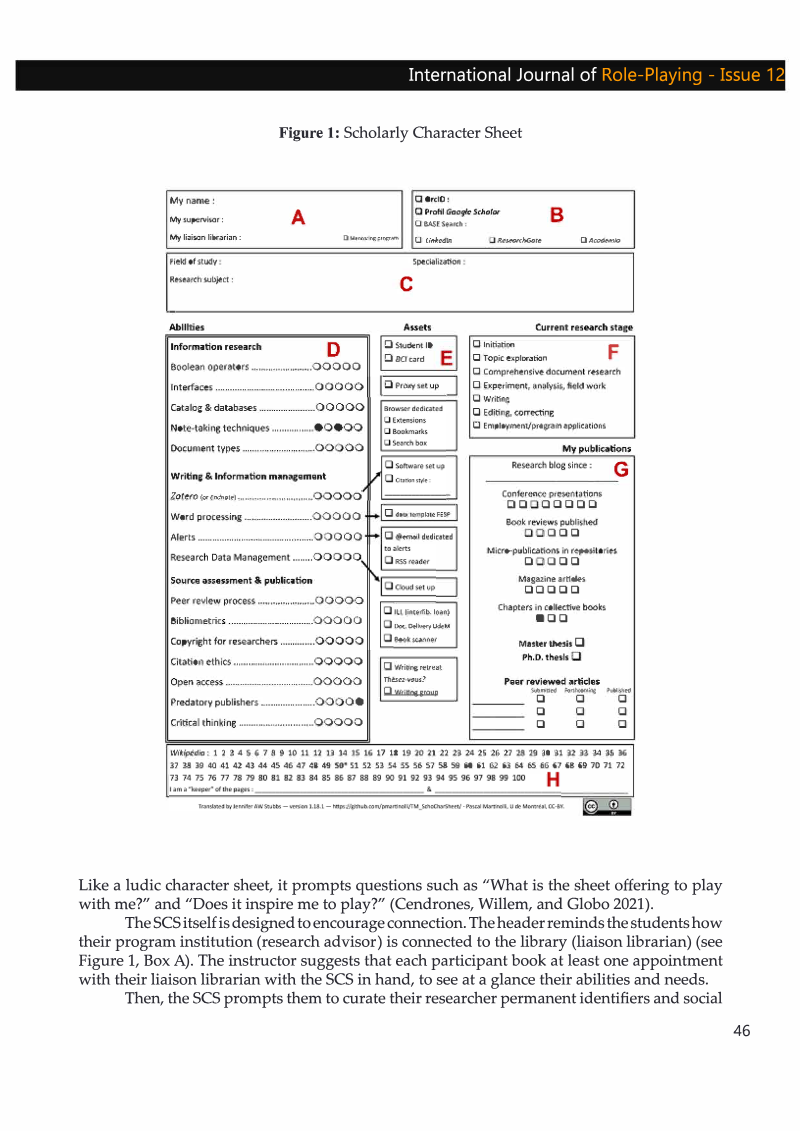
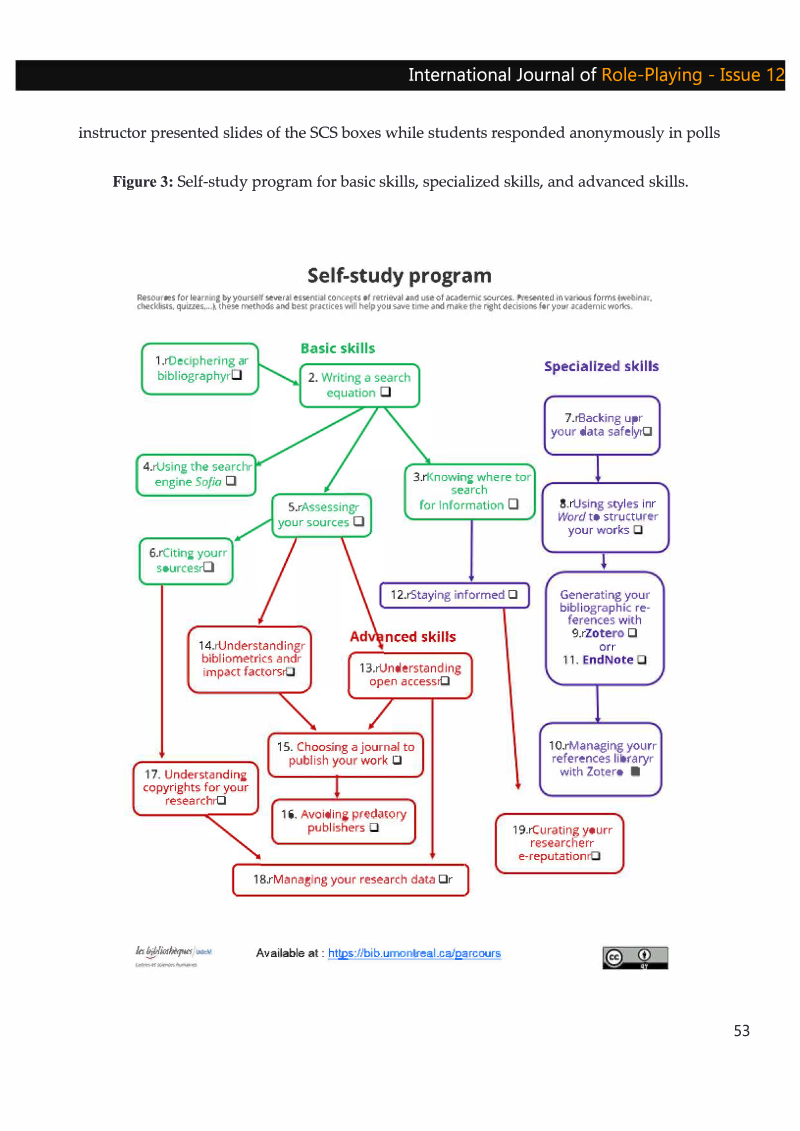
Pascal Martinolli's paper introduces the Scholarly Character Sheet (SCS), a gamified self-assessment and role-taking activity adapted from tabletop role-playing game character sheets and used in information-literacy and research-skills seminars at the Université de Montréal.
- The Scholarly Character Sheet (SCS) is a gamified self-assessment activity adapted from tabletop role-playing game character sheets, designed to frame learning objectives, surface prior knowledge, and recognize non-traditional skills in information-literacy and research-skills seminars at the Université de Montréal.
- The SCS has been used since Fall 2017 in a five-week graduate seminar and a 15-hour library information-literacy seminar, with roughly 80 percent of the 276 participating students sharing their completed sheets.
- A 2022 e-survey (55 respondents out of 217 contacted) and departmental evaluations showed only slight gains in satisfaction with course structure and fit to student needs.
How to Play Board Games?: A Framework Proposal for Classroom Settings
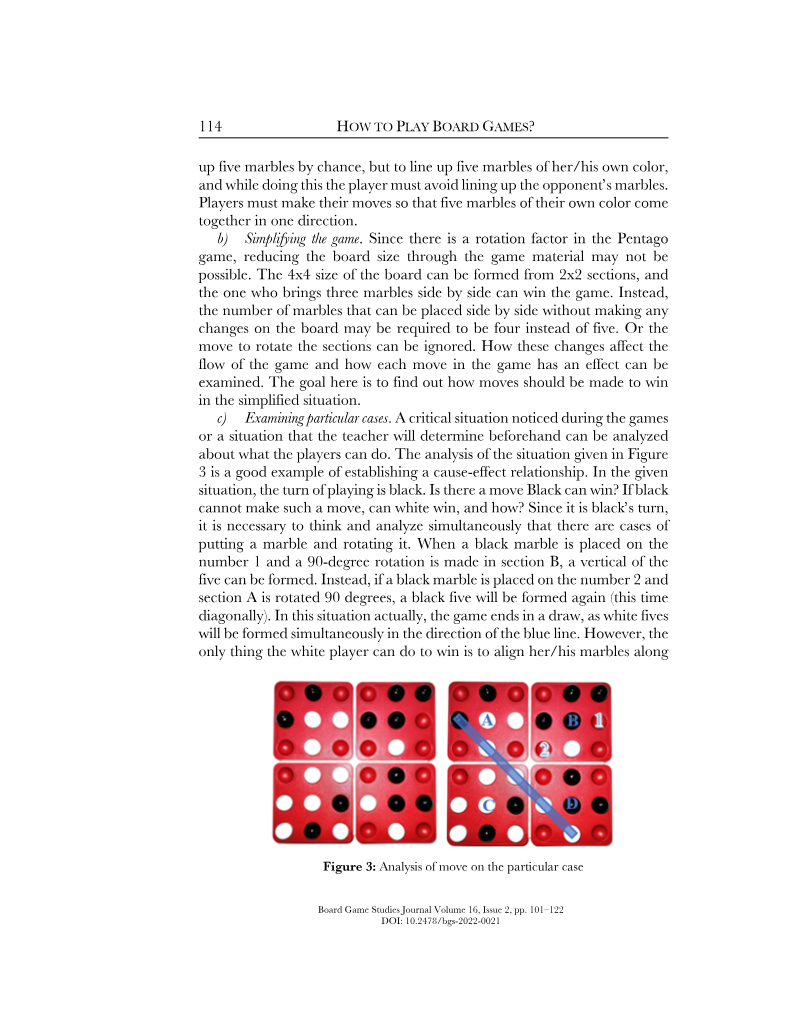
This article proposes a structured, teacher-guided framework for using strategic board games in classrooms, with Pentago serving as the central illustrative case.
- Board games are commonly used in classrooms for emotional and social benefits, while their cognitive learning potential usually goes unplanned; the authors argue deliberate sequencing can turn gameplay into targeted learning in reasoning, critical thinking, and communication.
- The proposed framework has six steps: encounter with the game, understanding cause-effect relationships, strategy development (experience-based inference, predictive play, and building move sequences), clarification, verification, and evaluation.
- Teachers should guide students with questions grounded in concrete play rather than supplying strategies directly, because teacher-provided strategies were shown to undermine students' conceptual understanding and intellectual satisfaction.
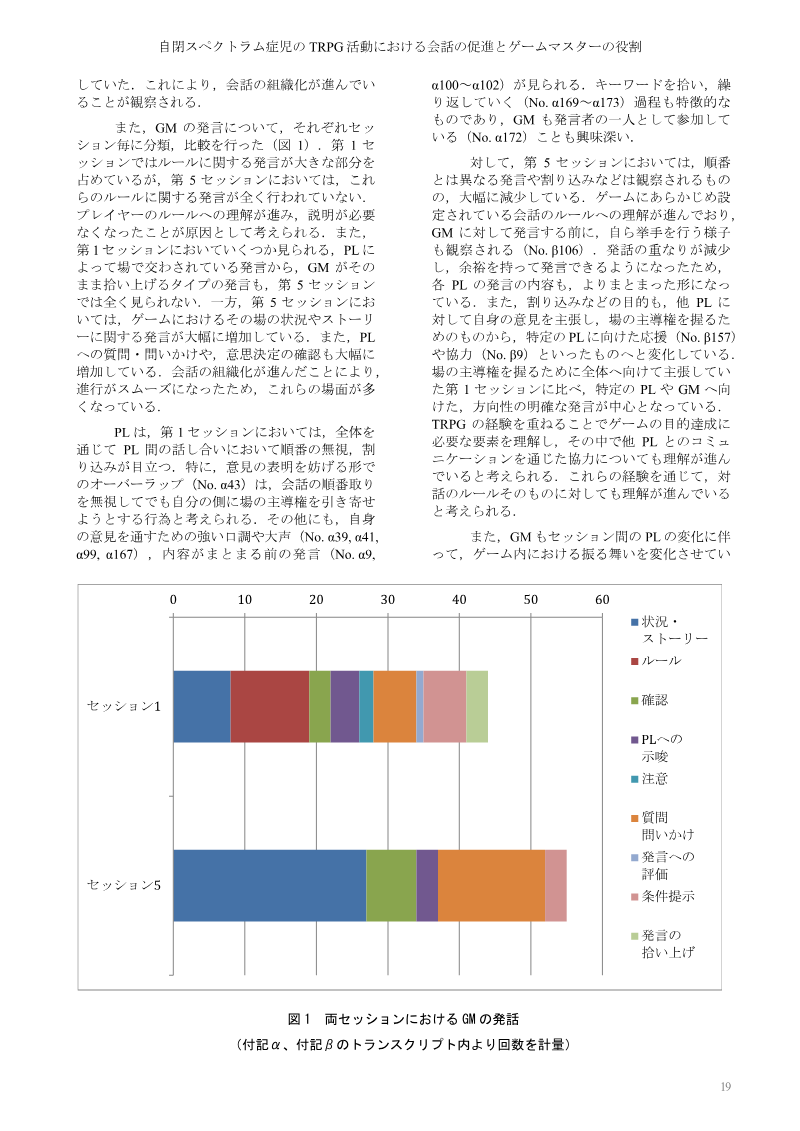
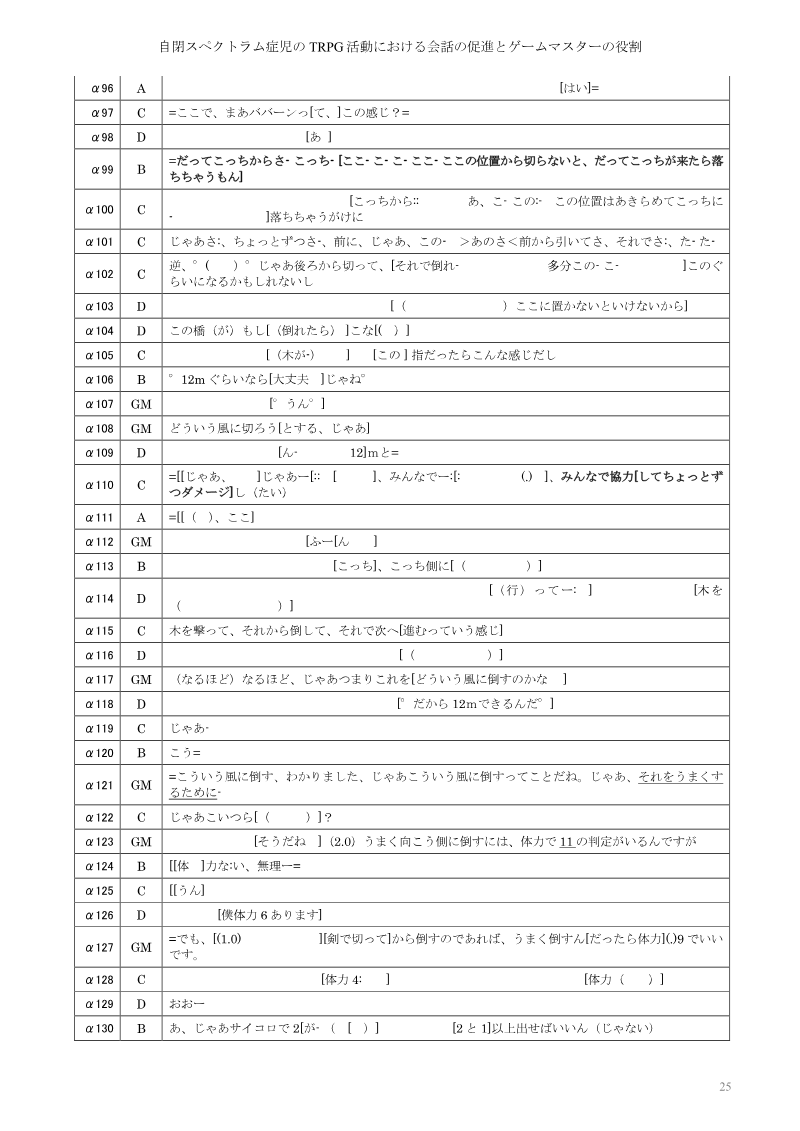
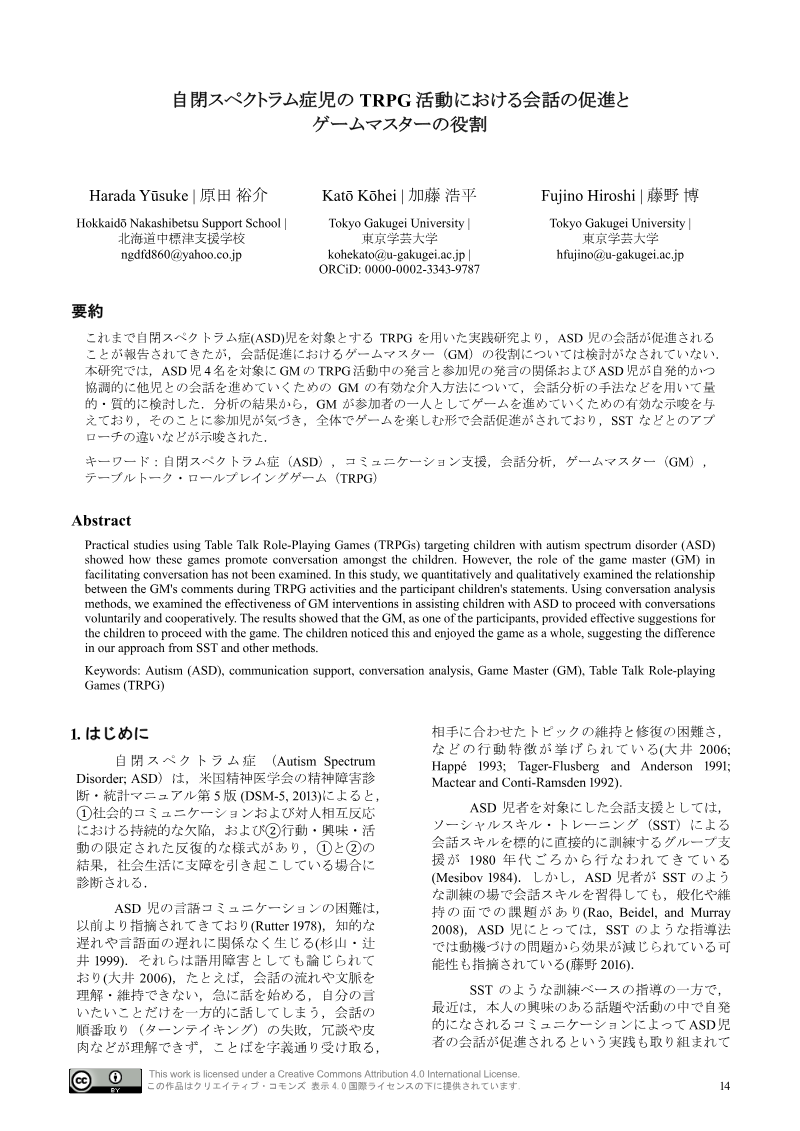
Facilitating Conversation and the Role of the Game Master in TRPG Activities for Children on the Autism Spectrum
This study investigates the role of the Game Master (GM) in facilitating communication among children with Autism Spectrum Disorder (ASD) during Table Talk Role-Playing Game (TRPG) sessions.
Enhancing Information Security Awareness Programs Through Collaborative Learning
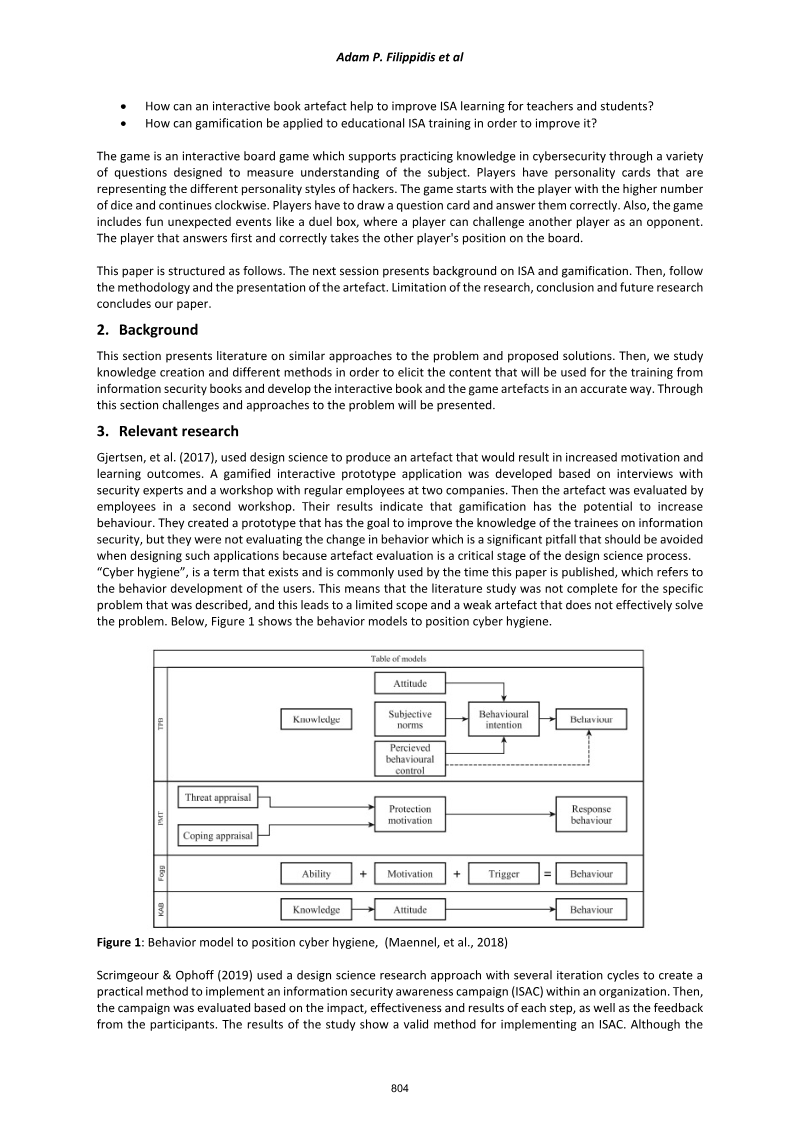
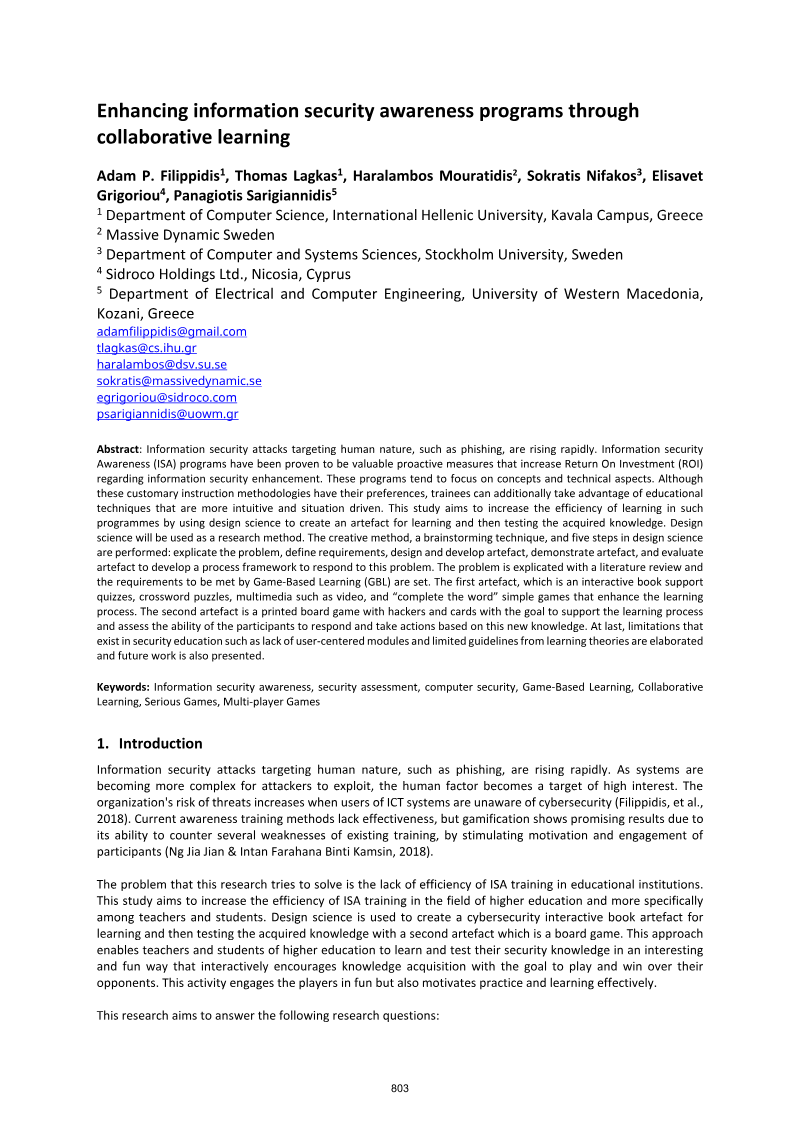
This paper presents a design science study aimed at improving the efficiency of information security awareness (ISA) training in higher education, targeting teachers and students.
- The study addresses ineffective information security awareness training in higher education, motivated by the rise of human-targeted attacks such as phishing, and proposes gamification to boost engagement and motivation.
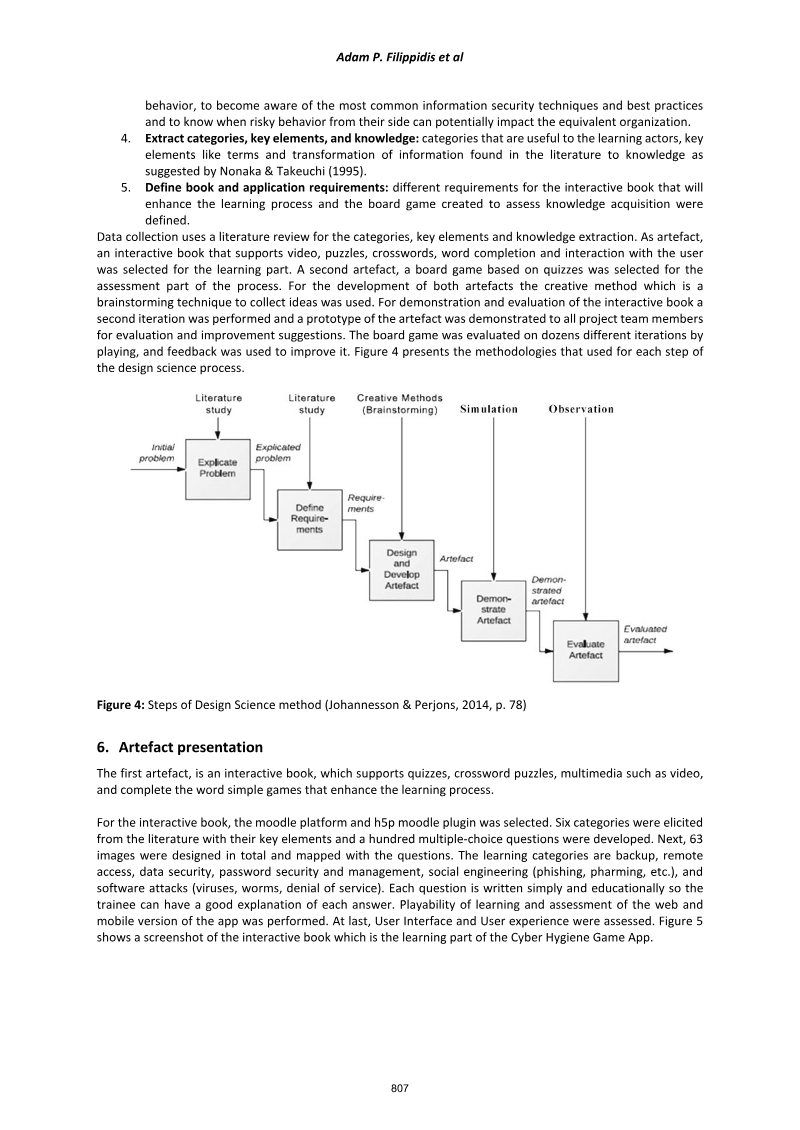
- Two artefacts were designed: an interactive online book built on Moodle and H5P covering six security categories (backup, remote access, data security, password management, social engineering, and software attacks), and a printed multiplayer board game with graded questions, personality and hacker cards, and duels.
- The only empirical result is a small two-group comparison in which the game group (interactive book plus board game) showed better knowledge retention than the textbook group, as measured by pre- and post-quizzes, though the authors acknowledge a broader sample is needed.
Player Perceptions of Informal Learning in Non-Educational Games
This study examines how adult players perceive that they learn from games designed primarily for entertainment rather than education, drawing on an online survey of 1,046 adult gamers in the United Kingdom and United States.
- Survey of 1,046 adult gamers in the UK and US found that players perceive substantial learning from non-educational games, with content analysis of open-text responses yielding 11 main categories of perceived learning.
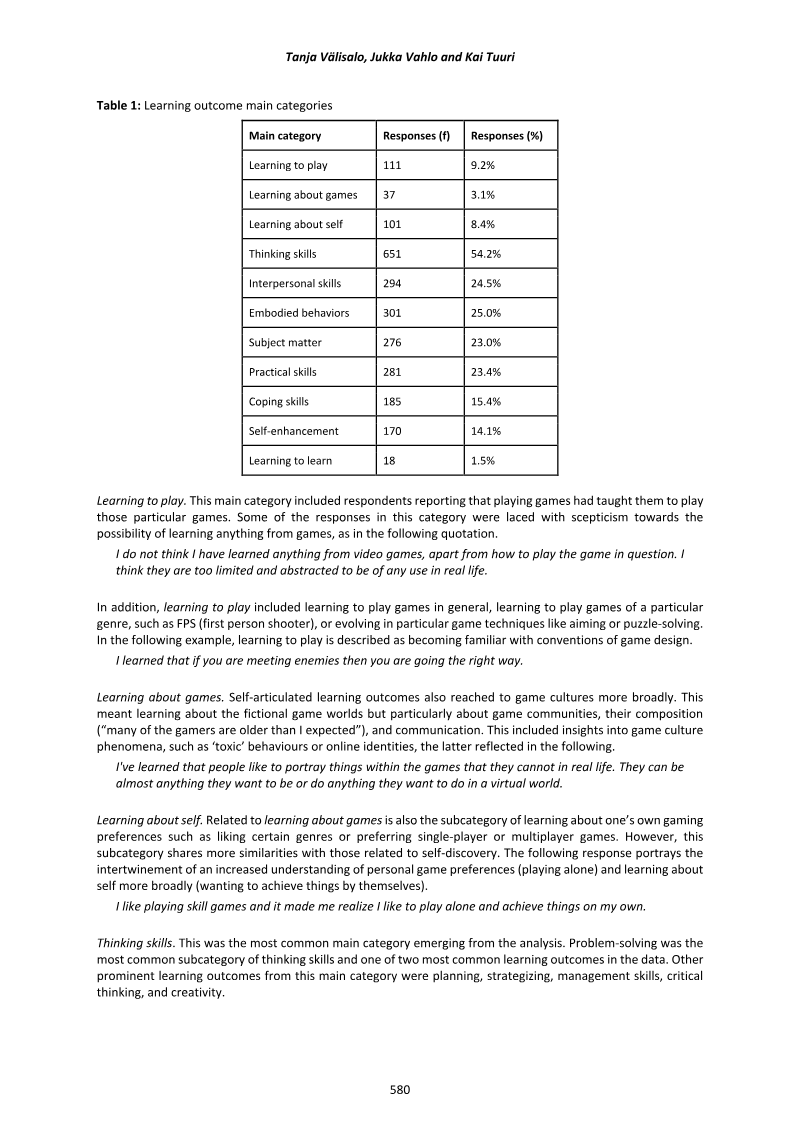
- Thinking skills (54.2%), embodied behaviours (25.0%), and interpersonal skills (24.5%) were the most frequently reported perceived learning categories, with problem solving and language skills appearing most often among the 117 subcategories.
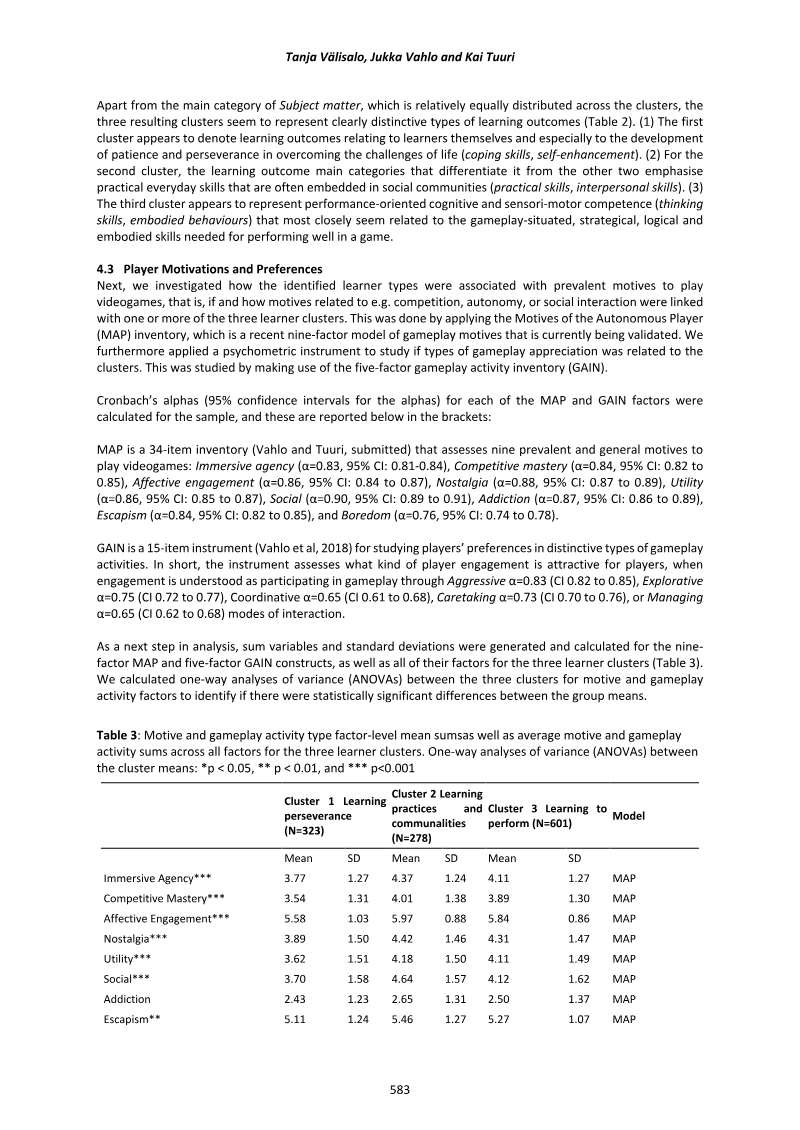
- A cluster analysis of 1,202 respondents identified three informal learner types: "Learning to perform" (n=601, emphasizing thinking skills and embodied behaviours), "Learning practices and communalities" (n=278, emphasizing practical and interpersonal skills), and "Learning perseverance" (n=323, emphasizing coping and self-enhancement).
Comparing the Student Engagement with Two Versions of a Game-based Learning Tool
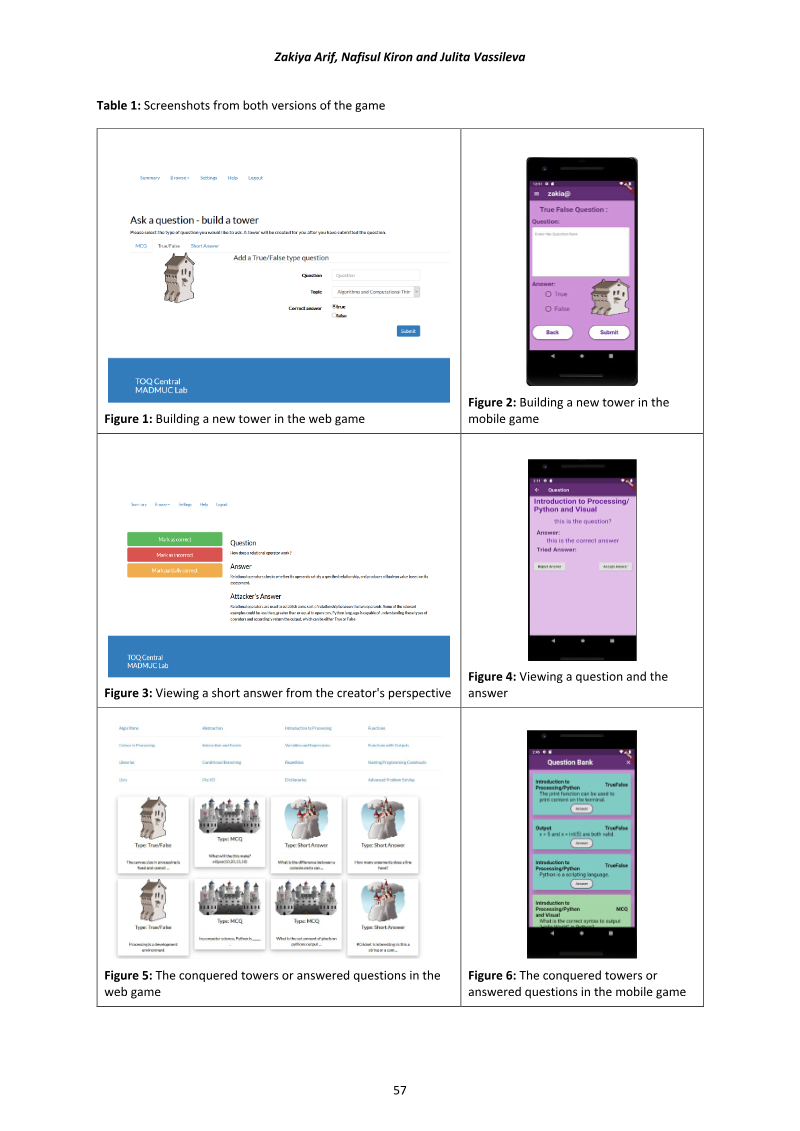
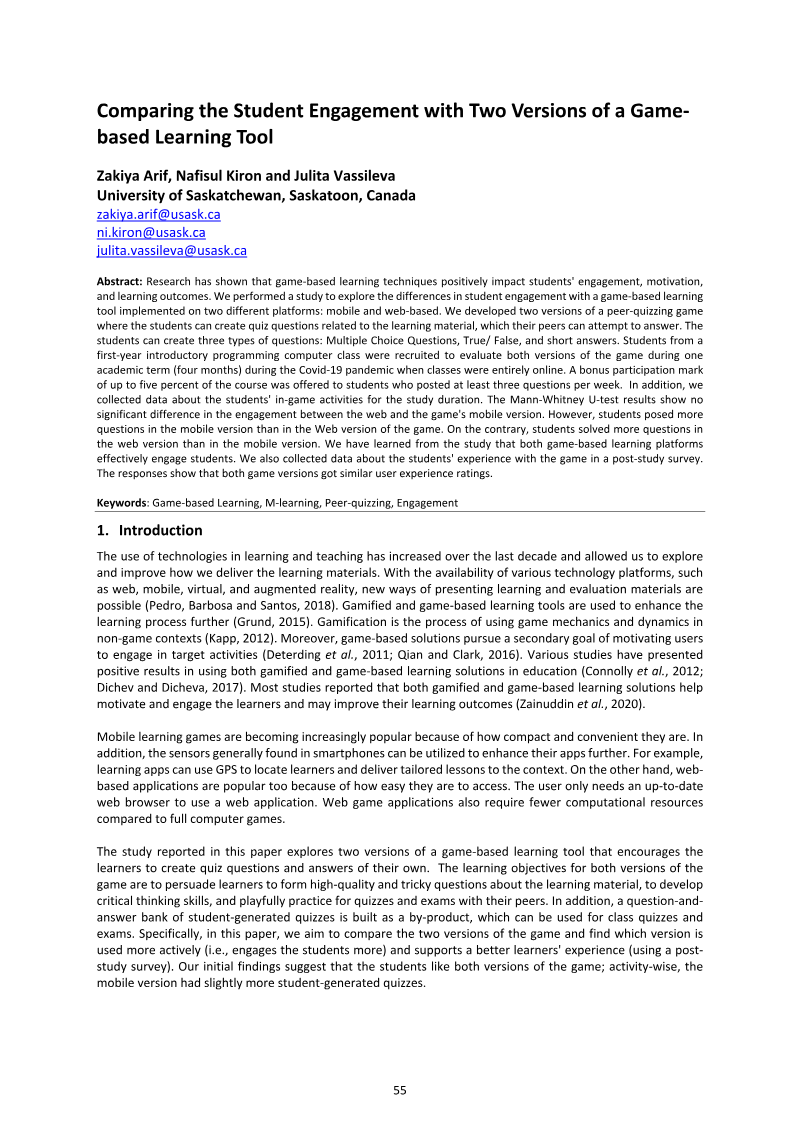
This study compares student engagement with two versions of Tower of Questions (ToQ), a peer-quizzing game-based learning tool, one implemented as a web application and the other as an Android mobile app.
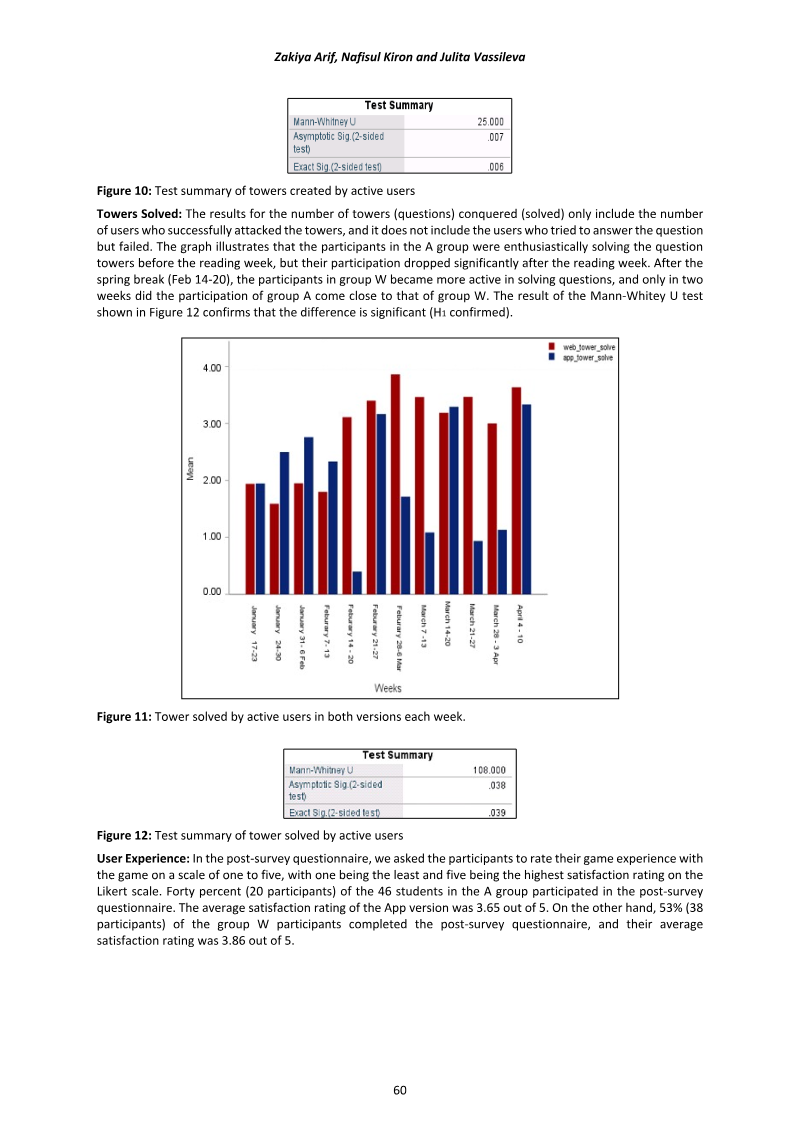
- No significant difference in weekly active users was found between the web (75 students) and mobile (46 students) versions of the Tower of Questions tool, indicating comparable overall reach during the online-only Covid-19 phase in 2021.
- Students created significantly more questions on the mobile app, with a median of 431 towers versus 385 on the web, a large effect size (Cohen's d = 1.39).
- Students on the web version solved significantly more questions than mobile users, with a median of 314 towers solved versus 214, a large effect size (Cohen's d = 1.53).
How to Welcome First-year Students: Best Practice of a Gamified Orientation Day
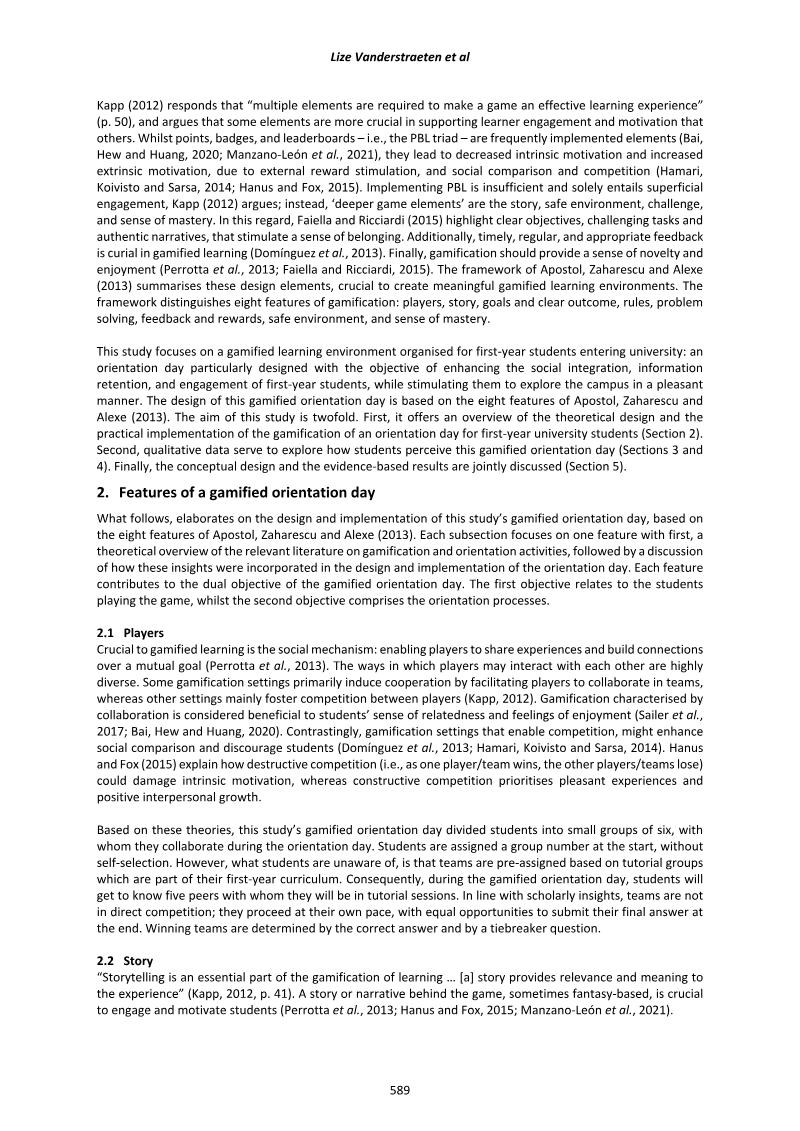
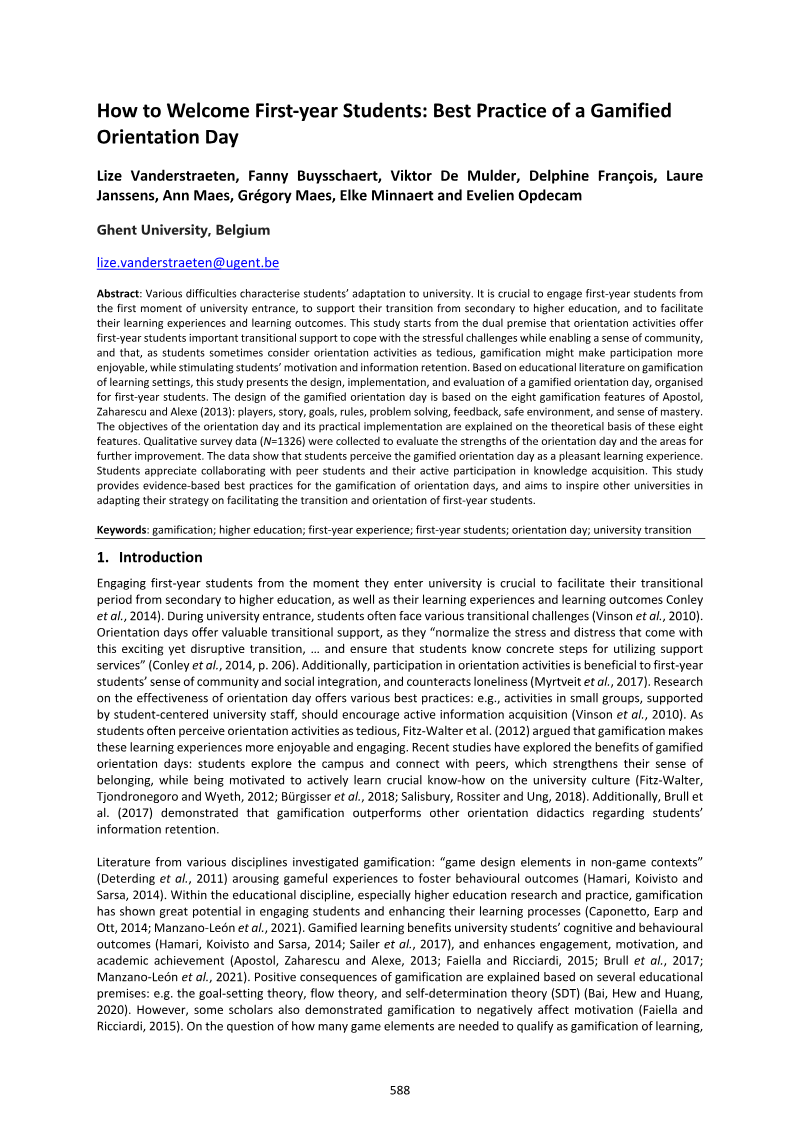
This document presents a case study of a gamified orientation day for first-year students at Ghent University, built around eight gamification features drawn from Apostol, Zaharescu and Alexe (2013).
- A gamified orientation day at Ghent University, built on eight gamification features (collaborative teams, a central mystery narrative, station-based tasks linked to orientation content, and a safe environment), is presented by the authors as best practice for easing first-year students' transition and fostering belonging.
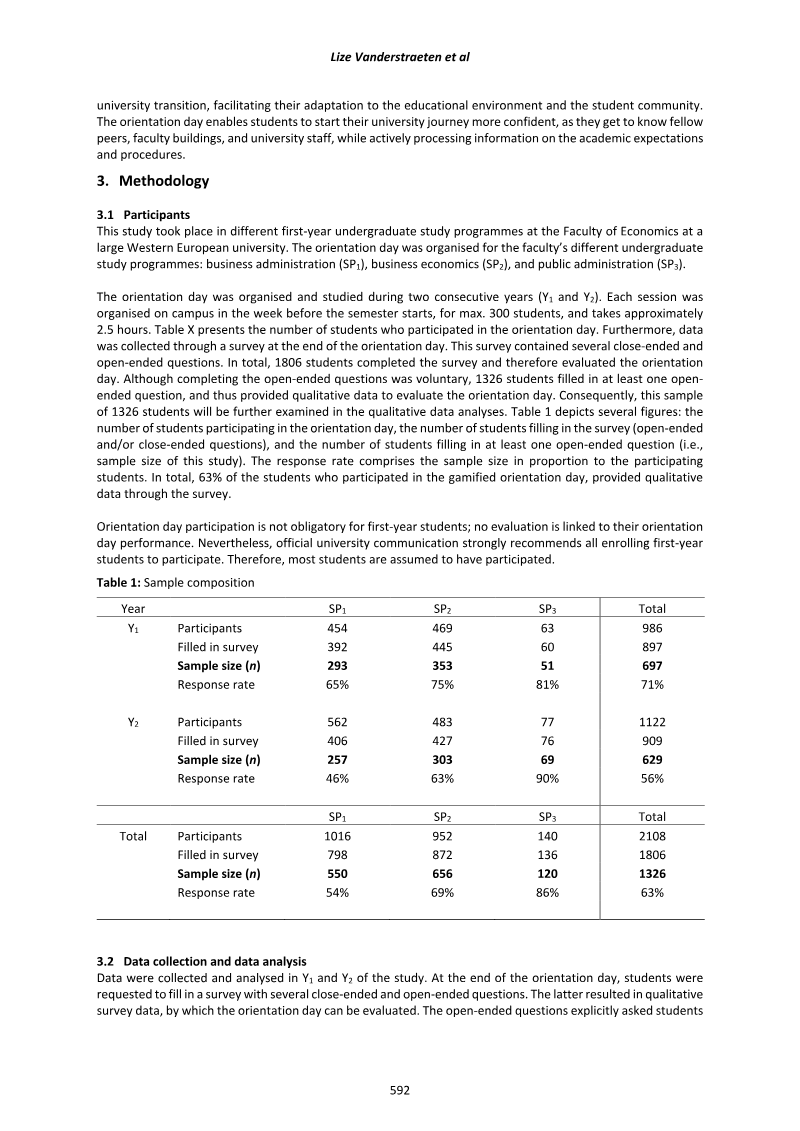
- Survey responses from 1,326 first-year students across two academic years and three business and economics programmes showed the pleasant, welcoming atmosphere (35%) was the most-praised aspect, followed by clear, informative stations (29%) and peer interaction (24%).
- Among the 41% of students who offered criticism or suggestions, the most common complaint was that the day ran too long (18%), followed by unclear expectations (7%).