Key insights
4 slides
The platform
TAECon is a web-based serious game platform for STEM education.
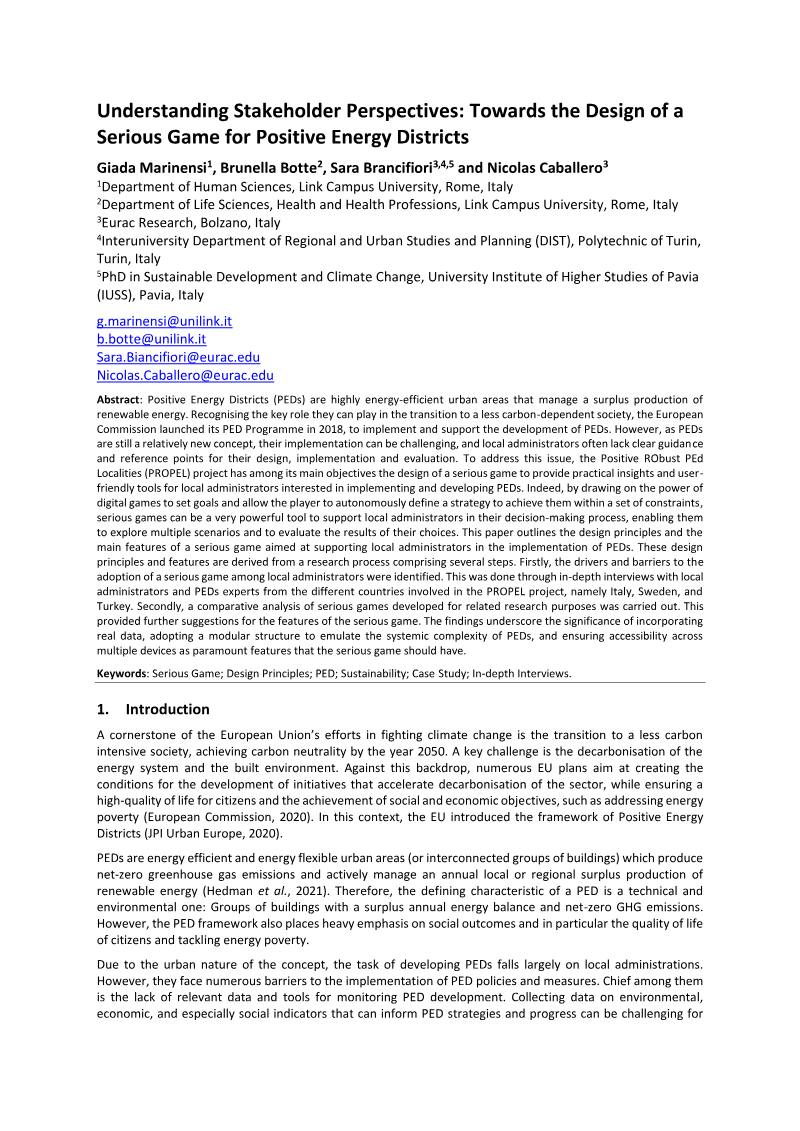
The platform integrates gamification and narrative-driven problem solving to teach STEM concepts. It transforms abstract academic concepts into immersive, story-based challenges.
1 / 4
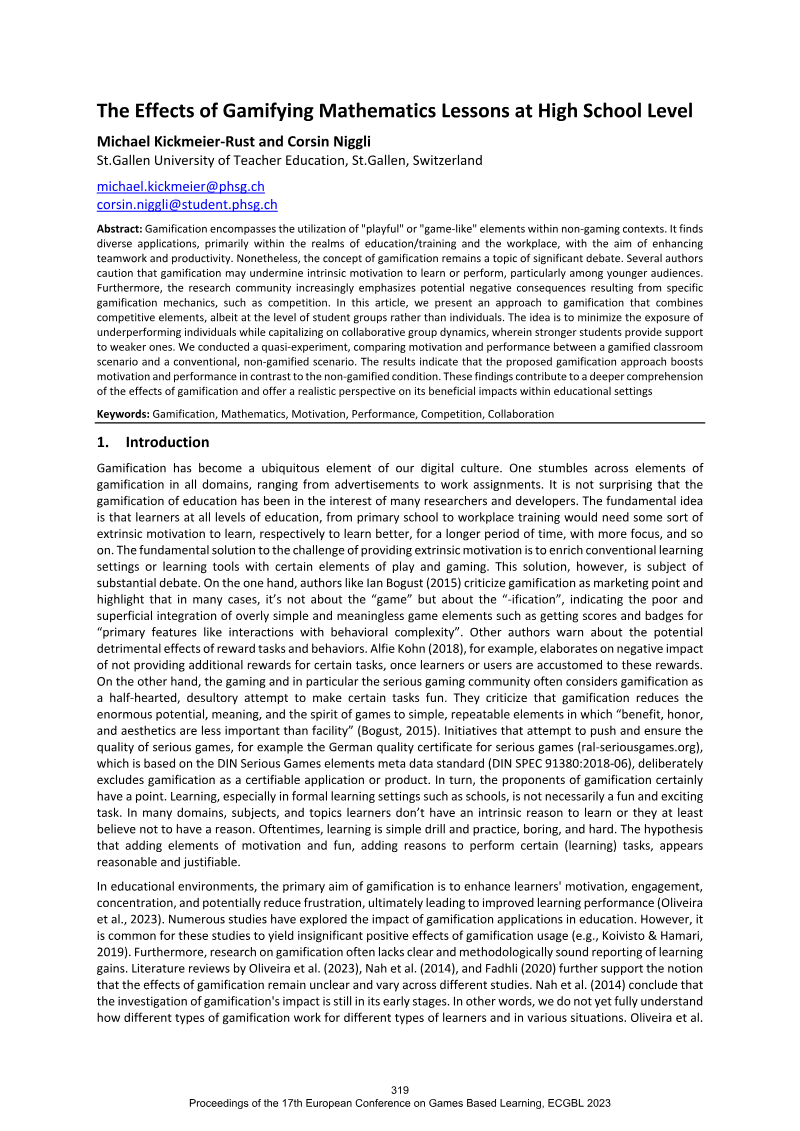
- 01TAECon is a web-based serious game platform that uses narrative-driven problem solving and gamification to teach STEM concepts.See it on page 1
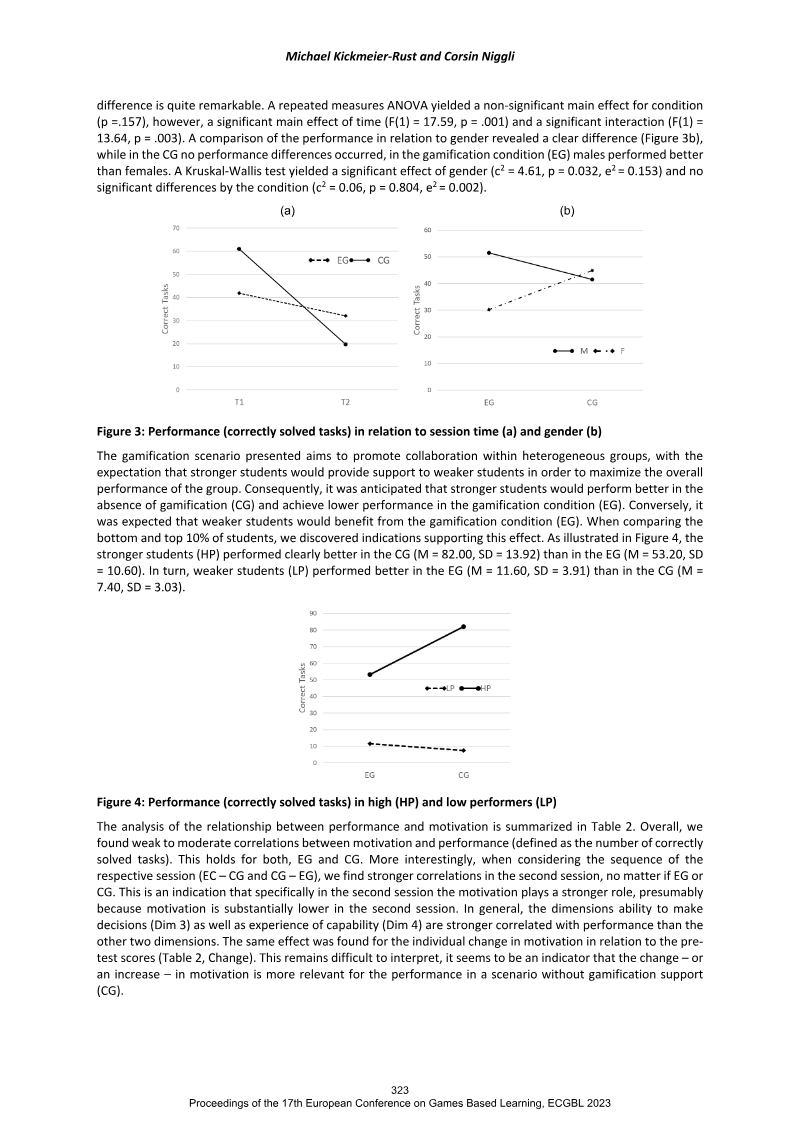
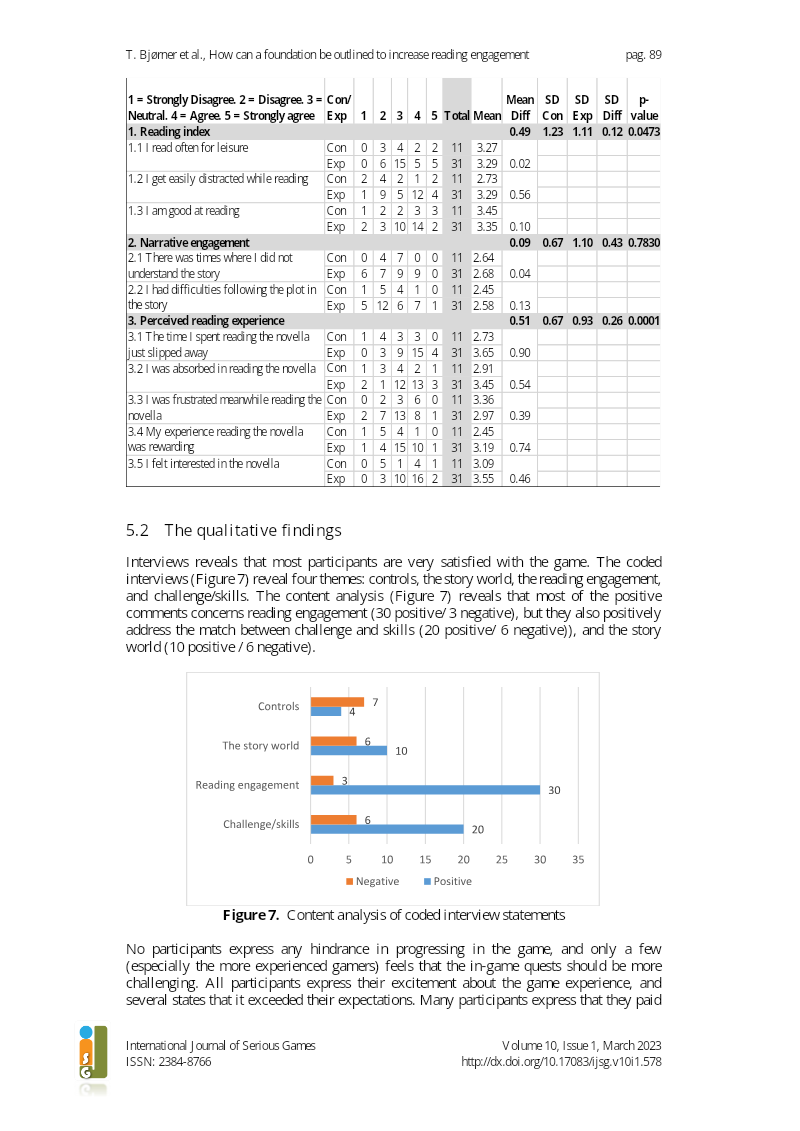
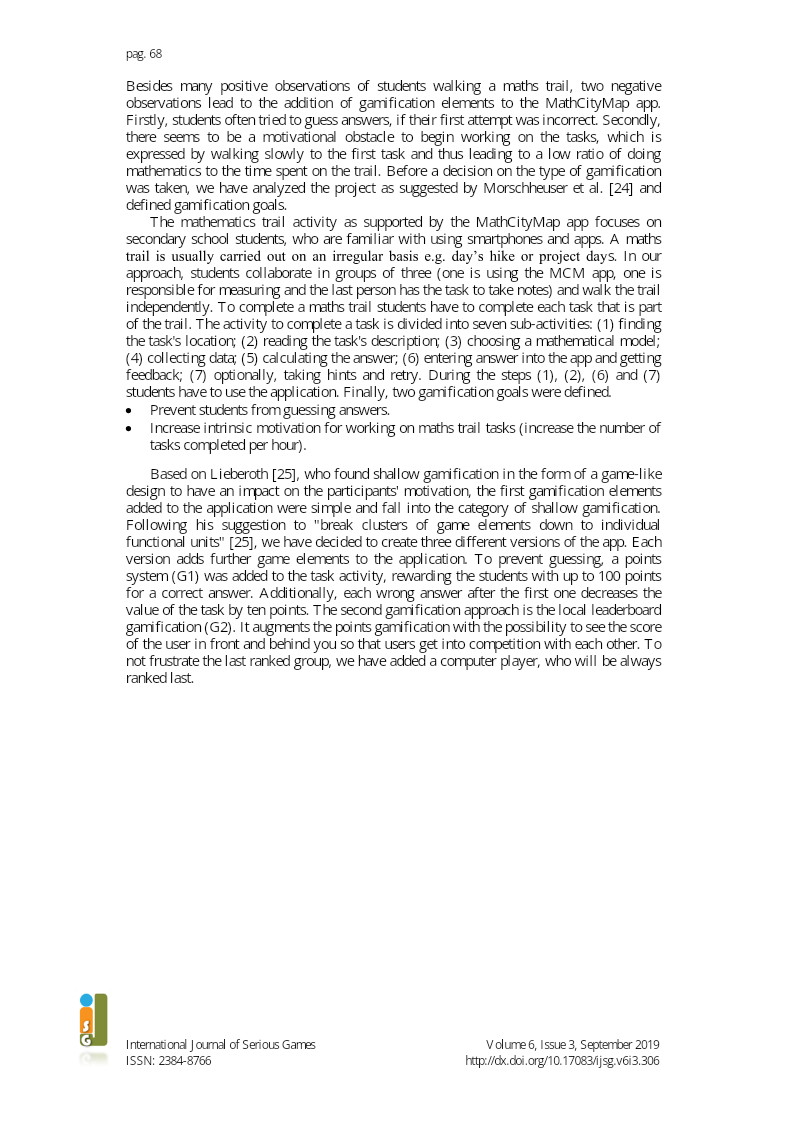
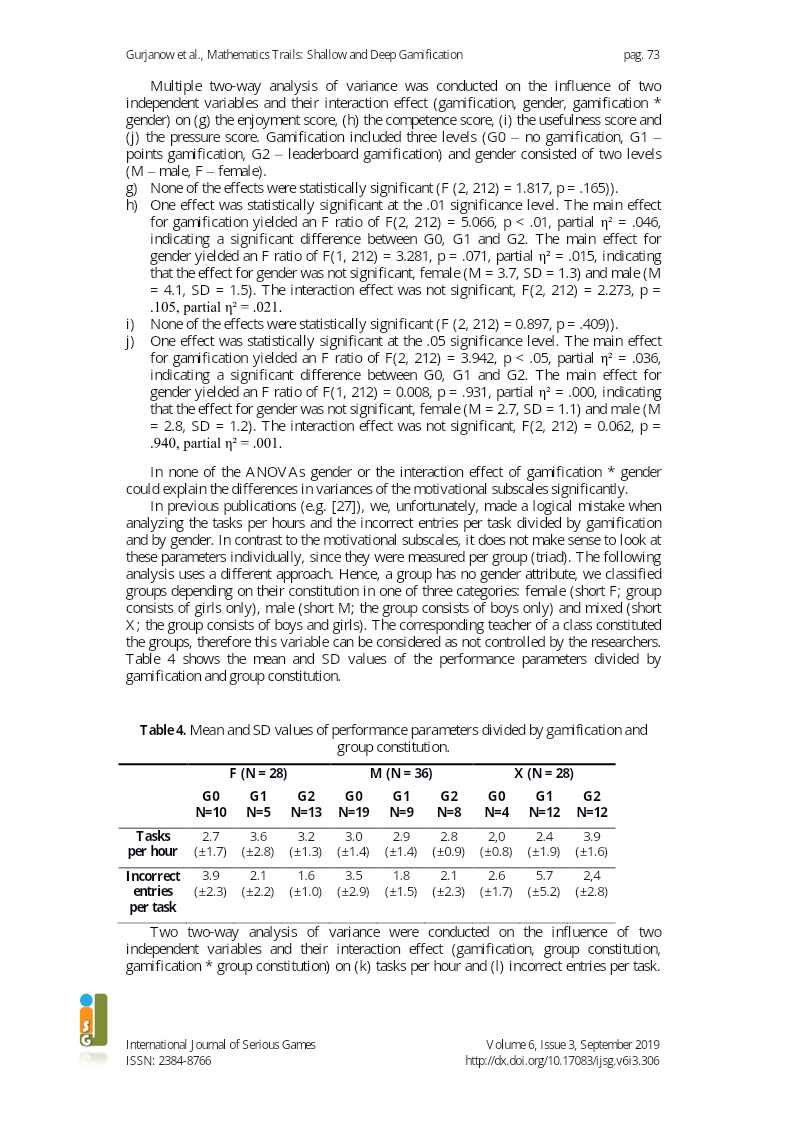
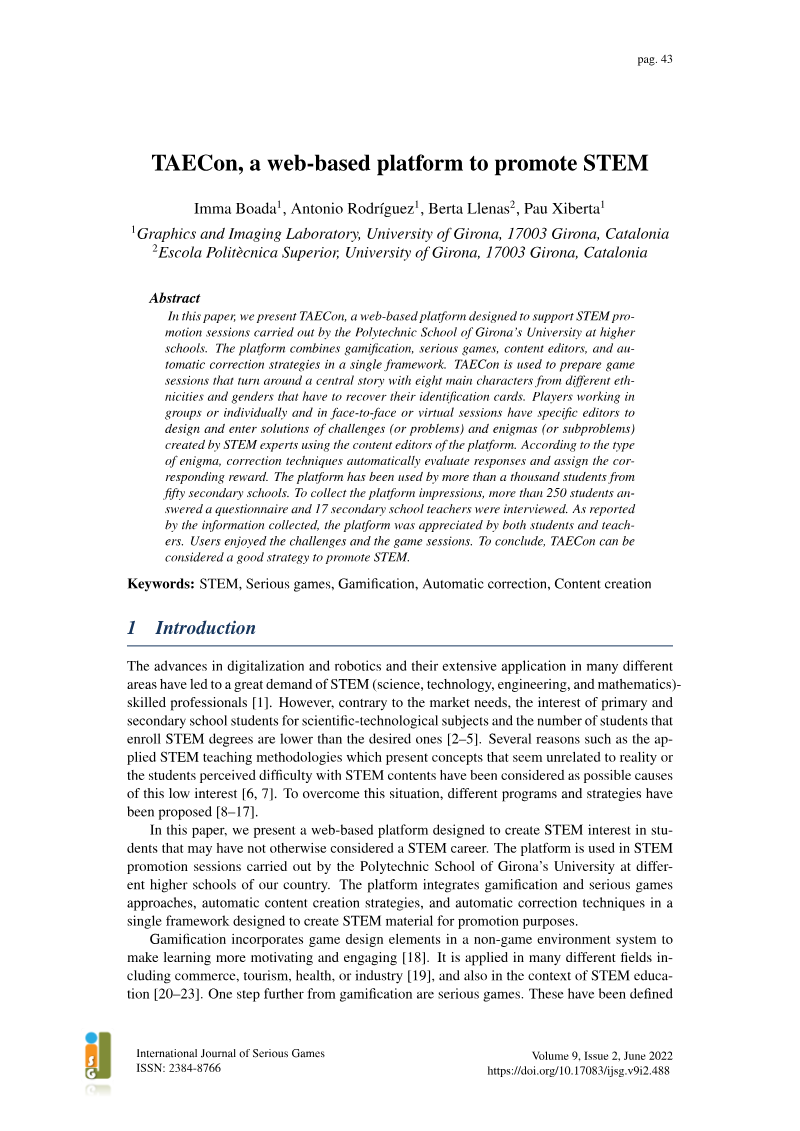
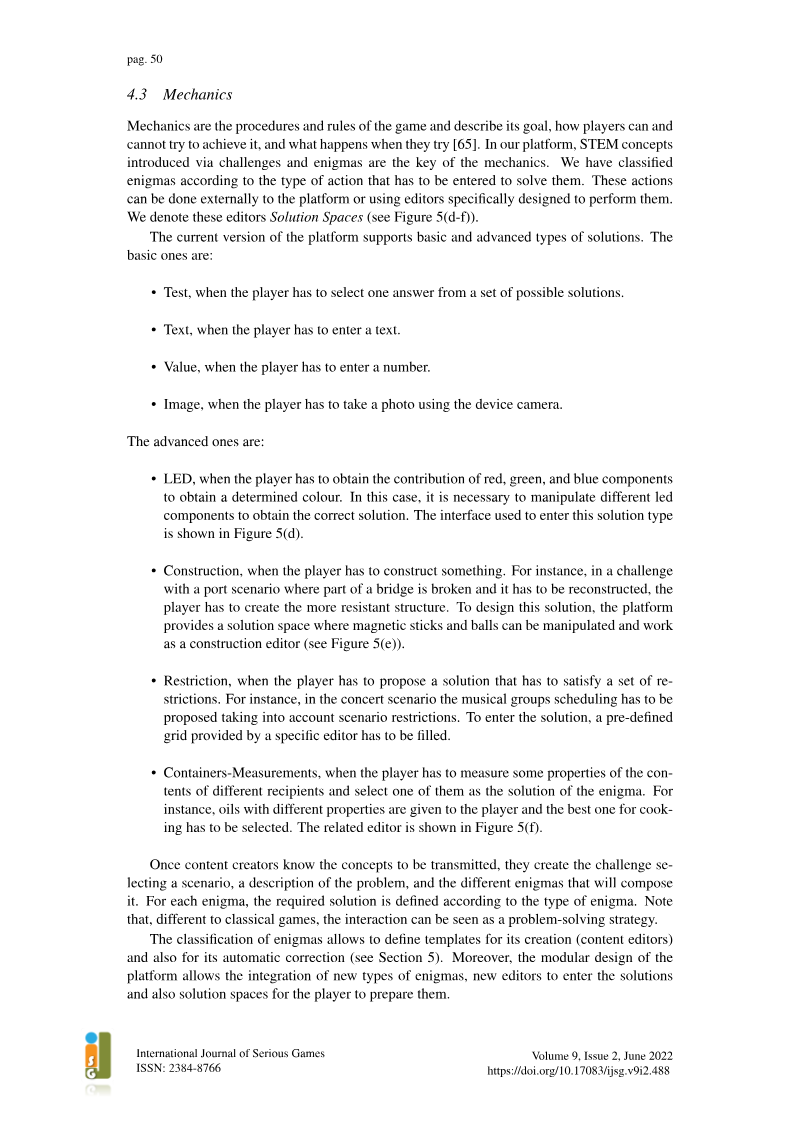
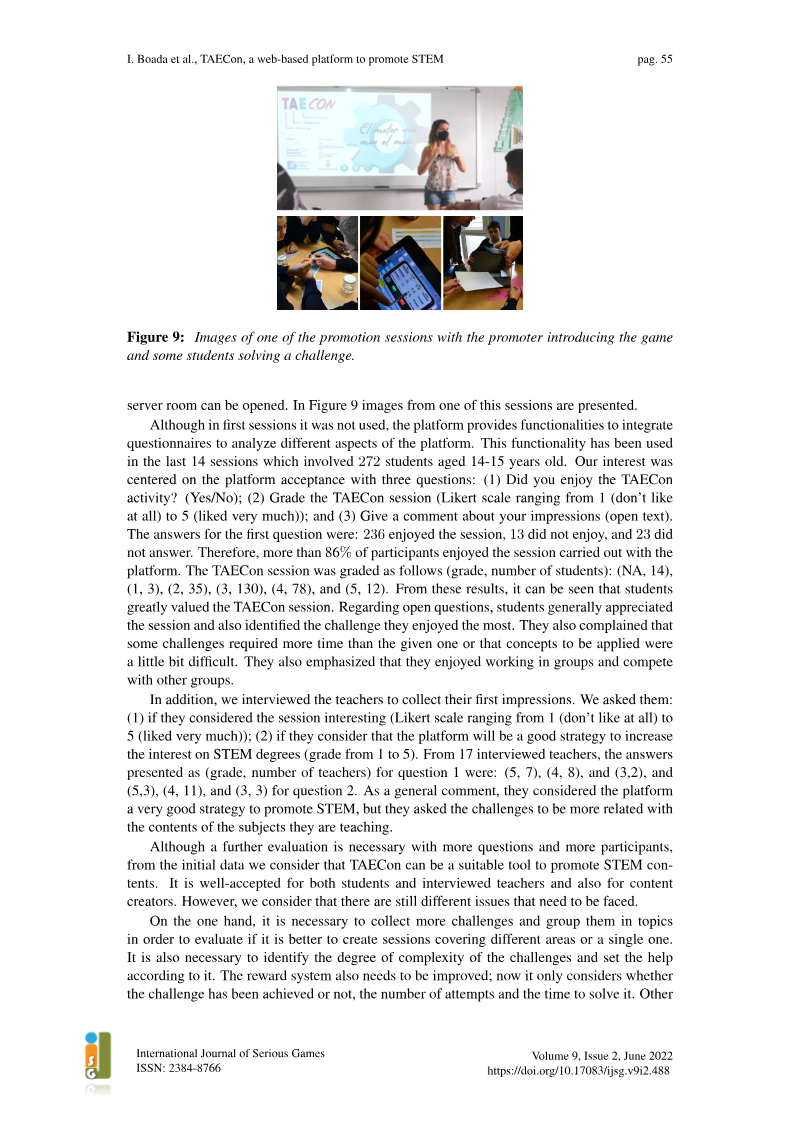
- 02Empirical testing across 50 secondary schools with over 1,000 students showed that 86% of participants reported high levels of engagement and enjoyment.See it on page 13
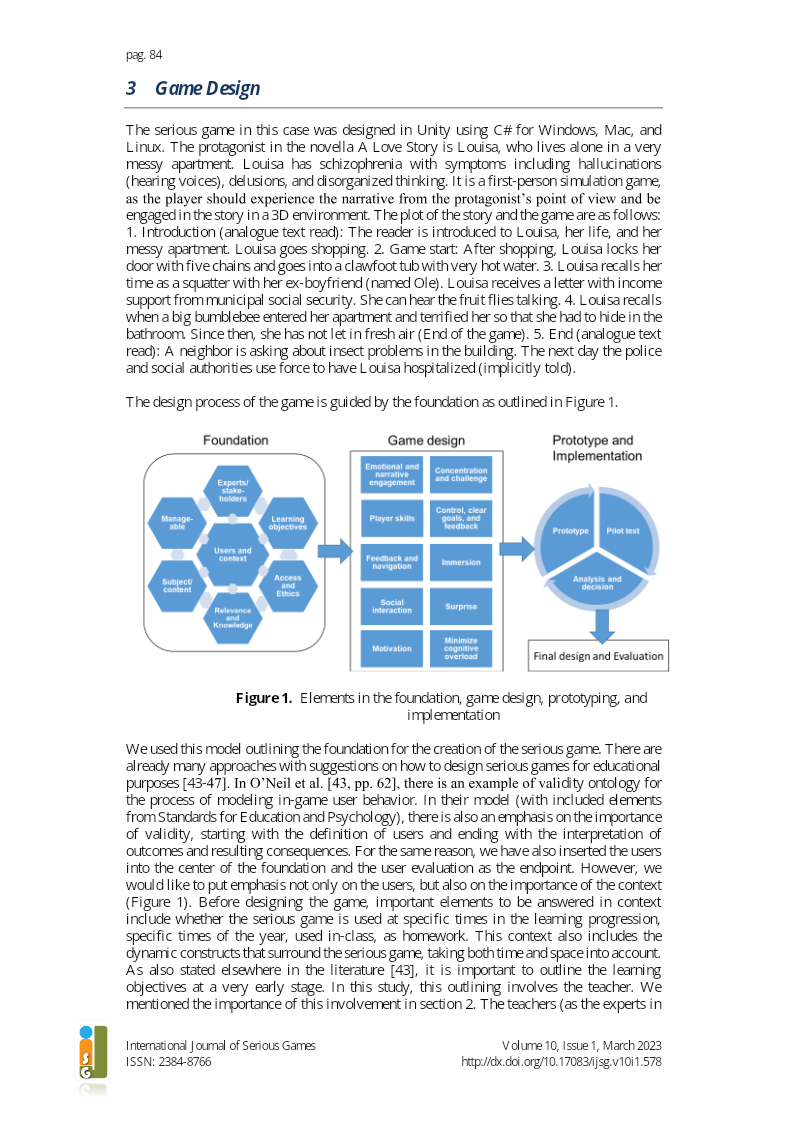
- 03The platform features modular content management and intuitive editors that allow educators to design custom tasks, define solution parameters, and set grading strategies.See it on page 8
- 04The system is designed for accessibility through a responsive, internet-reliant interface that functions across various devices.See it on page 9
- 05Future development plans focus on expanding the challenge library, refining internal reward systems, and integrating the platform directly into core secondary school curricula.See it on page 2
Ask AI about this report
Summary
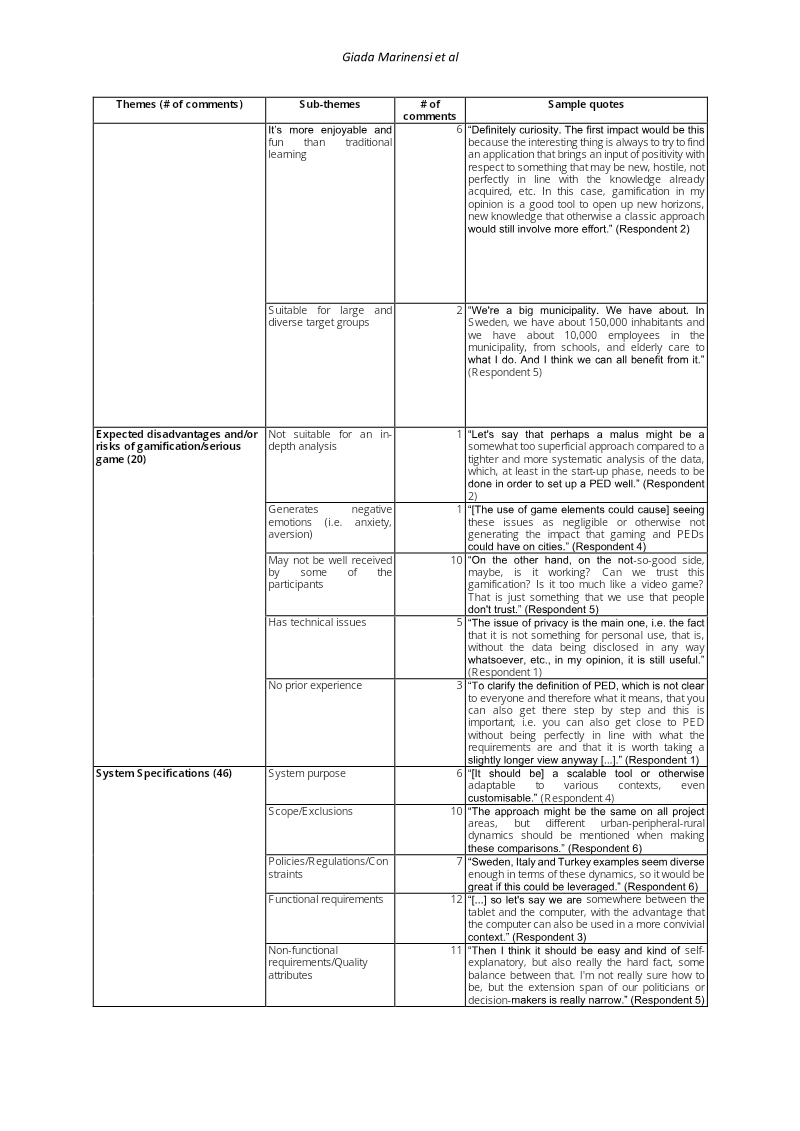
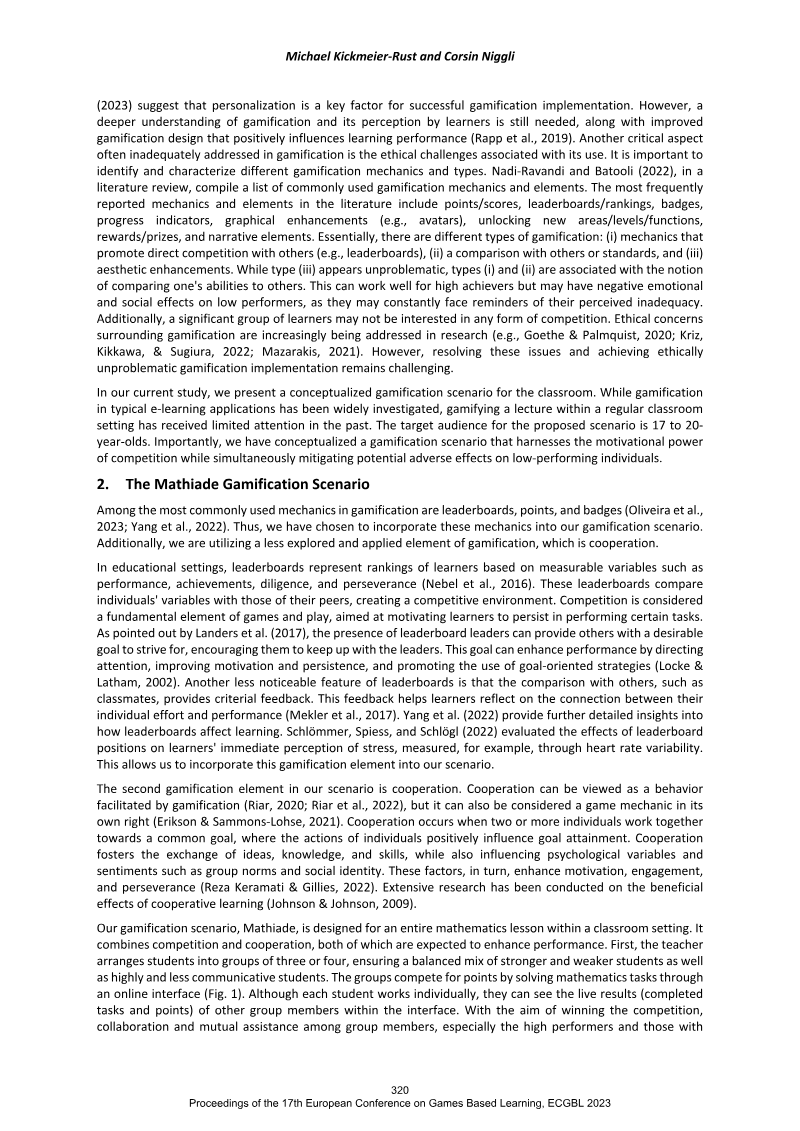
TAECon functions as a web-based serious game platform engineered to revitalize STEM education through the integration of gamification, narrative-driven problem solving, and modular content management. By tasking students with resolving complex enigmas—such as recovering stolen access cards—the platform transforms abstract academic concepts into immersive, story-based challenges. The system architecture supports this through specialized, intuitive editors that empower educators to design diverse tasks, define specific solution parameters, and implement flexible grading strategies, all while maintaining accessibility across various devices via a responsive, internet-reliant interface.
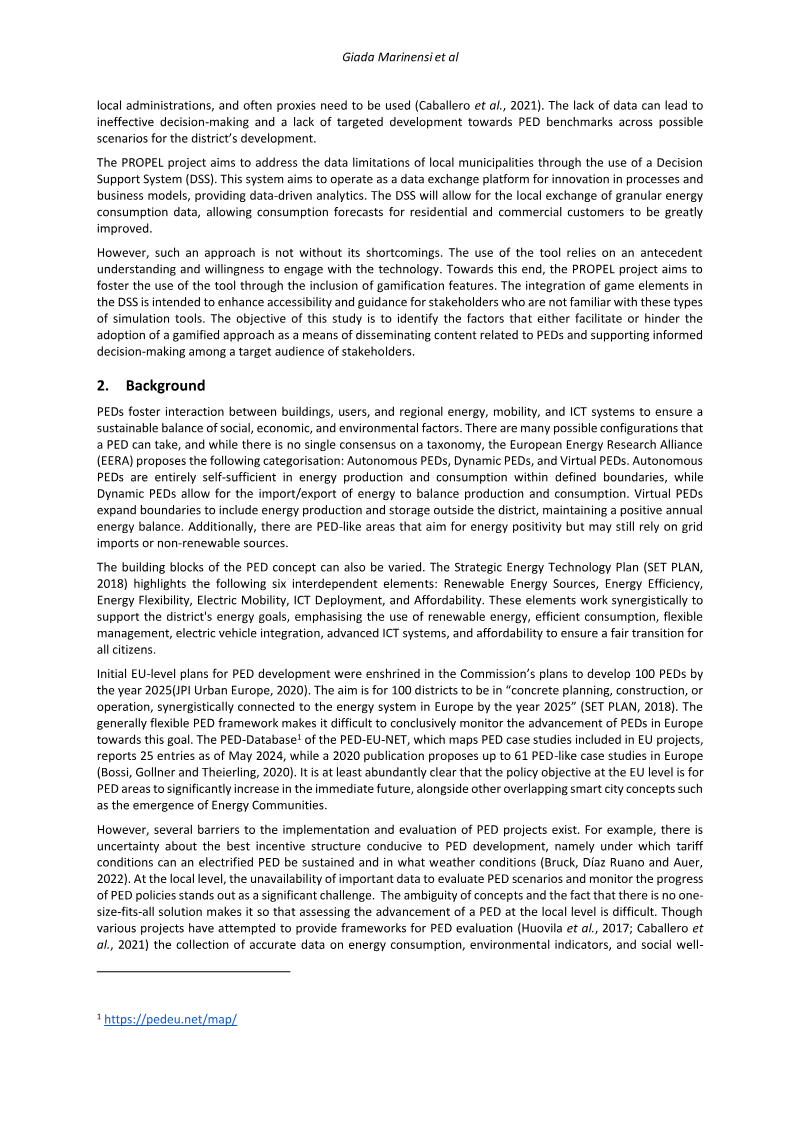
The platform’s efficacy is supported by empirical testing conducted across 50 secondary schools, involving a cohort of over 1,000 students. Quantitative and qualitative feedback highlights a strong positive reception, with more than 86% of participants reporting high levels of engagement and enjoyment. Educators have similarly validated the platform as a viable pedagogical strategy for fostering interest in STEM disciplines. These findings are further grounded in a robust academic framework, drawing upon extensive research into student engagement, professional development, and the application of gaming technologies in classroom settings.
Moving forward, the initiative aims to deepen its impact by expanding the variety of available challenges and refining its internal reward systems. By focusing on tighter integration with existing secondary school curricula, the platform seeks to transition from an auxiliary tool to a core component of STEM instruction. This developmental trajectory reflects a broader commitment to leveraging technology to bridge the gap between traditional academic requirements and the evolving needs of modern learners, ensuring that STEM education remains both accessible and compelling for a diverse student population.