Mobile reports and market data
Documents

Panel: Playing by New Rules – Game Development Under the Digital Markets Act.
The Digital Markets Act represents a pivotal shift in the mobile gaming landscape, aiming to dismantle restrictive distribution barriers and foster a more competitive ecosystem.
- The European Digital Markets Act (DMA) is expected to create a more diverse and competitive ecosystem for game developers by enabling new distribution models and revenue streams, particularly within the mobile platform space.
- Publishers like Team17 and Curve Games are increasingly adopting consultative approaches, helping developers navigate complex monetization strategies and Web Store integrations to maximize the value of their IP.
- The shift toward a more open market allows developers to experiment with cross-play and cross-progression, potentially lowering barriers to entry and enabling mobile strategies for established IP like Team17's 'Hell Let Loose'.
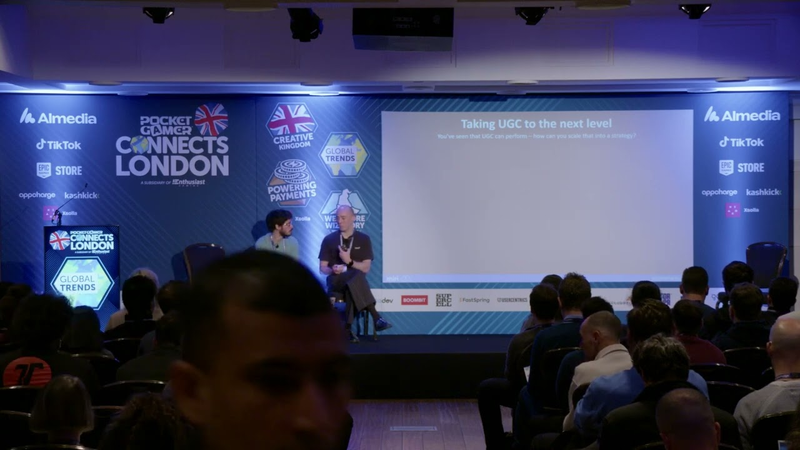
Fireside chat: How To Maximise Your Creative Win Rate - Zach van Driel & David Westerman.
Maximizing creative win rates in mobile game user acquisition requires a strategic balance between maintaining high-performing hero creatives and exploring new concepts to combat inevitable creative fatigue.
- Hero creatives typically experience performance degradation within four to eight weeks, necessitating a structured lifecycle management strategy to combat creative fatigue.
- When performance is strong, marketing teams should maintain a 40/60 ratio between exploring new creative concepts and iteratively testing existing winning assets.
- Underperforming creative sets should be addressed by pivoting toward competitor analysis or re-imagining past winners through different execution styles, such as shifting from gameplay to user-generated content (UGC).

Session: Bring Your Games to China With Unity – A Pathway for Games to Thrive in China - Junbo Zhang
The Chinese gaming market presents a unique, high-growth opportunity for international developers, despite significant regulatory and technical barriers.
- Unity China provides a localized, optimized version of the Unity engine (based on 2022 LTS) specifically designed to reduce runtime and loading times for the Chinese market, where Unity games now account for approximately 50% of WeChat Instant Game revenue.
- Unity China offers a comprehensive publishing service that handles regulatory compliance, ISBN filing, and technical integration across fragmented Android channels (e.g., Xiaomi, Oppo, Huawei) and emerging platforms like WeChat and Douyin.
- The Chinese gaming market is dominated by mobile gaming, which accounts for roughly 75% of the total market, with significant growth opportunities in the Instant Game sector and high-performance hardware like smart electric vehicles.
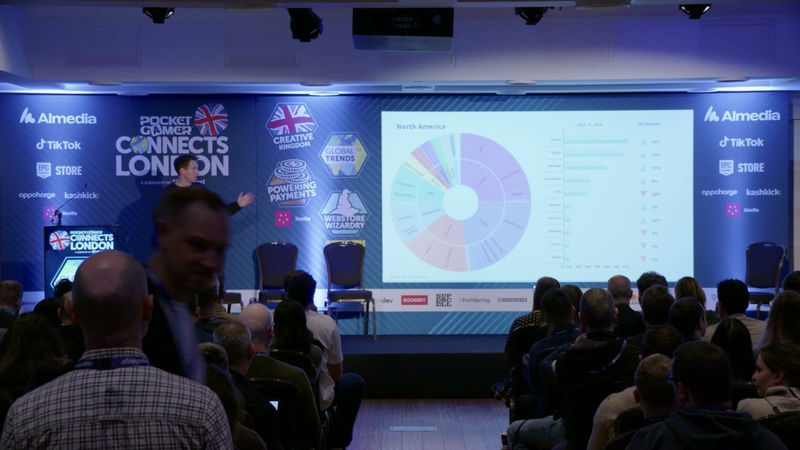
Session: 2024 & Beyond – Opportunities & Challenges in Mobile Gaming - Jack Barrett, Sensor Tower
The mobile gaming industry in 2024 navigated a complex landscape defined by a decline in total downloads alongside a resilient increase in consumer spending.
- Mobile gaming publishers are increasingly prioritizing the optimization of existing 'legacy' titles over launching new games, as new releases struggle to compete with established apps that dominate market revenue.
- Total time spent in mobile gaming saw a significant 60% increase in 2024 compared to the post-pandemic lows of 2023, indicating a stronger recovery in user engagement than non-gaming app categories.
- While overall mobile game downloads declined in 2024—partially due to a 16% drop in casual game installs—consumer spending in the casual genre remained a primary driver of market growth.
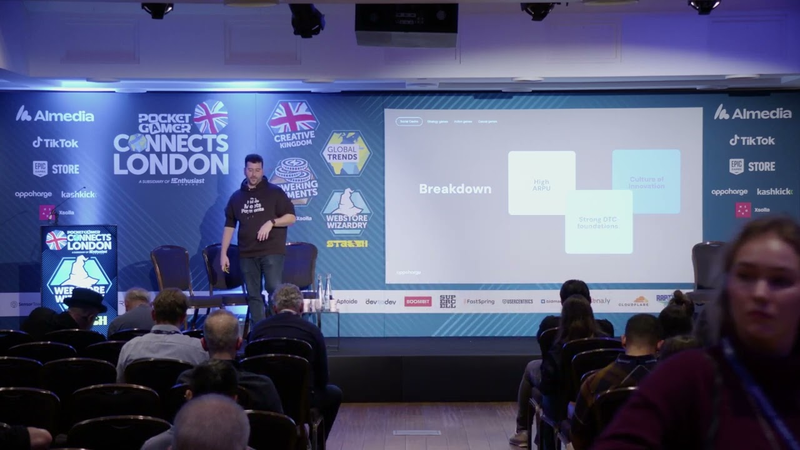
Session: Web Store Popularity & Adoption – What Does the Data Say? - Gil Tov Ly, Appcharge
The mobile gaming industry has reached a critical inflection point regarding monetization, as web stores have transitioned from an emerging trend to a standard, ubiquitous revenue channel.
- Web stores have become a standard monetization channel, with 72% of the top 20 grossing mobile games in the United States now operating a direct-to-consumer platform.
- Adoption rates are highly correlated with genre-specific player behavior: social casino games show 100% adoption, followed by strategy (80%) and action (75%) titles.
- Casual games currently exhibit the lowest adoption rate at 30%, as their reliance on impulsive, high-volume in-app purchases is harder to translate to a web-based environment.

The State of Mobile Gaming in Brazil 2025: Data, Trends, and Market Analysis
Brazil has established itself as the largest gaming market in Latin America, characterized by a robust development ecosystem and high consumer engagement.
- Brazil is the largest gaming market in Latin America with 103 million players and approximately 1,000 game studios, ranking fifth globally in total online players.
- Android dominates the mobile landscape with an 83% market share, compared to 17% for iOS.
- Brazil ranks third globally in Android ad spend, fourth in Android ad revenue, and fifth in Android in-app purchase revenue.

Turning Privacy Pop-Ups Into Real Profits with CMPs
Consent Management Platforms have transitioned from basic regulatory compliance tools into essential strategic assets for driving advertising revenue.
- Consent signals significantly increase ad revenue, with InMobi data showing eCPMs for consented users are 150% higher in the US and 200% to 300% higher in the EU compared to non-consented users.
- Implementing a Consent Management Platform (CMP) should be treated as a growth lever rather than a compliance burden, as optimized consent flows can achieve opt-in rates of up to 70%.
- Publishers should avoid defaulting to 'check all' for third-party vendors in their CMP, as listing an excessive number of vendors can overwhelm users and negatively impact opt-in rates.

LiveOps Secrets Revealed: How Top Game Developers Drive Success
Effective LiveOps strategies in mobile gaming rely on three core pillars: the ability to deploy content updates without client-side changes, sophisticated player segmentation, and a robust, data-driven analytics infrastructure.
- Successful LiveOps requires the technical capability to deploy content, events, and shop offers instantly without requiring client updates or server maintenance.
- Player segmentation is essential for personalization; developers should offer targeted discounts or rewards based on individual player history, such as rewarding lapsed spenders or celebrating specific gameplay milestones.
- LiveOps strategy involves balancing revenue-focused offers with retention-focused rewards, using multivariate testing to find the optimal ratio between game difficulty and reward value for different player segments.
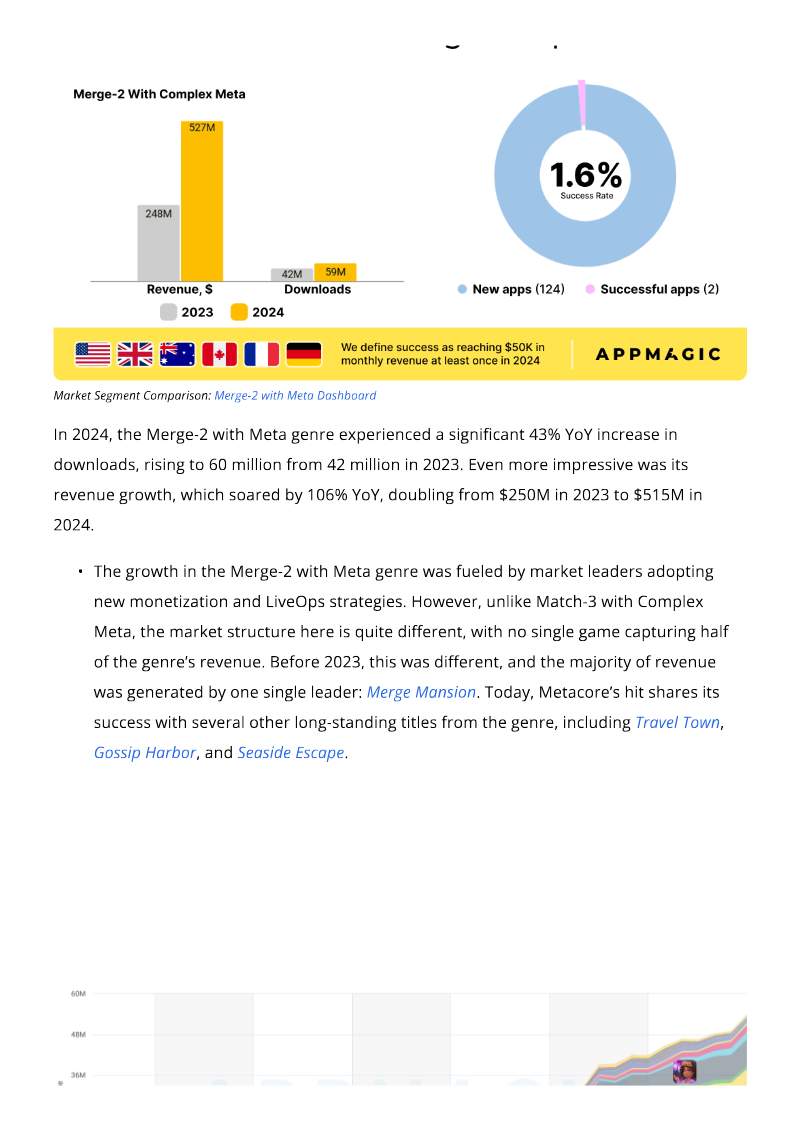
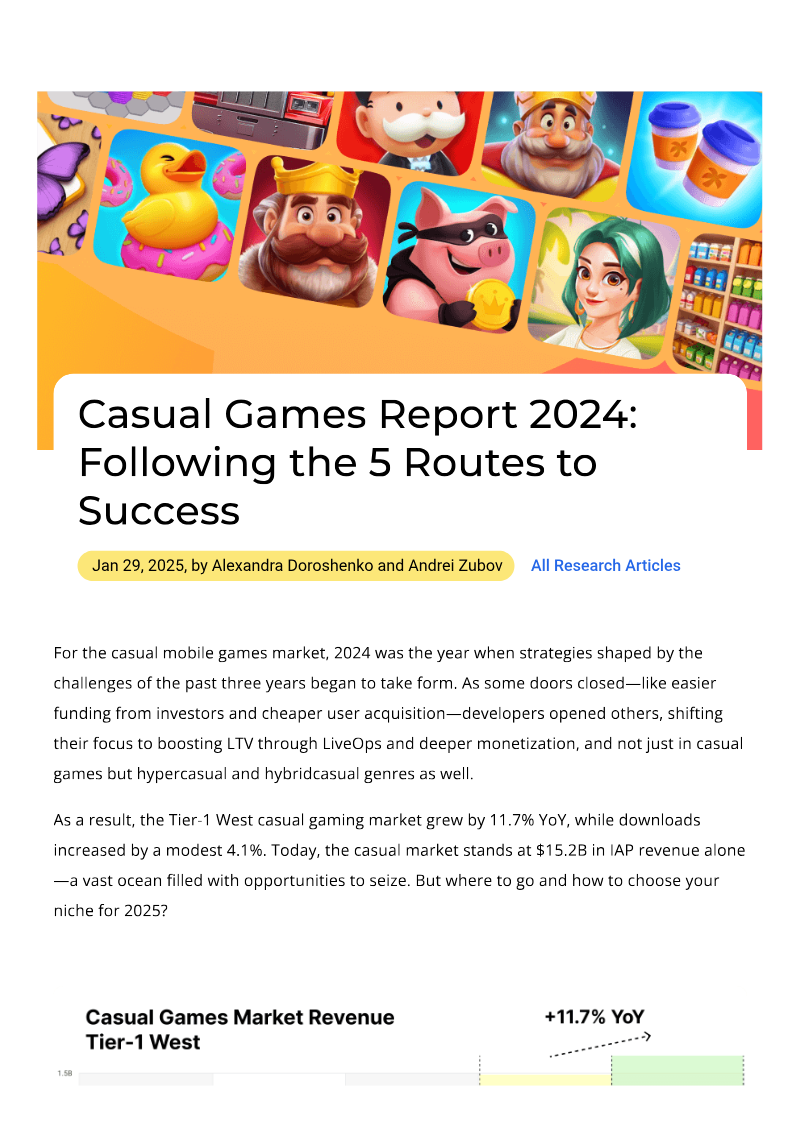
Casual Games Report 2024: Following the 5 Routes to Success
The casual mobile games market in Tier-1 Western countries experienced substantial growth in 2024, with in-app purchase (IAP) revenue increasing by 11.7% year-over-year to $15.2 billion.
- The casual mobile gaming market in Tier-1 Western nations grew revenue by 11.7% in 2024, despite rising user acquisition costs necessitating a shift toward complex meta-layers and data-driven LiveOps.
- The Merge-2 with Meta segment is the fastest-growing category, recording a 106% surge in growth as competition among top-tier titles intensifies.
- The Casual Casino sector is highly consolidated, with three dominant titles capturing approximately 80% of total revenue and high barriers to entry limiting new releases.

Money, Markets & Disruptive Trends – Xsolla’s Chris Hewish
The global mobile gaming market is entering a period of renewed expansion, with 2024 revenues projected to reach $98.7 billion.
- The global mobile gaming market is projected to reach $98.7 billion in 2024, driven by stable engagement and a strategic shift toward direct-to-consumer web shops.
- Regulatory pressure from the European Commission’s Digital Markets Act and Digital Fairness Act is actively dismantling app store gatekeeper dominance, forcing developers to adopt web shops to retain revenue and player data.
- Web shop adoption is high among consumers, with 81% of mobile gamers aware of these platforms and 77% having completed a purchase.

MMPs and Attribution: Grow Your Mobile Game Now!
Mobile Measurement Partners (MMPs) function as the foundational infrastructure for the mobile gaming industry, serving as centralized hubs that normalize data across fragmented ad networks.
- MMPs serve as the essential infrastructure for mobile gaming by normalizing fragmented data across ad networks and providing unified SDKs for cross-platform attribution and ROAS calculation.
- To counter the deprecation of the Identifier for Advertisers (IDFA), MMPs have transitioned to a privacy-first framework utilizing Apple’s SKAdNetwork, probabilistic modeling, and server-side conversion APIs.
- Modern studios use MMPs as data backends by piping raw, real-time data into internal business intelligence systems for custom lifetime value modeling and fraud detection.

Mobile App Retention: The Critical Difference Developers Miss
Mobile app retention analysis relies on two distinct cohort methodologies—absolute and relative—which significantly impact how publishers interpret user behavior and evaluate campaign performance.
- Absolute retention tracks users by calendar day, while relative retention measures activity based on a strict 24-hour window following the exact moment of installation.
- Absolute retention typically yields higher figures than relative retention because it counts any return visit on a subsequent calendar day, whereas relative retention requires a full 24-hour cycle.
- Relative retention is the preferred metric for user acquisition analysis as it eliminates time-zone-based noise to provide a more accurate signal of engagement.
Writers
Games and companies
Games