VideoPocketGamer.biz
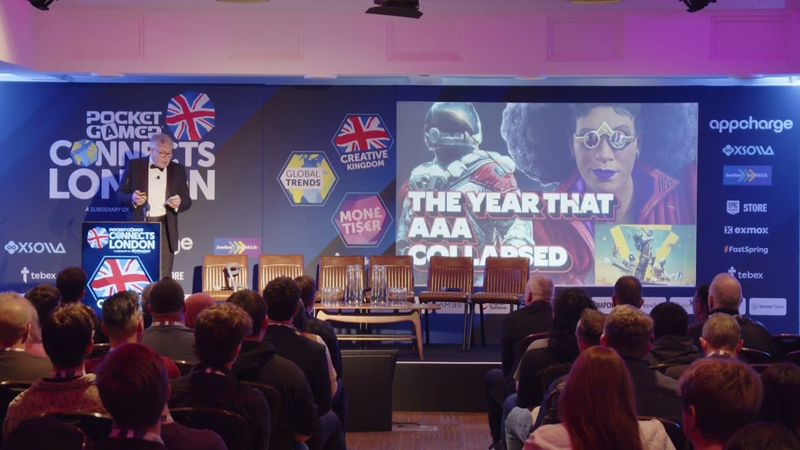
Panel: Playing by New Rules – Game Development Under the Digital Markets Act.
7 Feb 202544 min video
Transcript
[Music] so we're going to kick off now um but just before I do that remember that please use whatever social media of choice you have I have switched to Blue Sky myself however there are others apparently uh hash PG connect I would recommend you use if you use that to make sure that people know what you're saying obviously um the other side of it is um don't forget you can ask questions I will make sure that you can ask questions uh I will be around and don't worry if you're shy I will probably find a way to ask these guys questions but thankfully I don't have to do that for most of the time we're very lucky that we have a great uh H set of hosts anyway we have with us Chris uh Chris Merith from exola we've Nick Paul from Yuki
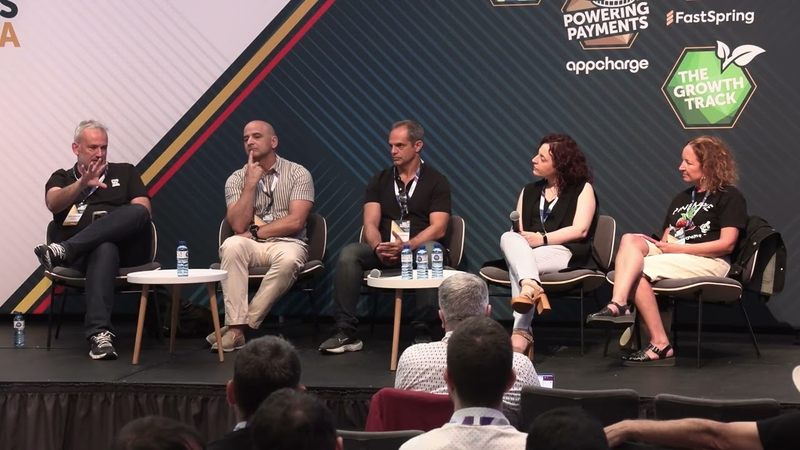
we've got Stuart densey from curve games we' got Charlotte cook from Team 17 and they're going to tell us about playing by the new rules game development under the new digital markets act guys over to you hi everybody um thanks for um making the time to join us today well that's bright um I'm really pleased to be here with such an esteemed panel um hering chairing this um fireside chat today which I think is about a really important subject that everybody's got an opinion on um it's a little bit in the future but at the the same point in time I want the discussion today to talk about how we how we Mo from where we are today towards that point in time so joining me today I've got Charlotte cook who's the commercial director at Team 17 been delivering Commercial Success at Team 17 for over two years now ambassador of women in games and a board member of the great alond Street Children's Hospital gaming advisory panel next to her we have the esteemed Nick Paul OB who's got a very impressive career with government media Tas Force
European commission culture and technology and now is leading the charge of the I like to say Revitalize Uki so thanks for joining us today Nick and then finally and by no means last we have Mr Stuart densey um a true goat of the gaming industry who having launched both MCV and also ctw with his company intent media and was also responsible for rolling out develop back in the day I won't talk to the date with that because it AG him and I don't think he want to do that um he's now leading the charge with curve doing a great job there as chairman and CEO and in his spare time I hear is a he's an avid fan of stavish football club so um today we're going to discuss the new challenges and opportunities for developers in the face of the European Marketing Act and we'll talk more beyond that as well um particularly as that comes into force on a timeline that is yet to be really defined last year really posed a
significant challenge for the video games industry but nevertheless Mobile gaming Still Remains um a beacon of accessibility and Innovation uh exola did their own stateof playay report this year and the numbers are increasing massively we're looking to have a market by 27 that is close to 120 billion and from last year's projections that was now down around 98 so we are increasing massively towards that so with millions of players world wide and the market continues to grow massively what's the future mobile games is what's the promise behind that what are we going to do in regards to making sure that we can all be part of that and also realize those opportunities so in consideration of that those questions and also the dma um our session today will really focus on two critical Parts monetization challenges and opportunities and then opportunities for growth and also for innovation so I've got questions around
that we'll expand that with the knowledge and the experience the guys's got here and then we'll take that further further a field hopefully at the end of this conversation or the end of the channel we'll be able to have a Q&A where we can open up to the floor as well so as you all know the dmaa um is set to reshape how digital platforms fundamentally operate when where none of us know right now but it will have an impact on the gaming industry that cannot be overstated monetization strategies in Mobile gaming are trans are the transforming light of the dma again I want to dig into that a little bit more in regards to having a very split dma we've got a UK Centric one European Centric one we got to figure out what that actually means but it's clear that the mobile industry the mobile gaming industry is very much a center point of what the future aspirations for the dma looks to achieve so in light of alternative Payment Solutions um and to reduce a
Reliance on platform commission commissions significantly how a developers m is going to generate Revenue going forward into this new world and in light of the D the questions I would really want to get into and this is what I'm going to ask as panel with how might introducing alternative app stores and payment options impact in play purchase models and revenue streams that's the first part and also what do they think the competition in Mobile ecosystems will lead to new consumer friendly pricing models what Innovations do you think that will actually open up to so let's having those put those out there let's start with ladies first Charlotte what are what are your views around dma ly to those questions what are your thoughts I think um obviously it's a it's always a positive when um you're looking at sort of revenue streams and there's possibilities for new ones to open up um I think you know uh where I work we we're not very mobile heavy Focus we're more PC console and I think
what this definitely opens up is an opportunity to look at alignment of distribution models revenue streams that we are used to dealing with in that area of the business and sort of being able to replicate them and maybe bring more IP or more games actually over to the mobile platform because there's now an opportunity to kind of look at having similar business models yeah um I think split strategy is always hard and probably challenging for smaller businesses um so I think the way the dma rolls out obviously with the UK the EU and how then you would have to apply it globally um could present challenges but I think fundamentally it's opening up a door um that is untapped at the minute and as going allow for sort of experimentation um which will benefit not only Publishers developers but consumers because there'll be more um competitive pricing models and product life cycle management um opportunities that currently maybe don't exist within the mobile space that makes sense I think that leads on with you st really in terms of curve their balance between their different platforms do you see
this change that dma is going to bring about as opening up opportunities that you can now have to be more mobile Savvy or have to be more involved um I I think it's more an evolution generally across all the platforms across all the sectors where developers particularly and Publishers are looking for the opportunity to keep more of their money and the opportunity to have more channels to reach consumers if if we look at where where we were as Co curve curve started Life as a developer we were a developer we were a work for higher developer and we found it increasingly difficult to get the work from Publishers so we started publishing our own games and then we started publishing third party games at that point we had first mover Advantage because we started using the digital retail stores when the bigger companies weren't because they were having to look after the relationships with the High Street retail and discounting and pricing and we had this immediate
ability to promote for discounting so at that point curve and and and Team 17 actually and devolver we all had first mover Advantage yeah okay um we don't anymore um because retail High Street retail has effectively disappeared and everybody is on Steam so there was remember there were companies that refused to go on Steam like Ubisoft and Sony Microsoft everybody is on Steam and also people are comfortable downloading games on console I think where we are now is the beginning of what will become the norm but it you can't quite see it so one of my my favorite Expressions is it takes years to be an overnight success so right now it doesn't feel like it's going to change the market but the options are there and also with companies like exola and their competitors the um the helping hand is there for developers to find a new way of getting to Market Market retaining
more revenue and having first mover Advantage I think that's where we are right now yeah and and so with those better choices to make easier options about making money and make more value from what you've got I guess that transition into more Choice has got to be a good thing right somewh down always always sorry Nick what's your thoughts on this from a from a independent yeah I I mean I think a more diverse and Level Playing Field for developers is a good thing per say so I think it's important not to think we have to wait for the legislation the regulation to come along and and there are significant points of Divergence between the European dma and how that's being interpreted into the digital markets competition and and consumers act here in in the UK so it is going to take some time before we understand what those regulatory differences look like and how we we lean into them but that said a more plural ecosystem for developers to find a player and to find ways of making money we can get busy doing that anyway and so I think the important is to build that new knowledge build that capability be adventurous be
open to new models and then when that enabling legislation comes along say okay how does that change in the ecosystem enable us to to do those things we're already heading towards right I think for me though there there is this point about um you know in Europe Gatekeepers in the UK companies with strategic Market uh significance um also fulfill a useful role in the ecosystem and so I think one of the things we can be doing is thinking okay well consumers trust them there is a solution to Discovery within those Gatekeepers so how do we get busy building those bits of the infrastructure now so that when we shake things up or if if the legislation shakes things up we have solutions to those problems yeah no I I I think that's a really interesting point because we can't just wait for the dma to come in and have an effect and the learning curve that's going to bring to bear because it could be one one week one month one year and it's probably more to the latter so in the meantime life goes on and in the meantime there is more payment solution choices in the market the Market's getting more tested Market still increasing so it's
incumbent on the players therefore to be more aggressive to be like what is the solution I'm going to work to today knowing this is coming down the line so like what are you doing at curves to and knowing that between the point of where the dma it hits and where you are today how's that Gap working for you guys well we're the publisher so what what we do starts with what the developer wants to do um and they can be of all different shapes and sizes and desires so our biggest game for example human for flat the developer of that game simply does not believe in monetization in game so um we've sold over 50 million units of this game uh including 5 million on mobile and he will flatly refuses any attempt particularly in China to monetize and gain content so whatever is that's because he's made so much money anyway no Hees he doesn't believe in it he he's fundamentally against it okay so everything we've done has been free updates and you know what it's worked
isn't it because we've sold over 50 million units so I think it depends on the developer and we will listen to them I think the difference for us as a as a business now and probably the same with others us um they're all bigger than us but similar to us um is that we're probably looking at smaller budget games we're probably looking at how we um take games onto these other platforms and then those mechanics transactions small small trans actions suddenly become really important so if consumers are restricted in how many credit cards can be used or whatever that's not going to help the growth of that so we're interested in the skills of the developer and what the developer wants right rather than us having some big curve this is the way we do it yeah I guess that brings an interesting point really between the the needs to make sure your Roi is going to be achiev with any kind of you know the development that you're looking to do or partnership with a with a developer but at the same point in time marrying their their wants
and their expectations between what the goto Market strategy should be so it's going to bring a closer Alliance on the knowledge of the market into play with you guys want I thought to be able to get that balance correct and is that the same transition that Team 17 you think will be facing CH yeah similar I mean we the same we have to you know we're largely third party um publishing so we work with the developers to consider their their wants and needs um I think as we all have said it's still quite a nent topic so it's kind of how do we start exploring this I think um something that I think could be very interesting is sort of the crossplay Cross progression opportunities that that this could un unearth um we have an IP called hell let loose it's Team 17 first party IP this that's one we own um and you know potentially if we were trying to look at entering markets where maybe there's a a lower barrier to entry in terms of price right um a mobile strategy could be beneficial there um so I think there's it definitely opens up possibilities and new thinking and maybe
new challenges um and I think also we can look at some of our successful IP and think you know would would this now work in Mobile in a way that maybe a few years ago we would never have considered um doing so sure it's exciting I think to to have those options um but still very early days and we need to it needs to be right for the player as well you know you don't want to just create sort of monetization for the sake of monetization no not at all but I a lot of people I'm speaking to are seeing an acceleration in the marketplace where be it considerations towards AI or getting a quicker route to Market or getting a quicker return on what the investment's been so time is going to get more squeezed one would think in regards to what's going to be going on over this period of time um and so from a UK point of view Nick how are you positioning the capabilities to support this infrastructure with this the speed of change New Opportunities way more consideration towards this some of the parts to get to one thing it's a it's a lot right it is
it is and I think there's two levels to that there's a strategic policy level intervention that say let's understand what the regulations are saying what they're allowing what they're disallowing I I think there is a real risk that you break up a duopoly and you create a new generation of lots of Wal Garden so if we want that vision of you know crossplay cross progression how are we actually going to power that kind of interoperability between these uh platforms I think is going to be absolutely key so that there's those big set pieces there's also just helping businesses to understand you know as Stuart says you're going to be able to have the freedom to carve out the right business model for the right game for the player that creates enormous opportunities to make games more accessible and affordable which is brilliant it also has the risk of potentially confusing the hell out of the consumer Y and so we need to find ways of educating ourselves as an industry about how do we help the players navigate what could become a really quite plural environment yeah no no absolutely and I mean I it was amazes me when I when I talk to developers that that that understanding that intensely creative very that great innovation in
terms of the development side but that journey through monetization that journey into what go to market is almost a second consideration to like we you're just going to focus on the game and now and it' be interesting to get your perspective you can't do one you'll have to do all three and it's back to what Stu was saying it's about that consideration of what the needs are of the developer but at the same time you've got to take them on the journey you know and they've got to be relevant to well this is what a moneti information market for us in this context with this game looks like so is is that something that curve already doed you or is that a new in this particular space um we've started working with exola so we've we've we're starting to understand how Web Store works but we we see it as a work in progress um but with regards to developers and you're absolutely right the developer will will often be thinking solely about the game a publisher only value when a publisher
is doing the things that a developer doesn't want to do right okay so or adding something that a developer can't do so there is lots of reasons why a developer should self-publish and those reasons increase um and every time something like this emerges uh if a developer wants to look into it and do it themselves they could be very very successful but similarly a publisher has to then raise its game yeah and if we can learn those skills so that we have a a template or a system that works for um we know how this works in the same way as we know how BD and and gaining revenue from your content all over the world with lots of different partners Works rather than you having to hire somebody to do it or and that goes right back to the early days of Indie which was when Publishers emerged it was things like we'll handle submissions for you right you know and um we'll handle classification for you there's off the shelf solutions for a lot of those now
and there's independent agencies that you can use so you you can put those pieces together right um so I think for a publisher to learn how to say we've got this yeah is really important but it's work in progress we don't currently have those skills um which is why I I go back to the um the tools and and the initiatives that your company's doing and I'm sure your competitors are doing as well um maybe is um and if they're not they're DED um I think that is that's the point we're at because we are trying to learn but there's no reason why a studio shouldn't learn it at the same time as a publisher so that that studio can feel that they have the power when it comes to deciding how they go to market I couldn't agree more in that respect you I think that that that learning that is continuous and that learning of speed of execution which is now very relevant is something it's not a maybe it's a has to be it's
just how do you do it and it's it's not only be spoke in each um in each company but it's also going to be spoke with every relationship that company has with a developer is I guess that's the same for Team 17 as well Char right yeah I think you know the Market's tough you need to H you need to to have as much in your many Tools in Your Arsenal as possible to know how you can bring games to Market in different ways so it's imperative if you want to be competitive um and your games succeed in the best way possible that you know all the options available for those games but I think I know know Team 17 would especially on the commercial side we have a very consultative approach with our developers so we will talk them through we'll recommend best practice um you know sometimes they come to the table with suggestions that might be new to us and then you kind of collaborate on them um but I think it's always about sort of having a full Suite of like a menu of options and obviously partnering with um you know service providers such as yourself helps us be more Nimble agile and kind of we can make things happen quicker which is also essential in this market it's all good right I I think from a an interesting point then from from your
point of view n so that that's showing that there are going to be more parts that you have to interact with to get to the one solution um we're bringing on new partners to work with our existing Solutions we've just taken a relationship with upfire to sort of just broaden uh and back to what Stu said broaden the ability to deliver because it's all about delivery so from a Yuki point of view that's I guess you've got to put your arms around a much a a much bigger area and have much bigger uh Suite of um suppliers that are going to be making the difference towards that single Center Point and it's super exciting right this is a much broader ecosystem it was even going back to 10 15 years ago and I think those old boundaries between publisher developer you know who sits wearing the ecosystem codev work for higher those are bluring increasingly more people are working in different modes increasingly supported by a range of you know off the-shelf TurnKey solutions kind of things that people can pick up I think you know ostensibly we've heard he heard a lot today about how you know when there is
growth it's going to be centered on a very small number of games you know so actually players more Play Time fewer games and and not don't disrespect to those games I me that's fantastic but we want to really see a really successful ecosystem for the longer players we want there to be points of access and in order to make that success pathway accessible you've got to reduce the cost of production you've got to reduce the cost of go to market which means picking solutions that work that scale that you can kind of work with but it it's that cre vision from from the developer one of the things we hope is that if you do have a more uh disrupted ecosystem more of the money goes into development more creative freedom more risks more great games and and so we need that kind of virtuous cycle to keep going yeah it's continuous right yeah so that that sort of brings us on nicely to the next era discussion and that's for opportunities for growth and Innovation um and my my big hope for the D is it just Foster openness and a transparency and the leveling of the playing field to your
point before Nick um and hopefully the DM will empower the the smaller Studios encourage them with alternative distribution models um and also spur cross platform um Innovation as well but I really want to know from from the panelists what do you think about the the future of the industry considering the this openness do you think it will Foster greater Mark cross Market platform and you think it would enable more um seamless game experiences do you think that will whatever whenever it happens will be a consequence let's start with you to I imagine it will but it you know it all starts with the budget doesn't it so um things can be achieved but whether all Studios of different sizes can achieve them yeah is you know is is going to be a case in point and it may well be that the um the driver of this actually is a is a big game and a big company that really tries to break out we've seen companies try to do that in the past and fail it may be that they've
got more chance to succeed in this time right um from our perspective and we can all of us in the room we tend to look at it from our own perspective so I apologize for that for us given what the Market's been through for us I think the exciting thing is that feels like Indie is going to become Indie again um and curve lost its way let alone anybody else so this idea of you know everything had to start $2 million two2 to5 million triple triple I you know um really a lot of us ended up publishing bloated average games which were a little bit more expensive and not as good as as the as the Triple A's which in the old days used to be called b games which just fil filled up retail and nobody really bought um and I know that CU I used to get them all to advertise with me but um but Indie gaming if if everybody is now looking more uh closely at budget
and smaller games and the the where that game can go so um Unity were on weren't they earlier saying that the the we chat games Market is already worth5 billion yeah um I think that's the really exciting thing for us and whilst it's obviously terribly uh sad for the industry that there have been so many redundancies what's also going to happen is lots of talented people are going to get together and form a different type of student smaller Studios different types of objectives um and companies like us we're going to we we started signing different types of games smaller games more flexible games that might take a while to succeed and also we need to be able to be in a position to S to survive failure we we want shots at goal we want to try things out and survive failure that period that we've just been through yeah where everything start I'm going to say everything started at million and went up to $10 million the reason why
it's all fallen over is because the the price of failure was so High um lots of people you know the word scaling hiring loads of people iping getting sold making money men even more money I think we've moved on a little bit from that and I think there's going to be a different type of investor as well there going to be more Tech survey it's going to understand a developer understand the different nuances of a of a mobile company or a free-to-play company or a web browser based company so I think there's loads of opportunities but but with all of that need to churn in regards to more making more product to get through the systems and more platforms to do it h how are you going to balance that between web 3 and WeChat and all the new platform are you going to be able to sort of like one solution will fit all those and make it no we absolutely won't we we'll specialize I mean we we've generally not done mobile we've licensed out on mobile we just did a a crunchy roll deal um last week but
that was evidence of us taking a long-term view of the the development partners that we' signed with one of those games uh 10c Ninja I think we signed maybe seven seven years ago right and we're still trying to find places to put that content to support that developer um but we we will stick to what we know until our organization uh changes and those extra skills are brought in but to build them from the ground up is is going to be driven by you know managing things like overhead yeah and skills so um I think there'll be areas where companies that we've never heard of are going to be very very very well known in the space of 18 months two years yeah and it it's it's that innovation of new skill sets as well where's that skill going to come one come from and that s fit into the current skill sets will they fit into the current skill sets I don't know I mean that must bring an interesting challenge for Yuki in respect of going through the all of the platform
Innovations over the last 10 years but now of a sudden tomorrow it's going to be WEA and it's going to be Discord and it's going to be on and on and on um and it's it's completely Undiscovered Country for most people you and yes a lot of people a small amount of people are making a lot of money from that so in regards to providing guidance and making sure that that you're having what's happening in the UK and into Europe which I know you're operating in now as well um how how are Yuki going to make sure they add value to that kind of challenge yeah I mean I think as you say it's it's really early doors here so we're looking at how this is is going to evolve I think there's a a utopian Vision there's the kind of Greater Freedom more money comes through there's a slightly dystopian one that is looking at instead of a geoly 150 different platforms 150 different marketing strategies 150 different payment gateways and trying to navigate all of that so I think as that picture evolves there are two things I think we need to do socialize knowledge is kind of share
Network bring people together and say okay what are you doing what are we doing how's it working I think then we do need guidelines and standards industrywide because one of the things that you know that there is a risk that if you break things open um you know consumers suddenly faced with a vast ocean of choice and they don't know how to navigate it and I think what we'll see is that probably will coales back into some industry Norms but the critical thing is those are industry-led rather than applied to the industry from the outside so if we can come together to raise our skills bace and also look at how we coales long-term solutions that are going to keep because the player is King if we're going to keep consumers on board and not confuse them we have to start to evolve those norms for ourselves yeah and that makes a lot of sense I think also the an opportunity I know you and I have touched on this before the skills that I know I'm currently not within gaming but the skills that are I'm a WeChat platform expert I'm a this platform expert There's an opportunity for them to sort of morph over and add value and then really more Mor into the into this
environment to be able to provide those two value points um so that that'll be part of your REM as well to make sure that new talent that is not specifically gaming Talent will actually add value to the greater good completely and if I made just on that as well it's I mean I said this morning in in the keynote that uh the thing is to focus all of your energy not on fighting the old but building the new yeah I think there is you know how precious are we going to be about where we are now and how willing are we going to be to lean into new Solutions because everybody's going on journey of of learning and everybody's got a view on you know the trust the reliability how these platforms are going to pan out I think we really have to set our minds to being front foot future facing ready to scale these Solutions and try things out because otherwise there is a risk that lots of territories are moving super fast yes on this and we need to be keeping up in that race no quite right and and and in team 17's instance um Charlotte the that transition to now multiple choices coming out of what you're already doing do better with what you've already got but do better with a new innovation and also make sure the skill sets transfer
from one to another which obviously they do and don't at the same time it's a lot it's a lot to sort of bring even with a publisher of your stature and size to be able to bring all of that together and say okay here's a new partner ver here's our proposition that does all of those things for you it has to be a step process what would have thought yeah it's a challenge and I think you you have to be willing to fail as well you as much as you want it to be successful um I think you have to be willing to go into things and try things and know that it might not work but learn from it and as you say then how do you apply that going forward um I think with this in particular I think lowering the barriers to entry is is good but I think what you you just need to tread the path carefully because um there was a time a few years ago when uh everybody was trying to launch their own launchers for games and um as you were saying ni like wall Gardens appeared with you could only get certain types of keys with certain types of launchers um and did become incredibly challenging and it you
know and then people sort of very much pivoted I was working for a Distribution Company at the time and we had to look at our strategy about how did we how did we manage that and then it kind of went away and if we'd have lent into that too much we could have wasted time sort of you know going down a rabbit hole that actually wasn't going to be that significant to our Revenue generation moving forward um so I think yeah it's finding the right balance within your organization um you know having that strategic opportunity I think as an industry we tend to wait for a big player to move first or somebody to move first um I think in this Cas epic have obviously done that so we kind of have best practice being shown with fortnite across the industry um and how do you learn from what they're doing their mistakes um you know and I think that's something that quite often especially in the Indie space we have the luxury of kind of being able to to have that and um looking at bigger companies and how they apply it so that's how I would probably structure it moving forward lot of challenges right a lot of challenges to bring all that together um so so so as we sort of end towards wrapping up I'd like to reflect on the sort of
actionable strategies for for developers and Publishers in light of the conversations we've had um and and and really ask how can developers ensure their games are discoverable because we are now emerging from the monetization into what the go to market is and how can they be competitive on the alternative whatever they might well be app stores is and I know it's a question in the front of your stew but towards that kind of answer what would you talking about well I think any developer that has a profile has an advantage uh any developer that is willing to to share their road to completion of the project to discuss that to to um to to build a community saying we're thinking of doing this what do you think all of those kind of things gives you an advantage y um we um you know we're a publisher we our job is to build a community but we also expect the developer to have already done some something to to to drisk our our our
decision to sign it so um if if a studio can a developer individual or Studio can do that then they're keeping the power when it comes to whether they choose to bring a publisher in or self-publish um the other thing I would say is don't let other people um tell you don't do this don't do that you you decide what works for you um but make sure that it makes Financial sense don't don't go off there you know don't don't be a Pioneer and get the arrows in your back don't don't do that in the current environment yes um we when we were growing curve we did things that other Publishers wouldn't do so for example we signed with Charlotte's um steam key aggregation company gber when most of the big companies wouldn't do it because they were protect they thought they were protecting price and all this that and the other and it was massively important to us as a small company similarly we signed with Game Pass we were one of the
first four or five Publishers to sign a Game Pass when um it was like you know $330,000 a game and it had to be 18 months old and it had to have a have over 80% metacritique was completely different criteria right but all the big companies said oh no that's not going to work and then you learn your business from trying these things but ultimately why did we do those two things we did those two things because it made us more commercially viable and that's the most important thing you're paying the rent so that you can make more mistakes you know people say oh you got to be ready to fail well I completely disagree with that you've got to be able to afford to fail yes yeah and and that's a very valid point to be honest you I think the the challenges around that in terms of the learnings particularly we are continually learning in the marketplace and that there sort of gap between what I see in the market right now with developers in regards to how does they take those learnings I mean rule number
one whether you agree or not in terms of the community build your community as soon as you get wherever you start start building that Community because that gives you leverage right that gives you that gives you a definable revenue sort of balance in regards to when to talk to Publishers and what you can actually do but those learnings that you've experienced Charlotte with Team 17 what would you say would um what would you give back to the audience today what were the best learnings you've had across across your time it's kind of echoing it but Community is I mean we discoverability is the biggest challenge right now um I can't remember the final stat but you you know every year there's more and more games released on Steam and the play time of those is actually with only sort of like the top 10 and it's it's massively imbalanced um yeah and you can go again you can spend a lot of money on go to market or marketing campaigns that potentially don't afford you you anything I think Stuart touch earlier as well like when you're signing a publishing deal it's not a flashbang you know you're signing for a term that's quite considerable so you need to build over time um product life cycle
management you might not have a day one hit but you can build revenue over two 3 four 5 years um and then it kind of becomes more profitable actually later in its life cycle than it was initially um so but again not that it helps but every game has a different path at Team 17 we've got I think over a thousand digital Revenue lines we have a huge portfolio um so we and we have to apply different strategies to each and I think when you have Community layer on top of that even more so because different communities you can't necessarily rely on no you know applying the same strategies um but my my one piece of advice I think would would be build build your community protect your community nurture your community and think longer term than shorter term you know your game can be if it's not necessarily a hit initially you can make it very successful commercially um it doesn't have to be a day one smash success interesting I'm going to come back to you on this a minute Nick but for for for the for the two publish on the panel here quick quick view on
the value of influencers like low to high or pain in the ass or they're really really great when it works yeah and they're a waste of money most of the time okay agree yeah agreed definely so Nick so I mean obviously defer here but yeah no absolutely I mean and I I can certainly see the sense of where the the guy's viewpoint on that but this Community is growing in regards to the influence they have and I think a lot of the time it's about access management and how you manage the ability to get a return on it um one of our Solutions is focusing very much in this area in terms to do that but to do it in a in a clear and precise way where you can get a definable Roi because as as the guy said it can be kind of voodoo in terms of how do you get this balance right and it's hitting Miss and whatever else but I think it's clear and I'd be interested to hear what your thoughts are it is going to become very important in
regards to go to market and and and with that how do you how do you set parameters around that that are going to be Yuki sort of uh competent kind of thing yeah I mean I think obviously I defer St and charotte on kind of the the mechanics of how this works I mean there's some Universal principles right make great games that you want to play build community off platform to drive you know kind of Engagement and revenue we're really interested in some of the new parts of the emerging landscape you know what's coming out of ugc what's coming out of social gaming looking at some of the games that have been rolled out across Discord where you've got a kind of ready access to millions of players that are already there to talk games so you know kind of building on on the back of that I think there's something about uh I have no better phrase than kind of um digital on monetization promiscuity here it's it's just be open to the new be open to being experimental uh but I also think there's a principle here about only make new mistakes right to kind of look at where people are going share knowledge and learning within the community uh and then build out that that kind of you know the right strategy for the right
game I think in terms of guard whes and legislation you know it was a lot of the time when we're talking policy makers Regulators they're still thinking box product or you know just about streaming and so the idea of you know fundamentally getting people within treasury to understand the economic dynamics of life service gaming is hard enough getting them to understand a much more plural ecosystem so I think it's really important that we have an ongoing dialogue with government about why we need a really open regulatory environment that allows us to be experimental because otherwise it's going to shoehorn us into something when actually it's it's about opening up those creative opportunities and to be able to support that the challenges of being experimental as well back to Stew's Point okay I've got a couple of minutes left so just before I'd like to open it up to see if there's any questions anybody has for for the guys here but I think it's it's clear to see that sort of by embracing Innovation transparency today and in the future and the adaptability regards to um how we go to market how we monetize developers and
Publishers can shape a thriving future um and mobile particularly is one of those areas that is going to thrive within those environments so I think with all of that we're all going to be happy with it so has anybody got any qu questions for the guys here while I've got the last 90 seconds I hav I'm going there you go here we go surprisingly for better yeah oh great great chat thank you Stuart you're on fire mate I'm literally they're projecting flames in front you um really interesting about this Level Playing Field and marketing money aside the idea that you can have a bit of a slow burner how do you think the changes are going to manifest themselves uh particularly in the discoverability and opportunity for that J why don't you take that that's a really difficult question to answer because I have been such a Mooney I'll get about marketing
for the last two or three years because so much of it doesn't make any difference when it comes to small indie game marketing digital um I think the the the the power or or the power of influences or if you like the new sort of monetized influencer EOS system is uh is inefficient um so uh I tell you what I would love know to know the answer to that because that is probably apart from choosing a game that will sell it's probably the most the biggest challenge is marketing a digital Indie title to to gain more discoverability um so unfortunately it goes back to building Community it goes back to working with with Reddit and Discord it it goes back to building events on Twitch but it's not it's not above the line marketing games media has pretty much disappeared anyway apart from still media who are the best um nice cat but um yeah I think I
think it's I think it's about getting in there and close to the player um rather than somebody else players don't want to be told by somebody else some some arbitary Media or third party that they should be buying it they want to feel like it was their own decision or they or they've learned something from their peers would you Echo those yeah absolutely I mean I think the the best marketing tool that none of us can measure is a recommendation of game from a friend and we we can't track that um it's the most powerful piece that we can't control so you can sort of have some influence over it with Community Building um I think you just I think you can you can have a game that in on paper has all the tick boxes you know you've got a high wish list you've got whatever it might be and then it doesn't it doesn't land in the way you expected so I I and especially in India I think probably more so there doesn't seem to be a solution that you know you can have something that can completely surprise you that you exp ing so it doesn't doesn't help but I think you kind of you just have to be agile and if it doesn't
go the way you you planned or it goes better than you planned so be ready to like okay what's next how do we build on this um and your community is going to be your biggest tool in that Journey because you need them you need them there and telling their friends about the game smashing well we're completely out of time so please thank you for everybody thank you for patience and listening thank to Charlotte Nick Stu great conversation thank you so much [Applause] you're
Auto-generated captions from YouTube — names and numbers may be misheard.
Key insights
7 takeaways · ~3 min read- 01The European Digital Markets Act (DMA) is expected to create a more diverse and competitive ecosystem for game developers by enabling new distribution models and revenue streams, particularly within the mobile platform space.
- 02Publishers like Team17 and Curve Games are increasingly adopting consultative approaches, helping developers navigate complex monetization strategies and Web Store integrations to maximize the value of their IP.
- 03The shift toward a more open market allows developers to experiment with cross-play and cross-progression, potentially lowering barriers to entry and enabling mobile strategies for established IP like Team17's 'Hell Let Loose'.
- 04Long-term product life cycle management is becoming a critical commercial strategy, where games can achieve profitability over several years rather than relying solely on day-one sales success.
- 05Industry experts emphasize that developers should prioritize building and nurturing their communities, as these groups serve as the primary tool for driving discoverability and sustaining revenue in a fragmented market.
- 06The industry is moving away from a 'bloated' mid-tier model toward a leaner approach, where smaller, agile teams can succeed by utilizing a wider array of tools and distribution channels to reach players.
- 07Regulatory differences between the European DMA and the UK's Digital Markets, Competition and Consumers Act will require developers and publishers to remain adaptable as the legal landscape continues to evolve.
Ask AI about this video
Cite this video
Citation
Generating citation…



















Comments