Mobile reports and market data
Documents
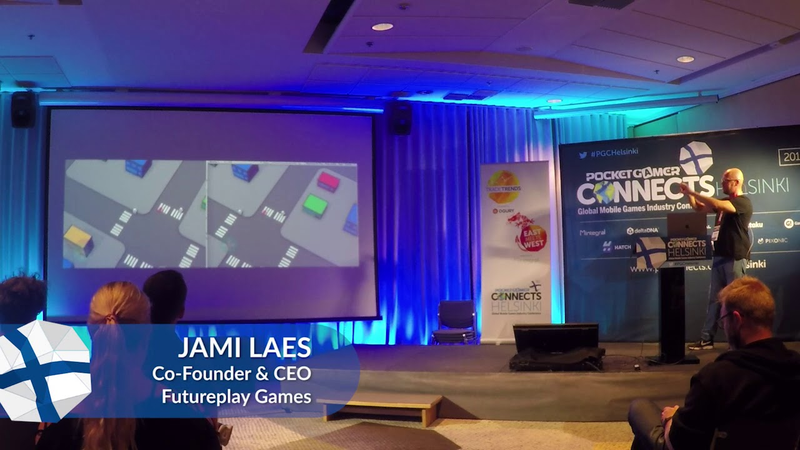
Inside view into the process and development of Battlelands Royale
Futureplay Games emphasizes a strategy of rapid, high-quality development centered on the concept of Massive Online Competitive Casual Arena (MOCCA) games.
- Futureplay Games developed Battlelands Royale from initial prototype to global launch in under six months by targeting the underserved mobile battle royale market.
- The studio employs a lean, senior-only team that utilizes weekly sprints and avoids extensive documentation in favor of early, playable prototypes.
- Battlelands Royale has achieved significant scale with 11 million downloads and approximately five million matches played daily.
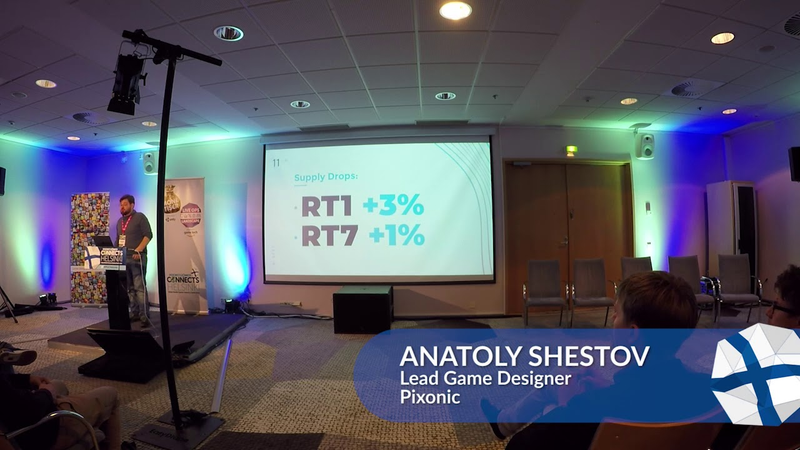
Unity Mobile Business: 5 things Pixonic does to retain users in War Robots
The mobile game War Robots, a cooperative PvP title with over 100 million installs and 1.5 million daily active users, utilizes a data-driven approach to optimize player retention.
- Pixonic increased War Robots' monthly revenue by 10% by implementing non-intrusive video ads that allow players to replenish ad-watch pools and double post-combat rewards.
- The introduction of timer-based 'Supply Drops' successfully increased Day 1 retention by 3% and Day 7 retention by 1% by encouraging more frequent, short-session engagement.
- Implementing a 'Battle Rewards' progression system based on skill-based achievements increased Day 1 retention by 2% and fostered higher levels of competitive play.
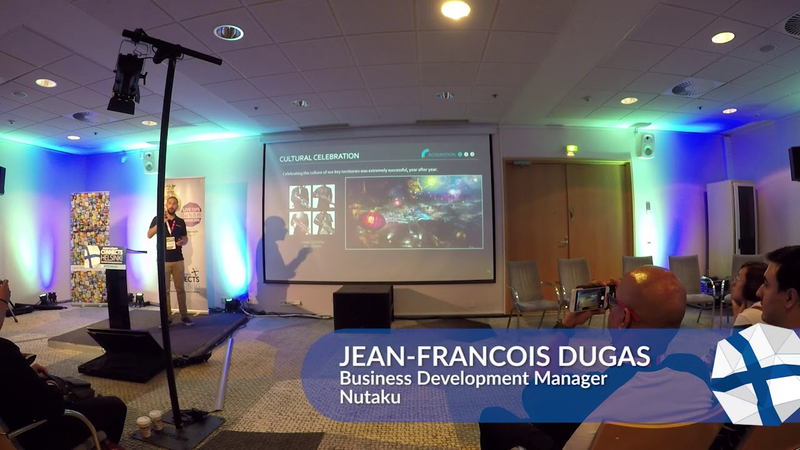
The Hitman Sniper post-mortem
The Hitman Sniper post-mortem details the transition of a premium mobile title into a sustainable, live-operated service.
- Square Enix Montreal successfully pivoted Hitman Sniper from a declining premium title to a sustainable live-operated service by implementing 36 iterative updates over three years.
- Regional price adjustments in emerging markets proved highly effective, resulting in a 115-fold increase in game downloads.
- The implementation of personalized, mission-specific rifle offers based on behavioral and geographic data increased conversion rates for key items by nearly four times.
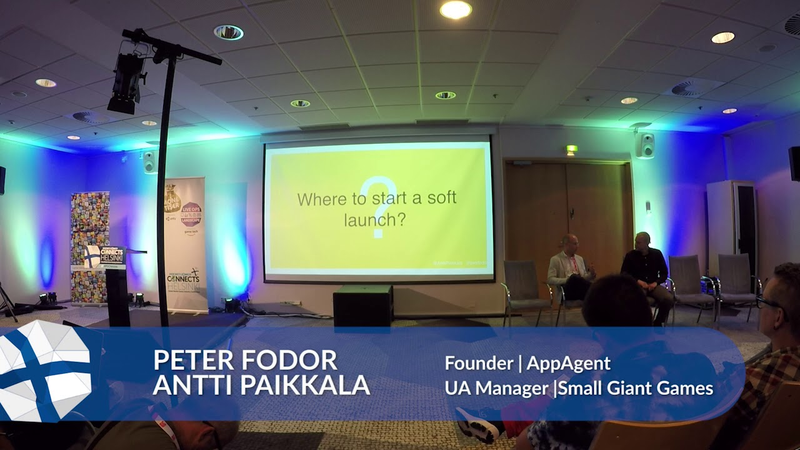
AppAgent meets Small Giant Games: How to create a media plan for a global launch
The media planning process for a global mobile game launch requires a disciplined, data-driven approach that balances product development with aggressive user acquisition strategies.
- A successful global launch requires a data-driven media plan that balances aggressive user acquisition with iterative product development based on real-time performance metrics.
- Soft launch phases must prioritize testing hypotheses and establishing baseline KPIs, such as cost per install and conversion rates, to ensure technical stability and accurate lifetime value modeling.
- If top-of-funnel performance is weak despite strong core gameplay, developers should be prepared to overhaul the game's visual identity to better align with target audience preferences.
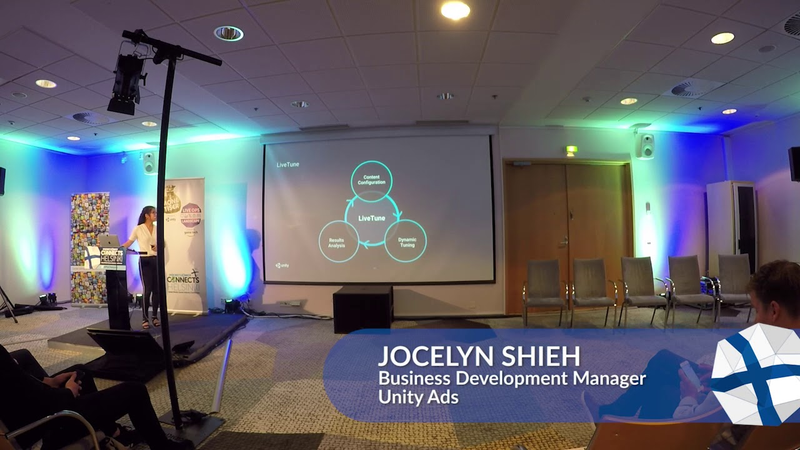
Unity Mobile Business: LiveTune - Increase mobile retention and session length
Unity’s LiveTune platform addresses the critical challenge of device fragmentation in the mobile gaming industry, where over 50,000 unique device models create inconsistent performance, leading to app crashes, frame stuttering, and poor user retention.
- Unity’s LiveTune platform automates game performance optimization across 50,000+ unique device models to prevent crashes and frame stuttering, allowing developers to maintain a single build.
- Case studies show significant performance gains, including a 5 FPS increase and 50% improvement in long-term retention for RollerCoaster Tycoon Touch on Android.
- Publisher Yoda1 reported a 26% increase in day-one retention, a 17% increase in playtime, and a reduction of 200 engineering hours for the game Rodeo Stampede.
Space Ape on lean live ops for mobile games
Space Ape Games, a London-based mobile studio founded in 2012, utilizes a lean live operations strategy to maintain long-term revenue for its portfolio of mobile titles while shifting development resources toward new projects.
- Space Ape Games shifted its staffing model after 2016 to reduce developer involvement in live titles, moving from 70% of staff dedicated to live games to a lean model that prioritizes engineering resources for new intellectual property.
- The studio maintains legacy game profitability through a 'toy box' framework of proprietary web tools, allowing non-developer staff to manage events, monetization, and assets without requiring client-side code pushes or app store updates.
- Operational efficiency is achieved by transitioning the art pipeline to a fully outsourced model, enabling the studio to reduce full-time artist headcount on specific titles from five to zero.
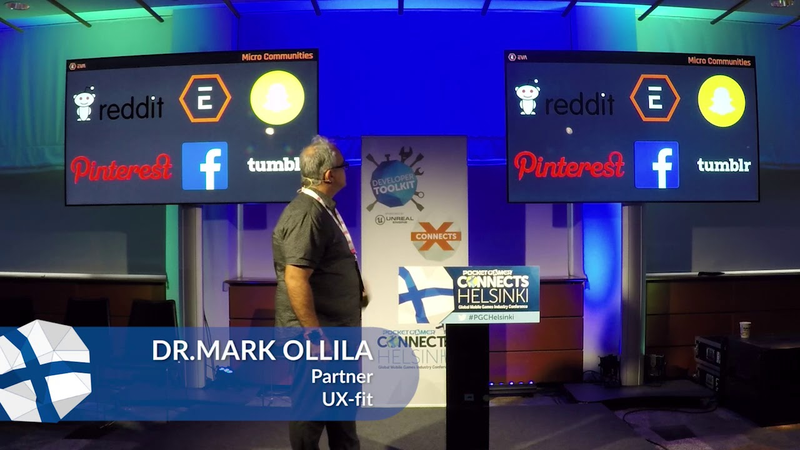
Why gaming today is less about the game and more about social experiences
The modern gaming landscape is shifting from a focus on individual gameplay to a model centered on social experiences and community interaction.
- Gaming is shifting from individual gameplay to a model centered on social experiences, where the game itself often serves merely as a backdrop for real-life interaction and community building.
- Top gaming influencers, such as Ninja, act as a primary form of currency, generating tens of millions of dollars in earned media value through audience engagement on platforms like Twitter and Instagram.
- The industry is bifurcated into macro communities (YouTube, Twitch) for mass awareness and micro communities (Discord, Snapchat) for high-trust, peer-to-peer engagement.
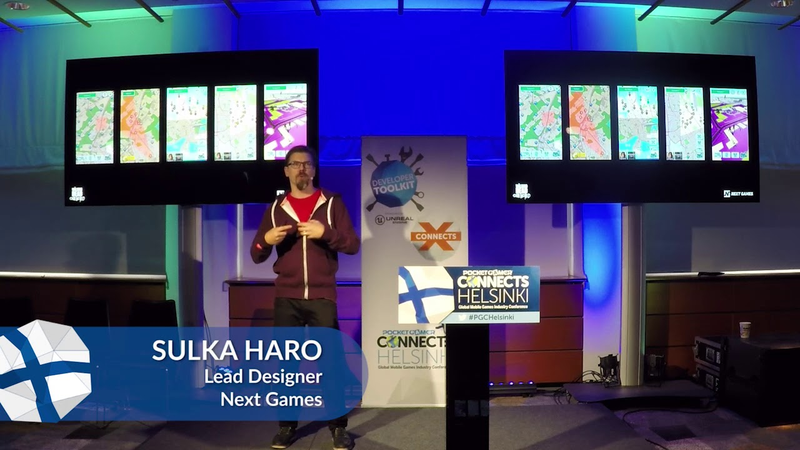
Innovating new location-based gameplay in The Walking Dead: Our World
The development of The Walking Dead: Our World focused on innovating within the location-based mobile gaming genre by prioritizing social cooperation and accessibility over traditional competitive mechanics.
- The Walking Dead: Our World shifts the location-based genre away from constant movement by allowing meaningful gameplay while stationary, addressing the 'traveling salesman' problem found in earlier titles.
- The game features 10-to-15-second mission bursts in a first-person shooter perspective, designed to accommodate short play sessions during commutes or adverse weather.
- Social cooperation is facilitated through a guild system where players complete shared 'bingo board' tasks and use virtual flares to teleport teammates to rare mission locations.
Why mobile games publishers should help carry the technical burden
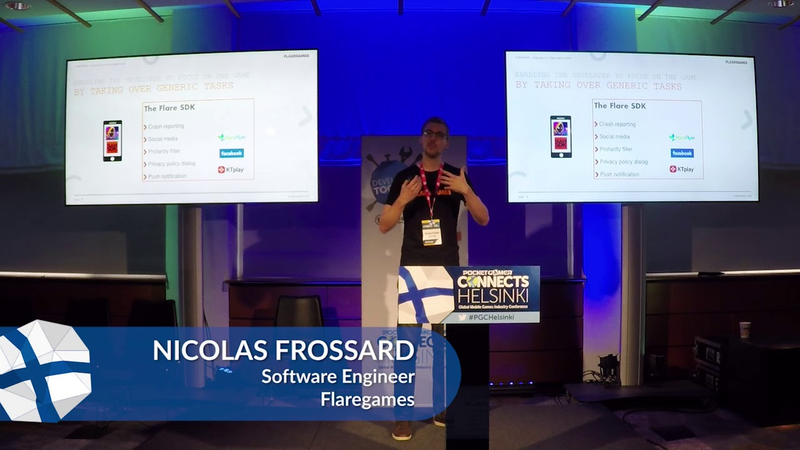
Mobile game publishers should actively assume a greater share of the technical burden to maximize the success of their titles.
- Publishers should assume responsibility for non-core technical tasks like SDK integrations, crash reporting, and build management to allow developers to focus exclusively on game design and mechanics.
- By managing backend infrastructure, including server hosting, performance monitoring, and on-demand test environments, publishers shield developers from the operational strain of maintaining live services.
- Publishers can accelerate development timelines by providing dedicated engineering support for urgent infrastructure tasks, such as implementing video advertisements.
How to build 100 tanks with about three people
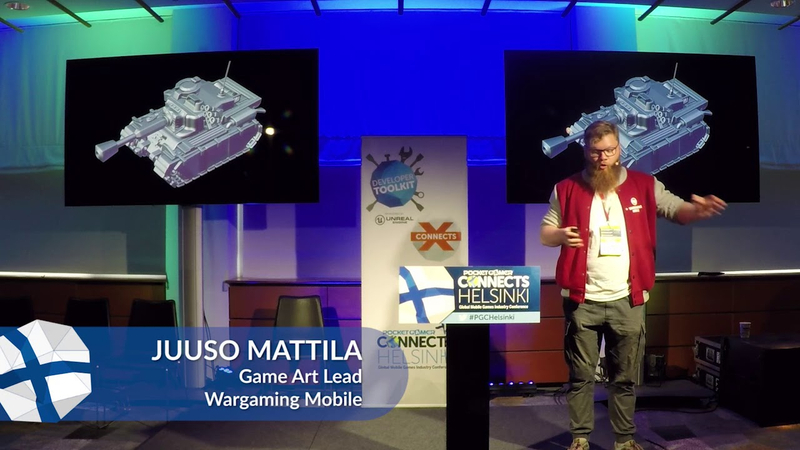
The development of a mobile game featuring a high volume of collectible assets requires a specialized production pipeline to maintain quality while operating with a small team.
- A three-person art team can produce 150 unique tank assets by utilizing a modular kit-bashing workflow instead of hand-crafting each unit from scratch.
- Production time per tank is reduced to approximately one day by assembling units from a library of interchangeable components like hulls, turrets, and armor plates.
- The team defines 'tank families' through shared visual guidelines, allowing them to create new units by reconfiguring existing parts rather than generating individual concept art for every asset.
Unreal Engine and the future of mobile games
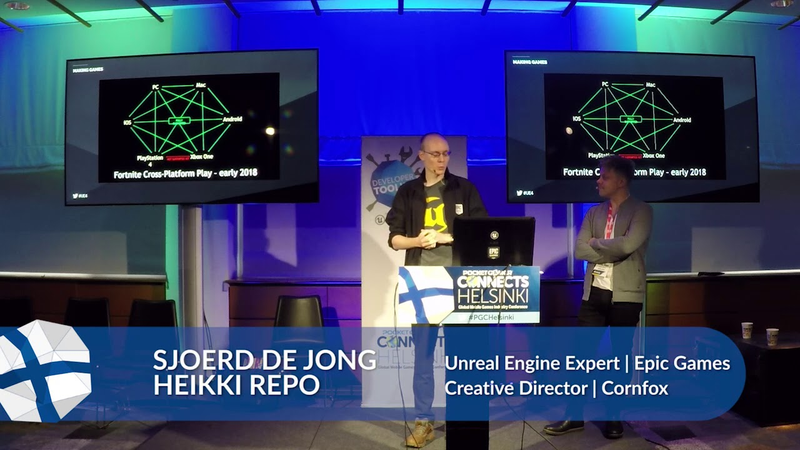
The future of mobile gaming is defined by the transition toward high-fidelity, cross-platform experiences that provide players with seamless connectivity across consoles, personal computers, and mobile devices.
- Mobile gaming is shifting toward high-fidelity, cross-platform experiences that offer seamless connectivity between mobile devices, PCs, and consoles.
- Unreal Engine enables developers to deploy console-quality titles on mobile hardware by overcoming previous technical limitations and democratizing high-end development.
- Optimization for mobile hardware requires addressing strict memory and draw-call constraints through automated level-of-detail generation, material instancing, and platform-specific texture compression.
Look mum, no wheels! Riding the marketing long tail in games
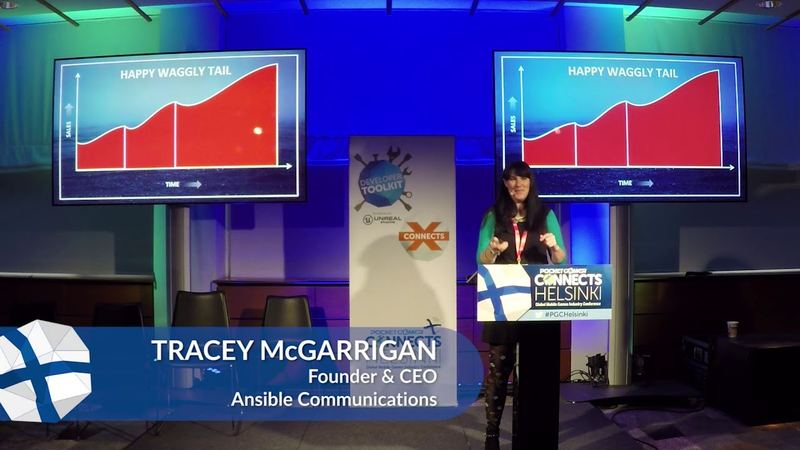
The gaming industry is shifting away from a hit-driven model toward a long-tail strategy, where sustained, long-term marketing efforts generate consistent revenue beyond the initial launch window.
- Shift from a 90-day launch-focused model to a 12-month+ revenue strategy to avoid the high risk of premature product abandonment.
- Prioritize organic advocacy, as word-of-mouth impressions are five to 100 times more valuable than paid media.
- Recognize that 97% of consumers are influenced by reviews, and 92% will actively avoid purchasing products that lack them.