Mobile reports and market data
Documents
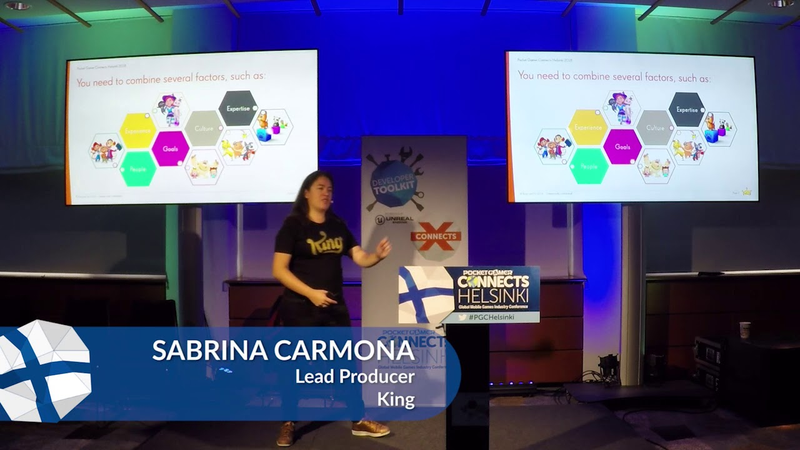
How to create agile teams and foster the culture of excellence while developing a game
Effective game production relies on cultivating high-performing teams rather than simply assembling a collection of individual superstars.
- Prioritize the cultivation of collective team synergy over the assembly of individual superstars to drive project success.
- Align individual career aspirations in disciplines like coding, art, and design with the overarching project objectives to ensure unified team focus.
- Implement agile methodologies flexibly, adapting processes to the specific needs of the project rather than applying them with rigid adherence.
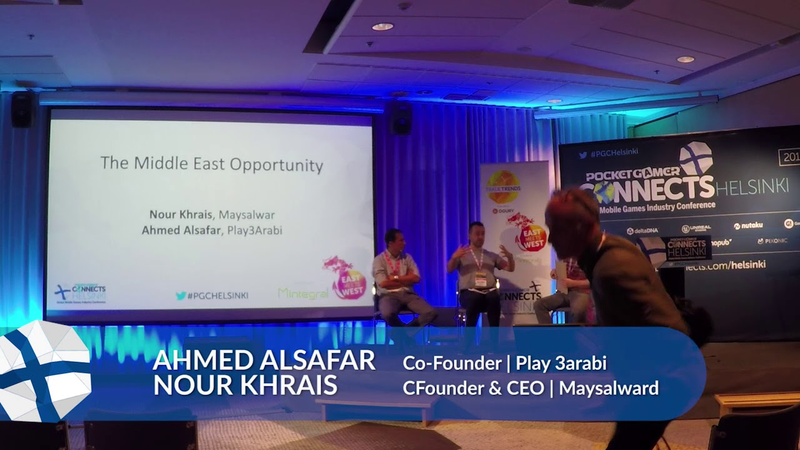
The Middle East opportunity for mobile games
The Middle East and North Africa (MENA) region represents a high-growth frontier for mobile gaming, characterized by player engagement levels that mirror established European markets.
- Success in the MENA region requires deep culturalization—aligning game mechanics with local social structures—rather than simple language translation.
- Strategy games and RPGs are highly effective due to a regional preference for clan-based social dynamics and leaderboard-driven competition.
- Carrier billing integration via platforms like Google Play is essential for monetization, as it bridges the gap in regions where traditional banking and credit card penetration remain low.
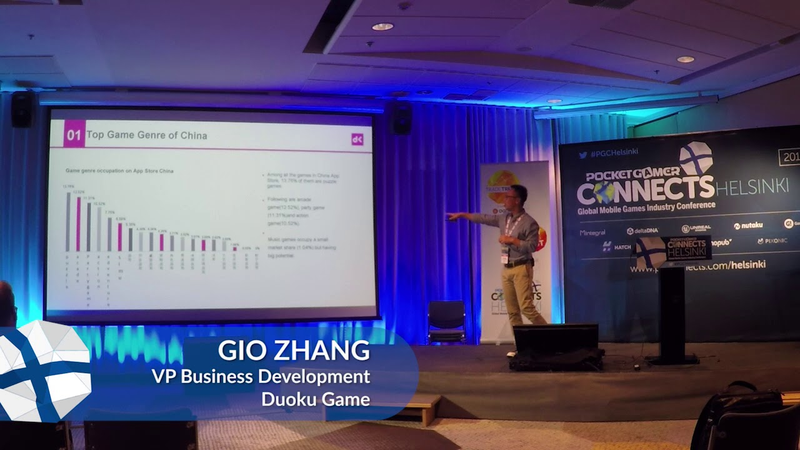
Why Western games struggle in Asia (and vice versa)
The Chinese mobile gaming market presents a significant opportunity for Western developers, provided they navigate the complex landscape of local distribution and cultural preferences.
- China’s mobile gaming market serves a user base of approximately 700 million people, representing half of the country's 1.4 billion population.
- The Chinese Android market is highly fragmented, requiring developers to navigate numerous third-party app stores rather than relying on global platforms like Google Play.
- Successful market entry typically requires a local partner to manage complex logistical hurdles, including device compatibility testing, regulatory licensing, and local store algorithms.
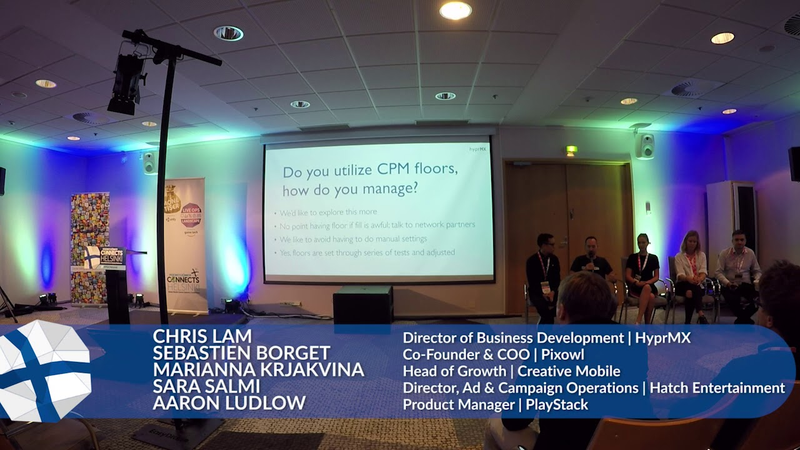
The real story of mobile game ad monetisation
Mobile game monetization requires a shift away from aggressive, high-volume ad integration toward a strategy centered on technical stability and user experience.
- Developers should prioritize technical stability and user experience over aggressive ad volume to avoid the diminishing returns and maintenance burdens associated with overloading games with excessive software development kits.
- Studios should utilize specialized third-party mediation platforms to manage complex tasks like waterfall optimization and CPM performance, allowing internal teams to focus on core game design.
- Ad placement must be treated as a fundamental design element, with developers using soft launches to conduct data-driven experimentation on ad density and user response before a full release.
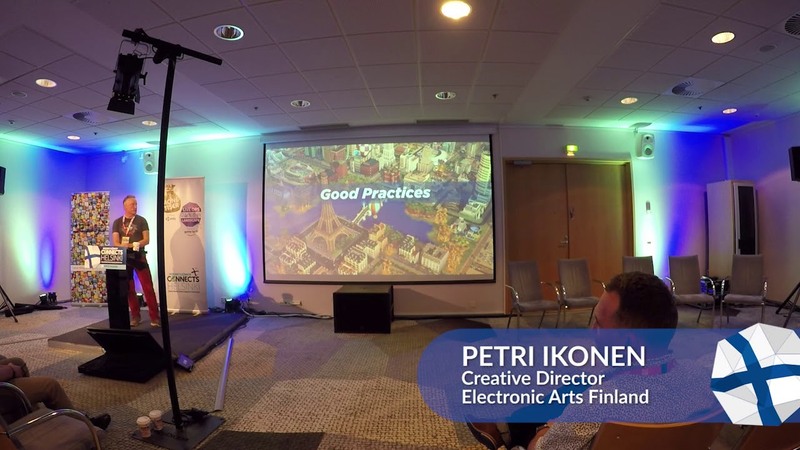
EA Finland on live services game design with SimCity BuildIt
The transition from initial game development to live service operations requires a fundamental shift in organizational structure and design philosophy.
- Successful live service management requires transitioning from a product-based mindset to treating the game as an evolving entity that relies on continuous monitoring and iterative design.
- Development teams should be divided into three specialized units: a reactive team for troubleshooting, a live operations team for weekly content and A/B testing, and a development team for long-term roadmap execution.
- Studios must invest in robust live tools during the initial development phase to effectively track player behavior and optimize key performance indicators post-launch.
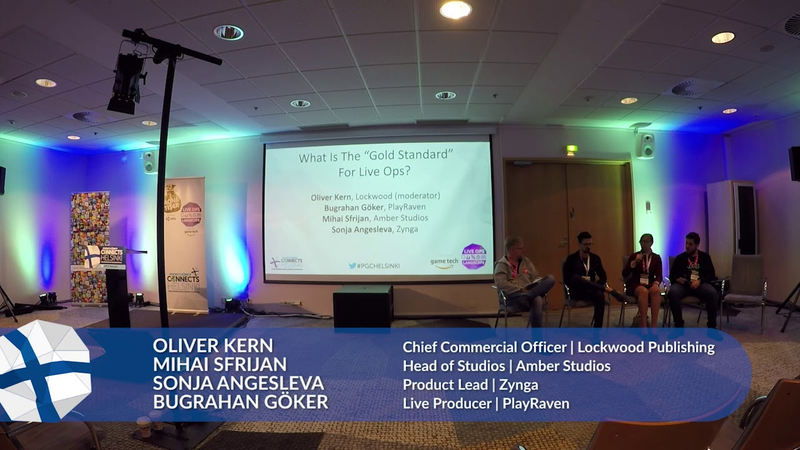
What is the 'gold standard' for live ops?
Live operations represent a fundamental, cross-functional strategy essential for maximizing the lifespan and performance of modern mobile games.
- Live operations must be integrated into the core development process from the start rather than treated as a reactive post-launch function to prevent technical debt.
- The optimal structure for a live ops team is a lean, agile group of five to seven core members, prioritizing automation and efficiency over large, bloated staffing models.
- Success requires sophisticated player segmentation based on specific behaviors and motivations to deliver personalized experiences that drive long-term retention.
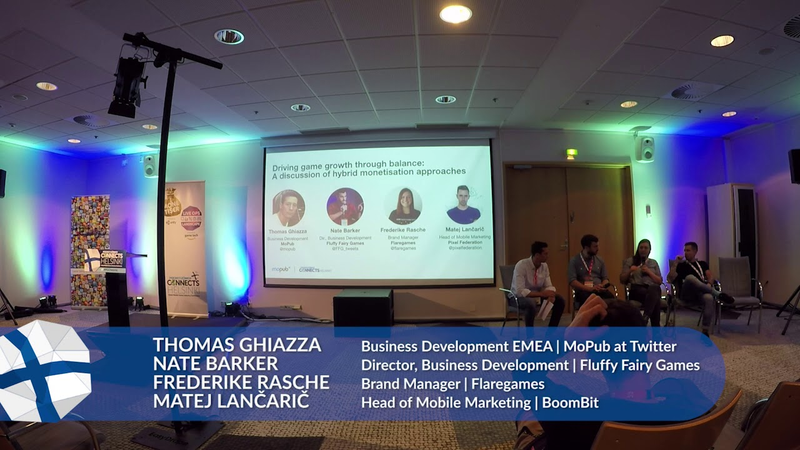
Driving game growth through balance: A discussion of hybrid monetisation approaches
Hybrid monetization strategies, which integrate both in-app purchases and advertising revenue, have become essential for achieving sustainable growth in the modern mobile gaming landscape.
- Hybrid monetization, combining in-app purchases (IAP) and advertising, is now a requirement for sustainable mobile game growth and revenue diversification.
- Developers should prioritize rewarded video and playable ads over interstitials to ensure advertisements function as value-added gameplay components rather than intrusive disruptions.
- Rigorous data analysis and iterative testing are necessary to manage ad frequency and placement, ensuring that ad revenue does not cannibalize IAP performance.
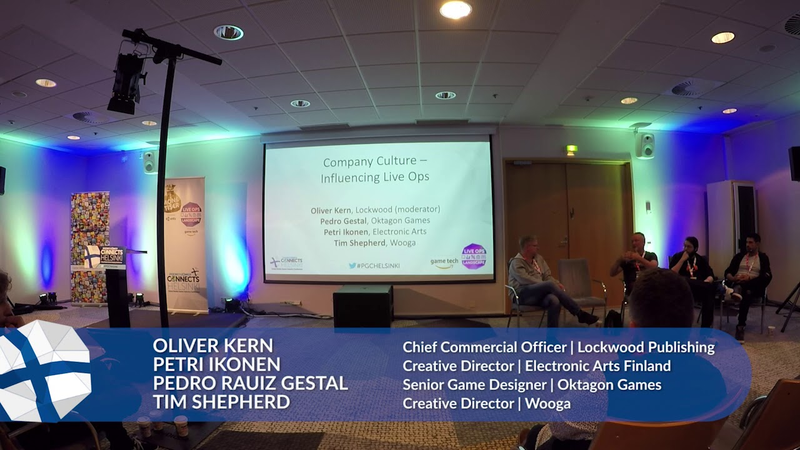
Company culture - Influencing live operations
Live operations function as an adaptive, player-centric framework that relies on continuous data feedback to refine the user experience.
- Long-term success in live services requires a cultural shift from the perfectionist pace of initial development to a model prioritizing rapid delivery, proactive communication, and collective ownership.
- Studios should transition from genre-based silos to lifecycle-based models, rotating staff between development and live operations to leverage diverse expertise and eliminate redundant workflows.
- Operational teams should be divided into distinct units that separate new feature development from ongoing event management and content updates.
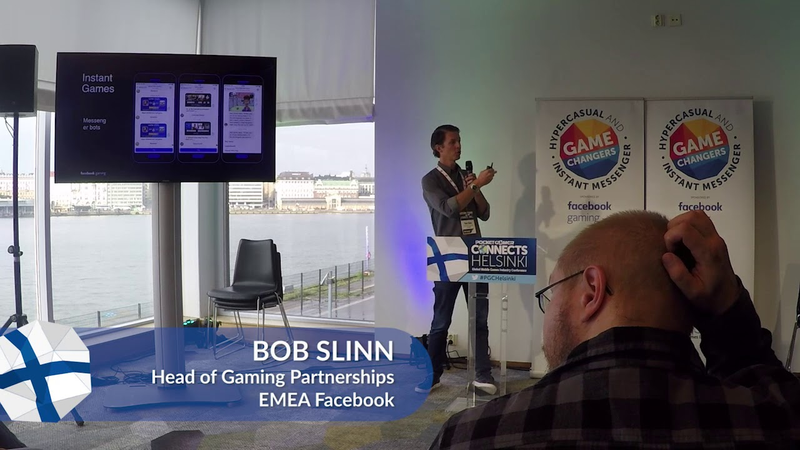
Facebook on Instant Games
Facebook’s Instant Games platform serves as a mobile-first, HTML5-based gaming ecosystem integrated directly into the Messenger and Facebook applications.
- Facebook’s Instant Games platform leverages a global user base of over 2 billion monthly active users to facilitate seamless game discovery and social play within the Messenger and Facebook applications.
- The platform utilizes an HTML5-based architecture that allows developers to build games once for deployment across both web and mobile, currently supporting a library of over 4,000 titles.
- Monetization for developers is supported through a combination of in-app purchases and the Audience Network, which provides interstitial and rewarded video advertising.
The marketing hurdles of hyper-casual games - Acquisition and engagement
Hyper-casual gaming represents a distinct segment of the mobile industry characterized by instant, lightweight, and snackable content.
- Hyper-casual games operate on a volume-based business model where profitability depends on the ability to scale user acquisition rapidly and maintain a large active player base to drive ad revenue.
- The marketing lifecycle for hyper-casual titles is built on three pillars: acquisition via paid media and App Store optimization, engagement through social features like leaderboards, and monetization via targeted ad segmentation.
- Developers must utilize robust segmentation engines to serve high-value, relevant advertisements, as generic ad-spamming is insufficient to sustain the business model.
Hypercasual games: Day to day
Hypercasual gaming centers on a high-volume, rapid-prototyping model designed to capture broad audiences through cognitive simplicity and minimalist mechanics.
- Hypercasual success relies on a 'fake launch' framework that mandates evaluating retention metrics within 48 hours to decide whether to continue project investment.
- The sector is shifting from high-volume, generic releases toward fewer, higher-quality titles to combat market saturation and audience fragmentation.
- Successful hypercasual titles frequently exceed 100 million downloads by prioritizing cognitive simplicity and minimalist mechanics to achieve massive scale.
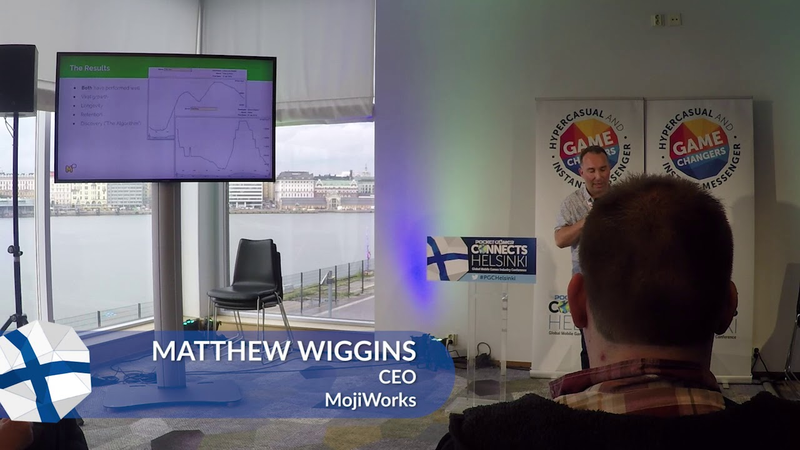
Messaging games and the art of socialising
The emergence of messaging platforms as a significant gaming environment represents a major industry shift, comparable to the rise of mobile and social media.
- Messaging games must be designed as 'social-first' experiences, where the core gameplay loop is fundamentally dependent on user interaction rather than treating social features as optional add-ons.
- Messaging platforms provide massive scale with over a billion monthly active users, offering high convenience and viral discovery due to their web-based, no-install nature.
- To counter lower day-one retention rates compared to native mobile apps, successful titles leverage social loops—such as notifications and group interactions—to drive recurring engagement.