1 free read left. Create a free account for unlimited reading + AI research.
Create free account
Unreal Engine and the future of mobile games
Key insights
6 takeaways- 01A unified development environment allows teams to focus on mobile-centric gameplay mechanics rather than platform-specific porting requirements.
- 02Mobile gaming is shifting toward high-fidelity, cross-platform experiences that offer seamless connectivity between mobile devices, PCs, and consoles.
- 03Unreal Engine enables developers to deploy console-quality titles on mobile hardware by overcoming previous technical limitations and democratizing high-end development.
- 04Optimization for mobile hardware requires addressing strict memory and draw-call constraints through automated level-of-detail generation, material instancing, and platform-specific texture compression.
- 05Advanced rendering techniques, such as baking normal map variants into texture roughness and utilizing cross-compiled shaders, are essential to mitigate visual artifacts and manage diverse hardware architectures.
- 06The industry model relies on open access to engine source code and royalty-based licensing to align developer financial success with engine growth.
Ask AI about this video
Transcript
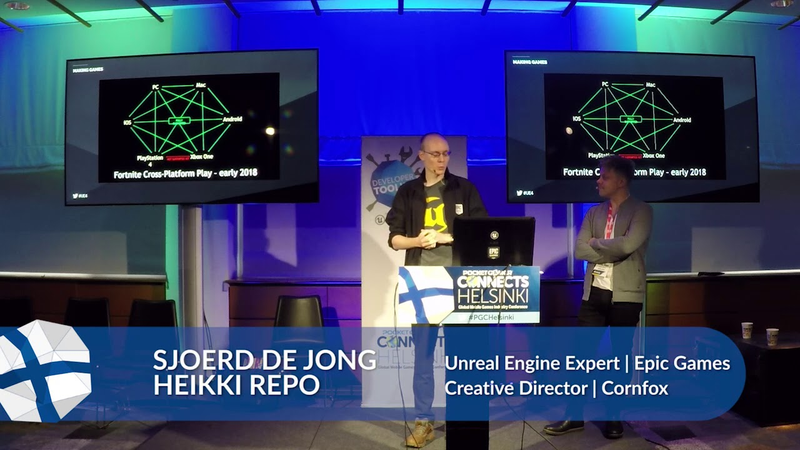
I so we're gonna talk about unreal I guess unreal so my name is shorty young I work for epic games pick it up on from corn folks and brothers so a little bit about my backgrounds I start working with Unreal 19 years ago ish in the late 90s sona's level designer had my own indie studio I ran one of the main indications in Sweden for years I left still in Sweden I'm not Swedish though for some reason I always have to mention that because it's important somehow my own game sort of Solus project are mechanical and the ball from Terrell studios I worked for several largest studios as well so there's all kinds of different things and eventually I ended up in the position of evangelist for the Unreal Engine given my background you know in 19 years weird unreal and given my background in education Triple A in the connecting having done everything and so what I do now is I talk about unreal across Europe travel around and literally talk about unreal so yeah I'm
a creative director and co-founder of corn Fox the company was established in 2010 and we are currently a team of six people some of you might know our previous games date rally and also known so we take our time developing our games also known two's development started in 2015 and pre-production even earlier than that but it's coming along nicely so I'm gonna start off in the first half of the talk I'm gonna do most of the talking I'm gonna start off with a brief introduction of Epic Games and then I'm gonna talk about what we're doing with the engine and mobile games across the world and then slowly it's gonna transition more and more to Hecky is gonna start talking more about how it impacts them and the development of oceanhorn okay so that's gonna be the set up so brief intro about epic we started in 1991 so we're moving towards 30 years old now in in two three years 1000 people about headquarters is still
in Cary North Carolina has ever we now have 16 offices though across the world so obviously Canada and United States but also in UK several ones in Germany in Berlin Japan China South Korea and then in Sweden Stockholm since it's a tough year ago I think about so we now have about 10 people in Stockholm and that's growing as well and the Stockholm office is focused on engine development so engineering essentially we are still privately-owned we are still run by the founders and we really just want to make cool stuff make a difference that's it we're not doing this to please stockholders we're not doing this you know for investors or anything like that we're doing this because we really want to make a difference we want to make cool stuff you want to wake up every day and think like you know today we're gonna do this or that or like try to make a difference there or see if you can make the film industry faster and better or whatever goal we have but that's that's why we do this everything else is just a side effect to that we want to make cool stuff now we started to Unreal Engine in
1995 so what is now 23 23 years old I think we've had hundreds of Triple A games over the past few decades we then launched online June 4 2014 when 3 2015 the numbers I've got here actually from earlier in the year I think it's probably changed a bit already but before summer we had 5 million users meant we had 10,000 people a day joining the engine or these registering for downloading engine which is a three times faster growth in the past 12 months so it is accelerating more and more and very importantly we make games unreal on all tournaments which is what we did so we started with Infinity Blade in mobile and of course Gears of War and of course now fortnight and that is really important for the engine that's really a difference there for the engine I'll show you that a little bit in a few slides because by using our own tech we have workflow validation right does it actually work those newer tools actually work if you build a game or do you hit some unknown questions or there's some frustrations or stuff just doesn't work as good as
yet hoped you need to build your own games to figure it out you need to build your own games to also figure out what do we not have what kind of tools are we missing where is the process frustrating you want to have small quality of life improvements all of the small stuff you want to find that and fix that performance etc right so it's really important you make your own games and that's exactly what we're doing bit for example fortnight so it's hume everyone knows fortnight right it makes you know it's going okay few people heard of it so it's okay so it's a game with some trees on a field of grass as you can see there and you walk around and you shoot people yeah best marketing description ever anyway the game is actually from a technical perspective it's rather complex because what you're trying to do is have a relatively large open world environment with a lot of players there in multiplayer at the same time I believe we have over 50,000 replicated actors or objects in the world to have to be replicated stuff is destroyable
people can build things as x-ray dimension on top of it and this then has to run on all these different devices and that means it complicates oh I have a very brief trailer here I've several videos lined up of the Android lunch so this is Android [Music] [Applause] [Music] I mean from a technical perspective doing what we did here on mobile so we have it on iOS now and on Android it's the exact same game running on mobile so it's not a port it's not a different branch of the engine that we change out in the game and where we have to change all the assets to try to make it work it's the exact same game that ports over
that builds essentially to mobile or to playstation or xbox or pc or whatever other platform you use it's the same game that's just ports versus wrong word builds to the different platforms and that's the major major thing that's exactly where we see the future going so we've already seen is happening in Asia where it feels this this process is further along where we're starting to get more high-end mobile games essentially games that run on multiple platforms at the same time including mobile and that's what we've been doing it for tonight and it works you know there is a clear market for that and I'm going to show you several other games like this in the same you know same genre in a sense to really prove that point so here's several short videos get at about 30 seconds per video I started with lineage 2 in South Korea you can see it's very quick video but if you I will pause just read in a second you're in there let me actually do it should she show you a little bit of what the game looks like you're dealing with this on mobile this is a mobile RPG with
200 players I believe they have dynamic shadows all of the UI and such that's the complexity we're going out there if you look at for example blade and soul this is all mobile [Applause] and it continues like this so here's of course pub G on I think it's Android [Music]
[Music] I think this is a lost one org as well find source on mobile but I think you're starting to see the picture right this is a hundred percent possible with today's devices to go quite far in in terms of what you can pull off which with size of the games complexity graphical quality and so forth that's where really where we see the future going to take that next next step let this finish [Music] books awesome yeah so this is our data it's actually this switch is missing here this was the status for fortnight cross-play earlier this year again - switch where we have managed to make
cross-platform work between everything except PlayStation and Xbox and switch so you can now take fortnight play it on iOS and play it together with someone is playing on PC now gameplay issues aside where one player has you know foster console because of mouse and such we much make against that try to minimize the effect with that but you can actually play together and that's really where we see the future going as well we think that the game is of tomorrow they're gonna expect more high-end mobile titles because first of all the kids of yesterday they grew up with touchscreens and much three games right if you had a phone in 2008 or 2009 whenever this stuff started really becoming mainstream if you were say four years old in 2008 you know you're what you're 14 now you were gonna move out of that kid's face right you're gonna expect you're gonna become a teenager in amiss expect something else you can expect larger games of different games or different kind of experiences and that's what we think we're starting to see happen now we have the first generation of kids who have grown up
entirely with touchscreens they're now becoming teenagers what do they want to do what do they want to play there's something is gonna happen there in general also for that group of people in that group of players they don't really have a huge problem with with touchscreen controls for example I personally I want to have a gamepad or a keyboard or something to play like a shooter right I want to feel that stuff and want to feel the buttons but I think that if you grow up with touchscreens from day one you don't have a huge issue with having literally touchscreen controls and playing for example pop G on mobile and that's what we're seeing happening there as well first the hardware is obviously simply getting more and more powerful so we are actually able to do all of the things you've seen now which opens up the market we also have more saturation in the market so there is a need to start doing bigger things or different things than your typical mobile experiences so there's a that opens up possibilities as well and gamers simply want to play their games anywhere with anyone
you know we've been telling the players for years now that we're gonna do games as a service cool okay that's better for us I guess as developers right but the game is actually bought into that so yes now they want a service and a service means that you can play your game anywhere anyhow you want you know it's it would be as if you get a Netflix subscription and then Netflix tells you well you can only look at this on PC or on mobile I mean it doesn't make sense it's a service you want to be able to login anything on any device you've got and look at the stuff or play it or use it anywhere you are right it's a service so gamers are gonna expect to play for example fortnight on their Playstation 4 or whatever all the device at home then go to school or go to work sit in the bus and continue on their phone and maybe then come start playing with friends who play it on PC or whatever go back and forth between different devices and that's where we see the future heading more mobile more cross-platform more hands okay so now you might say
that's all really cool but you know what we're like three or four people so what does this mean to us and this is a big thing for us as well with the engine I'm gonna show you this for you it's a very long video so I'm just gonna skip through a little bit just to give you a quick impression okay let's skip through that first just to yeah see what it is this time just to give you an impression of the the game here and the content that's in it this is not a mobile title this to the PC PlayStation title cover [Music] wait I mean you can see there's a lot of comfort so here's the thing this was made by one person this is a really inspirational story because it was made by one person from China who is his students and he's an artist and he has done the whole thing without programming
right unreal and that tells a huge story and that's an exceptional story reader this is not really the standard I mean we only have one of I believe this is the only one have done that but still the fact that one person which presumably little experience because he's a student as an artist is able to do all of this shows you what is possible if you have the right tools and if you know use the Unreal Engine use our approach that we've taken with the tools and quality and making everything is easy as visual as possible so is using visual scripting blueprints that we have for most of the gameplay and of course that's an exception right but that's not where it ends because for example all of these games here most of them are European teams actually they're all European teams except - these are all small teams with popular successful games made on unreal they're all of these games have been made by about four or five six seven ish people teams and they all look great they're all commercial successes so there's definitely a possibility you know market
mice Agoda in fact I've done that myself this is my own game I spent three years building this with seven people and then we ended up selling 200,000 copies $20 each so you can go calculate it's fully possible and that's really what like see any developers move to in fact yeah so I'm gonna give you a little bit of developer perspective here so this star latest trailer from six months ago from GDC and this is all running on mobile so we captured the trailer for material from with iPhone 7 7 plus and yeah you can see all the all the features that we have there it's it has a complex physically based rendering it has foliage and trees and all that stuff so I'm gonna get a little bit into
detail very soon there so about also known to itself it's a little bit they takes the genre further away from the first game it's gonna be a third-person adventure game and this time you're going to have a party members on your side later on in the game yeah so we have been working on this since 2015 with five guys and now last spring we hired and level desire for the to become the sixth member of the team so I'm gonna talk more about this very soon so we continue to improve the engine rapidly especially for mobile also because of fortnight's that's one of the impacts fortnight has on the engine is that because we now have fortnight running on mobile we also
ourselves figure out that doesn't really work that well maybe that could have been foster and so on right so we're making rapid change and in fact if I click this link here this is the release notes of our last release which is 420 you know this is how it looks I always do this because it's really great fun it really tells the point these are the changes we've done most of what you see here are mobile and performance changes for example here we have improved Android debugging mobile landscape improvements platform material stats which is great for mobile as well you know some miscellaneous improvements for mobile this is switch improvement etc so there's a lot of fixes and improvements coming in because of fortnight and you can kind of scroll through and get an impression of what an average release for us looks like so this is the 20th release we've done since 2014 each of those 20 releases was the size of this okay and I can just scroll through but it pains the picture this is one release and I can keep on doing this for a while which I'm exactly but what I'm gonna do a little bit because now we start
getting to the bug fix it goes even faster see the crash fixes improvements new changes features we're now about 45% then right so this is what's underneath it so okay that really paints the picture and we are detailed we will tell you exactly what has happened in every single version for example we added a function to scroll box to determine what fraction of the window we're displaying and that was added to UMG so everything is listed there everything is transparent and that's really where we going with the engine again this is a long video to skip through a little bit as well this is a GDC talk from this year it is actually two hours long so we took four tonight and we're showing what happens with all the chains in the work that we've done a completely technical level to really explain what did we do where did we hit performance issues where did we change the workflow etc etc so this was all at GDC you can find it back online and see everything we did how did we optimize the art and again
it's very long this is only half of the talk that was PlayStation 4 performance there etc etc etc so again you can really see the impact that making your own games has on the engine and the quality and in improving the quality we release the action RPG sample I think a Montek amount I think which is a mobile example project so we built a sample game and then we release that online as a learning project so you can download the game look at how we build it analyze how it's been done and so on so that's there and what we're focusing on moving forward and always have focused on in a way it should be as easy as possible to have complex content scale between platforms okay so we're not just talking about the ability to make a game run on multiple devices because that's not that special I mean there has been done before but the ability to take high-end content wrote a complex large-scale content and have that transition to multiple devices including mobile and have that be as easy and painless as
possible as always the engine quality completely true and true ok in terms of performance it needs to run as absolutely good as possible I mean just think of fortnight for a second scale that we're at if we can get fortnight to run 1% faster that 1% in terms of server costs for us alone already is a huge difference so we're motivated to get every single little chunk of performance out of the engine tools rendering networking any of that stuff and multiplayer is going to grow further in importance especially with cross play I'm gonna hopefully support it as good as we can and stimulate that in the industry I'm gonna start handing over to Hecky so as a transition this is PC and that's more well same content same game that's how it skills yeah all right so let's talk about a little in detail how we chose unreal for our game so during the pre-production of also
known - we were evaluating should we start keep developing our own engine and on our own editor or look at our options from commercial engines so luckily in 2014 Unreal Engine 4 deputed and it was more available and tempting engine choice for indie developers so here are a couple of points why we chose Unreal Engine so first of all Unreal Engine has a huge backlog of triple-a titles under its belt so it makes a great point for something you can completely complete a game project with our programmers could continue using C++ for their coding we had our own editor which was central
element to our development of the first game so this time we are powerful level editing tools that had been in development for the past 20 years one of their key points was also that with our previous games we went through a porting to other platforms for PC and consoles so this time with Unreal Engine 4 it's very easy to go from from other platforms currently during the development the game is running on iOS TVO's MCOs and PC so me myself I'm a designer and artist so here's a couple of points from my my daily daily work Unreal Engine 4 really helps us to max out what we can get from our two men our
team and there are very practical tools like for example a lot two level of detail object tool that does automatically their lot for your game art this one was introduced I don't know a couple of years ago but we started without it and there's MVC a lot of efficiency there without us having to do the level of detail objects and the outcome is better with automated automated system as for the editor it's a big deal for us it has everything you can dream dream for inside the editor itself no need for external plugins or anything so for example the terrain tools has automatic lots implemented into the theme which is great for mobile
performance so the terrains are automatically reduced on the distance blueprints are great we don't use them as much for the game logic as we do for the from artistic perspective we use them for elevators and stuff like that buttons connected with impulses and all that they're create and they can be used for more as there are many examples in shirts presentation as well so a couple of technical details what we learned and I think many mobile developers know this will be about the memory so you're always going to have a memory constraints on your target platforms let's say even the latest phones have between one to two gigabytes of memory and you cannot use all of it so you need to think carefully how you build your
game regarding the memory so what we do is we have only a few base materials and everything else is connected to them there are material instances so if you would have a plenty of unique materials you would spend a lot of memory our materials usually use only two bitmaps which are normal map and albedo map and we use TGA format for albedo so we can hide the roughness information onto alpha channel of the albedo we use baked lighting it looks great on mobile but it's it takes a lot of memory so you need to be careful about the size of your levels unless you're planning to do some streaming which we haven't really done but it works out great we can use platform specific texture compression for each platform so there's a lot of
memory save right there so about the performance another big deal with mobile games mobile hardware of today can crunch a lot of polygons so basically there's no need to go into this low polygon style anymore all of our assets are done with high-end platforms in mind and main character III mean character polygon limit for example is something like 64,000 polygons we don't even use that much though and because of the create tools that can and the Lord we can we have a really nice performance from perspective of polygons but draw calls however however is a big deal so you need to be careful about the level size how many unique objects you have there I think our max troll calls is somewhere around two thousand draw calls so when you're
doing your art for a mobile game and levels you need to take care of the Alpha overlapping so with us it has affected everything from planning how to work with the foliage for example the grass in our game is all polygons we don't use any alpha for the grass for the trees we always have two materials there we have the alpha alpha material for the shape of the leaves and always have opaque material behind it so so the alphas doesn't overlap there and Unreal Engine 4 has a great tools for these kind of problems for example the the alpha cutter tool which you can see in the middle picture it automatically cuts the rest of the empty space from the alpha plans for example and you have a
crate visualizers in the editor where you can see your where your problems lie so the parts which are wise it's gonna be a well it's not a problem if it's only that little bit yeah so let me talk a little bit about differences between mobile and PC so you saw saw these two pictures again this is also known on PC and for the heck of it we disabled all the all the lots for this image so it's like high detail objects all the way to the back and for the next image we have the mobile version running on my phone which has the level of detailed objects that are automatically generated by the engine itself activated so it's if you compare these two it's practically the same game there's gonna be some differences but we're aiming aiming for the console quality power on mobile
hundred and it has been our goal since the beginning and it has worked out really well with us this time so about the differences between mobile and PC the mobile use is for work renderer whereas the PC use a different renderer reach me this means we don't have a lot of screen space effects on mobile such as screen space ambient occlusion but we have made other ways to implement contact shadows and AO maps for the character acts and important objects so it doesn't stand out as much for PC we can use planar reflections and screen space reflections with mobile we only have a sphere reflection captures available but it works out really well we have made a couple of hacks to make it look better on water so the reflection captures never take anything
under the water for the reflections for the water planes and the reflection capture is always chosen from the cameras location this will fix the horizon for your reflections if you're only using fear reflection captures both platforms has create environmental effects such as volumetric clouds and anti lysing tricks I have some I can cheat here and look what our graphics programmer told me to say so the clouds in the sky use height mapper a marching to achieve the volumetric look that adapts to the sun's direction water is supposed process effect that uses analytical some hate fall off for metric water one finally one of the tricks we use on both platforms to get a clean look on the game and help anti-aliasing is to bake normal map variants to roughness of the meat maps
of the texture Maps basically so if if there's some textures on the distance that has a lot of normal variation instead of having a lot of reflecting pixels there it's baked on the roughness so they don't climber as much as much here's a screenshot of the mobile under the water shot so you can see a little bit of of what I'm talking about right there so actually yeah this we might still have it just a little bit of time so I could show you guys and girls a little bit of the game running on the mobile itself so we're gonna have the game run directly on mobile on the projector here while we do that we have time for questions and then we'll wrap up with three quick final slides that re-enter that that's the plan so if there's any questions feel free to ask them as we're playing a game
here I need your screen your screen it's it's over there just to i hi I it doesn't really have to do with the presentation especially but it has to do with for tonight and one thing I don't understand is is there a big difference between the mobile programming you know neural Unreal Engine between the switch or the mobile phone I mean the protein on the programming side depends how you would define programming I guess in a sense you mean graphical programming yeah graphical yeah I mean the difference is they're the same as with any platform but the engine takes care of it a lot I mean it depends what you want to do you want to modify the renderer then yeah but if you want to build a game and focus on the game kind of like they've been doing there's not that much for you to to change or to modify I mean the engine as a whole simply takes care of the rendering and the graphics so unless you want to modify a particular bit of fun
neela t like they did with a few of the things mentioned here I think we were playing a reflection on the water like a very particular graphical feature yes maybe but the engine really tries to make it abstract as possible for example the shaders that we use to give a practical example they are cross compiled by the engine themselves so you do everything in hlsl in the engine itself and that gets cross-compiled to the different platforms internally mining engine it might be that for some advanced use you still have an exception but in general the engine will do as much as it can for you yeah so here's the game running this is the latest build from this morning thank God nothing's broken so yeah so yeah it runs great we have been focusing on the performance lately and so so far everything is looking really really good at the moment I don't know if this is reducing the framerate a little bit but it should run like stable 30 frames per second at the moment and we have a focused on having
the simple controls for the mobile but still you have a lot of ways to do the combat and and exploring here so a lot of these are mobile centric stuff designed from ground up to work work on mobile such as for example automatic jumping and climbing stuff so it works if it works great on mobile controls it will work really well on on on your PC or console later on yeah but that's basically it from the gameplay part [Applause] Jesus comes back yep
actually yeah so basically what I wanted to tell here today is that we have been very happy working with Unreal Engine the game engine itself is a great help for us it makes our team work much more efficiently than we did before we have a great relationship with Epic Games they're great companion to us we've had opportunities to show the game in Nordic game and GDC in epics venue next to fortnight for example about 20,000 people coming over to play our game it's a great chance and a part of being Unreal developer is that you might have a chance to get Unreal dev grant which we got a couple of months ago it's a great great addition and great help from Epic Games part for the small developers
like oh yeah so we're doing a lot to try to help the develops as good as we can or business moto is essentially you know we do it together we only succeed if you succeed and we really try to go for a problem z for example GDC we had a second boot there the size of our first boot which is big and we fill that entire space with developers so including you guys joined us and several dozen other developers we gave them the space as you can see there right so you can just have people come and play the game we have the DEF grants we set aside 5 million dollars a few years ago and we're handing out a 5 million dollars it's literally a grant you get to money that's it's you could technically take the money buy a plane ticket and take a 3 multiplication it would be legal you wouldn't find it nice but I mean technically you can so you don't have to pay back the money there is nothing there it's literally just a grant here it's money because you do cool stuff with the engine Congrats and that's really it we want to stimulate and help as good as we can because we can only do this together ok where we've been doing
the engine now for like I said 23 years this is not about a quick turnaround it's not about you know we have to please our investors because otherwise next year they get upset it's not about that we think long-term we want to make the games industry a better place we want to get better tools out there we want to make it possible for small companies as well to make real ambitious and really cool games and the only way we can get to that point is if we all work together with cool tools we focus on the quality we do all of these things we do these initiatives and so on it's the big picture as the only way we can do it and that's really the goal so just very quickly wrapping up with this to make it clear by default licensing wise it's a five percent gross royalty and that's it we believe in royalties because it fits our idea of we're in it together and we only succeed if you succeed so we don't make any money if we can't get to a point where your game is actually able to ship which is really important because it's one thing to make a game it's something else to shape it as you probably know so this only works for us if you're able to ship and if you can get the game to become a success which
is why we do these things as well write stuff like GE C and so on for non games is often zero percent but it kind of depends is a special licensing model there and it should talk to us the source code is available to everyone for every platform you can literally just go online and download it right now he can modify the engine as you see fit like you guys have done for several rendering effects so whatever is in the engine you can change it you can make the editor pink as I say every time which is totally useless and you probably shouldn't do it but you could do it which means there is if there is a bug in the engine you can fix it you don't have to get stuck waiting for us to update it or fix it possibly miss your release wind or anything like that you can fix it yourself or because the entire community has it as well if you can't fix it maybe you can find someone in the community who can fix it for you everyone has a source and that's really important all the platforms are included you can even build for iOS from Windows if it's blueprints at least and any other terms beyond the standard Yolo
license can be negotiated so it can go from that revenue different percentage support retail anything else so essentially anything is possible we just want to make sure you can succeed that's basically it good that constant yeah thank you yeah thank you thank you very much [Music]
Summary
The future of mobile gaming is defined by the transition toward high-fidelity, cross-platform experiences that provide players with seamless connectivity across consoles, personal computers, and mobile devices. This evolution is driven by rapid advancements in mobile hardware and a growing consumer expectation for service-based gaming that remains consistent regardless of the platform. By leveraging Unreal Engine, developers can now deploy complex, console-quality titles that were previously restricted by technical limitations, effectively democratizing high-end game development for teams of all sizes.
To achieve this level of performance, the industry is increasingly relying on sophisticated optimization tools that address the strict memory and draw-call constraints inherent to mobile hardware. Key technical strategies include the use of automated level-of-detail generation, material instancing, and platform-specific texture compression. Furthermore, developers are employing advanced rendering techniques, such as baking normal map variants into texture roughness to mitigate visual artifacts like shimmering, and utilizing cross-compiled shaders to abstract the complexities of diverse hardware architectures.
These technical workflows are supported by a unified development environment that allows teams to prioritize gameplay mechanics, such as mobile-centric combat and navigation, over the intricacies of platform-specific porting. This ecosystem is further bolstered by open access to engine source code and a royalty-based licensing model that aligns the financial success of developers with the overall growth of the engine. By fostering a transparent and iterative development cycle, these tools ensure that high-performance mobile gaming remains a sustainable and scalable standard for the global industry.