1 free read left. Create a free account for unlimited reading + AI research.
Create free account
Why gaming today is less about the game and more about social experiences
Key insights
6 takeaways- 01Top gaming influencers, such as Ninja, act as a primary form of currency, generating tens of millions of dollars in earned media value through audience engagement on platforms like Twitter and Instagram.
- 02Developers and publishers must prioritize facilitating intimate, user-led social interactions—such as virtual watch parties and collaborative sessions—to improve long-term player retention.
- 03The industry is bifurcated into macro communities (YouTube, Twitch) for mass awareness and micro communities (Discord, Snapchat) for high-trust, peer-to-peer engagement.
- 04Success in the modern market requires brands to shift away from top-down broadcasting toward supporting the organic social connections that occur within specialized digital spaces.
- 05Gaming is shifting from individual gameplay to a model centered on social experiences, where the game itself often serves merely as a backdrop for real-life interaction and community building.
- 06Micro communities drive more effective engagement through bottom-up, authentic evangelism, whereas macro platforms frequently suffer from misaligned advertising and poor targeting.
Ask AI about this video
Transcript
[Music] thanks again for turning up to this session here and it's interesting that this talk landed in the tools and development session because it's more of a talk about culture and the impact of what's happening in culture on developers on publishers and how they design games how they iterate those games and the trends that we're actually seeing my background for people that familiar with myself is that if you saw the early talk by William tart on the history of gaming I was involved with the third generation of engaged so launching the software platform with the App Store and microtransactions and so forth I was also involved with chairing a physics middleware company that eventually got acquired by Nvidia and about eight years ago I launched one of the first location-based games they've got nominated for a digital Emmys I've
been heavily involved in the mobile games industry for a while and now I'm coming in as the incoming CEO to a new social gaming platform targeting gamers and their gaming in distress call dev assist and what I'll be talking about at the end of the talk here is the learnings we've had since our launch from a few weeks ago a closed beta and why I'm quite excited about it so what I'm covering here are sort of four main talking points is influencers are the new currency some social media stats that you might not be familiar with and then also looking at what are the differences between macro and micro communities what does that actually mean and then some of the learnings that we've actually seen going forward so influences are the new currency so who's probably the biggest influence in games at the moment anyone give us some idea
okay there's one ninja okay third guess okay so we've got two suggestions there so let's have a look at this then so one example of what happened recently is not saying Kylie Jenner is the influencer in games but I'm using her as an example here is that she made a comment about snapchat and when she made a comment about snapchat snapchats market value dropped about 1.3 billion dollars when she made that comment and so what we're seeing is that influencers are making comments they're making videos of when they're playing games and so forth and while they're playing these games they're also common comment and commentating about product design and I saw one particular video which was interesting where the influencer was
playing the game and during the game they were saying I hope they do not change this and reduce your number of resources down to 500 that means newbies can actually then kill us without say unable to build against them and so forth and they'll commentating that in commentating to the publisher okay don't do this change don't do this change and so forth so these influences are becoming quite powerful and impacting what happens in the in the product so some of the stats that we're seeing with these influences so I asked the question who the most powerful influencer was in gaming who do you think the most powerful influencer in general is in terms of social media interactions across any topic if you measure the number of interactions that happens on social media with that influencer wouldn't be so on in fashion is its own in politics is this on in sport so interestingly
enough in the month of April the most dominant influencer in social interactions was actually ninja so he had a 150 million interactions incoming number two was Ronaldo with 139 and then number three very calmly in this great sport cricket and there's a number of interactions that were happening during April and you can have a look at you suddenly have in there Shinichi keel O'Neill you got some soccer players and you've got some mixed martial arts and so forth moving on to may you see Ronaldo is starting to come up again and Ninja has improved his influences by Ronaldo made a big jump and you've actually starting to see the cricketer go down and more football players in there and then you've got a functional fitness influencer in there at number 10 so why do you think that change happen
from April to May why did Ronaldo suddenly go on top yeah well leading up to the World Cups as you move on you suddenly see in June Ronaldo jumps up to 214 million Ninja is that still there in the top three and but you see suddenly it's starting to be dominated mostly by football players soccer players and you've got the eSports of ninja in there and then you've got one cricket player and then July hits okay it drops down again and ninja is still in the top three and then something you start having Colin McGregor in there and I can't recall why Colin McGregor was in there was it actually related to a fight or was a related to some criminal activity nevertheless he's starting to see that that's the impact that influences are having in terms of social interactions I pulled up this slide just a couple of days ago with regards to the social media stats and so you've got
Ronaldo at number one with 260 million followers apparently he dropped 71 million followers so don't know exactly if there are fake accounts or so forth but he had a lot of drops Tyler ninja only had about 30 million followers but he still came in at number 2 in terms of the number of interactions all this data you can get from a site called hook it so you can look up that that activity and they publish monthly data regarding social influences out there and the common theme that you see here again is that it's pretty dominated by sports you've got eSports in there you've got some martial arts got some basketball but you're seeing that football still is very much the dominant social influencer out there as a general area the other topics that you might actually hear about and I is with regards to Twitter the rumor is is that Twitter truly exists only for two things one is for
Donald Trump and the other one is for games and what is happening with games and the games industry so if we have a look at that ninja focusing on the game side ninja was the number one eSports or gaming influencer out there how much about you do you think that generated for epic or fortnight because it was around the game fortnight that ninja was actually being very much playing and influencing the community there how much value did that actually generate so you look at it and you can see that the owned media value by that actual influencer of ninja was calculated to be about almost 27 million dollars of earned media value based on what was actually happening out there both on Twitter and Instagram so suddenly you've got this situation again why is this important to publishers and developers you've got one influence of their that is working with your brand making comments about your game playing the
game having a huge following and actually also making product design recommendations and so forth about how the game should be played or how the game should evolve so you need a mechanism actually take that data in and and use that when you're actually going through with development so moving on macro and micro communities now this is something which again like I think in many ways is pretty obvious and people will go why is this why is this so obvious well like you've lived it every day through what you've been doing with communities such as YouTube Twitter Instagram and so forth but when you understand how you work with those types of communities and the value that they generate it becomes much more interesting and much more influential on what you do as a developer so at macro communities these are examples of macro
communities YouTube Instagram Twitter twitch discord then they sort of have the aspect of you've got content coming out to the masses like you might be following someone or subscribing to someone but it's very much a one-to-many communication so if you look at this example here of YouTube you've got a case of basically someone who's playing for tonight and there's recommendations on the actual recommendations actually on the on the right for regards to what could actually be looked at you can subscribe and join but it's not built for one-to-one communication like this is not really a better one-to-one communication and people use this fundamentally for entertainment following influences and sharing content but it's not one-to-one so when it comes
to the brand and how brands work with games and this is being brought up in monetization themes and tracks and so forth is how do they actually work with the games industry well if they're dealing with macro communities they're typically looking at things like you start off with awareness then you do the acquisition engagement then you go into the conversion retention and evangelism and so once you've hit to the Angela min that macro community people are out there really talking about your product but does this really work like does that really give you the brand value and do you target the people that make sense this here is an example of a YouTube channel and there's something been advertised what what do you think is advertised here okay it's a power saw okay but it's targeting the the channel if you work it out is Troy Boy and Diplo ninis guy after-hours MPO remix for
those that are not familiar that's elect an electronic dance music dedicated music channel and the irony in this screenshot is that this brand or advertisement was a targeting a millennial team member you know in our organization who doesn't own a house and does not care for home improvement okay so that's a fail in many ways so again they're trying to make awareness but are they truly engaging and targeting the right people so when you're dealing with macro communities content is number one it's really about what content you get out to the masses and people are number two like because they're not really going one-to-one they're just looking okay can we get the message out accordingly so with macro communities the true value is in the content that's been created on the platforms and the main feature of this platforms is the ability to content generate and share it
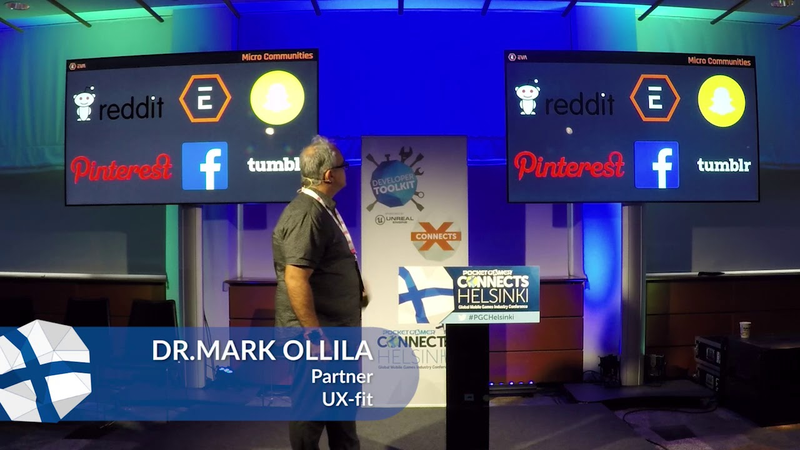
and create a following but then let's look at micro communities a bit more and this is where we see things like reddit snapchat Pinterest Facebook tumbler now of course you can see how these services could actually be used on a macro level but I'm targeting here specifically the micro side of things and I've also got ever since here because we're targeting micro communities and I'll show more about that experience at the end of the talk but here it's about how these tools are used for targeting micro community so if you look at the Facebook example here is the case of someone just making the comment our first time I've played calling Judy of in seven years and then his close group of friends come in and follow up with comments just so from that community a comment a small macro micro community was formed all his friends to make a comment there one of
the best examples I've seen recently is that hands up if you've used the service Yelp okay not many Americans hear yell ok Yelp is basically a solution which allows you to go the web and say ok I want to find out information about this restaurant or whatever and then there's a whole bunch of comments in there and so forth problem is is that those comments are typically from strangers and sometimes those comments are fake so I know like I'm living in the u.s. at the moment we had a situation where one the press secretary for Donald Trump went to a restaurant she was kicked out and then basically Yelp got bombarded by basically people reviewing that the site that restaurant was the best one ever or was the worst one ever and so Yelp had to go through and basically cleanse all of that data what you're seeing now is that Facebook is actually and what my wife is a member of is like a local micro community where it's the local
mothers in the suburb where we're living and you ask the question what do you think of this restaurant so instead of going to Yelp whether all the data is from strangers and you don't know if it's real she can ask the local community the micro community of people that live in the area that where she is and you get real data you get real information and that's where you start to say ok the power is not really from all the mass data it's actually from the people that you start to trust and so you're starting to see then that with micro communities it's starting from the bottom the evangelism is coming from your friends people close to you close to you and that leads on to retention conversion engagement and then awareness so it's coming the other way and you as a community member is actually driving that that message so what's a great example of this micro community with brands activity working
this is snapchat and brands are using these filters and what they're doing is just making the filters available and allowing you to suddenly be the the taco taco filter on top you go ahead or the macaroni and cheese I'll tell you what living in the US I can't believe how embedded macaroni and cheese is into their culture like you you order that at a restaurant why like I find it very hard to understand but you're seeing that these are just everyday people they finding the filter that they like they think it's cool and they share it with their friends and this is again an example of how brands market through individual connections or micro communities instead of the super influences and the branded filters are shared peer-to-peer and I think it's funny new or different and I like mac and cheese or I bet you've not seen this one before and so forth so this is just a an interesting thing of how micro
communities are working accordingly a great example as well that I love from Fort 9th is like people playing together and then going around the campfire and then just dancing with each other just dancing being with their friends and then doing something which is not necessarily integral to winning the game but it's part of the communication within the game and so that leads to the comment that with micro communities people are number one and the interest and experiences are number two so the focus is the people followed by the experiences so let's move on to our learnings now as I said like ever is a video games community for gamers sharing common common interests and games as well as other other interests and it's built around the idea of micro communities so here in this picture is
like a like like I said we launched about three weeks ago it's a closed beta meaning that you really need to be part of we're launching with universities initially similar to our face book launch so we've launched with ten universities in the US and launching further on with other universities over time and we're whitelisting people that are interested in joining so if you want to get involved you can ping me and I'll get you white listed as we roll out and we're also going to set up in Finland as well so we're looking to build a team here but anyway here at the top you basically see just some spotlight information about a co pro league is happening at 4:00 p.m. today and what's interesting is that we've got these my parties my parties is basically just a small micro community of your friends or that are in a party now similar to let's say pay-per-view which exists heavily in the u.s. imagine a boxing fight McGregor
vs. Mayweather okay in a US you'd spend about a hundred dollars to actually have that come up and then you divide your friends to come over to have a party you have food and all that and your friends would come along and give you $10 and so that's a party that would actually take place what we're doing here is let's say a virtual version of that it's a party with your friends and your friends are in different remote locations and you can do many different things and so what you can see here is that here is an example of let's say it's basically a group of friends playing fort night together and you can actually see your friends other screens and you can also communicate with them over audio and it actually is an experience which is like this party but you're all remote and so forth and what we're seeing people doing is that we started off with the idea that this is for gamers and it's for
their gaming experiences what we're seeing is the situation where on the mobile version and myself as a parent and my ten-year-old which is a fortnight Legend and coaching people is that he's at home playing fortnight on his desktop I bring up the AVA app on my mobile and I go in and spectate him and then I can talk to him and say hey how's things going in all that and he's fine with that it's not about me calling him on the mobile it's about me jumping into his game experience like a god and communicating directly to him and say hey what are you up to how's school today find out our dad you're here let me go to the item shop can i buy this okay and then take off and it's a we're seeing different sorts of experiences take place and we think our business model alone could actually be just making this available for parents to watch what their kids are doing remotely but what we're seeing is also that and with some teenage children that I've got
at home I've seen the case that they're in their rooms they're doing their homework all their equipment is around them and they're talking with their friends and so forth and we're seeing here that we've got the example here that we've got someone is playing fortnight's owners on the webcam someone's on Netflix and so on is actually watching Netflix so they're actually having a shared party experience and this is not about broadcasting to hundreds and hundreds of people this is about a small micro community a group of small friends 15 15 to 20 people at max and they're just participating and interacting and talking with each other and so brands can actually start to look at this and see okay who are the influences that are in many micro communities and how do we actually reach out to them and get them to evangelize your brand accordingly so as I said we've we're just out and we're learning a lot and one of the best examples that I had that I saw recently was not particularly this screen shot
but it was a screen shot where we had three fortnight windows in play and they're waiting for the game to load and they're talking with each other and then one of the participants said oh gee so I need to get some insurance for my car and one of the kids said oh hi Kaye and then they went to the website in their own screen and educated the other player about how to buy insurance and then when the Fortnight screen was ready they all jumped out of that and they went into the fort night game and that's what I basically looked at it's more about the game it's about the communities and the interaction while you're playing the game and what's around that so where cross platform naturally and this is just an example of what was happening last night while watching a fortnight aspect those L&R and Justin were in the u.s. we're in here in Finland and and then down on the bottom or at the pub drinking and drinking a beer so we're just enjoying having a
conversation and having again a small party with with ourselves so that's all I want to end up with so again wanted you to think about what does it mean to be in a community what does a macro community mean what the super influences mean what does a micro community mean and the idea of top-down evangelism and branding versus bottom-up starting with the evangelism going through so thank you thank you [Applause] [Music]
Summary
The modern gaming landscape is shifting from a focus on individual gameplay to a model centered on social experiences and community interaction. This evolution is driven by the rise of influential figures and the distinction between macro and micro communities. Influencers, particularly in eSports, have become a new form of currency, wielding significant power to impact product design, market value, and brand perception. Data indicates that top gaming influencers, such as Ninja, generate massive earned media value—sometimes reaching tens of millions of dollars—by engaging with audiences on platforms like Twitter and Instagram.
The industry is increasingly bifurcated into macro and micro communities. Macro communities, such as YouTube and Twitch, facilitate one-to-many communication, prioritizing content distribution and mass awareness. However, these platforms often struggle with effective targeting, as evidenced by misaligned advertising. Conversely, micro communities—found on platforms like Snapchat, Discord, and specialized social apps—prioritize one-to-one or small-group interactions. In these spaces, trust is higher, and engagement is driven by peer-to-peer sharing and authentic, bottom-up evangelism.
Recent developments in social gaming platforms demonstrate that users are leveraging digital spaces for shared experiences that extend beyond the game itself. Whether through virtual "watch parties" or collaborative social sessions, players are using gaming environments as a backdrop for real-life social connection, including homework, casual conversation, and even consumer decision-making. For developers and publishers, the conclusion is clear: success now depends on facilitating these intimate, user-led social interactions. By shifting focus from top-down broadcasting to supporting the organic, bottom-up connections within micro communities, brands can foster deeper retention and more meaningful engagement, ultimately recognizing that the game is often secondary to the social experience it enables.













Comments