1 free read left. Create a free account for unlimited reading + AI research.
Create free account
Look mum, no wheels! Riding the marketing long tail in games
Key insights
7 takeaways- 01Shift from a 90-day launch-focused model to a 12-month+ revenue strategy to avoid the high risk of premature product abandonment.
- 02Replace broad demographic targeting with granular audience segmentation and localized marketing to better resonate with diverse consumer motivations.
- 03Recognize that 97% of consumers are influenced by reviews, and 92% will actively avoid purchasing products that lack them.
- 04Maintain long-term product visibility and revenue by utilizing in-game events, community Q&As, and cross-promotion to extend the product life cycle.
- 05Prioritize organic advocacy, as word-of-mouth impressions are five to 100 times more valuable than paid media.
- 06Foster authentic community connections to capture the two-thirds of social influence that occurs through offline, word-of-mouth channels.
- 07Optimize digital discoverability by accounting for specific, long-tail search queries and the increasing prevalence of voice-activated search.
Ask AI about this video
Transcript
[Music] hi everyone thank you very much for staying and coming to talk about marketing after we've just heard all the cool creative development stuff I know this is the part that you all really don't want to talk about so I'm here to make a difference and my talk isn't really about cycling it is about marketing but it might actually include some cycling I'm Tom this is me on my bike this is lhara tall rider I'm and I'm the CEO of an seaboard communications I run an agency that helps you tell your stories and market your games and over the years I've learned a lot about long-term planning and that's what I really want to share with you today I'm and in the true spirit of sharing please share with me your thoughts about marketing your comments about the conference because it all helps to be part of a bigger conversation and butwhy listen to me
basically I've worked in interactive entertainment for over 20 years I know I don't look that old but I actually armed and I've worked for retailers I've worked for publishers and developers I've worked with game service providers charities I've worked with festivals and I've worked with an amazing around of people who have all taught me the business of games and the benefits of executing long term plans for success that's what we're going to jump right into and we're going to look at the long tail the what the long tail now this is a phrase first coined by Chris Anderson who was the former editor-in-chief of Wired magazine he wrote a brilliant article about this and then fleshed it out in a book in 2006 called why the future of business is selling less of more and I'm a huge believer in this and according to mr. Anderson and the long tail in a nutshell
is the theory that our culture and our economies are increasingly shifting away from a focus on a relatively small number of hits mainstream products in mass markets at the head of the demand curve and we're really chasing a huge number of smaller hits in the tail we're looking at niche markets to quote Chris as the cost of production Falls and especially online there's now this less need to look everybody in to a one-size-fits-all container we live in an era now without the constraints of physical shelf space without other bottlenecks of distribution and narrow narrowly targeted goods and services can be economically attractive as mainstream fair basically Chris is saying the biggest money is in small sales I'm going to repeat that a lot it's okay
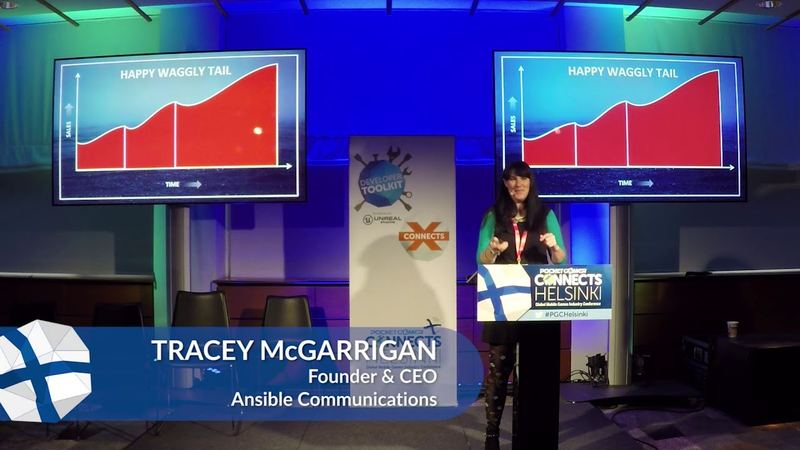
that's marketing that's what we do we just repeat ourselves until it works so let's look at Chris's tail and this is a graph before it goes up here we can see at this side and the the blue head of the demand of the tail hits this is where we would expect to see all of those big things in physical store the white part of the tail is everything else and it's made up of many many many many many different products in the games industry we've now seen this shift in retail power from bricks and mortar to digital ecommerce stores and previously we're a small number of those hotly-anticipated already popular items would dominate sales and be overly promoted by people like me because we want to attract as many customers to our stores from rival stores now with no space limitations digital stores can virtually stock everything and what happens is the less
popular selling items actually start to make up the bulk of sales this is why Amazon Netflix iTune and steam have risen to the top it's their catalog and the longtail in this case is the inventory management of all that great variety of products it's attracting more and more and more customers to the store that previously we could the cater for with popular items in an in a finite space so here if you were able to release multiple products if you've got multiple games in your catalogue if you can can cross promote them you're going to continually drive traffic and sales to your entire range and that gives you a really good push start every time you enter into a new market totally good for you keep up the good work that's amazing but what if you've only got one game what your baby you've spent ages working on this what
if you've only got that to promote historically games companies have already figured out that riding the long tail keeps your back catalog visible to both new and returning customers continually giving old life a new life to old titles with every new platform that you appear on and and a single title might have multiple skills with DLC Anniversary Game of the Year editions remastered editions you might bundle it with another title and that becomes a separate product it's quite amazing what you can do with just one product whatever it takes to keep selling us the classics it's an investment in ongoing marketing and it helps with your long term visibility for example how many versions of doom can a person own in a lifetime for me it's as many as possible and nearly all of them but the key word here is lifetime so here's another marketing graft it's not
a marketing talk without graphs um this is our classic product life cycle okay we've got sales in time we've got our pre-launch and our launch period yeah everybody loves us we've got growth and maturity yoo-hoo everybody that live just played the game and now the board and they're gonna play something else and everything's dying and oh my god this game is just put it in the graveyard put it in a box let's never see ever again however the long tail is why I love marketing long term because when you apply the long tail you can actually extend a product's lifetime which means better return on investment ooh we're getting heavy okay this is marketing 101 and there's loads and loads of stuff out there online that will tell you how to launch your game and do everything that you need to to get up to launch but what I'm really really interested in is what we do after launch it's a very wakey-wakey
Tale and that's because we just keep marketing one title and there's loads of different ways that we can do this but it really really does work and this is what I want you to think about and invest in and so let's look at the at the long tail again this is really interesting because now our blue section is a launch window and the rest of the tailless a year one and as you'd expect we've got a nice big spike for our products at the top but it doesn't die out please don't let your games die if your marketing stops where the blue section ends you're missing at least the chance of doubling your sales in year one and beyond and that's if it stays flat rather than being nice and wacky I like the wacky one better here we're before in the white section we had lots and lots and lots of products replace it with lots and lots and lots of marketing it really does work so let me explain and sadly we're not all Triple A studios
and I assume we're not ultra place users if so hi I'm available ansible comms and we can't capture millions of consumers at multiple markets at the same time I really do wish all of us in this room could be massive big worldwide phenomenal hit makers I'm sure you will all earn your millions in time but it's probably not going to be at launch where that dot is there and you've probably got an amazing game but without triple-a resources it's really hard to hit every potential customer at that launch point I've just told you and we've learned that customers represent the larger percentage of demand for all the other available products that aren't Triple A in the market so here's how you can use the longtail and keep making money if you're not actually spider-man and let's think of this in a year first of all I'm gonna
break your big hit mentality I'm only little but I've got a strong punch and and I hear this a lot it's really easy to get stuck into this mindset when you when you're in the development process and too often I hear things like if our game isn't a hit and it doesn't make money within its 90-day launch window the studio will close really this is really seriously bad I don't even know where to start with this if this is what your studio is thinking if you're relying on an instant success in order to survive good luck to you I would recommend minimizing and spreading your risk by making the longtail part of your early revenue forecast don't forecast at a month forecast at 12 months down the line make sure that your developers still have a job once they've developed the game that's a big risk on marketing but spread the risk and and continually invest only hits deserve to exist this
is just plain wrong let's move on targets emails age 18 to 34 is a hit segment what now no by definition no longtail is made up of a single consumer segment it's impossible within each segment your customers will have different values different experiences different expectations different preferred ways of engaging in into interacting with you there's a huge number of different consumer segments even within say a PC segment or in the 18 to 34 age gender profession religion family their physical environments and their purchasing decisions are all affected and the greater the diversity of your communications with them the greater your longtail will be so one size does not fit all marketing is
becoming a really personal exercise and so research and design your comms around this idea and target your audiences which shouldn't be just young blokes that means I'm not going to buy your game and I like buying games I like them a lot and I also here I'll get me so amazing any customer anywhere in the world would like to play it and they won't mind it's not localized again I'm embarrassed that I'm not speaking in Finnish and I know that my message will be translated and will be heard in a slightly different way depending on where in the world you are from it's true just as your customers so if you had deployed different communication methods to reach different people in targeted diverse segments it's even more important to do it when we're talking about non domestic or foreign markets audiences in different countries rarely
respond to the the same message in the same way that a domestic one would and I think we can do better you know the our customers should have the same level of game play experience and customer service experience no matter where they are in the world and it takes a little bit of investment but think the head of how are you going to talk to a worldwide audience so for me hit driven mentalities are are really outdated not cool and there were a result of an online marketplace where with enough room to carry everything for everybody can really shift numbers but we've gone from a place of scarcity to abundance how many titles do we see on Steam every day on Greenman gaming on GOG and that's just in the PC area my mobile is you know battery frying with the amount of new stuff that's coming out every day and so it can be super tough it to to to be discovered when
there's still this hit mentality going but consumers are driving us away from this we know they want more than just big hits it can take a few months it could take years for audiences to move away from mainstream and explore alternatives but at some point they do and be ready to welcome them into their tale when they're looking for what to play after fortnight over time you can reach more niche customers whose interests are outside mainstream sales but want to make purchases within their interest area and yes I am partly responsible for that traditional marketing cycles would have dictated that you launch a game crazy crazy extreme hi this is the next big thing that you've got to have and sell it like crazy and then we abandon it and we move on to the next thing and so I'm saying don't do that so what should we do for me the the adapted long tail the second graph that we saw there has become
central to my thinking and it allows us to capture markets that you just couldn't market to in traditional ways and the first thing I'm going to recommend is positive reviews I know that we're all a bit uncomfortable and asking people to leave comment please please please do this and press reviews are a bit of a different one so they rarely lead to the spike on the curve that you saw they don't really result in sales they might have a little spike if any at all but they do add credibility to your product so there are really nice have but play reviews are your bread and butter of the longtail and Queens University in Canada discovered that on Steam gamers play for a median of about thirteen point five hours before posting your review so you're probably only going to get true insight into how good your game is sort of a week after launch and that's where positive reviews asking people for
positive reviews can really help you dominate new and trending and recommendation algorithms online we know that most online shoppers in fact according to fan and fueled digital marketing agency 97% say reviews influence purchasing decisions 97% that's huge and 92% of customers say they won't buy anything at all if there's no reviews attached it's really really valuable to us last year steam changed its visibility algorithm at launch so when you used to get pushed in front of 1.5 million eyeballs and who knows if they're your customers or not and you could easily run through your 1.5 million in a couple of hours which I've seen and you're like that was fun how many cells 12 yeah now they've stretched that visibility over 30 days again we're thinking long term here all the time and it's actually better to target because they're going
after and customers that are have wish lists or have plenty ends playing or have recommended what the the tags are on your Steam games so again those little details are things that we should be looking out for and and pushing for positive reviews is something super important that we should get right we also know with reviews 73% of online shoppers say written reviews give them more of an impression than a star over number rating and so engaging with you in with your communities and pushing them to talk about your game wherever they live their lives online or really helped with your long tail so engage communities and these help massively to amplify and champion what you're doing way above and beyond your own marketing efforts and utilizing brand ambassadors can help you amplify to small in niche groups while overall your community is going to be your big voice and bring
balance to cut through the signal-to-noise ratio having a variety of product offerings with unique marketing and community activity really helps you engage and attract a diverse group of customers so this might involve in-game events exclusive items Q&A with the devs behind the scenes stuff and information competitions anything that's going to make your community feel special because let's face it communities are plugged in all the time they're 24/7 I wish I could clone myself to be 24/7 marketing but they're not and what we know is because they're plugged in all the time the level of information and connect direct connection they can have with the business nowadays is unprecedented and and we know they expect you to make them feel very special all the time and they will let you know when they're not happy with you and so do nice things keep attracting a
few new customers per month and actually a few new customers per month will bring you revenue but strong imagery having a really clear voice woo look feel and to create a seamless fun multi-dimensional experience for your community not only helps your brand and but helps your customer understand what the game is about through your attitude towards it even before they've tried out your game and this ultimately leads to and an authentic layer of buzz or I use the word buzz this is like marketing bingo today isn't it but talking of buzz word of mouth so even though social media in the internet is you know if King and still rules we know that customers still make that purchase purchasing decisions using a combination of old media and new media in fact 59% of gamers consult family or friends
when making a purchasing decision now that number kind of stays around that point depending which study you're looking at but it kind of sits around there and have any of you heard of warmer no it's actually the word-of-mouth marketing Association see it works word of mouth from my mouth your ears and we've all learned something and you're going to go away and look at warmer and they celebrated their 10th anniversary with quite a landmark study if you're if you're really that geeky and marketing and come talk to me about that later and they found that the value of a word-of-mouth impression is anywhere two five to a hundred times more valuable than a paid media impression that's huge if you think everybody in this room you told you talked to them about your game and they weren't tall five people and they'd went on five people that is super super explodes my mind and they on their study also showed that word-of-mouth often works hand-in-hand
with advertising and can boost any advertising you're doing by about fifteen percent so we're not spending very much we're not having to do much we're just thinking about these little nuggets of marketing and encouraging word of mouth is super super powerful um two thirds of this kind of social influence happens offline and so it's face to face when you down the pub later on having a party or when you're at conference is when you're phoning your mom to tell her no moments still alive I'm not eating noodles I'm making a game it's great and and and only one-third is online through social networking sites reviews and blogs and the like so it's really important when thinking about this in your timeline what are you going to do creatively to keep people talking about your game and more importantly keep people discovering your game and buying into it and one of the other things I'd say about word of mouth that's really really important is that the language that comes from early
reviews and word-of-mouth from what your fans is what your fans say you are not what you think you are and I've seen a lot of market tears get into this trap where they're like no we're absolutely an RPG for cats and you're like no your fans are completely saying it's for dogs and you know you're you're you're a walking soon and so this is really important you can use this especially when you're entering new markets and this leads us to more pennies which is great we need revenue to expand the longtail when we're mastering domestic markets before going global and questions I would ask here is what do you truly understand about different customer attitudes towards your product around the world are you able to track the full customer journey from one seems someone sees an advert social media post or has been told something about your game to where they make the final purchase and how are you encouraging reviews and word-of-mouth in the coming in and building an engaged community and use your launch data learn
everything you can about who has purchased your game at launch look at their purchase behaviors look at their interactions with the studio and with other gamers to inform what you're going to do next that helps you then identify those segments we were talking about before and then you can tailor and plan your communications watch hunker you're gonna drop months on months and months how are you gonna make it personal to keep that cycle going and what do you know of your competitors in this space when you go global and what does that landscape look like ongoing promotions keep sales active and and it is promotion that drives sales not price I'm often promoting products outside of a normal sale cycle really builds and helps monitor demand and monitoring the development of niche markets in the long tail working with your distributors to create those really unique marketing beats really strengthens your position in these markets basically the trick is
to know what people want and what they say about your game use this knowledge in order to keep finding those new audiences and combining enough small returns on the long tail to create a huge market that's bigger than one hit and no haven't got very much time left I will just mention this and this is one final note if you're researching the long tail be aware that in marketing it also applies to search engine optimization and we know typically consumers have already done their research and most of the time they're going to use highly specific search phrases when they're looking for exactly what they want and general online purchases start with Google or Amazon around 73 percent of purchasing decisions begin with research conducting conducted on Google and but gartner predicts that 30% of searches will be done verbally without writing anything by 2020 it's not that far away and so when we're thinking about SEO
think about how people are searching for you are they actually typing for you or are they saying okay google give me the latest game that's not fortnight with cats and biscuits and that has somebody wearing a woman's hat with male clothes and it's it's getting really really specific remember also the power of word of mouth and this is how we're going to be engaging more and more with marketing as we go forward so the longer and less popular the keywords the more specific they are to you and is the key to maintaining visibility here again remember the essence of this message is and target your audience be niche and be consistent over time oh I was a bit slow there but yeah be smart be niche so to kind of wrap up think digital do more with less segment your customers super super important treat everybody as if
they're sat next to you in the room reviews in word-of-mouth it's massively powerful thing and it's really underrated and anybody that says that it's not more valuable than spending a gazillion pounds on advertising I'll have a pint with you multi-channel messaging tailored interactions and keep writing build up those little nuggets of marketing brilliance and the ride is going to be worth it in the end you will get there and have we got any time for questions that oh you already talked like a 25 minute my gosh really sorry this happened ketose thank you so much for having me I'm sorry run over [Applause] you [Music]
Summary
The gaming industry is shifting away from a hit-driven model toward a long-tail strategy, where sustained, long-term marketing efforts generate consistent revenue beyond the initial launch window. This approach moves away from the traditional focus on a small number of mainstream blockbusters, instead emphasizing the economic viability of niche markets and diverse consumer segments. By leveraging digital distribution platforms that lack the physical constraints of traditional retail, developers can maintain the visibility of their back catalogs and extend the product life cycle of individual titles.
Key findings indicate that relying solely on a 90-day launch window is a high-risk strategy that often leads to premature abandonment of viable products. Instead, studios should forecast revenue over 12 months or longer, treating the post-launch period as an active phase for engagement. Data suggests that 97% of consumers are influenced by reviews, and 92% will avoid purchasing a product that lacks them. Furthermore, word-of-mouth remains a critical driver, with impressions being five to 100 times more valuable than paid media. Because two-thirds of social influence occurs offline, developers must foster authentic community connections that encourage organic advocacy.
Methodologically, this strategy relies on granular audience segmentation rather than broad targeting. Because consumers within a single demographic can have vastly different motivations, marketing must be personalized and localized to resonate across global markets. Effective long-tail management involves utilizing in-game events, community Q&As, and cross-promotion to keep titles relevant. Additionally, search engine optimization must evolve to account for specific, long-tail search queries and the rise of voice-activated search. Ultimately, the thesis holds that by consistently nurturing niche audiences and prioritizing community-driven buzz, developers can aggregate small, steady returns into a total market share that exceeds the performance of a single, short-lived hit.
















Comments