Mobile reports and market data
Documents
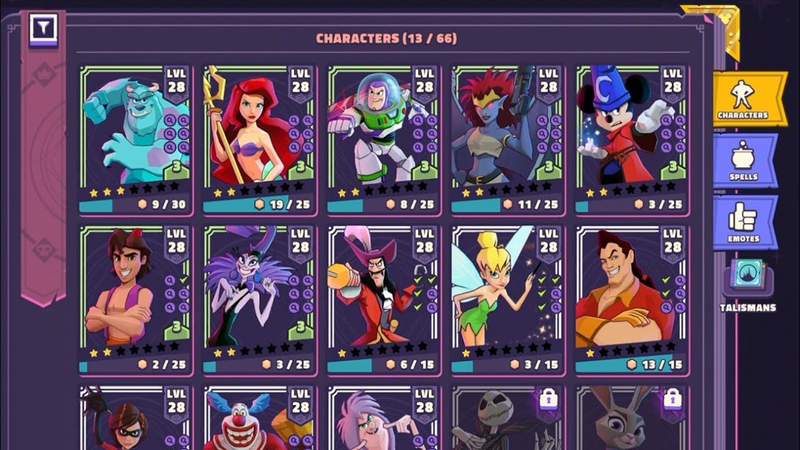
How does DISNEY SORCERER'S ARENA retain, engage and monetize?
Disney Sorcerer’s Arena, a squad-based turn-based RPG developed by Glu Mobile, utilizes a complex, multi-layered monetization and engagement model built upon the broad appeal of the Disney and Pixar intellectual property.
- Disney Sorcerer’s Arena utilizes a shard-based collection system for Disney and Pixar characters, mirroring the core mechanics of Star Wars: Galaxy of Heroes.
- Monetization is driven by an aggressive, multi-layered economy featuring randomized loot boxes, specialized stores, and frequent pop-up offers designed to accelerate player progression.
- The game employs a tiered battle pass system called the 'Pass Holder' season, which incentivizes monthly recurring spending through a premium 'Gold Pass' offering exclusive bonuses.

How does HAY DAY POP retain, engage and monetize?
Hay Day Pop represents Supercell’s entry into the match-puzzler genre, leveraging the established intellectual property and aesthetic of the original Hay Day farming simulation.
- Hay Day Pop is a hybrid match-two puzzle game that integrates base-building and decoration meta-game elements into the established Hay Day intellectual property.
- The game utilizes a dual-currency model, featuring soft currency for construction and hard currency (diamonds) for purchasing extra lives, additional moves, and power-ups.
- Retention is driven by a win-streak mechanic and a progression system that rewards players with stars and seasonal trophies for high-performance level completion.
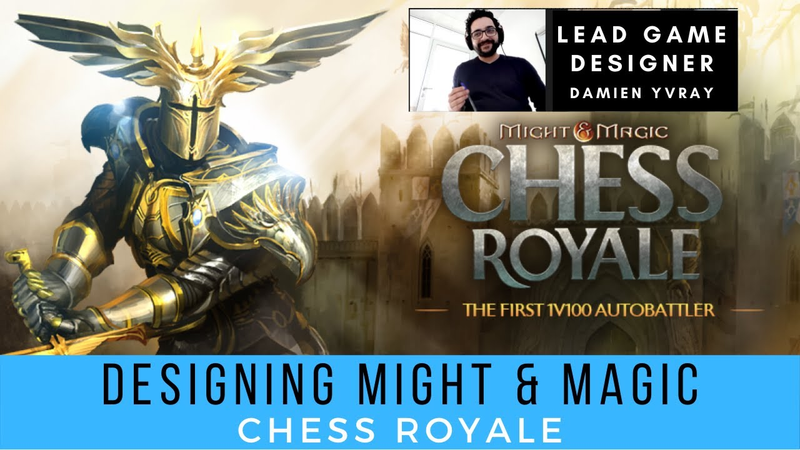
Might & Magic Chess Royale | Lead Game Designer Damien Yvray
Might & Magic Chess Royale represents a strategic effort to disrupt the competitive auto-battler market by prioritizing a mobile-first design philosophy.
- Might & Magic Chess Royale differentiates itself by condensing traditional 40-minute auto-battler matches into 10-minute sessions to prioritize mobile-first accessibility.
- The game utilizes a 100-player battle royale format to increase competitive intensity compared to standard auto-chess titles.
- Development relied on a fast-tracked internal greenlight cycle and data-driven design methodologies to mitigate production risks while entering the growing auto-battler market.
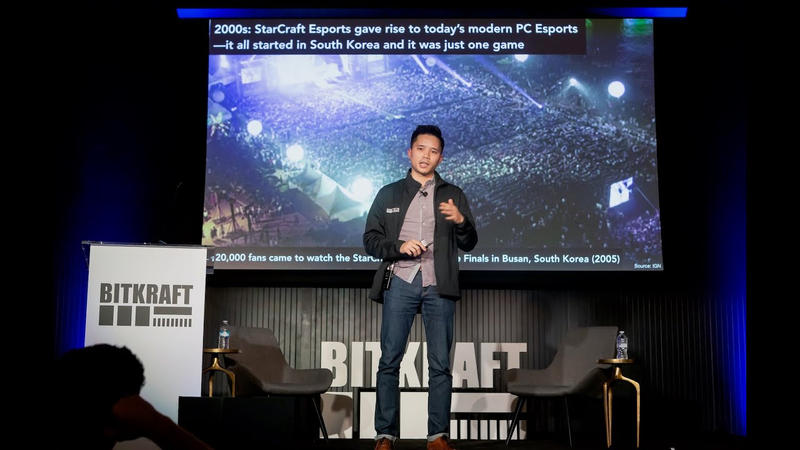
BITKRAFT Summit LA 2020 | Jeff Chau on The Promise Of Mobile Esports
Mobile esports has ascended to a position of global dominance, currently generating more revenue than PC and console gaming combined.
- Mobile esports is a primary driver of global gaming growth, contributing significantly to a $14 billion market that saw a 16% increase in value, with titles like Free Fire and PUBG Mobile ranking as the most downloaded games globally.
- Mobile esports titles exhibit exceptionally high fan engagement, with top players achieving engagement rates of up to 22% on social platforms, significantly outperforming the 10-15% average seen in traditional PC and console esports.
- Regional dominance is highly localized; for example, Mobile Legends in Indonesia recently hit 476,000 concurrent viewers, rivaling the global viewership of the League of Legends European Championship.
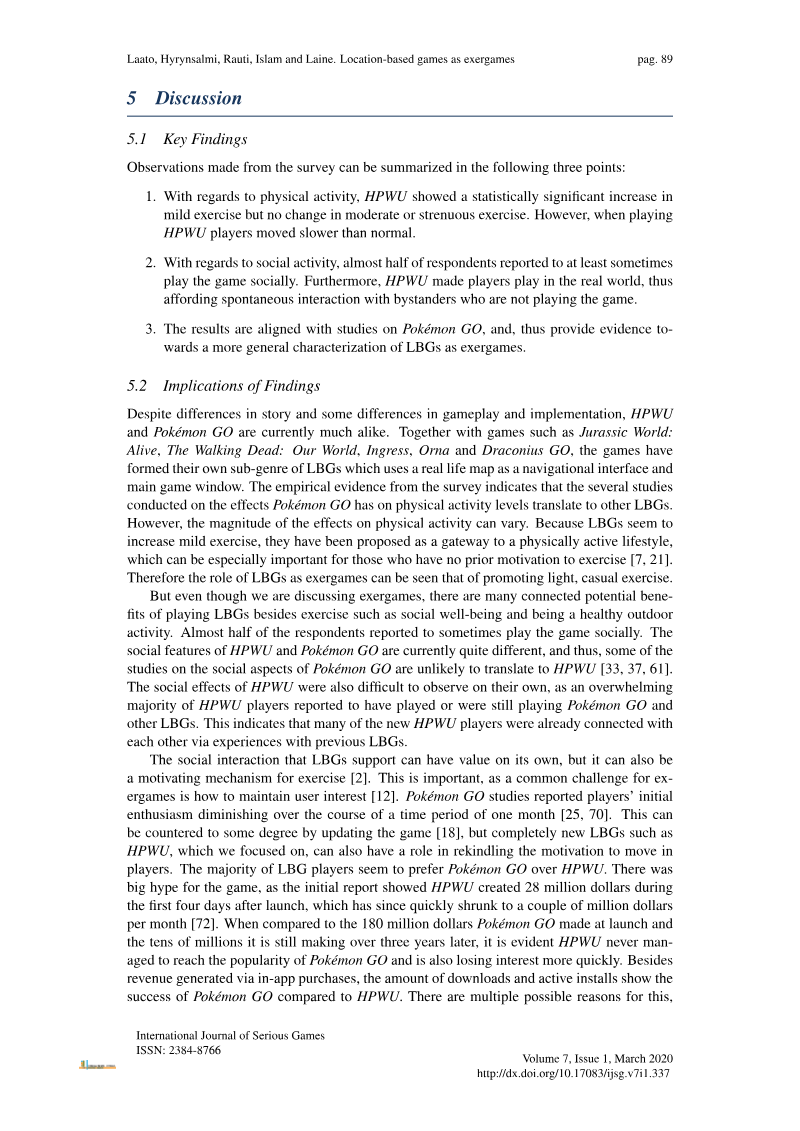
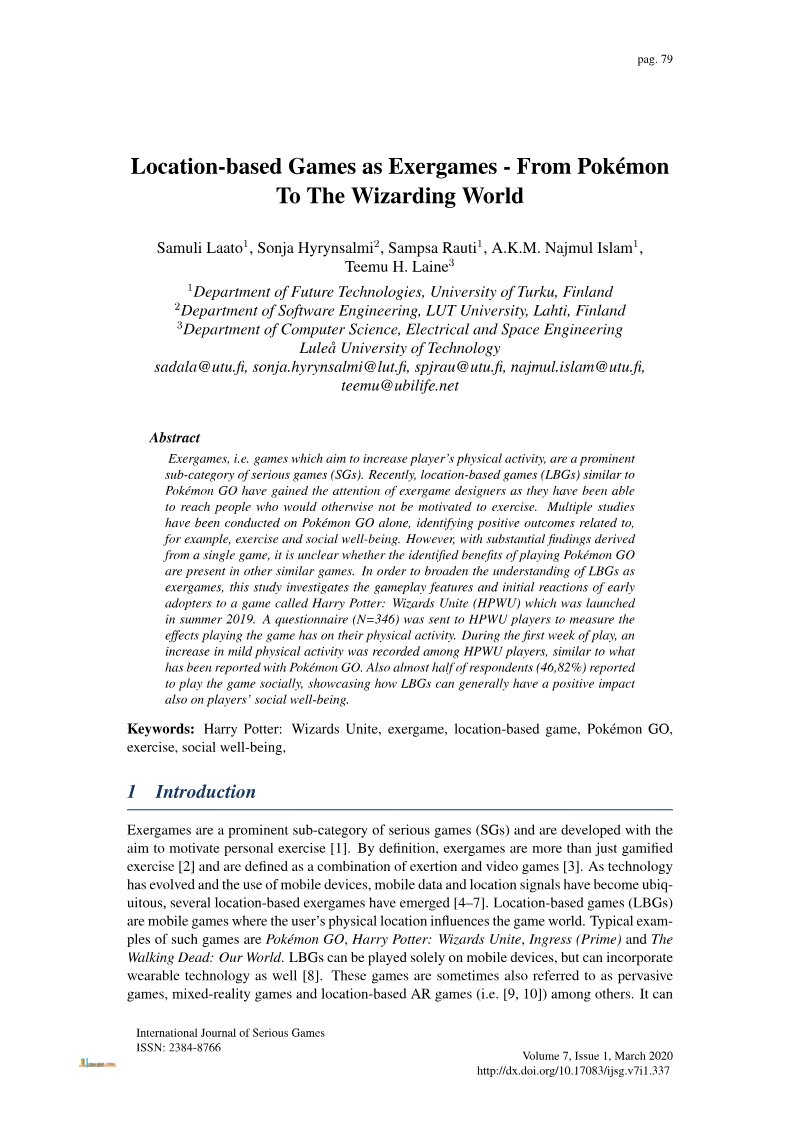
Location-based Games as Exergames: From Pokémon to The Wizarding World
Location-based games function as effective tools for promoting mild physical activity, primarily through casual walking, though they generally fail to facilitate moderate or strenuous exercise.
- Location-based games effectively promote mild physical activity like walking but fail to facilitate moderate or strenuous exercise due to gameplay loops that require frequent stops.
- The long-term viability of location-based exergames is hindered by aggressive monetization, design flaws, and a lack of competitive player-versus-player elements.
- A survey of 346 participants showed that while Harry Potter: Wizards Unite successfully increased step counts and social interaction initially, it failed to match the retention rates of established titles like Pokémon GO.

Stillfront Acquires Storm8 For $300M | Talk with COO Alexis Bonte
Stillfront Group functions as a decentralized network of over 13 semi-autonomous game studios, prioritizing the retention of original founders to preserve creative independence and entrepreneurial agility.
- Stillfront Group operates a decentralized network of over 13 semi-autonomous studios, managing a portfolio of more than 35 long-lifecycle, free-to-play titles to minimize the volatility of hit-driven gaming.
- The company acquired Storm8 for $300 million as part of a strategy to expand into new market categories by integrating established, high-performing entities rather than pivoting existing studios.
- Stillfront’s market capitalization grew from $600 million to over $1 billion within a six-month period, driven by its acquisition-led growth model.
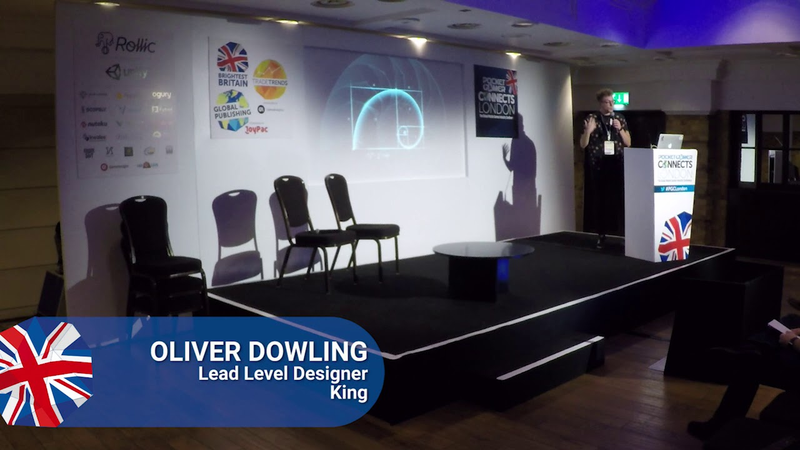
PGC 2020 Sessions @ PGC LONDON - Olivier Dowling
Effective level design for mobile casual games relies on a structured approach to board geometry, element synergy, and iterative player feedback.
- Level design should prioritize board geometry that introduces meaningful constraints and combines strategic blockers with explosive elements to ensure variety across thousands of levels.
- Designers must balance positive, helpful elements with negative, challenging ones to maintain player engagement while minimizing frustration.
- Development workflows should favor shorter, more frequent play sessions over long, drawn-out experiences to reduce the negative impact of high time-investment failures.
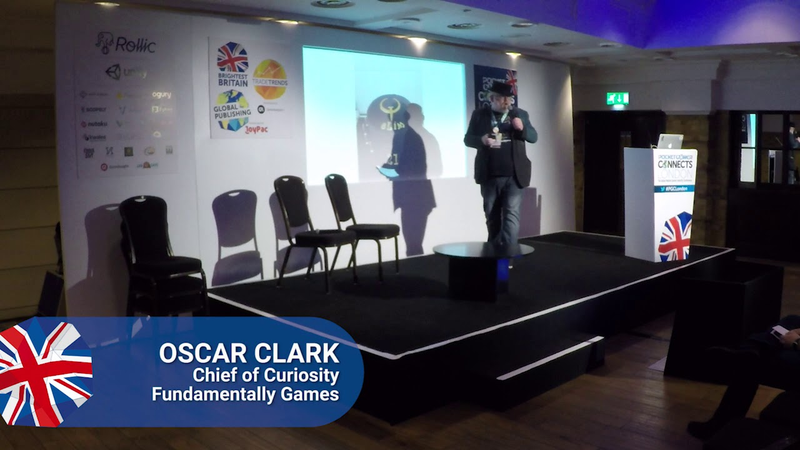
PGC 2020 Sessions @ PGC LONDON - Oscar Clark
The evolution of the video game industry is framed through the metaphorical lens of cake, representing the addictive and pervasive nature of interactive entertainment.
- The gaming industry has evolved from a niche hobby into a multi-billion dollar global sector that now competes directly with traditional media industries like film and music.
- Technological milestones, specifically the introduction of Java-based mobile gaming and the 2008 launch of smartphone-based distribution, were the primary catalysts for democratizing access to digital entertainment.
- The industry’s growth model has shifted toward a cycle of consumption driven by social gaming, microtransactions, and deep brand integration.
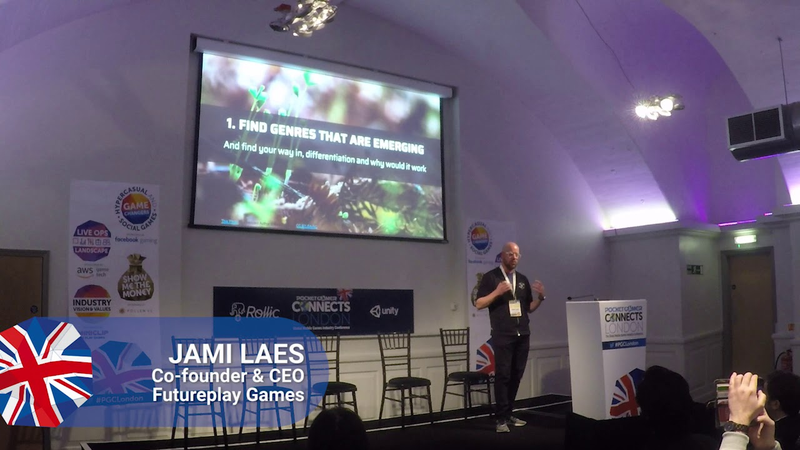
Next Steps for Futureplay - Where in the Market are we Going Next and Why?
Futureplay Games, a Finnish studio founded in 2015, utilizes a strategic, iterative approach to game development that prioritizes organizational agility and market-driven pivots.
- Futureplay Games utilizes a 'Minimum Awesome Product' strategy, which focuses on scoping projects to essential, high-impact features to rapidly test market viability rather than pursuing traditional, feature-heavy development cycles.
- The studio has generated $30 million in lifetime revenue since its founding in 2015, maintaining a lean team of approximately 35 employees.
- Futureplay manages risk and creative momentum by shifting genres every few years, successfully pivoting from idle games to the battle royale market with the 2018 launch of Battlelands Royale.
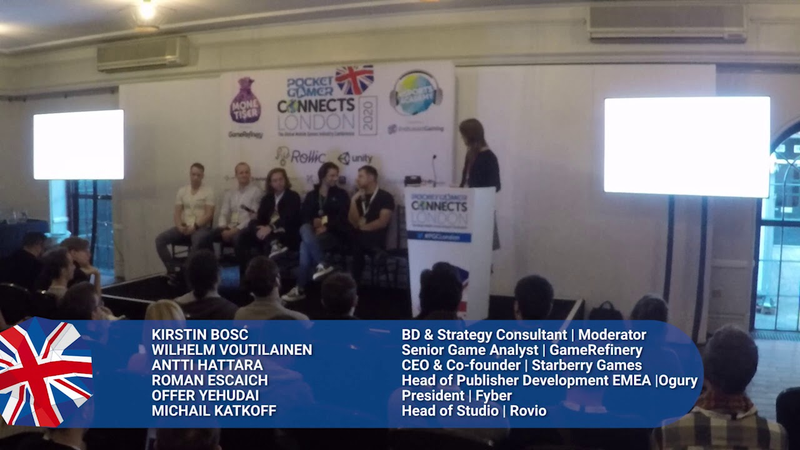
Panel: Choosing the Monetisation Mix for Your Game
The mobile gaming landscape has shifted toward hybrid monetization models as a necessary response to rising user acquisition costs and the dominance of established titles.
- Hybrid monetization—combining in-app purchases, subscriptions, and advertising—is now a necessary strategy to combat rising user acquisition costs and competition from established titles.
- Successful hybrid models treat revenue streams as a cohesive ecosystem where mechanics reinforce each other rather than operating as isolated silos.
- Rewarded video ads should be implemented as non-intrusive, value-added gateways to premium content to enhance player retention rather than detract from the user experience.
Building a Successful Ad Monetisation Strategy: What can Mobile Gaming Learn from Other Verticals?
The mobile gaming industry is undergoing a significant shift in its monetization strategy, moving away from a reliance on in-app purchases toward a more robust, ad-supported model.
- Mobile gaming should shift from a reliance on in-app purchases and performance-based game ads toward brand-centric advertising models used by non-gaming applications.
- Developers can attract premium brand budgets from retail and consumer goods sectors by treating their games as 'shop windows' that offer high-quality, non-intrusive ad placements.
- To appeal to premium advertisers, developers must prioritize brand safety and leverage recognizable intellectual property rather than relying solely on hyper-casual ad models.
How Does Brand Advertising Fit into Your Monetisation Strategy?
Mobile game publishers can significantly enhance their monetization strategies by integrating brand advertising into their existing revenue models.
- Compliance with supply chain transparency standards—specifically app-ads.txt, sellers.json, and the OpenRTB supply chain object—is now a mandatory prerequisite for accessing brand budgets from major buyers like The Trade Desk and Google.
- Only approximately 30% of top-tier mobile apps are currently compliant with industry transparency standards, leaving a significant portion of the market excluded from brand advertising revenue.
- Publishers should move away from global price floors and instead implement regional pricing tiers to effectively capture demand across diverse international markets.
Writers
Games and companies
Games