1 free read left. Create a free account for unlimited reading + AI research.
Create free account
Next Steps for Futureplay - Where in the Market are we Going Next and Why?
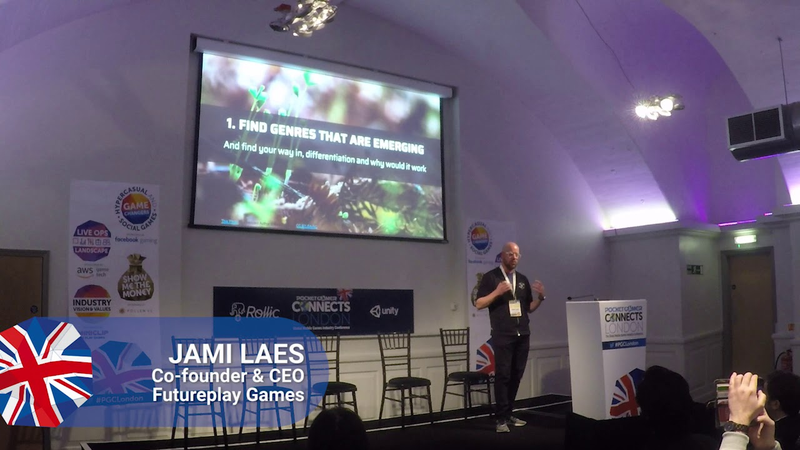
Key insights
7 takeaways- 01Futureplay manages risk and creative momentum by shifting genres every few years, successfully pivoting from idle games to the battle royale market with the 2018 launch of Battlelands Royale.
- 02Futureplay’s development process relies on constant internal market teardowns to ensure new projects align with both the studio’s internal culture and identified external market opportunities.
- 03The studio has generated $30 million in lifetime revenue since its founding in 2015, maintaining a lean team of approximately 35 employees.
- 04Futureplay Games utilizes a 'Minimum Awesome Product' strategy, which focuses on scoping projects to essential, high-impact features to rapidly test market viability rather than pursuing traditional, feature-heavy development cycles.
- 05The studio plans to continue its evolution by expanding into the mobile-first puzzle genre while maintaining its focus on high-engagement gameplay.
- 06The company identifies new development opportunities by analyzing market data such as download volume, revenue per download, and long-term retention to find segments with a favorable 'base rate of success.'
- 07The studio intentionally avoids hyper-casual and social casino genres, which require massive scale, in favor of segments that allow new entrants to compete alongside established titles.
Ask AI about this video
Transcript
[Music] good to be here I hope you this is the presentation but let's see if they can find the right one we trying to know exactly what's going to be said in the previous presentation because I would have a lot to say about that too okay two different pictures on these two different screens makes it a little bit weird we actually do have a we have a hack day every every week we called future playgrounds so half of every Friday anybody can do whatever they want as long as it's legal because we don't want to get into legal trouble back in Finland and we also have the team sprint the teams actually own every sprint and
they own all the goals and they own all the targets and all those kinds of things as well also on top of that we have what we call prototyping sprints sometimes for a week or two or four weeks they get to build something new and I'm actually going to be talking today more about the new stuff rather than going back into too much about how our company has been built and what are the values or what are the ways of working and how we operate them stuff like that and a little bit kind of thinking about how do we manage and lead without managing and leading the creativity in the company to try to direct herd of cats to go towards a common goal in the market where we want them to go together so a little bit about us we were founded in 2015 we raised about three million dollars in venture capital we're 34 35 people today about 30 million u.s. dollars lifetime revenues we've launched them in games we cracked a few eggs cancelled or killed
five five games and I'm not counting all these little prototypes that we build across the years about 100 million downloads depending on who you believe on how many fertile and instils you count in there and how many pirated installs it's a lot higher number about 2.3 billion ads served as well which is kind of where we started from the view to play site of the market and that we pioneered five years ago but we've been moving places in different areas and different genres and this maybe more what this talk is today is about so right around five and a half years ago when we're starting future play and raising funding we didn't have a game pitch we didn't have a game design we didn't go to investors that hey investor can you invest into this game we want to build this game it's gonna be super successful everybody doesn't understand how successful it's gonna be we just need the money to build this game so we weren't asking for money for a game we're asking for money to build a company we said that we want to understand a build and learn develop all
the things we'll need we don't know what all those things are but we've been doing this collaboratively been combined for many tens of years and we know all the things that we need to know and we'll figure out the rest and that's how we started kind of from very simple premise that there were five guys originally and we thought if you give us a credit card a working internet line five MacBook Pros and lots of coffee on a summer cottage we can develop and publish games until the cows come home and the rest will figure out as we go along and we've been obviously hiring and buying off-the-shelf technologies and using third-party TechEd and stuff like that but we've always kind of built that you need to understand everything that you need to be successful especially in this coming day and age having a great game is only half the battle I'm getting to a great game from the idea concept prototype market test etc takes a lot of money and takes a lot of time so we're trying to kind of see how we can short-circuit what we start to start to innovate on before we start
the innovation so that we have a better chance of actually hitting something that is gonna work for us and once we go to the market so this is actually a red-winged shoes old slogan built to fit built to last it used to be our password for a Wi-Fi network for the first year for four years - not anymore so don't try and come snooping around our office but what it means for us is that we're not only looking at the market we're not only looking like what it what could be fitting the market what could be actually having that turn it into a hobby style of game design and long and engagement or intention we're also looking at what seems to be the right types of games for us as a company for us as a developer with the kind of team dynamics that we have with the experience that we have with the old knowledge and kind of experience and practical skills that we have and then technology that we built in previous games so we're always trying to look at the what is the kind of development fit for us and what is the risk fit for us what is the development profile what is the risk profile is this a good time for
us to learn something that we kind of know we need to know but we don't know how to do it yet but it's time to take that risk and move move development to a different direction so we're always trying to make sure that we learn from every single game that we build something new and valuable strategically and operationally for the company as well and since we're not the biggest and we're only 34 people at the moment we got to be smarter we got to be faster we got to be better at certain things and we tried to figure out what those things are and try to try to achieve that but one of the things that we've been doing since our early days was that we started with the very few slogans one of them was no that was their own value that was their own vision that was their only kind of guiding principle that everything else will follow as long as we do no say no and tolerate no from no one and we don't do that to each other it's like a punk rock version of the golden rule made famous by this dude 2,000 years ago in 2000 years before that by Confucius actually in China but one of the things
that from a game development mindset that's worked really well for us is that we've always developed what we call minimum awesome product so what is the smallest most concise you know possible version of your game that you can launch that is actually going to tell you something why is it now called Minimum Viable Product because nothing viable is actually viable in the games industry because when there's 10 20,000 new free games every every day going into the stores and the price point is free or in some cases even negative than free you actually earn money from some of the games playing at least game internal money by watching ads so you've got to have something that is awesome but you can leave out all the things that you need once the players get to day 30 or day 14 even and he just developed something where he can kind of glean the very first response of the market so we're very good at scoping we've always just you know the default answer is no when you talk about scope of the game the default answer is always yes to everything else and and we try to avoid
saying no but we try to say yes and on all other things but in terms of scoping you got to be ruthless you got to be you know super super sharp sharp focused on what you're going to be building on what is essential and what is needed in the first build in the next build in the next update in the game in the soft launch version etc but at the same time we do look at it from a couple of very different perspectives you know trying to align everything aligning the stars I mean from a company perspective is this the right time for us to go into this area of the market is this something that we want to be known for is this something that we're gonna be proud is this something my grandmother is going to understand is this something that is going to be you know one of the defining games for us as a company and as a studio human beings always rate anything on two different key metrics the last thing related to that and the best thing or the worst thing related to that so if we're game studio what that means is that you're the average of two games
your last game and your best game ever so we're always trying to look for things that okay is this one of those things that you know it's not going to be the game that makes us and we're gonna be known for but as a company it's important from a revenue point of view or from technology point of view or learning something or you know from aligning everything is the market there that oh my god it's a land grab we got to go or there's lots of money to be had or lots of users who are underserved people desperate for gameplay experiences let's go there or from a product point of view we got this we know what needs to be done or we really have nailed what this needs to be or from a development in timing hey we have these people coming coming free and they really want to do this and the timing is great it works perfectly from a production point of view etc obviously trying to align everything but you can't always do that so usually the more successful you are in the lining or is the more successful or better chance of success you have but how do you know where in the market to go it's kind of hard because there's multiple different
ways and there's no right or wrong way but we always kind of relied upon a few different things how do we try to how do we try to kind of glean the market and skim the market and listen to the market and look at it and sometimes more deliberately do your market research from top down point of view but basically these are the kind of lenses that everybody in the company as a player as a gamer has ongoing all the time when they're doing their work or when they're on their free time and playing games on another platform that is not mobile or whatever we're having conversations on different channels for game developers these the kind of lenses that we always try to use that what is out there that we would need to know about we're in the market to go and one obvious thing but it's sometimes the obvious things are the hardest things I mean everybody knows yeah doc go somewhere where it's gonna be great but not a lot of people are there but it's definitely something that if you do keep your eyes and ears and your your game accounts open to new experiences and you
don't fixate on only playing the types of games that you like but you really try to understand different platforms and different markets different regions different geographies and make sure that you have very varied kind of sets of difference like psychological profiles for gamers in house and development teams etc you're more likely to find these water cooler conversations - hey guys have you played that game that's super interesting now there's five of those already on this platform and everybody thinks that they're too quirky but I was actually thinking if we do this and that that could actually make a great mobile game and we can make a multiplayer and I see a lot of potential there so finding those kind of emergent or green shoots on different genres or completely new genres which is very rare but sometimes can happen but things that are getting into the popular limelight are gonna be popular and more popular as the time goes by having everybody in the company really thinking about that actively and having that as an active part of conversation for example on a
weekly basis I don't know monthly basis doing some kind of market studies and and tear downs for certain platforms or stores or games or competitors etc etc that's gonna give you then all the ammunition when you start actually finding something hey yeah we know that's gonna be great by actually I was thinking that what we talked about last month this could be our way in into this new genre that using this meta game what they're using here could be a great fit with what we were thinking here on the court game side or we can make ourselves different this way so all of that if it's part of your culture if it's part of your DNA if it's part of the older conversations and part of your thinking sooner than later it will actually start to come naturally for everyone in the company so what we did five years ago is that we went to idle now everybody's in idle and we're exiting it we're not going to do idle anymore I'll tell you later why not but this was one of the things we looked at you know there was a congregate talk already around that time and we're looking like there's a couple
hundred of these on Steam and people are playing you know cookie clicker on their PC while they're waiting for the raid to start but all all the games on mobile back then were pretty kind of Michie and indie and spreadsheet like so wait a minute why don't we do this but we do it in a better way make it look like a Nordic Triple Aim old game that actually looks like heyday or Sim City and and actually under the hood is super simple and super slick and easy to make so let's let's take a go at it so we did for those in the in the first three years of our company and then kind of moved somewhere else and what we did next was that you know it's good to be the first or very early on it's not always that the first takes it all sometimes actually being second and avoiding some of the mistakes of the first can be very useful but when something kind of clearly looks like from a market from a region point of view it's it's big in Asia it's gonna make its way to the west west at some point it's big on PC and console there is a way to do in a mobile somebody will
crack in you got to go there etc this is what happened to us in 2017 when we're playing a lot of pop G and when it was early on the crappiest stage of the betta and in May 2017 when it was only like a couple hundred thousand concurrent players in in thousand stories or a couple million on pop G on Steam worldwide at that point we're asking how do we do this on mobile how do we do this how do we get the pain the agony the glory that I got you the you from from these battle royale games and condensed that into three minutes on mobile and ten months later we launched battle on Israel because we knew that hey we can't wait two years to try to figure out how to do this we got to move now we got to start doing this now and we got to be fast because we can't make a bigger game than pub G will make or call of duty' will make the only thing we have is our speed we let's be fast so we actually only did a three-month production we were talking about it from
May until end of the year and did prototypes how we're gonna do it on mobile and then from start of the year eighteen to end of March we did the technical self launch and and went global midway through the year in 2018 but one of the things that we've been spending more and more time lately is kind of looking at whether you call it the win-loss ratio or a base rate of success but it's a similar concept than what you have when you look at for example which University to apply to do you want to go to the Ivy League's where there's a smaller chance of actually getting in or you want to choose a second kind of grade university in the US where you have a very much higher chance of getting in and we've been applying a similar thinking in to looking at the market where the market in that genre or that mechanic whether you define it more specifically than an kind of broader genre it's kind of distributed more evenly among several winners or several companies and several games that are doing well it might actually sound like a super simple thing
and it is but at the same time to really try to look at that and not just use your gut it's not necessarily so simple so in 2017 we did a kind of bigger push at looking at this looking at like data that you can get very easily if you work with that funny and sensor tower and the kinds of companies looking at downloads looking at revenues looking at you know revenue per download wheel we were also looking at revenue per download per month so taking the longevity and the live status of the game into account and basically looking how quickly a certain game was actually accumulating lifetime revenue per user and this is all you know just you just do some math based on the data that you can get from those and then you can look at different weights highlight download games high revenue per download games with high downloads and different kinds of stuff like that and some of the companies do some of this already automatically like game Refinery to you in 2017 they didn't but back then it was clear that you know clash royale and clash of clans there
was a lot of other competitors who were trying to beat them in their own game but everybody was dead by the side of the road there was only one winner in those kind of categories of games the same time we looked at casual sports hey wait a minute there's only basically miniclip and a golf clash now we should go there we should do some table tennis or tennis or or mini golf or something like this because there's definitely great metrics here and it's not overcrowded then we're also looking like match tree yes it's it's a massive category probably the largest part of the market at least in the u.s. iOS on any given quarter lots of competition but very democratic every year there seem to be new games new entrants coming into they're making millions or tens and millions some of them hundreds from time to time and really kind of becoming named stakes and and longevity titles into that market but at that time being a small studio we decided to let's park everything else and focus on battle royale because that's not that's the time to market so what we've been doing
since then is kind of using the similar similar thing where we look at the market where the money is and what things are fitting for us like sports and racing let's not go there social casino let's not go there it's you know part of our DNA we don't want to do those types of games and using kind of the method of excluding things that we don't feel natural to us and where we don't see good base rate of success or good win-loss ratio for companies and games who've entered that part of the market we're moving those and seeing what kind of bubbles up to the top and basically now what we found out is that we do want to continue with battle we learned so much with battle on Israel so we're working on another battle title and at the same time we're finally entering the puzzle part of the market with a couple of eight games this year and why do we keep moving into new genres well if the definition of insanity is doing the same thing over and over again and expecting different results we find it a lot more relieving for mental health point of view to actually get to recreate yourself creatively every few years
because we're not defined by strategy by investors by publishers by anyone we can do whatever the hell we want so we do whatever the hell we want every four years and we think we'll learn more that way and we grow more that way and we think we have more opportunities that way and we think we can manage the risk better way in that way as well so thank you thank you we have time for one question who raises their hand the highest thank you hello I would be interested in your I'm sure you've analyzed hyper casual and what was where your conclusions my conclusions about hyper casual it's funny we actually originally everybody thought that we're gonna be a hyper casual company when we were raising money and we said that no we don't need 50 or 500 games we only need one or two or five and that we're
gonna make them make the engagement retention in the lifetime value higher than what was thin kind in the early days of hyper casual five six years ago we looked at that market pretty seriously but then we thought that if we go down that route it's like social casino you got to go all-in there's no dipping your toes unless it's like a creative release valve for doing some quirky stuff on the side that you don't expect to ever do anything financially for you and we agreed that we're not gonna go there because we have other genres other mechanics other things we want to focus on and we can fully focus on hyper casual and believe that we're gonna be successful in that it needs more effort it needs a bigger push and needs more you know just some more of a shotgun approach in the development structure everything would need to be different and if you don't do it right it's gonna be horrible for developers so that's why we didn't want to go there you can do it right I mean you can't be successful I'm not trying to say that but it wasn't for
us we made a conscious decision not to go there thank you thank you very much [Applause] [Music]
Summary
Futureplay Games, a Finnish studio founded in 2015, utilizes a strategic, iterative approach to game development that prioritizes organizational agility and market-driven pivots. With approximately 35 employees and $30 million in lifetime revenue, the company focuses on balancing creative freedom with rigorous market analysis. The studio’s core philosophy centers on the "Minimum Awesome Product," a concept that emphasizes scoping projects to their most essential, high-impact features to test market viability rapidly, rather than pursuing traditional, feature-heavy development cycles.
The studio’s strategy is defined by a willingness to shift genres every few years to maintain creative momentum and manage risk. Initially established as an idle game developer, the company successfully transitioned into the battle royale genre with the launch of Battlelands Royale in 2018. This pivot was driven by a desire to condense the high-intensity experience of PC and console battle royale titles into a mobile-friendly, three-minute format. By analyzing market data—such as download volume, revenue per download, and long-term retention—the studio identifies segments where the "base rate of success" is favorable, specifically looking for categories that are democratic enough to allow new entrants to compete alongside established titles.
Futureplay avoids genres that require a "shotgun approach" or massive scale, such as hyper-casual or social casino games, opting instead for segments where they can leverage their specific team dynamics and technical expertise. The company’s decision-making process involves constant internal dialogue and market teardowns, ensuring that every project aligns with both the studio’s internal culture and external market opportunities. Moving forward, the studio intends to continue its evolution by expanding into the puzzle genre while maintaining its commitment to high-engagement, mobile-first experiences.