1 free read left. Create a free account for unlimited reading + AI research.
Create free account
Building a Successful Ad Monetisation Strategy: What can Mobile Gaming Learn from Other Verticals?
Key insights
6 takeaways- 01Mobile gaming should shift from a reliance on in-app purchases and performance-based game ads toward brand-centric advertising models used by non-gaming applications.
- 02To appeal to premium advertisers, developers must prioritize brand safety and leverage recognizable intellectual property rather than relying solely on hyper-casual ad models.
- 03Developers must balance two distinct advertiser requirements: traditional brands prioritizing reach and storytelling, and performance-oriented brands seeking measurable return on investment.
- 04Developers can attract premium brand budgets from retail and consumer goods sectors by treating their games as 'shop windows' that offer high-quality, non-intrusive ad placements.
- 05Maximizing revenue requires adopting programmatic advertising technologies, specifically in-app bidding, to manage diverse advertiser needs.
- 06Optimizing ad placements requires the implementation of advanced analytics, A/B testing, and diverse technology stacks to cater to increasingly diverse user demographics.
Ask AI about this video
Transcript
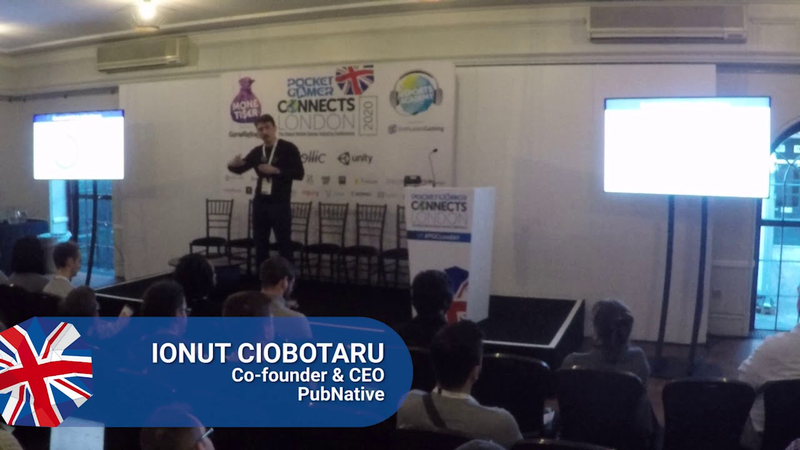
[Music] I haven't been here in a few years and okay so I have to so it really grew both in terms of of the people that are here but also in terms of the the content and actually there's a lot of content around monetization some of it we've seen today on this track but I've seen some other other presentations on another track so yeah quite quite interesting our talk today is going to be about the the ad-supported model specifically for games and how and what it can learn from
from the apps ecosystem as that did most of our our focus for for the last few years and as you know games evolved from these mobile games evolved from from premium yeah so you have to pay for for the games to to freemium so you have to do in a purchase to enjoy the game - now hyper casual and and the ad-supported model and even even more recent the streaming model or the the subscription model right anyways first few things about myself my name is unit my I started my gaming career let's say more than ten years ago Electronic Arts on feature phones Symbian devices I was testing games like Simpsons and Harry Potter and and FIFA and I do have to say the landscape has changed dramatically since since then so with that in 2012 I was building playable ads for for uplift and a network that that you might know and that's before starting Pub native in 2014 which actually got acquired by by
MGI in the middle of 2019 which is the the group behind Kimiko area games well tangent and a few a few other other studios okay now getting into into the topics of apps versus games you might not know or please raise your hand if you knew that there are seven times more games more apps than games into the App Store's but with that being said most of the revenues goes to games games monetize 50 percent more than than the apps and that's discounting ad supported revenues which we're going to talk about about later with that still if you look at the type of advertisers as you see in games it is still mostly games most of the games I played with hyper cacher or strategy or you will see that most of the ads be rewarded or interstitial will be actually other games advertising and what Michael said before it's one of the
factors is the high CPMs the other one is brands are not here to custom two to two games although the the user user time spent is is there well if you look at apps you will see that they're quite quite a wide range of advertiser being apps brand performance as well as well as games and talking about the time spent and the ad supported model 50% of the the time spent is within social and messaging apps and you probably already know how they monetize them that's an ad supported model and that obviously includes the Facebook snapchat instagrams and and and the likes the third category so surprising is not a second is actually game so 10% of the time spent within apps is actually spent in in games and if we look at the the monetization within games its excused or it's used to skew towards in-app purchase right I think most of the the
biggest games hits hits in the last few years were actually IP supported freemium yeah incentivizing the user to play more and acquire digital goods within within the apps but what we've seen recently is let's say 180 degree shift and that's because of hyper cacher so so what these guys realized is that they can they can fund an ad-supported model so getting their price for user acquisition know enough with the right creatives and the right channels to actually support their business were not supported and there's quite a few ads there right so it's not it's not three four ads on a user session it can go up to 50 if the session is long enough so there's quite quite a few ads there but if you look at a service and I think that's gaming the shoot at busy people like free content and even if it's not supported they they are fine with that so 73% it's it's it's a large majority so as long as the users
are happy and and they are developers are profitable then I think everyone everyone is happy although the brands are not necessarily yet there nowadays look a bit at apps and what apps do to create an advertising business model is very different than hyper casual what they do is is create a content strategy so they try to keep the users engaged for a long time so that's one part and the other part is build an IP so if you can Spotify if you look at Shazam they they are on their own well-known brands well-known brands even outside the app ecosystem yam so they managed to create this brand awareness around themselves and then they demand a premium from premium brands on the advertising executions yeah I mean Spotify has display ad units they have us audio ad units obviously and for Shazam although now I don't think they have many had units before they had one of the best ad executions in in the mobile apps space
you know games have tried and some of them actually successfully replicated this model Rovio with their Angry Birds franchise I think there's yeah probably nobody who doesn't know about it say for for our g7 and and they're talking Tom and there are a few others who who are trying or getting in that direction especially if they have or managed to to get critical mass that the advertisers are also looking looking for talking about the apps I don't have screenshots here but most of the the common formats for apps are our banners ideally somewhere non-intrusive within the user experience sometimes at the bottom sometimes at the top and and then we have interest issues as well yeah sometimes again at certain breaks in in the user experience or at natural natural breakpoints or natural intervals on the video side there's not that much rewarded video within apps order for
example dating apps they use it quite quite successfully and about video or interstitials there's native integrations meaning that they are in in the feed and then and then yeah for for interstitials you do need to be mindful a bit about the the session length right if the user if the user session is three minutes and the video is thirty seconds well that's probably not the best time to show three videos yeah okay one coming back to games once more yeah probably most of you have been to to a LAN party please raise your hand if you haven't been to a LAN party ok so there's very few hands raised so I used to yeah to frequent this this kind of parties back in I think mm right and yeah gaming was was sort of a niche right the geeks the nerdy but but it quickly became a phenomenon and you see countries like like China
proposing regulations actually implementing regulations to decrease time spent within games specifically for for teenagers and now you have also all these eSports events in gathering tens of thousands of people right it's not even talking about streaming and and so on even further to add to that brands have come to games and there's this Louie Vito campaign with we League of League of Legends so I think yeah speaks for itself that brands n games are coming together but they need to find the common ground so what are brands looking for well very similar to Mike has said before there are different type of brands looking for different different type of execution so the classical brands right the traditional brands the one we we know and love or hate they look for for awareness they look for reach they care about the story and the brand safety of the content around the ads that they show so that's
that's very important for them but then on the other side we have the brand performance guys who although advertise a lot in app they also do they also advertise on the TV or or out of home so it probably seen already ads from from uber or delivery in the tube outside same for number 26 they they they even have ads in Times Square in New York yeah but at the end of the day they complement their brand awareness campaigns with their performance campaigns within the apps so you would always see the follow up with a mobile a mobile execution and at the end of the spectrum or had the digital pure digital player yeah the players which is mostly games but not only these these days so it can be also apps that have a subscription business model what's important there is that they look for for ROI yeah they look at the price of the impression or thousand impressions and they back it down to their own
business model being subscription IP or in the case of hyper casual actually not supported model in in our marketplace we see actually 70% brands pet and that's in games I think for for the apps we have is actually 80% and it comes back to to what I mentioned before bidding content and building IP so easy brain has Doku games and and people found they have this world scape games yeah so those are brand safe they have good engagement with the users good attention with the users brands love to advertise their 70% of our spent or the spent on our platform is for brands such as Kip see Lego skittles Toyota Nissan you name it we have wide variety of brands spending in games and even more so in apps and again the reason for that is that this apps ya have found the right combination
between content and intellectual property and user engagement and placement to to not leave it at the last so what what is permissive what do we do well we we build advertising technologies for for publishers to maximize their revenues that means we we have one of the first in a bidding solutions on the market launch in 2018 we have one of the largest marketplaces in in the ecosystem reaching north of 600 million users on a monthly basis and in that marketplace we connect mostly to brands 80 percent of our marketplace is actually brands we also work with performance advertisers of course but we tailored or at least yeah our our journey has has been mostly to towards brand advertising and and what's interesting about brand advertising actually user demographics
is that games have actually widened widen the the demographics they they they have access to which means more brands can can target or find their audiences within games and actually this is driven by hyper casual who really touches almost every every every age group and it's half split between genders yeah male and female meaning that there's there's a huge opportunity there the way we look at advertising within games or within apps it's a shopper window right and you have this little slot or largest slot depending on on the placement where where you can showcase products when the user is ready to move on from the app to the next piece of content that they want to consume the advertiser side it's also very very interesting so advertising moves with the medium and the medium moves it every generation we where our parents maybe grew with radio we grew
with TV and the new generation is growing with with mobile devices and they spend quite a bit of time there I know if you use screen time and the other let's say features that are now available in phones but yeah there's a lot of time we we we spent with with these devices and as we discussed before a decent amount of that time is actually spent spent within within games so knowing that some brands figured out how to to create some of the most exciting executions between apps games and brands and an Adidas put the game in in in the snapchat app where players could play baseball it's a very simple game it's almost hyper casual if I may say and and they can actually buy the shoe so so they found their demographic they targeted them with the right content right games and they got them to convert or or buy their by their
product yeah and what how does this all connect how to transfer neck fish with publishers and and which technology stacks they use it's a complicated ecosystem and it's an accustomed form both by by technology providers on on the demand side yeah the DSPs who cater to different type of brands the pure brands or the traditional brands the brand performance guys so the ABS as well as the pure pure performance players there's mediation solutions there although definitely recommend trying in a bidding sources out there there are quite a few as well and there are a few a be testing a be testing and analytics providers that you should at least aim to use yeah in your in your executions of the campaign's will release this every year you can find it on our on our
blog please take a look ideally should support you in making the best decision for your advertising stack so yeah is please take a look all right so wrapping a door app I hope you can learn a bit from from this presentation about what the advertising game is all about and it's about building the right content understanding your your users and understanding which parts of those users are relevant for which advertisers so understanding your advertisers as well and and utilizing the tools available in the market you really have a wide selection of tools to maximize maximize the revenues and get access to to more brand brand budgets and we've we've seen it work all right thank you very much we have any question for unit before he goes you
know where will you be for the rest of the afternoon around here I would be around here if you uh you know an hour from now when you actually think of that question you really wanted to ask him you can find him around here wandering around thank you very much thank you thank you [Applause] you [Music]
Summary
The mobile gaming industry is undergoing a significant shift in its monetization strategy, moving away from a reliance on in-app purchases toward a more robust, ad-supported model. While mobile games have historically monetized at a higher rate than other mobile applications, the sector has traditionally been dominated by performance-based advertising, specifically other games. By contrast, non-gaming mobile applications have successfully cultivated diverse revenue streams by integrating brand-focused advertising, leveraging strong intellectual property, and maintaining high user engagement through consistent content strategies.
The primary thesis is that mobile games can maximize revenue by adopting the sophisticated, brand-centric advertising models utilized by non-gaming apps. While hyper-casual games have proven that ad-supported models are viable at scale, they often lack the brand safety and premium appeal required to attract traditional, non-gaming advertisers. To bridge this gap, developers are encouraged to treat their applications as "shop windows" that offer high-quality, non-intrusive ad placements. By building recognizable intellectual property and focusing on user demographics—which have become increasingly diverse due to the rise of hyper-casual gaming—developers can attract premium brand budgets from sectors like retail and consumer goods.
Success in this evolving landscape requires a transition toward programmatic advertising technologies, such as in-app bidding, and a deeper understanding of the distinct needs of different advertiser types. Traditional brands prioritize reach, storytelling, and brand safety, whereas performance-oriented brands seek measurable return on investment. Developers are advised to utilize A/B testing, advanced analytics, and diverse technology stacks to optimize these placements. Ultimately, the industry is moving toward a model where gaming content serves as a primary medium for brand engagement, mirroring the evolution of advertising from radio and television to mobile devices.













Comments