Mobile reports and market data
Documents
Live Ops in Star Wars: Galaxy of Heroes
The live operations strategy for Star Wars: Galaxy of Heroes centers on maintaining a durable, character-based economy within a mid-to-hardcore mobile RPG framework.
- The game maintains a durable economy by treating individual characters as the primary units of value, ensuring long-term player investments remain protected against power creep.
- To manage a roster of over 170 characters, the development team employs a 'nesting utility' strategy that creates specific faction-based synergies rather than relying on static power hierarchies.
- The ecosystem approach forces players to utilize their entire collection by revitalizing legacy characters, preventing new releases from rendering older units obsolete.
Balancing Community and Business: Walking the Tightrope of Needs
Effective community management in the mobile free-to-play sector requires balancing the often-conflicting needs of players and business stakeholders.
- Community managers should transition from reactive buffers to proactive product partners by aligning player feedback with business KPIs like revenue, engagement, and retention.
- Vocal community members often represent less than one percent of the total active, spending player base, meaning they are not always representative of the broader audience.
- Threats to quit are poor predictors of actual churn, as 65 percent of users who threatened to leave remained active in the game.
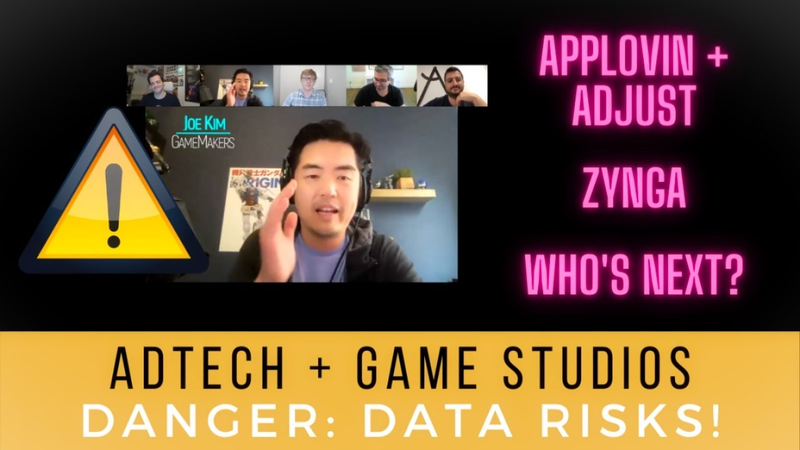
Ad Tech + Game Studios | The BIG Dangers from AppLovin, Zynga, and More Coming!
The mobile gaming industry is undergoing a profound structural shift driven by the vertical integration of ad networks, game studios, and measurement platforms.
- Vertically integrated firms like AppLovin and Zynga are consolidating ad mediation, network infrastructure, and attribution data, creating a conflict of interest where they act as both service providers and direct competitors to the studios they serve.
- These integrated entities leverage granular performance data from their partners to gain proprietary insights into user behavior and revenue margins, potentially disadvantaging independent developers who rely on their platforms.
- Despite the risks of platform bias and data exposure, studios remain locked into these ecosystems because the immediate necessity for high-performance user acquisition outweighs the difficulty of scaling through alternative channels.
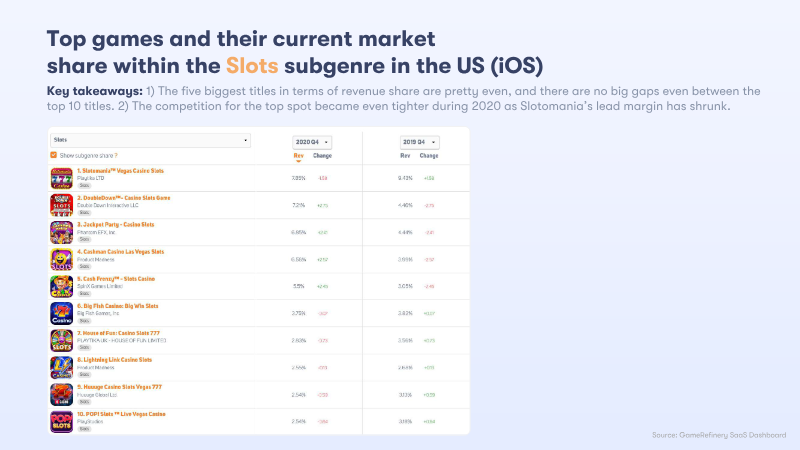
Casino Snapshot Report: Market, Features & Updates, Motivations (March 2021)
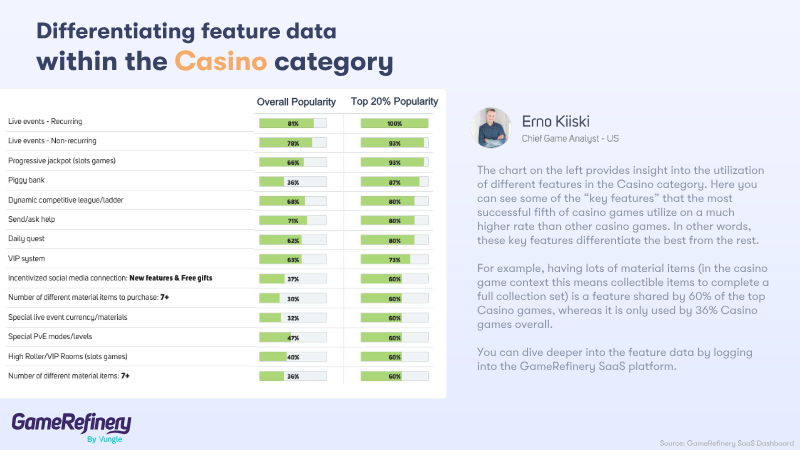
Casino games are the second-largest mobile game category in the US, generating 17.2% of US iOS game revenue in Q4 2020, a share that has stayed roughly stable for years and trails only Match 3 Puzzle.
- The mobile Casino category is the second-largest revenue generator on US iOS, capturing 17.2% of total mobile game revenue as of Q4 2020.
- Slots dominate the category with 80% of total revenue, characterized by a highly competitive landscape where market share is evenly distributed among top titles like Slotomania and DoubleDown Casino.
- In contrast to the fragmented Slots market, the Poker and Bingo subgenres are dominated by single 'king of the hill' titles such as World Series of Poker and Bingo Blitz.

TWIG 121: BlizzCon 2021, Valheim Built By 5 Devs, Zynga Accelerates Growth, Rovio M&A Target
The gaming industry is currently defined by a tension between massive corporate consolidation and the surprising agility of small-scale development teams.
- Major industry players like EA are driving consolidation through large-scale acquisitions, exemplified by the $1.2 billion purchase of Codemasters.
- Large publishers face significant growth headwinds due to the post-IDFA environment and the technical challenges of scaling new titles while managing third-party data sharing risks.
- Blizzard Entertainment is experiencing internal development delays for major titles like Overwatch 2 and Diablo IV, forcing a reliance on legacy franchises such as the Diablo II remaster.
F2P Design Tips for 2021, Copy Clash Royale! (1 of 4) Ft. Jeff Witt
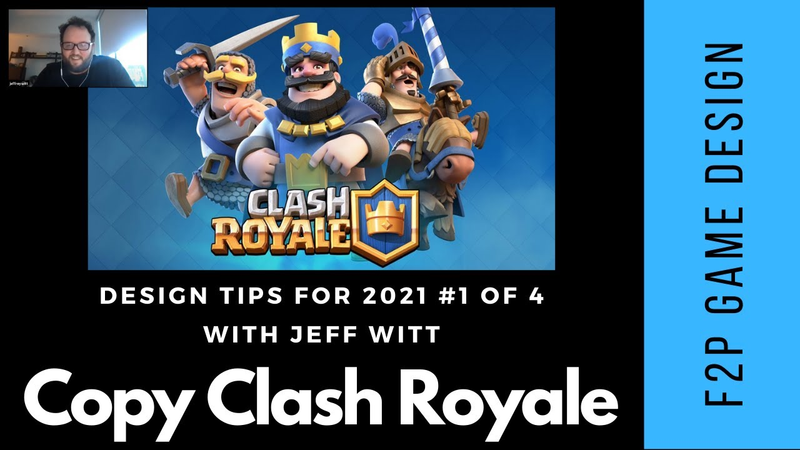
Game design strategy for 2021 emphasizes the importance of selectively adopting successful mechanics from established titles rather than replicating entire systems.
- Adopt the real-time, card-based combat mechanics of Clash Royale while decoupling them from its shallow card economy to avoid long-term engagement and monetization plateaus.
- Replace flat, steep stat-boost models with a granular progression system spanning 40 to 60 levels rather than the standard 12, ensuring more frequent rewards and consistent player achievement.
- Mitigate the frustration of long grinds by keeping players within 'striking distance' of the next milestone through more frequent, manageable progression rewards.
Marketing Science w/Tenjin
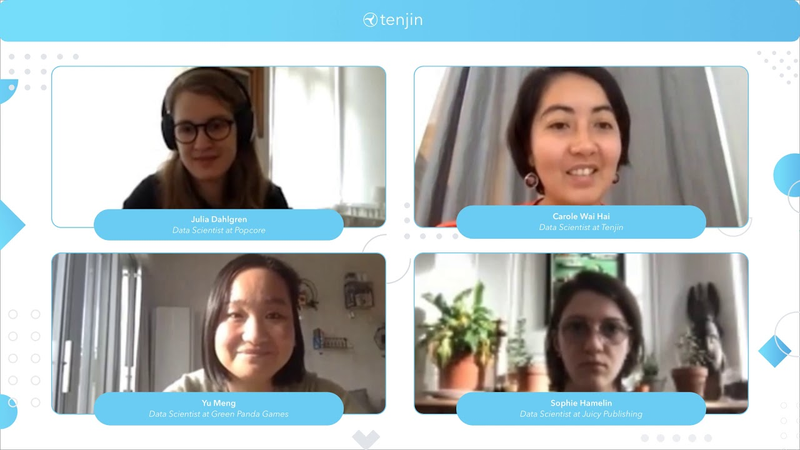
Establishing a robust data infrastructure is the foundational requirement for success in the hyper-casual mobile gaming sector.
- Centralizing data from attribution providers and ad revenue sources into a unified warehouse like BigQuery, Snowflake, or AWS is the foundational requirement for actionable game optimization.
- Organizations should prioritize building proprietary data infrastructure over third-party tools when internal engineering capacity allows, as this approach typically offers superior long-term cost-efficiency and customization.
- Data integrity and rigorous monitoring protocols are essential to maintain organizational trust, especially when analytical findings conflict with internal intuition or when detecting API failures.
Superstar Session: Protecting Mobile Games Against Hackers, Crackers & Copycatters
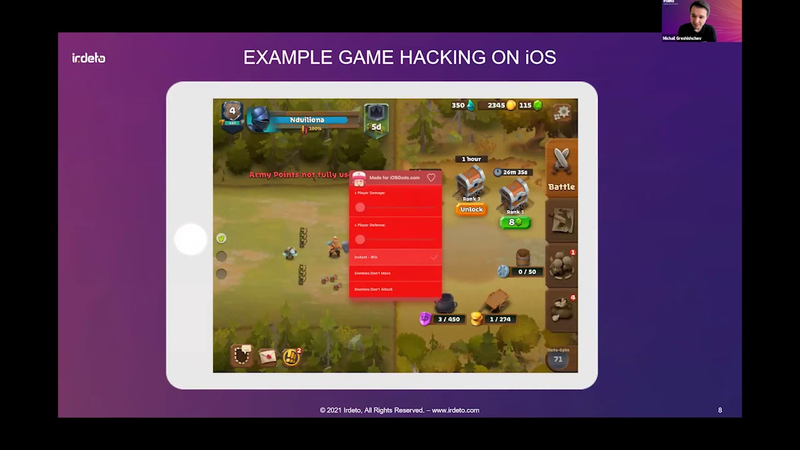
Mobile game developers face significant threats from hackers, crackers, and copycatters who exploit vulnerabilities to redistribute apps, inject malware, steal user credentials, and hijack revenue streams.
- A May 2020 study of the top 50 Google Play Store games found that 86% were vulnerable to hacking, with 80% of those vulnerabilities remaining effective even after app updates.
- Mobile game security threats primarily stem from modified app packages that bypass DRM and in-app billing, alongside memory editors that manipulate runtime game data and economies.
- Developers are advised to implement a three-tiered security strategy consisting of security by design, passive prevention techniques like obfuscation and code encryption, and active detection methods to verify code integrity.
Keynote: Firebase: The Power of Google in the Palm of Your Hand
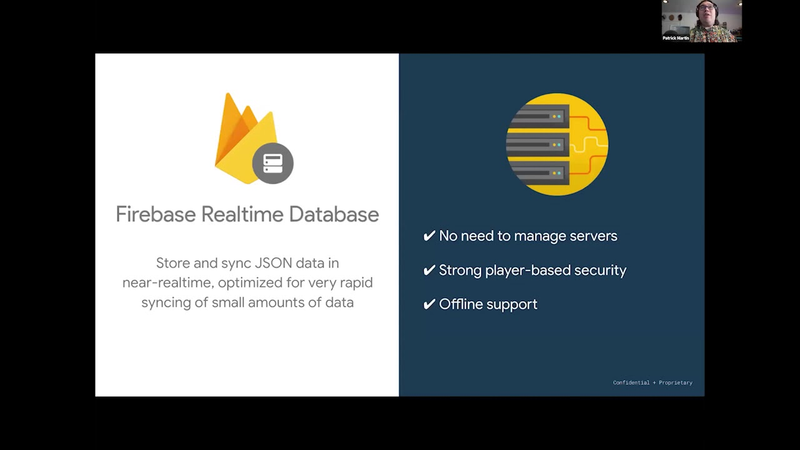
Google Firebase serves as a comprehensive backend-as-a-service ecosystem designed to alleviate the technical burdens associated with modern game development.
- Firebase functions as a backend-as-a-service ecosystem that offloads infrastructure management—including authentication, matchmaking, and real-time data synchronization—to cloud-based services via Unity and C++ SDKs.
- The platform provides integrated monitoring tools like Crashlytics for stability tracking and Test Lab and App Distribution to streamline quality assurance across varied hardware configurations.
- Developers can utilize Google Analytics in conjunction with A/B testing and predictive modeling to inform data-driven decisions regarding user retention and monetization strategies.
Integrating Facebook Gaming Services & How to Leverage Facebook Login for Gaming
Facebook Gaming Services functions as a comprehensive ecosystem designed to accelerate player acquisition and long-term retention through social integration.
- Integrating Facebook Login and Friend Finder tools directly correlates with improved Day 0–3 retention rates and increased session lengths for mobile gaming titles.
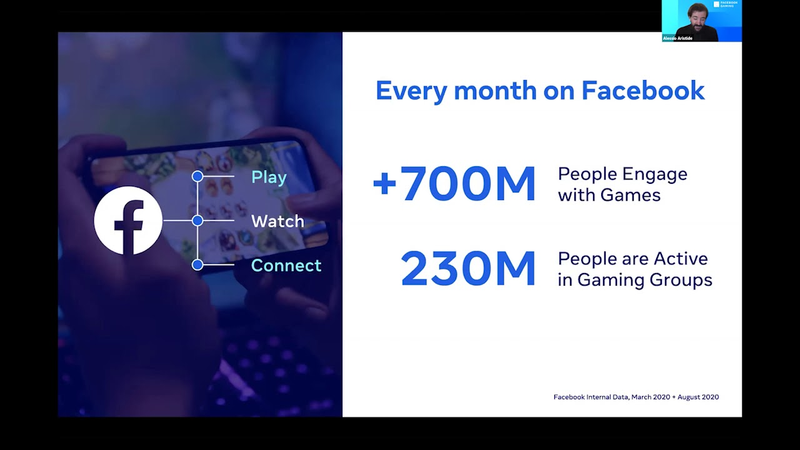
- Facebook Gaming Services utilizes a 'Play, Watch, and Connect' strategy to drive player acquisition and long-term retention through social graph integration.
- Developers can leverage partner clubs and existing social networks to simplify onboarding for new users, resulting in higher conversion rates and sustainable revenue growth.
Time is Money - Five Ways to Up Your Game Development Process on Your Way to Hypercasual Success
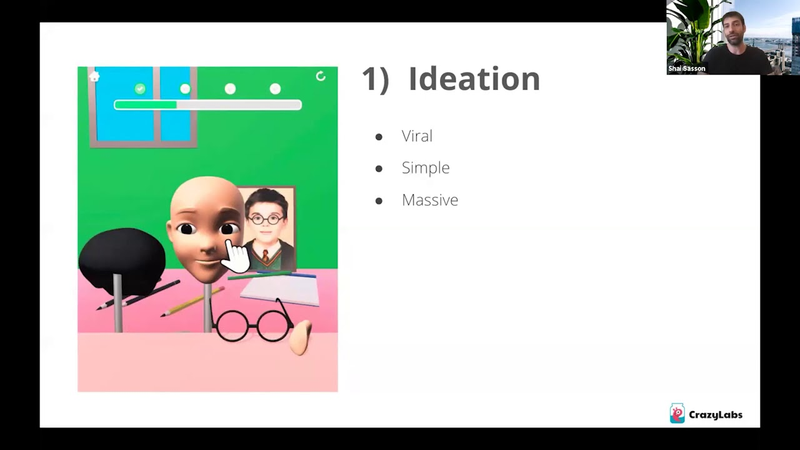
The hypercasual gaming sector demands a high-velocity development framework where the transition from initial concept to market-leading success occurs within a four-week window.
- Hypercasual development cycles must be completed within a four-week window from initial concept to market launch.
- Concept viability must be validated before full production by using click-through rate video ads and cost-per-install metrics to confirm market demand.
- Strong day-one retention is secured by creating a frictionless initial player experience with intuitive onboarding that eliminates early user frustration.
Superstar Session: Hypercasual in 2021: West & East
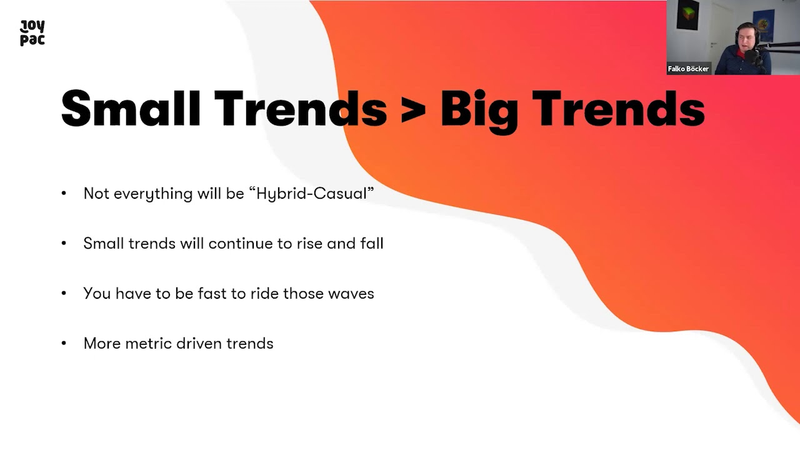
The hypercasual gaming sector is undergoing a structural transformation as it moves away from simple, rapid-fire releases toward a model defined by higher production values and long-term engagement strategies.
- Hypercasual gaming is shifting from simple, rapid-fire releases to a model emphasizing high-fidelity 3D visuals and meta-game elements to combat market saturation and improve long-term retention.
- Rising user acquisition costs and Apple’s IDFA privacy changes are forcing publishers to pivot toward creative-led targeting and tournament structures to maximize player lifetime value.
- The industry is undergoing consolidation, with publishers prioritizing long-term partnerships and the acquisition of superstar studios to secure a consistent content pipeline.
Writers
Games and companies
Games