1 free read left. Create a free account for unlimited reading + AI research.
Create free account
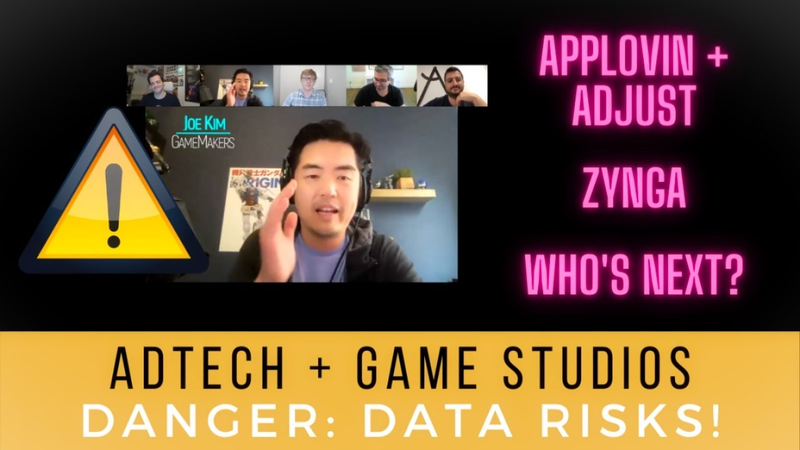
Ad Tech + Game Studios | The BIG Dangers from AppLovin, Zynga, and More Coming!
Key insights
7 takeaways- 01Vertically integrated firms like AppLovin and Zynga are consolidating ad mediation, network infrastructure, and attribution data, creating a conflict of interest where they act as both service providers and direct competitors to the studios they serve.
- 02Despite the risks of platform bias and data exposure, studios remain locked into these ecosystems because the immediate necessity for high-performance user acquisition outweighs the difficulty of scaling through alternative channels.
- 03Studios are attempting to mitigate data leakage through defensive measures such as data masking and stealth soft launches, though these strategies remain secondary to the continued use of dominant ad platforms.
- 04These integrated entities leverage granular performance data from their partners to gain proprietary insights into user behavior and revenue margins, potentially disadvantaging independent developers who rely on their platforms.
- 05Rather than making reactionary strategic shifts, studios should focus on operational stability and improving alignment between user acquisition teams and executive leadership to manage the risks of sharing data with competitors.
- 06The transition from IDFA to SKAdNetwork has increased industry reliance on Mobile Measurement Partners, making the cost of switching providers too disruptive for most studios to justify.
- 07Attribution technology is shifting from a standalone product to a component of broader service ecosystems, with major players acquiring these tools to bolster their internal machine learning capabilities.
Ask AI about this video
Transcript
hello everybody and welcome to the world of 2021 the year that i'm calling the year of the data wars recently applovin a major ad network in game studios announced the acquisition of adjust which is a company known as an mmp or mobile measurement partner zynga recently announced its intentions of acquiring an ad network including supply and demand site tech mediation and nmp so the potential implications of these kinds of vertically integrated acquisition with the game studio business pose a number of conflicts and dangers to potential customers of the ad networks so to talk through the potential dangers and try and discuss these issues in a balanced way we have first actually felippo derose head of growth at trap light also previously at pixelberry and a former customer of applovin second we have aviadown chief strategy
officer at bid shake and we'll also talk a little bit about why you are actually in a very interesting position with respect to the conversation we're gonna have today third we have josh burns founder of digital dev connect a games industry veteran and neutral party are you neutral josh i think you're relatively neutral absolutely and finally we have josh chandley ceo of wild card games and current customer of applovin right josh that's right all right so getting started i wanted to start by posing this question about the general danger of having an ad network tied to the same organization that owns game studios that could potentially be competitive this was the original app 11 model and so i was wondering if you guys could speak to the potential dangers of this model and anyone want to kind of jump in on that
flippo what do you think well um it's uh it's an interesting uh market consolidation for sure um whether it's uh and you know for some it's great for business now whether we want to discuss too much ethics uh around it um that's pandora's box and maybe we should leave it there well i mean let's let's kind of get straight to the point here right i mean i think there have been a number of allegations not not proven but a number of allegations that applovin used customer data playrix pixelberry and others and used it to compete against their own customers especially on the hyper-casual side right that's the allegation now nothing's proven but a number of people in the industry talk about that what do you guys think about that danger or some of those allegations yes those allegations are indeed correct this uh exacerbates the situation because
acquiring a company with this information with this data will enrich in the data that they previously had yeah so i think we should rewind like because it might not be obvious to people what what the value is right so the value here is you know if i have insight into the performance of other games and i can build games myself then obviously i can you know build similar content right also if i'm able to see games that are early in testing uh that i can you know even further you know do that in a more advanced stage right um so i mean uh you know i think it's it's important to understand that then there's also the marketing side right like once my sort of similar version is in the market i can maybe have insight into the market marketing strategy [Music] uh create you know that kind of details to sort of accelerate or have an advantage
another point is if i'm on the supply side and i'm selling my users then i can decide who do i want to sell and how am i pricing it according to the user value or to the beats that i have in the network right right so you're getting information about you know not only the types of games that are doing well you're getting information in terms of like ipm and the conversion of some of these ad creatives against specific networks you're also using third-party data like app banner center tower you kind of you can kind of see the revenue data as well and you can kind of triangulate a little bit in terms of the performance of some of these games so it's pretty critical information that could be used to then say okay here are the specific kind of game genres games ad creatives and ways of really you know kind of becoming highly performant from from a kind of game's perspective well and i think also the next step from say i have a similar game to one that's in the market is like
if i have control of you know my level of sophistication on that the network side is much lower than you guys but if i have control of the inventory i can do things to try and you know maybe eat a lot take a loss uh to in the longer term think of like the zynga facebook model right where it's like if i can capture the market at a loss now then i can you know be profitable like in the longer term and if i have control of this inventory theoretically there's no sort of direct cost for me to out of pocket costs and i have that control to like push and direct it towards specific things like that's a pretty difficult hill for someone to climb if they don't have access to it yeah so josh chandley so you're you're a current app loving customer so let's keep this balanced like you're you're you know they've got you're kind of using applovin but you know obviously if you're using them you're not concerned with some of these issues so what would you say on the flip side of that
yeah no that's a good question um i definitely see these issues uh as real um i think we're maybe conflating two issues a little bit where i think it's fair to say that having large competitors that are substantially more vertically integrated than you are is something regardless of industry you should be concerned with that said i also actually think there are two competitors for our users time that are substantially more vertically integrated than and we all do business with facebook and google um there there's something more there that people are conflating with the vertical integration issue um and it's it's the more direct competition and i think that a lot of people are feeling um paranoid about how their data will be used i think that for partnerships to be durable
they need to be based on trust and mutual respect um and i think that that is something that i think people are having trouble with right um but you know i i would kind of characterize it a little bit differently like i would characterize what applovin is doing and what zynga is potentially doing as competitive risk i would characterize google and facebook as margin risk right like can i trust them with my data and then will they steal my margin and i i absolutely think that's that's a real risk although now they're kind of getting pushed out but you know that but that's how to your point let's not complete those two things but that's how i would personally look at those two well if you look at grove sorry josh go ahead oh i i had a minor comment where uh i i kind of see your point joke about um kind of margin risk where facebook and google are able to push us on margins by increasing the price of their inventory where apple then can to an extent do
that but if they launch a game that directly competes against you that's less of a marketing pressure and more of a direct competitive threat right i'm not sure if that's exactly what your point was but yeah that and by the way facebook and google do that because they are a sand self-attributing network they do that opaquely right like they know all of my revenue they know my margin they know my cogs right and so they could they could literally just they could optimize and say hey you're only going to make this much money and they know that that's that's what i'm going to be happy with i mean we're kind of going a little bit off tangent now but but we maybe we could do another podcast on the the dangers of of that side but that's kind of how i think about it right and i think that upload uploading has another dimension for being a game developer right so they can not only see your margin but they can also snatch your you know your top users they can maximize revenues from them by crossing them into their own ads and
and don't forget they also have a publishing business right so they can they can choose from the top performing games in their network and then run publishing contracts with them so there is two more models that applauding can gain value from um in comparison to facebook and google right but actually i i'm wrong it is not off topic what we just talked about because to the point about app loving acquiring adjust now they pose a competitive risk and the margin risk because you could argue that the reason why applovin bought adjust is to try to become a sand right wait sorry one thing i wanted to to touch on because i'm supposed to be the balanced balanced views so i actually so when app lovin uh started launching you know formally announced so you know getting into content space right a lot of us talked about like oh man like people who are in hyper
casual are gonna bail out and they're not gonna work with them you know here we are whatever months later and that's actually not the case at all like i actually looked last night through the companies that have like using the app lovin like sdk which is not like the best proxy but like it's basically everyone nobody's moved away from from working with them so like as much as we kind of like to intellectually talk about this stuff like the reality is there is a bottom line right if i can drive revenue then maybe that overrides any concerns about this because if you look like every hyper casual studio still you know has them integrated the majority of folks using any type of ad monetization are i mean it's zynga it's you know pretty much everyone so that's a counterpoint right it's like there's kind of this like intellectual yeah but the counterpoint to that is want to have to right like you know to get some scale it's kind of hard to do that on your
own at this point but don't you feel like there's enough other options out there where if you have like a sort of uh personal view that you like you know you should move away from it that you can probably get i personally like i personally hate working with facebook and they having all of my information and them being able to potentially choose whatever margin they want for me but am i going to use facebook yeah [Music] what i was going to point out before is there's a fundamental um challenge in growth which is putting your content in front of users right and distribution power and what we do in growth is essentially make that engine as efficient as possible and to do that we're constantly iterating and testing and you know we have some the famous cac ltv equation we have some
expenditure and we have to try to make the best of that expenditure and hopefully make profit on top of it if they have gained a massive leap forward and it's a big if you know of making that engine super efficient through these acquisitions and clearly their content is going to be distributed much faster and much more than our content my content josh's content and we're and our efficiency will automatically be penalized by that so making our cost uh maybe higher maybe more inefficient et cetera et cetera so the the real issue here is you know as as we try to be in this world of protecting privacy we also want to ensure that consumers get tons of different content and not just
the same content from the same company and making it harder for everyone else yeah i think it comes down to the user experience right it's going to be much more difficult for new developers to design games that will compete with the big ones right the big ones right now have so much data on the ua side on the uh on the ltv side that they don't really need to uh put too much effort in developing innovative games they just need to develop every repetitive games that will look the same way and will keep monetizing the same way they know the margins so it's it's an economical business um but for new developers who are really putting the efforts in creating great content unfortunately this content will not get to the users unless they will go through those big networks right so eventually the consolidation creates um unfortunately maybe i don't know but
it could create uh um a worse user experience when it comes to to to the new game designs that are coming to the market yeah i mean i think to me it's you know like roughing off what philippo said is like thinking like short-term versus long-term right like near-term i'm profitable because i'm working with them like that's comes to the bottom line but longer term like what are the implications of of having this you know you know supporting this type of partnership for my overall business right and so that's like very hard to quantify and especially in a business where like you know it's very quantitatively driven it's probably maybe hard to think about from that perspective when you're operating something you know in real time right so guys go ahead josh i was going to say that there's definitely a combinatorial explosion in terms of factors to consider when you're making this decision um i think they're i tend to hear extremes about what to do like uh like one
extreme points of view things most popular right now is that it's like the dark side versus the light side and then another view that i hear very quietly in the background usually is like there's this big growth rocket and it's taking off right now if you grab onto that rocket it's going to take you places those are two different ways to look at applovin um and the truth is probably not whether you should or shouldn't work with applovin it's probably how um where why when these are probably um what we should be focusing on long term but because of the number of variables and the things that we don't see at play it's very hard to know that you're making the right decision right so we get a good a good example
just like last point is fortnite uh you know it's probably the the best content that we've seen in the last years uh and they fought it you know they they went into the fight with apple on the on the on the margins and eventually they they won because they had great content but how many companies can can go into this uh uh into this fight with with the big guys right not many even if they have great content so i think it's it's it's a good example for that okay and so now we've kind of talked at the ad network level and talked about you know the power of distribution things of that nature now i wanted to kind of have us go down to the level of the mmps and first maybe what we could do is i don't know if for our audience out there who doesn't understand what an mmp is maybe one of you guys can give a really quick description or kind of explanation of what an mmp does avid best person for that
sure yeah he's a mobile measurement partner what they do is basically uh attribute the uh install to the right network campaign assets so people can know exactly where the users are coming from the problem is that many of the networks are self-attributing so they always want to attribute the install to themselves so they can generate more value to the advertiser and and hopefully get more budgets but eventually in the world we're living in there's a lot of clicks happening across networks and it's not always easy to understand who is uh the right network to credit for a specific install this is why we need mmps to be unbiased as possible and tell us exactly which network uh was the most valuable for us and and we should invest more in that right so aviya so the base functionality mmp telling you where did an install come from
but in addition you're also generally sending other events right like revenue events conversion events things of that picture yeah it's all tied back to the install but eventually you're able to track uh all the uh the the entire funnel of events that user performs inside your game basically tracking it with an sdk and then you can attribute it back to the install time right now i would say go ahead i think that is where the majority of the value ends up coming from so earlier this month applovin made a major announcement where they're launching a new product called predict and essentially it's taking all of those additional events in addition to your install and using machine learning to create a model to predict the ltv for your players based on the value of those events sending back to help understand with or without idfa the performance of marketing so i think
that's a testament to just how predictive and descriptive of your players those events are the fact that mmp started to rebuild their products around how valuable they perceive that data to be right so so let's kind of talk about so this is a little bit complicated so from mmp perspective we've kind of described what an mmp does and then you can then try to extrapolate so so the dangers of that is do you want a competitor to have your install information also you know pretty much getting a full picture of your cogs your revenue you know your your kind of growth trajectory all of that kind of information right so then the question i think that the question that people are going to have to answer for themselves is like do you want a competitor to have that information and maybe the other question i i should ask is that you know the second line of thinking is post idfa
how much of a full picture are mmps going to have so how dangerous is it i think before idfa super dangerous absolutely in my opinion but now that work we've got this sk ad network meaning you're getting a very limited window to get like conversion events like first 24 hours and you only get like one aggregated value of what a you know what a conversion one specific conversion event that's defined so to josh chanley's point you know that's why applovin is building and i think appsflyer also has predict sk or something like that where they're trying to then take the limited data from sk ad network and then try to predict stuff but maybe you guys can comment on now on top of the ad network stuff at the mmp layer whether it's applovin or a zynga with all this information what are your
thoughts in terms of the danger of having an external third party have access to this data well um just building off quickly what aveyad was saying before which is the independent measurement provider we're clearly losing the word independent there um there is a precedent to this uh some people may recall a company for example called omniada um but of course they kind of discontinued um their business as it was obviously a just will not discontinue um so there might be some questions around the independence the other point which josh was saying again there's a there is uh there is a couple of factions around this subject don't switch because it's complicated and certainly don't do it with the idfa story coming about uh do switch because they know more than they should
uh applovin will find out more but reality is it's all predicated on trust which is what josh was saying because when you work with other ad networks be it facebook or when you're working with your independent mmp you know you are trusting through uh technical means a lot of information you're handing them in order to obtain again better efficiency from your growth engine right and so it just goes back to the ideal of can they build a trusting image in this new vertically integrated situation that allows us to continue happily working with with them on different fronts be it attribution and monetization and so on that question remains completely unanswered of course yeah and i i think you're bringing up a good point about trust right because you're giving very critical and
sensitive data to applovin to zynga are these companies that we can trust now look nothing's been proven about app 11 but you go back historically it's not only the hyper casuals and other companies but even going back to the earlier days of ad networks like there were a lot of rumors about app loving bidding into flurry admob mopub you know fiber uh iron source and then taking that data and end rounding and taking sources directly from those at networks i think lipo didn't you work for many maybe you can comment on that but like so there's been a history of at least allegations and it's not like zynga has the cleanest history as well in terms of you know protecting sensitive data and again nothing proven but you know from this from a trust perspective what where do you guys kind of come out in terms of can we trust these companies applovin zynga more on the way
and you know i won't go into that stuff but with all of this sensitive data guys what do you think yeah i mean i think like i think everyone wants to agree trust is really important uh i think one thing that i i would love is um i think more transparency from applovin and ironsource as well they're left out a lot about how our data is used would be very instructive and reduce a lot of fears even if the reality isn't exactly what we would like to hear i think transparency would be appreciated and it would help um publishers understand the granularity of who which games you know where when why they want to work with applovin or ironsource because really um
there there are i think for most studios ironsource is a great partner and applovin is a great partner um depending on your stage of development um i think i've heard maybe on this talk or another talk but like if your game is in soft launch it might not be the best time to integrate those partners if your game is highly innovative and looks to be highly successful it might not be the best time to integrate those partners now if you have multiple close competitors already on the appliance platform and the value the incremental value to applovin of your data is significantly reduced and your upside is unchanged by working with them because they're still in growth that could be compelling if you're if you're totally reliant on ad monetization
um having what i see as the most powerful mediation stack could be worth it um if you if your game has been in live ops for like three years or five years or 10 years uh then your data might actually this might hurt some people's feelings but it might not be quite as unique and secret as you might think um so at that point maybe um that is the time to work without blovin yeah but it's really hard without the transparency it's really hard to make um good decisions and it tends to mean people are going to extremes i think applovin and ironsource because they're both doing it um could possibly benefit by increasing their transparency yeah i mean i think from my perspective like there's kind of two
sort of perspective or two sort of angles for transparency one is like the sort of measurement right like you know i'm i'm seeing what's coming in through my mmp versus what's coming through other sources and the numbers are really off like you know that's sort of measurable transparency the other is just like this macro like perception right which is very difficult to quantify but i think it's pretty important because in my experience like game developers are somewhat irrational sort of animals right and they're going to focus in on certain things and you know having worked at a game publisher who then started building original games like that was our primary concern was what's the perception going to be and we focus a lot of our messaging around like trying to you know allay any of those concerns right so i think you know i sort of agree with with what folks are saying like you know communicating this and i think the challenge maybe for applovin is they're on the path to ipo right and so
they can't really say much at all about anything uh but you know like if we rewind we you know we knew that they were working on games right we knew about matching demands and we knew about this stuff before it was announced and so hold up hold up we knew because people found out stuff not because they're like right no that's what i'm saying right that's what i'm saying and that's sort of the history right yeah and so people if i'm i'm wondering like what else is going on that we don't know about like what else is happening uh and i think one of the trends i think we'll see is i think like josh other josh touch on is a soft launch is more people are going to be going and doing the scopely like secret llc thing and you know basically like masking as much as possible especially like larger scale players like uh these early games and early concepts uh we're already seeing it now with glue and some of these other companies where
you know you can't just look under their account and see what's going on and i think that's going to be the sort of uh you know out outcropping of this sort of change in the market um from a because of basically like concerns around trust and and uh it's a difficult subject but i think it's really important and it's i don't know what the necessarily the answer is but more communication would be better than none or less yeah i have a really sorry aviation i didn't want to jump over just a really quick uh thing to say that the you know the there is no watchdog right and there is no uh it's like joe was saying about people find out stuff and then it comes out but it's very telling when the kind of unofficial watchdog let's say apple right comes out with with new systems to protect privacy which essentially say to all of
us mmps ad networks developers everyone in the ecosystem i simply don't trust you with all of this stuff so you're going to follow my system which is by no means perfect and so we're all living in an ecosystem of mistrust regardless of our personal opinion there is a sort of a mistrusting uh factor yeah so i actually have a question for you guys for everyone so people i so at what point you know if i own an mmp and i create content uh at what point is the data more valuable to me internally versus the revenue i generate from offering it as a as a sort of sas service so basically the idea of like having exclusive access to that data set versus the revenue i gener and the revenue i can generate from that access exclusive access versus you know
charging whatever they charge you guys per month i don't know is that not an interesting question i to me that's pretty a pretty interesting question considering the scale of some of these companies i think it's incredibly interesting i think it's almost uh i've got the about to have a better answer than me um i'd say it's also almost unanswerable and i don't know exactly what they're doing um but it definitely seems like if you think about the iron source and applovin ad networks and mediation platforms as essentially expansions of their portfolio of games and you're tapping into their cross promotion network um they certainly seem to be optimizing based off of their roi um so it's pers it's pro it might be the if you're bidding a 10 cpm and one of their internal games is
being 10 cpm um that they might break that tie in favor of their own internal game we don't really know um i was just curious because philippo mentioned you know omnia amnioto which is i think bought by king right so you know in that scenario they're just using the technology and whatever recurring revenue maybe was not that much i don't know but you know say like an adjust is making some people guess like 100 200 million like run rate annual run rate uh and you know so that's a different scale than maybe some of these smaller players that the technology is the main value anyway i was just curious with people i did not answer your question no the data is much more valuable than the revenues in my opinion okay exponentially it's a company that is just moments from ipo right so there is uh there is a strategic meaning to that i did want to touch back on the
trust question uh before i dropped off um so i i think that the trust question i mean it's a legitimate question but it's a bit naive in in the the business world right because i mean we can trust or not trust people but eventually we make the decisions according to values uh business values right and and if at the end of the day this integration between mmp ed network game studio will generate a higher value to us as businesses we will keep using it even if it's biased or it's you know it's it's not ethical think about facebook in the early days and even today you can still bid in facebook and advertise your game without sharing data but you will be limited to specific bits right so you can beat cpc without sharing install data you can build cpi without sharing enough events and so on but eventually nobody is using it nobody's bidding cpc for app installs nobody's bidding
uh is bidding cpi anymore for ad event optimization and the thing about facebook is that they generate such a high value to us that we're willing to share um data um uh just just to gain that value from their optimization and and um and their auction systems right so i think at the end of yeah well aviator i was going to just say you know one problem and i i think i totally get your point but i think one problem that exists in a lot of companies is like this separation between the understanding of risks for a ua manager or performance team relative to management because a lot of the ceos at some of these companies don't understand the risk and if you are a ua manager at a company and you're thinking okay my performance if i use applovin my performance improves and do they kind of in the back of their mind no well i'm kind of giving data away then we might get competed against a ceo may not know that but as a performance
manager i for my own individual performance me right roll the dice so i think as you as the ceo will go to your ua manager and say hey bring me twice the ltv but don't share data what what what what what are you leaving to do you know well i think what i'm saying is that these two worlds right now are kind of separated in a lot of game studios because of the lack of understanding of executives and management teams relative to the ua team and so the performance team has a certain incentive motivation understanding of risk for themselves and these things are not currently being shared a lot which is why you wind up with situations where potentially i've been working with a lot of game studios who had who had you know those two different walls or the some game studio they also have a um a chief information officer right so they're responsible for all the data and securities and stuff
and they're always putting the um the blocks for the ua team right don't share data don't integrate the sdk don't do this and this and that and eventually they don't manage to to hit their goals and targets and i can tell you that from working with those guys the companies who refused to share data they were always behind they were always lagging at the end of the day they share the data they couldn't stay there uh because they couldn't move forward with generating revenues and making profitable ui activities because they they didn't use the advantages of the networks uh that that that could provide them there the right with users with data so i i don't see how those things can can correlate in in today's world i mean if you want to get value you need to share data and that's what you you know you it's a given day yeah although you know but i i what i
guess my point is that you need to understand what risks you're taking and i think to josh chanley's point you know it also comes down to your situational context right like for some games for some situations you may not be in that much danger so maybe it's okay to show the data although then again even if you are uh you know a forever franchise 10 years in and you you then start using a very innovative you know marketing creative or something like that and you know app 11 or zynga also has a similar game well they now know yeah i mean it's true for a handful of advertisers right that can allow themselves to to advertise in the in the super bowl commercial and in and hit hundreds of million users and and bring them in through brands brands activities but let's face it most of us do need the ua we do need um uh to to buy the exact user at the exact
cost in order to be profitable and for that you know for the scientific ua work we need to share the data um now i agree that there is a risk but you are also generating a risk by not sharing the data and not generating the value for your for your game right so it's it's uh there's always the work of risk analysis and mitigation in our world you know uh but but at the end of the day bottom line if we take it back to the uh to the subject of you know what applauding is doing by acquiring more more companies by getting in more data by becoming more uh consolidated yes there is a risk yes there might be also an ethical question there but at the end of the day do they generate more value to us if they do i would use them i would go with the flow you know i mean at the end of the day eblavin can offer you now
attribution monetization user acquisition game publishing i mean as a new developer you get everything you need a one-stop shop to grow and scale your game yeah and i think that's the the now the ipo messaging right if you go to the website i would like to jump on the opportunity if it's working well josh chanley did you have a point yeah i wanted to go back and say that kind of doubling down this theme is your data might not be as secure as you think even without applovin and irons was integrated okay you gave jk the example of like a major creative breakthrough does anybody here think that if you have a major creative breakthrough only applovin and iron source are positioned to detect that no i mean that's no but you'd know the exact ipms that the exact yeah you know i'm saying like that you'd know the exact numbers yeah i mean but zoom lessons as a service i believe well but that's so i think what jk is saying right is uh and what you're saying is the
execution so if this vertically integrated situation allows you to minimize the risk that what what aviat was talking about and then what i was saying before which is the efficiency is maximized risk is minimized efficiency is maximized go to market execution boom you're on top of everyone in three seconds yeah i'm saying that like applovin ironsource whoever you can actually build a model like yeah sure without external data is this creative doing well yeah it's doing well but with you know once you're integrated you i can actually build a very specific budgeting model to you know to to compete against you so yeah that's a really strong point okay yeah and you have a more favorable cost structure because you own the inventory right so then even the same exact model becomes more efficient yeah and illegal but you could potentially front run
anyway okay so kind of going let's dive deeper into mnp so a couple of points first so there aren't that many mmps out there right i mean you know adjust got taken out there's apps fire there's tenjin there's kuchava and zynga is clearly going to probably pick off one of those and you know who knows what other companies are going to kind of come out of this mix and you know maybe some of the bigger organizations also suddenly decide whether it's a play rex or some other company hey we're going to do the same thing too so how so two questions one you know how hard is it to switch mmps to you know just in terms of post idfa deprecation how valuable is the mmp data but maybe the first point um filippo you actually have actual experience switching mmps so maybe you could speak to that and then aviod i know you sit in a very interesting position with between mmps and ad networks so we
can have you comment but maybe starting with you filippo yeah it's really hard uh in simple terms here without going into too much technical detail um in a business like this that doesn't have an official source of truth every mmp has a slightly different way of ex measuring things like retention or some things are more standardized like you know a time of open that's an install we have a sort of a common agreement on that but nothing is like you know how do i officially measure retention is the classic approach or some other approach and and other bits and pieces like that so then when you especially when you're well integrated in the back end you need to kind of translate from the the the incumbent system to a new system there's a lot of lost in translation there and not to mention of course the execution of having to stop all your campaigns and restart them immediately and what what other impacts that has so
this whole um this is a narrative that i don't entirely agree with that everyone's sort of running for the door panicking going oh run away from adjust especially a time like now with ios doing these things it's not a wisest idea i would be carefully considering that before making that move as we were discussing mmps may or may not be gaining value in the current situation with ios um so we need to be careful before saying yeah you know it's just uh by default a dangerous situation and you need to switch it might actually be to your advantage to stay and join the applovin verticalized solution right where there might be further data enriching services that you can buy you know especially if you want monetize with max because you already share the data so there's no reason for you to to get away from it you know right okay and then aviod in terms of
maybe you could tell us a little bit about you know a little bit about bit shake and how it kind of sits in between at networks mmps and then in terms of what do you think as far as some of these issues that we were talking about with respect to whether it's switching mmps or the value of mmps going forward post idfa for sure yeah so uh bitching is a marketing automation tool so basically what we do we are integrated to all of the different ad networks and sans so anywhere from facebook google tick tock uh app love in iron source so everything is integrated to be checked so on one hand we are somewhat of a cost aggregation and data aggregation platform we have a lot of analytics capabilities but you can also manage all of your campaigns through a single dashboard so you don't really need to log in and out to all the different uh um networks uh um platforms in order to make the bids and budget changes we also
have automation models and so on and so so basically it's a one place to see all of the data uh including the mmp data and and manage the campaigns from a single a single dashboard uh so that's regarding to b checking what we're doing that really puts us in a unique position because we really in the center of everything right so we work with the ad networks we work with the mmps and we work with the actual developers with the bis and so on um so it gives us a good perspective uh throughout the the ecosystem um as for a question about the mmps how difficult it is it's very difficult i've seen more than five or even more big advertisers trying to change mmps it's probably their worst nightmare they didn't know what to expect especially if you're big and you have a lot of historical data so anything that you use in order to predict ltvs will break uh because once you change
the the mmps it's almost impossible to attribute back uh especially now with the loss of idea phase i don't know how they how anyone cannot be you know recurring revenues to older users um so that's really it's a nightmare for developers uh i wouldn't recommend doing it if there's no very good reason um i'm not sure if the uh you know the data security issue with the with adjust will now justify moving moving away as i said before if you already monetize with max then you already share your data with app loving so there is not a real good reason to do that if you're not and you are not a game developer and you work with adjust again there is almost no risk for you because uh applovin are developing games and mainly hyper casual games so there is no risk for you to share commerce data or any other uh vertical that is not hyper
casual game at this moment do you work with applovin well i'm just saying this uh is just a picture in your background but to be fair reinforcing what uh i mean i just just we have to you know say something important uh a just remains a german company and here comes the european and me proud european following german regulations so you can't you know that certain rules will have to be abided by not to mention vr as a european company so you know i mean whatever has to happen which might be slightly more nefarious has to be super well hidden and under the desk because you know the german authorities are clearly you know not to be trifled with um so that that much is certain okay but maybe we could dig deeper in terms of the value of mmps right post id phase deprecation
right like uh aviation be great to hear from you how valuable are mnp's post id fade application because with sk ad network you get very limited data do we still get that full picture of cogs revenue like what would we have or what's the danger of the mmp data post idfa deprecation yeah that's definitely the bigger question you know it's not only if you want to stay with the just post the acquisition it's more of like do we really need mmps now that we don't have phase anymore right so um so on one hand i think i think we should stick with the mmps for now because they do provide good enough solutions i mean i know for fact that appsfire for example their uh predictive uh um measurement tool is i from my from the last uh discussion i had with them it's about 90 accurate when they compare it um
to the previous uh attribution with idea phase so it's pretty decent uh so it is valuable the problem right now with with sked network is that you're very limited in both the uh the time of the event so they only give you a maximum 48 hours for the event to occur until they can post it back and attribute it uh to the right network and also the amount of in-app conversions that you can track it's limited to 100 and it needs to be it needs to be grouped into different subgroups of campaigns so you can't really track all the events that happen in your app it needs to be very limited uh to this 100 buckets of conversion values that you can track um so the question stays in terms of you know do we really need mmps or not but at the end of the day
i think that the market will keep it it will keep it will keep rolling right people will keep spending money uh users will keep playing games so the economy will remain how we are going to measure it how user value is going to leak to look like day after day after we are losing the idea phase it's it's still an enigma and i think that there is a lot of panic in the industry because of that in my honest opinion i think that um it's just going to be more fair now that we don't have idea phase because the strong um developers or the strong advertisers will not have the right tools right now to retain users i think that the main problem is going to be with retention and retargeting campaigns right now because you cannot really get back to those users that are high value and beat on them again so what's going to happen
is that um because you cannot do it so the the the advertisers who have a very good understanding of the high ltvs they won't be able to beat very high for their top users so if today they bid 10 for the vip clicks they won't be able to do that any longer so they actually open up a lot of inventory for the small advertisers to come in and and win the uh the vip users so i think that it gives an opportunity for the smaller advertisers to initiate games and also start start driving in very high quality users something that was almost impossible so far i mean if you are competing with zynga on their top spenders on their top revenue generators you will never be able to out beat them those guys are beating 10 20 30 dollars for a click for the vip users you will never do that on your user
acquisition campaign right it will turn into hundreds of dollars in in cpis so right now without an idfan without the ability to retarget those two top users i think it gives a very good opportunity to the to the newcomers to win those vips and and generate the the revenues from them so i think the the loss of idfa is you know it's a big hit to the big guys but i don't i'm not worried about them they will find ways to keep monetizing their games uh but i think there is a good opportunity here for the new developers to uh to enjoy the uh the top quality traffic that was only kept for a handful of uh of big advertisers yeah i actually you know uh there there's there's a kind of thesis that the big guys get bigger after this but i i do agree that there is also the potential for audience dispersion after this but going back to like the mmp and the value of the mnp what will game
studios use mmps for like filippo and josh chandley what is your current plan in terms of you know the usage of an mnp moving forward i mean are you i mean obviously like the esky ad network uh solutions predictive solutions that whether it's apps fire or applovin or whoever you know or sorry or adjust um so obviously there's there's some use cases there but what are you guys going to be using in mmp for and what are you willing to pay for an mmp post idfa deprecation well i'm definitely going to dodge that second question um but at the highest level i mean what we're going to use mmps for is the same as what we've been using them for which is to um manage our attribution and measure our marketing performance yep um you know in terms of how unique that value is on ios
specifically i think it'll be really it's gonna be an interesting six months i think that there are a lot of ways that it could play out whether it's probabilistic attribution and doing the old ways of measuring arpu curves and applying that to spend of campaigns or using sk ad network conversion values to try to map ltv of that and actually measure the campaigns and probably using the probabilistic approach to define the conversion value as opposed to the attribution there's a lot of ways that that particular nut can be cracked i definitely think that if it turns out being that using the id effect or the the no idfa sk ad network approach where you're relying on those skid network conversion values if that is the approach that becomes dominant i think mmps are very well positioned to be providing a lot of value going forwards
felipe what do you think how much are you gonna spend uh josh um uh so the that's a difficult question the pricing one very difficult um [Music] yeah what josh is saying is very interesting because what we've seen is some of the mmps really trying to innovate to bring us a different value in what they're doing and that's been interesting to observe the various solutions that have been coming up uh from from different companies uh i mean coachava has one thing and apps flyers and other things so it's been interesting to observe the innovations how valuable will these innovations be the market will judge in the coming months because um a lot of what's happening there is also internally focused on how we deal with our data and how we use it to
fight those inefficiencies in ua and so on so is this ultimately going to work for the paradigm shift of how we measure ios ua we shall see um am i gonna switch absolutely not this does not you know uh we will keep using them because they are part of our um value chain our stack yeah yeah yeah i mean there we go are you done you're asking me something josh sorry no i'm just saying workflow they're part of the workflow which i wanted sorry philippa who are you using right now are you using a dashboard oh apps fire okay josh didn't mention who he's using actually we were using apps fire also oh wow there you go that was easy i mean i think like from the macro perspective i think the the natural progression is what we're seeing right is going to be consolidation
where basically you know you have the app level and positioning of sort of the app marketing platform and then i think others are going to feel pressure to uh add more services and tools under like one umbrella so that could be through innovation it could be through acquisition it could even be through some type of strange bundling partnerships it's like a first testing the waters of you know working together because i think you know there's any pricing pressure right so how can you continue to sustain your especially if you're a company that's raised a ton of money uh you're gonna be under sort of pressure there to how to sort of sustain your revenue growth so that could be through just bringing in different companies that have run rate or adding additional services and then being able to charge more um as under the justification for having additional sort of stuff under one sort of umbrella and i think we'll talk about some of that later on about well let's talk about that now josh burns so industry ecosystem shakeout yeah there aren't a lot of players out there
zynga said they're going to go after an mmp i mean you know publicly yeah i mean there's if you if you look there's not a lot of mmps there's sort of two perspectives one is like the revenue run rate there's not much there right there's not a lot at scale technology wise there's probably interesting stuff that if you are just looking to bring in the technology but there's not a ton of players the base technology is pretty much commodity right i think it would be more this like machine learning based stuff against like sk ad network that would be more valuable if if i'm understanding it expertise yeah i mean expertise technology or whatever it might be yeah but you have there's not a huge long tail right so right so josh burns and aviator who does zynga buy is it absolute or tengen i said tangent i mean to me to me tenjin makes sense right because it's uh you know the cost structure is lower zynga you know is a public company so they're probably going to be looking for to me bring in something focus on the technology right and
there's a huge obviously hyper casual focus historically and they have that's where they've been focused recently around rolex and all that kind of stuff so to me seems like to be a no-brainer if they're going to go that route but we'll see avian who does zynga buy and why does nobody mention kochava why does their name not get prana or singular yeah secular's name also i haven't heard but yeah they're i mean so please explain avian tell us your acquired epsilar which is an mmp and they now offer cost aggregation plus attribution they actually get some good traction lately they grow with the number of clients and i i know that they uh they're doing a good job there so it could be tangent i mean that that will be the first thing that will uh uh jump to my head but it would also be singular okay like yeah i mean i can't imagine zynga pivoting to like have part of their
business servicing like external clients i think the complexity there the data attention i mean they do have a lot of data when it comes to hyper casual games but but synga is mostly leaning on iap so maybe it could be i don't know well yeah i mean historically yes but now like with the acquisitions uh yeah i mean and then you have you know branch uh you know singular there's there's some other stuff but it gets re pretty long tail really fast there's not a huge number of sort of options out there depending on what your focus is one question i have is like what's the rubric that zynga should be using to pick their acquisition target i mean it seems to me that the mmp that encourages and enables their clients to give them the richest source of data would be most valuable but it's not clear to me who that would
be and if that is the correct rubric that zynga should be applying right and then the one other question i think we didn't dive into it too much but post idfa deprecation given what apple is doing does switching and mmp now becomes so easy that you know if if you're looking at acquisition do you care about the customer base or not or is am i right about that i mean please please push back on whether whether that's not the case it really depends on how how much you lean on their non-ideal phase solutions right because yeah once you started using sql network you don't really [Music] tie it back to those to those attribution services yeah i think it also depends what you want right do you want the data do you want the technology do you want the recurring revenue which is like the customers so if i'm
app loving like all three of those things are great for me based on my focus if i'm zynga i don't i'm not pivoting to become sort of some type of app marketing platform most likely so i'm probably focused on i don't know the data and technology so that's where i think a smaller player makes sense okay so we're saying tenjin within six months picked off by zynga you're making me say let's start the rumors right here this was a a session about verticalization and integration but joe managed to introduce his bit about we have to disclose our holdings now yes let's talk about market predictions i mean i i i think you know obviously tension is is the best bet but if you really want to harp on the zinger subject why wouldn't zinger buy bid shake for example you know i mean yeah
why not i'd have to ask them [Laughter] he said no comment [Laughter] well one other question i have is like okay so we have these mmps they have a pretty high cost structure with the potential to the question that you dodged josh shanley of the value potentially compressing and then we have a limited number of players right that may potentially start getting picked off is there any reason to prevent a new player from coming in because the the base you know attribution marketing performance type of technologies relatively commodity and everyone's starting from zero when it comes to like you know well relatively close to zero when it comes to sk ad network optimization so what if a new player comes into the market and says hey guys we're charging a thousand dollars a month we're going to be completely independent forever or
maybe yeah it's more more free yeah uh so what do you guys think about that do you guys think that there's an opportunity for a newer player that might be to do free you'd probably have to be associated with some other kind of service offering and could potentially use the data in different ways but unity yeah i would i would say um that one of the tough the reasons i would say no is i think that the value of an mmp is actually it's more valuable as part of a larger service offering than it is as an mmp i mean like the application that it has um with applovin is just extreme uh i wouldn't be surprised if we saw iron source trying to mimic this so could you dig into that josh in terms of like the application with app level so what are you talking about more specifically yeah okay so starting
um i guess starting from the top um i mean applovin in general has a bunch of key technologies that are just incredibly synergistic um their big goal appears to be um to be the ultimate like growth engine like imagine if the app store optimized for revenue or roasts um and the two most prominent parts of it before the adjust were its namesake the ad network um and their ad mediation platform max which to me is probably the top performing platform out there by a solid margin um really really strong technology so combining those two things like why are they more powerful together than apart you know why is ironsource looking to follow the strategy as well well i mean first of all max feeds back either ad revenue data or
high quality estimates to the ad network which allows app 11 to be the only platform that i know of that allows you to optimize for both iap and iaa or in-app ad roas they call it autoroast essentially you can instead of bidding a cost per install you can tell them well i want my day zero row ass to be x i genuinely don't care if the cost per install is one dollar or one million dollars what i would like to have is is this roas and because they have this unique piece of getting not just the iap but the iaa revenue and for certain players that even if you're on like an 80 20 split with 20 ad that iaa piece for certain players can be extremely valuable and provide incremental growth for you um and so that's a really uh
powerful tool and essentially that's all built and works based on looking at all these modernization events coming in it has one clear weakness though it's really really hard to predict ltv based on revenue events alone um there's probably a reason they're allowing us to optimize for day zero row ass rather than day seven or day thirty or day three sixty row s because revenue is not that instructive um you know retention and engagement events are critical pieces of the puzzle but now that's okay yeah you're gonna go yeah don't worry yeah exactly no so the adjust acquisition gives them access to substantial exactly that data exactly that data you can see how valuable that is in predicting ltv because apps fire is productizing it but they
just announced predicts that's them saying yes this data is very predictive we're calling it predict [Laughter] um so i mean it's feasible that when you combine these things that i mean eventually apple oven could be the only platform where you can buy optimized for day 360 row us that's feasible um and it's exclusively feasible for them and in that context that gives them a stronger advantage rather than on the other developers but against iron source and unity because they all have a roast optimizing solution but not with this level of uh data enrichment that you're talking about so think about where uploading got this this capability i mean they bought machine zone probably the best ltv prediction team i've worked with without saying anything good about them just that's cause you haven't worked with me yet [Laughter]
i mean they have like a very well oiled machine for ltv prediction and lion has pretty amazing iaa revenue generation lots of data there so i mean you don't really need more than a lot of data to predict ia right so so they they have all the capabilities to to do the best job and they are doing the best job and now they just need the retention data to complete the picture and they got it from a chest they agree so i have to ask then again like like if you're if you have the best technology at what point you're like hey we're just gonna use ourselves like to me that's a natural step right if you you can do both you can use it for yourself and but i'm just saying the value then becomes if i only i have that i'm going to stop offering those those tools and technology to other company external companies if i have the content well then i'm just saying that uh if you're going to use it only for
your games then each additional revenue bucket will have uh an incremental cost to it as well right you need to produce more games being being a sas company allows you to distribute the technology with the much higher margin without such a significant increase of costs so that could be a good reasoning for that yeah i would agree i think that the fact that other publishers are in their network is not something that's going to be curtailed i actually think it's a source of value for them um the way i think about it in my head is the games that they own and publish those are sources of potentially exclusive inventory they're not actually exclusive inventory i i buy wordscape's installs in ironsource it's weird but it happens a lot so they operate operate businesses normally as well um and the tier below that is
when you have max running your ad stack and now you have essentially it's less exclusive but they still clearly have right of first refusal they're managing the bids and they're bidding and they're seeing more data and that has a lot of incremental value for them and they're still going to operate as an ad network as well where when you're not even mediating through them they're still going to bid on your inventory because this allows them to penetrate and access inventory not just to sell to other people but for their own um for their own internal demand it allows them to scale that just much much further all right well you know we've been talking for a long time guys clearly an interesting topic so maybe what we could end with is just one final thought or prediction or message to the audience i don't know if you guys have anything flippa you got anything
just sit tight and watch it unfold that's what i that's my best message i would rather sort of uh make people become have an opinion of course but like you know reduce the noise because uh we we're generating a lot of noise we're stuck at home with covet and we're frustrated and we're stressed kids and whatnot but we have to you know take it down a notch because we're we're causing most of the problems that shouldn't be there and we'll see things panning out differently i think josh c yeah i think filippo has wise words to say here um i i think this is a a game of agility it's such a complicated environment that i don't think anyone should be expected to be totally correct i think we should be positioning ourselves to have options
um and keeping our ears to the ground and seeing what's happening and also thanks for the conversation guys this was really fun really interesting avian oh same here i will i will join the same instructions there i wouldn't be the first one to make dramatic moves i mean there's too many changes you know the idfa the acquisitions the consolidation there's too much happening for anyone to be able to make the right decision right so i wouldn't be the first one to make drastic changes in order to confront with that and let's sit and wait and see what happens for sure josh burns uh the last word i guess yeah i mean that the wait and see is interesting because i think there's going to be a lot of consolidation that's going to be more that more and more diverse meaning like you know not just content content acceleration so i don't know i think sticking with what's working
right now rather than trying to change things around might be a good strategy because who knows who will be part of what company in two to three months anyway while you wait and see i just want to say don't forget to play batboy shameless yeah so my last bits of advice is really i think that people do need to understand these issues better and really understand the risk and to the point that we i made earlier i really feel that increasingly ua managers with management and executives are going to have to get in better alignment and understand these risks together so that would be my final take and you know again i think josh hanley made a good point situational contacts you know different companies are going to have different levels of risks for your situation you need to make the right choice for yourselves so with that guys thank you very much for your time interesting conversation against a very strategic and important topic in our industry today
and for our audience we'll catch you next time thanks everybody thank you [Music] [Music] me [Music]
Summary
The mobile gaming industry is undergoing a profound structural shift driven by the vertical integration of ad networks, game studios, and measurement platforms. Companies such as AppLovin and Zynga are consolidating ad mediation, network infrastructure, and attribution data to create comprehensive growth engines. This trend creates a significant competitive tension, as these entities now function simultaneously as essential service providers and direct market competitors. By leveraging granular performance data from their partners, these vertically integrated firms gain unique insights into user behavior and revenue margins, potentially creating an uneven playing field that disadvantages independent developers.
Despite these concerns, the industry remains locked in a state of enforced data sharing. The immediate necessity for high-performance user acquisition and the difficulty of achieving scale through alternative channels often outweigh the long-term risks of platform bias and data exposure. While some studios are adopting defensive measures like data masking and stealth soft launches to protect their intellectual property, most continue to rely on these dominant platforms. The deprecation of IDFA and the transition to SKAdNetwork have further complicated this landscape, yet the consensus suggests that switching Mobile Measurement Partners is often too disruptive to justify, as these tools remain vital for predictive modeling and workflow integration.
Looking forward, the value of attribution technology is increasingly tied to its role within broader service ecosystems rather than as a standalone product. As major players continue to acquire measurement technology to bolster their machine learning capabilities, smaller studios are advised to avoid reactionary strategic shifts. Instead, firms should prioritize operational stability and improve internal alignment between user acquisition teams and executive leadership. Navigating this environment requires a nuanced, context-specific approach to risk management, balancing the undeniable power of integrated growth tools against the inherent dangers of sharing proprietary data with industry competitors.