1 free read left. Create a free account for unlimited reading + AI research.
Create free account
Time is Money - Five Ways to Up Your Game Development Process on Your Way to Hypercasual Success
Key insights
6 takeaways- 01Hypercasual development cycles must be completed within a four-week window from initial concept to market launch.
- 02Concept viability must be validated before full production by using click-through rate video ads and cost-per-install metrics to confirm market demand.
- 03The development framework prioritizes marketability over extended production to minimize financial risk and maximize creative efficiency.
- 04Strategic partnerships with publishers provide essential funding, technological infrastructure, and mentorship to facilitate rapid iteration and scaling.
- 05Strong day-one retention is secured by creating a frictionless initial player experience with intuitive onboarding that eliminates early user frustration.
- 06Dedicated LiveOps teams should employ continuous A/B testing and mechanical optimization to increase user lifetime value and maintain chart rankings.
Ask AI about this video
Transcript
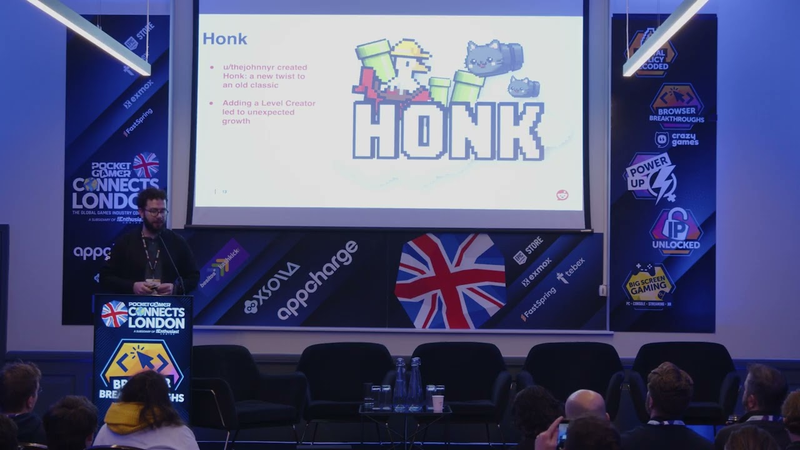
our next speaker is ready and waiting to come to the stage so i'd like to welcome to talk about five ways to speed up your game development process on your way to hyper casual success uh we've got shay sasson from crazylabs so uh if we could welcome shy to the stage just while um uh while shy is coming to the camera i'd just like to remind everyone that we're tweeting you can use the hashtag pgconnex uh on social media please do share your journey there and then as you're uh listening to the talk and uh and having questions no doubt please drop them into the q a box at the bottom of the of the zoom window uh in about 20 minutes we'll um once the the talk's underway we'll um uh we'll curate those questions put some of those questions to our
speaker and uh hopefully answer them live of course if we uh aren't able to get to your question which can happen um then we can uh maybe take to discord or whatever after that so i can see that shy is in the window now should i do want to um uh unmute there so we can we can hi how are you doing hey hey we're doing great how about you thank you yeah all right thank you yeah not not bad it's we're halfway through the show it's going pretty well where are you zooming to us uh today i am in tel aviv in israel fantastic so you're a couple of hours hours ahead of me i'm still only on my own my second cup of coffee so look here's what we'll do i'll um fade into the background and if people have questions for you then they can um drop them in the box but i'll come back in about 20 minutes and uh and help you create those take all the time you need and uh yeah over to you okay cool so i'm gonna share my screen quickly and start the presentation i would like to thank everyone for joining this talk and today we'll talk about five ways that can help you speed up your
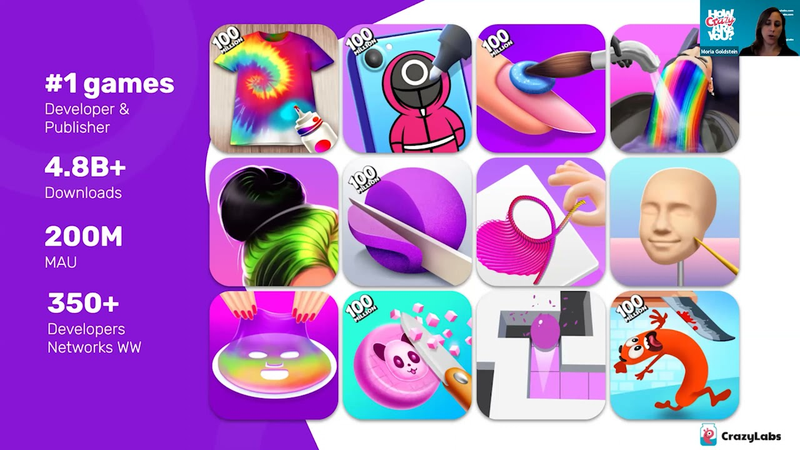
development process on your way to making your next hyper-casual hit a few things that uh we're going to talk about is a bit about crazy labs uh a very short brief introduction to hyper casual some of the timelines that we're looking at when developing a hyper casual game and then we're going to deep dive into the tips if we have time we'll do a quick summary and a few questions um as well um so for those who don't know crazylabs yet crazylabs is a top 3 publisher and game developer worldwide we've actually recently almost reached 4 billion [Music] downloads and have over 100 million monthly active users crazy labs is actually divided into three labs the biggest lab is the hyper casual app where we publish and develop hyper cultural games the second lab is
developing and publishing casual games some of the games that we've developed and published are games like jumanji together with sony pictures charlie's angels super stylist and many many others and the third lab which is a secret lab that develops very secret indie games and so myself shai i am a senior publishing manager at crazylabs i work with studios and developers from the development ideation prototyping part until the game is ready to be published through the testing process until the game is ready and hits the the charts and i'm always looking for talented studios and developers who are either looking to enter the hyper casual genre or are looking to discuss how to get your next hyper casual prototype to being a top chart game and so i've entered a very quick brief about
hyper casual and introduction i'm pretty sure most of you already know this but i felt that this is a great introduction to the tips that we're looking to uh discuss today so what is hyper casual the games are very simple to understand and very satisfying as well they are targeting a very mass audience meaning that i can play it and my 60 year old daughter can play it and they my 65 year old mom can play the same game exactly so we're actually targeting a very very wide uh big audience the game is uh highly replayable since they are very simply to simple to understand they are easy to monetize and this production time is very quick um comparing hyper casual games to let's say maybe casual games or even mid core games where in most cases you'll develop the games over months and even sometimes years until the first time that you test the
game and see how the players are reacting in hyper casual the prototyping part until the game is published is very very quick i've gathered two scenarios best case scenario and then worst case scenario on the processing process part of how you prototype your game until it's published and and here's a great example so in most cases the developers will create a prototype prototype will simply be a gameplay video they probably don't even have a build yet but they'll simply create an ad of the gameplay and test it for ctr to simply understand is this game marketable and the production of this uh prototype ctr video takes probably around one week or or even less than that until then you set up a test and in less than a week or so you already have the first results of your prototype you can understand if this game is appealing if players
understand it and only then you move to the second step which is a cpi test where you create a built-in store a few days later you're able to really understand okay what is the cpi and if we understand that this has the potential to become hit only then invest time in making more levels and a bit more content to the game to measure the day one retention we at crazy labs only test for day one retention we're not looking at this stage at day three or day seven you should only invest your time on the first day after the install the day one retention and if we meet the kpis we simply start scaling the game to reach the top charts so as you can see the overall best case scenario is about four weeks until your game reaches uh to be in the top chart moving to the second worst case scenario so you've invested about one week or less in creating a prototype for ctr test
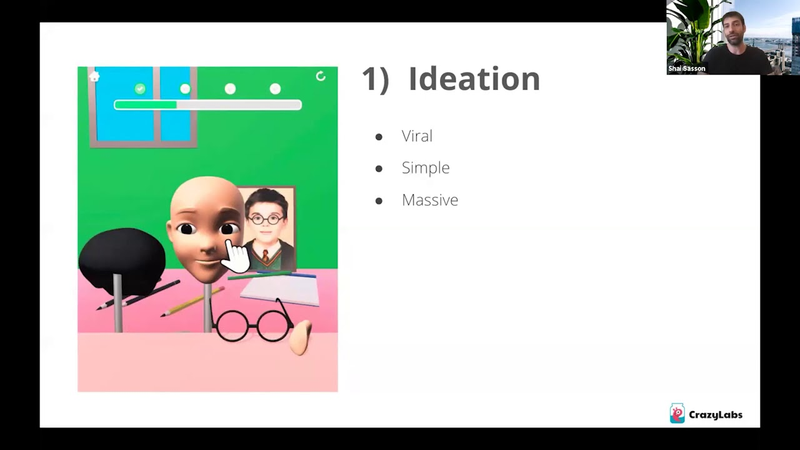
just gameplay video reminding you and set it up if this fails you cut and move to the next prototype so you save a lot of time you save a lot of resources and very very quickly you're able to understand the kpis of the game and if you should invest more or move to the next game and try prototype more more potential games so after this uh very brief introduction moving to the five tips that we've all gathered today to discuss so the first one is the ideation part when you're sitting down and you're thinking what will be our next prototype you need to find something to rely on maybe it's a trend maybe it's a viral trend um maybe it's a trend based on uh very successful other hyper casual games uh but when you're thinking about what is this trend you need to make sure that it's appealing to a very wide variety of audience make sure that it's
not a trend this might be very trendy but it appeals to a very niche audience and not many people will understand it so when looking at this example here this is a ctrl test of our latest hit scope people which is currently number one in many countries and you can see that it's based on a trend that is very viral sculpturing people out of clay it's very simple to understand just from the first few seconds you immediately stand what is the gameplay about and it has the mass appeal that we're looking at moving to the next step with the next step which is the data and i think this is very critical you know when you're creating a prototype you need to rely on the data in order to understand if your prototype has the potential to become a hit and but not specifically just for your prototype that you're testing you need to get the data in order to perhaps apply it for your next future games as well so you need to work with the data in
order to really understand and optimize your prototyping phase um this example i'm showing you here um our click dashboard created by crazylabs and when we created this dashboard actually uh we looked at two things first for us to see what's going on with all of our studios and have a perspective of it but for the studio itself to have almost real-time data on their tests so for example let's say you're testing for ctr you need to really understand in real time can you get the ctr of each creative do you know what is the cpc if you're moving to cpi test maybe you're testing more than one creative so let's say you're testing a creative with a fail moment and creative without without a fail moment are you able to get the data on each creative what is the cpi per creative what how much traffic did each creative drive perhaps one drove more creative than the other you can take these action items and
really understand to how to optimize your prototyping prototyping process as well as implement them in future games so working with the data and able to receive this data when you're working with the publisher is very very critical for you as a developer to save time save resources and optimize your prototyping process until you find your next hyper casual hit the third is gamification so if your game is based on a trend uh you need to make sure that you're able to keep the fun of the the concept of the trend and make it as close as possible to the trend itself in this example here you see the first storyboard of tie-dye which is one of our biggest hits over the past year and so when we approached this trend and we said okay let's make uh tie-dye as a game we actually pinpoint what are the steps that someone
who's making a tie-dye in their backyard or in their house would like to experience once we pinpoint that and we try to make sure that the first prototype will be as close as possible to the the steps in the trend itself by making sure this you can convert the viewers who are watching your ad to players who would like to get this experience and another great example is soap cutting one of the first uh asmr games that we've published of um around a year or so ago and we actually brought some to the office and tried to cut soap and although it was a very fun experience it was very very messy so we understood that players would like to get this experience without all the mess around it same thing for tie-dye therefore we try to make it as close as possible to the trend and the original experience fourth is the publisher itself so when you're
creating a prototype you need to make sure that your publisher is able to take this prototype if successful and successfully publish it so you need to make sure that this publisher has an experience in taking prototypes and games hyper casual games to the top charts and you need to make sure that it ha he has multiple successes and in hyper casual uh hits as well as the genre itself so if you're creating a specific genre sub genre in hyper casual games you need to make sure that this publisher has the experience and has previous hyper casual hits which are similar to what you're looking to to achieve technology is something which is very critical um publishing successfully publishing and maintaining hyper casual games in the top charts rely on a very very big infrastructure of technology that can help optimize the process and gather insights on how to continue to optimize your game and make
sure that it stays in the top chart for as long as possible with a very big profit so you need to make sure that the publisher has this infrastructure of technology and this is not developed in a month or two even not in a year it's developed over years so you need to make sure that your publisher has this kind of infrastructure of technology and it was developed over the years to help you make sure that your game will be a hit and so communication is also very critical you need to make sure that you're able to communicate with your publishing manager receive feedback but not only from the publishing manager perhaps you need to discuss something with a game designer or producer or a marketing manager or even get some assistance from tech artists or ui or 3d artist in order to help you with some issues that you have while pod type in your game so making sure that your communication with the publisher and the publishing manager is fully transparent you're able to receive the feedback but also provide feedback and ask questions about the process and
the prototype itself and last in is the growth and actually growth brings me to the fifth and last point and today we know that hyper casual games hit the top charts very quickly and stay there for a long period of time and looking back historically we saw that they come up very quick and then drop very quick today it's totally different uh today we know that hyper casual games are able to stay in the top charts for a very very long time i need to make sure that the publisher that you're working with has this experience in prototyping creating and publishing multiple hyper casual hits that are staying in the top charts for long period of time so here at crazylabs we've already created a liveops team that is working together with the pub with the studios in order to maintain the game and continuously updating the game updating the game to make sure that it's optimized and can make the profit for a long period of
time here i i've put examples of some of the games that we've published over the past year and even years ago and if you notice these games are still in the top charts and they're still generic generating nice amount of money for the developers uh together working with the liveops team and the developer itself to maintain the game for a very long period of time uh so what we've discussed uh so far uh we need to make sure that you have an ideation part which is based on either on a trend or a viral trend which is simple to understand and it's appealing to a very wide audience you make sure that you have the ability to receive the data and work with the data to optimize your process in creating your next hyper casual hit we want to convert the viewers at two players so trying to keep your concept based on the original trend as close as possible without you know
all the mess around it giving them the best experience you need to make sure that you have the right publisher with the right experience that can help you prototype test and publish your next type of casual hit as well as invest your time wisely today we know hyper casual games are able to stay in the charts and make money for a very long period of time very differently from a few years ago so for those who don't know we recently launched our endless campaign which you can get immediately cash prizes when prototyping a game based on a viable trend and you can simply get immediate 500 just for getting approved to test your game based on a trend and get up to 15 000 once you meet the kpis that are needed so a very good opportunity for a lot of developers to jump in and get some cash uh to continue helping them develop their games and last thing that i would like to
point out is the crazy hubs so crazylabs launched our crazy hubs which is our accelerators for developers and studios who are looking either to enter the hypercasual scene or to get more experience and we've launched already our israeli tel aviv based uh crazy hub as well as mumbai india and and we're giving facilities mentorships and even funding to help you prototype and get more experience in the hyper casual scene and as i said we already have our mumbai and tel aviv accelerators but i know that we have people here listening to my talk from all around the world and i have to give you a very good tip that we are going to expand and open more accelerators crazy hubs all around the world so stay tuned maybe the next one will be very close to you and you can get
some of the things that we're able to provide things that we're going uh highlights of the things that we're doing in the crazy hubs is on-boarding to hyper-casual games gamifying a trend gaming game design marketing assistance creatives user experience level finals and a lot a lot more that can really help you guys and make it to the next step and i think this actually concludes my presentation i really enjoyed although i know that i can't see everyone there but i'm pretty sure that you guys already also enjoyed this and it was beneficial for you i'm available uh you can you can have my email here i'm also available in the me to match and uh if you have any questions i'm here to answer that's perfect thank you very much round of applause from everyone here you can you can only hear me but i'm sure everyone is doing the same um that's really really an interesting talk and i've got a few questions for
you myself um some people have supplied some questions which i'll get to in a moment but i just wanted to say um that that endless initiative that you've uh that you've started there sounds great so just so that i understand if there are developers in the audience watching this now and they may be working on a hyper-casual game they submit a video and that's all that's the first step that's all they need to do first of all and you guys will take a look at it and that's how you enter that process so the first thing that you need they need to do is find a valuable trend that they want to base their hyper casual prototype on and take the link to the trend as well as a gameplay video based on this trend and simply send it to us once we approved it to test they immediately get 500 just for getting approved and then they start the testing process once they reach kpis they can get a lot more money up to 15 000 or even more and they can submit as many games based on vital changes they want and simply either find the next hyper casual hit but also get some funding on the way that's perfect so i know that um from our demographics that maybe about
70 percent of our audience here at pocket gamer connects are game creators and i know that in some of our earlier talks this morning there were questions from developers about how best to approach publishers so this seems like a great way to approach crazy labs and um uh and and share that you know and maybe as you say have an opportunity there to earn some money well while working on a prototype so that's great so i'm going to bring you some questions now if that's all right should i so firstly um someone's just observed that um uh crazy labs of course have those great uh asmr games the things like the soap cutting which is which is great i've got that myself on my phone it's a very very cool game um the question is is that the only type of games that you focus on now or are you looking at any other genre so that's a great question and yes we are looking for very va variety of hyper-casual games we do have a good amount of asmr games and we saw that we started kind of this trend and we started receiving a lot of prototypes based on asmr but we are publishing different hyper casual games
from asmr to runner games to simulations and arcade games so feel free to submit any kind of game that you feel would be something that you'd like to discuss and receive some feedback as well as publish it i'm just going to leap into the chat here we've got a question here from hitesh who says um how does the publishing process work in this case is it similar to book publishing where you get an advance and then pay royalties on the game sales just what's your model for um for publishing with a developer so we're very flexible on how we work with studios it really depends on the partnership with the studio and the communication with the studio and i think communication was one of the points that i raised out which is critical for a developer to to work with the publisher it can be either a very close partnership we can get some funding on the testing process as well as revenue share from a published game you can also have a full ready prototype ready for testing and we can start discussing it but we provide more than just that
we do provide assistance and guidance on the testing process uh it can start from me as a as a publishing manager discussing the prototype with the with the developer it can be a game designer that answers enters the the chat and helps as well as many many other resources that us as crazy labs are able to provide the studios that's great thank you um so uh johannes has a question here that says what are your recommendations how to set up and run a ctr test oh that's a great question and the reason that a lot of studios would like to do ctrl test is first of all it saves a lot of time and efforts in the testing and development process because you don't need to create a build you don't need to upload it to the store you don't need to fix bugs you don't need to integrate sdks and wait for reviews you simply create a gameplay video when you're starting to think about the city outlet you simply need to understand what is going to be entered in the 30 second and 15 second creatives and only work on that and you're
thinking about creating this prototype you need to kind of divide it into steps the first three to five seconds you need to make sure that the game is fully understandable in the first three to five seconds maybe a fail moment can help here because it does help a lot of uh players understand the controls and the winning more options of a prototype or a video and then move forward from there making perhaps one or two levels you can edit and cut it to make sure that it's very uh nice and understandable and then you can submit it but uh the process can be the other way around simply create a gameplay video send it to the publishing manager receive his feedback and then start working on the on the actual creative that you would like to test that's great really really practical advice thank you and and actually you know we've got a couple more questions so i'm gonna i'm gonna keep going if that's all right if you if you're okay let's do it um so uh uh one of our anonymous attendees has said um has it is it a little is it getting difficult to bring down the cpi since
november um i think that question was asked in a previous talk as well since november the cost of cpi um have you got any observations on that well i didn't see a very uh big trend in cpi over the past few months obviously towards the end of years cpms are changing and it can it might inflect cpi but in my point of view it didn't had any effect we do see a lot of success and potential games of studios that sent us and started testing their games for ctr and cpi so no i don't see a specific uh trend of increased cpi to be honest i do see a trend of decreasing cpi over the past month or so but maybe it's because of we you know talented studios are very innovative and they have good concepting and and you know if you're if you're prototyping something that is similar to something else and so you're you're at the starting point which is not good because you want to give something fresh to players something that they haven't seen before and this can help you
achieve lower cpi if you're creating something that you know a player didn't see something similarly in his thinking maybe this is the same game that i've already saw a million times the ad to and now he's seeing something new and can help reduce the cpi that's great thank you that's interesting well there's also a couple more questions here uh i should say um somebody has asked the question mrs berkey has asked can we see your slides after the presentation um i i will also just remind everyone that we're recording all the talks as well so if you want to replay what you've just seen here and go back through um shai's presentation then uh come in about 24 hours time uh you'll be able to find this morning's recordings all on the um uh all on the meet to match platform links there and we'll also email you with the links to those but but um shy maybe i don't know if you're gonna go on our discord perhaps if you if people want to ask you questions about your slides perhaps you can help them out there as well but by the way they can also reach out by the by the email but but feel free to reach out over this code
and i'm happy to share more information and the styles themselves perfect that's perfect but yes but everyone please do please do re-watch this presentation so i think we'll just take one more question before we go i have our panel is uh assembling there um actually uh someone has just suggested here that um and asked the question uh is there any protection to stop a publisher just uh going ahead and producing their own version of the game if you share your um share your ideas i notice in the chat as well someone's asked that do we need nda signed uh i know obviously when an idea is a good idea everyone you know other iterations of it will no doubt emerge but what's your recommendation there shy for people revealing what they're working on is there good practice there so that's a great question then if we're going back to the slide you need to choose the right publisher for you and you need to make sure this publisher has the the ability to work together with you and i i know that some of the studios are concerned that you know submitting something to a publisher and then someone else will try and do it or the publisher itself but if you have good communication and if
you have good partnership and a very transparent partnership with the publisher you know that you can very quickly understand uh how this publisher works and have the confidence that you can share uh early prototypes or ideas with the publisher and the publisher will not you know say no but then do it themselves a point on that is that some of the hyper casual games are very similar to each other and you might submit something and then see another different publisher or another totally different studio doing the same and you say oh my gosh they copied me but maybe they didn't because you know things are very similar to each other but again if you have a publisher that you trust and you build a relationship with you very quickly understand that this publisher will not uh want to harm you by the opposite you know if you have a good idea why not work with the studio me as a publisher why not work with the studio to get this game very quickly to the top charts and enjoy the the thoughts of their partnerships yeah
absolutely i think most of the the publishers that we've seen today are very reputable obviously crazy labs have got a great reputation i should think that as you point out though a lot of the thing about hyper casual games is that the mechanic is often very simple and so many ideas will emerge at the same time using the same kind of you know i idea um you know what i'm going to take there's one more question left and i hope i i won't be in trouble with the stage manager if i take this question because uh we we i know the panel are here waiting but we might as well work through this this final question so um someone's asked what is your top tip to get better retention and lifetime value and they've hinted that there might be something to do with liveops there that's a whole topic track in itself but what's your kind of a hot take on that you're right it's a it's a it's a topic of itself and i think that the michala vp live ops had had a recent talk about how to maintain a game during live ops and you know it's hard for me to dive into that in just a few seconds but if you can break it out you need to break it out into two things the onboarding itself
you need to make sure that when you're uh the first player is on boarding the first levels are easy to understand and and it's very addictive and it does they don't fail very quickly you want them to get as a satisfying experience and not you know something that they're going to be frustrated with and then later on it's a very very big uh task where you need to continuously a b test and do a lot of the optimization to maintain the the players and keep them engaged as much as possible but you know feel free to reach out to me and then we can have a very long conversation about that so i can help you with your next prototype and how to maintain and increase ltv as well that's perfect and i should say that if our uh audience is interested in live ops and its effect on um uh on ltv and so on we actually have a whole track about liveops if you've missed it you can again rewatch that recording later on as well so look i'm going to wrap it up there and stay shy thank you very much for for that really great presentation round of applause uh and uh yeah and hopefully um if there's anyone in the audience with more questions they can
catch you in another platform but uh we'll move on now so thanks again and have a great afternoon thank you everyone bye you
Summary
The hypercasual gaming sector demands a high-velocity development framework where the transition from initial concept to market-leading success occurs within a four-week window. This strategy centers on a lean, data-driven validation cycle that prioritizes marketability over extended production phases. By utilizing click-through rate video ads and cost-per-install metrics, developers can confirm the viability of a concept before committing significant resources. This approach ensures that only titles with proven mass appeal and viral potential proceed to full development, effectively minimizing risk while maximizing the efficiency of the creative process.
Success in this competitive landscape requires a dual focus on immediate accessibility and long-term engagement. The initial player experience must be frictionless, featuring intuitive onboarding that eliminates early frustration to secure strong day-one retention. Once a title gains traction, the focus shifts to sustained performance through dedicated LiveOps teams. These teams employ continuous A/B testing and rigorous mechanical optimization to refine gameplay, thereby increasing the lifetime value of the user base and ensuring the game remains relevant in top-chart rankings for an extended period.
Strategic partnerships with experienced publishers serve as a critical catalyst for this rapid iteration model. By leveraging external mentorship, funding, and robust technological infrastructure, developers can navigate the complexities of real-time data analysis and creative refinement more effectively. This collaborative ecosystem allows for the seamless integration of trending concepts and real-world gamification, providing the necessary support to scale successful titles. Ultimately, the synthesis of rapid prototyping, data-backed decision-making, and persistent optimization defines the modern standard for achieving and maintaining commercial success in the hypercasual market.