Mobile reports and market data
Documents
Mobile Games Report: H1 2024
This report analyzes the state of mobile game live streaming during the first half of 2024 (H1 2024), examining viewership trends, platform dominance, popular games, genres, publishers, and regional preferences.
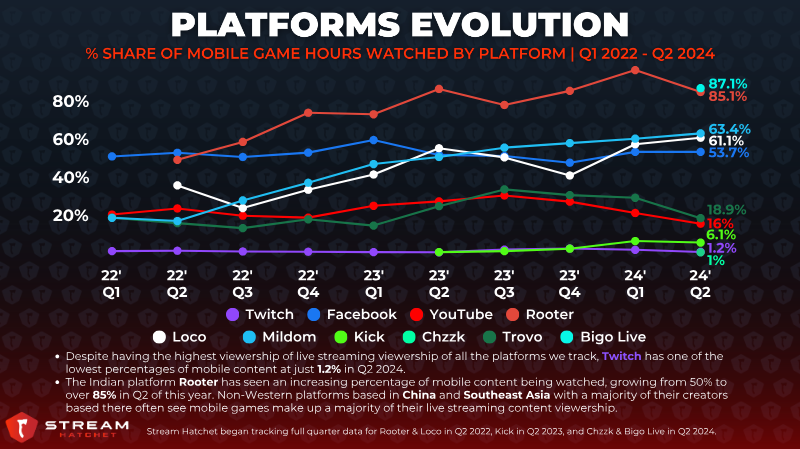
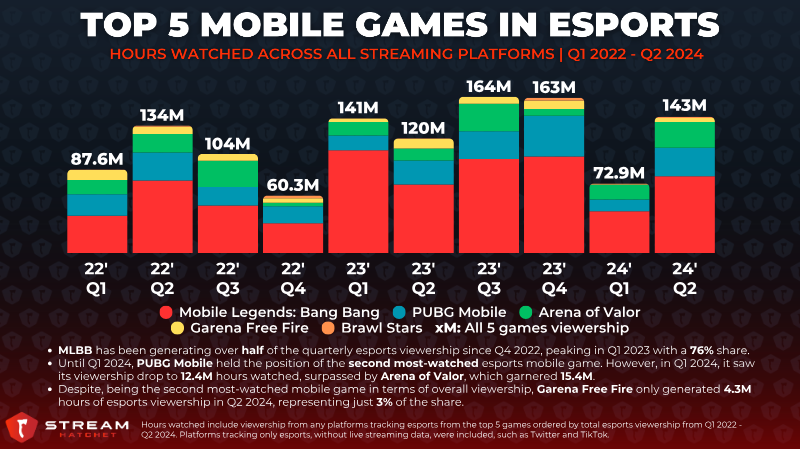
- YouTube Gaming dominates the mobile sector with 69% of total mobile hours watched and 77% of mobile esports viewership, driven largely by audiences in India and Indonesia.
- Mobile esports is the primary growth engine for the sector, experiencing a 52% increase in hours watched between 2022 and 2023 and now accounting for nearly half of all mobile gaming viewership.
- Mobile gaming live-streaming viewership showed resilience in H1 2024 with a 4% year-over-year increase, despite mobile games representing only 7% of total live-streaming hours in Q2 2024.

Game Design For Engagement & Retention: How to keep your players playing
Sustainable player engagement and retention depend on the strategic integration of three interconnected frameworks: the core loop of rapid actions, the context loop of progression and narrative, and the cultural loop of social identity and lifestyle.
- Retention is primarily driven by the first-time user experience (FTUE), which is the root cause of failure in 99% of games requiring design intervention.
- Effective game design requires balancing the core loop (start, challenge, resolution, reward) with context and cultural loops to move players from initial engagement to long-term fandom.
- Designers should intentionally create 'imbalance' in game economies—such as the 'hot dog and bun' principle—to ensure players always have an unfulfilled goal that motivates them to return.
Impulse Brain Training games: A hyper scaling app masquerading as a brain training
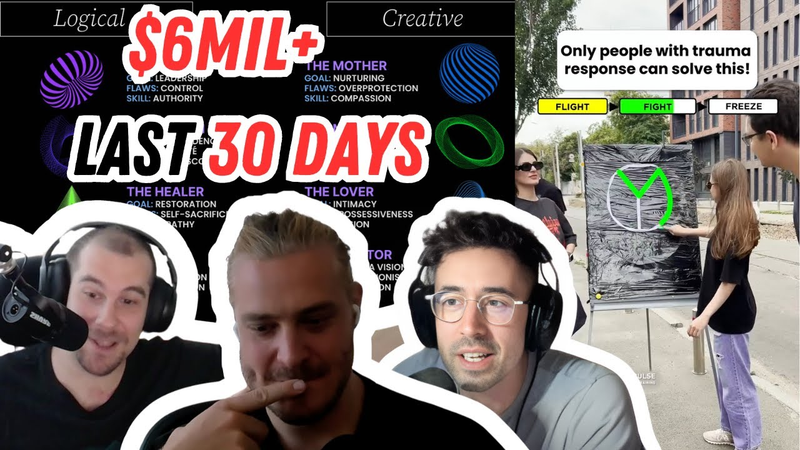
Impulse Brain Training operates as a high-scale mobile product that utilizes the guise of cognitive improvement to deploy hyper-casual gaming mechanics.
- Impulse Brain Training generates $5 million to $6 million in monthly revenue with approximately 90,000 daily downloads by positioning hyper-casual gaming as a wellness and cognitive improvement tool.
- The app targets women aged 35 and older through Facebook advertisements that utilize emotional health assessments, such as ADHD or anxiety screenings, to drive user acquisition.
- Monetization relies on a friction-heavy model that increases ad frequency over time, incentivizing users to purchase subscriptions to remove advertisements.
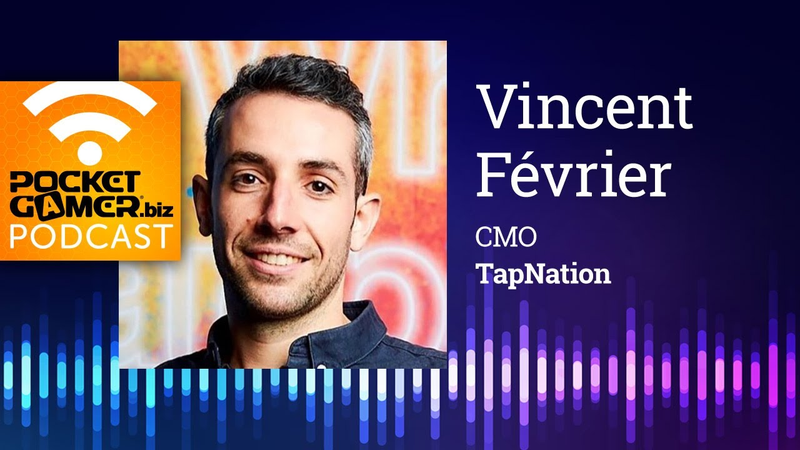
TapNation’s Secrets to 1 Billion Downloads in Under 5 Years
TapNation has achieved significant industry scale, surpassing one billion downloads in four years by transitioning from a traditional hyper-casual model to a hybrid-casual strategy.
- TapNation surpassed one billion downloads in four years by shifting from a hyper-casual model to a hybrid-casual strategy.
- The company scaled to 90 employees by prioritizing sustainable long-term retention over immediate profit margins.
- Operational efficiency is driven by the 'PEACE' philosophy, which emphasizes lean management, transparency, and data-driven decision-making.

Office cat Idle Tycoon Live Review: $125k/day revenue with 80k/day spend = nice profit w/ Seok Kang
Office Cat Idle Tycoon represents a highly successful case study in the mobile idle genre, demonstrating how a distinct aesthetic and refined mechanics can drive significant profitability.
- Office Cat Idle Tycoon generates $125,000 in daily revenue against a marketing spend of $70,000 to $80,000, maintaining a strong profit margin.
- The game’s monetization mix consists of 70% in-app purchases and 30% rewarded ads, with over 70% of initial purchasers becoming repeat spenders.
- Rewarded ads achieve an 80% opt-in rate, with users engaging with an average of 13 to 15 impressions per day through strategic placements like offline multipliers.

Kelly Kang’s Secret Sauce To Monetise Your Game Like A Boss
Successful mobile game monetization hinges on fostering deep internal collaboration between ad strategy teams and game developers.
- Modern offer walls have shifted from internal cross-promotion to external brand partnerships, which now account for 50% to 60% of total revenue.
- Monetization teams must prioritize long-term player retention over short-term gains to overcome rigid development roadmaps and quality assurance constraints.
- To secure high-value brand partnerships, developers must improve transparency by adopting ethical advertising practices, viewability metrics, and Consent Management Platforms.
Top 10 Ad Networks For Mobile Games 2024… and the Latest Ad Creative trends!
The mobile gaming advertising landscape in 2024 is defined by a paradox of increasing competition and strategic refinement.
- Mobile gaming advertisers are shifting from high-volume creative output to fewer, higher-quality assets, even as the total number of active advertisers in the market continues to grow.
- Developers are increasingly diversifying their user acquisition strategies by targeting Tier 2 markets like Brazil, India, and Mexico to offset rising costs in saturated Tier 1 regions.
- Generative AI is lowering production barriers and enabling rapid creative iteration, leading to a resurgence in image-based advertising alongside high-paced, narrative-driven video templates.

Lucky Defense Success: Will it conquer the West? A New Tower Defense hitting the charts
Lucky Defense has emerged as a notable tower defense title, generating $6.3 million in revenue over a recent 30-day period with 380,000 active users.
- Lucky Defense generated $6.3 million in revenue over a 30-day period with 380,000 active users, but 80% of this income is concentrated in the South Korean market.
- The game faces significant barriers to international expansion, as only 3% of its total revenue currently originates from the United States.
- The game's monetization is hindered by inefficient ad implementation, with ad revenue accounting for only 11% of total earnings due to poor UI placement and lack of user notifications.
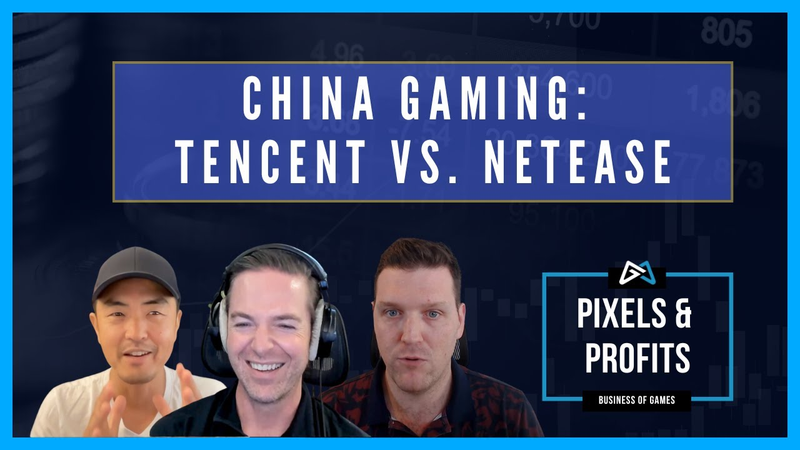
Chinese Gaming Giants: Tencent vs. Netease | Pixels & Profits
Tencent and NetEase represent the dual pillars of the Chinese gaming industry, yet both face a precarious future defined by domestic saturation, regulatory volatility, and escalating geopolitical friction.
- Tencent achieved significant financial efficiency in 2023, increasing its operating margin to 31.5% from 25.8% in 2022 while generating $23 billion in free cash flow, an 89% year-over-year increase.
- Tencent maintains a dominant global gaming position through full ownership of major studios like Riot Games and Supercell, alongside significant minority stakes in companies including Epic Games, Ubisoft, and Krafton.
- Tencent faces substantial headwinds in the domestic Chinese market, which accounts for approximately 70% of its revenue, due to strict government regulations on gameplay and increasing competition from emerging rivals like miHoYo and Game Science.
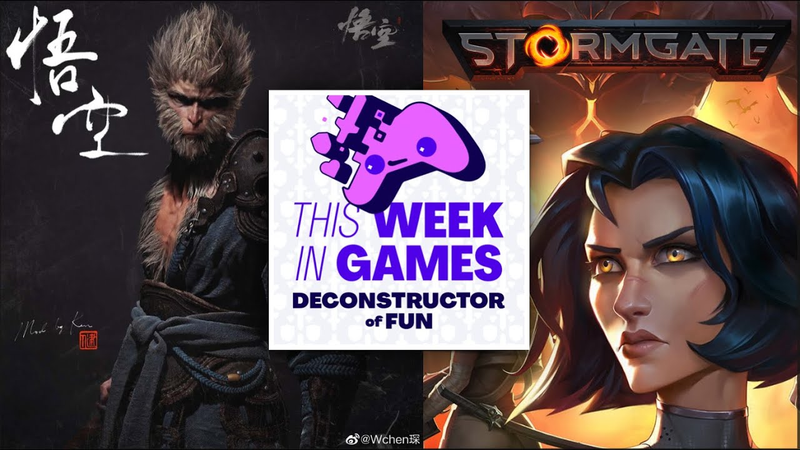
TWiG #296: THE RETURN OF LONG LOST HOST + Black Myth Wukong Goes Ape Shit and Stormgate Flops
The global gaming industry is currently navigating a period of intense volatility characterized by shifting player engagement patterns and the unsustainable escalation of AAA production costs.
- The gaming industry is facing a crisis of unsustainable AAA production costs and a stagnant hardware install base, forcing a shift away from traditional $70 premium models toward shorter, high-impact experiences or live-service ecosystems.
- Black Myth: Wukong has shattered Steam records, demonstrating the massive, untapped influence of the Chinese market on global commercial performance.
- Market performance is increasingly polarized, evidenced by the commercial failure of the RTS title Stormgate due to poor execution, contrasted with the success of EA’s College Football 25, which leveraged brand nostalgia and strategic bundling.

Monopoly Go! and Baldur’s Gate III: The Hasbro Perspective
Hasbro has solidified its position as a dominant force in the video game licensing sector, generating $3.25 billion in revenue over the past year.
- Hasbro generated $3.25 billion in revenue over the past year through its video game licensing strategy, significantly outperforming industry competitors.
- The company’s growth is driven by a strategic pivot toward high-quality digital partnerships that translate legacy physical intellectual property into virtual experiences.
- Hasbro utilizes a dual-pillar strategy of brand familiarity to lower user acquisition costs and creative autonomy to ensure genre-expert developers handle their franchises.
Casual Gaming in H1 2024: Tough Competition and New Opportunities
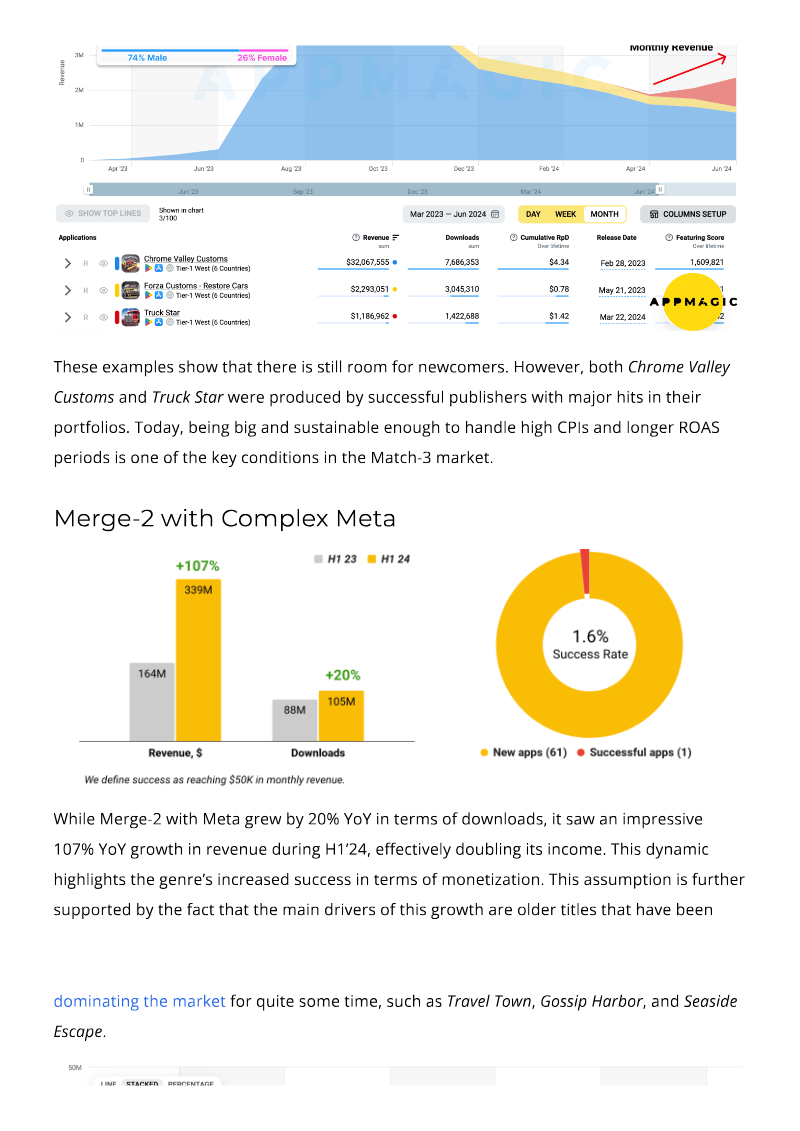
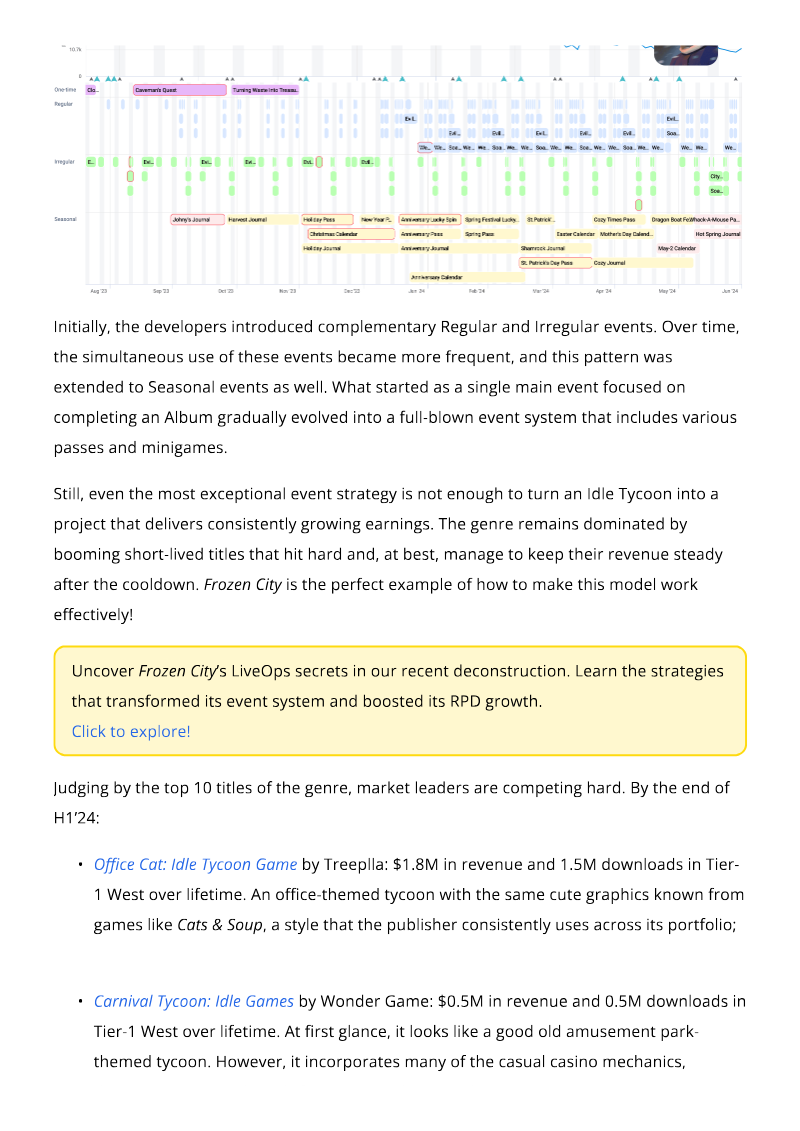
The document analyzes the casual gaming market in Tier-1 West countries (US, UK, Australia, Canada, France, Germany) during the first half of 2024, focusing on revenue growth, download trends, and monetization strategies across specific genres.
- The mobile casual gaming market in Tier-1 Western countries grew 11% year-over-year in H1 2024, reaching $7.2 billion in total revenue.
- Revenue growth is increasingly driven by sophisticated monetization and LiveOps strategies rather than pure download volume, as the industry navigates post-pandemic cooling and IDFA privacy constraints.
- The Sort Puzzle genre is the fastest-growing segment, recording a twelve-fold year-over-year revenue increase.
Writers
Games and companies
Games