Transcript
[Music] welcome to the novic gaming podcast where it is our mission to explore the business and future of video games we bring together the industry's brightest Builders investors and thinkers to keep a pulse on current events dissect emerging Trends and games share Lessons Learned and have a great time this podcast is also part of novic growing ecosystem which ranges from free and premium research to Consulting and AD advisory services for more information visit [Music] www.nic.edu from frauders is crucial and that's where inure AI this episode sponsor comes in insure AI provides payment fraud prevention that's effective and tailored to your needs the team's adaptive AI creates a dedicated model based on your data focusing on behavioral patterns to catch even the
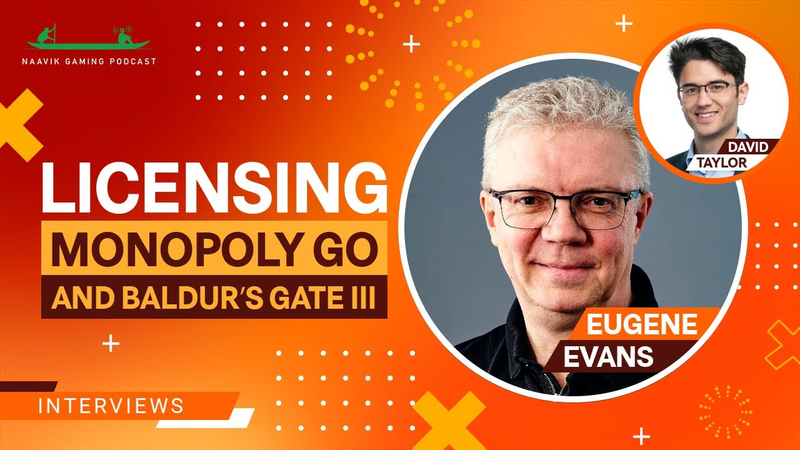
most sophisticated fraud attempts with decisions made in under half a second and up to 98% approval rates insure AI ensures more legitimate transactions get approved delivering a seamless experience for players plus with a chargeback guarantee you can focus on growing your business while the risk is handled for you keep players in the game and turn payment fraud into a profit center with insure AI to learn more simply head to to ins. a/ gaming or check out the link in the show notes now let's jump into the episode welcome to the novic gaming podcast I'm your host David Taylor and today we're discussing the number one toys and entertainment licenser in video games from the past year Hasbro known for iconic properties like Dungeons and Dragons and Monopoly Hasbro has seen incredible Su successes with breakout hits such as balers Gate 3 and Monopoly go in the last 12 months has licensed games have generated a
staggering $3.25 billion almost doubling the revenue of the next largest licenser Disney which includes Powerhouse franchises like Marvel and Star Wars joining me today is Eugene Evans the senior vice president and of digital strategy and Licensing at Hasbro Eugene oversaw development of both balers Gate 3 and Monopoly go I'm excited to delve into Hasbro's approach to licensing IP to video game developers and how they've successfully transitioned their business from physical playground to the virtual realm Eugene welcome to the podcast hey David welcome uh I would love to be able to take responsibility for the development of those projects but I was merely overseeing the relationship with two amazing Partners who delivered on two great successes with Monopoly Go bg3 amazing well thank you for fact checking me on that uh you know just just uh trying to be the hype man but I
can understand how sometimes the hypee can go too far well we want to make sure that our partners always get credit for the hard work that they do absolutely um so yeah so to begin would love it if we could just start from the beginning if you could introduce us to how you got to where you are today as SVP of digital strategy and Licensing sure well it's great to be able to uh chat with you today um I joined Hasbro joined wizard of the coast specifically about six years ago um I came on board at the beginning really of a of a journey that Hasbro and wizards has been on to uh do more and more in the digital space the company has a very long history in licensing that significantly predates me and a great deal of success over that time um in in digital gaming um and I uh joined head up Business Development and built a
group to perform that function within the company about two years ago expanded my role to go beyond Wizards of the Coast to include the Hasbro portfolio of Ip um so I am delighted to be able to work with a team that oversees our digital licensing and Partnerships with uh some great companies that cover everything from d IND and Magic to also include Monopoly uh uh clue Transformers Furby you name it uh if the company was if if it was a toy that you played in your childhood there is a 50% chance that we were responsible for it uh I've been fortunate enough in my career to work with a number of big companies um including Electronic Arts and Viacom um and smaller startups including Mythic
entertainment um but really uh it's been an honor and a pleasure to work with across Hasbro and Wizards of the Coast because of the we have such a remarkable portfolio of Ip that um we really are just at the beginning of tapping into the digital opportunities for the whole portfolio yeah that makes a lot of sense I mean yeah the the the quality of the IP and the number of them is is pretty staggering I would love to better understand how you know digital gaming uh and Wizards of the Coast sits within the broader Hasbro uh portfolio help us understand how um how the org is is structured and and how that leads to Opportunities across across uh various verticals sure I mean you can think about Hasbro's three principal businesses the toys and games Wizards
and digital gaming and then Hasbro entertainment toys and games is the OWN of such iconic Brands as Monopoly Transformers Etc um Wizards is obviously best known for DND D and Magic the Gathering and that's also where the management of our digital games development sits um Hasbro entertainment manages our relationships in the world of TV film animation creating entertainment opportunities uh they the folks that work with Partners to develop and create shows that are based upon iip for example uh the recently announced partnership with boo Robbie's production company for Monopoly which is obviously very exciting um and there's many more announcements coming from that group licensing overall is an important part of our business uh we have a group that
focuses on everything other than digital licensing and we are recognized as the number three entertainment company in Licensing in the world the licensing I believe the licensing Association recently updated its top 150 and we were number three in as an entertainment company and then obviously Alora as you referenced uh another research group recently listed us as the number one digital license in organization so licensing out rip has been a big part of the business for for many years uh and is really acknowledge an acknowledgment of the value that our partners see in rip and how it can help pull our communities together and amplify what you know amplify what they amplify their great product yeah makes a lot of sense and I guess my question for you now is like is there a way in which
those other business lines is there is there a flow of business in other words you know you've got your toys lines which have these iconic properties that people have grown up with and have known for many years is the flow from from Toys to uh Toys in board games tabletop games to digital games and Licensing that are typically higher margin businesses how does this all connect together well we look at the entire package I mean this is I believe our a tremendous advantage that we have we're collaborating both externally with our partners to bring great product to the table uh to our fans that exemplifies that IP but then we're also working internally across the company whether it's directly with the toys and games group or whether it's with the Entertainment Group to really amplify our partners message and um I think think we've been very effective of that
an an interesting example of late has been Monopoly Monopoly go has obviously been a huge success for our partner scopely they delivered a great game that has really resonated with fans of Monopoly but then has gone significantly beyond that and been very successful um we just announced a we just announced a monopoly go board game so we have a board game based on a video game a mobile game based on a board game and we you know that we we did that very quickly the we collaborated with the board game team within Hasbro um that that game has come to Market very quickly and we think he going to find a great audience and just continue to perpetuate that interest so that's a that that's a great example of the sort of collaboration we can drive got it and
did you in that scenario did you have to license Monopoly go back from scopely or did you it was that not necessary it wasn't necessary uh I won't go into the details of our partnership with them but um we ultimately retain All rights to our IP got it super interesting um so you know moving on to the topic of Monopoly go I think a lot of people are interested to sort of uh understand what it's like from the license perspective to be part of such a success but also uh you know the development was not always a clearcut it was a long road I think Monopoly uh scop had owned the Monopoly uh or had the the license for Monopoly since 2016 which means you know that was a you know seven-year project roughly speaking um I was wondering you know could you break down the phases of the project in the journey there like you know you had a front row seat to it what did it look like from a licenser perspective to go through the and downs of a of a project
like that well in furnace I only had that front row seat for a couple of years uh but you know ultimately this is down to you know I have the utmost respect for our partners and this is something that both scopely and laran have in common despite the incredible dis differences between Monopoly go and boulders Gate 3 what they have in common is there two worldclass partners who understand their product category whether it's mobile games or you know uh PC and console roleplaying games they understand what great looks like not just what good looks like but what great looks like and they both have demonstrated the grit and tenacity to get to work through all of the challenges of development to deliver a great game and
we put a tremendous amount of trust in our partners scopely built a product soft tested it determined that it wasn't working it wasn't the best product that it could be um and they moved on and they tried they tried again so um what we demonstrated was patience with a partner who understood their Market tested the product and um saw it through to become the great product that it is today got it and and so just for context for the audience I think it started off more similar to clash Royale and then in its first iteration and then they pivoted to coin Master uh more as a as a as their main point of influence uh with the current iteration that we see today yeah I didn't actually see the previous iteration so I won't comment on that and I'm not sure what they've said publicly um the I I I didn't I the you know what
they recognize and I think this is what's really important about any license opportunity like this you have to identify what's at the core of that IP what is it about that game that people enjoy that is proven after in this case 75 plus years of success and don't lose sight of that this goes beyond just the ad that runs that encourages somebody to click through and go oh it's a Monopoly game obviously that's one place that a brand brings tremendous value but what the real value comes from those from the early metrics and the long-term value of what an IP brings to a game if it's done successfully when somebody opens that app on their phone and hits the big Go Button and the dice roll and the token R
moves around the board and they purchase that that real estate they immediately know what it is they're doing you know they immediately know what the game is it you're obviously with Monopoly go not literally playing Monopoly but people are immediately familiar and get very comfortable with the game and given the mass Market scale of reach to people who arguably may not even think of themselves as Gamers get I think one of the biggest challenges with mobile gaming today is reaching an audience that's so big that they're not familiar with all the necessarily all the gaming tropes that as people within the industry we often get very comfortable with and familiar with and we have to put ourselves in a different mindset and I think that you know the early metric around the
retention in the first few days were very high that demonstrated that not only had scopely made a great game but people were immediately understanding and getting drawn into what makes it so compelling and so much fun to play yeah that's really interesting I think you know when people think about licensing the first thing they think about is like oh this will lower my marketing cost because people are already familiar with the IP they'll give it a try but in your case what you're saying is it actually leads to higher retention because people are immediately understanding the game they're not you know walking away scratching their heads wondering like what that was all about it also represents tremendous um uh a tremendous Network effect because when people tell their friends hey I'm really enjoying this Monopoly game you should check it out they don't have to explain what the game is yeah right they the the friends will immediately know oh you you enjoying this it's Monopoly let me give
it a try as opposed to many games where you say oh I've been really enjoying this game well let me tell you how it works and you have to explain it yeah so I I you know obviously I would say this I I think we have one of the best portfolios of Ip in gaming because they start with games yeah your the challenge with many IP that's based upon characters narrative World building is that the first thing you have to do is go okay well what's the game we start with games yeah and we start with games that have been in many ways in many cases have been attracting fans and players for decades yeah that makes total sense uh and super interesting to think about it from that perspective I one of the things that I want to want to sort of go back to is around that seven-year trajectory and I understand so you you were you only so had had front row seat
for the last few years but you know from a licenser perspective when things don't work out you're working with a partner how do you think through whether to continue with the project or not you know we have a long history with scopely they've been they were successful for us with the yatsi game and the Scrabble game so this is not the first time that we partnered with them and I think that that gave us great confidence that they would see the project through and the trust that they would do the right thing for the IP and for the fan that makes sense can you describe the relationship a little bit more in terms of how uh Hasbro shows up in terms of having influence over the direction of the game are you guys fully trusting the partner or are you you know involved in weekly conversations you know how how Hands-On are you with your with your development Partners well we're certainly we're not necessarily speaking
with them weekly I have a production team that runs the relationship I think they're one of the best in the business and certainly one of the most experienced in the business having been doing this for in some cases 15 plus years and I think there's a very different type of relationship you have with a lens or that you are trusting with your IP as opposed to perhaps a development Studio that we might hire to build a product ourselves where we're taking on the responsibility for determining what that game is whether it's doing well and so on our first task is to ensure that that game remains true to the IP does it not only aesthetically represent everything that people have come to understand about that game or that IP but also that it's actually fun and remains true to what makes uh the game successful originally so that's the first thing I would say is
that you know um we that's the nature of our working relationship and then also equally being the conduit internally with our franchise partners and marketing teams to ensure that they're up to speed on the development of the game how it's going um and how it might fit into their future plans so I think the final thing I was curious about is you know we're going to talk a little bit about uh acquisition that you made uh or that that Hasbro made uh in the D and D franchise I'm curious you know you guys were probably seeing some of the metrics in early beta testing for Monopoly go um was there ever a question of of whether Hasbro should acquire scope Le uh that was not in discussion of late um you know we know what we're good at we know what our partners are good at um that that was not something that was
contemplated got it well I have a question for you on that later but um for now let's move on to uh Dungeons and Dragons and uh you know on the topic of Acquisitions uh I think Hasbro acquired Beyond d and a couple of years ago and I'm just curious using this as an example how does Hasbro approach Acquisitions and what has been the impact on the growth for D and in this case sure so that was DND D beyond that we acquired um DND D Beyond was originally a licensor and they uh had the right to create tools to to enable people to play DND D um remotely with friends or enhanced when they were around the table playing DN D and they they had done a very good job of this and we saw that it would be a tremendous strategic fit with
our own plans um increasingly people play even if they're not playing even if they're playing analog games often they are supported by digital tools and there are many challenges with playing DN for example getting a group of friends together in person on a regular basis um uh the catalog and library of content that players draw upon as they play DND it's righte for a set of tools that amplify that experience we will never move away from the theater of the Mind in person just Delight of being able to play with a DM and a group of friends in a room but digital tools represent a way for us to amplify that experience and take it
Beyond just what you might be able to do in person and by acquiring DND D Beyond we gave ourselves an incredibly strong base of users that from which to start and build outward from there uh that is represented not only in terms of the 2D Maps features for example that we've added or the content that's been added through D and dbond but now the work that's being done to create a virtual tabletop experience which we've been showing people over the last year um is I believe going into or is in friends and family at the moment and will broaden out to other users over the next 12 months amazing well I'm excited for that I think you know I've never I've been someone who wants to play uh DND for probably a decade now and I've never been able to line up a
group of friends and a dungeon master to make it happen so maybe this is this is my moment to uh to start for us digital tools that we're creating and we acquired with d and dbond represent ways to make the game only more accessible the game is DND D is celebrating its 50th Anniversary this year which is such a huge accomplishment yeah and recognition of its role is the the world's greatest role playing game as we like to say and um what all we what we need to do is make it even more accessible and and remove anything that might hinder fans or aspiring fans to be able to play DN that's amazing um so on the topic of D and let's maybe transfer over to balers Gate 3 which was a huge success for for uh you know Wizards of the Coast Lan the
developer um I'm and I know I've already made a couple of assumptions on this podcast that have uh turned out to be incorrect so I know I'm going to make one more uh you know I imagine Wizards of the Coast might take a more Hands-On approach than you know Hasbro more broadly given how uh deep of a history D and D has I'm curious you know what was the involvement like from from Wizards of the Coast in managing the the laran studios as a as a licenser well as I pointed out earlier when we partner with a company like larat it's because they are the they're the domain expert in the product category that they understand whether it's scopely and mobile or laran in RPGs so there's a tremendous amount of trust that's given to those Partners we had a lot of involvement early on with the definition of the uh or providing
feedback really on the story The Narrative the characters the settings and so on but ultimately we put that into the hands of laran and they have one of the most talented set of writers and designers of RPGs in the world and uh the results speak for themselves where they they they understood the assignment how do you create a great DN d game um and they embraced all aspects of enchanting the DND D fan while also creating a product that could draw people into the world of DN and they did a tremendous job of that so you know we're not in their face every week we are uh we're here to answer questions when they are wondering about a specific aspect of the world but
uh they consistently delivered so that just built trust even more so over time and we let them do their job and in some cases that meant stretching the definition of what DND is because DN D it has has been nothing but flexible over the last 50 years there have been multiple incarnations um it is a constantly changing slate of settings and worlds and characters that also just tries to keep up with the times as well so another question for you on just sort of the the process you know uh balers Gate 3 went Early Access and uh I think that's a very interesting strategic decision that we're seeing more developers make I'm curious from your perspective what was it like and you give us sort of insights into uh you know how how was it to engage the
audience before the game was fully finished was there was there sort of nerves around shipping a a unfinished product was it challenging to manage the community and their expectations around the final game help us understand that whole consider well those are really all questions for laran because that was the challenge that they faced MH uh they came to us early on with the plan to go in to Early Access I was very comfortable with that because I think the game even at that early stage showed tremendous promise and they were very look one of Lan's strengths is its relationship with its community and really understanding how to listen how to act when to act um what to take away from that feedback and they uh they made a decision to go out there very early with the game and I I think that it was
tremendously important for the development of that product because they got very Hands-On feedback from a very rich community of very passionate fans um that influen the outcome of the final game yeah and not not every developer could do that not every product is right for that um sort of early release but laran exemplified what it means to build in public and build with the community and understand what the community wants and expects out of a really high quality not just D and D game but a high quality RPG yeah I uh I think the the theme here is you know Finding really solid partners that you can you know trust and and know that we execute even even through the tough times that's right software development is game development is one of the most challenging combinations of both Creative Design and Technical
accomplishment and if that trust isn't there and you don't choose the partners who you feel great confidence in from the beginning can deliver on that the results can be very challenging what was it like for you to you know be able to participate in that development process uh and see this game you know one of the greatest games of all time uh according to you know many critics you know I have the utmost respect for the team of grit and tenacity you know you think about both of these games being built through Co um as well as facing other challenges and as I mentioned a moment ago game development is really hot so then later on having a couple of hundred people across seven Studios touching almost every time zone or at least major time zone around the world uh I I am I remain in awe and have great respect for
the team for pulling it off yeah it's pretty incredible I mean during that that dark period in our history you know it was just news article after news article of of games being delayed you know years or you know some 18 months 24 months so um the fact that they were able to pull this off really is is quite defeat it was not without its delays it depends upon your point of view of when the game was supposed to yeah the quality always shines through and in a era where games can remain relevant for many years you know you the this is not a live game is a service game um but we would hope that Monopoly go for example and we have other games that have been live for many many years now um can continue for years so it go this is
it the quality of the product matters in the long term people will be discovering bg3 and playing it with fresh eyes for many years to come and it won't easily date itself think about Boulders Gate 1 came out 25 years ago uh there is still a lot of nostalgia and uh love for that game um and games can live on for a long time today so getting it right and getting it out the door correctly is more important than ever yeah yeah makes a lot of sense and uh I think I saw in April it was revealed that laran wouldn't be working on balers gate 4 I'm curious sort of what was your feeling of that decision what's your perspective on it well we would have loved to have obviously continued to work with laran but we
respect the the decision the crafts people um they will follow their art and they made a decision to pursue their own vision for the future of RPGs and I want I I won't speak to what they're doing because I don't know what they're doing uh that's their business at this point hopefully uh I remain friends with some of the folks there and we will stay in touch and I will be looking forward to as much as the next fan what it is that they deliver in future years because I'm sure it'll be exceptional but we had the up utmost respect for the decision they made to pursue their own dream and their own vision of what they wanted to create amazing well I want to ask you you know if you've found another uh developer to work on balers gate 4 but I know you won't give me an answer so I think we probably well I don't like I I
I like to think of it as the future of DnD or the future of uh Boulders gate so you know uh we are we're always talking with lots of developers but it really is what's the what's the right future for DND in other Expressions we've announced other DND d games that are in development the won't be bold as gate there will be other interesting exciting engaging expressions of DnD the DND universe is Rich with options for lots of different ways to express what a great D and D game can be yeah that makes a lot of sense are so you know there we've we talked about Boulders gate which is a computer game and then you know was made into a console game as well um are there other platforms maybe
even separate from video games that are still technically digital I know you like we talked about the the the um the uh tabletop RPG but are there other things that uh uh that might fall into the digital realm that we haven't covered today well we do have a we have announced that we've partnered with a company to do a VR expression of DN for example oh um and D REM VR remains in many ways very very early um and we've looking we've been looking for a while for a partner that can uh explore what it means to bring DND to VR the challenge with VR and DND is if you bring up DND if you bring up VR to a DND fan who is really interested in VR their head explodes and it explodes in one of two direction really either their expectation is
they'll be able to sit at a table and play D and D with their friends virtually with a virtual tabletop um or they'll be able to be immersed in this world that they've imagined playing DND perhaps in first person and exploring this Rich World neither of which is completely viable today in current head sets or frankly budgets given the limited relatively limited installed base and we don't want to disappoint our fans so we think we've come across a partner and a product that will people will get excited about but it may be many years before we can truly satisfy in the world of VR or ar what a fan would truly expect and aspire to see
on those platforms yeah that makes sense I mean one thing that I I always say when people talk about like ai ai or VR in video games I always say like you're competing against human imagination uh and so you know when you talk about AI narrative it's like well you know people's imagination is far more compelling than a a story that an AI could could generate and there is there is nothing more vibrant than the imagination of a good DM who can react in the moment and really handhold and lead a group of players through an amazing in-person adventure that that's Irreplaceable we always put the creative and the crafts people and the designers and the artists at the center of almost everything we do um so maybe at this point we can zoom out a little bit I want to talk a little bit about you know the future of Licensing as you see it um
but before we get into sort of the future could you just give us a you know a little bit of a history lesson on how licensing strategies have changed over time as gaming itself has expanded and become more diverse well obviously there's a very long history of Licensing gaming going back to the start of gaming and the early consoles whether it was the VCS or the later on the Nintendo Entertainment System licens sing has always played a role in bringing an audience of fans to a game um but the quality was never always consistent and there's a long history of failed licensing games yeah the those early gaming platforms didn't necessarily deliver on the promise of that IP you know um a Star Wars game on a Atari VCS was never going to match what f are just in recent years at that point discovered on the big screen so uh
you know I think today uh the consoles and PCs and mobile can truly represent those licenses in amazing ways and capture the emotion that goes along with those IPS in ways that those early games could NE or consoles could never do which makes licensing even more valuable today because of that resonance uh Gamers have more choices than ever today they can play games on just about anything with a screen in their house when the when they're on the road anywhere anytime and with their choice of business models and how they pay for that entertainment in addition Indie gaming has exploded thanks to digital distribution the availability of great free tools for development today anybody
with conviction and talent can make a game uh and we see that with just some of the tremendous breakout successes of Endy titles that appear to come from nowhere after many years of hard work in most cases by very talented individuals or teams so in that environment where there is so much choice and especially with some of the challenges today around user acquisition and the cost of of of marketing uh especially on mobile the competition for share of time as well as share of wallet is greater than ever a well utilized license could help Define and deliver a great game and bring an audience to a game I believe we have one of the best portfolios of in gaming as I mentioned earlier because they start as games and for all the reasons I've given we go into a partner partnership with
somebody really already knowing what the true north of that game needs to be and we understand why that game will emotionally resonate with players because we understand it from our licensed product that they're that they're riffing on to create a new great game from that we can work with our partners to build something that's truly engaging inciting and hopefully Innovative while staying true to the principles of the original game I mean we have over a hundred games that are actively in the market and we have 40 games that are currently in development under licens with Partners we cover the gamut of platforms genres and almost every IP within our portfolio and hopefully we have something for everyone from d and d and Magic the Gathering to Transformers and Monopoly to Peppa Pig to clue across everything from Mobile to PC to console and to VR so it it's I um
I think licensing IP will always play a role in digital gaming no matter what the platform as long as it's done well and with respect to the IP and to the fan is there a platform that you uh are have a particular inclination towards or that you think is particularly ripe for licensing well I play on just about everything I'm fortunate enough to be able to do that not not necessarily as deeply as I would like but I try to play a lot of different things to understand what's working today and what's new and interesting um what was the second part of your question uh do you think there's a platform that's particularly ripe for for uh licensing I didn't there is a lot more that can be done on mobile it's
interesting to look at the top 100 arguably top 200 and how few of those games are based on licenses uh mobile has been ripe for Innovation and original work by some tremendous Developers but I believe that one of the things that Monopoly demonstrates Monopoly go demonstrates is that uh and I think this is a very positive message for the business right now with many of its challenges is that a great game combined with a great brand for all the reasons we've discussed can actually rise above that noise and find a new audience the top 10 top 20 games in Mobile has not changed significantly over the last five or six years we've
seen some titles succeed and perhaps go out of the top 20 uh we've seen a few new entrance but it's amazing the longstanding that some of those successful games have had in Mobile um they find fans that enjoy playing these games for many many years interestingly Monopoly go comes in hits number one and it's not clear whether we truly impacted the top 10 or top 20 and I mean that in a very positive way meaning we found the new art audience and demonstrated the we're still exploring what the ceiling represents or what the opportunity represents in Mobile gaming and I think that at a time when user acquisition is challenged the size of the development and budgets of these
games is is only going up uh knowing that there is still more to be done with reaching an Ever growing audience of mobile gaming fans should be a positive for the whole business for the whole industry yeah that's really interesting I think we typically think of uh the industry as Zero Sum but I think what you're describing is that you grew the pie rather than taking a bigger slice of a of a static pie I believe that to be the case um if I'm sure there are people that can look at the numbers that are smarter than me and understand that a little more deeply but I do seriously believe that Monopoly go did grow the pie of Gamers it represented uh a great deal of the growth that happened within Mobile gaming and yet as I say when you look at the top 100 top 200 there are very few cases of games that are successful off
of Ip and I I I believe and of course again I would say this but I believe that that represents an opportunity for all the reasons I gave that that immediate familiarity that goes along with the right sort of license that can have the sort of four quadrant Global appeal that a brand such as Monopoly can have uh that can lead to great success us as scopely has demonstrated yeah I think that's a I think that's a really great point I mean on mobile platforms you know your competition is a very you know very short click away um and so having that having that uh recognizable brand is crucial for getting people to buy in and stay long enough to get hooked it's so easy to leave and try something else it's so easy to leave and just go look at your Facebook feed your Tik to feed it's uh there are so many other forms of entertainment on that device that go
even Beyond games so one of the things I wanted to ask you is just about you know going back to Hasbro broadly I was looking at your earnings report and Wizards of the Coast in digital gaming was about 40% 45% of Revenue uh but it was all the profit with toys being at a negative margin for the for the last quarter and I know you know toys are are uh renowned for being a low margin business um and so I'm curious you know how does Hasbro think about the toys business versus the digital games business and does the huge successes of Monopoly go in balers gate uh change the approach of of you know Hasbro which is traditionally thought of as a toy company well I I I will leave others to comment on the broader financials but what's key here is that we have a tremendous portfolio of Ip that allows us to create many great Expressions across all platforms physical and
digital uh license it out both physical and digital to Great companies to create other Expressions um the toy business is can be challenged at times and has been going through challenging times um but we think that we have some of the one of the best portfolios of toys and games and it is demonstrated by the longevity of some of those IP some of those games um and it our success in digital boys the entire business our success with meur the Gathering for a long time has boyed the entire business um we are a portfolio of great games and there will be times when some will support others and we will look to their support at different times you know just uh just a question on that note you know when you think about launching new IP would you look to digital games or
would you look to toys as sort of the the um place to go for for new IP I don't think there's one answer it's what's the IP what's the game what's the where is the fun in that product and it might be best expressed in a board game a toy or a video game uh we have in the we have a gaming development out of Art Studio Arch type in Austin called Exodus that is a new Sci-Fi IP that's the best expression of that new IP Furby has been reinvigorated and relaunched over the last couple of years was tremendously successful back in its day I had a f the you know many people did the what
made it fun and what made it great back when it was originally launched those things remain true that just the those emotional connections and the things that made people smile and have fun with that original product remain true today you know I have to ask because I spend a lot of my time thinking about ugc platforms like fortnite in Roblox you know on the fortnite side one thing we're seeing uh by virtue of Lego and Disney's billion doll investments in Partnerships uh with epic is the broad stroke licensing of Ip to creators for a fixed percentage of Revenue and you know what that leads to is a lot of instances of a specific IP on these platforms I'm curious is this something Hasbro would be interested in or you know is there still value in the scarcity of Ip and and limiting it to you know a few different experiences we're tremendous Believers in user
generated content platforms and how we continue to explore how to enable fans of those platforms to engage with our IP uh we had a we we released a Minecraft D and experience game last year that was built by that team and they did a tremendous job um and the fans loved it and we embraced that even go as far as to create one shock DND campaigns uh that reflected the the Minecraft content that was created so uh we also recently partnered with a new studio look North world who are creating games Within ufn but also created a Power Rangers
experience within the game Arc uh that was handled essentially as a ugc experience so we we believe in the we believe in ugc as a emerging and interesting platform it's it's there are many expressions of this that have been around for years including Minecraft but it's obviously coming to the for with success of fortnite uh and and Minecraft and other um new and interesting platforms we have placed Transformers into the world of fortnite and it was loved by the fans we have Built My Little Pony Roblox experiences which will which was launched recently with our partner outright from the UK and they've had tremendous early
success with fans on Roblox fans of M dep Pony on Roblox being able to play Within that world we really the lines between platforms seem to be bluring more and more and at the core of what we are always trying to do is be successful bringing our IP to players is wherever they choose to play amazing yeah and just for for audience we actually had look North world uh on the podcast along with Studio wildcard uh then they were talk talking about the the Power Rangers Activation so go check out that episode if you missed it um but amazing to hear that you guys are uh active in in the ugc game Space and and um empowering creators to to make amazing amazing content with with your IP um I just want to wrap up by asking
you know in the next 12 months any major launches or events we should be looking forward to well I won't spoil the Thunder of our partners we have many products that are yet to be announced I some of the some of the games that I am excited about just because they've been so very well received we during Summerfest we showed for the the first time with our partner digital Eclipse a Power Rangers retro style arcade game and that was on the heels of an announcement of a GI Joe retro style arcade game and we saw such tremendous response from fans to those games that we created a label the Hasbro retro games label to encapsulate and um be an umbrella over those products and they have not disappointed both
Partners did a tremendous job uh it it and I think will be very well received and are just straight up fun you know I love that I Power Rangers is probably my favorite IP that that you guys produce uh there's a picture of me when I was 10 years old wearing a Power Rangers outfit for Halloween that I was very proud of and probably wore way too many times to School uh hope actually maybe I was like eight I think 10 would be a little too old to be wearing costumes to school every day but um I'm not gonna judge thank you thank you um and going forward what's the best way for people to follow your work and and get or get in touch if if you're available well I suppose for me personally that would maybe be LinkedIn where I try to keep up with regular posting about our own announcements of what we're doing um other otherwise just following Hasbro and Wizards of the Coast on all the usual social channels amazing and I hear
you're going to be at Gamescom uh in a few weeks I will be in Gamescom we have a uh I've been going for many years it's it's one of the best communities of Gamers or Gatherings of communities of gamers in the world one of the best trade shows uh representing gaming and we've always found it tremendously useful as an opportunity to talk to our existing as well as future Partners um it is uh a a tremendous show that shows just how active and vibrant video gaming is uh today and continues to be and or hopefully will continue to be for a long long time awesome well thanks for coming on the podcast Eugene uh this was great and amazing to learn so much about uh all the amazing IP that Hasbro has to offer you're very welcome thanks for the
time and thanks for inviting me if you enjoyed today's episode whether on YouTube or your favorite podcast app make sure to like subscribe comment or give a festar review and if you want to reach out or provide feedback shoot us a note at podcast nov. or find us on Twitter and Linkedin plus if you want to learn more about what navic has to offer make sure to check out our website ww W w.n. there you can sign up for the number one games industry newsletter navic digest or contact us to learn about our wide-ranging Consulting and advisory Services again that is www.nic.edu [Music]
Auto-generated captions from YouTube — names and numbers may be misheard.



















Comments