Mobile reports and market data
Documents
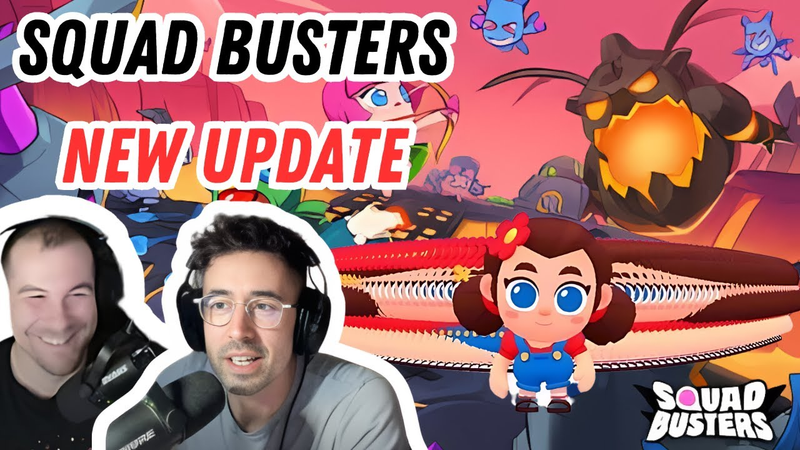
Squad Busters *BIG NEW* update: No more Pay to Win. No gacha, no money!
Squad Busters has undergone a fundamental transformation in its monetization and gameplay architecture, pivoting away from pay-to-win mechanics to address long-standing player dissatisfaction.
- Squad Busters has removed pay-to-win mechanics, specifically eliminating mega units, rerolls, and key consumables in favor of a cosmetic-focused monetization model.
- The game replaced previous comeback mechanics with a random fusion system and introduced player-controlled chest multipliers to improve competitive equity.
- Chest rewards operate on a deterministic cycle rather than true randomness, allowing players to use third-party trackers to apply multipliers exclusively to high-value epic chests.

TWIG #295 GTA UGC Future, the Borderlands Movie, and VR Headset Wars
The global gaming industry is currently navigating a period of strategic recalibration, characterized by moderate growth projections of 4–5% for 2025 and a total market valuation estimated between $186 and $187 billion.
- The global gaming market is projected to grow by 4–5% in 2025, reaching a total valuation between $186 billion and $187 billion.
- Take-Two Interactive is anchoring its long-term financial outlook on the 2025 release of GTA 6, prioritizing core IP integrity over speculative platform expansion.
- High-budget transmedia and mobile adaptations are struggling, evidenced by the commercial failure of the Borderlands film and the underperformance of Star Wars: Hunters.

Idle Outpost Zombie Apocalypse Review: (down)scaling?
Idle Outpost represents a significant case study in the evolution of the mobile idle genre, blending established mechanics from titles like Adventure Communist, Eatventure, and Legend of Mushroom.
- Idle Outpost experienced a sharp scaling phase from May to mid-July, peaking at approximately 100k daily downloads and 85k daily active users before declining to roughly 35k daily active users.
- The game's core loop is a hybrid model that combines the mechanics of 'Eatventure' with the meta-progression systems found in 'Legend of Mushroom' and 'Whiteout Survival'.
- The game utilizes a multi-currency economy to interconnect various modes, including artifact summoning, pet leveling, asynchronous PvP, and a gacha-based 'magic lamp' system.

Mobile advertisers are going in blind on Apple | Fernando Pernica from Nefta
The mobile advertising industry is currently navigating a significant shift in data accessibility, primarily driven by heightened privacy regulations on the iOS platform.
- Apple's privacy-driven data restrictions have created a paradox where overall app revenue is rising despite declining user retention and in-app purchase metrics.
- Advertisers are currently using broad, inefficient user acquisition strategies to compensate for a lack of granular targeting data, driving iOS costs per install (CPI) above five dollars.
- The industry is shifting away from cross-web tracking toward first-party publisher data, which analyzes in-game player behavior to improve ad auction relevance.
Sustainability at Embracer Group: FY 2024/25 ESG Fact Sheet
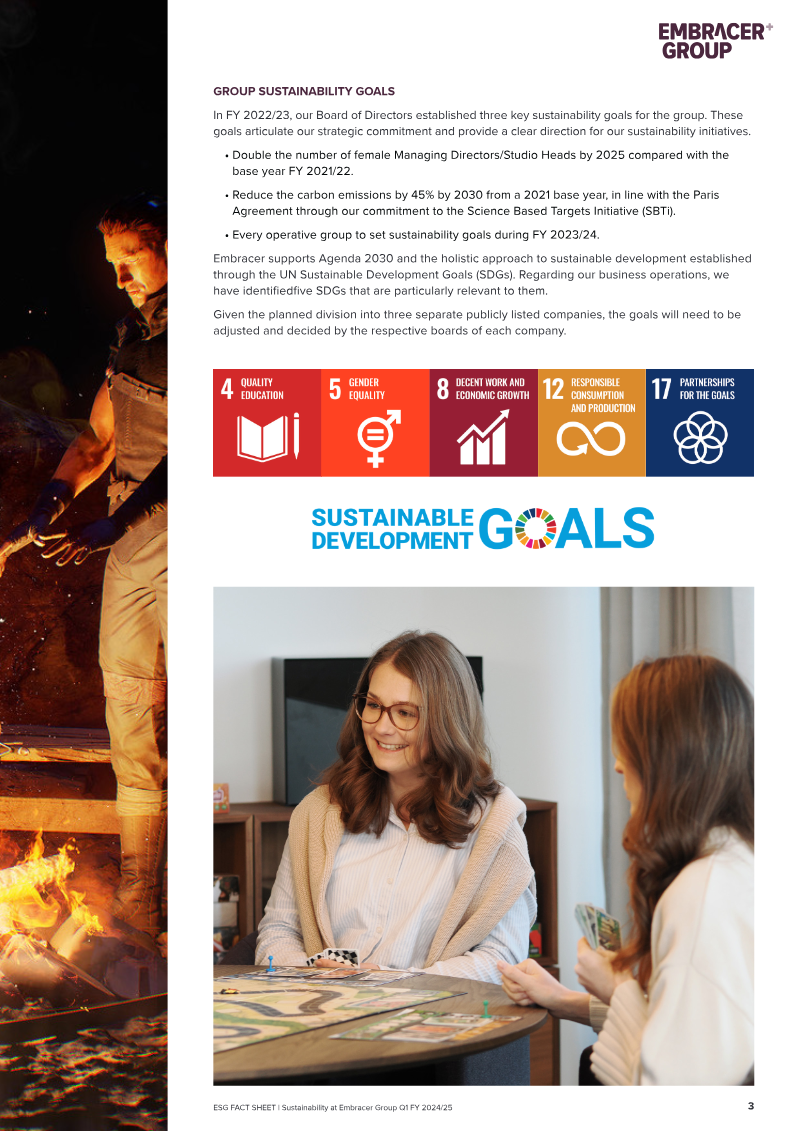
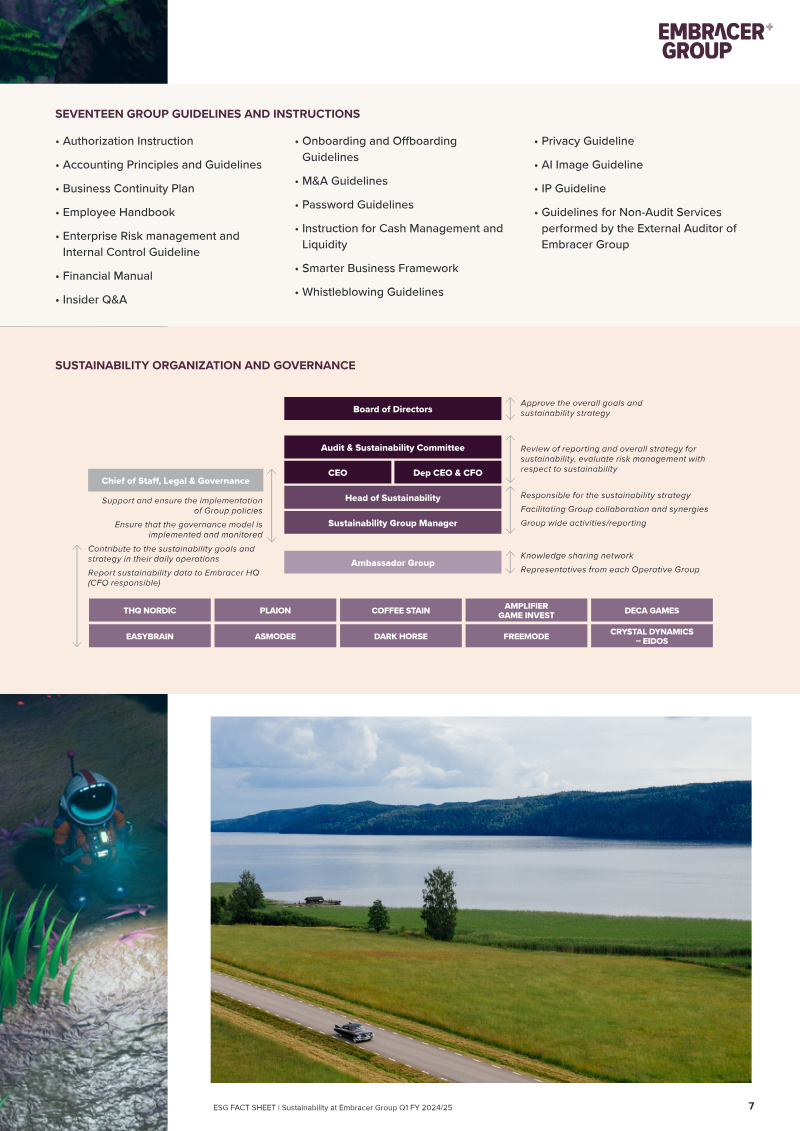
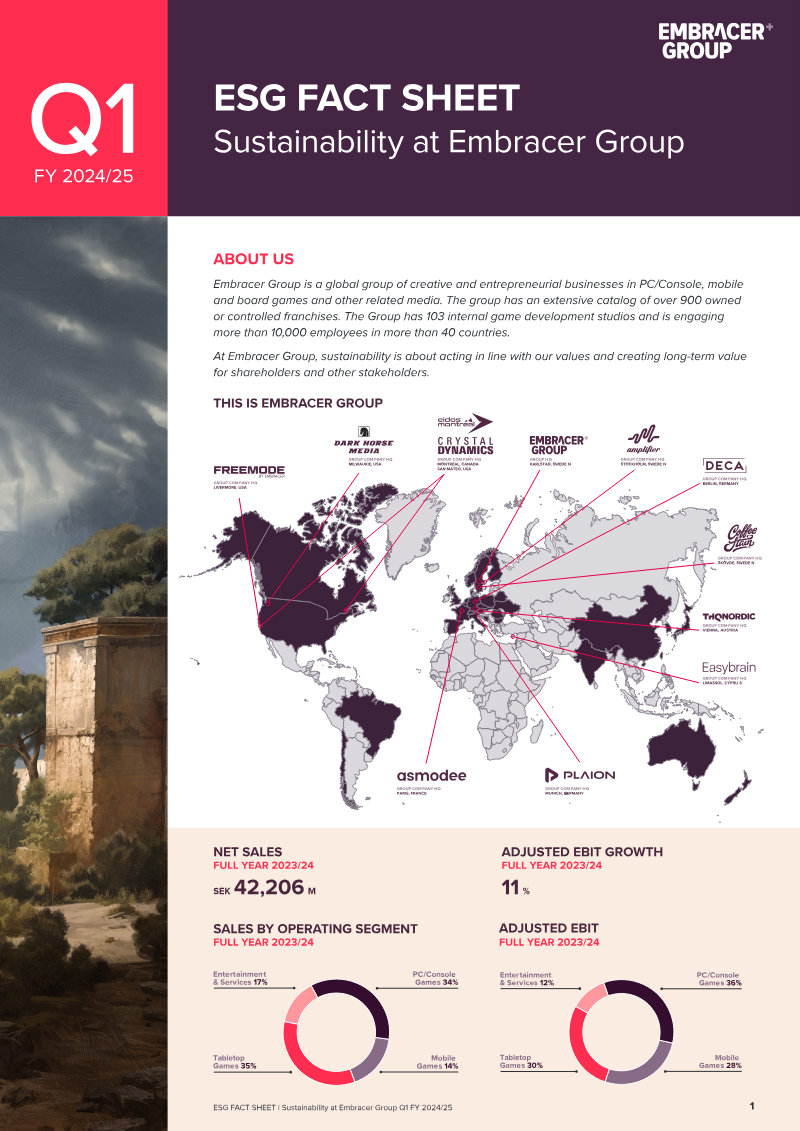
This ESG Fact Sheet for FY 2024/25 outlines Embracer Group's sustainability strategy, progress, and goals across its global operations in PC/Console, mobile, and board games.
- Embracer Group is undergoing a corporate split into three standalone entities, requiring each new board to redefine and approve sustainability targets tailored to their specific operational contexts.
- The company aims to reduce Scope 1 and 2 carbon emissions by 45% by 2030, though 98% of its current total emissions are categorized as Scope 3.
- Female representation within the group stands at 30% for total employees and 26% for management roles.

Holistic marketing and re-engaging old users | Will Meltzer from Moloco
Moloco, a performance marketing company specializing in user acquisition and retention, continues to leverage deep neural networks and machine learning to drive growth for game developers.
- Moloco is pivoting its 2024 strategy to prioritize hybrid-casual and in-app advertising (IAA) monetized titles, following significant growth in these sectors during the previous year.
- The company has launched an SDK-based, independent demand-side platform (DSP) model designed to pass efficiencies directly to advertisers and provide a competitive alternative to traditional ad networks.
- Moloco’s core business relies on deep neural networks and machine learning to predict user value and identify patterns, explicitly distinguishing this predictive modeling from generative AI.

Taking Snake.io to the next level and building multimedia brands with Kooapps CEO CK Wang
Kooapps is shifting its strategic focus from traditional hypercasual gaming to a unified casual model, prioritizing long-term brand equity, deep progression systems, and community-driven development.
- Kooapps is pivoting from hypercasual gaming to a unified casual model, focusing on long-term brand equity and deep progression systems to sustain its 30 million monthly active user base.
- The studio prioritizes global accessibility by localizing titles into 23 languages and optimizing engineering for low-end hardware, driving significant market penetration in Brazil and the Middle East.
- Development follows a data-centric validation process where titles are launched with minimal user acquisition budgets to confirm retention metrics before scaling globally.
Endure, Join Them, or Leave? Suffering Women in Mobile Game Advertising
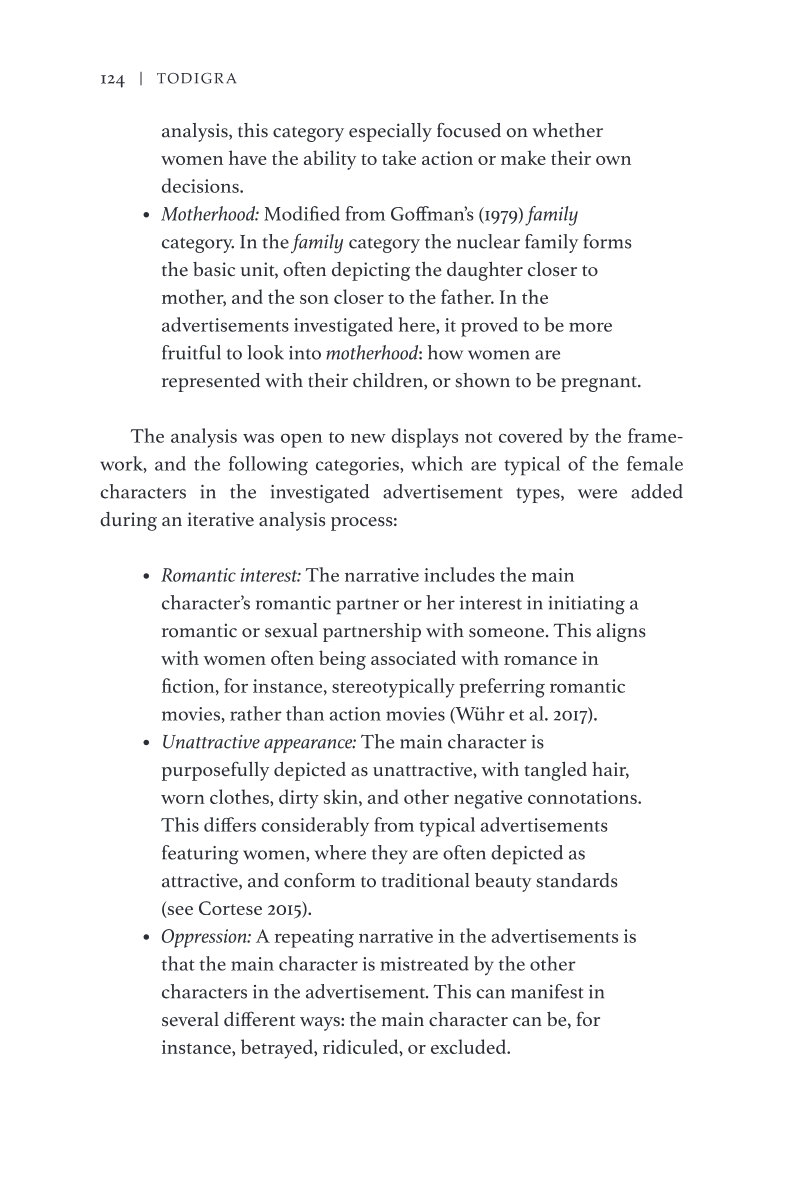
Kati Alha's study, published in the Transactions of the Digital Games Research Association (2024), examines advertisements for two free-to-play mobile games aimed at women, Project Makeover and Matchington Mansion, both developed by Magic Tavern.
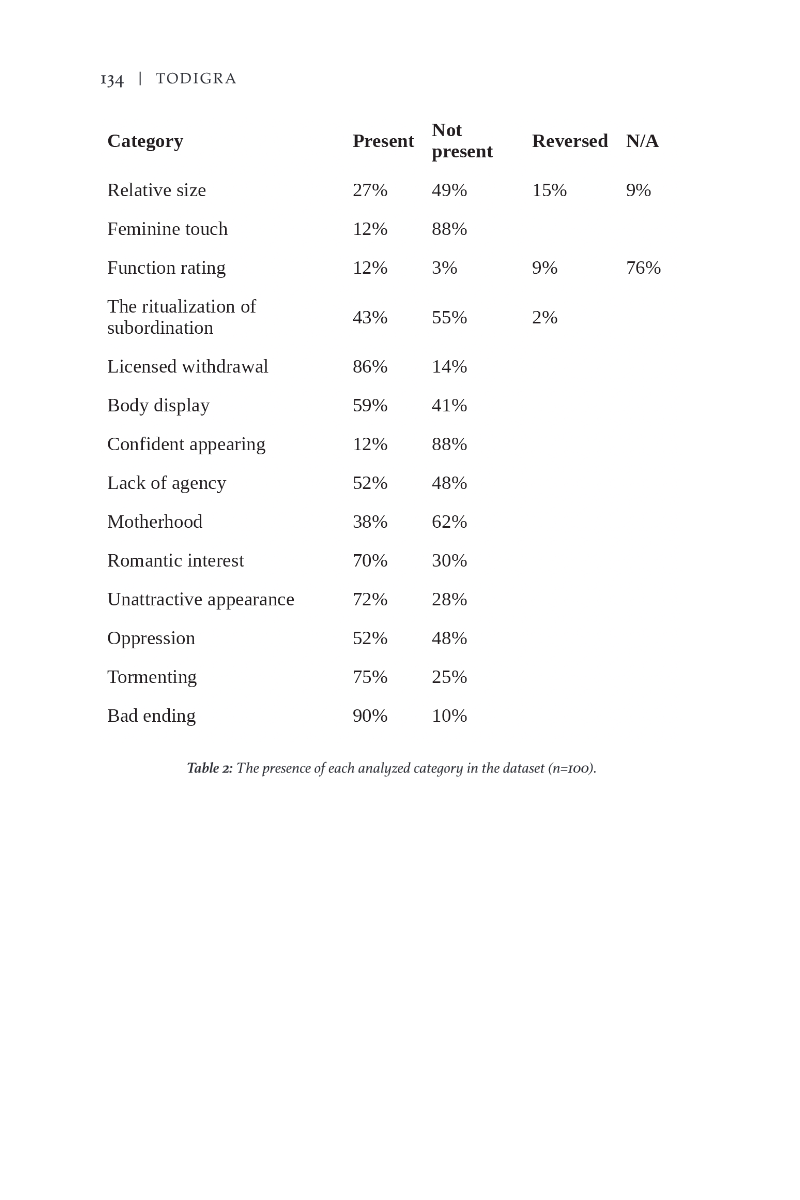
- All analysed advertisements showed the main character lacking agency, with the advertisements depicting her as passively waiting for others to decide or rescue her.
- In half of the advertisements, someone in the game was actively harming the main character, through cheating, abandonment, bullying, or physical harm.
- The confident appearing display was found in only 12 percent of advertisements, and even then it was almost always only for a moment when something went right before taking a turn for the worse again.
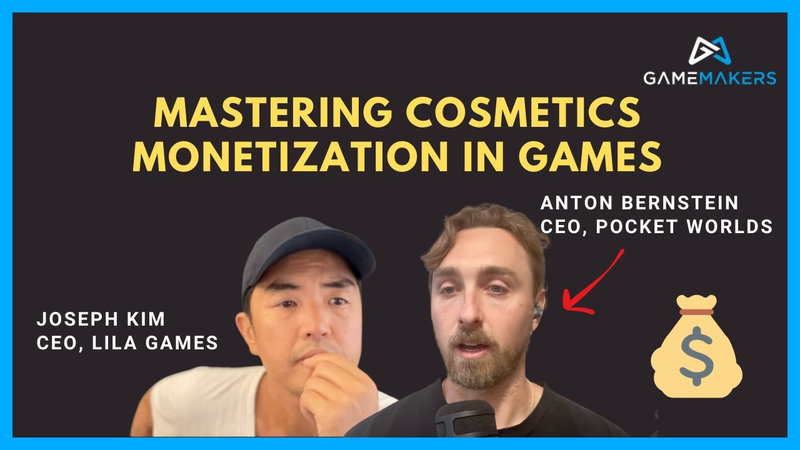
Mastering F2P Cosmetics Monetization in Games
Effective free-to-play cosmetic monetization relies on the intersection of social signaling, player engagement, and carefully managed in-game economies.
- The presence of a secondary market significantly alters monetization strategy, as seen in platforms like Second Life, which generates $180–$200 million in revenue from a relatively small base of 50,000–60,000 concurrent users.
- Managing a secondary market requires rigorous economic oversight to prevent hyperinflation, as evidenced by the collapse of Gaia Online after the introduction of a currency-producing item.
- Player motivation for cosmetic purchases is driven by status and social signaling, particularly in competitive multiplayer games where spectating mechanics force players to visually engage with others' gear.
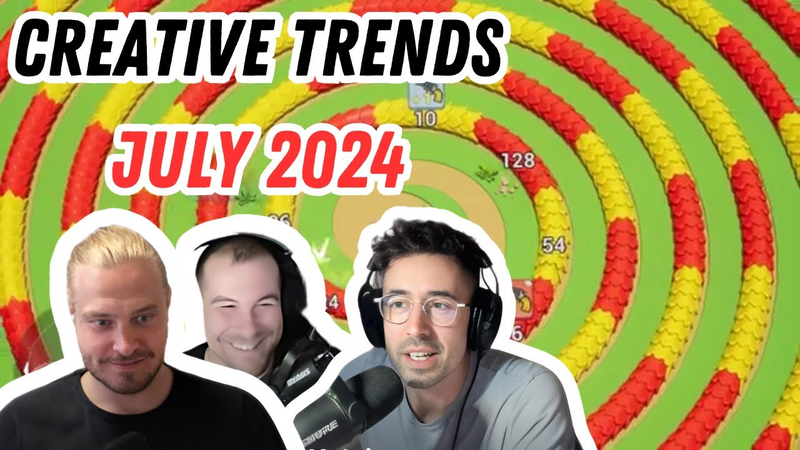
Creative trends in mobile games - July 2024 (Sound fixed)
Mobile gaming marketing in July 2024 is defined by a strategic shift toward high-tension, emotionally charged creative content designed to maximize user acquisition.
- Top-performing mobile game creatives currently leverage high-tension mechanics, such as near-death experiences, fear-inducing scenarios, and the 'pushing objects' mechanic to drive user engagement.
- TikTok requires a high-frequency creative testing cadence, with successful strategies involving the introduction of new creatives into ad groups every two days.
- Visual elements like rivers, fences, and tracks are recurring, high-converting motifs in current mobile game advertisements.

Mecha Domination's odd overdub ads from TikTok.
Mobile game marketing strategies frequently employ aggressive, scripted social media advertisements to drive user acquisition through the promise of immediate, high-value rewards.
- Mecha Domination’s TikTok marketing strategy relies on scripted, staged narratives that contrast low-powered casual players with high-might VIPs to lower the perceived barrier to entry.
- The campaign promotes rapid progression by claiming elite five-star units—specifically Subject Number Nine, Venom Fang, and Doom Lord—are obtainable for free directly from the game map.
- Advertisements utilize universal gift codes 'Mecha 777', '888', and '999' to create artificial urgency and incentivize immediate downloads through perceived exclusivity.
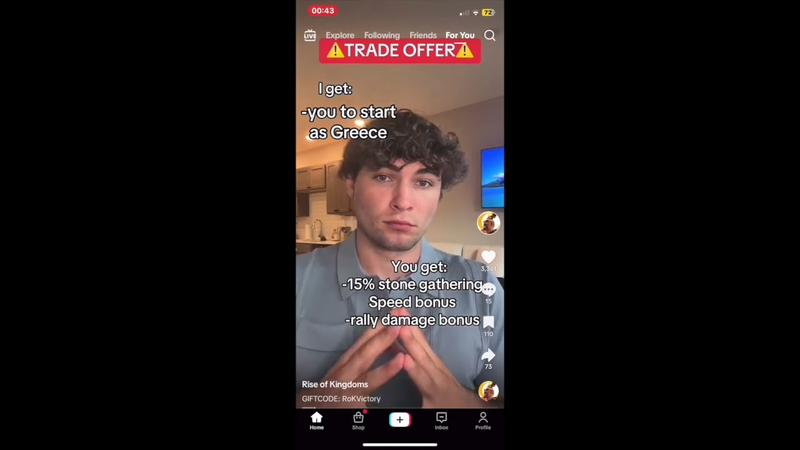
Rise of Kingdoms' 'player tips' ads from TikTok.
Rise of Kingdoms utilizes a strategic influencer-led marketing campaign on TikTok to drive user acquisition by framing gameplay decisions as high-stakes debates.
- Rise of Kingdoms uses influencer-led TikTok campaigns to frame gameplay decisions as high-stakes debates, leveraging conflicting expert advice to drive user acquisition.
- The marketing strategy utilizes a specific psychological hook by citing that only 5% of the player base achieves 10 million power, framing the game as a high-skill challenge.
- The game features 14 distinct civilizations, each offering unique bonuses like infantry health buffs or gathering speed increases to emphasize strategic depth.
Writers
Games and companies
Games