Transcript
hello everyone and welcome to pixels and profits today we will discuss some of the biggest and most influential gaming companies in the world tent and net ease so in recent history Asia and China in particular have been dominating the global gaming Market especially for mobile with tensent in particular owning the top two mobile games in the world with dungeon and fighter origin and honor of Kings quick note also that the data service providers undercount Revenue for those games because they do not account for Revenue in alternative Chinese app stores further we have seen the rise of Chinese gaming in emerging new Giants in addition to 10 cent Andes like mihoyo Lilith and potentially game science coming up with their game black meth Wukong a recent invest game report also suggested that early stage Venture game investments in Asia was greater than every other Geo combined many of those investments in China understanding China
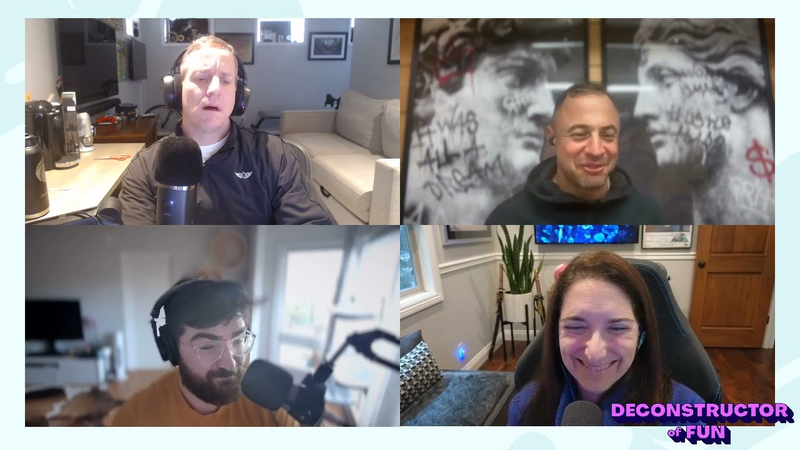
and the two biggest players in China I believe will be increasingly important to have full context on the global gaming Market here to discuss this we have the pixel pixel Brothers Matthew conman and Brian panoff welcome back pixel brothers and before we kick it off guys anything you guys want to say before we dive in I thought you said Pickle Brothers at first which is a new one uh no happy that could be taken a lot of ways let's not go there let's just move on I I got to say pickle Ball's starting to take off so if you guys take up that OB you guys pix six months this will be a pickle ball podcast not not 50 yet but maybe next year all right so maybe we Dive Right In Matthew you want to take us away we'll start with 10 cent and maybe just start with like the business overview yeah and it's fun to do this for me because for those that don't know my background I spent three years in Hong Kong covering these companies the the Chinese gaming
companies Chinese internet and more broadly Asia Tech so it's uh it's kind of back to where I was just a couple years ago and um you know 10 cents a conglomerate and the way to think about them is similar to any of the mega cap tech companies in the United States like a Facebook or Google where they have lots of lines of businesses but majority of their revenue and profit comes from a select view of them and so you know what the gaming industry that people listening to this arguably care about is is is the game gaming business where you know 10cent is the largest gaming company in the world by Revenue um you know if you you kind of break up what 10cent looks like and how important gaming is to 10cent we talked about how for Microsoft for example you know Xbox is hugely important to the gaming industry but it's still kind of ancillary to Microsoft gaming is actually still a core part and a large part of 10 cense business um you know about half of their revenue comes from what they call the value added Services segment um you know majority of that
more than half of that business that value ad comes from games um you know there there's a little bit of uh you know cross counting you know they have their social networks business we Chad and whatnot in there and some of their Gaming revenue actually flows through their social networking business so when you add it all up it's probably somewhere 60 to two 60% to two-thirds of the the vas business is actually games revenue and if you break that down into two pieces um you know a about 43% of vas revenue or 21% of Consolidated revenue is from domestic games and then 18% of V revenue or 9% of Consolidated revenue is from International games so um you know other businesses that they operate in online advertising they have a fintech business and business services which is their cloud and now their AI business um you know they uh if you just kind of look at the the p&l for a second and the fundamentals you know their margins improved in 2023 mostly as they you know like most companies went on the
efficiency kick cut down a lot of underperforming businesses did some cost uh Cost Cuts and shifted investments into a few key areas such as AI they also cut GNA expenses by 133% uh that's excluding R&D so just their GNA um their margin went up from 30 to 31 and a half% in 2023 from 25.8% that's an operating margin because of the combination of growth in the core businesses and the cuts uh and just from a cash perspective because cash rules everything around me just like wuang used to say um about they generated about 23 billion of of free cash flow in 2023 that was up 89% even with increaseing capex 33% for all the AI stuff that they're doing and Matthew when you compare you mentioned 10cent is is the biggest uh games Company by Revenue so who else like globally would potentially compare and how do they compare against 10cent I mean 10 Cent's kind of on another level
like you know it's technically apple is there and Google are there right because of if you count the commissions they generate from from App Store fees which look if we count that for the consoles we have to count it for them as well right uh and then you get into the console platforms you get into the microsofts and the Sony's of the world uh and then you get into the large AAA Publishers and the Large mobile Publishers the likes of VA and take two are definitely on that list um you know and and then there is a long tale it's an industry that despite consolidation that we've seen remains extremely fragmented right the gaming industry is plus or minus 200 billion of Revenue a year you know even the largest players are are barely five 10% of that each right and so it still is you know from a if you're a hhi index Stan uh I probably just put everyone to sleep with six letters but if you are um you know it's it's a fairly fragmented industry relative to lots that are out there now we're talking any trust don't quote me because the whole argument of antitrust
litigation and this is where things get different is what do you define as relevant markets is console a separate Market from mobile or are they all the same because a lot of 10 cents revenue is mobile games and so if you shrunk that market and said only mobile then obviously that market share looks a little different and so does EAS and so does microsofts if you if you look at the just from like brass tax last quarter they did about 6.6 billion USD uh 70% of that being domestic which is roughly similar to what take two uh dozen a year like 5.5 billion upcoming and then EA did a 7.1 billion TTM so TR 12 months full fiscal year so it's you know about four times the size of those companies wow yeah and so on a scale basis they they're clearly as as you're saying Matthew on another level tons of Revenue but what about in terms of operational efficiency is when you look at their margins compared to the margins
of an EA or of a I don't know other similar Western company how how how do how do they compare from an operational or uh margins perspective we're guesstimating here because they don't break out the margin price profile of pure games from the vas they just report the gross margin for VAs overall but obviously the social networking business is a significantly lower margin business because all the ad revenue is booked separately and so um you know it's it's it's it's not going to be a like for like but look if you just look at the scale of the studios and of the titles they have that goes back to our prior conversations about you know you get economies of scale on this business from Studios and from titles their margins have to be probably the best in the industry especially if you look at you know the key Studios which I know we'll get into the Timmy the light speeds you know riot in the portfolio things like that epic right you know we know these are extremely profitable businesses especially you focus on the
core operating aspects of those businesses got it and yeah maybe we could just transition over to Studios now and as a fellow game developer one of the things that really uh kind of um becomes evident when when you look at some of the Studios owned by Timmy is that these guys are world class like Timmy in terms of technical competence and capability and depth is like I mean arguably the best studio in the world and so Timmy is certainly known for games like honor of Kings Call of Duty mobile Pokemon unite there's also light speed and Quantum Studio known for pubg mobile um maybe Aurora Studios um now known for Dungeon fighter origin which is the number one game in the world and there's a bunch of other Studios that I won't go into but clearly one of the things that is pretty obvious is that these Studios and especially Timmy are just killing it yeah and another title that Timmy makes is QQ speed not a whole lot
of people are aware of that game but that's that's also a game that is is very very successful and so what we have is we have a situation where uh tensent has worldclass Studios they kind of dominate specific genres like the shooter genre 10cent is dominant in and they also have and and I've spoken to some some Timmy former former Timmy engineers and like the technical capabilities that they have and the specific approaches that they take are really Advanced and so I would say that from an internal Studios perspective this is a extremely strong area of competence and capability for for tensent and maybe the the other area that we could talk about is in terms of the Holdings so not everybody is aware but tensent basically fully owns or owns minority stakes in
almost every major gaming company globally and so uh the word on the street at least back in the day is that they had this approach of trying to look at every major game platform and then the major genres by platform and they just had this list okay here are the top companies in every genre and then they would go and try to own or or take ownership stakes in each of those companies across the board can speak to this strategy you're on the other side of it for a little bit yeah yeah Brian uh you were at glue when tensent took a took an owners ownership stake in in glue you any comments on that relationship or uh so they had taken an ownership they had ownership and glue uh before I arrived but we did work pretty closely with them they had a a couple of guys on the board who uh were very respectable and and good people that have since moved on to other things um I mean they aside from just like Studio
excellence and things like that they were very proficient in um the art of user acquisition well ahead of everybody else and I think that glue took some good learnings from that um you know outside of that it's like they owned so many things that you know they didn't take a very heavy hand in terms of how things should be run and and and like uh not overhand like that at all but it was just like good for guidance good for um expertise in different areas and things like that but uh that's pretty much all all I'm comfortable saying on that but overall good experience with the the folks that I did know from 10cent yeah and I think the the one I I believe the one difference in their approach with glue is that if it's if I remember correctly they took a different approach with their relationship with glue and that they did try to be a little bit more a hands- on if I remember correctly like there was some kind of shooter game that they were trying to partner with glue on and actually try to work more closely
together versus other investments from what I've heard anecdotally is that in other Investments 10cent is generally just completely Hands-On yeah that's true too right I think there there was a time when uh that was part of the story that was also uh right around the time that I arrived but um we're talking about 2018 here and there was I would say hundreds of millions of dollars were invested by US Mobile gaming companies trying to get Shooters to work to the point where everyone was like you know what this is just never going to work and and like we're never going to figure out this audience in the in the western Universe uh and then you know fast forward to to Call of Duty which really set the state well you can even say fortnite right like fortnite back 2017 2018 was kind of like a inkling of what could be successful on mobile uh for like a really true rapid actor uh and then Call of Duty really pushed that boundaries too but um for anything that was lower boundary or like without that existing IP and cross platform play it
was just like such a uh disaster in the making it's just you know Oodles of money thrown at this and no users and questionable monetization you name it but yes that was that was certainly a thing and prior to 2018 another aspect of those Investments was also and then publishing in China so you know look at you know the list is goes on and on but you know take Ubisoft for example who you know 10cent is the second largest shareholder after the the gimo family you know part of the investment thesis is hey we're going to invest in this we're going to bring your titles to China so they've you know brought Val they're trying to bring valerant they brought Rainbow 6 they're making mobile versions of those games so um you know that that's that's a part of the thesis for some of these larger Investments also there's you know I know you kind of have a list here it's broken down it's it's just household names no big deal the riot game supercell of the world you know clip no big deal you know just just giant companies in the world of gaming and even in you know if you look at and I like how you broke it down there's you
know significant minority Stakes as opposed to the smaller Investments and I think the main difference here is strategically exactly what you guys were discussing there's there Stakes where they just kind of come in and are hands off and then there's Stakes where they're come in and strategically are are finding ways to either invest in that business or localize that business um you know in terms of you know for example epic you know it's Unreal Engine domestically it's you know looking at you know they were looking at ways to bring fortnite to China it didn't work out you know uh Ubisoft I mentioned right Roblox they were trying to you know build a Roblox platform in China they had issues with you know regulations they took it down but you know whereas some of these other Investments are are purely more financial focused and less strategic well it's also works both ways too right like they can help with efficiency or managerial things that might might come up but at the same time they're also Gathering a lot of information from these companies that represent a dominant share of Gaming revenue whether it be mobile or console or whatever so it's like a repository for um all things that are gaming and they
have so much reach and breadth that it's uh it's really untested in gaming we haven't seen anything like it yeah we'll talk a little bit about some of their investments in a second but to your point Brian I 100% agree with you like from former 10cent folks who I've spoken to one of the things that they mention is that part of their investment strategy is actually the collection of information and they claim that given the breath of all of the Investments that they have they said that they say there's no other company in the world with as much information about the current pulse and state of the games industry than tenson like nobody comes close to them in terms of an information Advantage because of all of those Investments and all of the sort of confidential information that they obtain agreed so it's uh it's good to know any tent Executives if you're in the gaming industry out there um oh one other thing I wanted to touch upon before we talk about investment is like uh you mentioned that one of the areas that tensent helped with is on the user
acquisition strategy and I actually I remember hearing uh from the CEO at the time I forget if it was Nicolo or who who whoever it was but like they had mentioned a specific strategy around I forgot what he called it like um critical mass or getting into orbit or something like which launch velocity yes launch velocity which is this idea that for any new game launch you want to have like a minimum amount of spend to really push the game and I remember that that was one of the areas where 10cent in particular has unique and um very valuable information in terms of launching UA at scale and one of the things that they notice and one of the things that um they've spoken to me about in the past is that there are actually nonlinear kind of effects after a certain amount of scale that happen for a lot of a lot of game mobile game launches in particular and certainly I think that with WeChat and with what
they've done um one of the things that they really do push is like one for big IP and huge UA pushes because there does seem to be some kind of an effect at a certain critical mass of users that you get lower lower cpis uh higher kind of organic inflows and things of that nature and so certainly one of the areas where I think that 10cent in particular has great expertise is is launching at scale on a from a user acquisition perspective if you want to express that mathematically it's all about like K factor and organic flow right because you know not every person is gonna arrive at a new game via Instagram or Twitter or wherever else they find games it's going to be through uh Word of Mouth reality what are your friends playing and things like that so if you make a big presence and a big push in the charts it's naturally going to be uh better for your game um that being said it still needs to have the important behind the curtain like you know uh
retention and monetization otherwise you're just kind of pissing away money but um that that was core to you know glue's success is you know being able to launch games with a significant amount of UA behind it I would I would also not to your point and I'm by no means UA expert yeah but in terms of the the verality side of it right if you look at all the Investments they've done you know IP plays a huge role you know we've talked a lot about IP with embracer and others but you know the way 10cent has done it right Call of Duty is a great example when they invested in Activision the the thesis might have been different at the time because it was many years before mobile even took off but having that relationship and being able to tap in and you know create Call of Duty mobile and kind of be the first Global Mobile shooter with a known IP with an established IP um and then layering in their expertise in UA on top of that you know it was it was really a no-brainer at the time and no one's been able to replicate the success save for pubg mobile which they also did right but you
know there really hasn't been any replicable successes on mobile uh you could throw free fire in there right which is kind of the oneoff you know but there's been a lot more failures and successes in that space yeah and maybe something we could touch upon is like this model that they have right so the 10-cent model especially with Timmy is really to try and take very core IP they use their worldclass development team to build a great game behind that I IP and then they push the out of it because as we discussed they they're so great at user acquisition at scale so one one thing though that I have anecdotally noticed over the last few years is that a lot of the relationships be for this um typically called a codevelopment model although 10cent does like a lot of the most of the work right and they partner with and you know the the partner has like some
oversight and things of that nature um and feedbacks in but like what I've been hearing is that almost every China Western relationship with that model over the past few years have been extremely strained and we're talking across the board whether you know whether it's on the um with with Activision whether it's with like like every Chinese company I'm not I'm not um singling out 10 cent but that kind of model you'd have to think about whether that continues in the future or whether tensent gets to a point where they're like okay working with the West we're doing all the work um a lot of the complaints I hear from the Chinese side is like you know uh F these lazy Western guys we're doing all the work why do we get so little money for right uh because the the the codev deals are quite I would say you know uh given that 10cent does most of the development I would say are are fairly lucrative for the IP
holders but you know that I I guess that's that's something we'll we'll see play out in theut that's kind of like um a test of time right like it's questioning how important IP is and it we've proved that it's very important right uh you could have a great polish shooter from Timmy uh three years ago that was just called like random you know shooter Bros and wouldn't have done anything but it had the Call of Duty brand behind it and it had like everything just kind of worked um but it is kind of doing a deal with the devil right you you do lose some economics you do lose some control uh and those relationships can get strained but if look at like Ubisoft right they're they're trusting Assassin's Creed with a 10-cent Studio it's probably the best decision they've ever made but they're gonna have to Grapple with the same issues the same otherwise they're do like some more like do their own mobile like a what was that division like right it's canceled indefinitely obviously they they don't have the will be interesting to see over time you know especially as we come out of that era where everyone was investing heavily in
Mobile a lot of these Partnerships were struck when everyone needed a mobile strategy for their investors you know now we're at a point where Mobile's been from an investment perspective debt is an investment theme right people are are less enthused about it and there's been pullbacks and rationalization of portfolios um it'll be interesting to see if that shifts from that C- development partnership model to more of a traditional licensing model yeah you know one one specific example I think that was interesting in the in recent history is Apex Legends mobile okay because word on the street is that game was actually profitable but that it was on the China side that they were actually already working on a competing game because they were so fed up working with the one shocked and then they just you know canceled that project and then launched essentially the same game with their own original Ip so I I do think at times um I I mean this is going too much into the Weeds about why this conflict exists between China and the West I have
I actually know a lot of the people directly on both sides so I've heard both sides and I kind of believe I know what the issues are but I I do think this is going to be a continuing problem for these types of codev relationships in the future I think what you you need to design into those sort of contracts is if you have something like Apex or Cod that has a really good license or a really good IP that you would prevent that competition contractually for a period of three to five years or whatever so it ites does call into question like how important that IP is but you know you have to have some Heth behind it well but then also you like operating in China is difficult right and I'll maybe I'll talk about this later but tenson is also a bit of a bully uh they're known to be a bully so like you could you could have a contract with them but then they might just come up to you Brian and say okay we've got this contract I don't care yeah come Su us come to China and Su us just
to speak about what you're talking about you know holistically at a high level you know we're used to the bullies being Apple and Google right because in the west those are the platforms you publish mobile games on in China there's no Android there's no well there's no Google Play Store there's Android but there's no Google Play Store every major platform has their store and turns out because 10cent has WeChat which is you know the second largest social networking platform in the after Instagram you know it's it's uh they have power and if you think 30% commissions are aggressive in in the west and they should go down you know some of the stores in China on Android are more than 50% commission rates um you know and and that's where 10cent especially is known to be a bully in terms of you know extracting really strong rates to distribute apps on on WeChat especially yeah I've got a lot of stories I could I I I don't think I should should talk about no we don't we don't have to go into individual stories I just thought I'd give like the the 360 you
know VI on the situation in China because it is a different landscape to the west and many of our listeners are probably used to unless you've published games in China before yeah we we should call it like it is and uh you know it's it's very difficult to go against 10cent um I'll just put it that way but okay so like shifting to to Holdings I think you you mentioned some of the Holdings uh they obviously own stakes in some of the biggest and most well-known companies in the world 100% ownership of Riot 84.3% ownership of supercell mini clip majority ownership funcom Le ya the Leu I don't know uh but they are the parent company of Warframe developer dig actually I know the former CEO Alex he's a good guy got like a he's got a new generative uh content company in China okay Sumo group and then they also own significant minority stakes in you know 40% of Epic Games Ubisoft Crafton
uh start starting with a a minority stake in Blue Hole Frontier Platinum Jagger clay Paradox roblock shark mob don't nod own a bunch of smaller Investments and Voodoo platonic payload Bohemia fat shark grinding gear games Sumo digital Turtle Rock Sega embracer g a bunch of different companies okay so like they they they're all over the place no but but it go it goes back to your what what what I think I can't remember which way you said it but you know their thesis has always been they want to have some skin in the game everywhere and you know I I don't think they've made aside from the platform Roblox I don't believe they've made large investments in Roblox developers yet but I'm sure that that's on their on their watch list I'm sure you know ufn developers are on their watch list now because it may be premature but that's when you start BU as it you know when you put your VC hat on right because it's effectively what we're talking about at this point you know they want
to have skin in the game to understand these businesses so when it's the right time from either scale those Investments or scale scale their internal Investments that's why they do it this way okay and maybe we could now talk about okay so 10 cent domestic Powerhouse they own stakes and a bunch of companies everywhere so then what are their key growth opportunities given and and you know we'll we'll talk about political environment and stuff like that at some point later but like you guys want to weigh in on uh where you where you see growth for them yeah I mean maybe we we separate the games business from the non-games business because I think you know they're very distinctly different look I think there was a period of time where the Chinese gaming Market was was rough even before the Western gaming Market was there was lots of new restrictions that came online postco um I think with dnf mobile tensent has has you know proven that they can still effectively launch and scale mobile
games domestically um you know I ran the numbers earlier this week it was this is just iOS but they've already brought in 375 million of net revenue since May like you know if you guesstimate conservatively an Android number you're well over half a billion and probably close to a billion net revenue at this point for dnf mobile like in three months you know I think everyone in their right mind would raise their hand and take that in a heartbeat so um you know for a while there was questions if if the market was dead to new releases and they couldn't do it anymore it's it's clear that they can now the the sustainability for more than three months and the cannibalism of what that does to the rest of portfolio is is still kind of a question mark and we have to see but you know look this was a this is one of the biggest gaming franchises in the world on PC long before a mobile game it's one of the biggest PC game actually the biggest PC game in China it was really really a no-brainer in terms of how successful it would be just took them six years longer than
they wanted to to get it out the door but um so we'll see what happens with the rest of the portfolio honor of Kings they have an RPG in that you know they have a fighting game they have an RPG game both coming from the honor of Kings IP so you know we'll see uh we'll see what those do they also have a Rainbow Six Siege uh game coming out mobile game coming out domestically as well so you know we'll see how those do um if they can continue to keep the streak up or if dnf mobile is kind of the no-brainer but also the exception to the role right yeah I mean I think like uh the the the key growth opportunities I see for them is just you know based upon their their Workforce the extreme technical advantage that they have I think I mentioned before I I've had an opportunity to speak with folks um that formerly worked at Timmy these guys are incredible so I I think that's that's really where if they can if if they can um surmount some of
the challenges I I think I think and there are some major challenges which we'll go into but like uh I think that's really the the main issue that's that's preventing them from having higher growth and and and being accepted more globally would would be in the challenges but uh they certainly should be able to have to be able to address a lot of different product areas to be able to um address them at scale and to create products um that aren't just uh for the domestic Market but um May maybe we should talk about the challenges say I would just briefly say you know one thing they did invest in in 2021 22 they bought Sumo for example a lot of that was and I think there was a lot of people that had the cross-platform bug for a couple years right and they wanted to build console and PC games for the international market um we haven't heard a lot about that recently um that might have been you know fruitless in the end and you know taking r and and those Studios out of it and focusing on the the Chinese
Studios investing you know light speed had built up a huge LA office right Quantum has built up a huge I think they're in San Fran right so um you know can those Studios produce PC console games for the Western Market from Western you know actually geographically Western locations um or is that fruitless money I think there's still a question mark there and then just the last opportunity is all the non-gaming stuff which is mostly AI related we also spent a lot of time already talking about Investments they've made in the past and it's worth noting how important those have been to their historical growth in scale uh we may be nearing a stage where we start to see some of those uh Investments you know exiting right like we've already known that epic is potentially going to IPO for the last two years and maybe it takes another two years but you know they own 40% there that's potentially a 35ish billion company at IPO so that's a good inflow of capital they got out of C limited which was free
fire Gina right they got it they they're completely out of that now so yeah they're definitely looking at harvesting some of these Investments I mean c was easier because it was already listed it's it's going to be more difficult for the unlisted you know the unlisted Studios you I'm listed Western subsidiaries epic as you said if they IPO that opens up the window but like Riot supercell Etc it's like you know it's hard it's hard to find a buyer for something that large unless it's a public list right but with that inflow of capital do they continue to be investors in Western focused Studios where you know a disproportionate amount of the spend is or do they kind of retrace and deploy that Capital elsewhere in the industry or in their own Industries right yeah gonna say even Beyond gaming you know I think they've they've done more investing in Enterprise software and SAS and Cloud you know res the big question mark here is like where is the growth coming from are they going to uh curtail efforts away from gaming into Ai and uh you know B2B software and other things for the Chinese market versus just continuing
the path they've been on for so long yeah and Matthew just a quick point to to uh the the topic that you were discussing around Sumo and crossplatform I will say that about four or five years ago speaking to different Chinese Executives like there was a specific thesis that a bunch of the Chinese gaming companies were thinking about which was basically how do we how do we create Nintendo games off Nintendo with a freeo playay model so freeto playay Nintendo games off of off of Nintendo and then mihoyo did and but I think a lot of the companies were thinking in that way like how do we do that all right should we shift to challenges sure yeah I can I can take it yeah I mean you know we all know about the macro gaming Market malaise that's nothing new that's that's still a challenge right you know supercell you know I think if we look at
the mobile side for example supercell successfully reinvigorated brawl Stars you know where they doubled the revenue when they did that those changes last year but that's a story for Ken London to tell way better than any of us can because he's done the Deep dive on it right but shout out to Ken but you know they also failed you know relatively failed in a new game launch and so you know who knows you know what that market looks like going forwards for them the international PC console business you know we're looking at riot you know the fighting game still seems like it's in Dev hell you know it you know we five years now right you know so some of the things that were promised and and you know in Works continue to not show up um epic is fighting a political battle with every other technology company right and clearly struggling to you know generate the next leg of its growth with ufn you know still being very very early and being very very deluded to their margins and so you know when you kind of look at these key
assets as a proxy for their International exposure and the challenges they face I think you can point to some green shoots but you can also point to a lot of headwinds still and it's really uncertain yeah I I think from my perspective I the biggest challenge I see for 10 cent is first and foremost the local market so as many people already know China is highly regulated there's been a huge push for restrictions on gameplay especially for minor gaming is not viewed as a good use of time by the government and so there's likely going to be continued limitations and Regulatory restrictions in further when we look at the domestic Market I think Brian did you say 70% of their revenue is domestic something like that yeah it's about that yeah and then we we also now are seeing massive competition with emerging Giants uh we're going to talk about net ease but also we've got some of these big dogs like mihoyo Lilith emerging guys like game science we've
got whatever elix calls itself or it's you know little um offshoot companies from elex and the domestic Market is also just really saturated right because Chinese love games they love spending money in games but everyone knows that and so many many new games are launched I mean that's a big part of the story that a lot of people don't talk about is in the west home internet was standard by the early 2000s dial up you know fixed mine internet was not standard in many Chinese households for many Chinese citizens the introduction of the smartphone in 2013 is was the first time they accessed the internet and so everyone looks at the hockey stick growth that occurred in the gaming industry with mobile but you also have India is the same way but it didn't have the same spending power as China but you know a lot of what drove the growth in the in the in the gaming industry as a whole specifically for mobile was is going from plus or minus 300 million
Gamers globally console PC to three billion when you added mobile all these firsttime Gamers that came on board with mobile because it was their first internet access device it was their first primary internet access device and so you know now smartphones in China are more than 100% saturated everyone has it spending power has been crimped because of the economic situation there you mentioned the restrictions you know uh politically the the universities the academic institutions are very powerful and so it was no surprise in 2021 when all the restrictions came on you know both online tutoring courses and gaming these are all of the things that are taking people away from spending time studying and and studying with the universities and so um very politically influential and very much impacted you know the course of those regulations that came about and so um yeah it's it's a lingering challenge it it hasn't gotten regulation wise hasn't gotten net worth in over a year now and so I think we are starting to lap some of those
comps but yeah I mean kids under the age of 18 can only spend four hours a day I think uh four hours a week excuse me playing games um crazy I definitely do more like four hours a day probably including like mobile games and St like Wordle and stuff like that yeah the the other interesting aspect of the local Chinese market when you look at the charts is that it's much easier to chart the top 10 in China you see a lot more volatility in those charts relative to other GEOS and so there's I would say less incumbent power to dominate the downloads in China relative to other countries I I I think I think you do see it in some other Asian countries though like Korea and Japan where toally does have like a huge Spike I I think it's because of Android I I think the higher Android penetration in and the way that like gam some of the downloads in on Android is responsible
for that but anyway it happens it's it's it's certainly something that's happen it's also very much away from casual too right because there's only so much graphical and gam playay Improvement you can make on a match three but for Shooters and things like that it's it's always the fresh stuff and probably the other challenge I think we got to talk about is and just to be real you know no knock on tensent if if you're from tensent please don't hate me but let's just be real No One Trust plus 10 cent right so uh and and especially outside of China there's there's a lot of hesitation around using potentially 10 cent Services there's there's a fear of the risk of your data integrity and so I do think that you know a challenge for them to grow globally is even if they were to offer whether it's cloud services or other kinds of services there's going to be like this implicit we off of data sharing risk and so they're going to have to offer reduced prices in order for other people
to trust them or they're going to have to change their reputation and image which you know is is is not not great uh they're known just you know by within the gaming industry is is basically gangsters that threaten bully course competitors and startups in aggressive ways it's like hey you know accept this offer or we're going to crush you type of business tactics with many many stories from many many game developers so um I think that that form of business practice will not work as well for them outside of China and so you know for them to be able to navigate you know their reputation rep and and navigate how they operate globally I think is going to be very challenging for them if they want to actually grow any kind of service whether it's gaming or the other things that they're doing outside and finally I think uh maybe we talk about the political aspects now or later but uh certainly we we got to talk
about geopolitical tensions between China and the us as somebody that owns you know or that um that operates in India quite a bit um there are certainly restrictions in India against Chinese applications I assume that there may be a high potential for additional conflicts depending on the political environment Trump has basically suggested that at least in the US if he wins he's going to be pushing more towards a reciprocal type of policy stance towards China now whether that you know if gets to gaming or not we'll see but I don't think it would be far-fetched to think that in the future we could potentially wind up in a state similar to India or potentially worse depending on again the geopolitical situation if China invades Taiwan what happens uh all that kind of stuff so there's a lot been there for over a decade now I mean the Obama Administration kicked Huawei out of the United States out of our cell phone
networks right the Trump Administration did the tariffs on China the Biden Administration completely choked off semiconductor Supply to China right so in semi manufacturing not just not just American-made stuff but anything using American IP mainly all of tsmc's factories right and so um look I mean the only by partisan issue in Washington is f China and that's not change because it's not they haven't competed on a Level Playing Field for decades and we're finally waking up to that and security risk or not whether it's perceived or real the the lack of Fair competition with China for decades is being rectified and Manufacturing the United States is booming both because of the Trump tariffs and the Biden Administration inflation reduction Act and the investments in manufacturing there so regardless of the party that's that's who wins which party gets control majority minority control
whatever it's not going to get any better it's only going to keep getting more distant you know to your point of completely Banning you know cloud services that are based in China we're kind of already there and most Enterprises don't even do that anyways I mean name name me a Fortune 500 company that's running on you know oy Cloud right they're all running on Azure and gcp and and and AWS right and so um you know it's a uh you know look I mean we are increasingly moving towards a fragmented you know digital and physical world and we're already there in many many circumstances um Retaliator is an interesting stance and we're getting into deep politics here but you know China has you know with the whole concept of dual circulation that came about under President XI you know has focused internally more than externally and so a lot of the policies that they've done have focused internally and you know it's interesting to see what happens as next steps both with American politics European politics I
think for our friends and listeners in Europe I do think that's more of where the flux could be in terms of you know they've lean they've leaned more towards the American standpoint in the last five years right in terms of siphoning off more of their connection to China you know could the political changes in Europe push them back towards China's orbit you know that's a question mark right Germany's been struggling because they've they've reduced their manufacturing exports to China um and so these are all things that you know kind of are in flux are interesting here I guess the one thing specific to the vidam industry that you know we discussed before taping is is just around the notion that China has unabated access to us markets with video games uh and the inverse is not true um if that were to be rectified uh immediate Buy Signal for you know any us publisher because you know that playing Feld will be leveled for the first time um for those that that don't know you know if you want to publish a Us game a us-made game in China there's a various
amount of approvals you need to go through and you also need to have a local partner to publish that game which automatically loses you economics and a variet of other things and also you're at the the whims of other people to make the decision if your game is appropriate Etc uh here you know you could have any sort of popular Us game emulated by China or just uniformally ripped off and you have access to you know 100 million plus mobile Gamers directly to the app stores or increasingly so through PC and console distribution uh ability and and that's just like it's that's a very tough one to stomach given you know this doesn't exist in other Industries and it's it's just kind of a question mark of why um it's allowed in gaming and I and I think you know what you're describing you know if we got to a point where we said you can't play Chinese developed apps in the United States it probably extends to the investi Studios I mean it depends on how the laws are explicitly written but you
know that probably accelerates the timeline for destur of the riots and supercells of the world and you know imagine if you couldn't play Riot or supercell games in the you put and it's important to note but supercell just brought G Griffin on his CFO and you know I got I I I knew G back when he was at Zinga when he first came in with with that whole new management team and you know you don't bring in someone like that just to manage a p&l of a private company no right like even a large private company like supercell you know they they they've got something cooking and okay you know and whether that's an IPO whether that's you know a sale to a different you know strategic buyer or whatever it is someone like that doesn't come in just to you know close the books every quarter nope right yeah and uh I'm sure supercell needs to thank their Franks for helping improve the shout out Frank you know the financial performance of of ball Stars which is making a huge
impact for supercell but anyway since since we are pixels and profits should we now talk about valuation do you guys want to weigh in on what what do you think yeah is this a investable company what what's your outlook for you know their their kind of market performance I think before we jump into 10 cent specifically and I'll share my screen we we we'll make this happen for everyone nerd alert we're g to have the context of Chinese markets and you know you can see since basically covid uh sorry this is only going back to 2022 but over the last couple years you know Chinese stocks have just been out of favor whether it's the blue line which is a shares so those are the domestically listed shares the orange line which is the fxi ETF which is a basket of the international Chinese stocks the adrs traded in Hong Kong and the US and wherever or it's a smaller basket of the state owned Enterprises the s soes none of them have done very well recently and and so that's that's a
big consideration when you're thinking about you know the the context for the discussion around any of these stocks right you know we're used to seeing Nvidia go up and to the right and talking and or other gaming stocks in the US that have that up until recently did well and having that as context and so the context for this discussion is very different China has been out of favor Western investors have pulled a lot of money out of Chinese stocks and pretty much have little to zero institutional exposure to China at this point um but 10 cent look on paper it's cheap at 11 and a half times this year's IA 10 and a half times next year just on paper those are those are small numbers uh for our friend Corey I have to throw this in the PE Ratio at 15 and a half times and 14 times next year shout out Corey but there's your PE ratio for you um you know but the stock you know ton stock has been basically dead money for three years now it's recovered a bit but you know it's it's kind of dead money um but I mentioned the PE Ratio you know if you look at that fxi ETF as a proxy kind
of for Chinese equities it's only at 11.1 times PE so part of the cheapness that we're describing is a function of the overall cheapness of Chinese stocks and you can't necessarily say that 10cent is cheap relative to Facebook you have to compare it to the rest of its peer group The Babas the the nettis the the B of the world uh you know B Baba for reference is only trading at six times EA 9.4 times p so you know relative there 10 cents expensive right and so um look I I think and I don't think this is rocket science and I don't think it's like new it's just it's hard to have a strong view on the stock without a strong view on the on flows into China and I don't think we're going to see any material amounts of flows into China it might be cyclical and it might swing but you know structural flows into China have basically been dead for a couple years now and like I don't I don't think that's going to change look the fundamental story is a lot better they've cleaned up the p&l um they've WR and focused on key business areas but with all of these headwinds
and challenges that we discussed both at the micro business level and the macro geopolitical level um investors just have better opportunities elsewhere like I mean that that's just the short of it I think I'm also the belief that uh the video game business is in process of troughing um we are recognizing again over like sometimes folks forget this is a cyclical business and we're certainly in one of those phases right now right like continued job Cuts rationalization at large Publishers and companies like that but if you draw the line out another year there's a lot of significant Catalyst specific to the US market and the US publisher ecosystem uh that could spell a much better backdrop for um gaming in general right Global gaming uh the issue is like a lot of the US Publishers are more expensive relative on on multiples versus their Chinese peers but that's because you know investors can kind of look past the end of that trough into next year and have some expectation that these companies are going to outperform um but it's also
like they don't have to worry about uh nine out of the ten challenges we just talked about with geopolitical risk or with uh Regulators spinning up and saying you can't launch this certain game here or um other other issues like that so it's it's going to be a tough drag I think you have to have a constructive view on the Chinese market for sure from a gaming perspective you have to have a slightly positive view on geopolitical tensions easing and that's probably gonna fit into your election basket somewhere along the line I don't have a view either way there but uh you know it's certainly to change at the end of the year in some way or another and you know most of the time it's it's for the negative it's gotten negative more negative you know over time since you know the Obama Administration so yeah cheap but cheap for a reason right and those are sometimes just value traps all right well you know we spent a lot more time on I do as we transition to nety you know a the macro commentary is out of
the way and you know just copy paste all of that in for net because it's all similarly applicable but you know B it is it is a cleaner story it's it's much more of a pure play and I can get into the fundamentals you know um much playing n's game so it'll be more fun to talk about since much more of the business is derived from games about 80% of their revenue and almost 90% of their gross profit um comes from games if you split the games business up 80% is mobile and 20% is PC console so you know uh they don't they don't I I didn't go through like the ks and whatnot or the 20f I guess as an ADR for the international domestics but they used to give it out and I think they stopped doing it when they lost the blizzard license now they have the blizzard license back so maybe they'll go back to that but um that's that's a conversation for a bit later they you know I I think if you look at Net's their strength has been multi-year franchises and just significant success with Life Services you know fantasy West word franchise multi-billion dollar mobile game franchise in China not many
people outside of China know about it but if you look at the Chinese charts and you hit your transl on your on your search thing because it's all in Chinese fantasy westw Journey fantasy westw Journey 2 both of them probably still today are right around the top 10 grossing still and so um you know it does speak to their ability to have these long lasting franchises that are just immensely profitable but they also have new hit games too that have really done well eggy party is a is a ugc game that's taken off in China and done really well it's like the first Smash Hit ugc game identity V has been around for a few years now um and they've got a pipeline that that's really promising you know they launched a a a kind of hand combat Battle Royale game a few years ago on PC called nraa blade point they brought that to console recently they now have a mobile version coming out of that coming out so that's that's quite interesting to see what that does on mobile they have a survival game a looter shooter you know they're hitting all the buzzword you know genres but um you know overall it's uh they their
games Revenue grew about 4% last year uh accelerated to um about 7% in the first quarter um so yeah you know they're they're doing well but it is just a large Diversified games portfolio lots of longlived franchises that continue to grow steady um yeah you uh you mentioned the survival game and I've actually spent a decent amount of time on it it just rolled out its first season on PC about a month ago and uh you know as part of the conversation we're just having it's like these companies can benefit greatly if they can uh serve to kind of crack the code to move west whether that be from developing here or or there but uh that that success has been fleeting for uh many of them over time but this is really one of the better Chinese developed games aimed at Western markets that I've seen over the last five years or so um it's adapted a lot of the game Loops from beloved games like Fallout 76 with persistent Base building uh Power world with the presence uh the presence
of pets and bases and fights uh it's got divisiones combat and weapon upgrading it's got raids and mechanic based boss encounters like Destiny and it has the introduction of Seasons uh like Diablo 4 which wipe out some progress but it has new content every six weeks to keep the retention Loop and freshness of the game um it's also free to play which is quite rare for this level of quality and the expense of building and running the game um they put out a PR for 300,000 concurrence after launch which is a very good early outcome it is still very early uh and it's being monetized purely by cosmetics in the moment and a premium battle pass tier it's a really interesting game to watch to see if they can keep up the content pace which is pretty much mandatory these days to compete with the best and breed games like fortnite uh but I do believe they could benefit from that cracking of the code and maybe this game only does a 300 to 400 million Revenue over the course of a year that's a pretty good outcome um maybe it won't get there either but uh again it's just worth keeping an eye on yeah maybe we could also just quickly
discuss internal Studios I think one difference between the net e internal Studios and the tensent ones is are is that some of the tensent studios are extremely famous right so like whether it's Timmy or light speed and people are just very aware of them so I would say the net e Studios get a little bit less I I don't know they're they're just not as as popular or famous for whatever reason but certainly they've got a lot of sucess ESS maybe four Studios to note in particular thunderfire Studio which is known for the westward Journey series and fantasy westw Journey as Matthew had discussed there's 24 entertainment who are the developers nraa blade Point fushi Studio fxi who which made eggy party and then the giri studio made identity V amoi and a very small game called badlanders but I personally am was interested in that game because it was an extraction shooter for mobile G is their Japan Studio they did open a studio in Japan um from yoi that's where
that came from they've also opened studios in the west they bought I'm forgetting which one they did buy a studio that was big on Playstation games as well so they did buy a console developer as well beyond the Beyond human game I think was PlayStation exclusive a few years ago so they bought that studio as well so they have been inquisitive um not to the scale of 10cent but I don't think anyone is right but I think relative to most others they're they're fairly acquisitive they also have invested again as I mentioned in building organic studios in you know other parts of developed Asia like Japan and then also in the west as well all right key growth opportunities where where where can they grow you got to start with blizzard you know they used to be the publisher of Blizzard games before Activision pulled the license because they couldn't agree on terms but Microsoft and them renewed the agreement so blizzard games are coming back to China um it was about five to 10% of Revenue before it ended so you know will it be 5 to 10% of Revenue again who knows but that's what it was before I
mean that's obviously an opportunity right those are you know OverWatch was hu huge in China right World of Warcraft was huge in China so bringing back blizzard games to China obviously will will give a lift and you know they get a piece of that um you know just continue chopping away at the pipeline and seeing what sticks but it's always kind of a shotgun approach you never know until you know and then overseas I I think it's still as opportunity but hasn't panned out naraka console didn't really take off even though it was on Game Pass right nakaka blade point right it just it just uh I just don't you know I don't think the Chinese the large Chinese mobile Studios haven't figured out Western PC console yet that's that's why I think you know just the the introduction of uh one's human is worth watching I I've been crunching numbers on it to see if it makes much of a difference and to mat's point this is already a fairly fairly big company it's not going to be a huge in mover like maybe one or two points of growth for for one game uh but what they learn from that uh or just the momentum of that
could lead to a little bit of multiple expansion which could move the needle a little bit for investors um that's where I'd stop on that one right an anecdotal note for me is that one of the things that is somewhat optimistic for netes is that some of the smartest gaming Executives and leads that I know of here in the west have mentioned that when it comes to like some of the business people and the folks and in at n e they say that those guys are some of the smartest they've ever spoken to and not just within China but globally so it does sound like that net e has some pretty sharp folks and that the top and William the CEO is one of the brightest mines in China not just in game okay just all of the Chinese economy right and maybe the other issue to note is as per the challenges that we spoke about with tensent net ease doesn't have the same Trust issue they're not a platform right they're not they're not the platform they're not competing with their customers right and
so you know they are independent in that sense and so yeah absolutely so maybe a little bit easier Road for them for Global expansion um and maybe one other point is I I think that you know I didn't mention it in challenges with tensent but I would say that maybe net ease has a little bit more humility I will say that like during GDC this past year I had a tent guy basically messaged me like hey I didn't know him at all I'm gonna be here which was far away from where I was going to be at this time come meet me I was like dude I don't even know you like the hubris of like of course you're gonna meet me wherever I want you to meet me at whatever time I I dictate I was like dude you know F you like uh you know I the the the kind of like um uh the the folks that I've talked to at net e are quite the opposite where they try to be help ping me every once in a while hey you know I just wanted you to know about
this or that and it's it's definitely the the level of ego and I it's just it's different culture it's it's a different company it's a different culture it's a different business and look this isn't to badmouth anyone because I've met great people that work at all these companies it's sure yeah yeah we've got a we've got someone in our group X tensent who's who's awesome so yeah yeah clearly not you know uh everybody but certainly like a a trend I would say we didn't talk about investees here but they also have spun off they still own minority Stakes though in the education business udow which is D listed um crypto Bros hate that they have that ticker uh and then uh and then they have netty's Cloud Music which is also listed in HK that's their streaming music business which they spun off and so they have minority stakes in both of those tensen has a music business also so they kind of you know they go they both compete there but uh yeah so you know it's in terms of the valuation like you know there was some fun Arbitrage around the the the spin-offs of udow and
netty's cloud music for a little bit but you know similar to 10-cent Stock's been kind of dead for three years it's traded you know you can trade the swings around some of the new games and stuff if if that's your thing but other than that I mean on paper the valuation is also cheap I it's under 10 times eah like under 13 times earnings like this is this is not an expensive stock on paper but again it's the China stank and that's not going anywhere anytime soon oh okay so I know I shared this with you guys and and I won't say who posted it because it's a private account on Twitter but they posted I'm just pulling up what the Tweet was or was actually two tweets back toback but um if you want to experience investing in Chinese equities without losing money turn on your stove and set the temperature on high then take your left hand and hold it about one inch from the flame and hold it until you start screaming and that's the realistic simulation of buying equities in China right now can confirm right uh what what about specific I don't think we talked about specific challenges for net e do you guys see
anything specific for net e on the challenge side I mean it's competition health of Chinese game Market still a vast Prepon of their uh of their the revenue uh it's not too dissimilar from 10 cent X the exclusions we made yeah I I don't think anyone questions the viability of their life Services portfolio like they've proven for many many years that they continue to grow that profitably it's the question marks like every games company around new releases it's the question marks around International it's the question marks around the the game Market both domestic International the macro environment and then the geopolitics but nothing is super unique to them out of all of that like those are all concerns about every games company every Chinese company at this point I guess they both have that the law of large numbers working against them but nety is a fraction of 10 cent and if they were to have a new billion dollar hit that would certainly move the needle much much further and faster than 10 cent who actually has one right now
right they it's still not doing much right if you guys were to think future outlook for 10cent versus nety who would you pick sorry I'm not putting my hand over the fire yeah no I I I kind of like net here for a variety of reasons most of which we've talked about um but I wouldn't say that it El elates either one to like a top pick pound the table kind of idea uh just given all of the the macro challenges and a lot of the stuff that we just can't solve I feel like the US stories are a lot cleaner uh they have Catalyst that we can understand and there's none of the kind of Black Swan stuff that can swoop in and really spoil your day um but if that if I had to pick one I'd probably pick ny's yeah there's just too many tail risks related to China but you know government could wake up tomorrow and say more restrictions on gaming now it's up to 35 year olds it's not just 18y
olds yeah I I agree with you guys I I think that while tensent has a massive information Advantage as well as in my opinion I do think they've got the best teams in technical the best technical teams in the world I do think that there's just a lot of risk with what might happen um on a geopolitical stage I think that there's so much local RI local risk that 10cent takes in that the path to Global expansion is going to be easier for net ease as well as starting from a much lower base as you pointed out Brian so I I would probably pick net ease as having a better future outlook over the next call it five years as I think for for 10cent too you have to be comfortable around the other portions of the business which are um which could be a lot bigger right especially if they devest from gaming and they start investing in those areas like if you're you're going to be positive on B2B software in China or cloud services like absolutely 10 cents
going to be a killer but uh you know if we're talking about the games business and things like that and all the reasons we just said I'd probably rather hang out with netes yeah it's just you know for me there there's there's too many red flags and question marks and it's mostly beyond the individual control of the companies and you know talk to a lot of investors it's just there's better opportunities elsewhere you know it's not it's just not worth the the brain effort when you have better opportunities elsewhere right all right guys with that uh I the end podcast so uh heard that yeah that thank you so much guys you got the pixel brothers and Brian's cat uh and we are at the end so uh thanks thanks again guys and for our audience we will catch you next time bye everybody [Music]
[Music]
Auto-generated captions from YouTube — names and numbers may be misheard.
Key insights
7 takeaways · ~3 min read- 01Tencent achieved significant financial efficiency in 2023, increasing its operating margin to 31.5% from 25.8% in 2022 while generating $23 billion in free cash flow, an 89% year-over-year increase.
- 02Tencent maintains a dominant global gaming position through full ownership of major studios like Riot Games and Supercell, alongside significant minority stakes in companies including Epic Games, Ubisoft, and Krafton.
- 03Tencent faces substantial headwinds in the domestic Chinese market, which accounts for approximately 70% of its revenue, due to strict government regulations on gameplay and increasing competition from emerging rivals like miHoYo and Game Science.
- 04Tencent's aggressive business tactics and reputation for bullying competitors are viewed as significant barriers to its successful expansion and adoption in Western markets.
- 05NetEase operates a diverse portfolio of successful internal studios, including Thunderfire, 24 Entertainment, and Fuxi, while maintaining strategic spin-offs like NetEase Cloud Music and Youdao.
- 06International expansion efforts by Chinese gaming giants, such as Tencent's acquisition of Sumo Group to target console and PC markets, have faced challenges and uncertain results, leading to a renewed focus on core domestic assets.
- 07Geopolitical tensions and regulatory risks create a difficult environment for Chinese gaming companies, with analysts noting that while these stocks may appear cheap, they often represent value traps due to external, uncontrollable market factors.
Ask AI about this video
Cite this video
Citation
Generating citation…















Comments