Market Analysis reports and market data
Documents

Capital Markets Event 2025: Coffee Stain Group
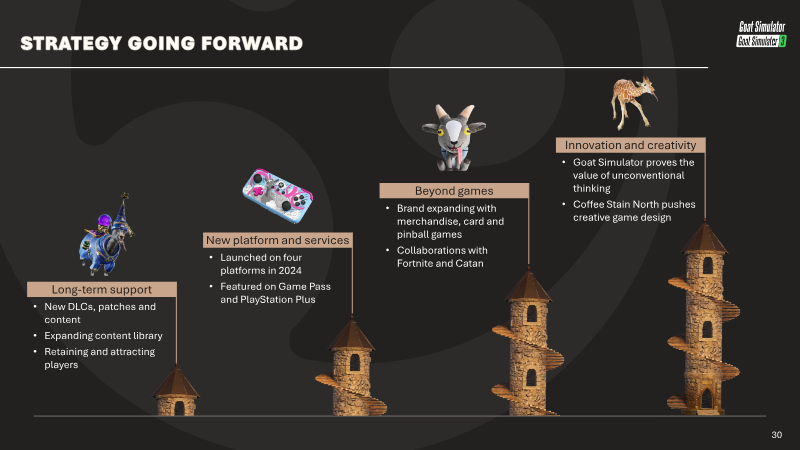
Capital Markets Event 2025 showcases the Coffee Stain Group’s strategy of building a portfolio around small, autonomous teams that prioritize gameplay quality and community engagement.
- Coffee Stain Group maintains strong financial health with a 34% net-sales CAGR to SEK 1.2 bn, a 44% cash EBIT margin, and 120% cash conversion.
- The company holds SEK 472 m in cash reserves with zero external debt, providing significant flexibility for future M&A and capital allocation.
- Ninety percent of net sales are generated by a core portfolio of flagship titles—Goat Simulator, Deep Rock Galactic, and Satisfactory—which consistently maintain review scores above 96%.
The Rise and Reset of Sweden's $19B Gaming Capital Machine
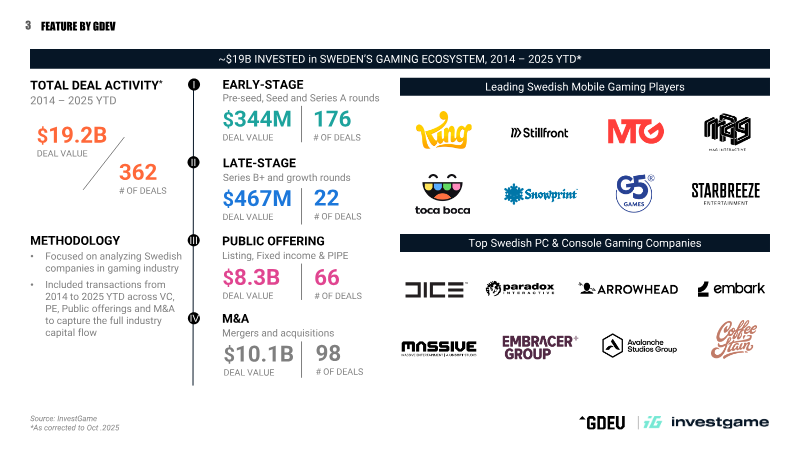
The analysis demonstrates that Sweden’s gaming sector has evolved into a $19 billion capital ecosystem, with 1,100 companies and 202 firms engaging in tracked transactions since 2014.
- Sweden’s gaming sector has matured into a $19 billion ecosystem comprising 1,100 companies, with Swedish developers producing five of Steam’s global top-10 bestsellers in 2024–25.
- Swedish studios contribute approximately 20% of Steam’s projected 2025 gross revenue, cementing the country's status as a dominant global gaming hub.
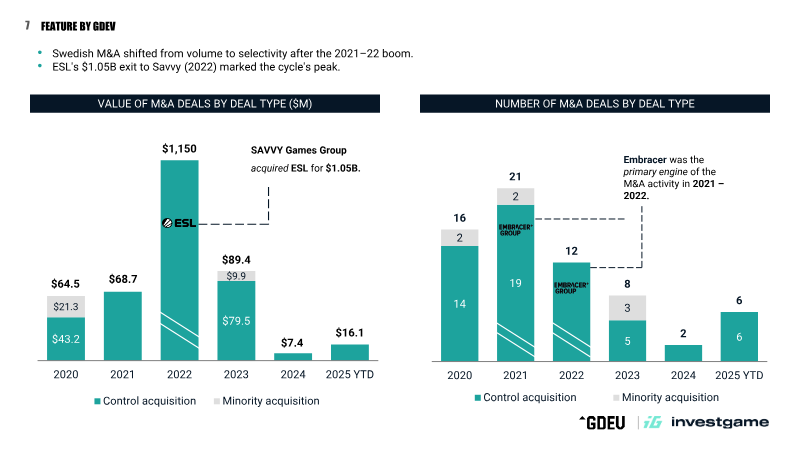
- M&A activity is highly concentrated, with three major deals—King ($5.9 billion), Mojang ($2.5 billion), and ESL ($1.05 billion)—accounting for 93% of the total transaction value.
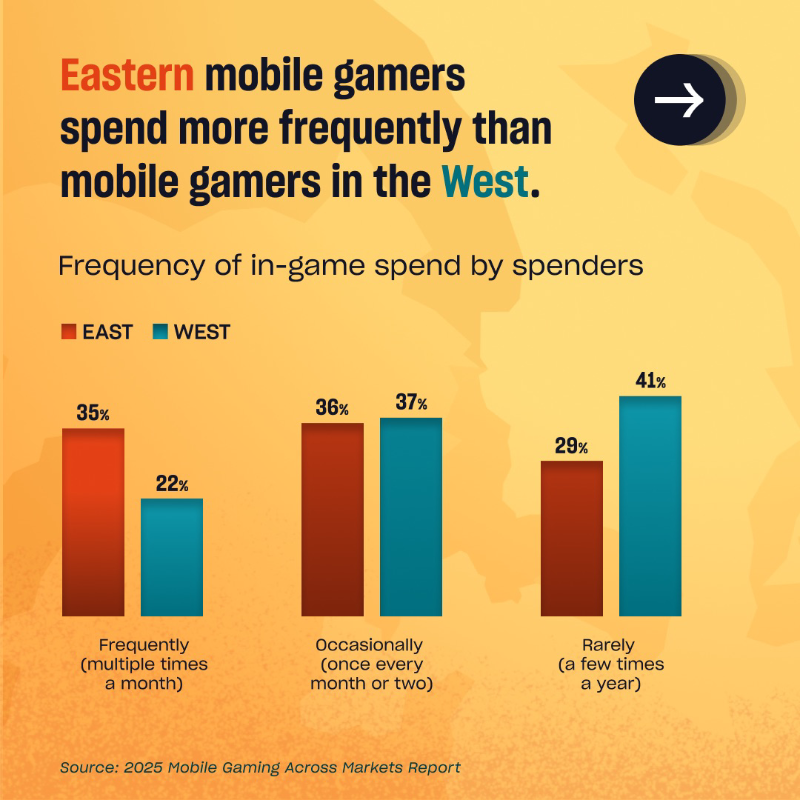
East vs. West: Monetization Trends
Mobile gaming monetization strategies reveal distinct behavioral patterns between Eastern and Western markets, driven by differing consumer motivations and spending habits.
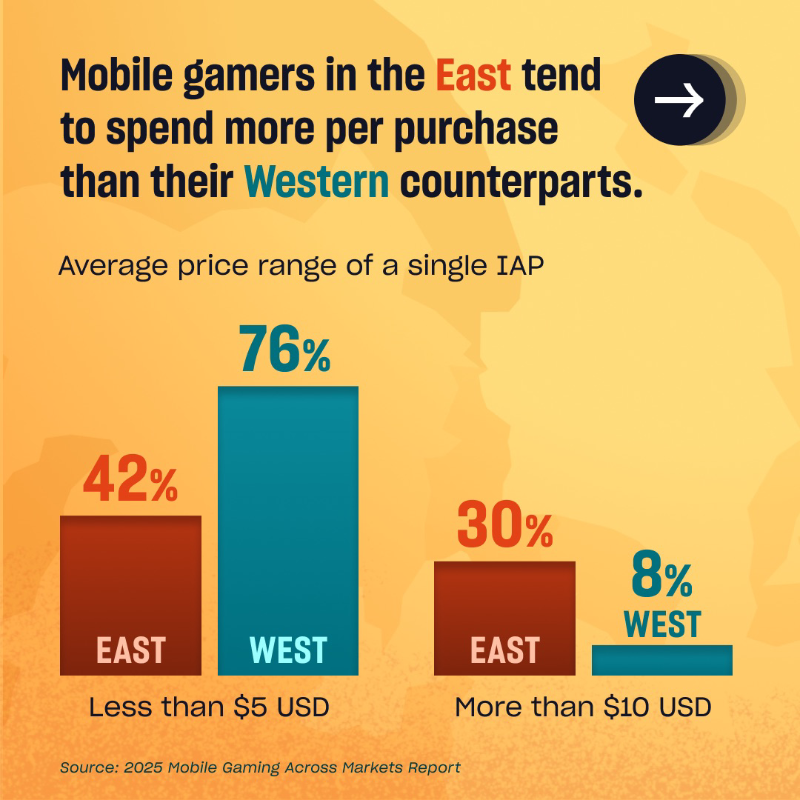
- Eastern mobile gamers demonstrate a significantly higher propensity for large transactions, with 76% of purchases exceeding $10 compared to only 42% in Western markets.
- Western mobile gamers are more likely to make small-scale purchases, with 8% of spenders in the West opting for transactions under $5, contrasted with 30% in the East.
- Monetization strategies in the West should prioritize value-based bundles, as these resonate more effectively with the purchasing preferences of Western players.

AI in MTG: Moving Beyond Theory
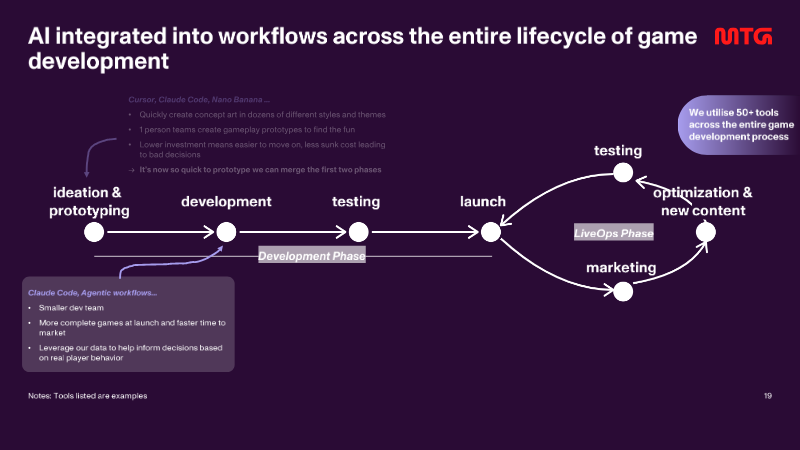
The document argues that artificial intelligence has become a strategic asset in mobile game development, transforming every phase of the lifecycle from ideation to live operations.
- Adopting an 'AI-first' development approach enabled the launch of five new mobile games in 2026, facilitating rapid iteration and simultaneous production of specialized content.
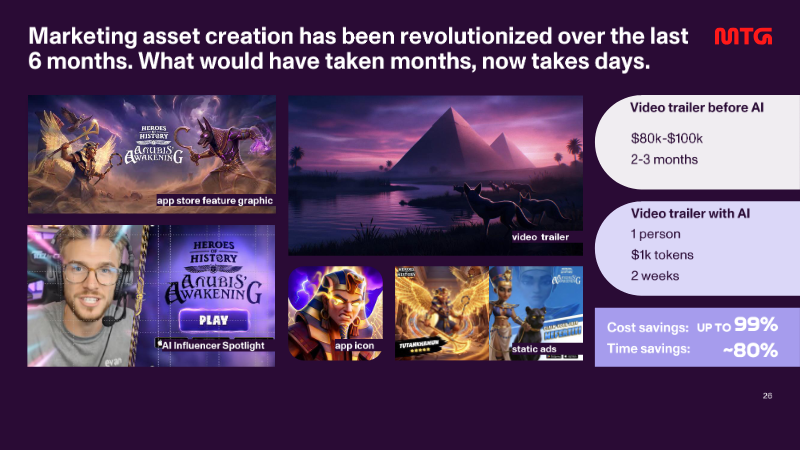
- AI integration has achieved significant operational efficiencies, including a 99% reduction in marketing asset costs and an 80% time saving on influencer spotlight production.
- Data analysis turnaround times have been reduced by 75% by utilizing AI agents to query large-scale datasets, allowing analysts to focus on high-level strategy.
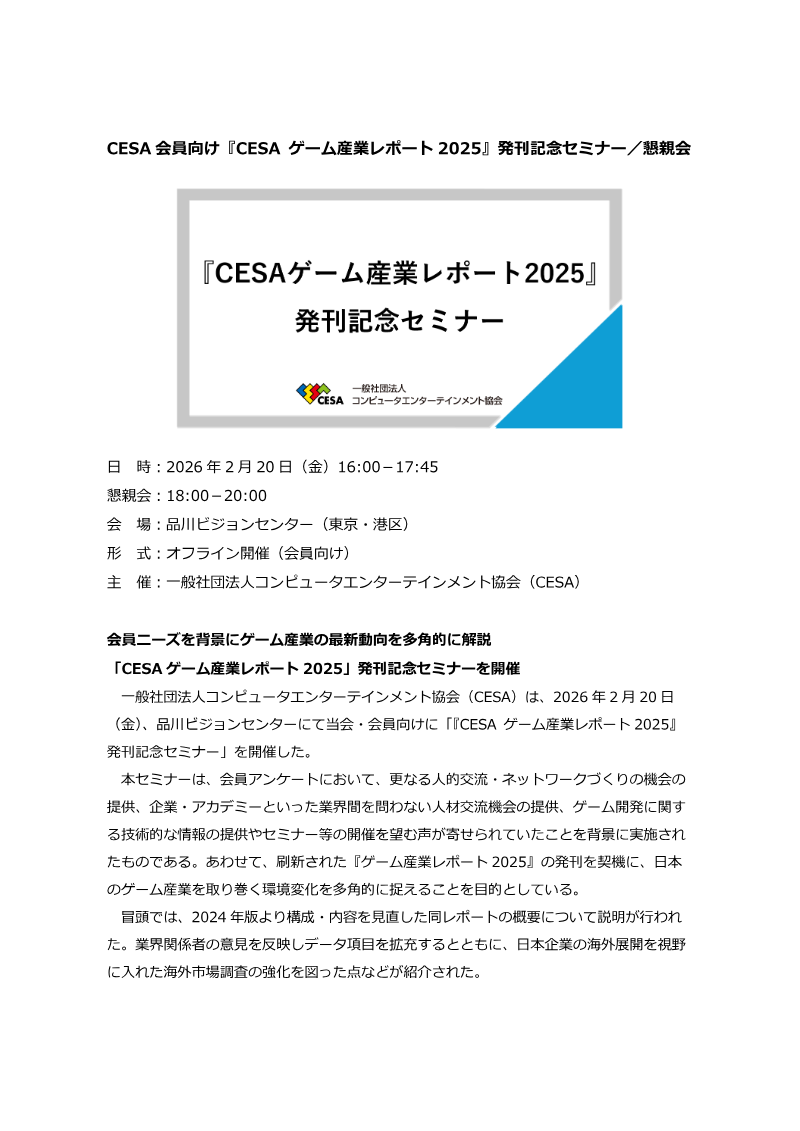
CESA Game Industry Report 2025: Launch Seminar Report
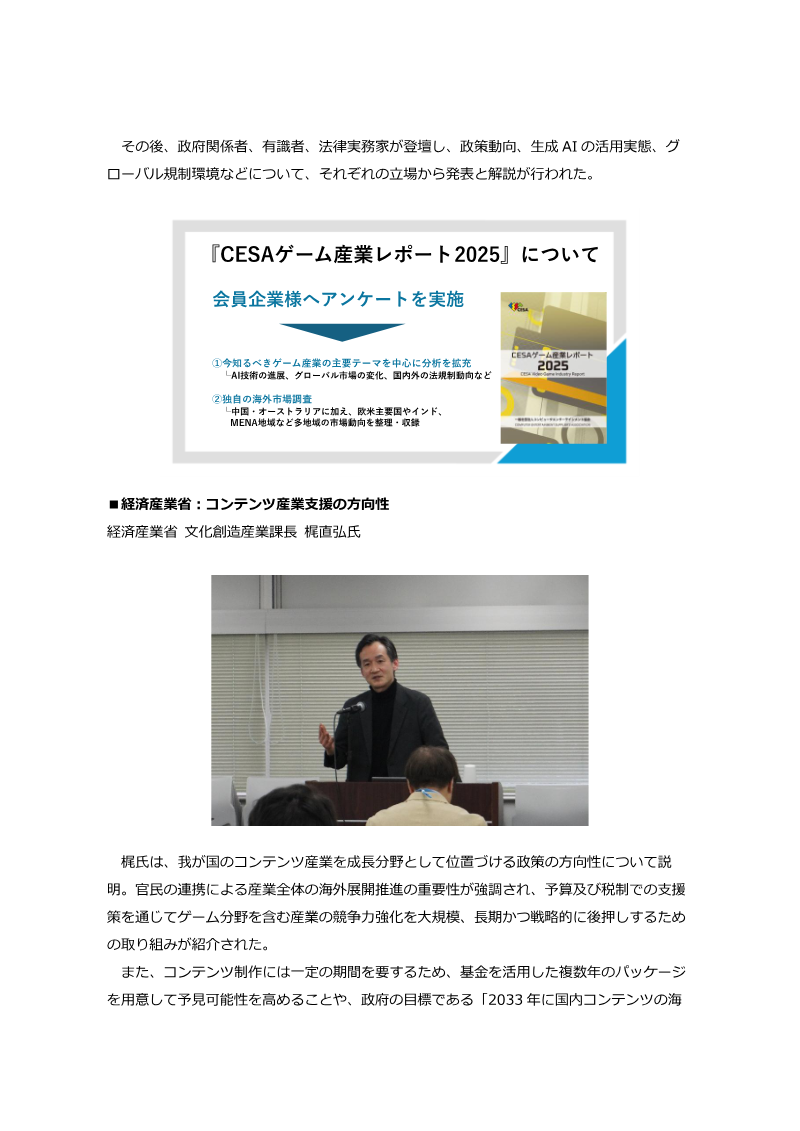
The CESA Game Industry Report 2025 Launch Seminar, held in Tokyo on February 20, 2026, served as a platform to analyze the evolving landscape of the Japanese gaming sector.
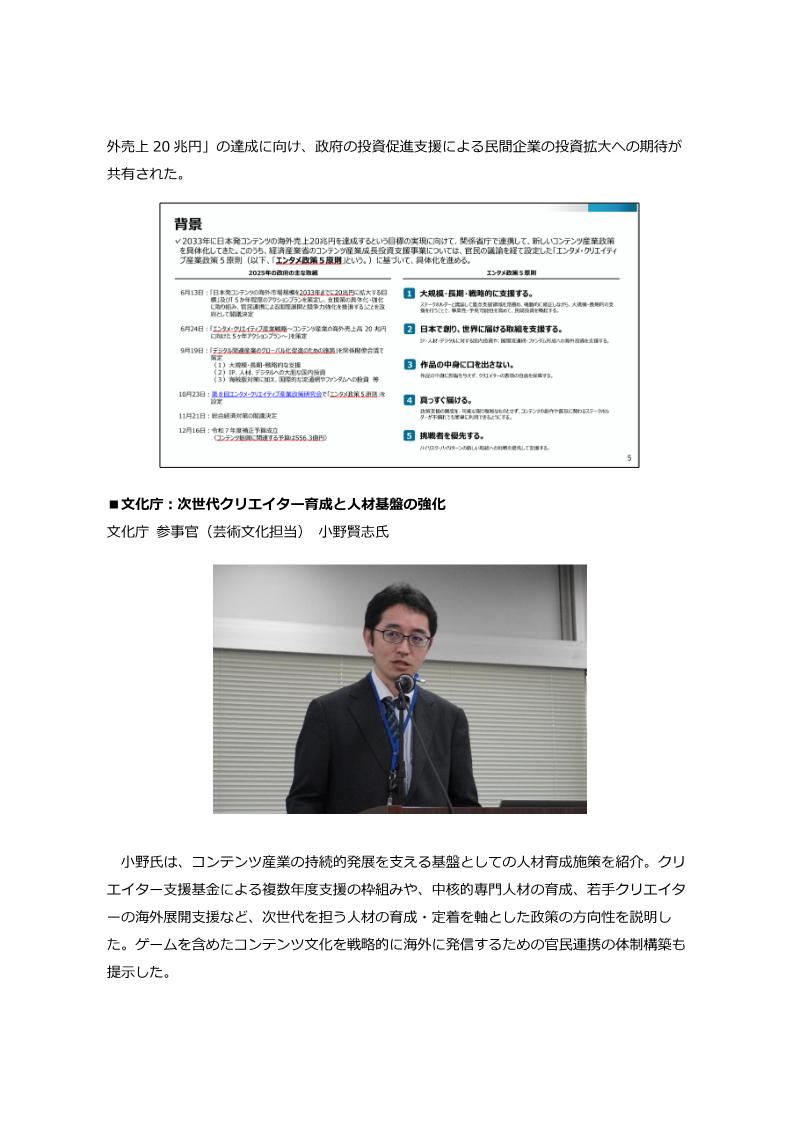
- The Japanese government has set a strategic target to reach 20 trillion yen in overseas content industry sales by 2033.
- Approximately 50% of domestic game companies have integrated generative AI into their internal development pipelines.
- Industry adoption of generative AI remains bifurcated, with high usage in production workflows but a cautious, risk-averse approach toward AI-generated content delivered to end-users.
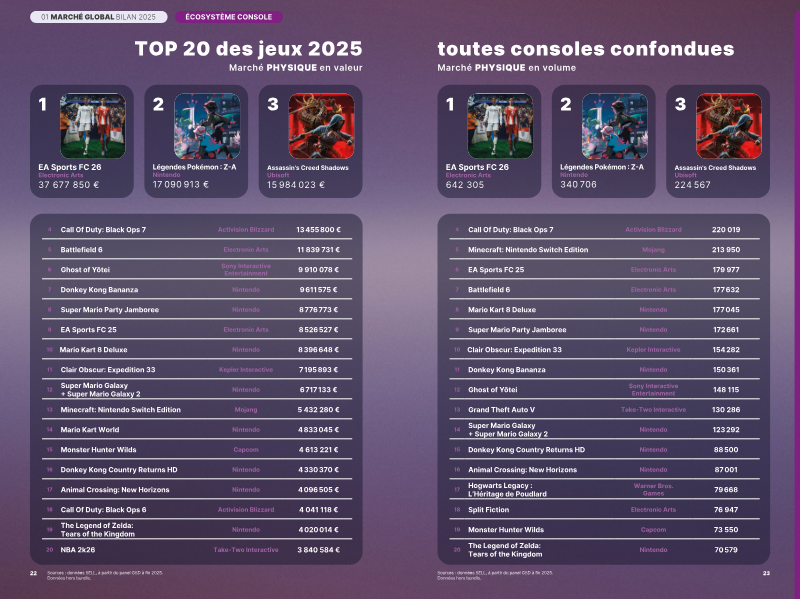
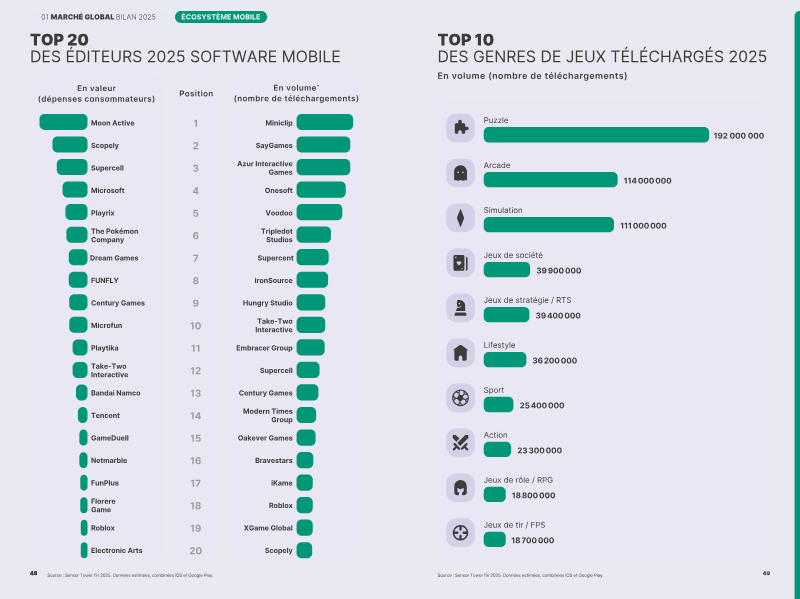
Bilan du Marché Français: 2025
The French video game market demonstrated significant resilience in 2025, generating €5.856 billion in total revenue, a 2.9% increase over the previous year.
- The French video game market reached €5.856 billion in 2025, a 2.9% year-over-year increase and the second-highest revenue in the industry's history.
- Mobile gaming experienced an 11% surge to reach €1.792 billion, with free-to-play models accounting for 94% of that sector's total revenue.
- Market share is distributed across consoles (44%), mobile (31%), and PC (26%), with software sales—driven by digital content and microtransactions—comprising over two-thirds of total revenue.
Videogiocatori in Italia
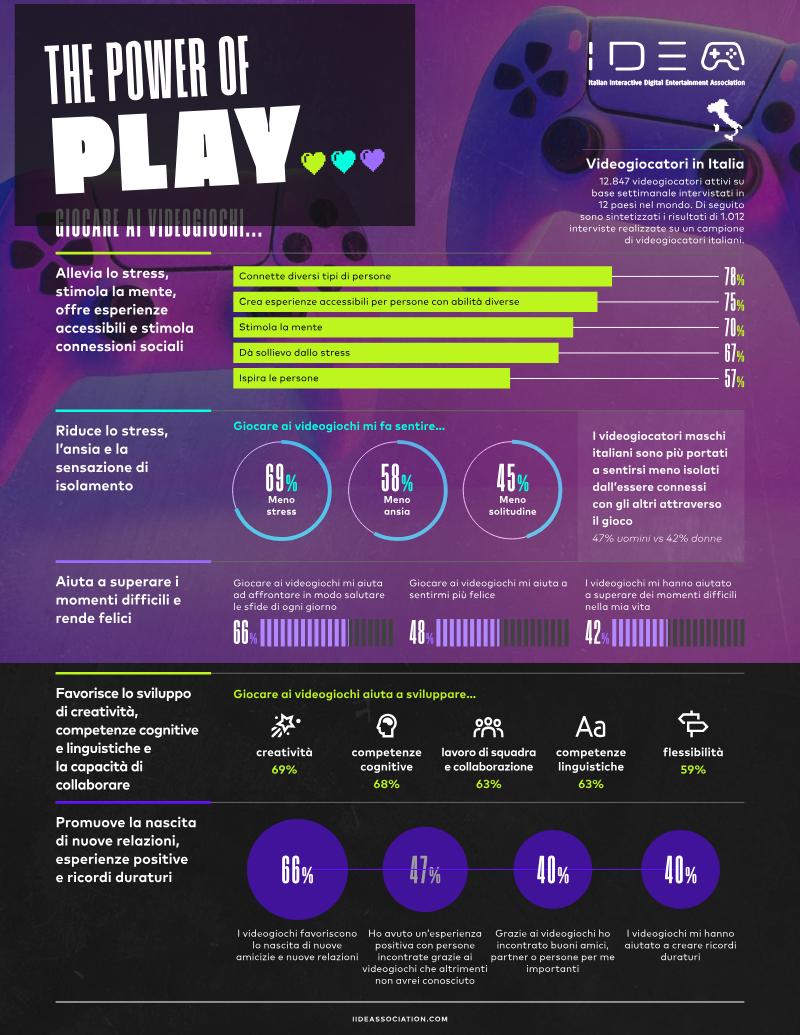
The Italian gaming landscape is characterized by a strong emphasis on the psychological and social benefits of interactive entertainment.
- 69% of Italian gamers report that interactive entertainment stimulates the mind and improves teamwork capabilities.
- Gaming is primarily utilized as a tool for stress relief, anxiety reduction, and the enhancement of cognitive skills like creativity and problem-solving.
- Approximately 50% of Italian gamers engage in online multiplayer sessions on a weekly basis, highlighting the medium's role as a social platform.
Video Games as a Tool for Mental Resilience: Italy
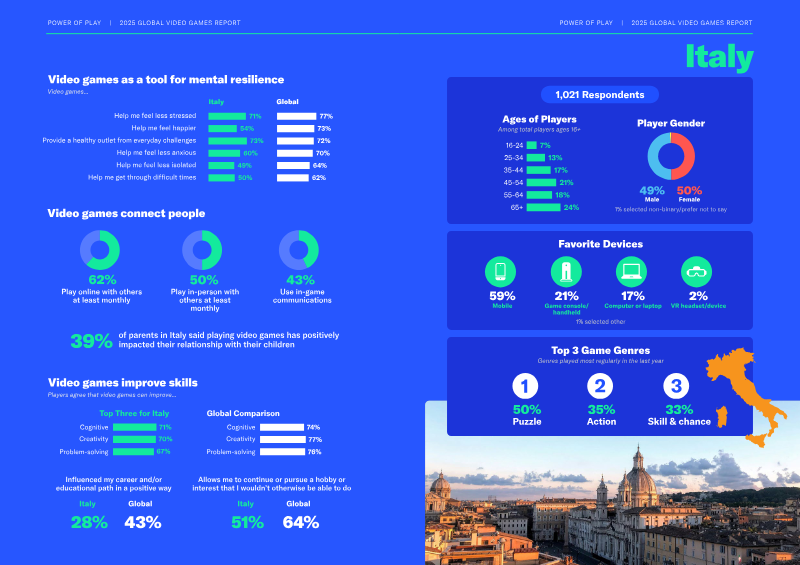
Video games serve as a significant mechanism for mental resilience and emotional regulation among the Italian population.
- Gaming is a primary tool for mental health in Italy, with 71% of players using it to reduce stress, 60% to manage anxiety, and 49% to combat isolation.
- The Italian gaming demographic is older than often assumed, with the 65+ age group representing 24% of players and the 45-54 bracket accounting for 21%.
- Mobile devices are the dominant gaming platform in Italy, utilized by 59% of the population compared to consoles and computers.


Gamer Motivation Profile: Empirical Research and Data Insights
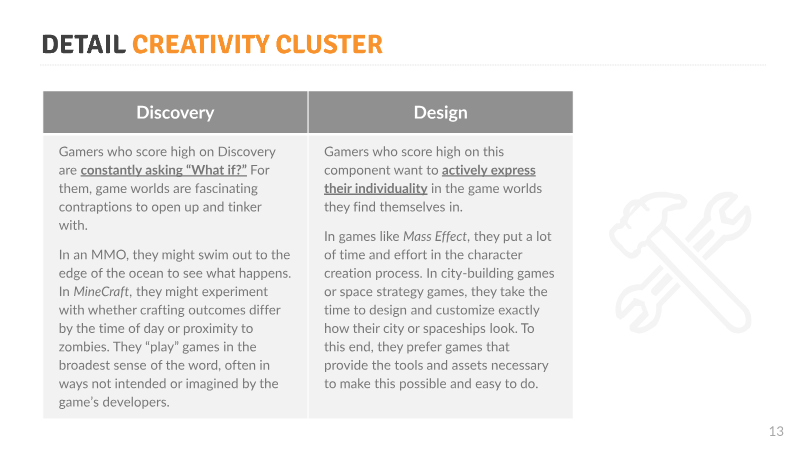
The Gamer Motivation Profile provides a comprehensive empirical framework for understanding player behavior through a psychometric model that categorizes gaming preferences into twelve distinct motivational drivers.
- The Gamer Motivation Profile utilizes a dataset of over 1.75 million global participants to categorize player behavior into twelve distinct motivational drivers across six primary clusters.
- The psychometric model employs factor analysis to link player demographics, such as age and gender, with specific gaming preferences to enable precise audience segmentation.
- Developers can use the framework to compare individual game franchises against broader genre benchmarks to identify how specific titles deviate from industry norms.
Gamer Motivation Profile: Empirical Research Methodology
The Gamer Motivation Profile provides an empirical framework for understanding player behavior by categorizing gaming preferences into twelve distinct motivational factors.
- The Gamer Motivation Profile categorizes player behavior into twelve distinct factors grouped into six thematic clusters: Action-Social, Mastery-Achievement, and Immersion-Creativity.
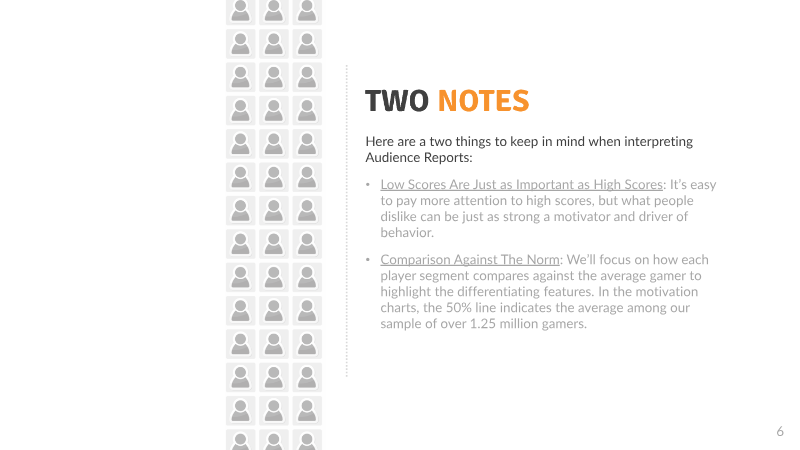
- The model is built on a global dataset of over 1.25 million unique gamers, providing a statistically significant foundation for analyzing player engagement.
- The participant demographic is 74% male, 22% female, and 3% non-binary, with a median age of 23 and a primary geographic concentration in North America (33%) and Western Europe (14%).
Q4 2023 Gaming Industry Report: Global & MENAP Outlook
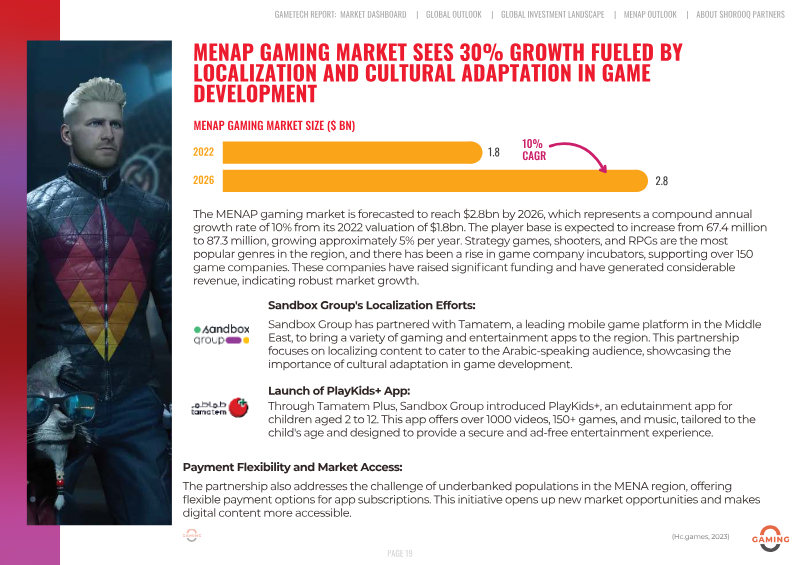
The Q4 2023 Gaming Industry Report presents a global market that expanded to $212 billion, with the MENAP region contributing $2.8 billion and experiencing a 30% quarter-over-quarter rise in both gamers and investment activity.
- The global gaming market reached $212 billion in Q4 2023, with M&A activity surging to $68.7 billion, a 769% increase primarily driven by the Activision-Blizzard acquisition.
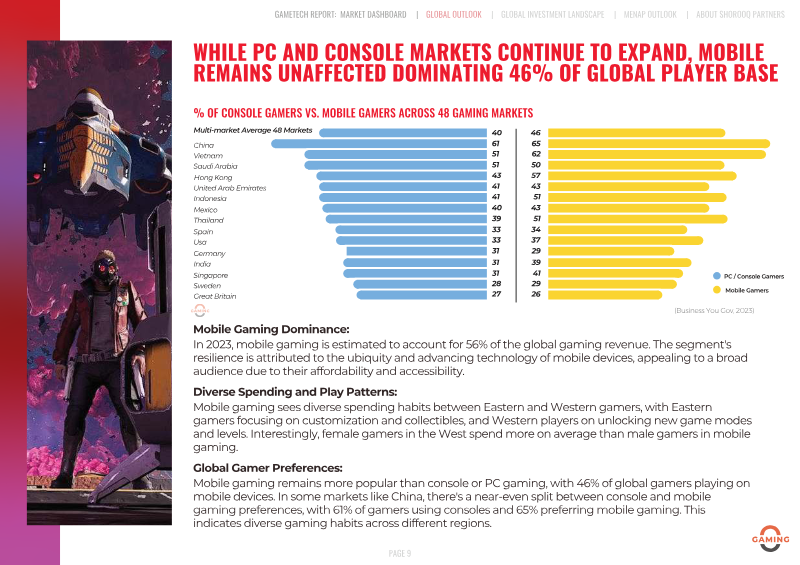
- Mobile gaming remains the industry's primary platform, capturing 46% of the global player base, while indie PC titles have grown to represent approximately 30% of total revenue.
- The MENAP region is a key growth area, contributing $2.8 billion to the market and recording a 30% quarter-over-quarter increase in both gamer population and venture capital investment.
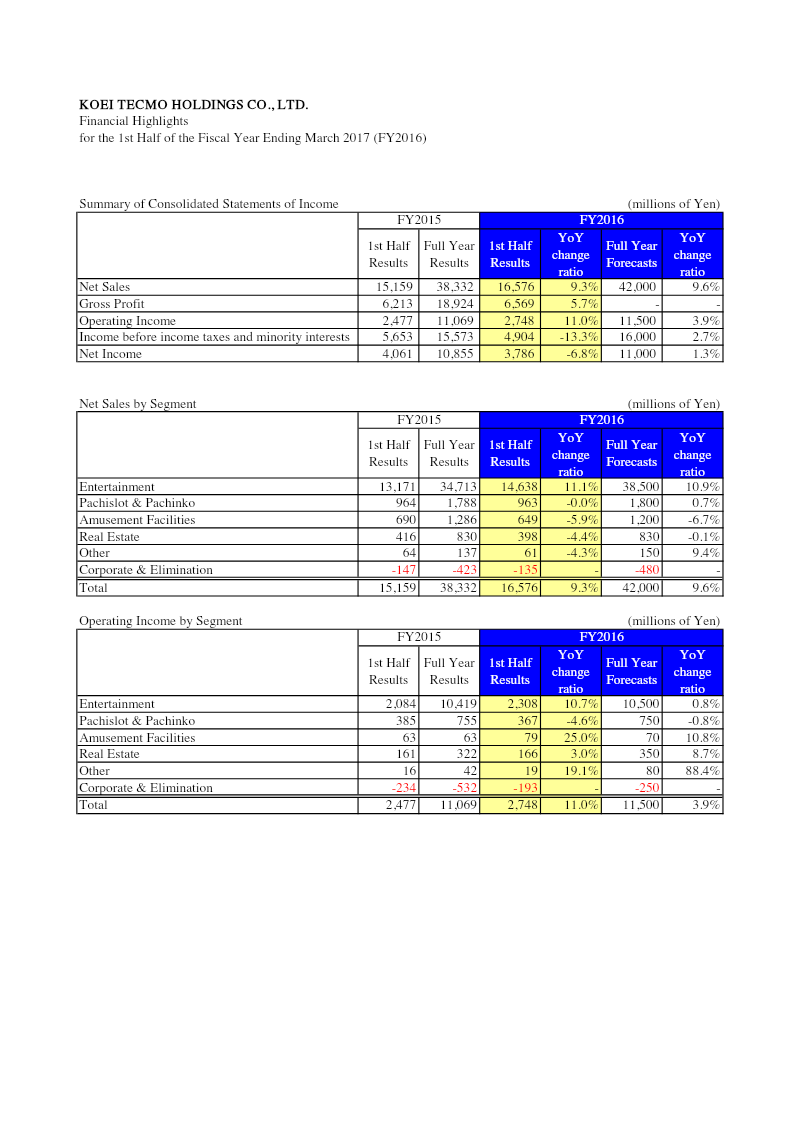
Financial Highlights: 1st Half of FY2016
Financial highlights for the first half of FY2016 show a 9.3% increase in net sales to ¥38,332 million compared with the same period in FY2015, driven primarily by a 10.9% rise in entertainment segment sales to ¥34,713 million.
- Net sales for the first half of FY2016 rose 9.3% year-over-year to ¥38,332 million, driven by a 10.9% increase in entertainment segment sales to ¥34,713 million.
- Operating income grew 11.0% to ¥11,069 million, supported by strong entertainment segment performance despite declines in the pachislot and pachinko business.
- Net income for the full year reached ¥11,000 million, representing a 1.3% increase despite a 6.8% decline recorded during the first half.