Market Analysis reports and market data
Documents

China Mobile Market Update: November 2016
This report provides a monthly update on the Chinese mobile market, focusing on device usage, app store performance, and top applications for September 2016.
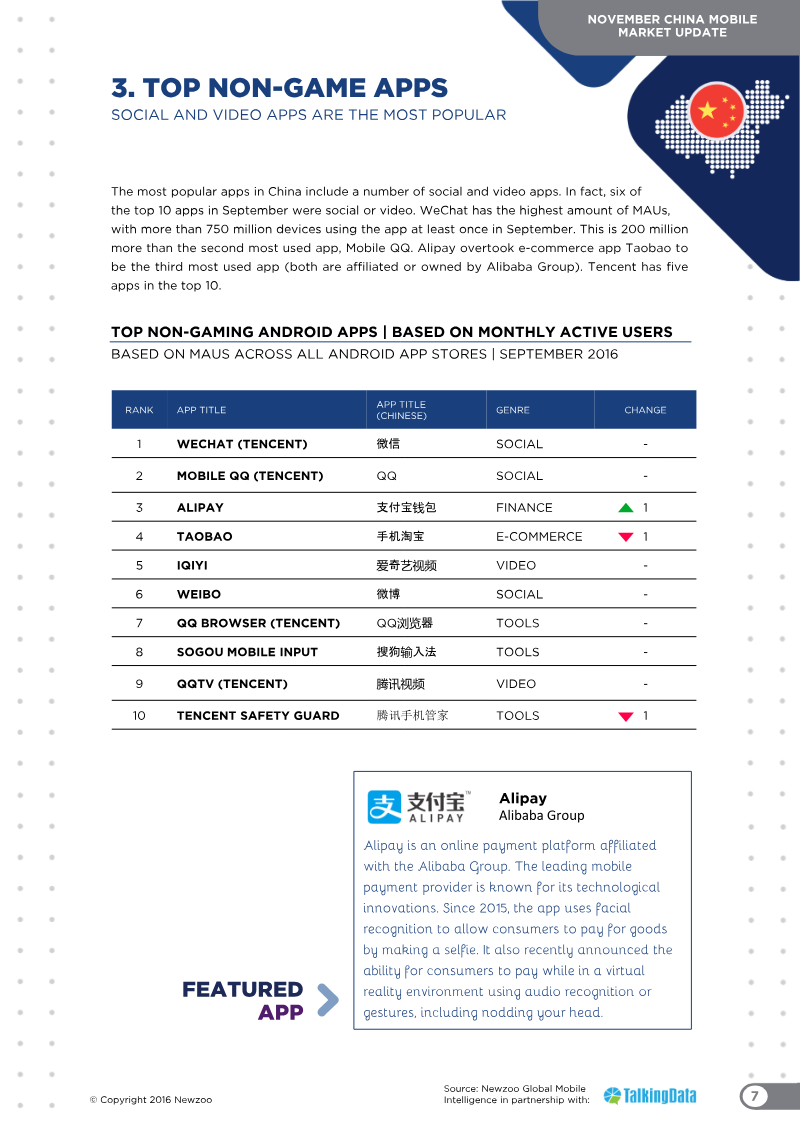
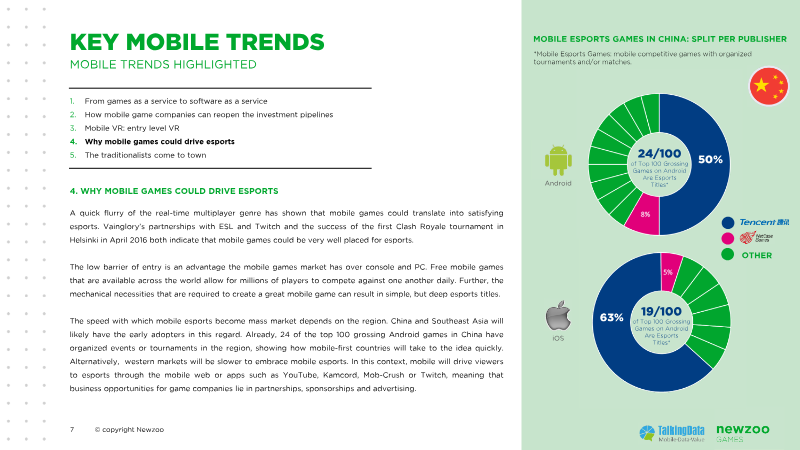
- Tencent and NetEase dominate the Chinese mobile gaming revenue landscape, with Tencent’s 'King of Glory' leading Android and NetEase’s 'Onmyoji' achieving top-grossing status on iOS shortly after its release.
- Apple remains the leading mobile brand in China with a 23.6% market share, while OPPO has displaced Samsung to become the fourth-largest manufacturer behind Huawei and Xiaomi.
- Tencent’s Myapp holds 24% coverage of the Android app store market, while Alibaba’s acquisition of Wandoujia has driven significant growth in that platform's user base.

Casual Games Sector Report 2016: How to Compete in the Crowded Marketplace
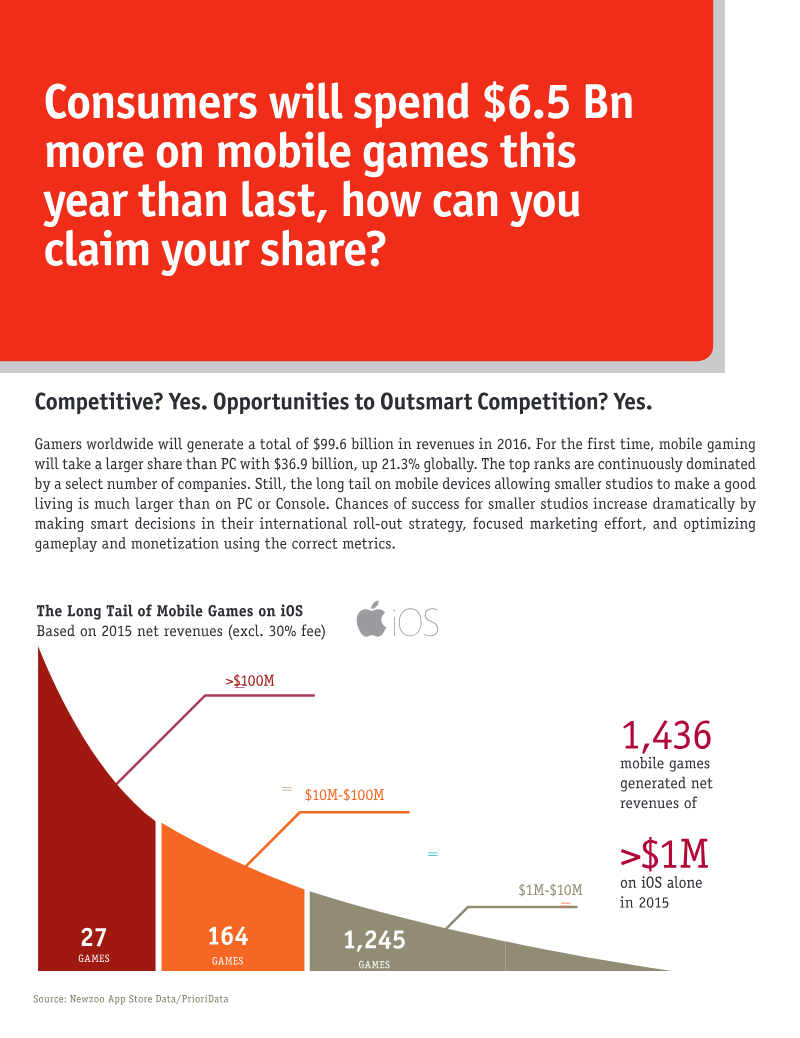
The "Casual Games Sector Report 2016" analyzes the competitive landscape of the mobile gaming market, offering strategies for smaller studios to succeed.
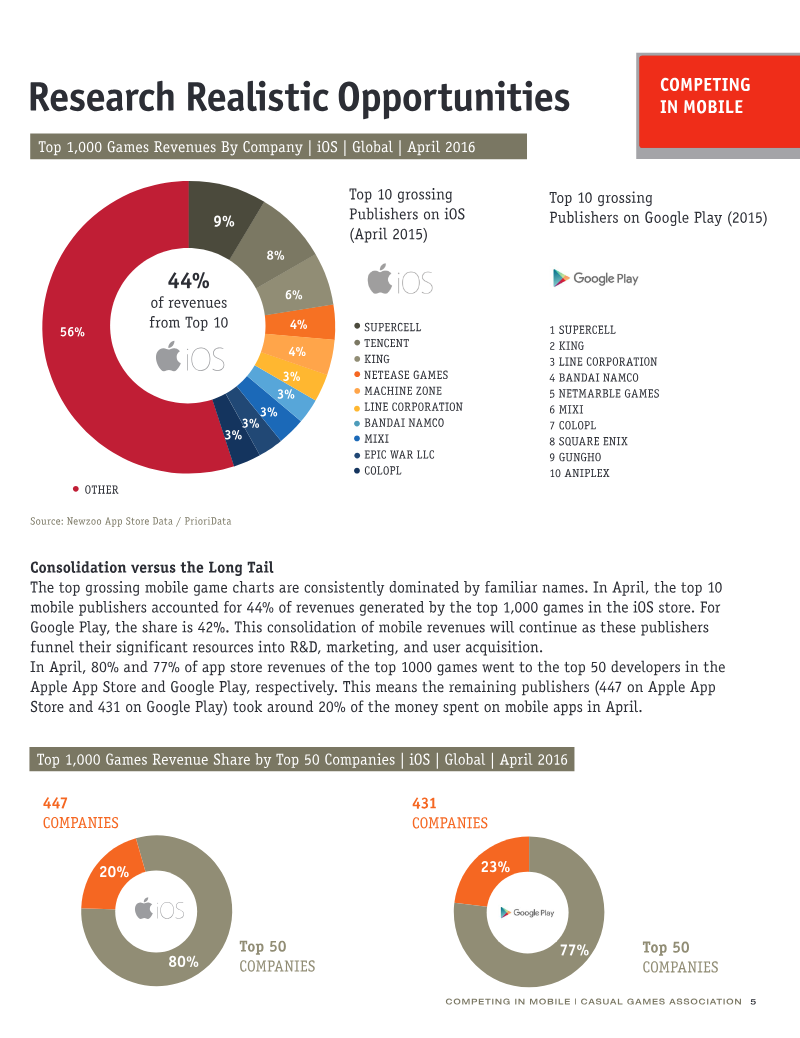
- The top 50 mobile developers capture approximately 80% of total app store revenue, highlighting a highly consolidated market dominated by a small group of publishers.
- Mobile gaming is the leading industry segment with $36.9 billion in 2016 revenue, representing a 21.3% year-over-year growth rate.
- The top 10 mobile publishers control 44% of iOS revenue and 42% of Google Play revenue, underscoring the difficulty for smaller studios to compete.

2016 Global Mobile Market Report: Q4 2016
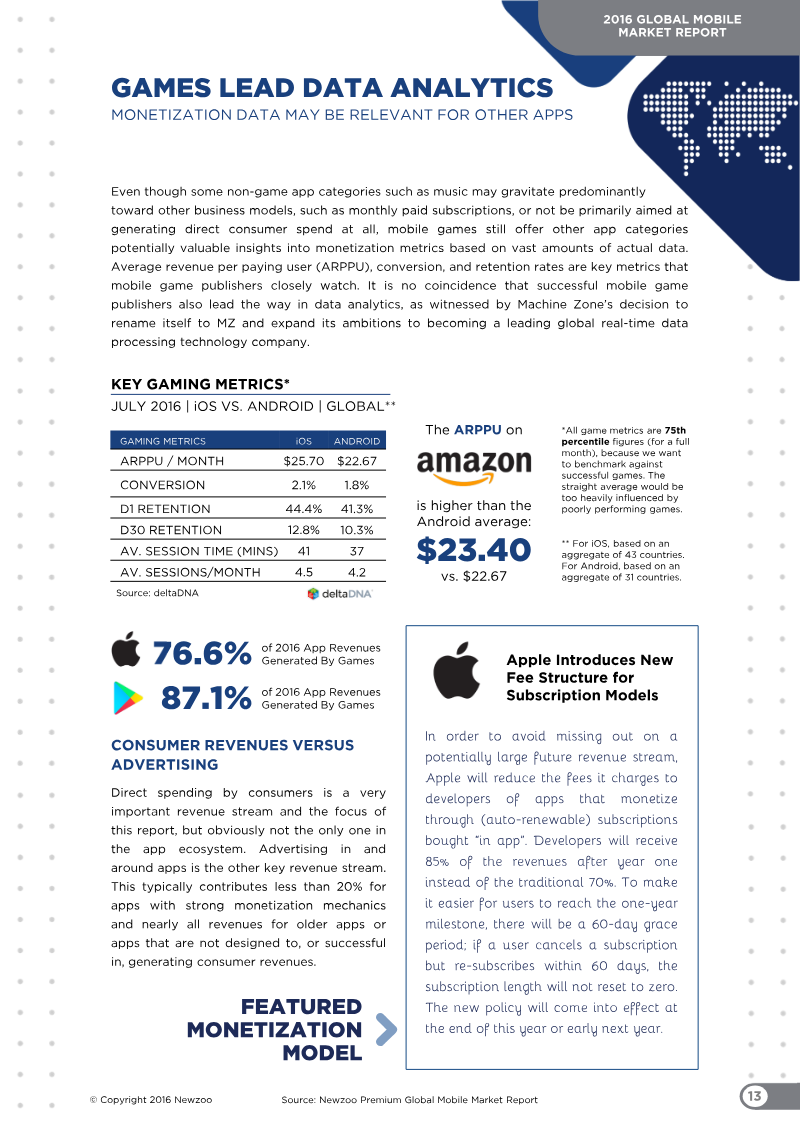
The global mobile market in 2016 saw app revenues reach $44.8 billion, with games contributing a dominant 82% of this total, though this share is projected to decrease to 72% by 2020 as non-game app categories like social networking, entertainment, and music experience faster growth.
- Global consumer spending on mobile applications is projected to grow from $44.8 billion in 2016 to $80.6 billion by 2020.
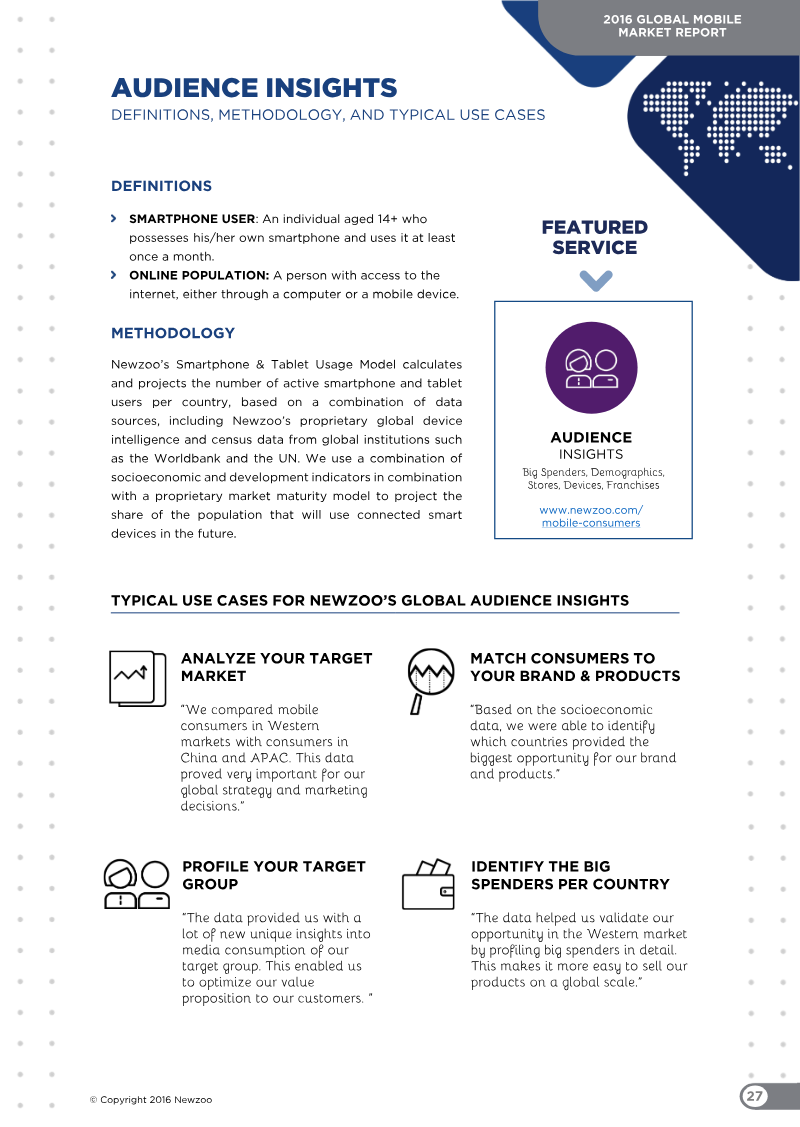
- China has overtaken the United States as the world's largest app market, characterized by a dominant Android presence and a reliance on third-party app stores.
- The Middle East and Africa are projected to experience a compound annual growth rate of 42.6% through 2020, while India is positioned to become the second-largest mobile market globally.

2016 Global Games Market Report: An Overview of Trends & Insights
The 2016 Global Games Market Report provides a comprehensive overview of the global games market, detailing key trends, growth rates, and market breakdowns by region, segment, and screen for the period 2015-2019.
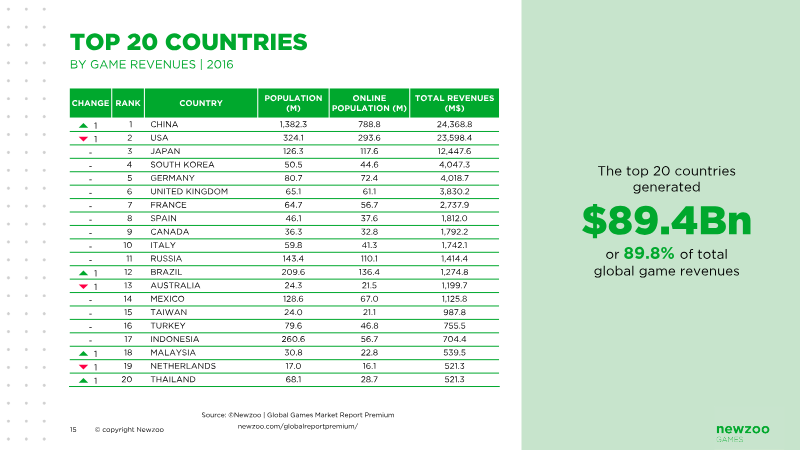
- The global games market reached $99.6 billion in 2016, marking an 8.5% year-on-year growth rate.
- Mobile gaming is the primary industry driver, generating $36.9 billion in revenue and achieving a 21.3% year-on-year increase.
- The Asia-Pacific region is the dominant global market, accounting for 47% of total revenues with a 10.7% growth rate.
The Asian Games Market: Casual Games Sector Report 2016
This report analyzes the Asian games market, with a specific focus on the casual games sector, providing a snapshot of market size, growth, and key trends for 2015 and 2016.
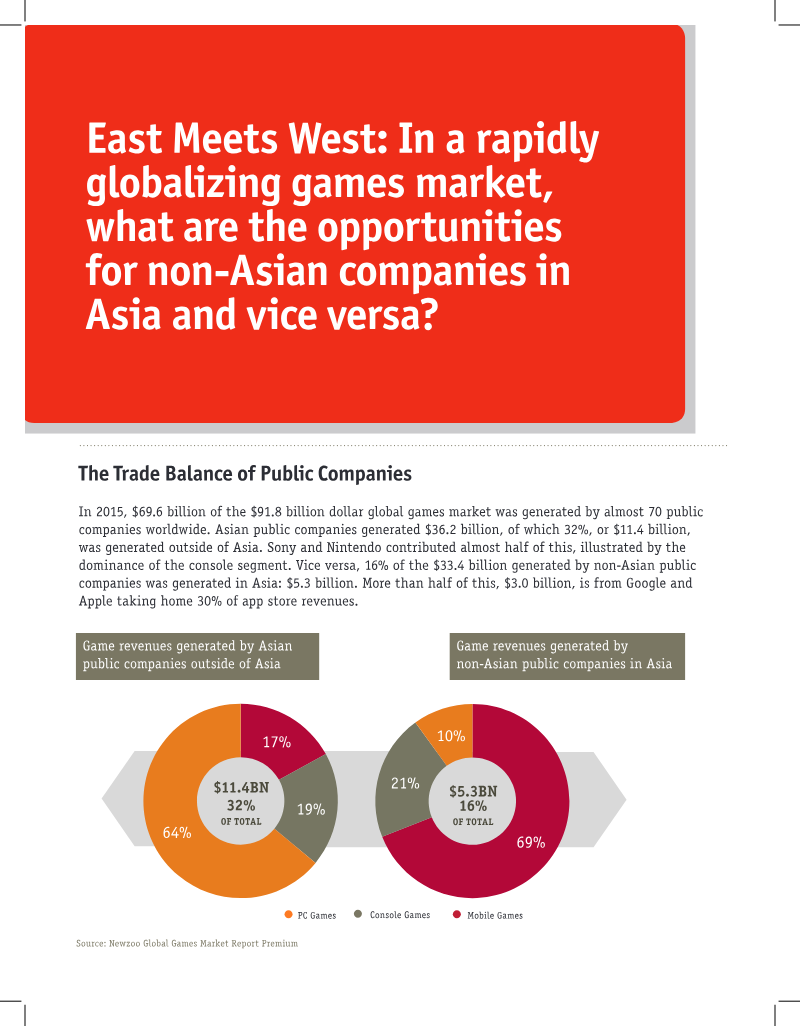
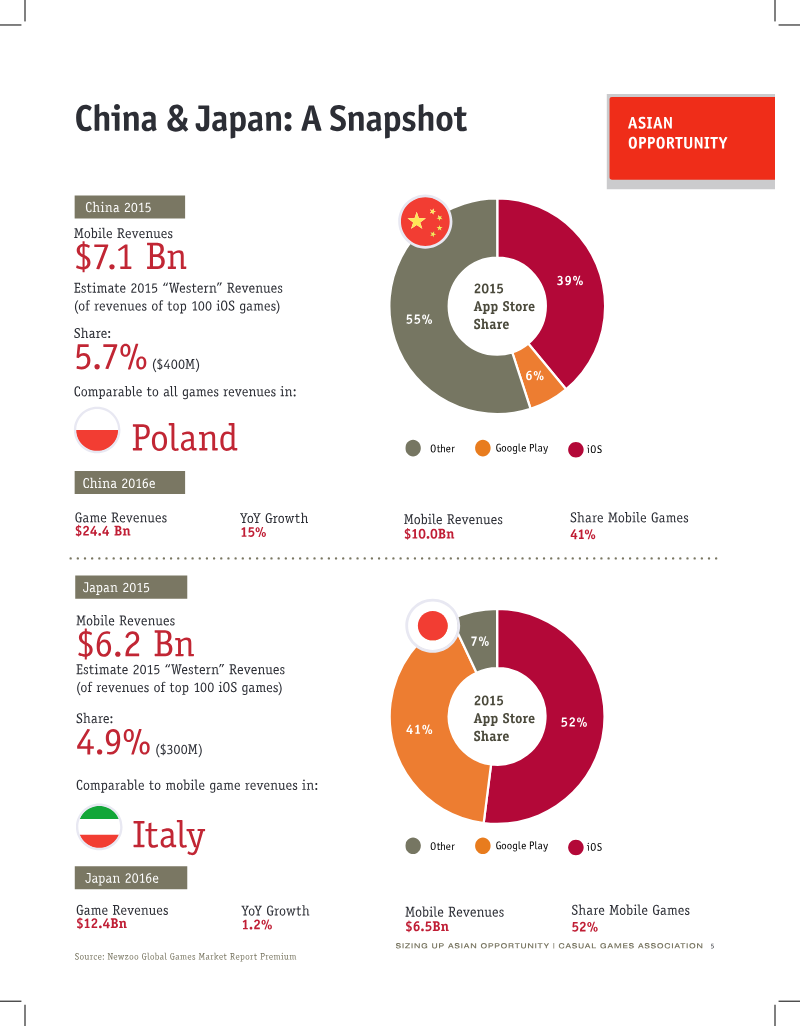
- In 2016, the Asian gaming market (China, Japan, South Korea, and Southeast Asia) generated $45 billion in revenue, accounting for 45% of the total global market.
- Asia serves as the primary engine for the global mobile gaming sector, contributing 55% of all worldwide mobile game revenues.
- Mobile platforms command over 50% of the revenue share in Southeast Asia, while console gaming remains the dominant platform in Japan.
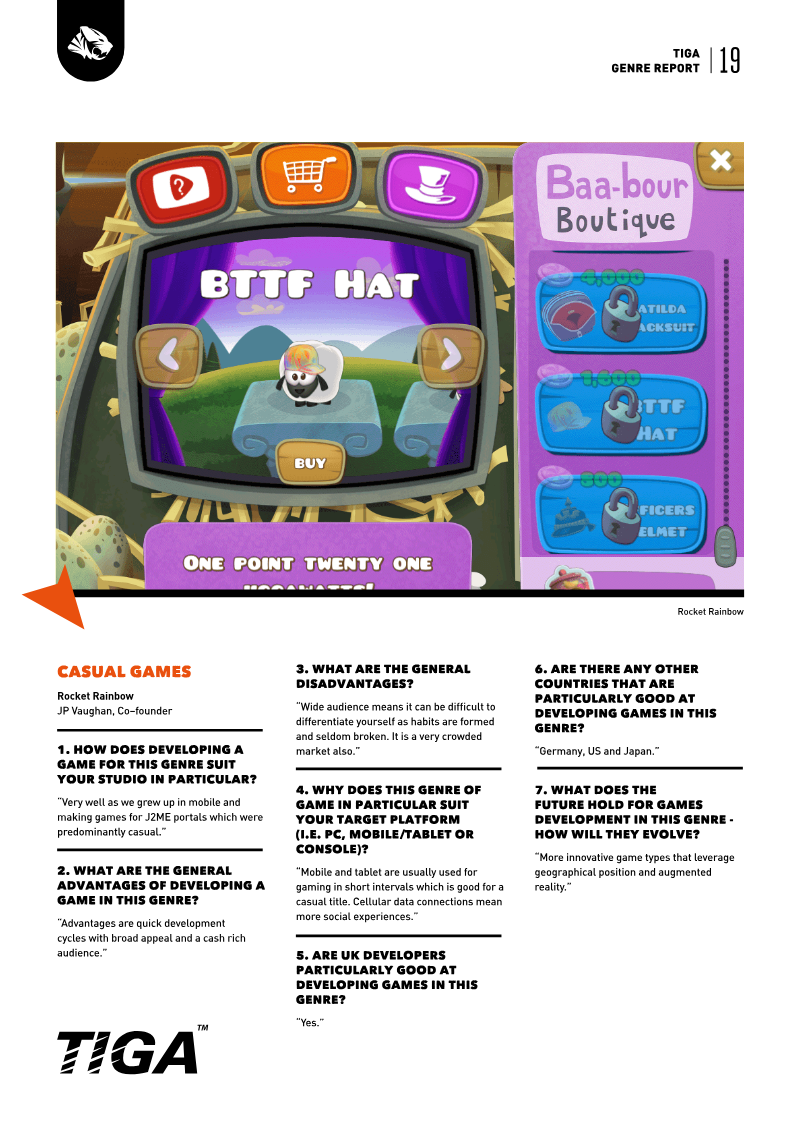

TIGA Genre Report 2016
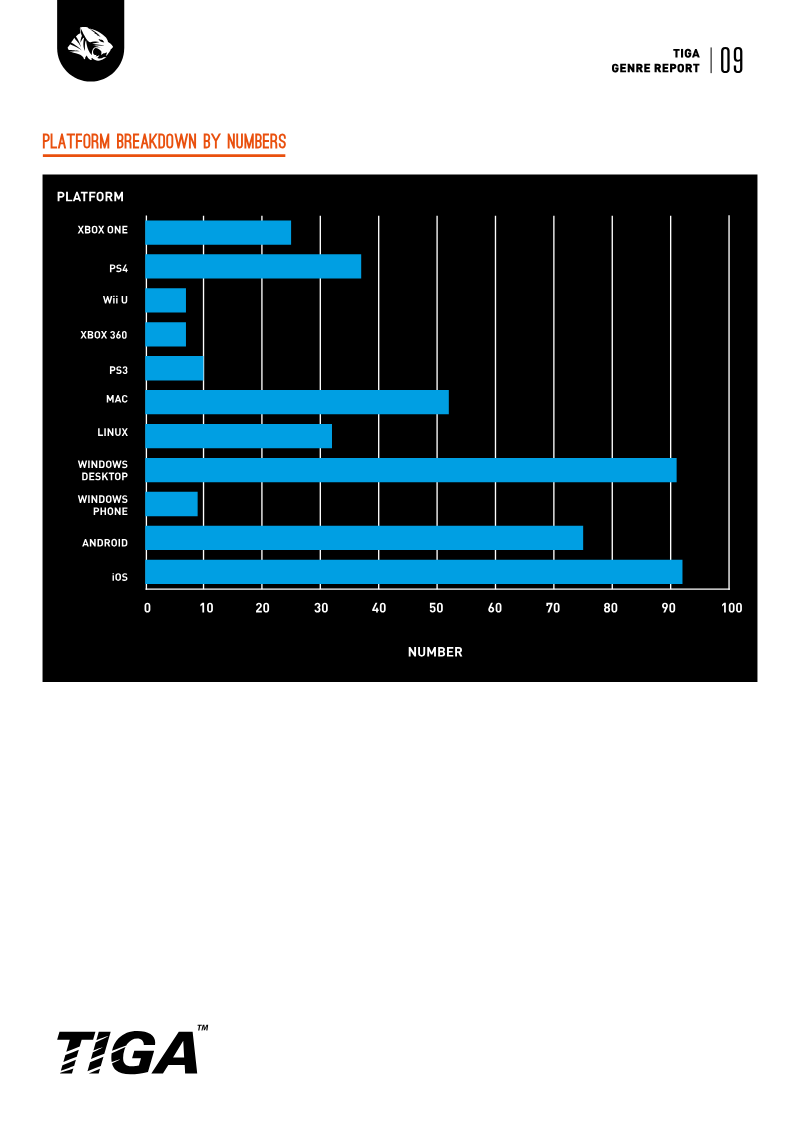
TIGA's 2016 Genre Report examines the distribution of game genres among UK-developed titles released in 2015, drawing on 191 games from 154 studios (out of more than 660 in the UK) and supplementing the data with developer interviews.
- Action/Adventure is the most common game genre, with over 45 releases, followed by Arcade and Puzzle/Trivia, each with over 30 releases.
- Mobile platforms (iOS, Android, Windows Phone) show a higher number of releases in Casual, Puzzle/Trivia, and Action/Adventure genres compared to other genres.
- Desktop platforms (PC, Mac, Linux) have a significantly higher number of releases in Action/Adventure and RPG genres, with over 70 and 60 releases respectively.

Finnish Game Industry Report 2016
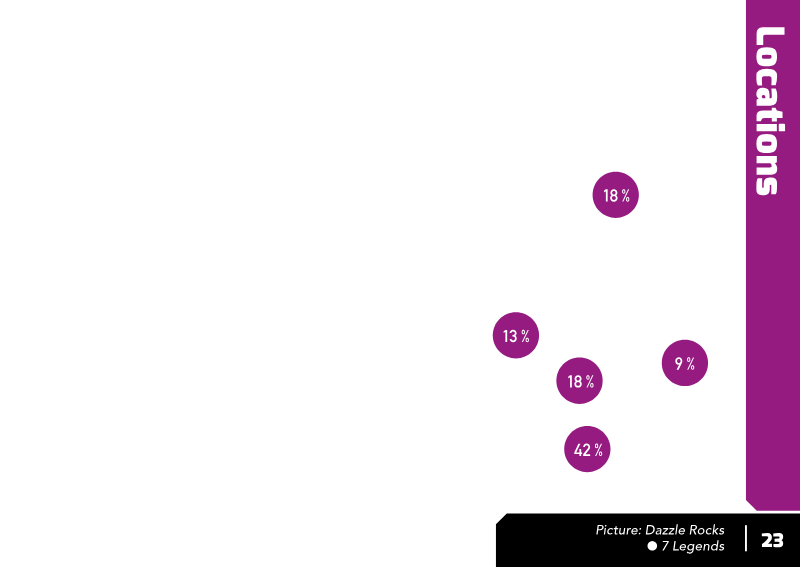
Finland's game industry in 2016 marked the end of a hypergrowth era and the start of a more mature, consolidating phase.
- The Finnish game industry employed 2,750 people in 2016, a steady increase from 2,500 in 2014 and 2,700 in 2015. The industry's turnover reached €2.5 billion in 2016, up from €2.4 billion in 2015 and a significant rise from €87 million in 2008.
- The number of active Finnish game companies grew from 2 in 2002 to 250 in 2016, with a notable acceleration in new studio founding years after 2010.
- Key challenges for Finnish game developers include the high cost and difficulty of user acquisition for Free-to-Play games, the unpredictability of the industry, and the need for professional management as companies grow.

How to Enable Digital Growth in Europe
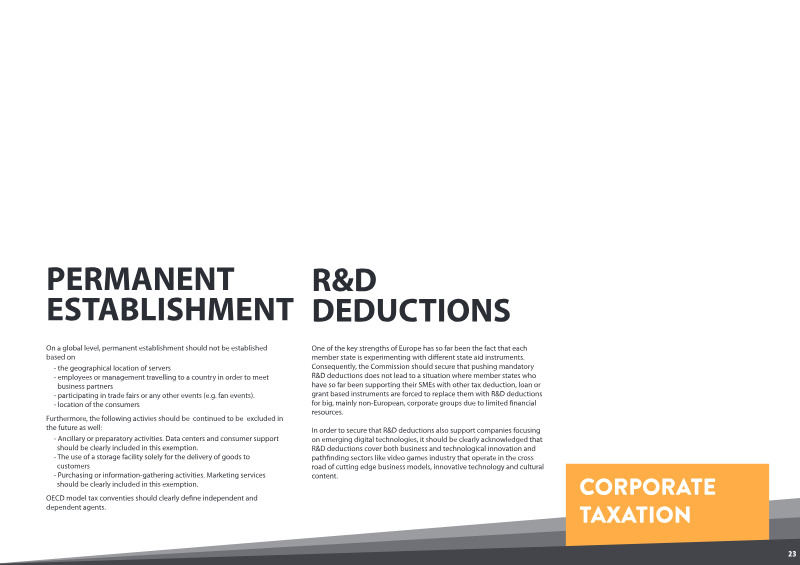
The European Game Developers Federation (EGDF), which unites national trade associations from 13 countries and represents over 1,600 of Europe's 3,200+ studios, mostly SMEs, sets out a policy agenda to help the continent's game industry grow in the digital economy.
- Network neutrality is crucial for the European games sector, as easing it risks dividing Europe, allowing network providers to slow access to competing virtual services, and strengthening dominant media companies over independent developers.
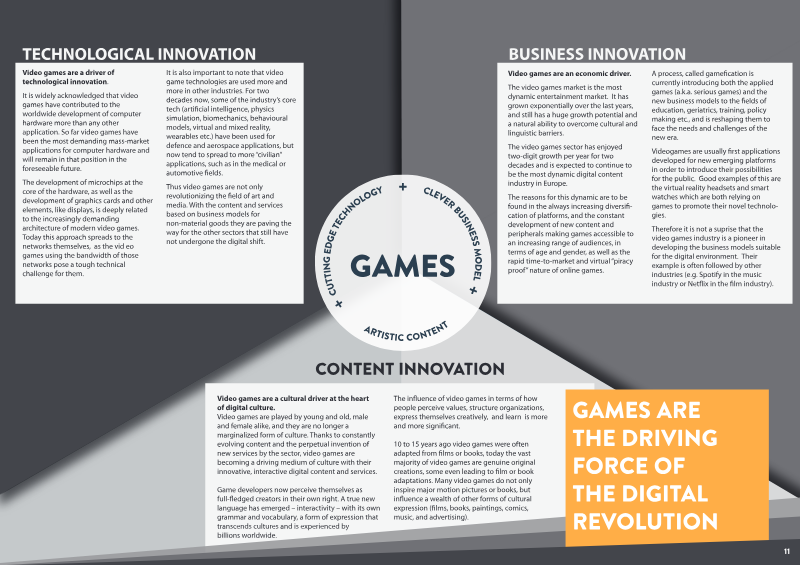
- Video games are a driving force in the digital revolution, creating a new interactive language that transcends cultures and influences other forms of cultural expression like films, books, and music.
- European game developers are frequently targeted by patent trolls, with legal battles in the US potentially costing hundreds of thousands to millions of Euros and fully occupying developers.
Dossier de Prensa AEVI 2016
AEVI (Asociación Española de Videojuegos), creada en 2014 tras la refundación de aDeSe, se presenta como el referente industrial del videojuego en España.
- The Spanish video-game market generated €996 million in 2014, marking a 6.8% year-over-year growth and establishing Spain as one of the four largest markets in Europe.
- Piracy remains a significant economic challenge, with 240 million illegal downloads and 2 million physical infringements causing an estimated €226 million in lost revenue in 2014.
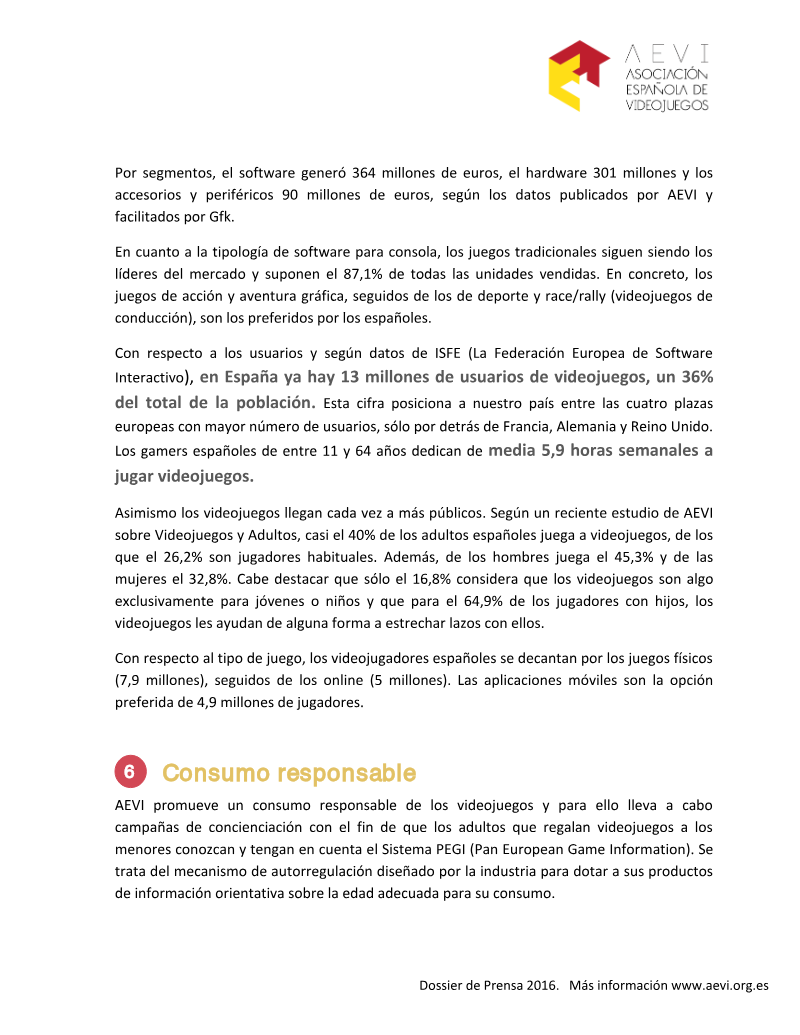
- The sector served 13 million users in 2014, representing 36% of the population, with players aged 11–64 averaging 5.9 hours of gaming per week.

The most significant mobile gaming events in 2015
The mobile gaming landscape in 2015 was defined by significant industry consolidation, the rise of Eastern markets, and the strategic pivot of traditional console giants toward mobile platforms.
- Activision acquired King for $5.9 billion in 2015, signaling a major strategic shift by triple-A publishers to capture broader demographics and secure mobile gaming as a primary revenue stream.
- The global mobile gaming market saw a significant geographic shift as China, Korea, and Japan secured three of the top five global market positions, with Southeast Asia also showing rapid growth.
- Monetization models in 2015 matured by moving away from aggressive hard-currency tactics toward more balanced systems that integrate soft currency and advertisements.
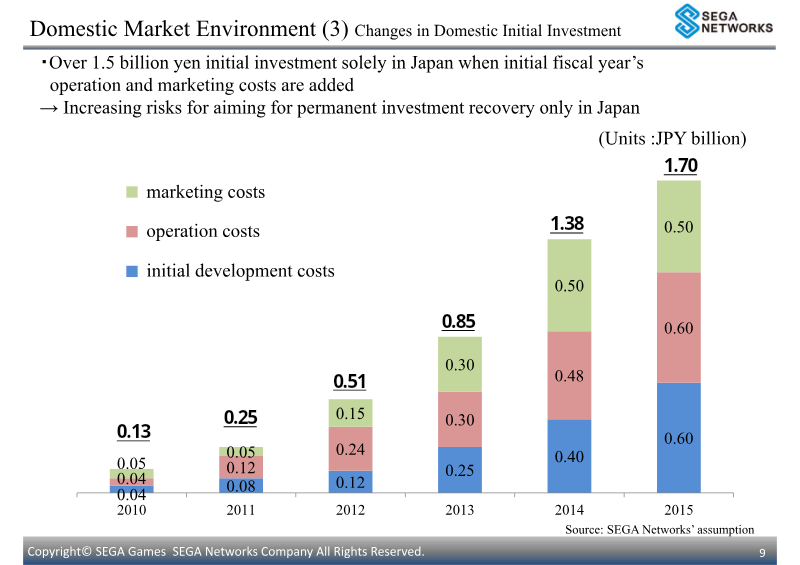
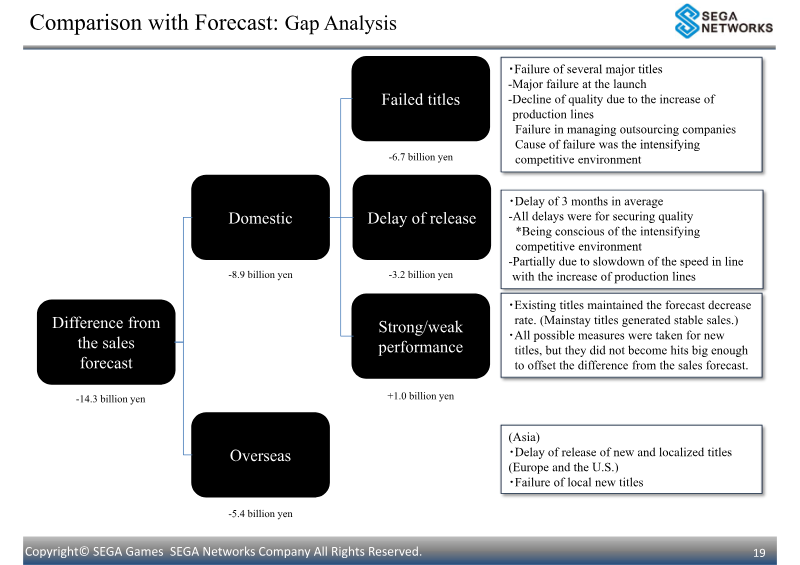
Sega Networks Strategic Presentation
Sega Networks experienced a period of significant growth in the fiscal year ending March 2016, with gross sales increasing by 34% year-over-year.
- Sega Networks saw a 34% year-over-year increase in gross sales for the fiscal year ending March 2016, yet missed initial sales forecasts by 27% due to product delays and underperforming titles.
- The company is shifting from a broad development pipeline to a strategy of resource concentration, prioritizing mainstay titles and improving overall product quality to mitigate the risk of market exclusion.
- Overseas operations are being reorganized under the goGame platform, which will focus on improved localization and the integration of third-party payment methods to reach non-credit card users in Southeast Asia.
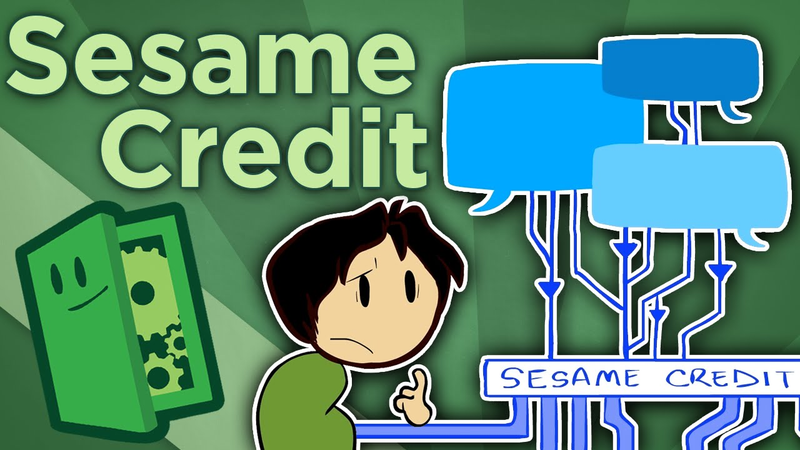
Propaganda Games: Sesame Credit - The True Danger of Gamification - Extra Credits
Sesame Credit represents a sophisticated application of gamification techniques by the Chinese government, in partnership with major technology firms like Tencent and Alibaba, to incentivize political obedience.
- Sesame Credit, developed by the Chinese government in partnership with firms like Alibaba and Tencent, uses gamification to incentivize political obedience through a social scoring system.
- The system assigns scores based on purchasing habits, online behavior, and social associations, granting rewards like easier loan access or travel documentation to high scorers.
- Low scores result in tangible penalties, including restricted internet speeds and limited employment opportunities, as the system transitions from an opt-in model to mandatory state-sanctioned social engineering.