Market Analysis reports and market data
Documents

Estudio Videojuegos y Adultos 2015: España
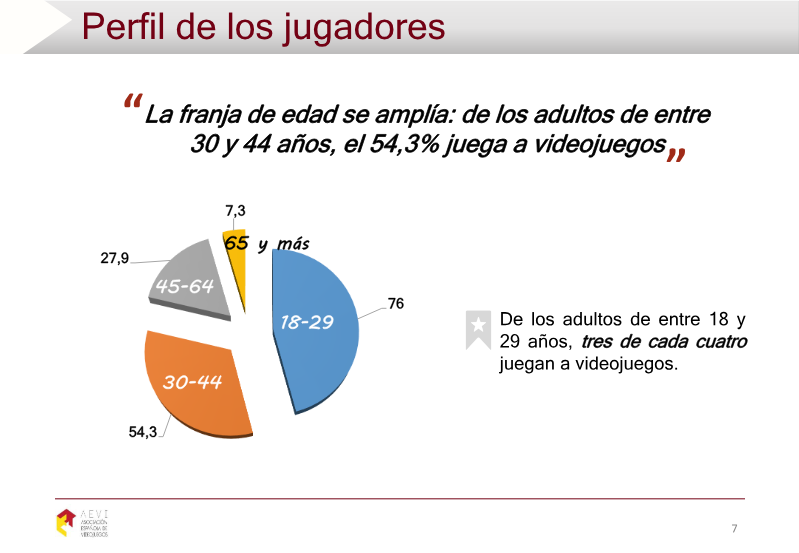
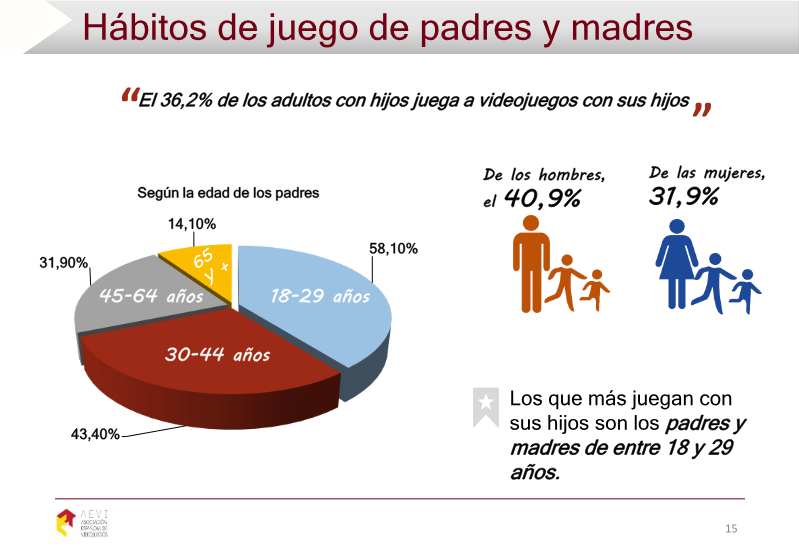
El estudio de AEVI, presentado en Madrid en diciembre de 2015, mide la penetración de los videojuegos entre la población adulta española, traza el perfil del jugador adulto, recoge sus percepciones y hábitos, compara a adultos con hijos y sin ellos, y evalúa la intención de compra para la campaña navideña.
- In 2015, 38.9 percent of Spanish adults played video games, with the highest engagement found in the 18-29 age demographic at 75 percent.
- Gaming habits are gender-split by platform preference: men favor consoles (66.2 percent), while women primarily use smartphones (57.6 percent).
- Habitual gamers, defined as those playing weekly or daily, account for 41.5 percent of the gaming population and are 60 percent male.

PlayRaven CEO: We don't make clones
PlayRaven operates on the core thesis that the mobile gaming market is saturated with long-standing titles, necessitating a commitment to original, innovative free-to-play experiences rather than clones.
- PlayRaven maintains a lean, 23-person team structure to foster agility and cross-pollination of ideas across multiple small, simultaneous development projects.
- The studio enforces a 'burn the boats' policy that mandates exclusive focus on original free-to-play content, prohibiting the development of clones to force mastery of the business model.
- Innovation is driven by a culture of extreme transparency, utilizing open meetings, public beta programs, and external feedback to accelerate the company's learning cycle.

Where Does Your Console Come From? - Supply Chains - Extra Credits
The global video game console industry relies on complex, multi-tiered supply chains that span from raw mineral extraction to final assembly.
- The global video game console industry relies on complex, multi-tiered supply chains that frequently obscure ethical risks, including labor exploitation and the use of conflict minerals.
- Manufacturing hubs, particularly in China, have been linked to systemic labor abuses, including forced labor, excessive overtime, and the use of underage workers in state-sanctioned training programs.
- Mineral sourcing from volatile regions like the Democratic Republic of the Congo has historically funded armed groups involved in civil war and human rights abuses.
Why Estonia is a great place for your startup
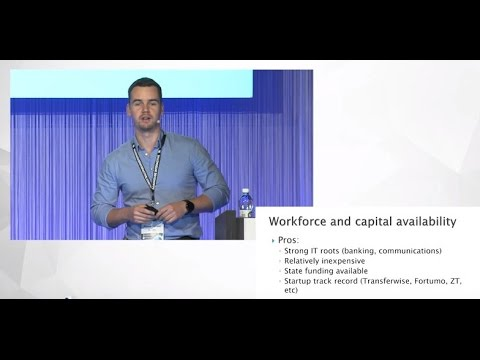
Estonia offers a compelling environment for technology startups, particularly within the mobile gaming sector, due to its highly digitized infrastructure, strong programming talent pool, and supportive business climate.
- Estonia’s highly digitized infrastructure supports a streamlined business environment, featuring comprehensive online public services such as tax filing, voting, and an e-residency program for international entrepreneurs.
- The local labor market offers a competitive advantage with a high-quality pool of software developers, where senior talent salary expectations range from 2,000 to 4,000 euros per month.
- Estonia serves as a strategic geographic bridge between Nordic, Russian, and Central European markets, supported by strong transportation links and a legal framework fully aligned with European Union standards.

Why Nintendo going mobile is the big news of 2015
Nintendo’s 2015 strategic pivot toward mobile gaming represents a fundamental shift for one of the industry’s most historically insular publishers.
- In 2015, Nintendo initiated a strategic pivot away from its historically closed-ecosystem model by partnering with DeNA to enter the mobile gaming market.
- The partnership with DeNA is designed to leverage external expertise in mobile monetization and infrastructure to support Nintendo's transition to mobile platforms.
- Nintendo is prioritizing the stability of its network infrastructure and digital systems, such as Miiverse, before releasing flagship intellectual properties like Mario on mobile.

Why Nintendo's NX unified vision is the big news of 2015
The emergence of the Nintendo NX represents a pivotal shift in the gaming industry by attempting to bridge the long-standing divide between dedicated console hardware and the mobile gaming sector.
- The Nintendo NX aims to unify the gaming industry by bridging the divide between dedicated home consoles and mobile hardware.
- The core strategic objective is to create a fluid ecosystem where game states and user progress are synchronized across different device form factors.
- By enabling seamless transitions between mobile commuting and home-based play, Nintendo intends to eliminate platform friction for the end user.

Why you should visit Korean game show G-Star
G-Star serves as a critical window into the distinct operational and cultural differences between the South Korean and Western gaming markets.
- Independent game development at G-Star reflects a universal artistic framework that mirrors the experimental sensibilities found at Western events like E3 and Gamescom.
- Large-scale Korean studios frequently struggle to penetrate Western markets because their attempts to adopt Western tropes, such as mafia-themed narratives, often lack cultural authenticity.
- The South Korean gaming market maintains a cautious, delayed approach to virtual reality technology, contrasting with the aggressive investment and adoption trends observed in the West.
A brief history of Iceland's game developers
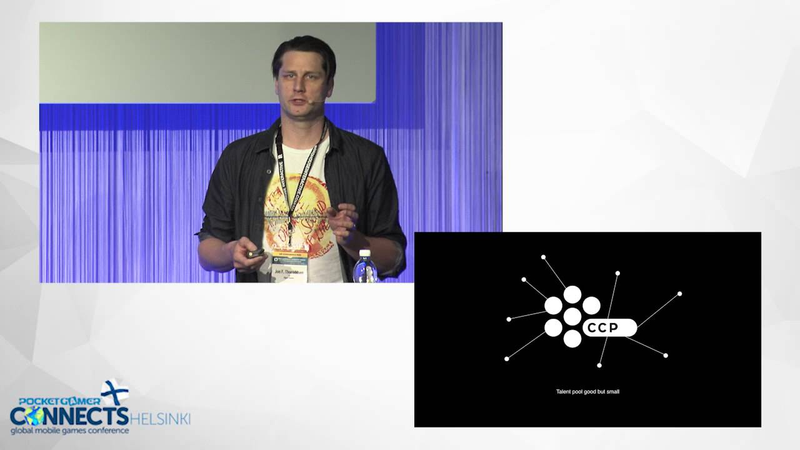
The Icelandic game development industry has evolved from a resource-dependent economy to a burgeoning technology sector characterized by high technical literacy and early adoption of digital entertainment.
- CCP Games established the viability of the Icelandic gaming industry by proving that local studios could successfully compete on a global scale.
- The 2008 financial crisis caused significant industry stagnation due to the overextension of local banking institutions, forcing a national pivot toward an innovation-led economy.
- The success of Plain Vanilla in the mobile trivia market served as a critical catalyst for restoring industry confidence and fostering a new wave of entrepreneurship.
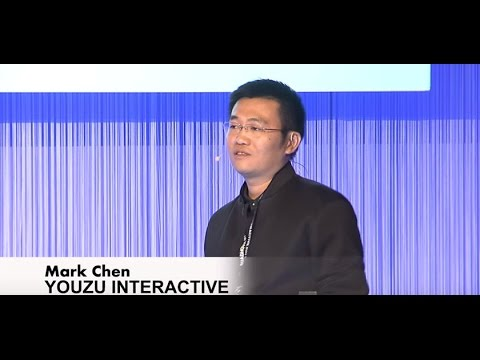
With a $330M fund, Youzu is going global
Youzu Interactive is positioning itself as a strategic gateway for Western developers seeking to penetrate the complex Chinese gaming market.
- Youzu Interactive has launched a $330 million investment fund to provide capital, R&D support, and distribution to foreign developers seeking entry into the Chinese market.
- The company serves as a strategic gateway to China’s fragmented Android ecosystem, which requires navigating over 60 distinct distribution channels and various social platforms in the absence of Google Play.
- Youzu’s operational model focuses on data-driven localization, exemplified by the title 'Three Kingdoms,' which generated over $100 million in revenue within its first 20 days.

China's Regulatory Environment for Games
China's regulatory environment for games has undergone a significant transformation since 2000, evolving from a loose framework focused on general publishing to a comprehensive system specifically targeting online and mobile games.
- Foreign companies are strictly prohibited from directly operating or controlling online games in China, necessitating complex contractual arrangements to manage intellectual property and profit settlement.
- All gaming titles must undergo a rigorous, multi-agency approval process to obtain mandatory telecommunication and online publishing permits, as well as individual copyright registrations.
- Operators are legally required to implement mandatory anti-addiction systems for minors and ensure all content strictly adheres to national cultural standards and censorship guidelines.
Game Developer Index 2015: Sweden
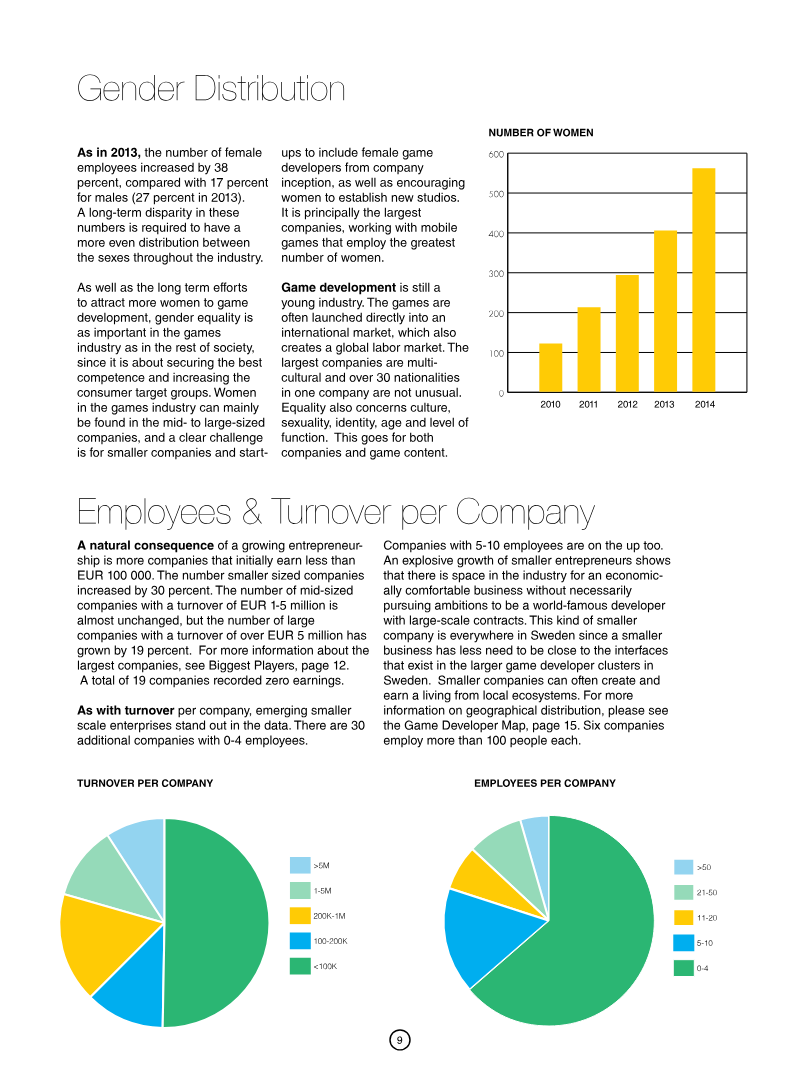
The "Game Developer Index 2015: Sweden" provides a comprehensive overview of the Swedish game development industry's performance and outlook as of 2014, with projections extending to 2019.
- The Swedish game industry achieved a turnover of €930 million by 2015, driven by a consistent compound annual growth rate of nearly 40% since 2006.
- The sector is almost entirely export-oriented, with 99% of its total earnings generated from international markets.
- By 2015, the industry supported over 200 active companies and employed more than 3,100 full-time staff, with female workforce participation increasing by 38%.
China's Mobile Game Industry's Possibilities for Finnish Game Developers
The Chinese mobile game market presents significant opportunities for Finnish game developers, projected to surpass the US market in revenue by the end of 2015.
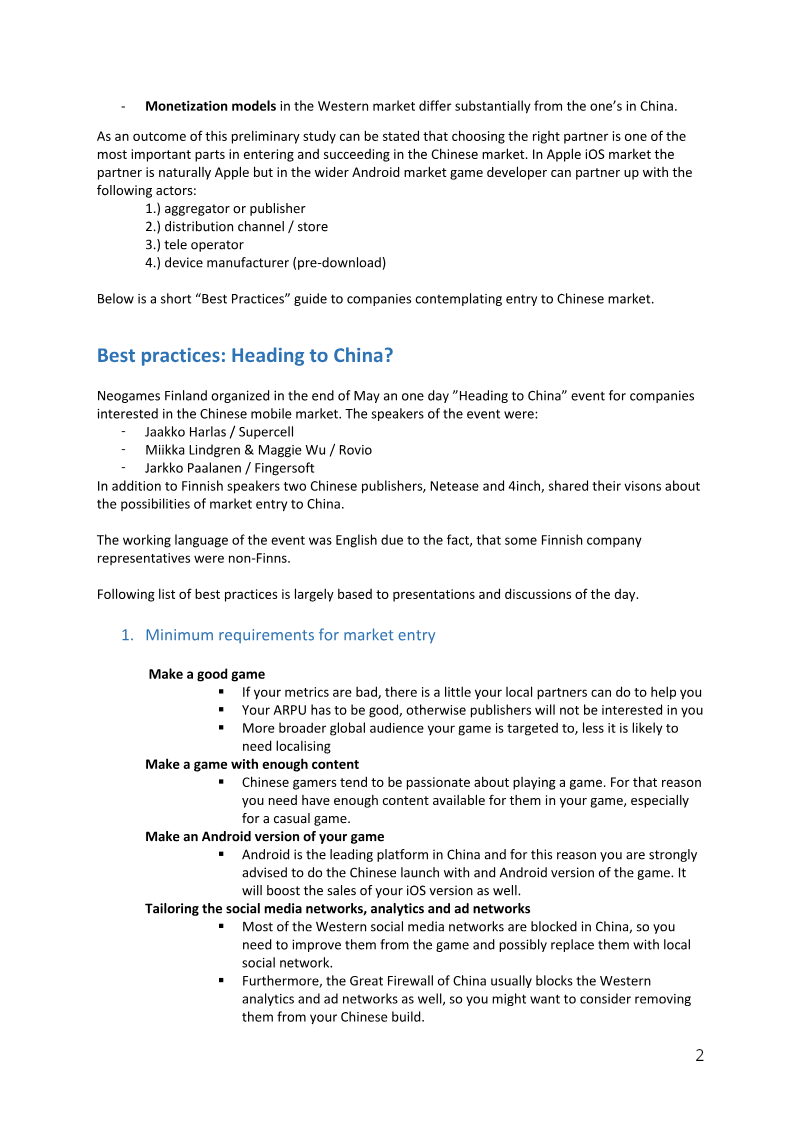
- The Chinese mobile game market is a high-priority target that has surpassed the U.S. in total downloads and is approaching parity in total revenue.
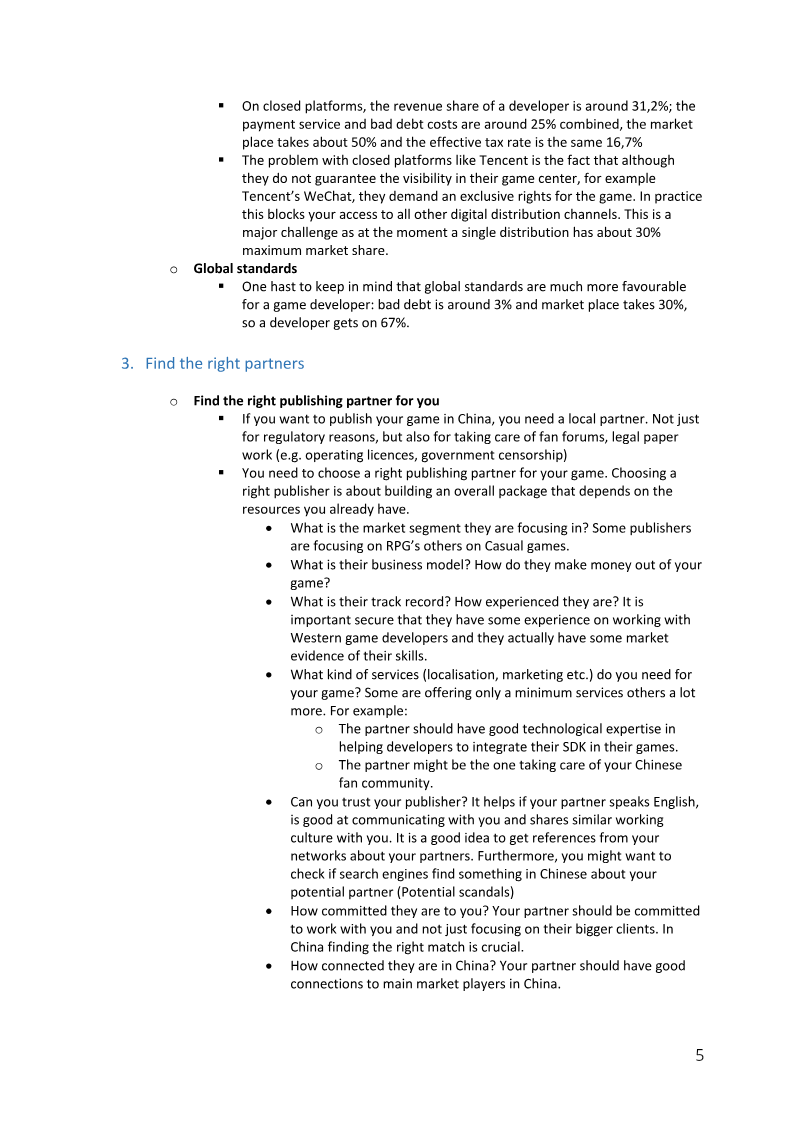
- Market entry requires a local partner to navigate strict government censorship, licensing requirements, and the technical integration of disparate software development kits.
- The Android ecosystem is highly fragmented, necessitating distribution across approximately 400 different channels rather than a centralized store model.