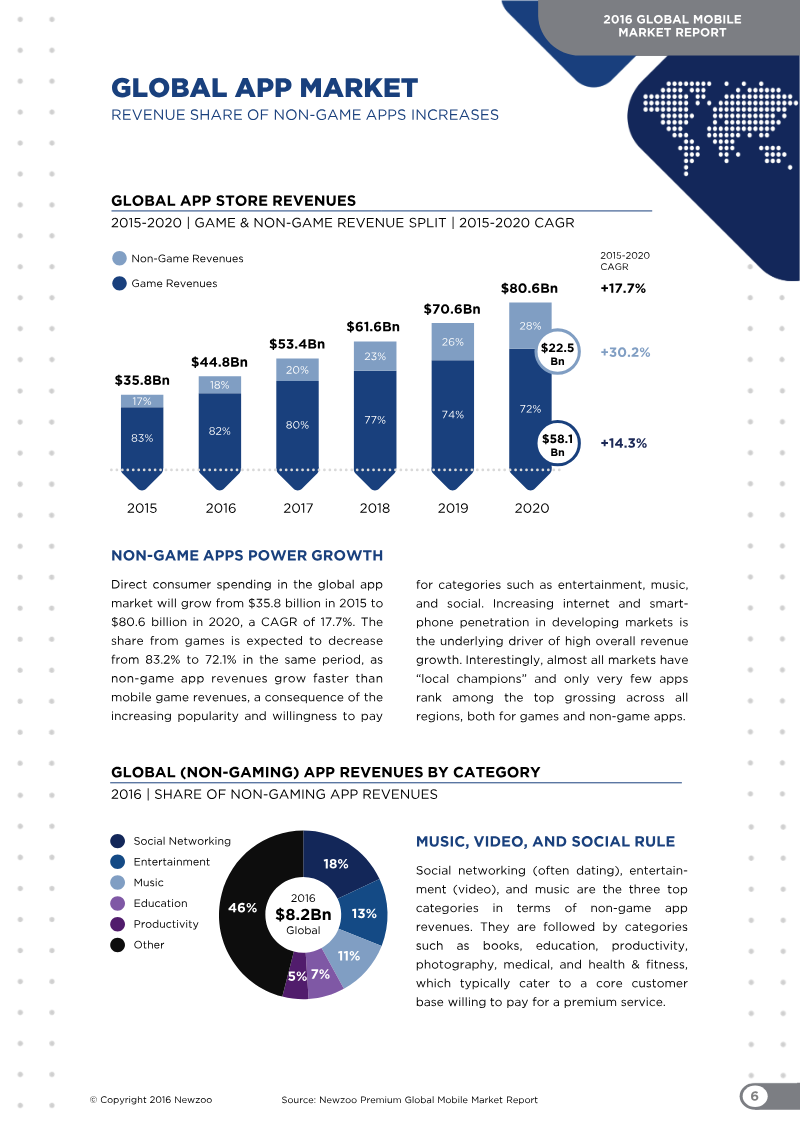
Consumer spending on mobile applications is set to nearly double from $44.8 billion in 2016.
Non-gaming categories such as entertainment, music, and social networking are experiencing faster growth rates.
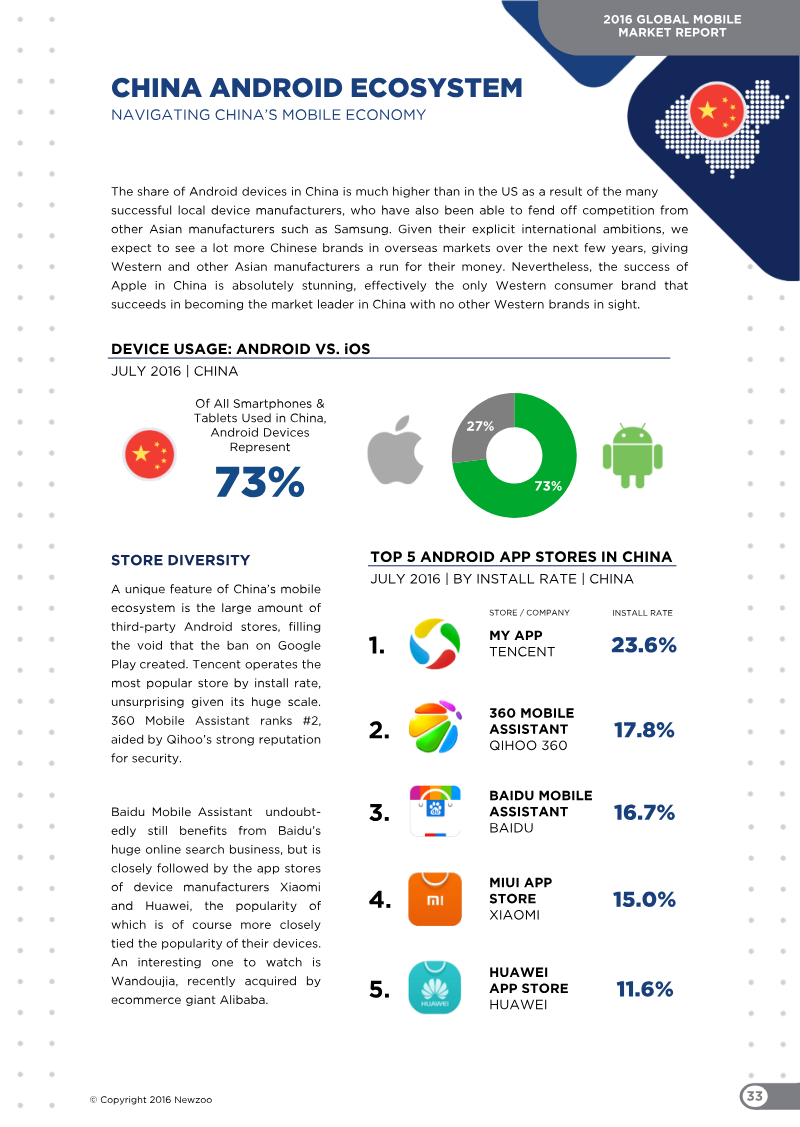
This market is characterized by a dominant Android presence and a reliance on third-party app stores.
India is also positioned to become the second-largest mobile market globally.
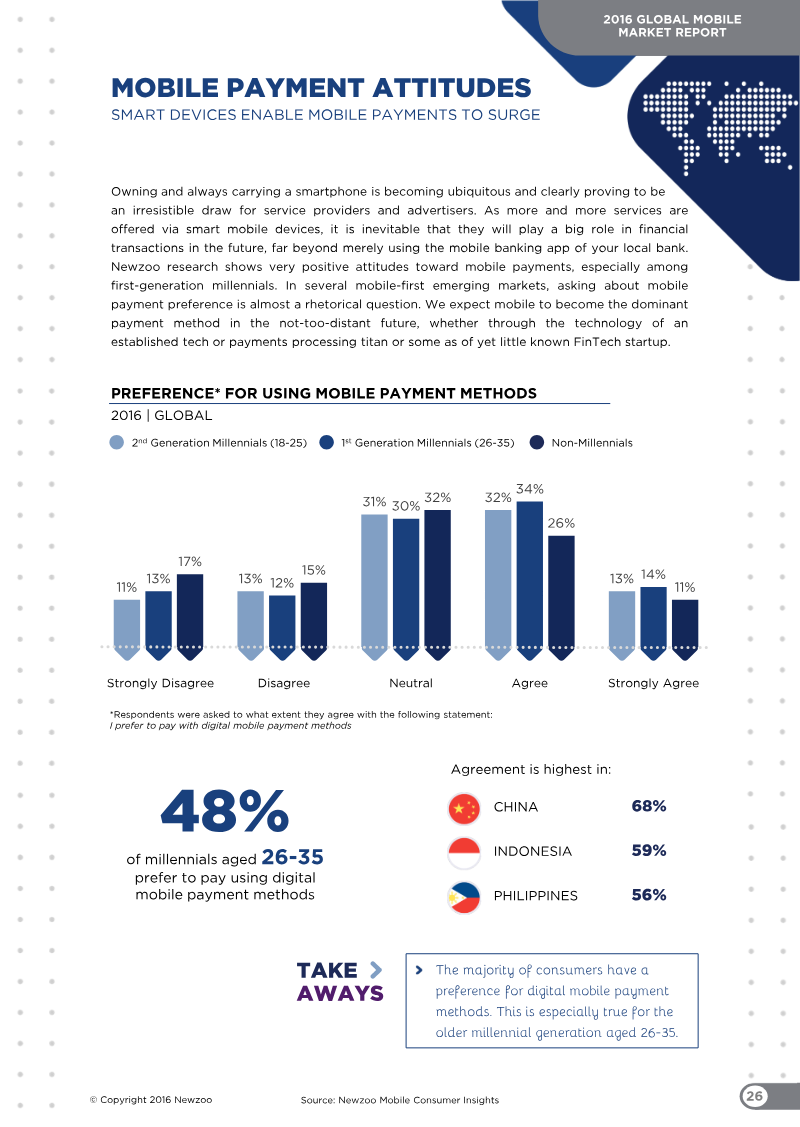
This adoption is fundamentally shifting monetization strategies across emerging markets.
Like a new currency gaining widespread acceptance, mobile payments are changing how transactions happen.
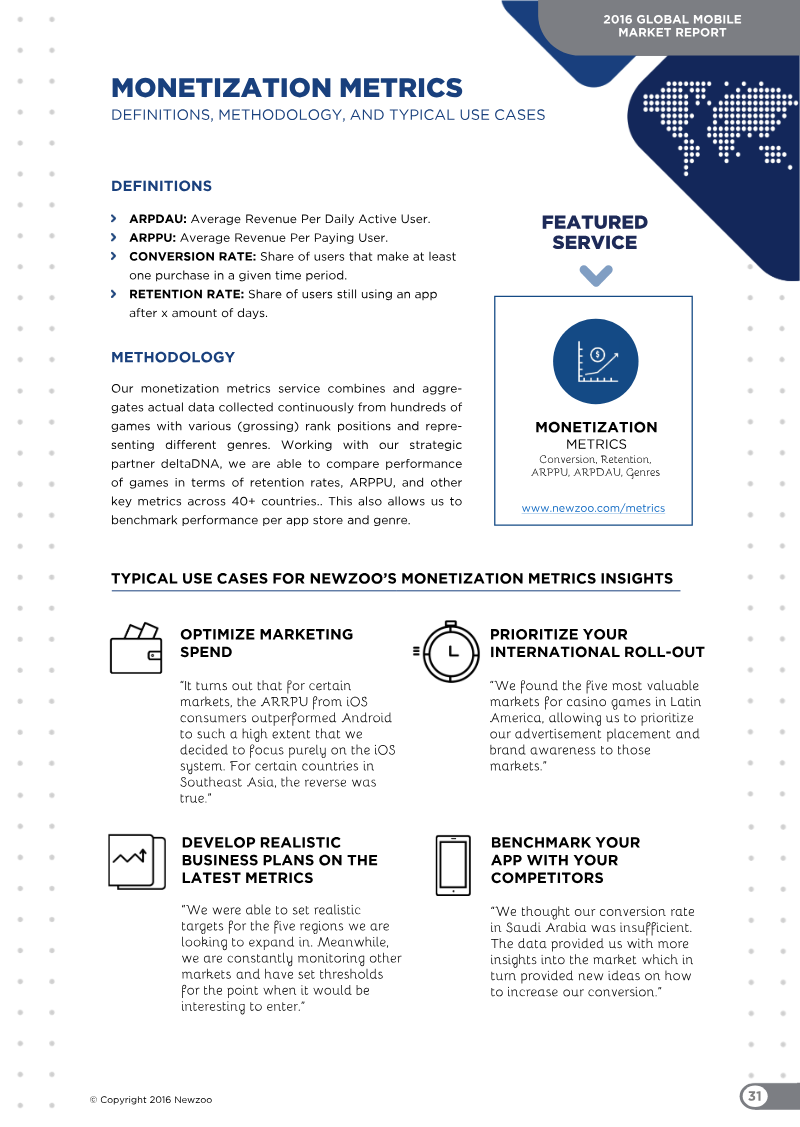
Metrics like retention and average revenue per daily active user vary significantly by region and platform. A nuanced approach to consumer insights is essential.
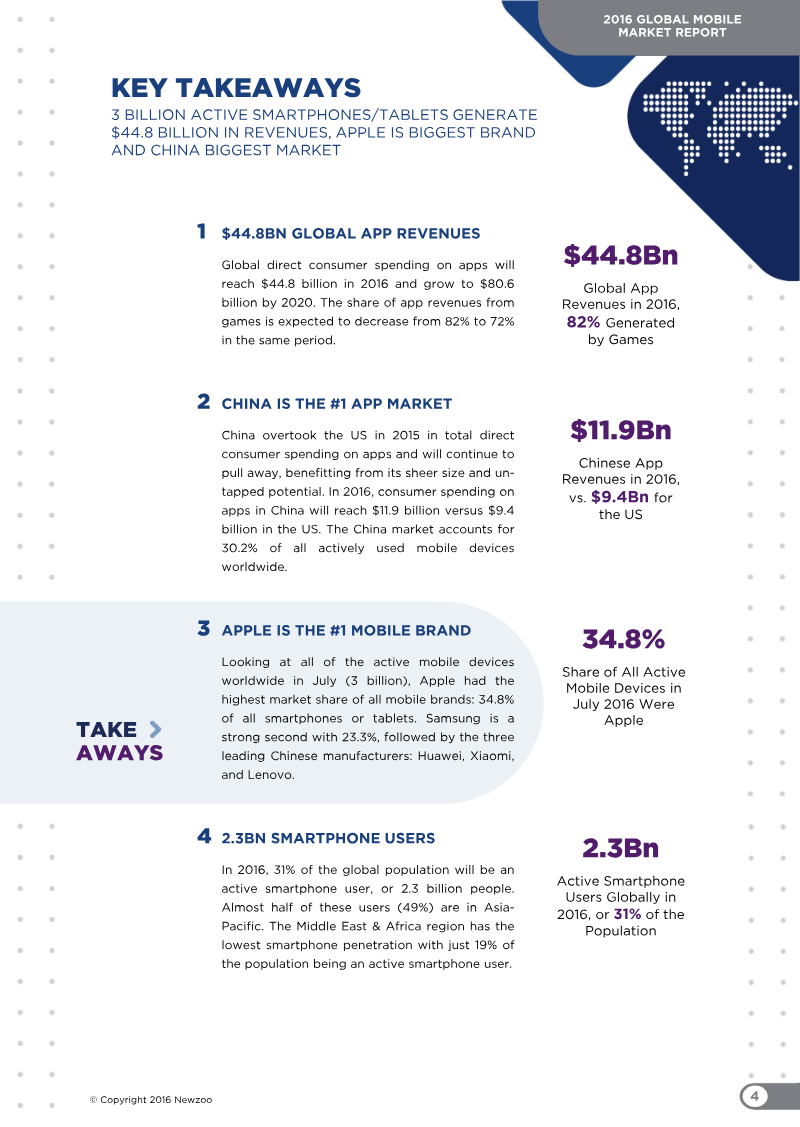
The global mobile market is undergoing a period of rapid expansion, with consumer spending on applications projected to nearly double from $44.8 billion in 2016 to $80.6 billion by 2020. While mobile gaming currently serves as the primary revenue driver, the industry is shifting toward a more diversified ecosystem where non-gaming categories such as entertainment, music, and social networking are experiencing faster growth rates. This evolution is supported by a global base of 3 billion active smartphones and tablets, with the Asia-Pacific region accounting for nearly half of the world’s 2.3 billion smartphone users.
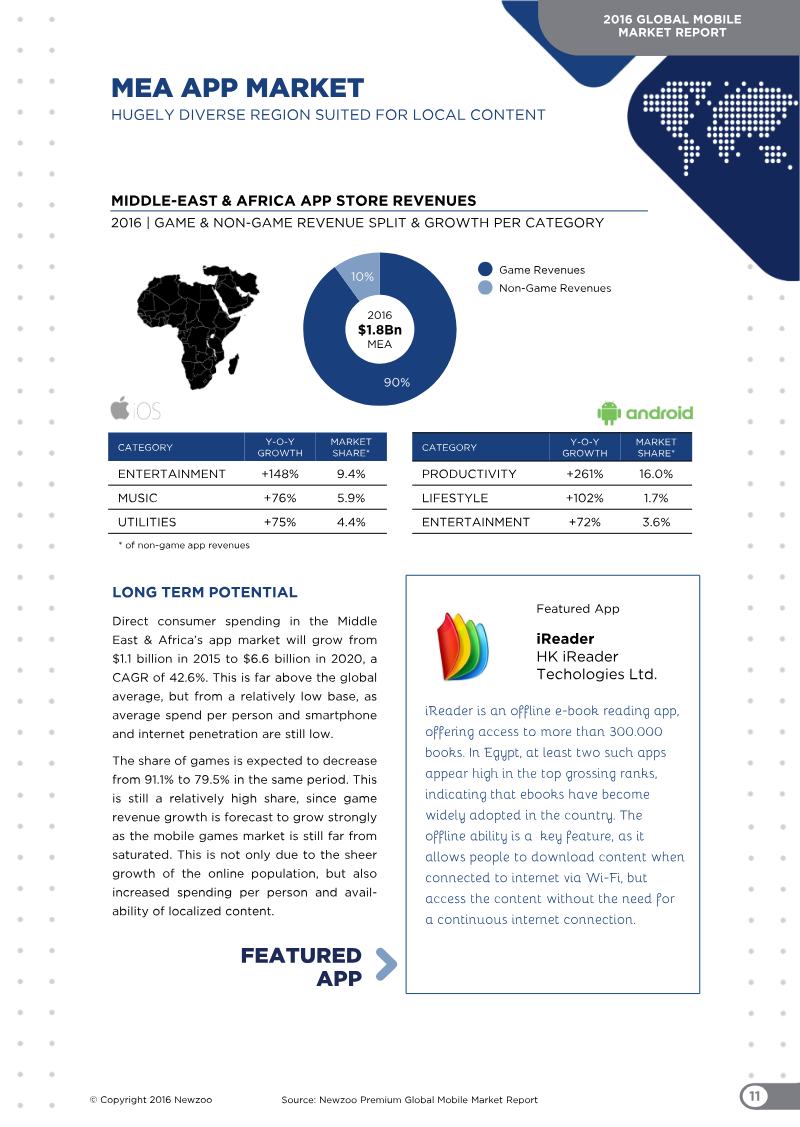
Geographically, China has solidified its position as the world’s largest app market, surpassing the United States in total revenue and maintaining a unique ecosystem defined by a dominant Android presence and reliance on third-party app stores. Meanwhile, emerging regions like the Middle East and Africa are poised for significant expansion, with a projected compound annual growth rate of 42.6% through 2020. India is also emerging as a critical growth engine, expected to become the second-largest mobile market globally. Across these regions, the widespread adoption of mobile payment systems among millennials is fundamentally altering monetization strategies.
Success in this competitive landscape requires granular, data-driven benchmarking. Metrics such as conversion, retention, and average revenue per daily active user vary significantly by region, genre, and platform, necessitating a nuanced approach to consumer insights. The 2016 market landscape was particularly influenced by the transformative success of titles like Pokémon GO, which demonstrated an unprecedented ability to capture both casual and hardcore audiences. As the market matures, the integration of proprietary analytics and strategic industry partnerships remains essential for navigating the complexities of global mobile device preferences and localized consumer behavior.