More from University of Southampton
View all
More on Game Design
View all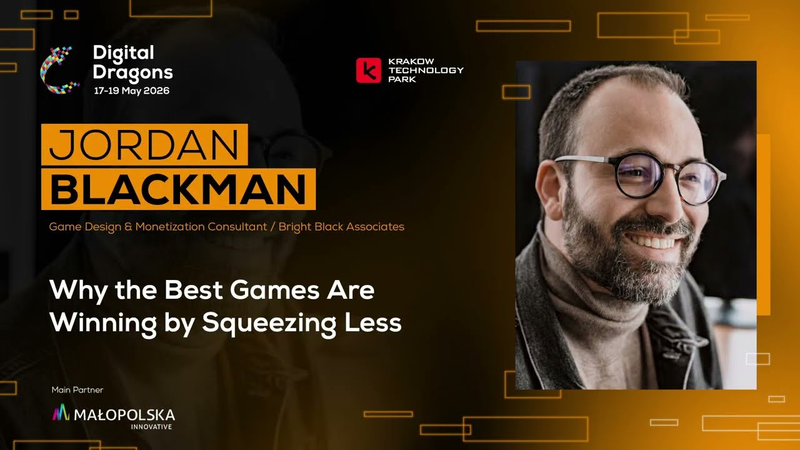
Digital Dragons
Mobile & F2P | Jordan Blackman | Why the Best Games Are Winning by Squeezing Less | DD 2026
Digital Dragons · 2026
Whitepaper
Gamified Physical Timers: Multiple Baseline Study of the Attention Support Apparatus
European Conference on Games Based Learning (ECGBL) · 2026
Whitepaper
Racing to Learn: A Formula 1-Inspired Gamification Framework that Sustains Motivation Through Repeated Competitive Cycles
European Conference on Games Based Learning (ECGBL) · 2026
Whitepaper
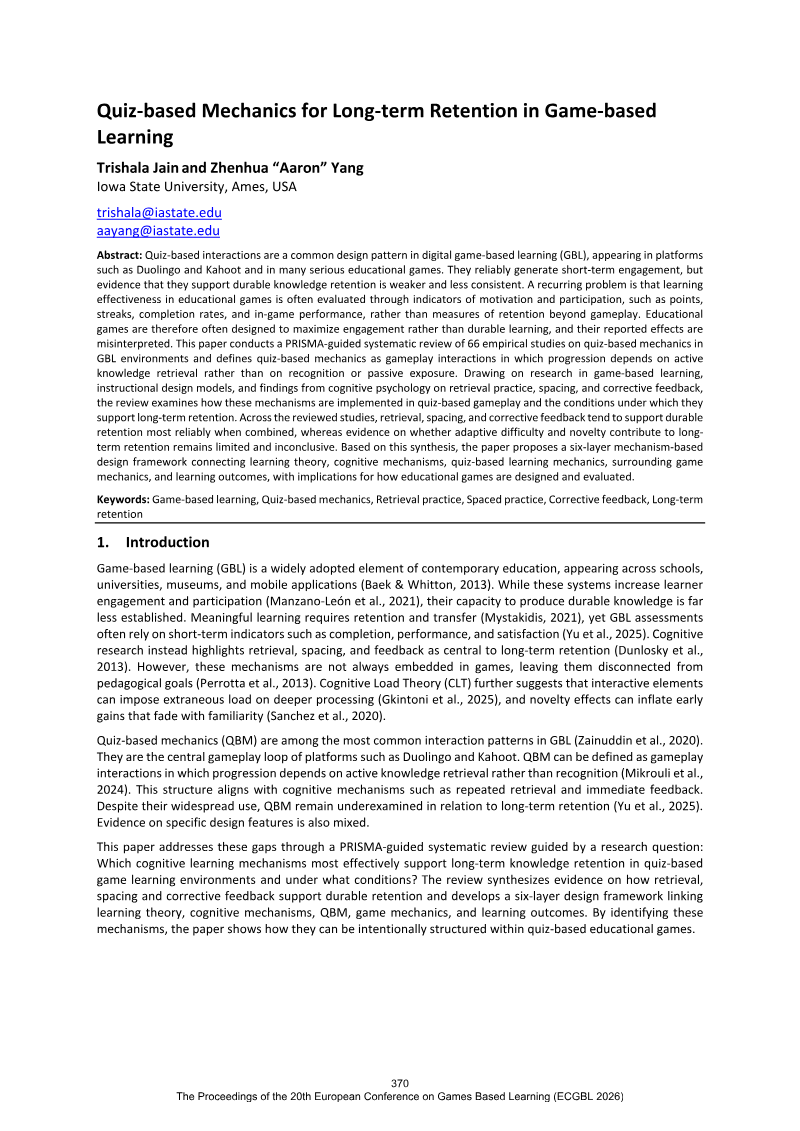
Quiz-Based Mechanics for Long-Term Retention in Game-Based Learning
European Conference on Games Based Learning (ECGBL) · 2026
Two & a Half Gamers
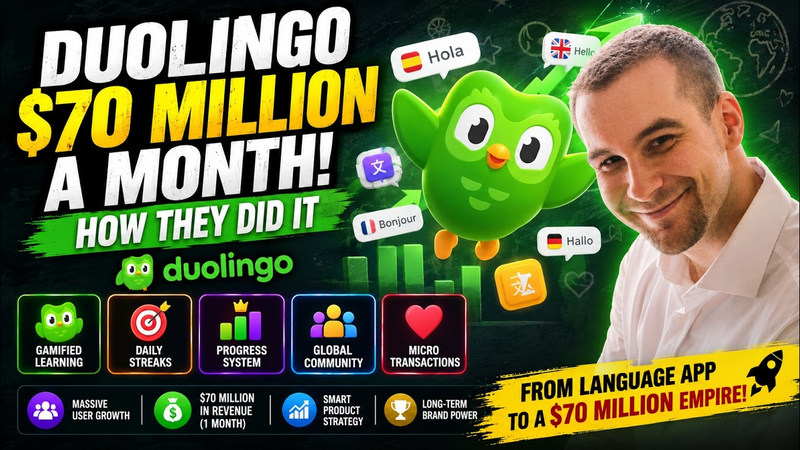
🦉Making $70 Mil. a month ? How Duolingo is plundering all the game mechanics 👀
Two & a Half Gamers · 2026
Whitepaper
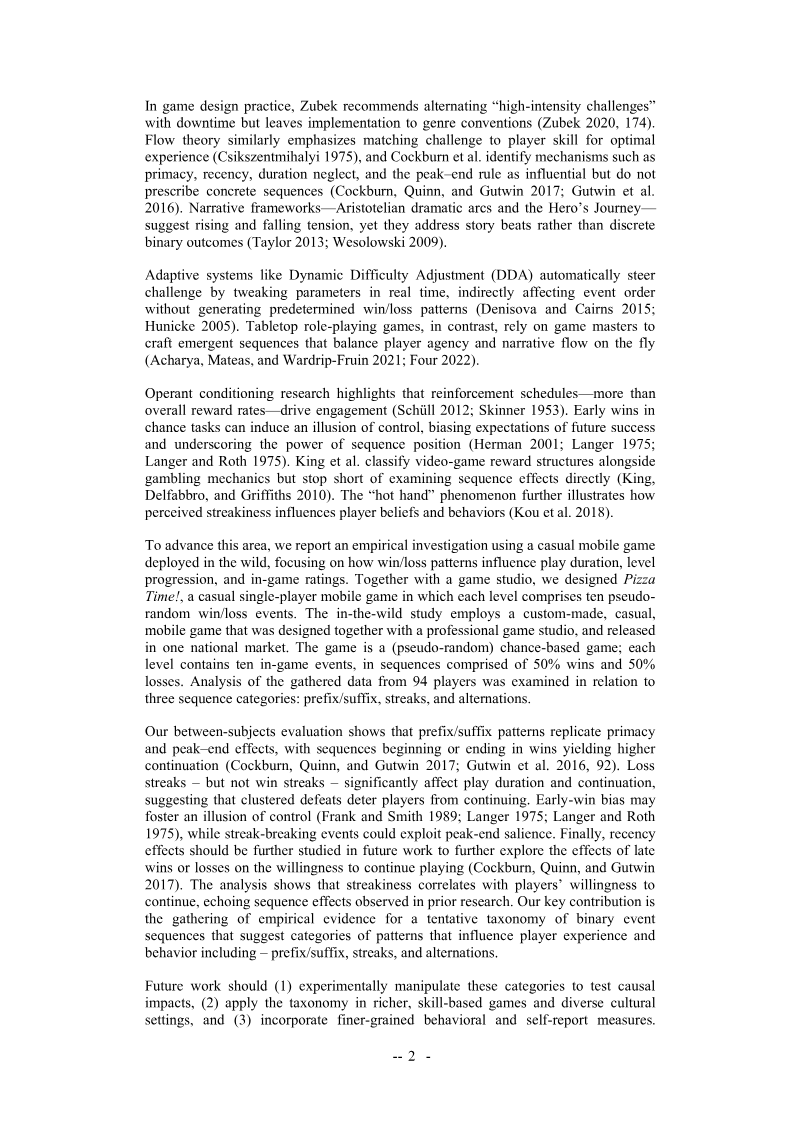
How Do Players Experience Win/Loss Patterns? An In-The-Wild Study of a Casual Mobile Game
DiGRA · 2026



Whitepaper
How Loot-Box Dark Patterns Cause Service Failure and Erode Player Trust in Games
DiGRA · 2026

Naavik
Inside Subway Surfers, Mobile Gaming's Most Enduring Hit
Naavik · 2026
Extra Credits
Designing Live Service Games | Design Club
Extra Credits · 2026



Whitepaper
Transformative Play for Building Resilience to Misinformation
International Journal of Role-Playing · 2026
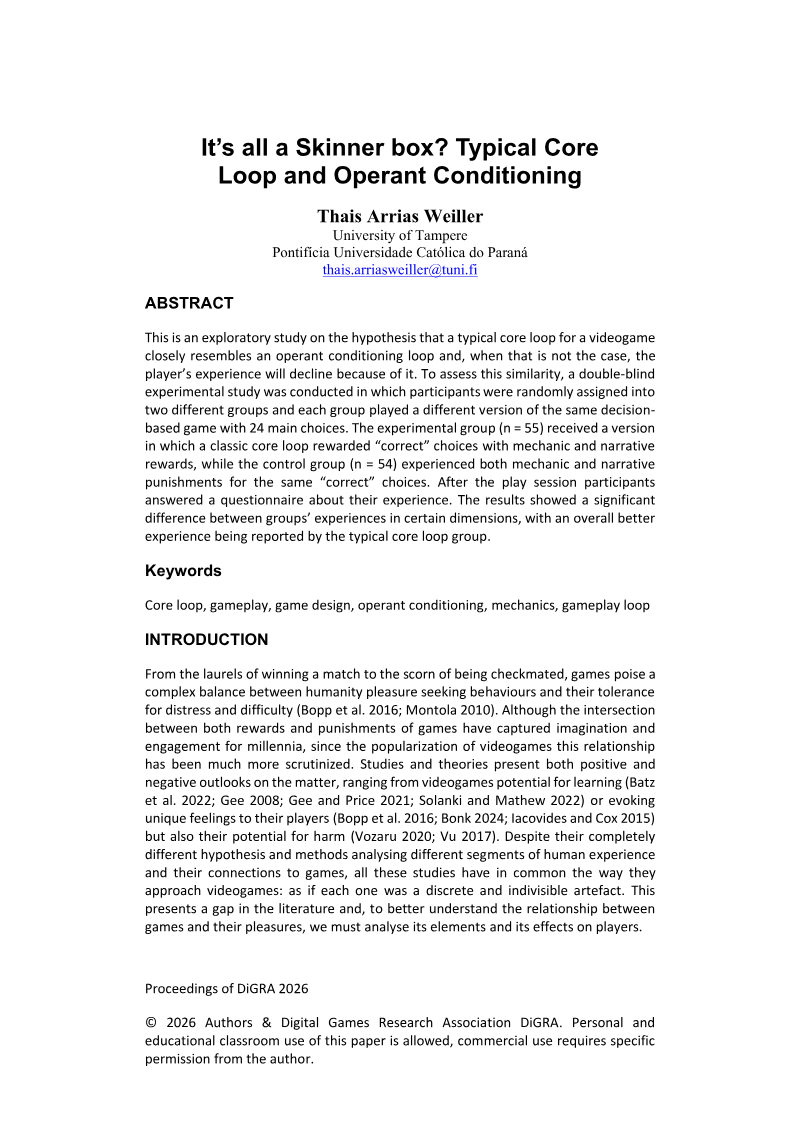
Whitepaper
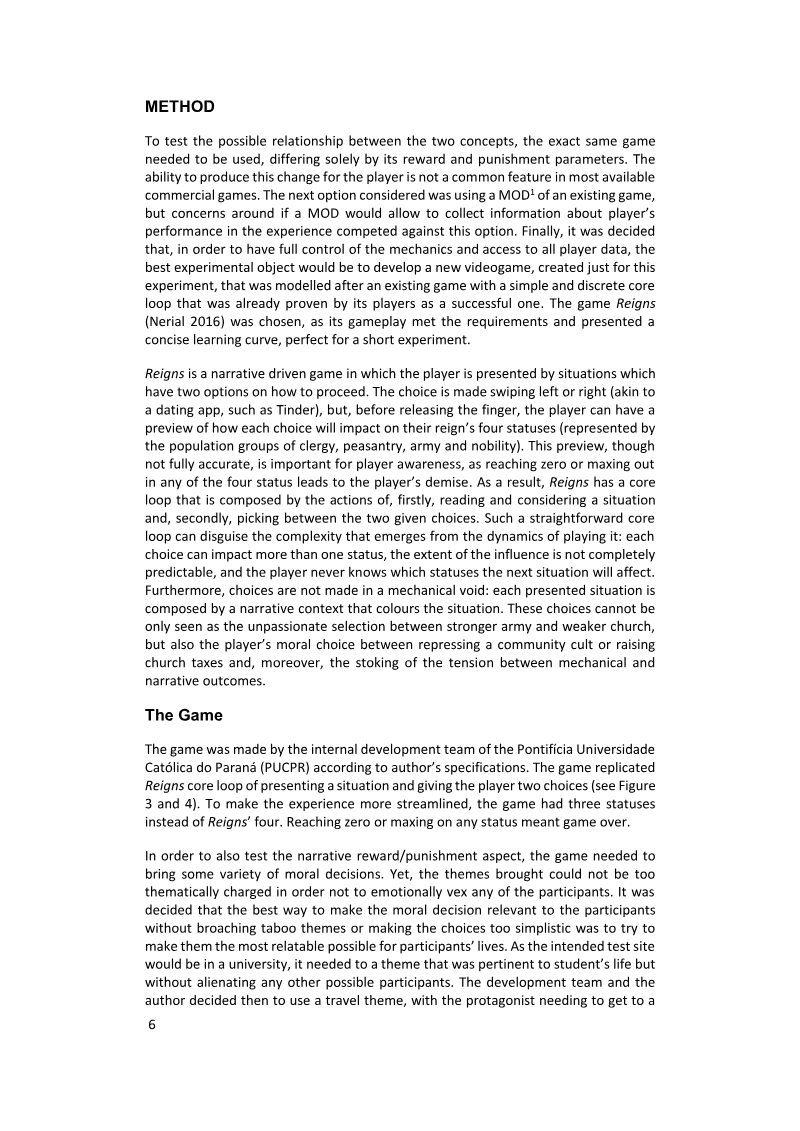
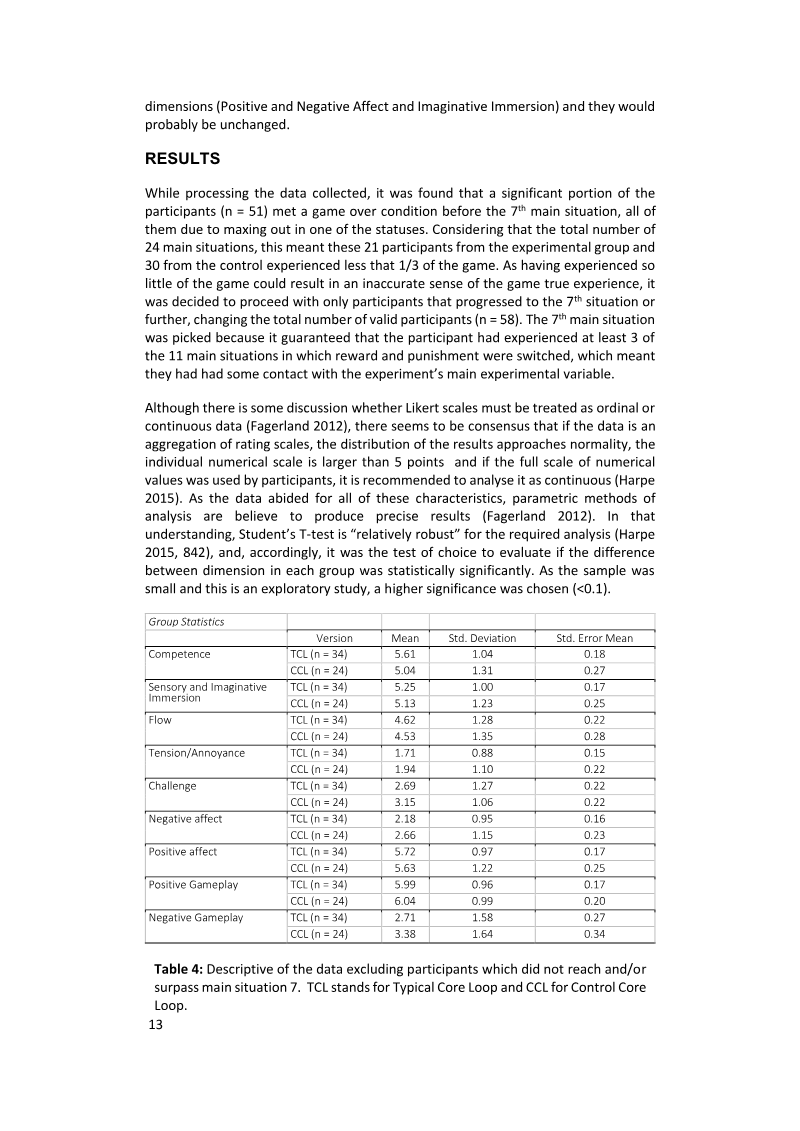
It's All a Skinner Box? Typical Core Loop and Operant Conditioning
DiGRA · 2026
Whitepaper
Playing with the Past: The Pleasures of Nostalgic Design with Playdate
DiGRA · 2026