Game Studies reports and market data
Documents
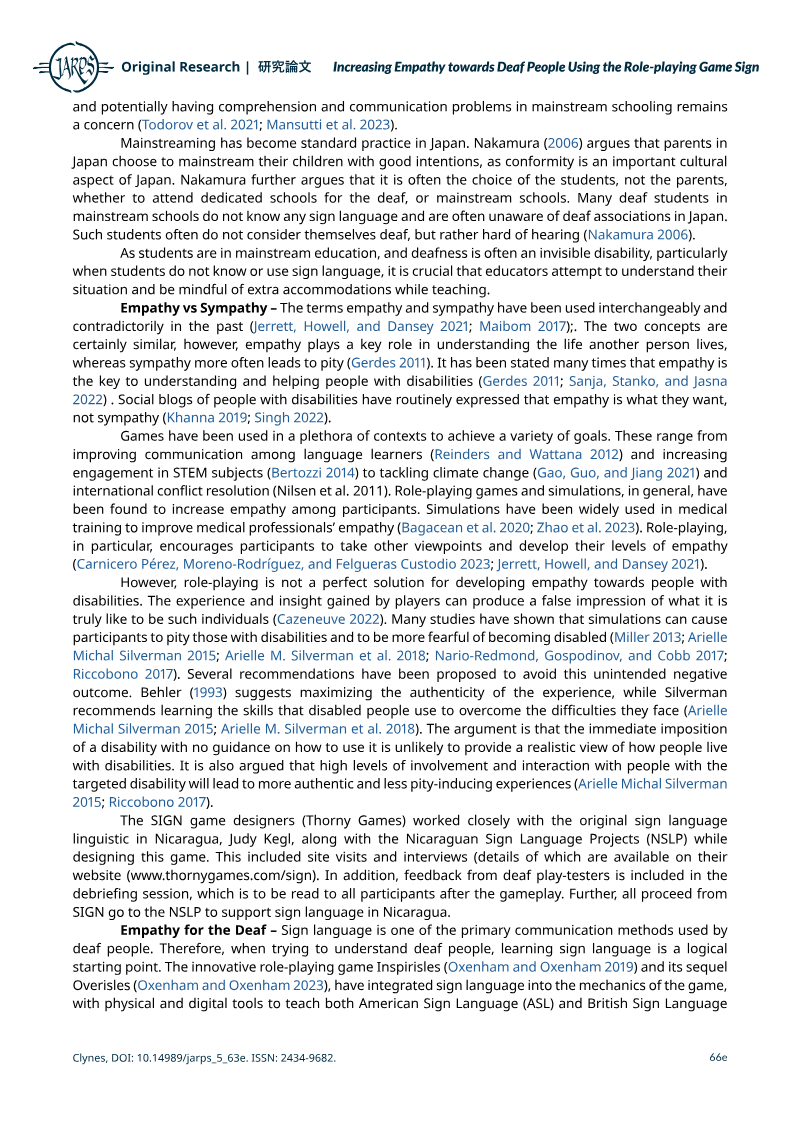
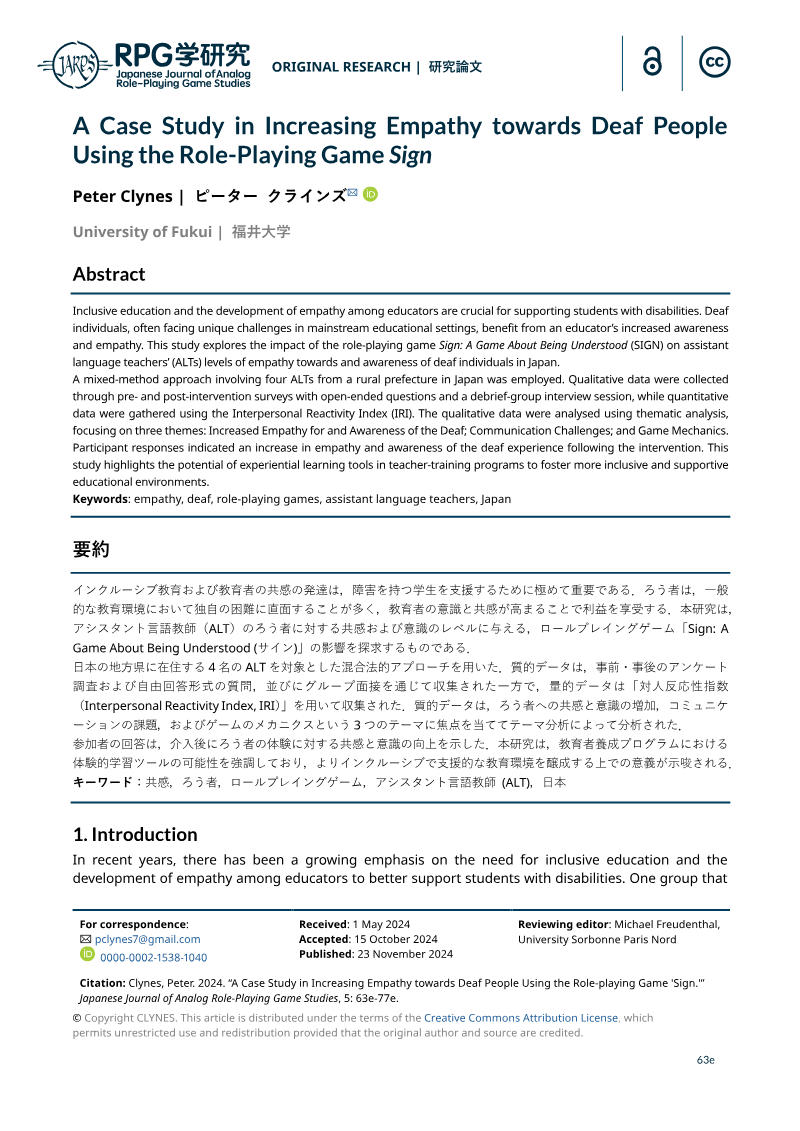
A Case Study in Increasing Empathy towards Deaf People Using the Role-Playing Game Sign: Japan
The role-playing game Sign serves as a potent pedagogical tool for fostering empathy and awareness toward the deaf experience among educators.
- The role-playing game Sign functions as an effective pedagogical tool for educators in Japan to build empathy and navigate the challenges of a hearing-centric environment.
- Gameplay shifts educator mindsets from feelings of pity or fear toward a more nuanced appreciation for visual communication and interaction mechanics.
- Structured debriefing sessions are essential to the efficacy of the game, as they allow participants to process the complexities of the simulated experience.
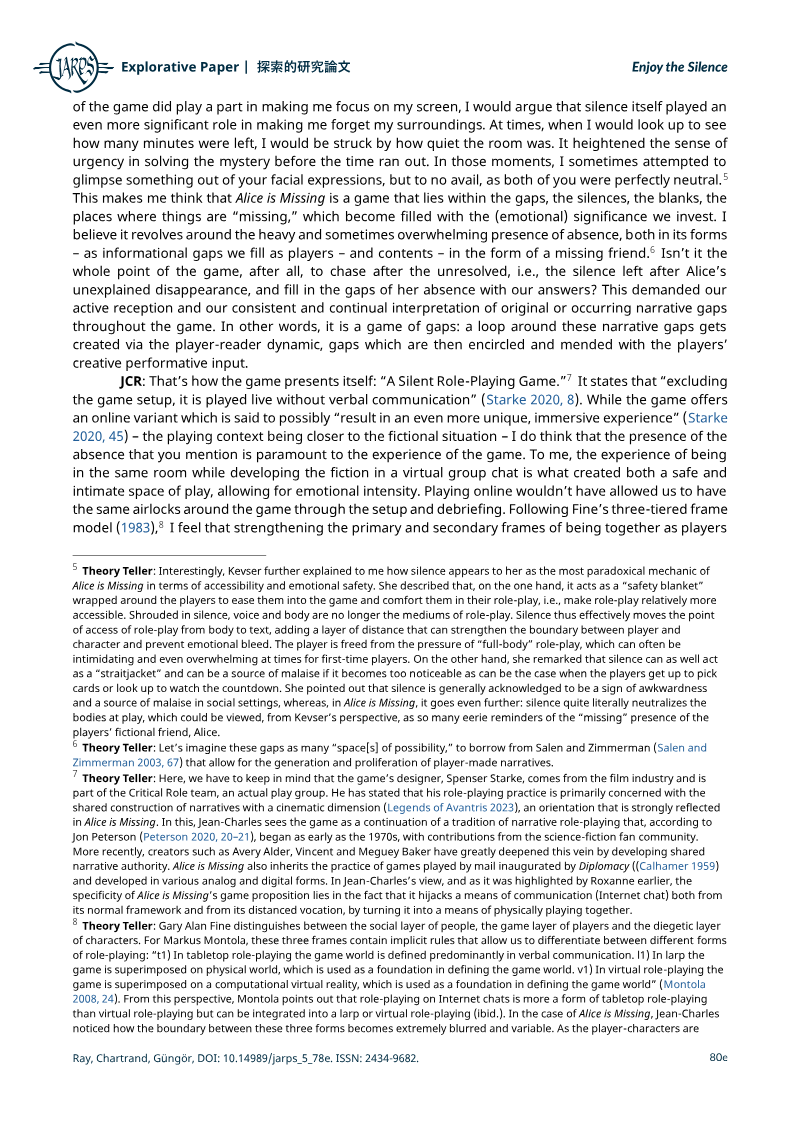
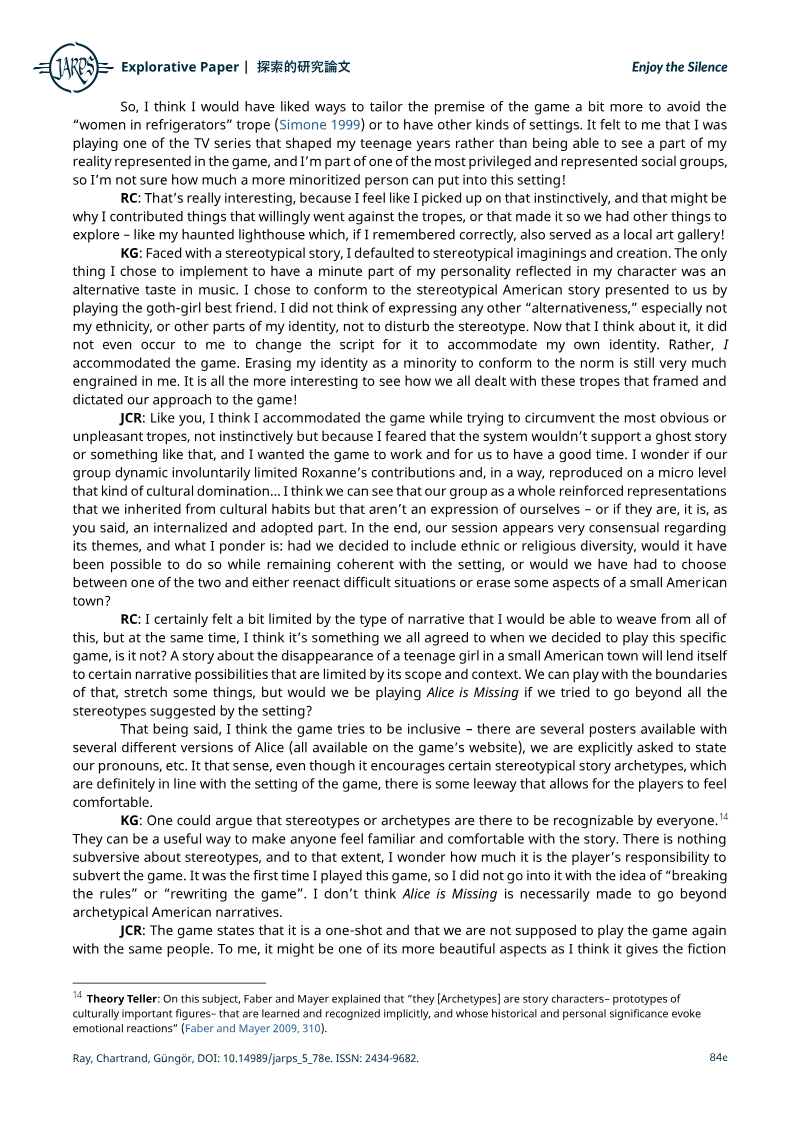
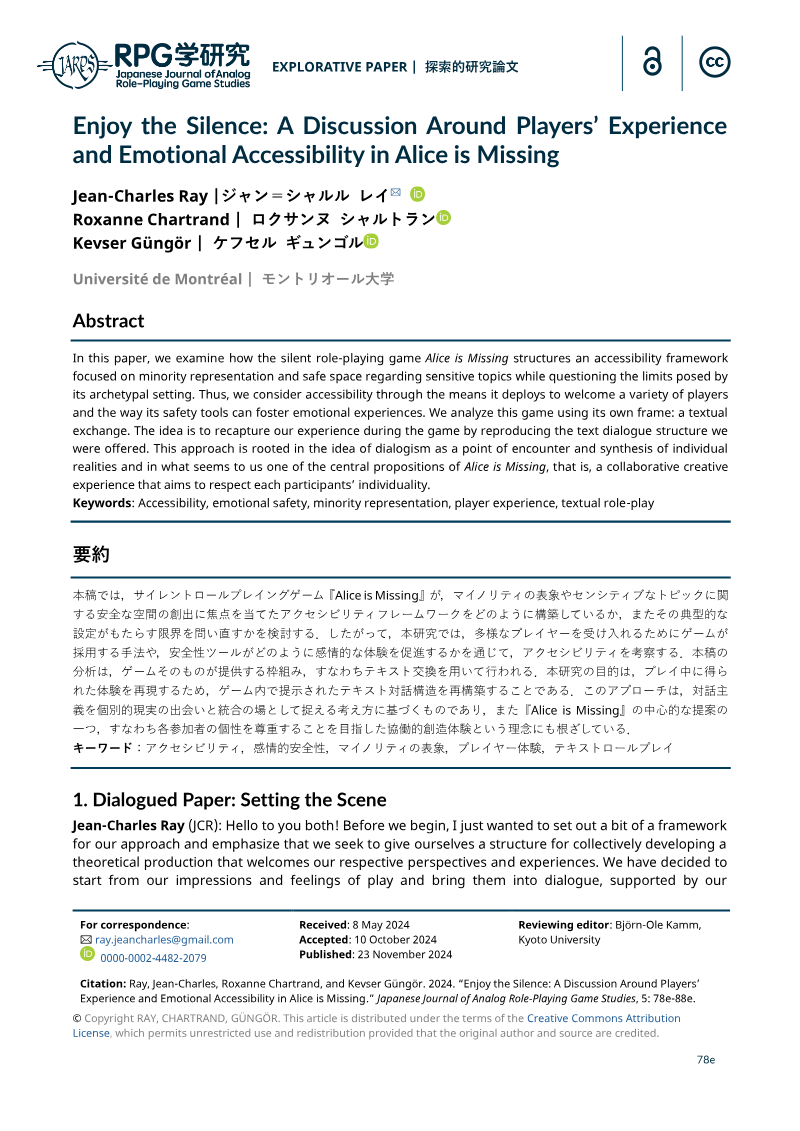
Enjoy the Silence: A Discussion Around Players' Experience and Emotional Accessibility in Alice is Missing
Alice is Missing redefines the tabletop role-playing experience by replacing traditional verbal interaction with silent, text-based communication.
- Replacing verbal interaction with text-based communication functions as both a narrative tool to heighten tension and a psychological safety mechanism that lowers the barrier to entry for diverse players.
- The reliance on established narrative archetypes and card-based mechanics enables rapid player engagement but risks reinforcing culturally hegemonic norms that may limit the exploration of diverse identities.
- The game’s design creates a 'fruitful void' where the absence of spoken dialogue forces participants to co-create meaning through interpersonal performance and narrative gaps.
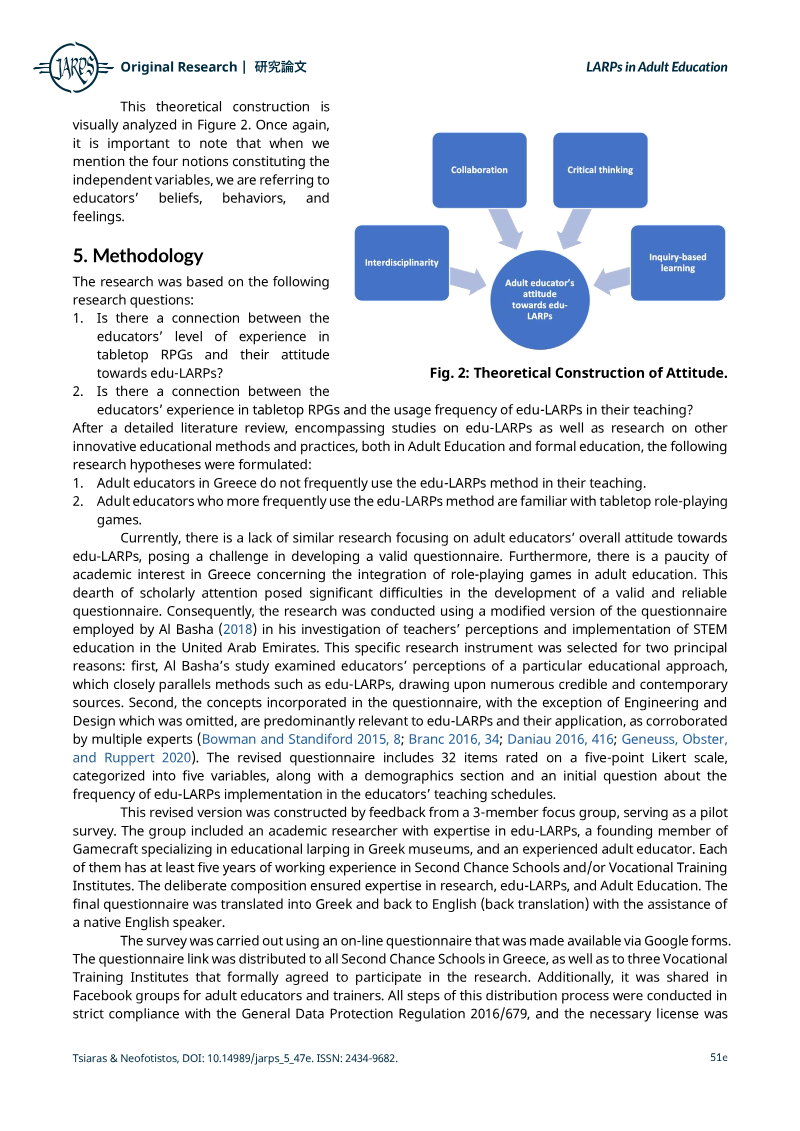
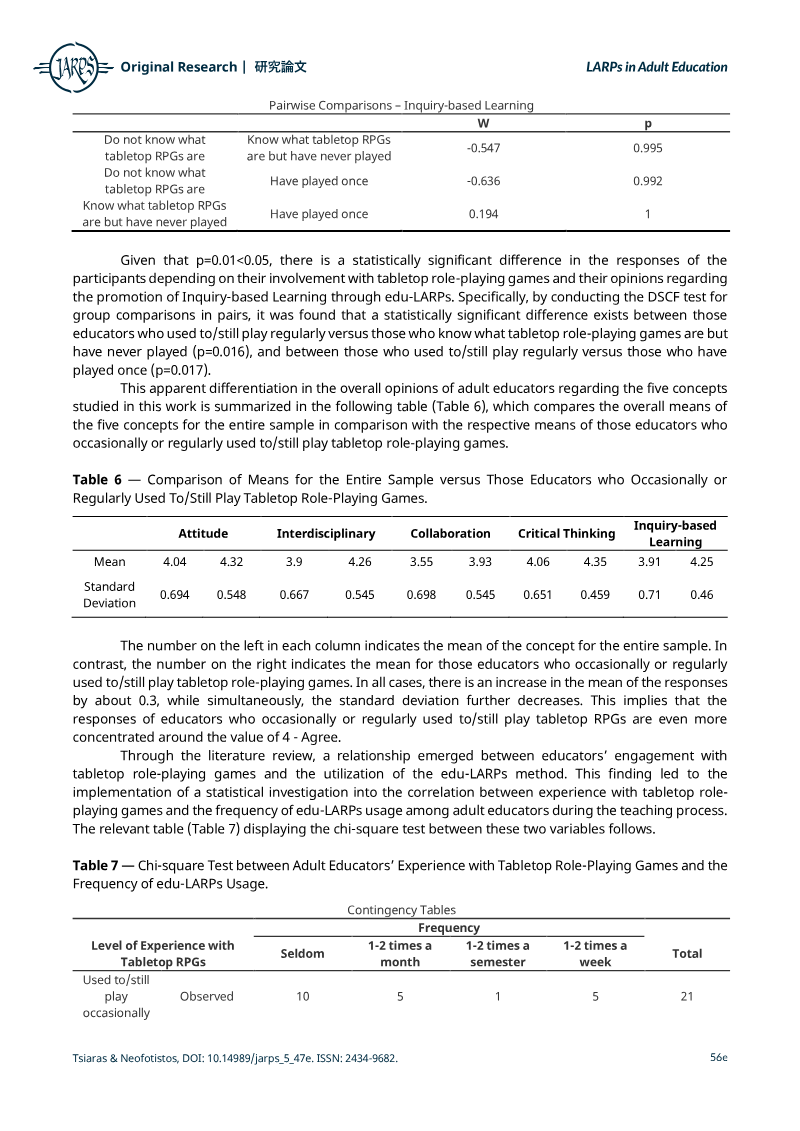
The Influence of Educators' Tabletop Role-Playing Games Familiarity on the Implementation of LARPs in Adult Education: Greece
Tabletop role-playing games serve as a foundational predictor for the adoption of educational live-action role-playing games within the Greek adult education sector.
- Prior experience with tabletop role-playing games is a primary predictor for the adoption of live-action role-playing (LARP) methodologies in Greek adult education.
- A survey of 113 Greek adult educators confirms a statistically significant correlation between analog gaming familiarity and the frequent implementation of experiential learning techniques.
- Educators with tabletop gaming backgrounds exhibit a more favorable perception of game-based learning and possess the confidence required to facilitate complex, inquiry-based live-action simulations.
Possibility of Utilizing TRPG in After-School Daycare Services: An Interview Study of Staff
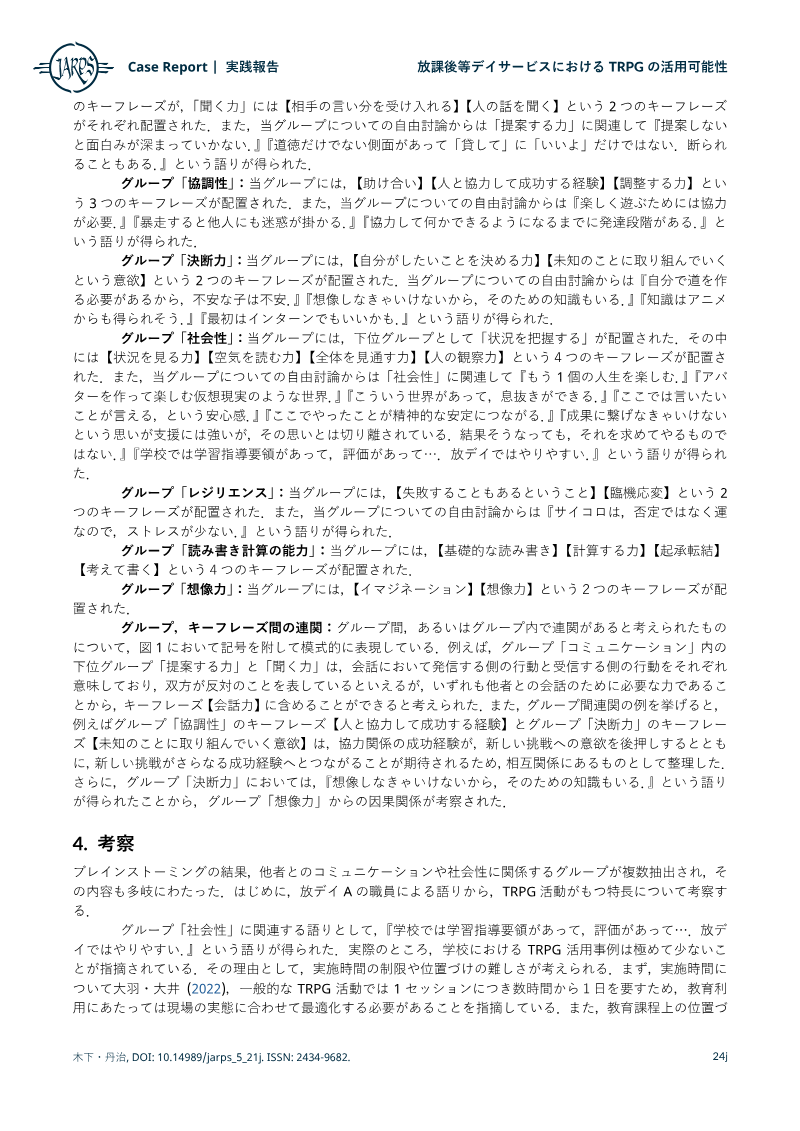
This study examines the potential of table-talk role-playing games (TRPGs) as a therapeutic and educational tool within Japanese after-school daycare services (ADS) for children with developmental disabilities.
- TRPGs serve as an effective therapeutic and educational framework for developing communication, cooperation, decision-making, social skills, resilience, academic basics, and imagination in children with developmental disabilities.
- Staff at after-school daycare services report that TRPGs provide a safe, virtual environment where children can practice social roles, manage stress, and exercise personal agency.
- The study identified seven core developmental benefits of TRPG integration: communication, cooperation, decision-making, social skills, resilience, literacy/numeracy, and imagination.
Deprogramming Indiana Jones: Anti-Colonialist DMing with Kids
Traditional tabletop role-playing games frequently perpetuate colonialist ideologies by relying on problematic tropes, such as the inherent villainy of specific races and the glorification of treasure-seeking violence.
- Dungeon Masters can mitigate colonialist tropes in tabletop RPGs by shifting from conquest-based gameplay to collaborative, morally complex storytelling.
- Educators should replace traditional hack-and-slash mechanics with non-violent problem-solving to encourage critical thinking and empathy in young players.
- The integration of safety tools like the X-card and established behavioral norms is essential for creating inclusive gaming environments.
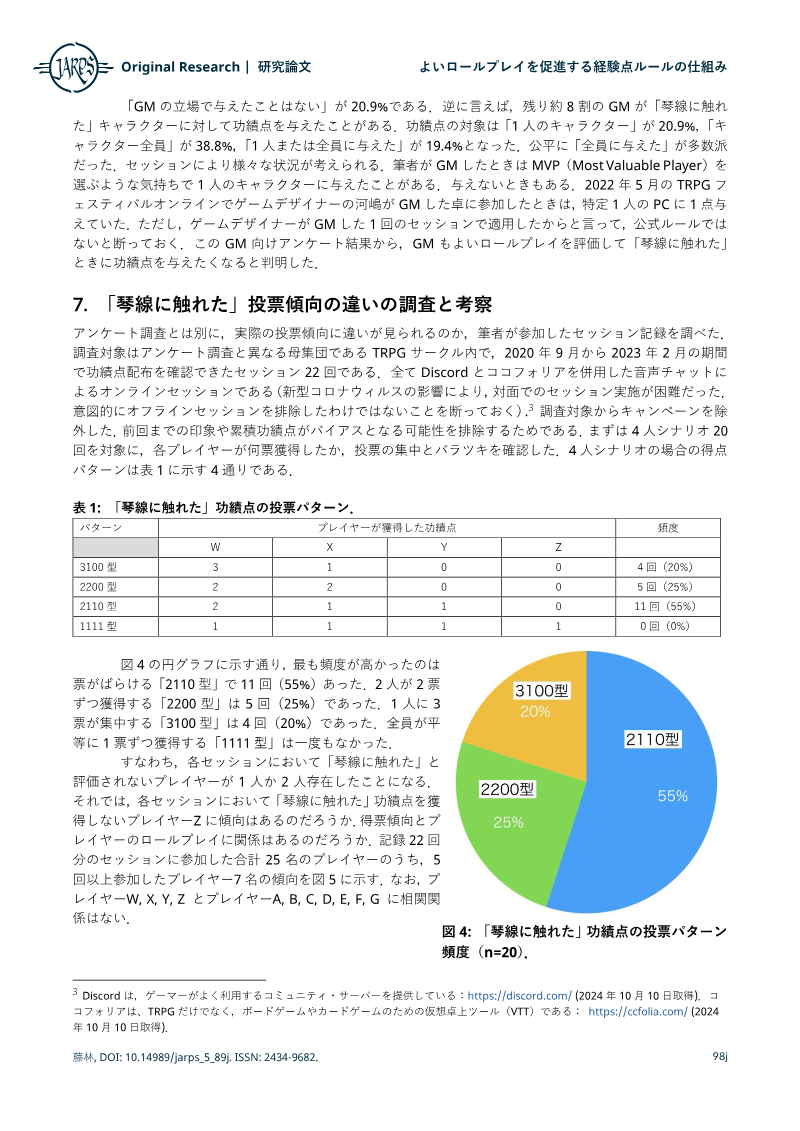
Mechanisms of Experience Point Rules to Promote Good Roleplay: A Study of 'Touched by the Heartstrings' in Shinobigami
This study examines the role of experience point mechanics in promoting positive roleplay within Japanese Table-talk Role-Playing Games (TRPGs), with a primary focus on the "Touched the Heartstrings" (Kinsen ni fureta) mechanic in the ninja battle RPG Shinobigami.
- The 'Touched the Heartstrings' mechanic in Shinobigami incentivizes high-quality roleplay by allowing players to award experience points to peers based on subjective emotional impact, regardless of whether character mission objectives are met.
- Peer-to-peer recognition systems like 'Touched the Heartstrings' function as essential retention tools that validate dramatic contributions and foster community engagement within TRPG systems.
- Analysis of 20 specific game sessions and survey data from 162 respondents confirms that emotional and dramatic engagement is a primary driver for player motivation in systems where victory conditions are ambiguous.
Can Mobile Games Be an Option for Teaching Algebra?
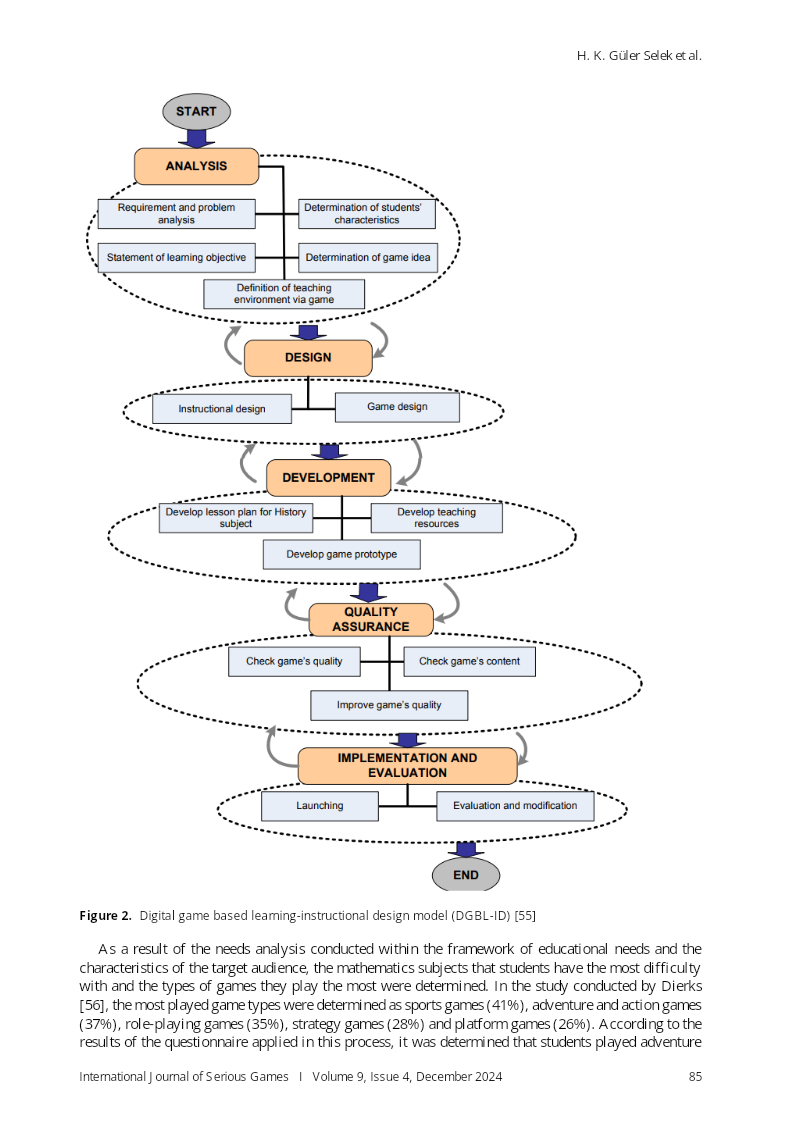
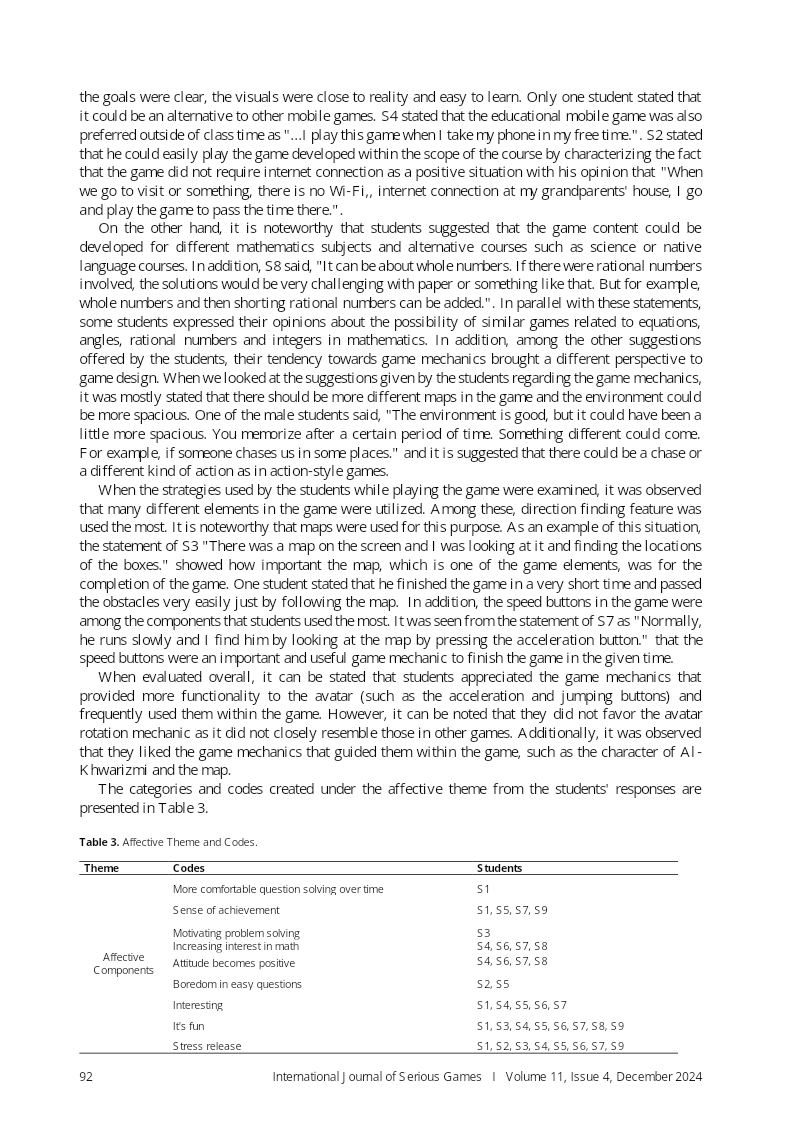
Mobile game-based learning serves as a viable pedagogical tool for teaching algebra to seventh-grade students, particularly those who struggle with traditional mathematics instruction but possess high digital gaming proficiency.
- Mobile games effectively increase student motivation and mental processing speeds in seventh-grade algebra, particularly for students who struggle with traditional instruction.
- While mobile platforms improve student attitudes toward mathematics, they do not inherently teach formal mathematical reasoning or replace the need for explicit instruction.
- Research indicates that students using mobile algebra games often rely on trial-and-error strategies rather than developing new cognitive approaches to problem-solving.
Analysis of the Impact of Serious Games on the Development of Writing Skills in Intermediate-Level Students Learning French as a Foreign Language
Serious games serve as a potent pedagogical intervention for improving written proficiency in foreign language acquisition.
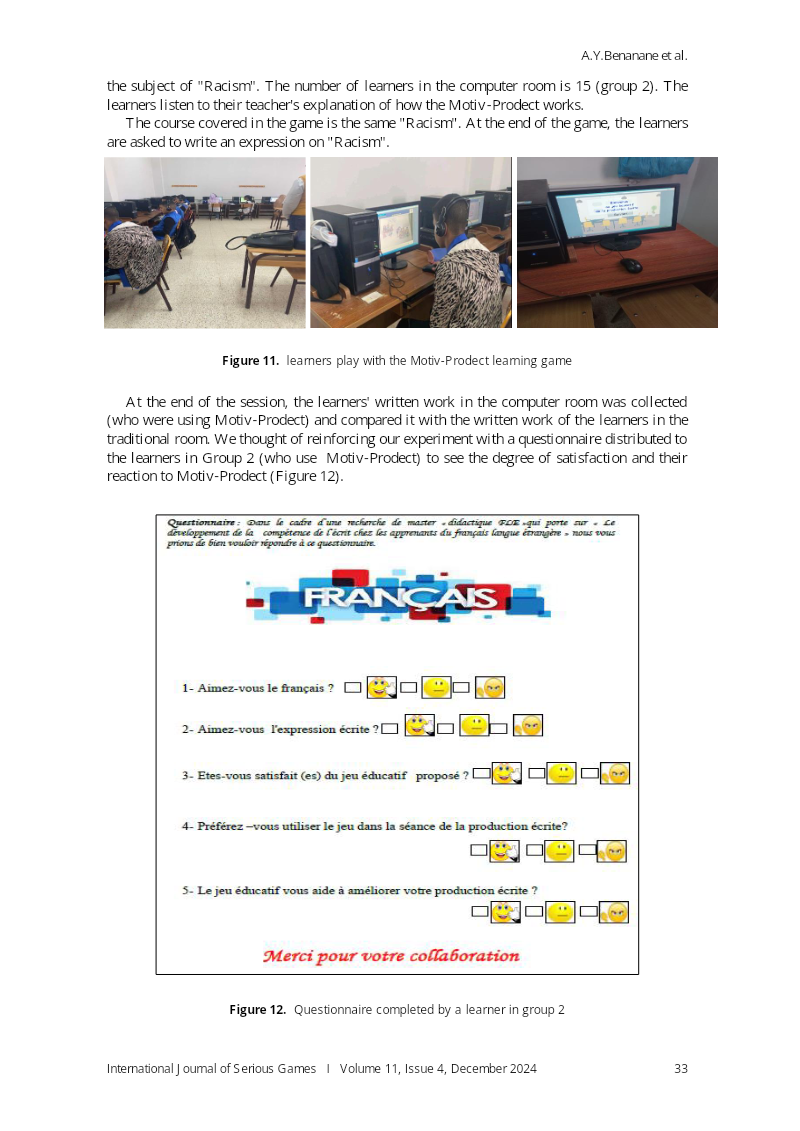
- Students using the Motiv-Prodect gamified platform consistently outperformed peers in traditional classrooms, achieving higher quiz scores and demonstrating superior textual coherence and situational appropriateness in written French.
- Gamified learning environments effectively reduce student anxiety related to writing tasks while fostering the intrinsic motivation required for autonomous skill development.
- A study of 35 Algerian middle school students confirms that integrating game mechanics directly correlates with enhanced critical thinking and linguistic output.
Serious Games in Science and Mathematics Education: A Scoping Umbrella Review
Serious games serve as a significant pedagogical tool for enhancing science and mathematics education, primarily by fostering student motivation, engagement, and cognitive development.
- Serious games significantly enhance science and mathematics education by boosting student motivation, engagement, and academic self-confidence, based on a synthesis of 16 systematic reviews and 535 primary studies.
- The effectiveness of serious games is highly variable, as poor design or implementation can trigger negative outcomes such as student anxiety, demotivation, and feelings of failure.
- Successful integration requires high teacher proficiency and game literacy to ensure educational objectives remain the priority over the gaming experience.
Infrastructure of Agency: An Anti-essentialist and Post-humanist Framework for Video Game Agency
Video game agency functions as a distributed, post-human phenomenon rather than a static property inherent to software mechanics or individual human intention.
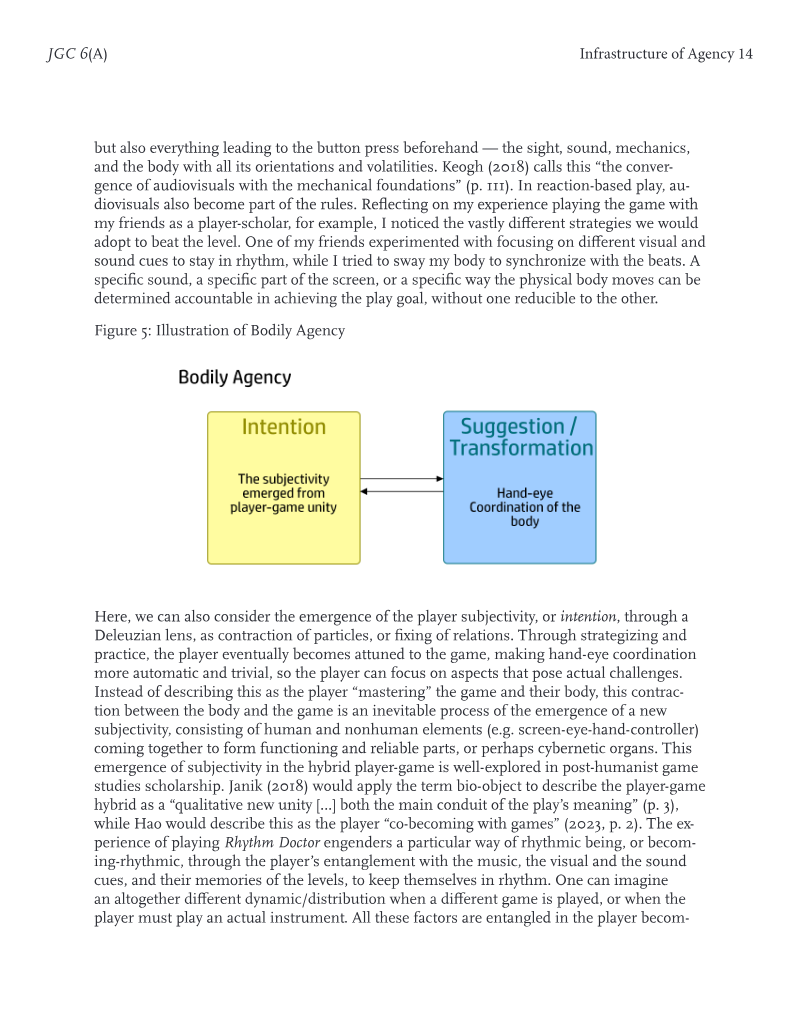
- Video game agency is not a fixed mechanical property, but a distributed phenomenon emerging from the entanglement of human players, hardware, code, and social discourse.
- Games function as infrastructure that directs rather than dictates action, meaning agency is a fluid, contingent process negotiated during play.
- The boundaries between player and game are perpetually destabilized, as human and non-human actors continuously transform one another through interaction.
Sitting in the Gamemaster's Chair
The role of the Gamemaster extends well beyond traditional tabletop role-playing games, serving as a vital pedagogical tool for facilitating board and card game engagement within university-level language learning environments.
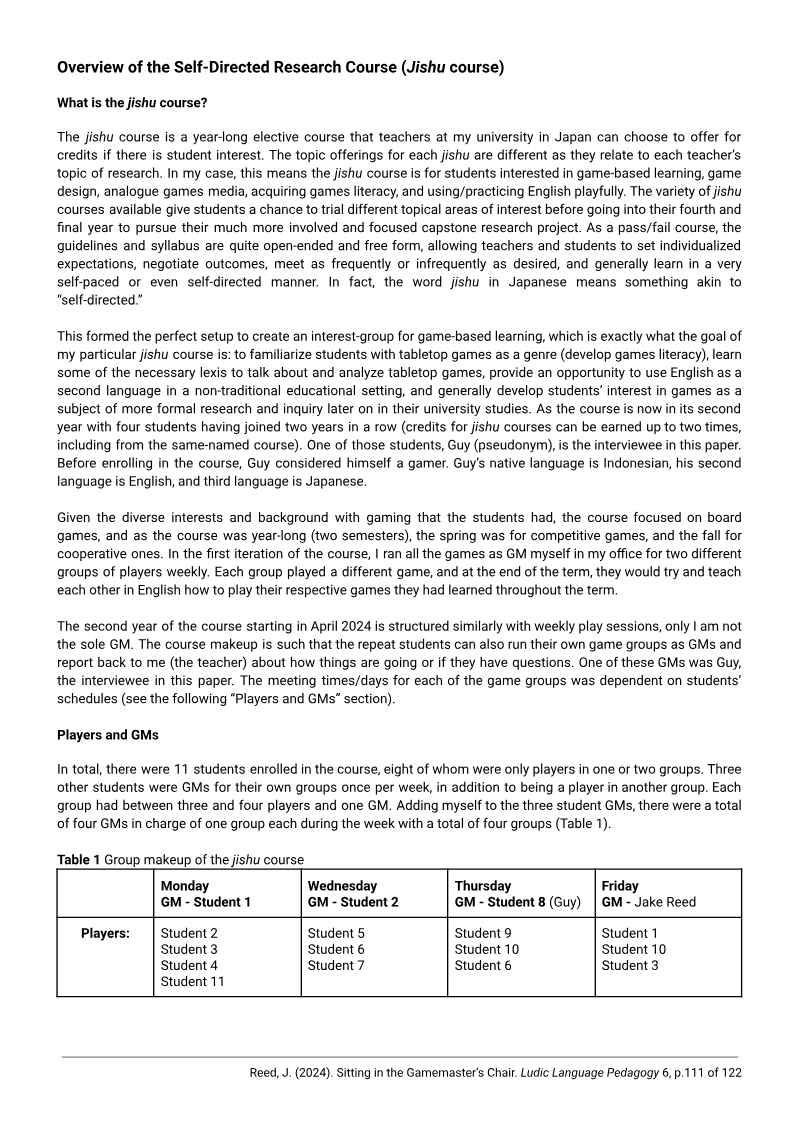
- Transitioning students into the role of Gamemaster shifts university language learning from teacher-led instruction to a self-directed model, fostering leadership, communication, and pedagogical awareness.
- The model relies on a low-stakes, pass/fail grading structure that leverages intrinsic motivation through the psychological principles of autonomy, competence, and relatedness.
- Sociocultural scaffolding in a communal self-access learning center allows experienced students to guide novices, effectively scaling game-based learning across complex rule sets.
Virtual Simulation Games in Entrepreneurship Education: Status Quo and Prospects
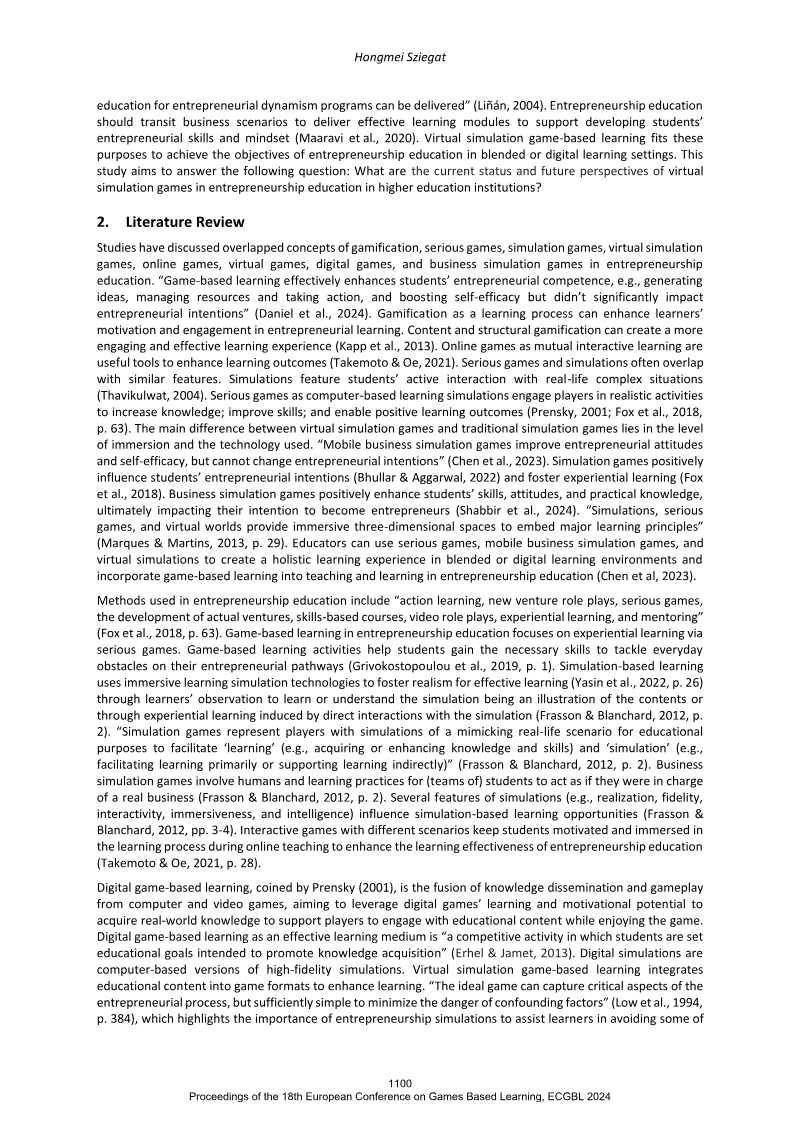
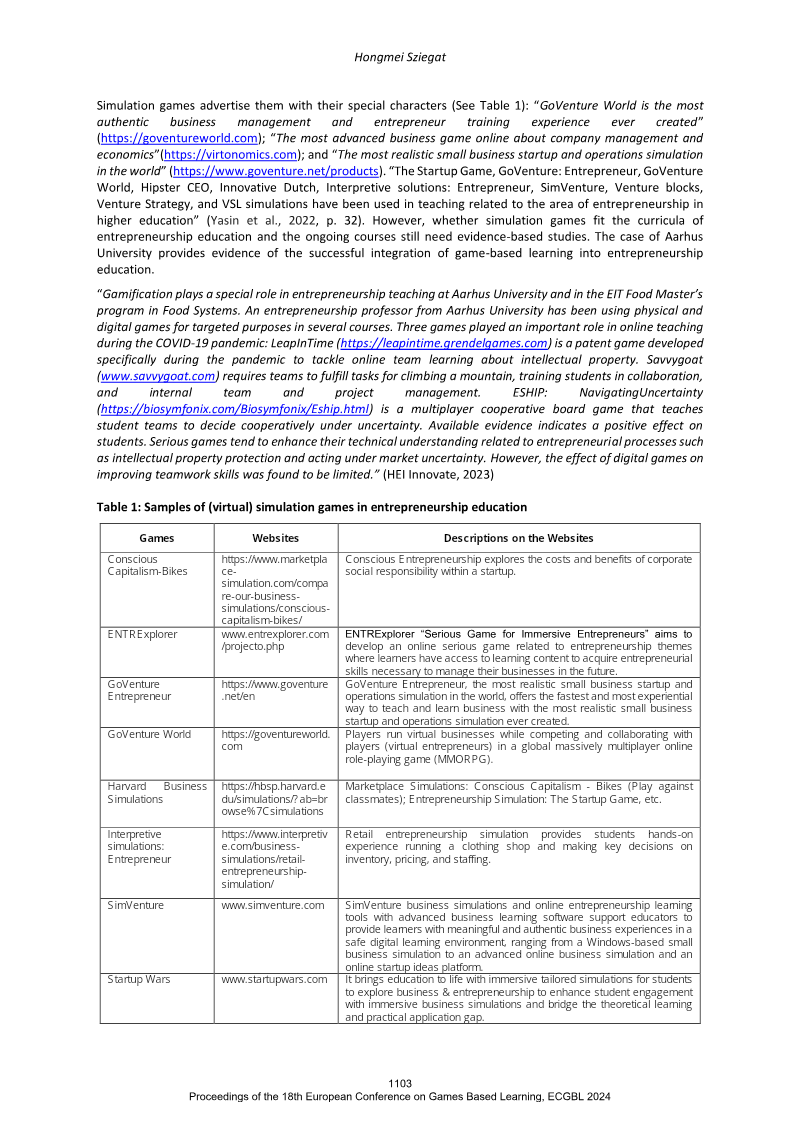
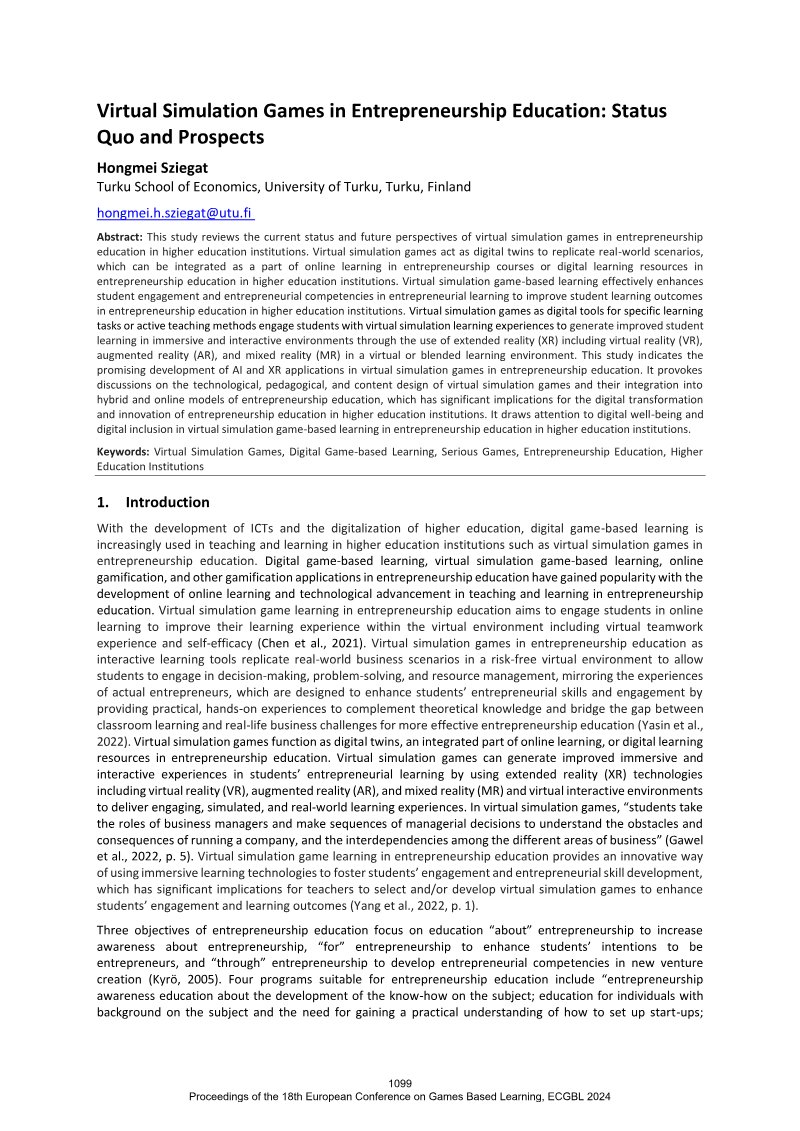
Virtual simulation games, which use extended reality technologies such as virtual, augmented, and mixed reality to recreate business scenarios in risk-free settings, are examined in this paper as tools for entrepreneurship education in higher education.
- Virtual simulation games use extended reality (VR, AR, mixed reality) to recreate business scenarios in risk-free settings, and the paper argues they complement classroom entrepreneurship instruction by building decision-making, teamwork, risk management, and self-efficacy.
- The evidence on effectiveness is mixed: several studies link simulation-based learning to better engagement, self-efficacy, and collaboration, but others find no significant effect on entrepreneurial intentions, and digital games show limited influence on teamwork skills.
- A mobile business simulation study found improved attitudes and self-efficacy without any change in entrepreneurial intentions, underscoring that skill-related gains do not automatically translate into stated career intent.