Key insights
5 slides
New approach
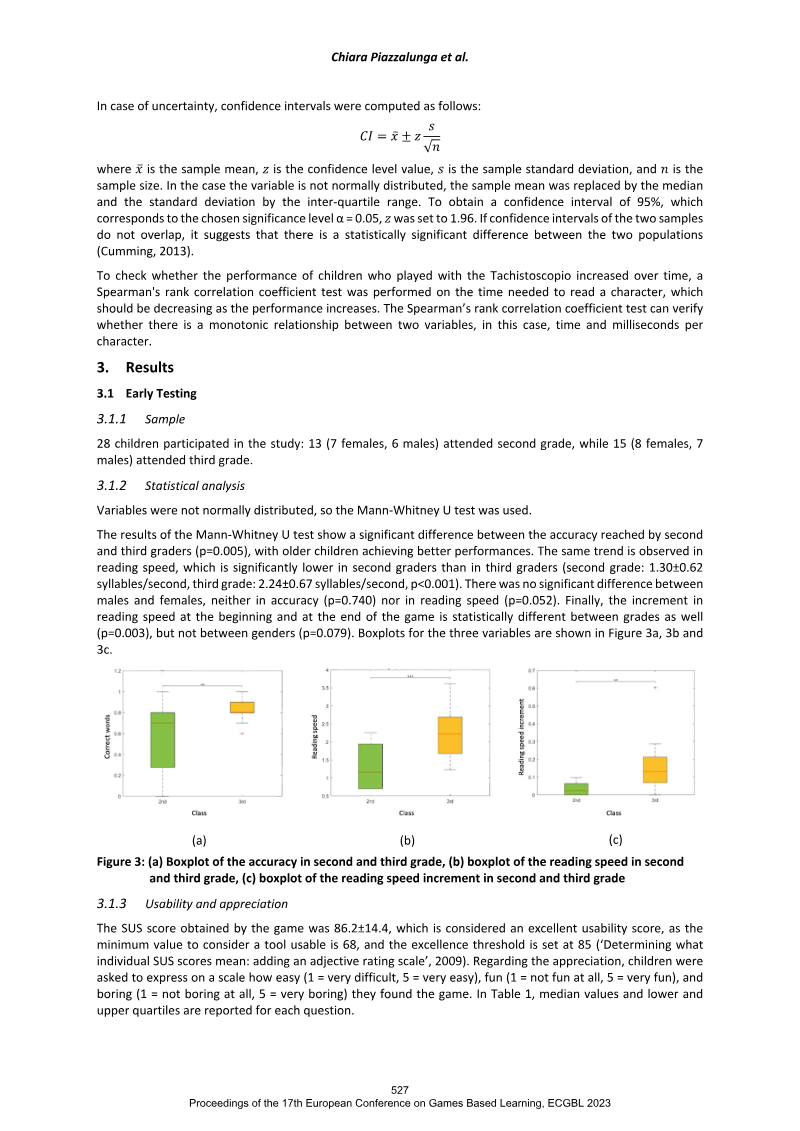
Mobile games can increase student motivation and mental processing speeds in algebra.
Mobile game-based learning serves as a viable pedagogical tool.
1 / 5
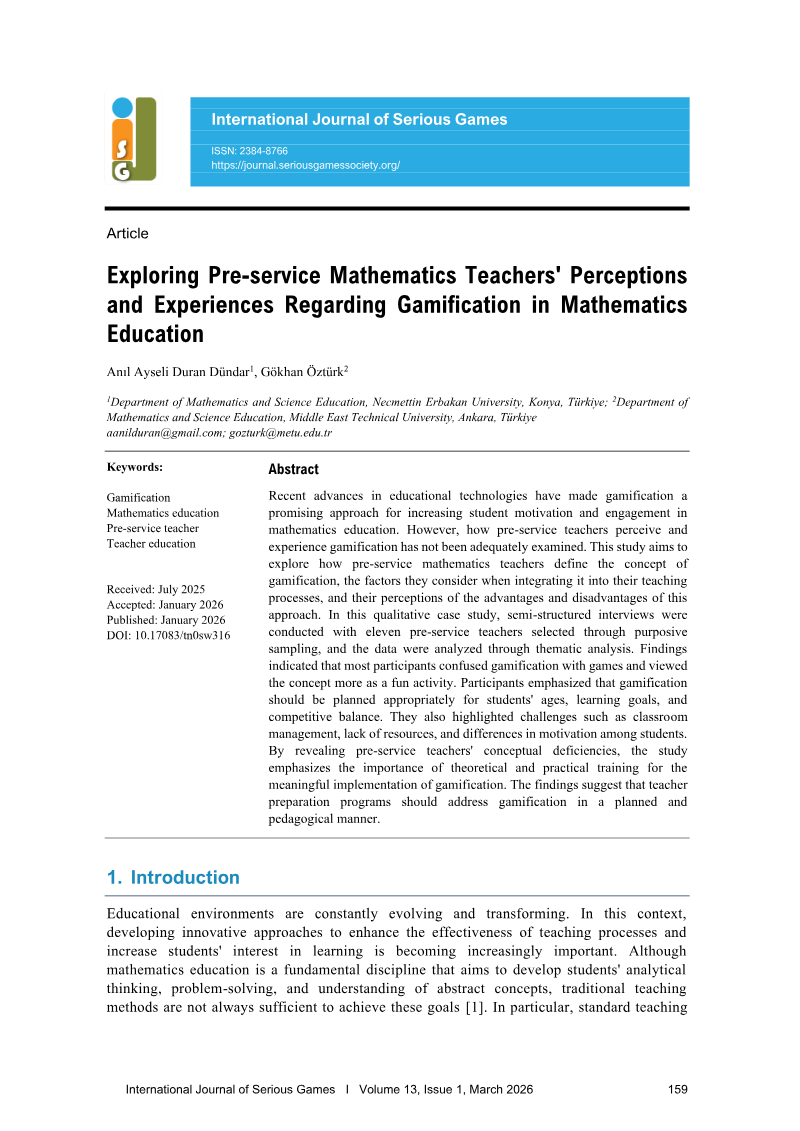
- 01Mobile games effectively increase student motivation and mental processing speeds in seventh-grade algebra, particularly for students who struggle with traditional instruction.See it on page 1
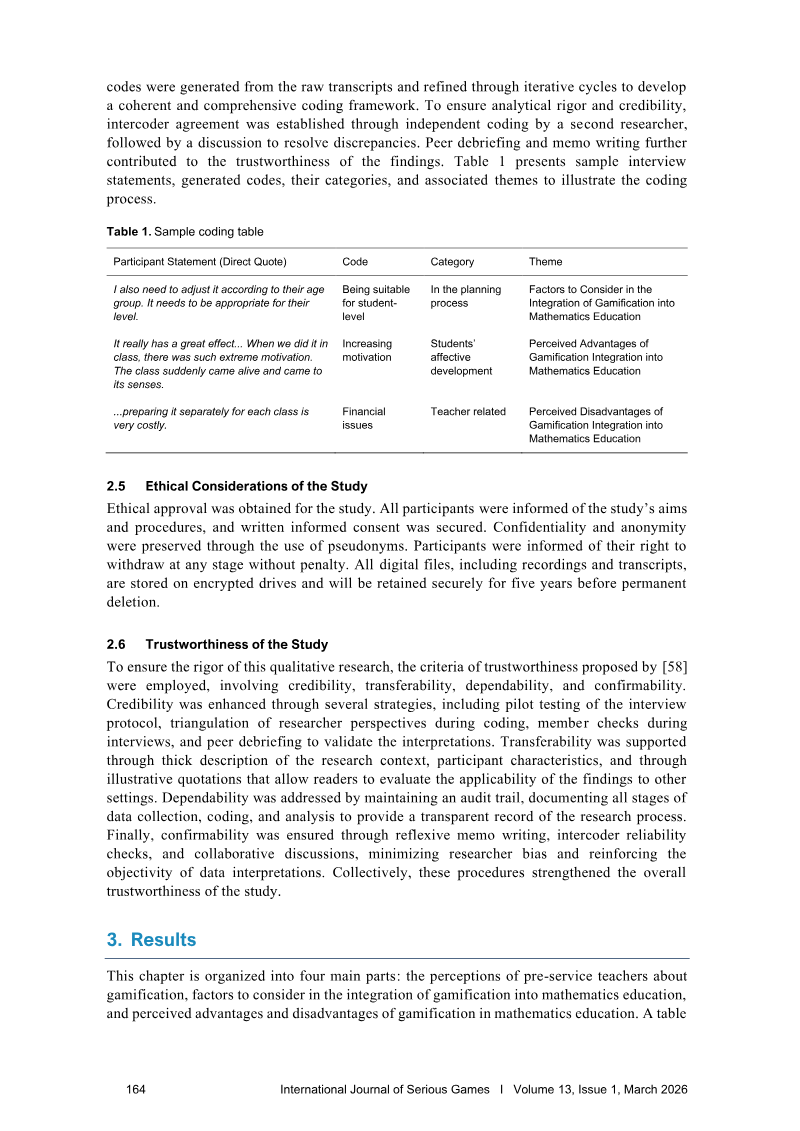
- 02While mobile platforms improve student attitudes toward mathematics, they do not inherently teach formal mathematical reasoning or replace the need for explicit instruction.See it on page 2
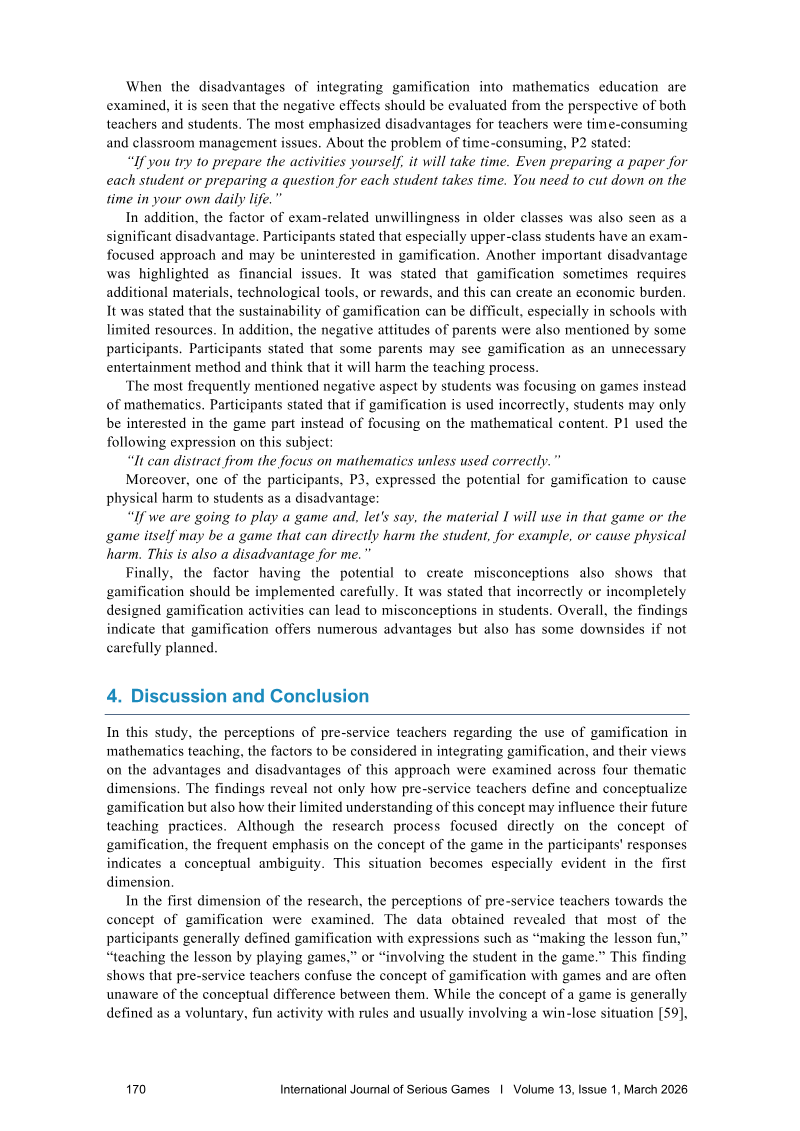
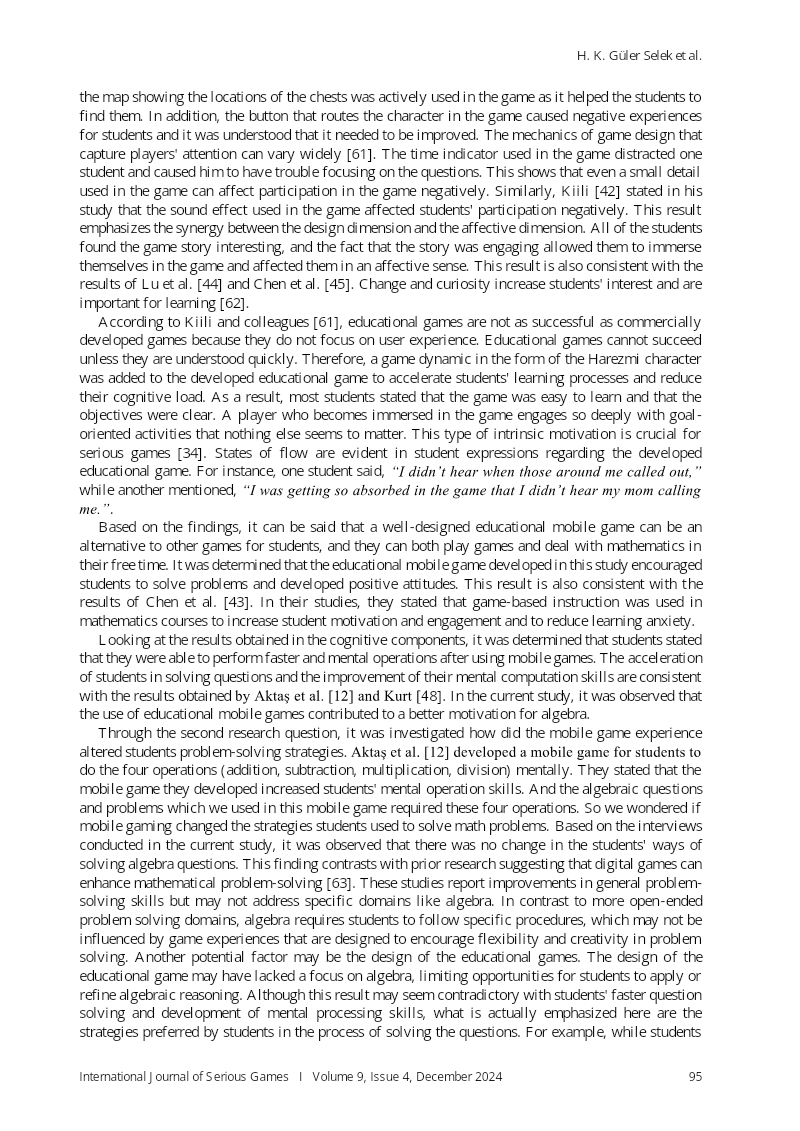
- 03Research indicates that students using mobile algebra games often rely on trial-and-error strategies rather than developing new cognitive approaches to problem-solving.See it on page 17
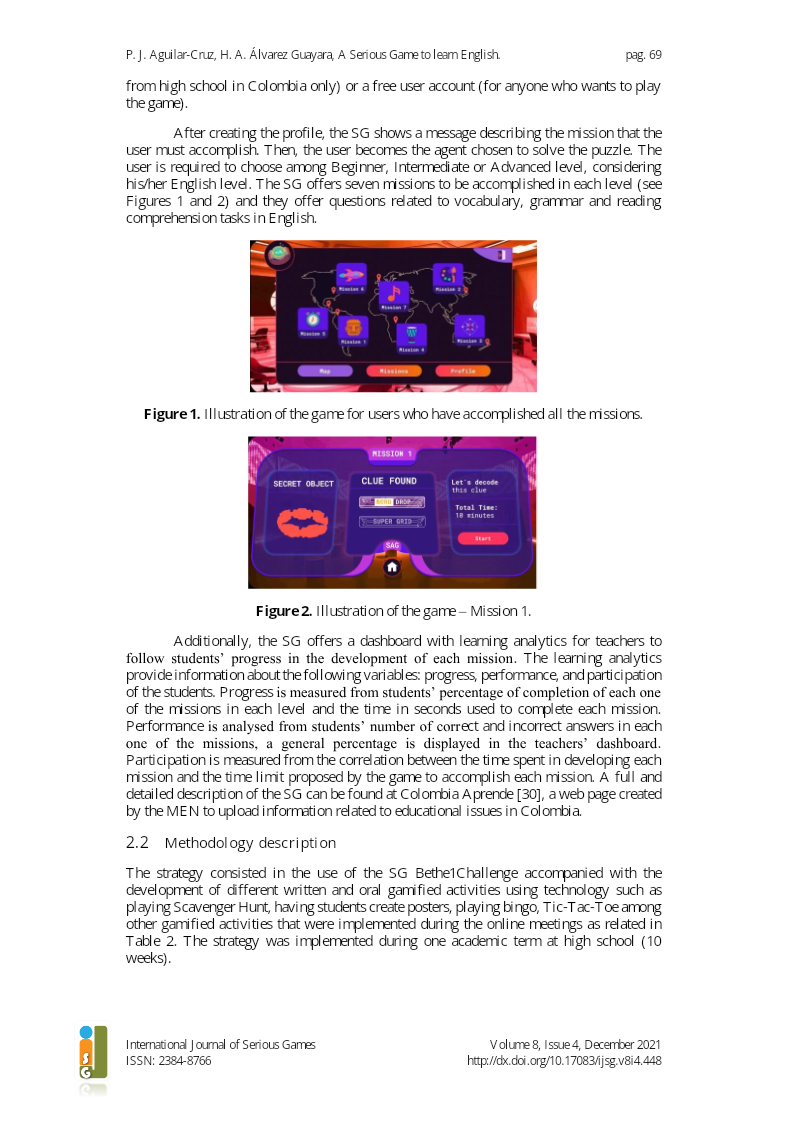
- 04The effectiveness of game-based learning is strictly contingent upon seamless technical performance and intuitive navigation within the application.See it on page 20
- 05Future development must prioritize integrating specific algebraic procedures directly into game mechanics to ensure that high engagement translates into deeper conceptual understanding.See it on page 18
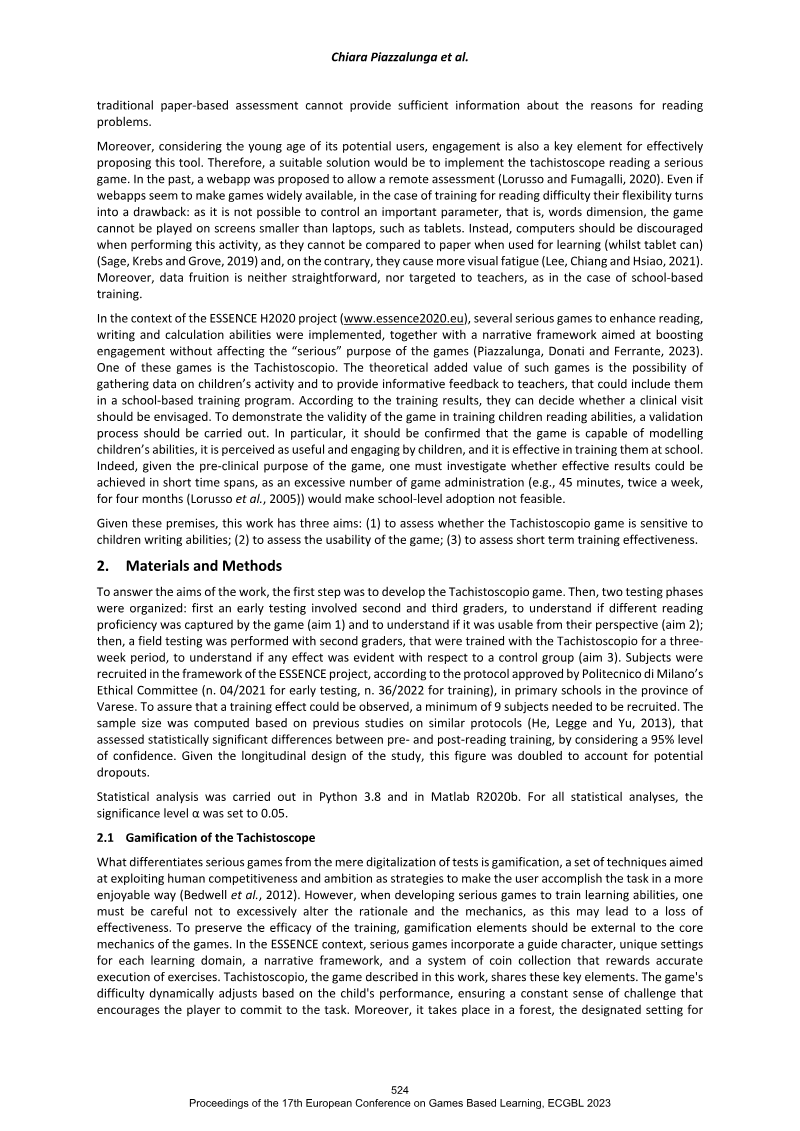
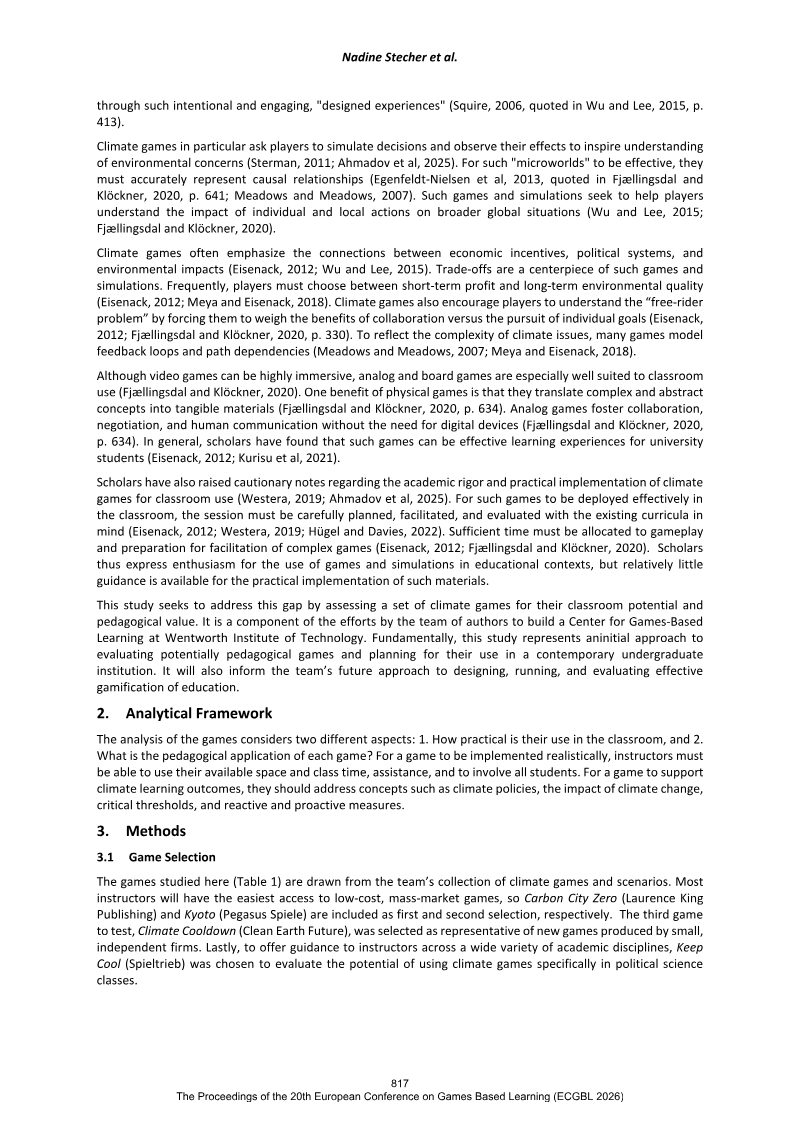
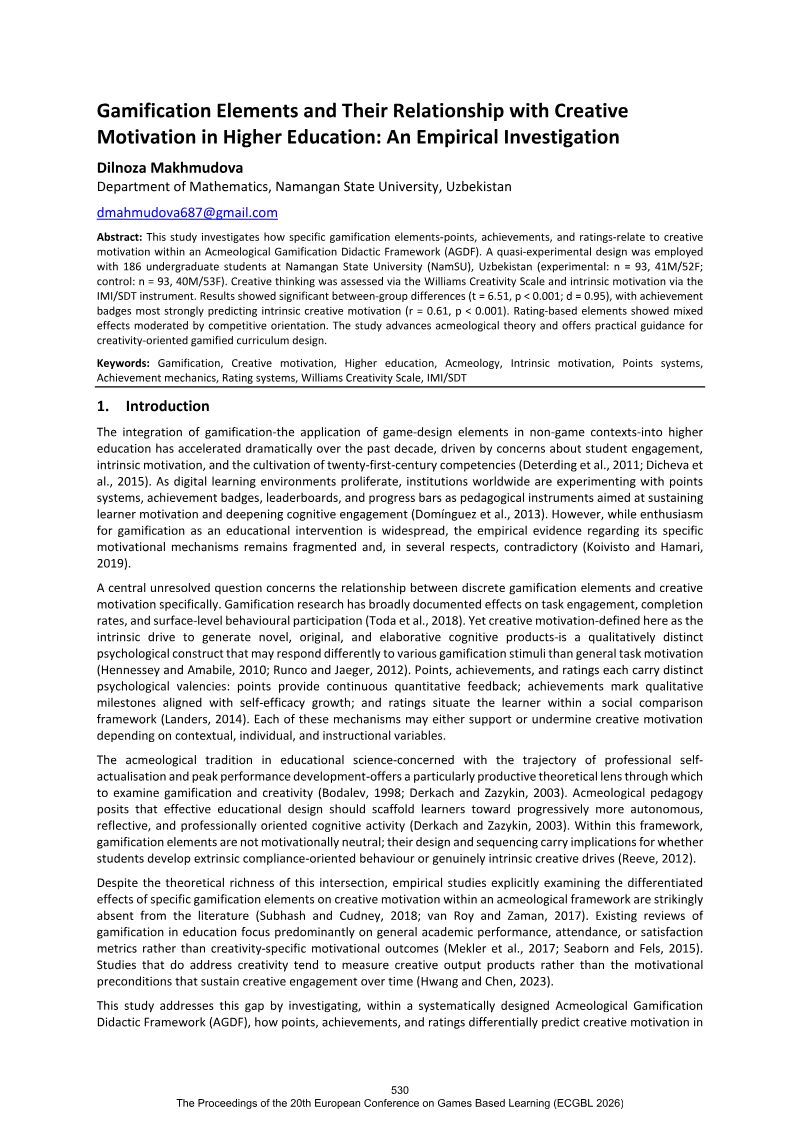
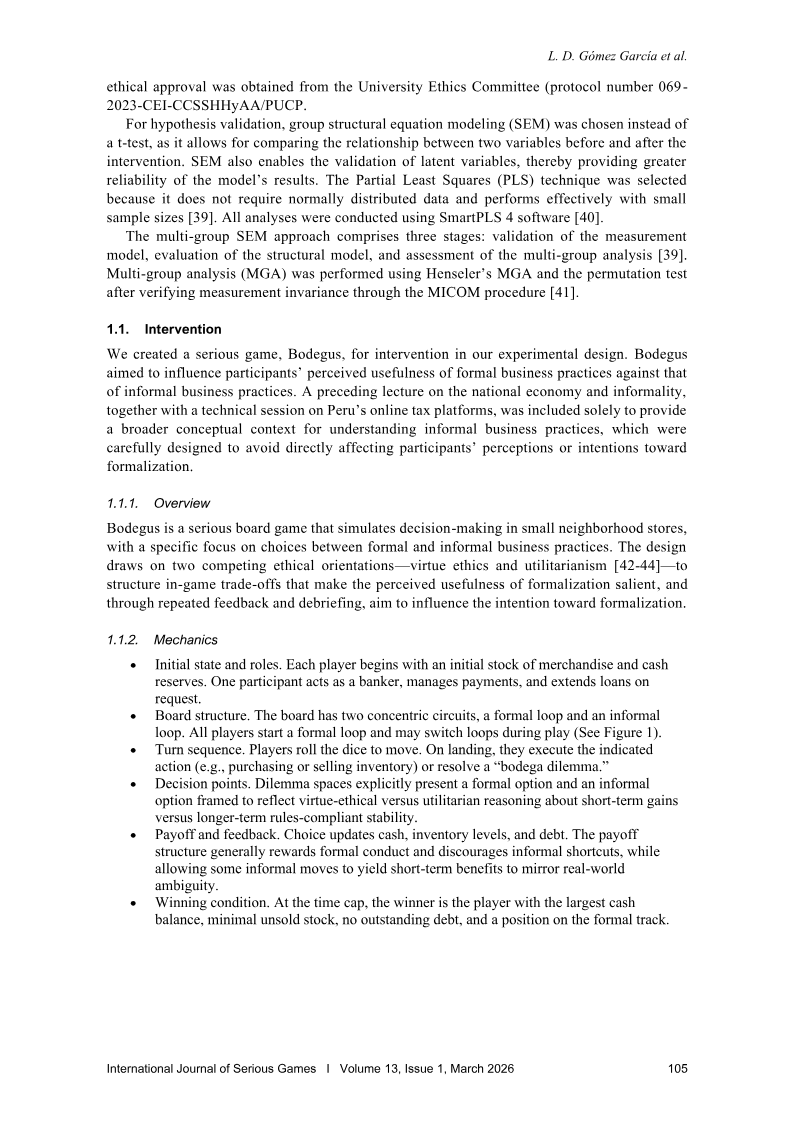
- 06The study was conducted over a two-week implementation period to evaluate the impact of mobile game-based learning on algebraic skill acquisition.See it on page 1
Ask AI about this report
Summary
Mobile game-based learning serves as a viable pedagogical tool for teaching algebra to seventh-grade students, particularly those who struggle with traditional mathematics instruction but possess high digital gaming proficiency. By integrating structured design models with randomized problem sets and mechanics intended to reduce cognitive load, educational games can effectively bridge the gap between entertainment and academic skill acquisition. The primary objective of this approach is to leverage immersive narratives and interactive mechanics to increase student motivation and improve mental processing speeds in algebraic problem-solving.
Research conducted over a two-week implementation period indicates that while students respond positively to the engaging nature of mobile platforms, the effectiveness of these tools is contingent upon seamless technical performance and intuitive navigation. Although participants reported a more favorable attitude toward mathematics and demonstrated increased speed in solving equations, the underlying cognitive strategies—such as reliance on trial and error—remained largely unchanged. This suggests that while mobile games are successful in fostering engagement and reducing the intimidation factor of algebra, they do not automatically replace the need for explicit instruction in formal mathematical reasoning.
Future development in the field of mobile game-based learning must prioritize the integration of specific algebraic procedures alongside engaging design elements. By refining difficulty scaling and ensuring that game mechanics directly reinforce rigorous mathematical logic, developers can better influence how students approach complex problem-solving. Ultimately, the synthesis of existing literature and empirical findings confirms that mobile technology holds significant potential for STEM education, provided that the design architecture is carefully aligned with pedagogical goals to ensure that increased motivation translates into deeper conceptual understanding.