Key insights
6 slides
Key finding
Serious games significantly enhance science and mathematics education.
These games boost student motivation, engagement, and academic self-confidence. This finding is based on a synthesis of 16 systematic reviews and 535 primary studies.
1 / 6
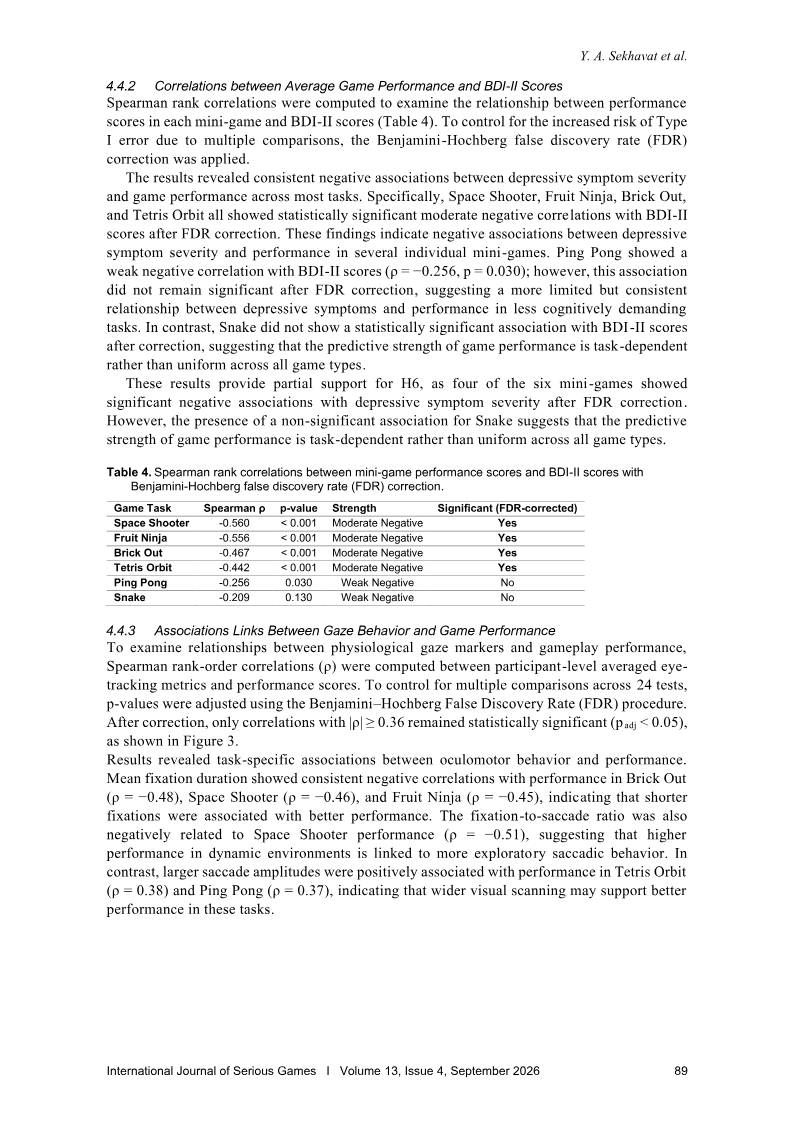
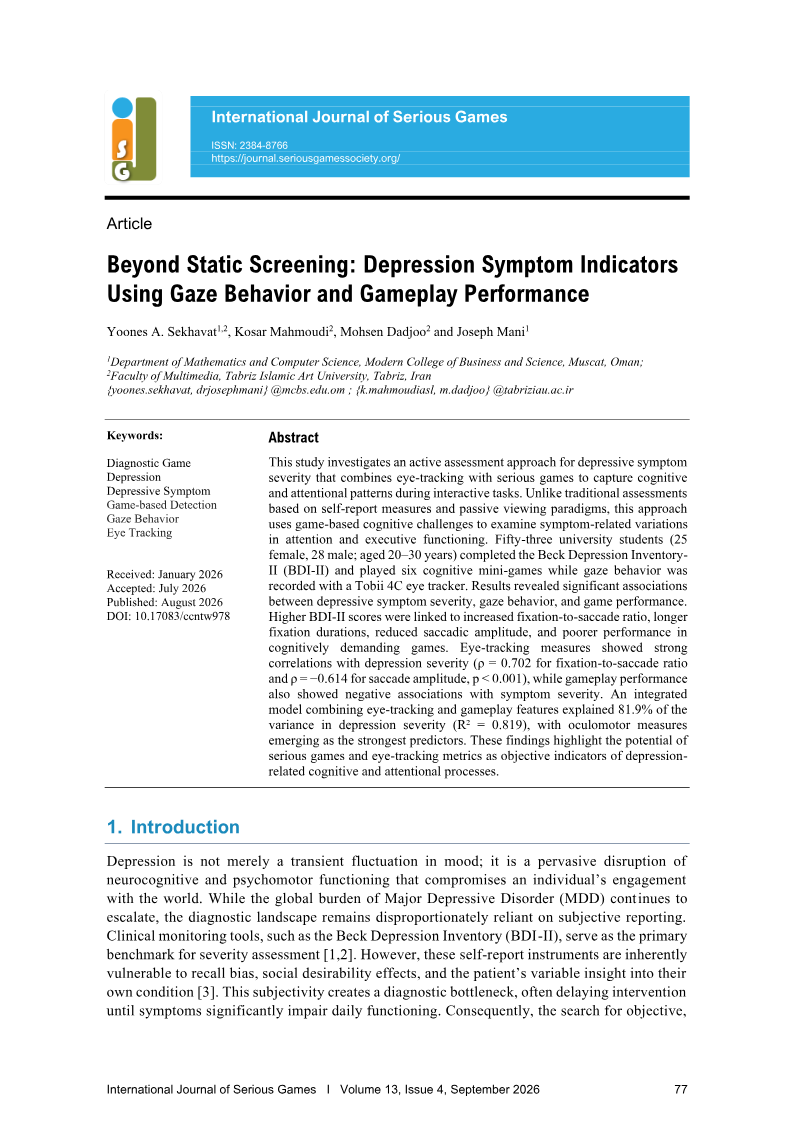
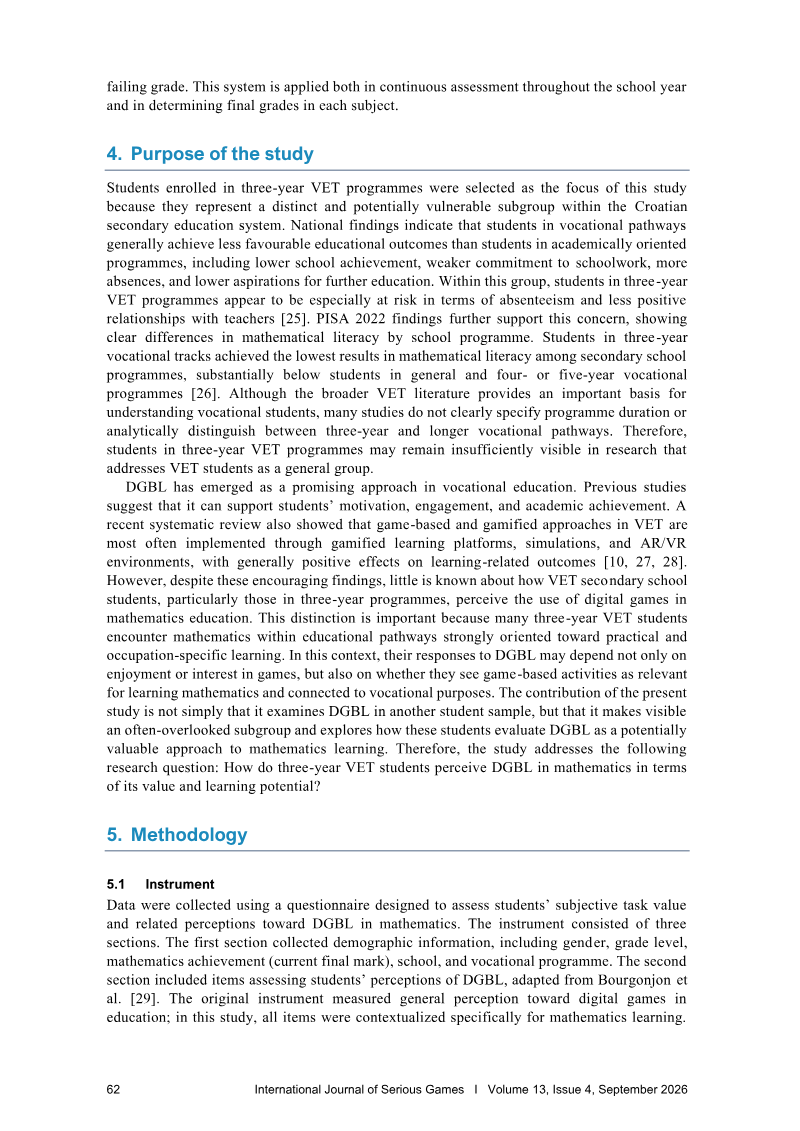
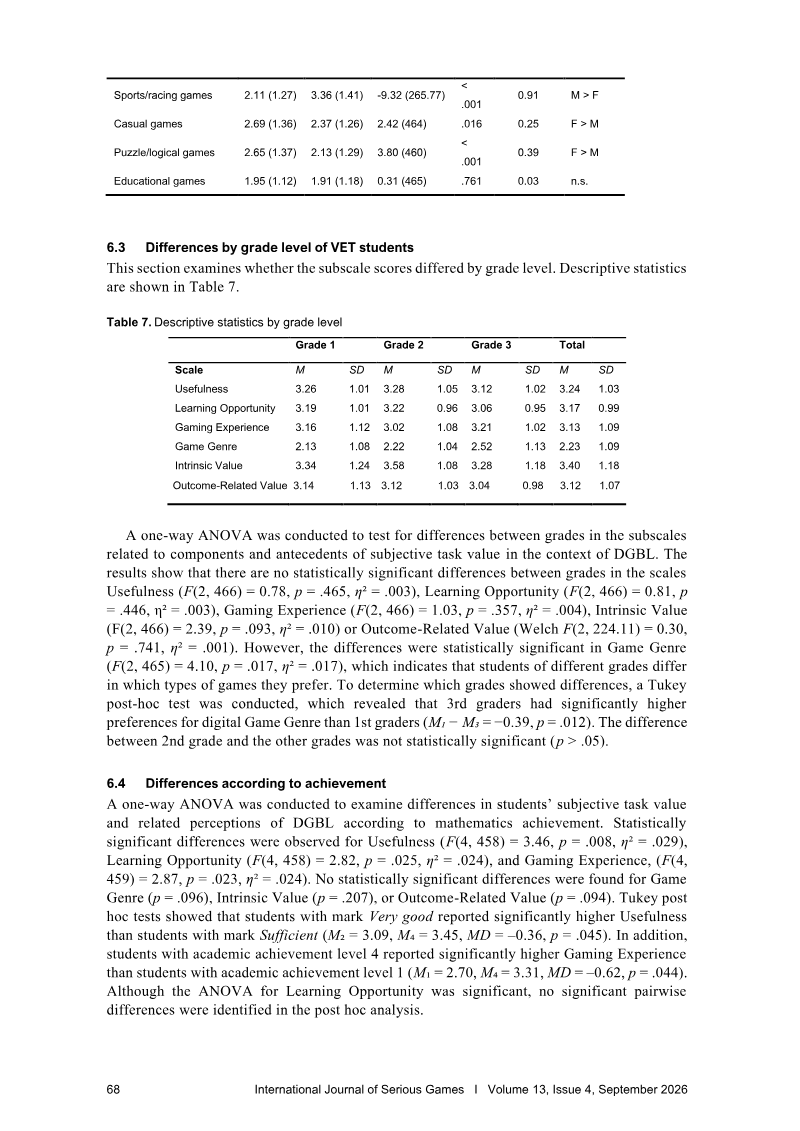
- 01Serious games significantly enhance science and mathematics education by boosting student motivation, engagement, and academic self-confidence, based on a synthesis of 16 systematic reviews and 535 primary studies.See it on page 1
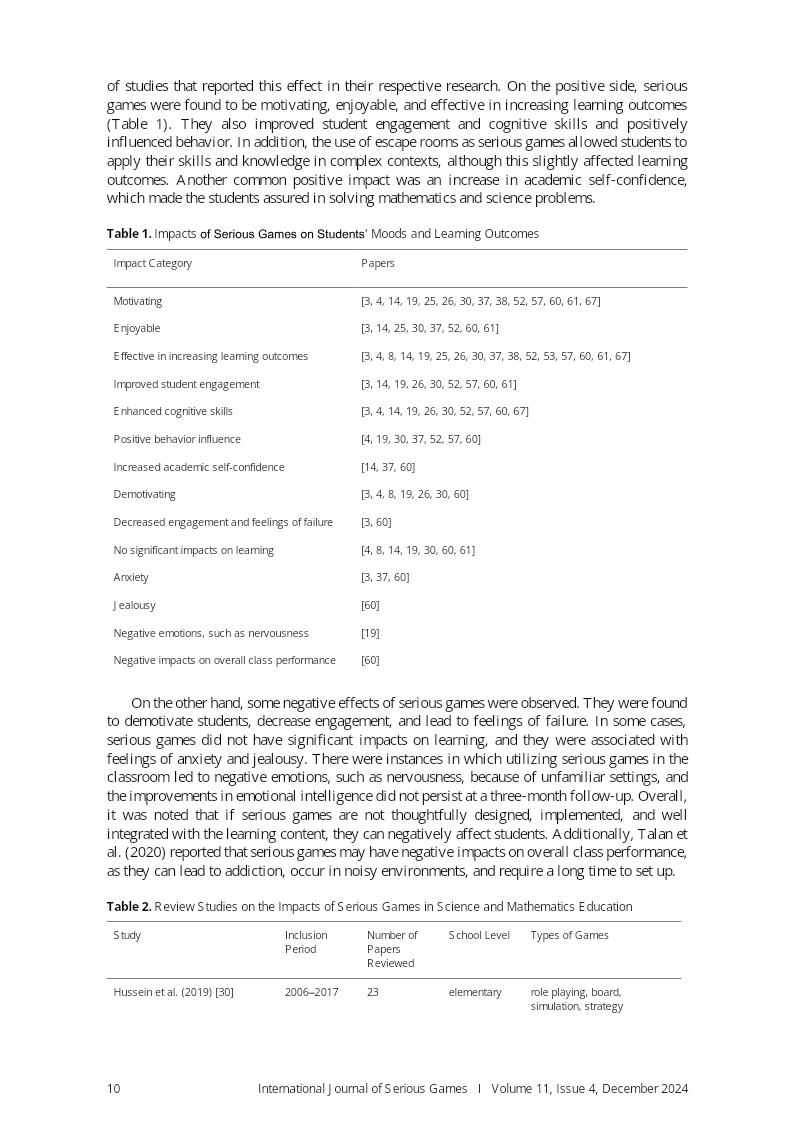
- 02The effectiveness of serious games is highly variable, as poor design or implementation can trigger negative outcomes such as student anxiety, demotivation, and feelings of failure.See it on page 8
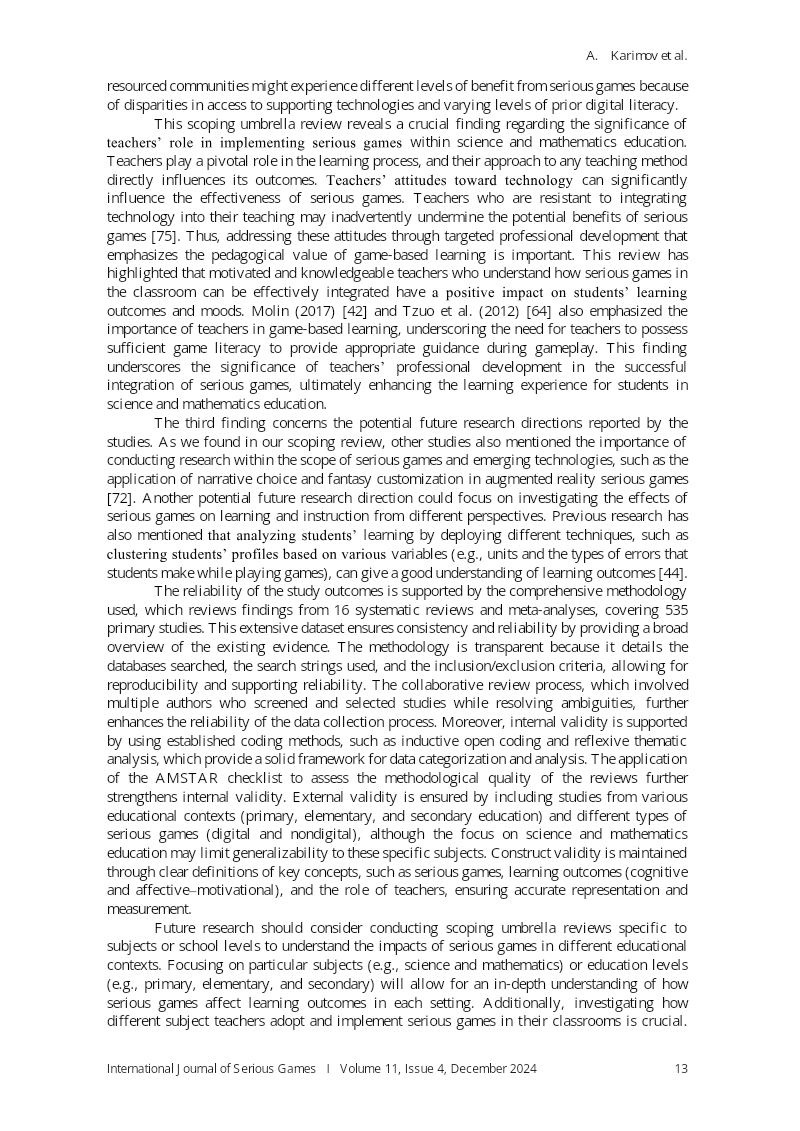
- 03Successful integration requires high teacher proficiency and game literacy to ensure educational objectives remain the priority over the gaming experience.See it on page 11
- 04A one-size-fits-all approach is ineffective, as the impact of these digital tools depends heavily on individual student characteristics and specific classroom contexts.See it on page 10
- 05Future development must focus on integrating adaptive artificial intelligence to personalize learning experiences and addressing inconsistencies in student performance data.See it on page 12
- 06Establishing robust ethical guidelines for student data privacy is a critical research priority for the advancement of effective and responsible digital learning solutions.See it on page 12
Ask AI about this report
Summary
Serious games serve as a significant pedagogical tool for enhancing science and mathematics education, primarily by fostering student motivation, engagement, and cognitive development. By synthesizing 16 systematic reviews and meta-analyses covering 535 primary studies, the research confirms that these digital interventions often lead to improved academic self-confidence and enjoyment. However, the impact of these games is not universally positive. Poorly designed software or inadequate implementation can lead to adverse outcomes, including student anxiety, demotivation, and a sense of failure, underscoring the necessity of balancing entertainment value with rigorous educational objectives.
The efficacy of serious games is inextricably linked to the role of the educator. Successful integration requires high levels of teacher proficiency and game literacy to ensure that learning goals remain the primary focus rather than being overshadowed by the gaming experience. Because the benefits of these tools vary significantly based on individual student characteristics and classroom contexts, a one-size-fits-all approach is insufficient. Educators must act as active facilitators to navigate the complexities of digital learning environments and mitigate potential negative psychological effects.
Future advancements in this field depend on addressing current inconsistencies in student performance data and refining implementation strategies. Research priorities should shift toward subject-specific applications, the integration of adaptive artificial intelligence to personalize learning experiences, and the establishment of robust ethical guidelines regarding student data privacy. By adhering to rigorous methodological standards, the field can move beyond general observations to develop more targeted, effective, and ethically sound digital learning solutions that reliably support science and mathematics curricula.