1 free read left. Create a free account for unlimited reading + AI research.
Create free accountWhitepaper Japanese Association for Role-Playing Game Studies (JARPS)
1 free read left. Create a free account for unlimited reading + AI research.
Create free accountWhitepaperJapanese Association for Role-Playing Game Studies (JARPS)
Distilling the key insights…
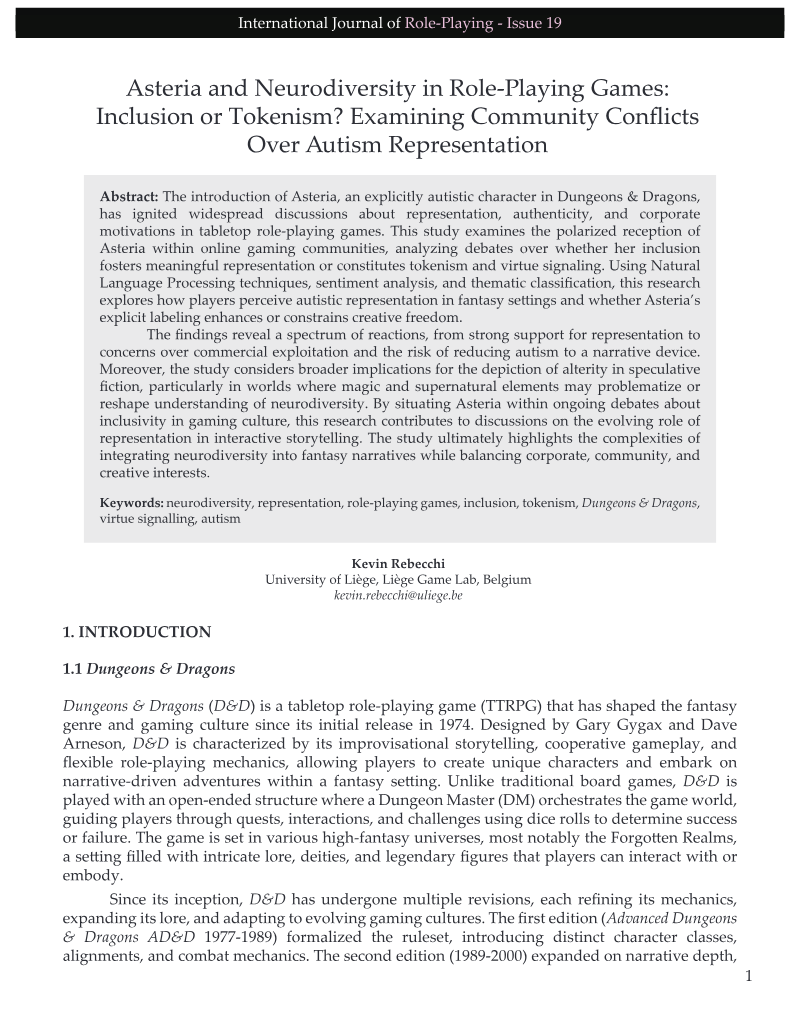
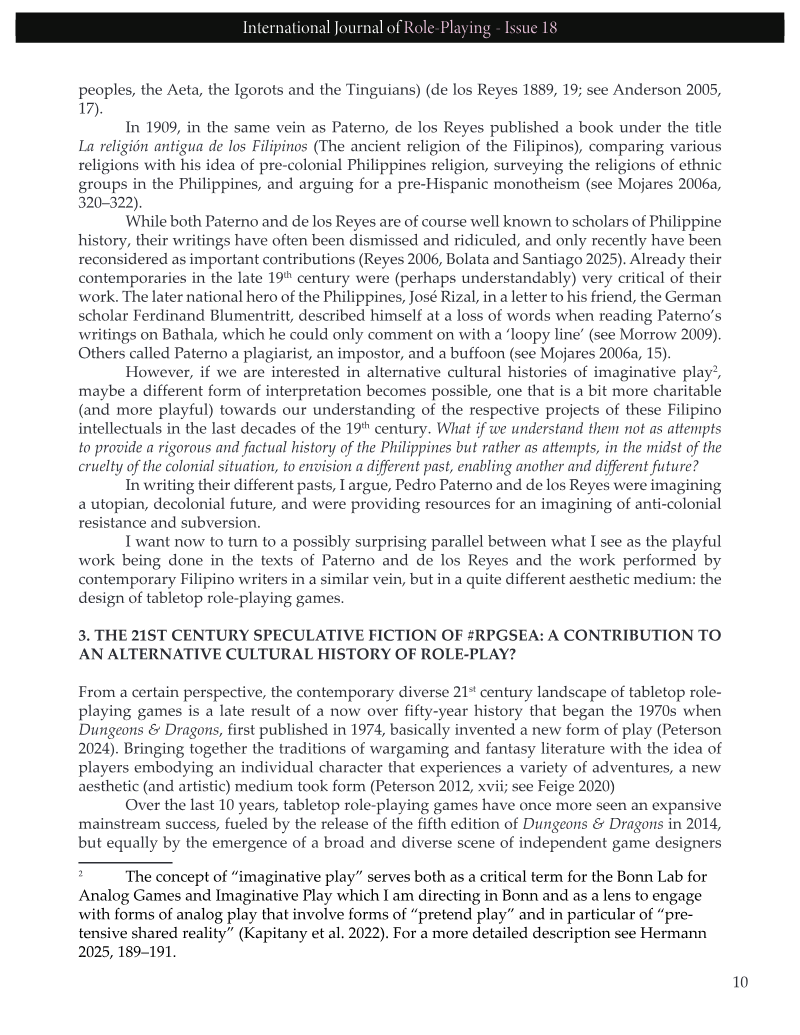
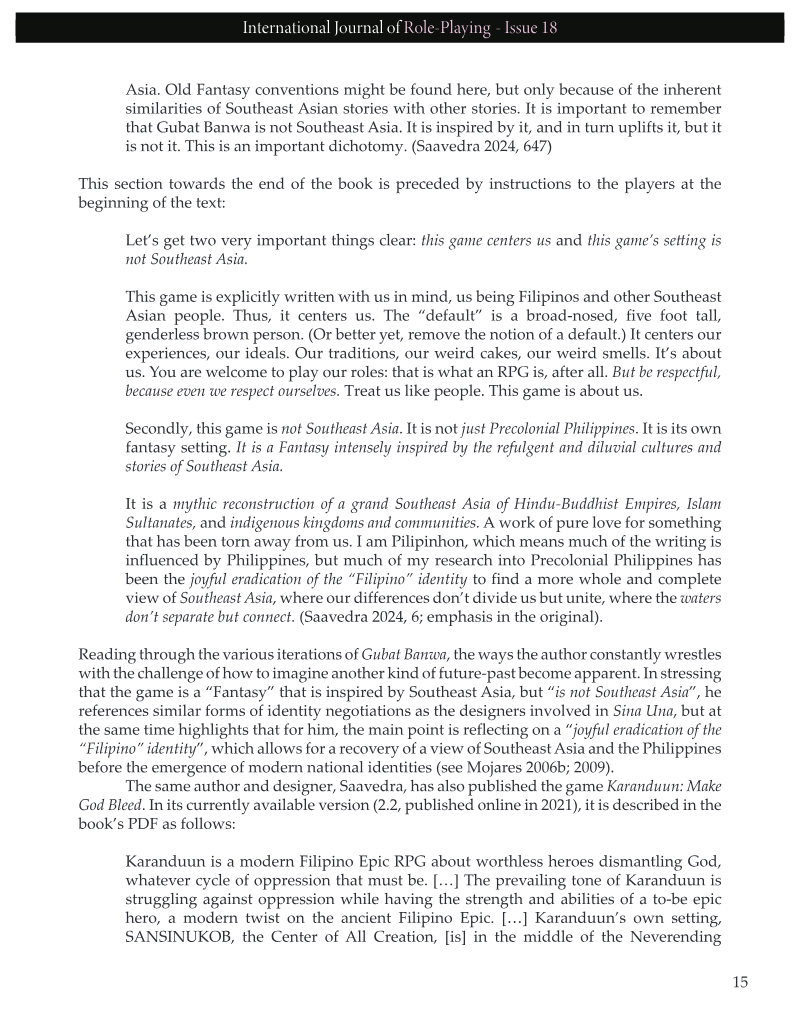
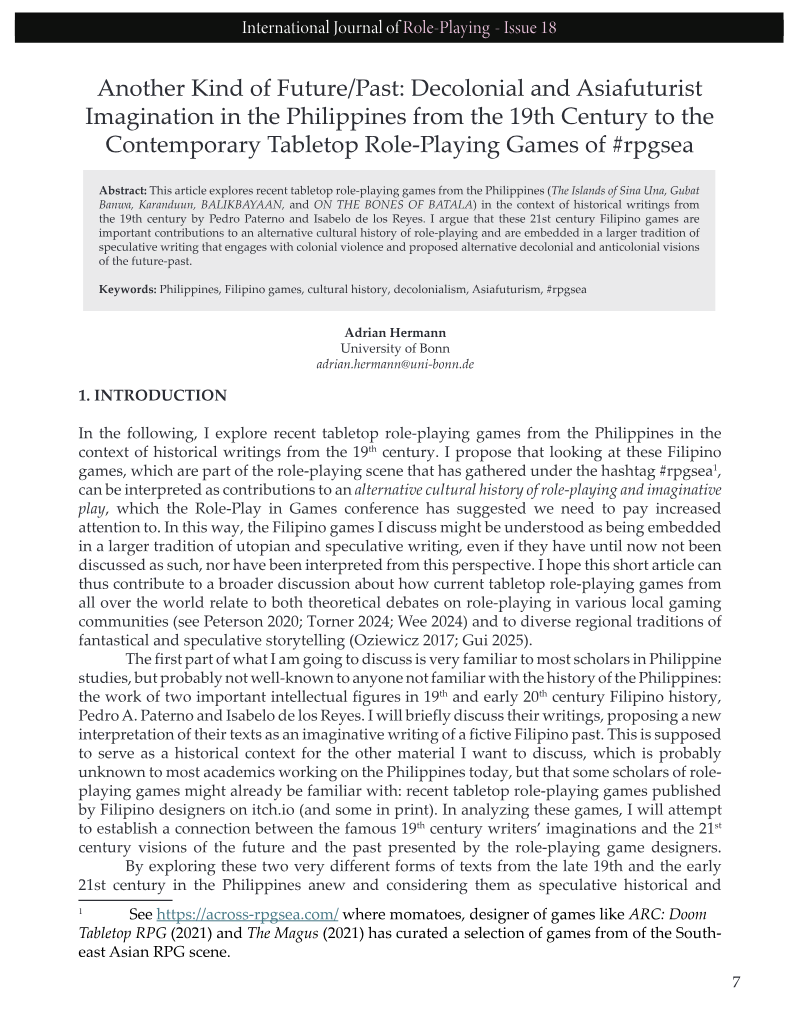
Traditional tabletop role-playing games frequently perpetuate colonialist ideologies by relying on problematic tropes, such as the inherent villainy of specific races and the glorification of treasure-seeking violence. To address these systemic issues, Dungeon Masters should adopt an anti-colonialist approach that prioritizes collaborative, morally complex storytelling over self-centered conquest. By integrating clear behavioral norms and safety tools like the X-card, educators can create inclusive environments that encourage young players to engage in critical thinking and empathy rather than reflexive aggression.
The pedagogical shift toward anti-colonialist gaming involves replacing standard hack-and-slash mechanics with non-violent problem-solving and nuanced character motivations. By humanizing non-player characters and monsters while emphasizing the natural consequences of player actions, facilitators can scaffold ethical development. These low-stakes scenarios allow students to move beyond binary narratives of good and evil, fostering a deeper understanding of social equity and the real-world implications of power dynamics.
This framework is supported by a robust body of academic research and industry resources that examine the intersection of race, ethics, and fantasy media. By grounding gaming practices in these theoretical foundations, educators can effectively challenge historical stereotypes embedded in gaming culture. Ultimately, this approach transforms the tabletop experience into a vital tool for social awareness, equipping young players with the analytical skills necessary to navigate and dismantle inequalities in their own communities.
Each row is a game or company this document names, each column a document, oldest first. A mark means that document names it. Select a row to see those documents.
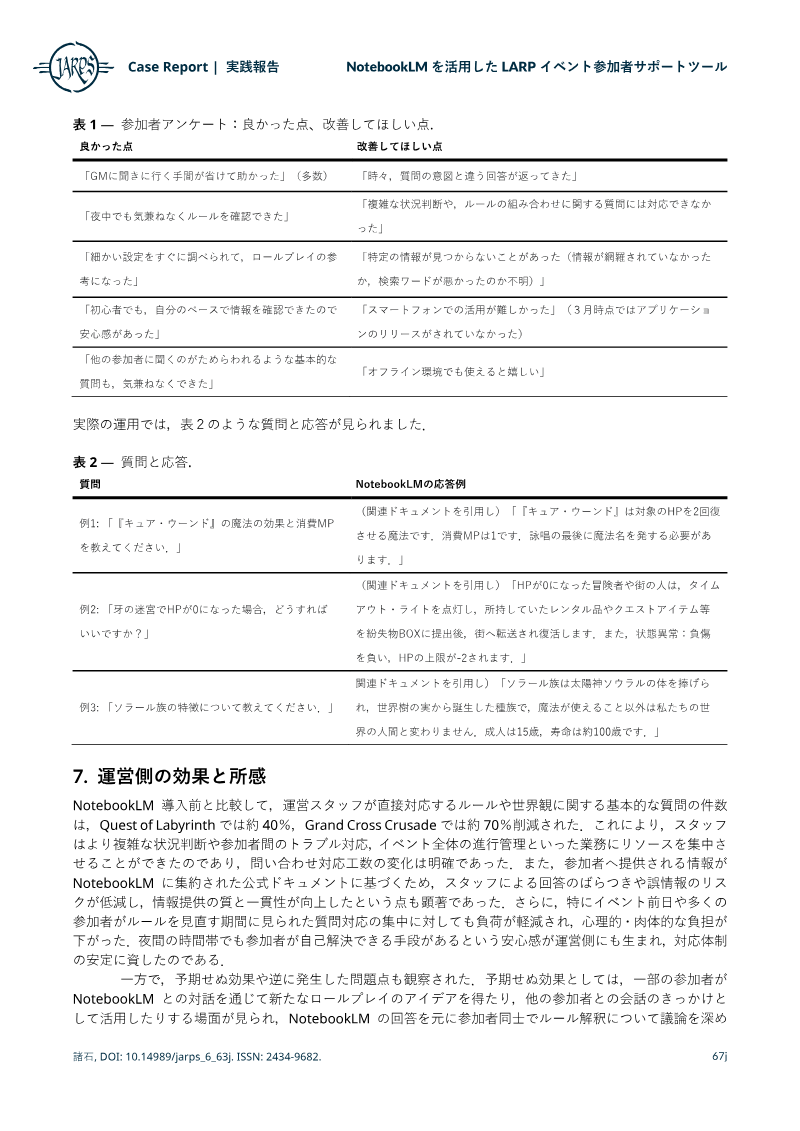
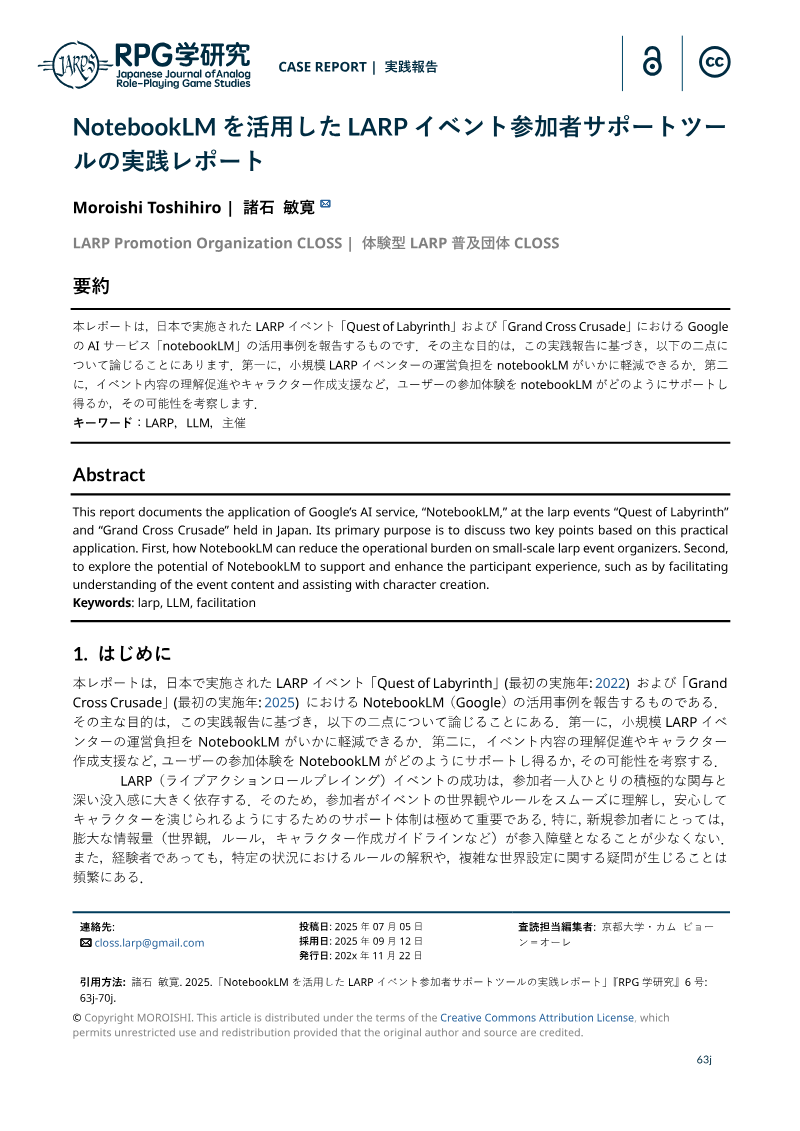
Japanese Association for Role-Playing Game Studies (JARPS) · 2025
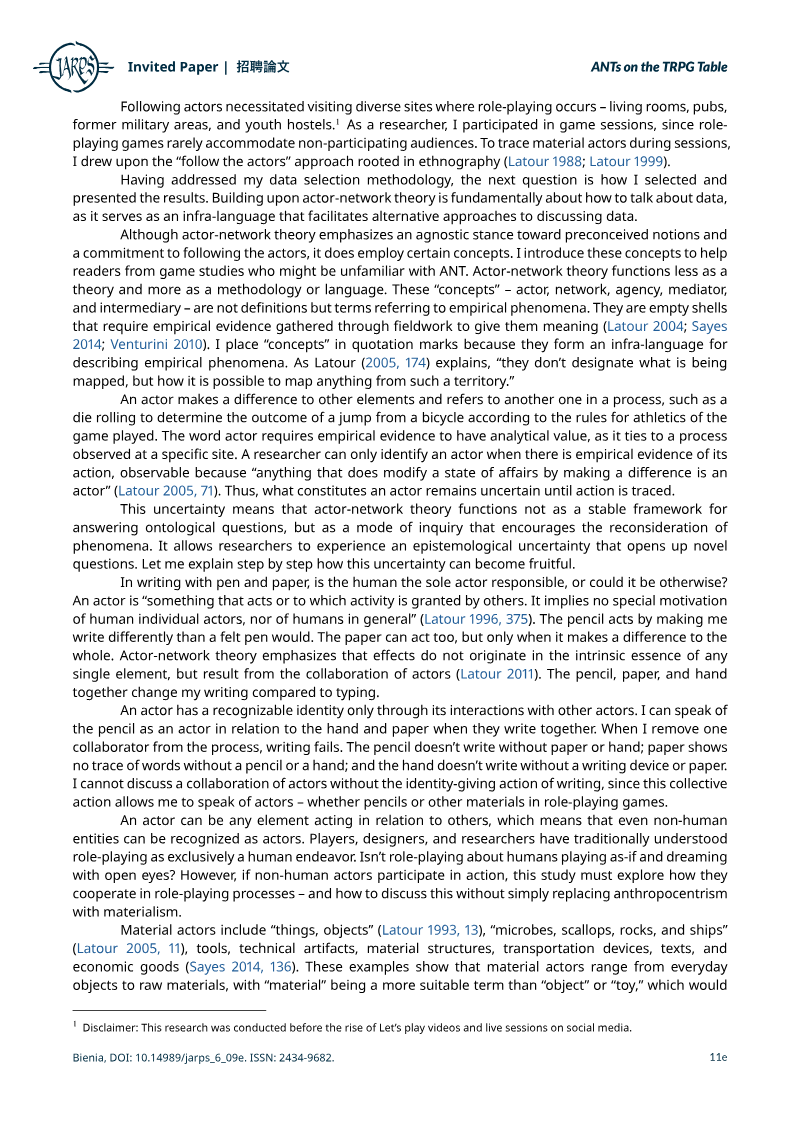
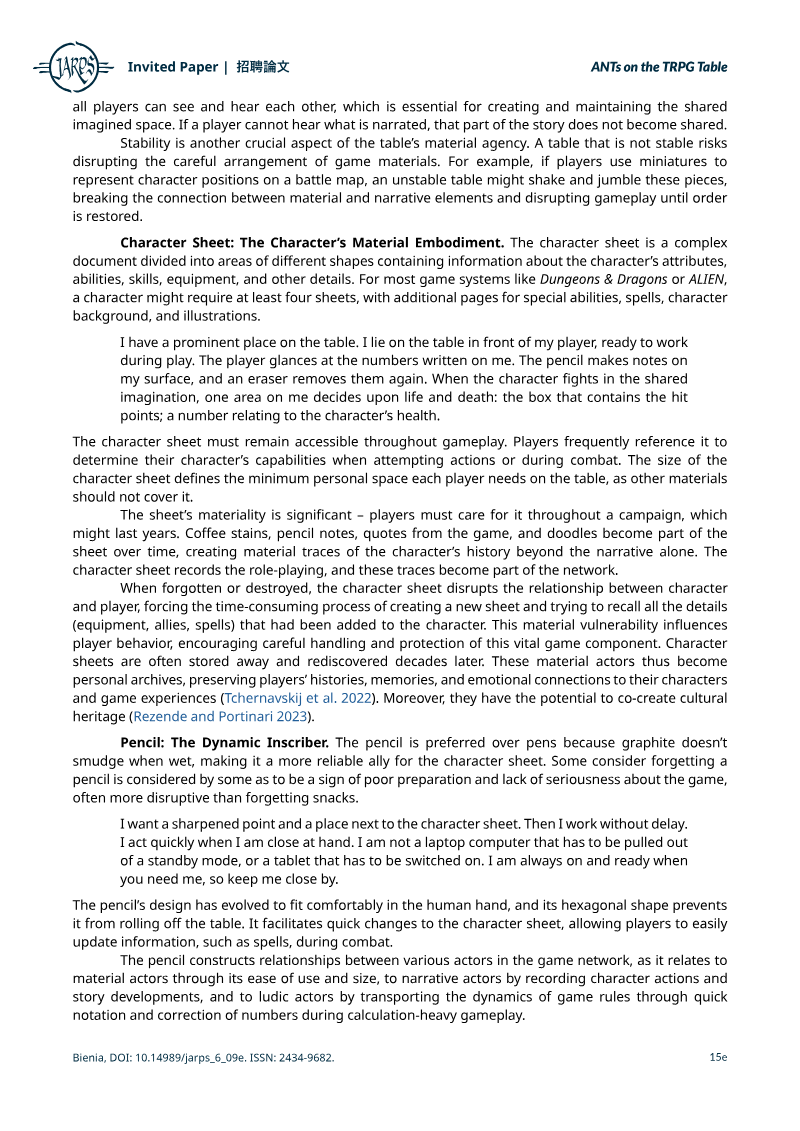
Japanese Association for Role-Playing Game Studies (JARPS) · 2025
Japanese Association for Role-Playing Game Studies (JARPS) · 2025
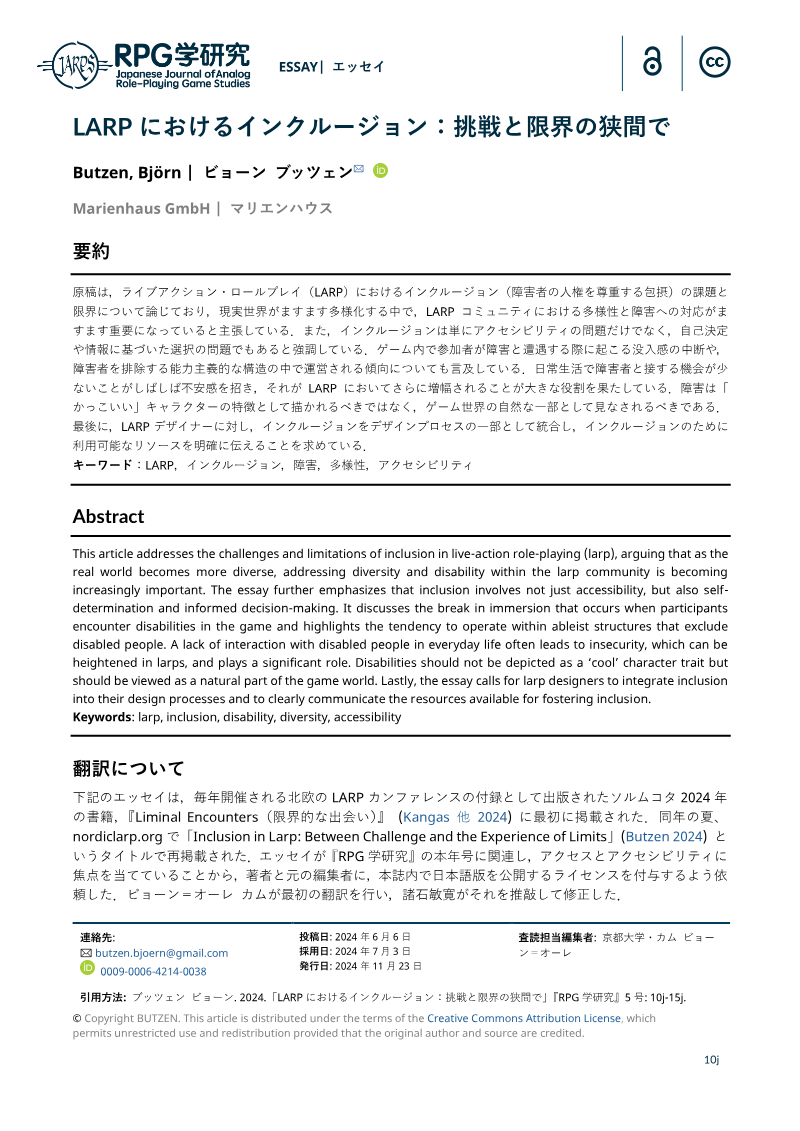
Japanese Association for Role-Playing Game Studies (JARPS) · 2024
Japanese Association for Role-Playing Game Studies (JARPS) · 2024
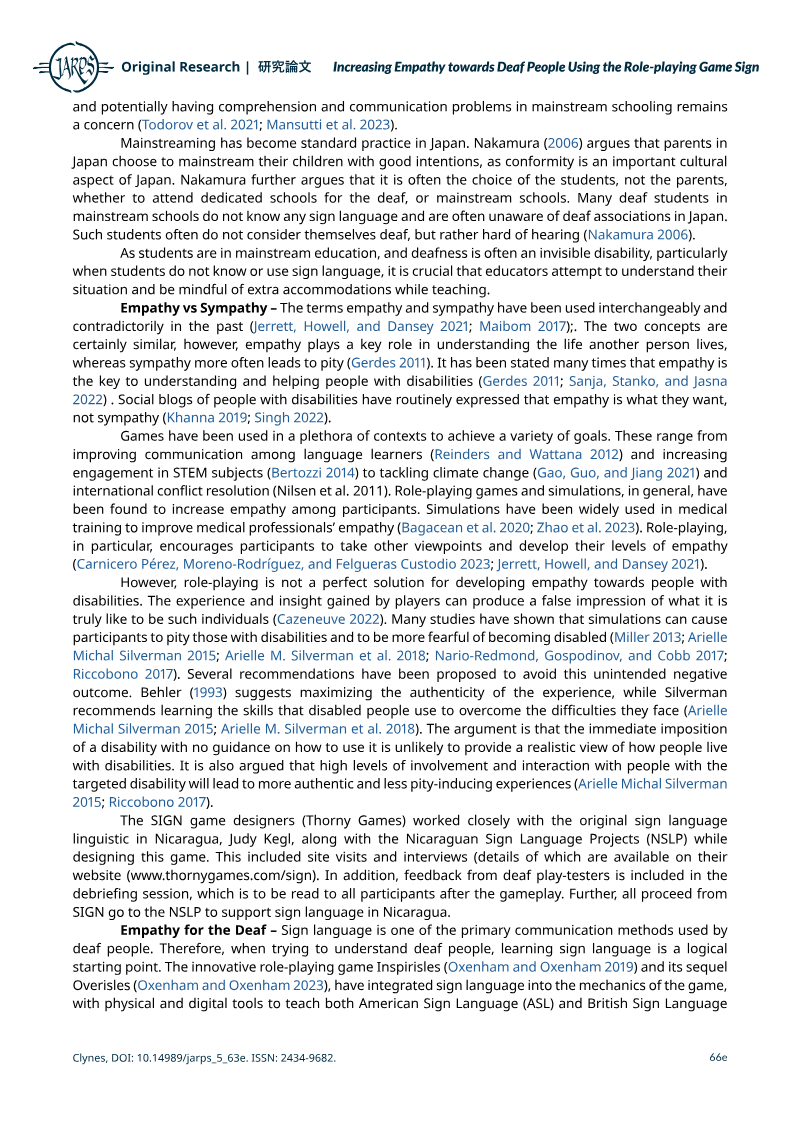
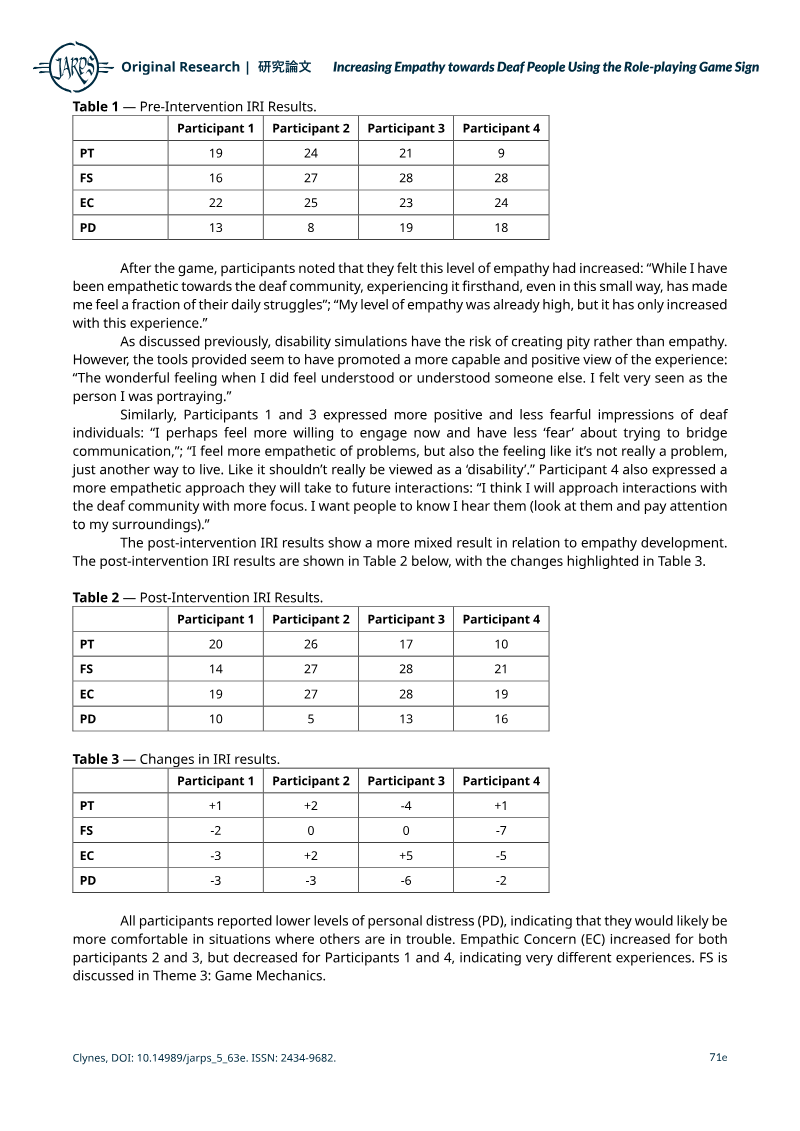
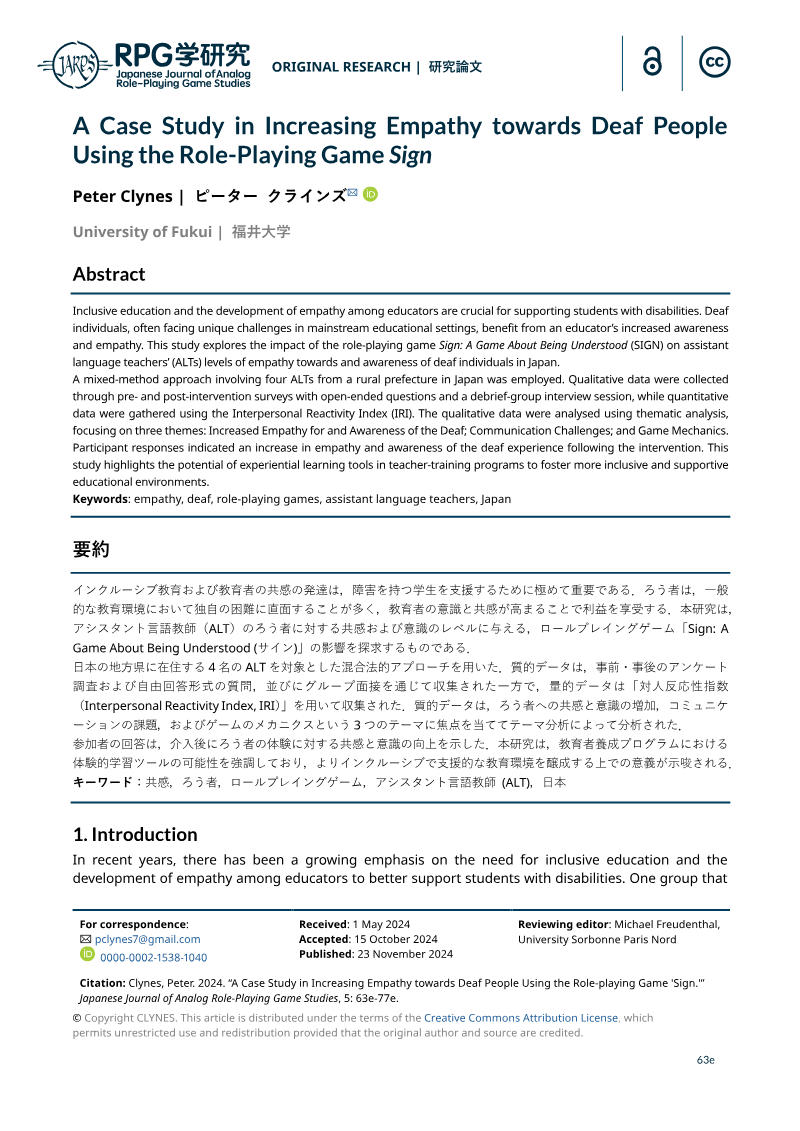
Japanese Association for Role-Playing Game Studies (JARPS) · 2024
Japanese Association for Role-Playing Game Studies (JARPS) · 2024
Japanese Association for Role-Playing Game Studies (JARPS) · 2024
Japanese Association for Role-Playing Game Studies (JARPS) · 2024
Japanese Association for Role-Playing Game Studies (JARPS) · 2024
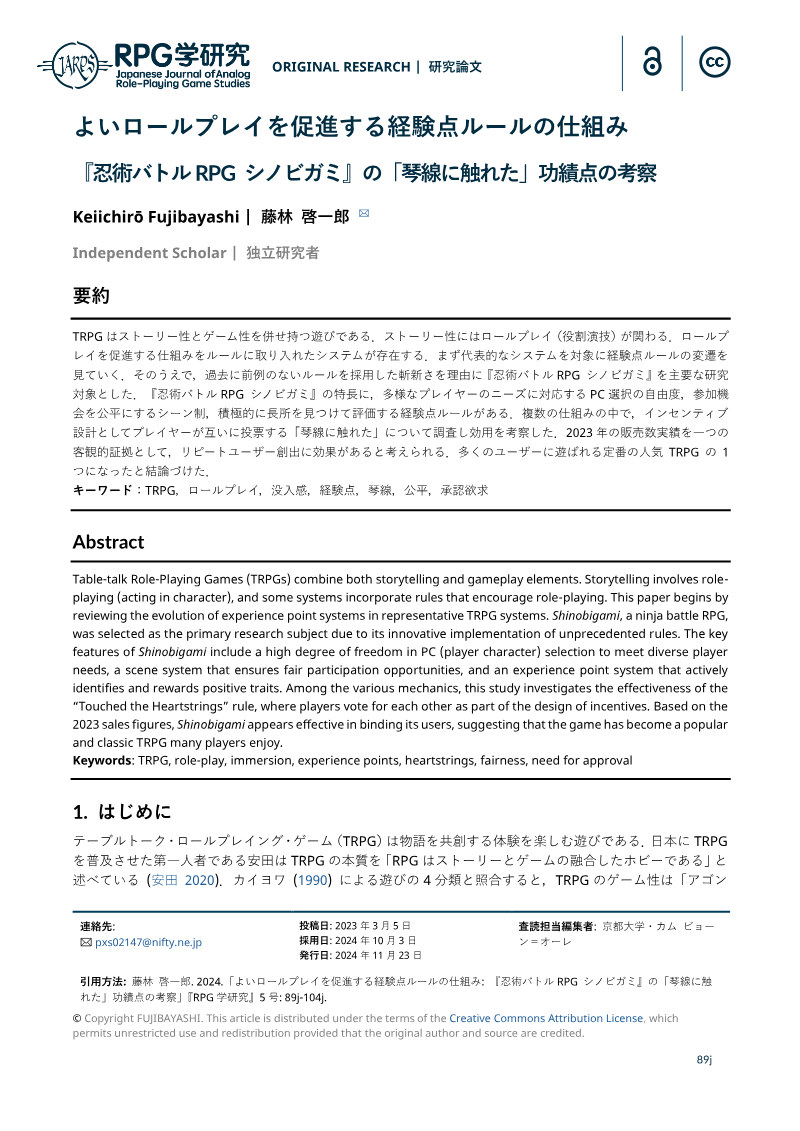
Japanese Association for Role-Playing Game Studies (JARPS) · 2024
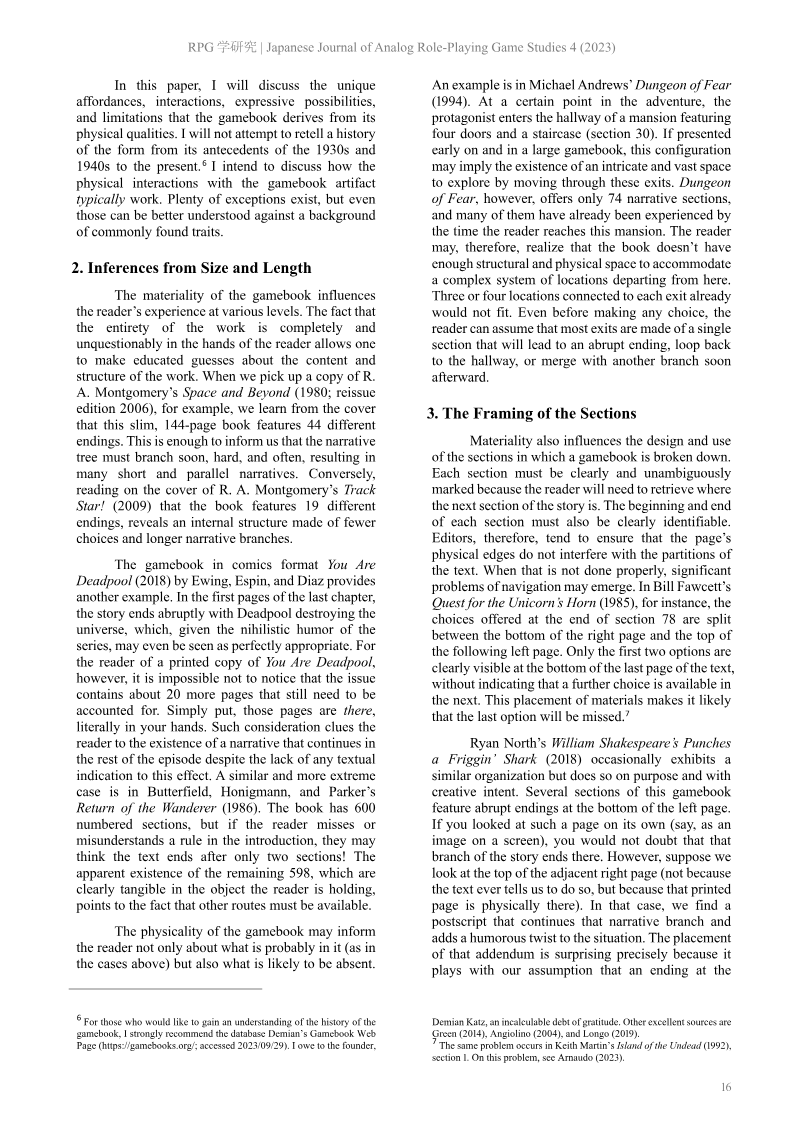
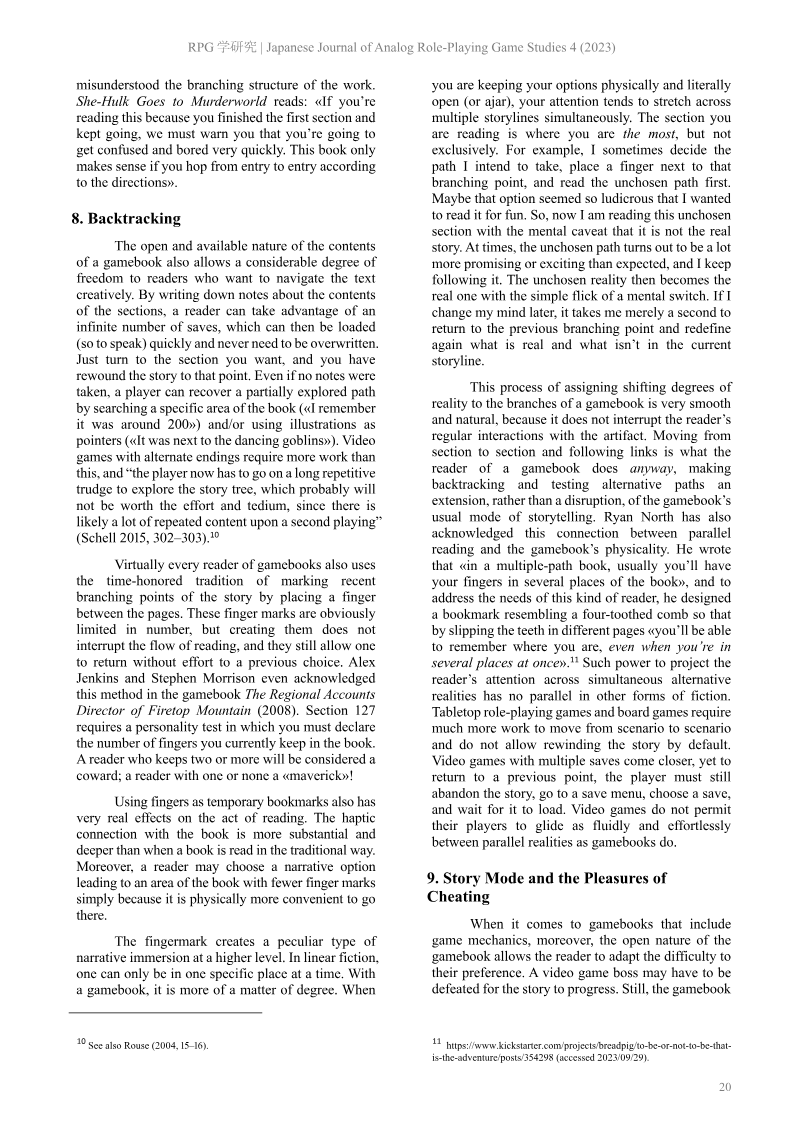
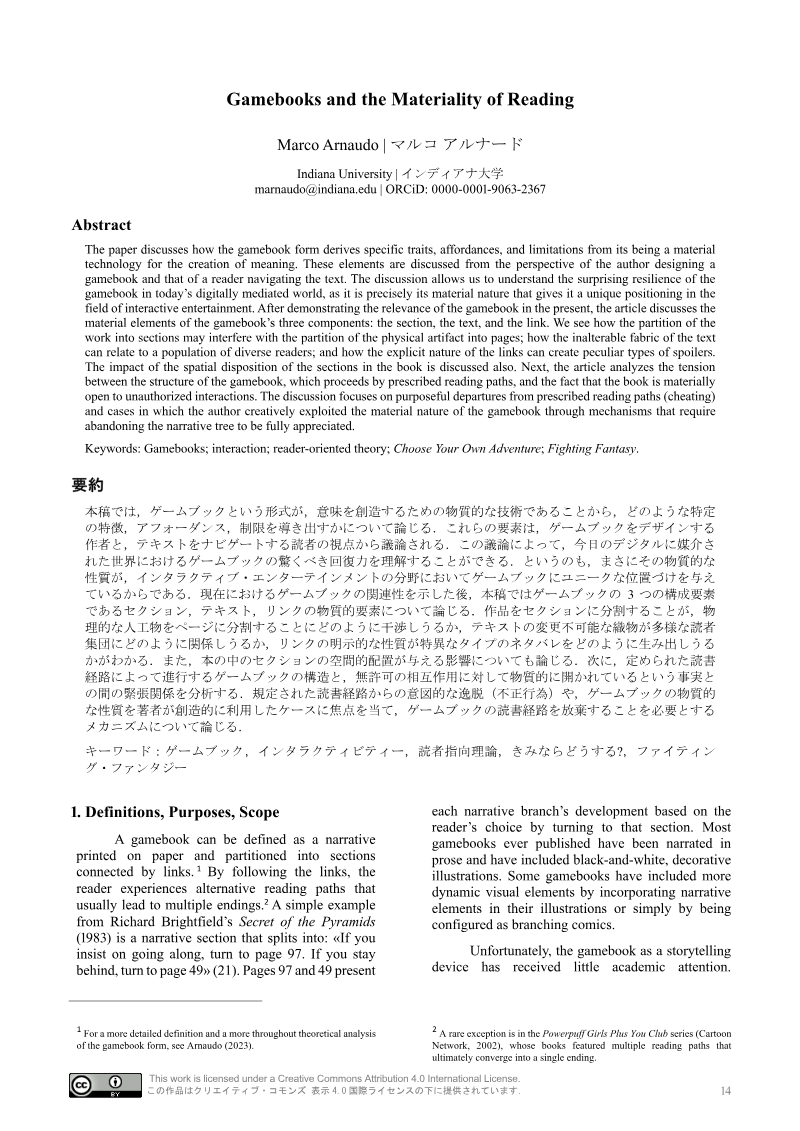
Japanese Association for Role-Playing Game Studies (JARPS) · 2023
International Journal of Role-Playing · 2026