1 free read left. Create a free account for unlimited reading + AI research.
Create free accountWhitepaper Japanese Association for Role-Playing Game Studies (JARPS)
1 free read left. Create a free account for unlimited reading + AI research.
Create free accountWhitepaperJapanese Association for Role-Playing Game Studies (JARPS)
Distilling the key insights…
This study examines the potential of table-talk role-playing games (TRPGs) as a therapeutic and educational tool within Japanese after-school daycare services (ADS) for children with developmental disabilities. As these facilities face increasing demand for effective social and communication support, the research investigates how staff perceive the utility of TRPGs in fostering developmental growth. The primary thesis is that TRPGs offer a versatile, accessible, and effective framework for supporting communication, social skills, and psychological stability in children with conditions such as autism spectrum disorder and attention-deficit/hyperactivity disorder.
The methodology involved a brainstorming session with six staff members—including childcare workers and children’s instructors—at an ADS center that has consistently integrated TRPG activities into its curriculum. Using the KJ method (affinity diagramming), the researchers analyzed the staff’s narratives to identify key learning outcomes for children. The analysis yielded seven primary thematic categories: communication, cooperation, decision-making, social skills, resilience, reading/writing/calculation skills, and imagination.
Key findings indicate that staff perceive TRPGs as highly effective for teaching interpersonal skills, such as proposing ideas, listening to others, and navigating social dynamics. The game environment provides a safe, virtual space where children can practice social roles, manage stress through the game’s mechanics, and experience a sense of agency. Furthermore, the study highlights that ADS centers are uniquely well-suited for TRPG implementation due to their flexible scheduling and focus on holistic, non-academic support. While the study confirms the value of TRPGs as a communication support tool, it notes that future adoption depends on addressing challenges such as the need for specialized training for game masters and the necessity of gathering broader feedback from children and their families.
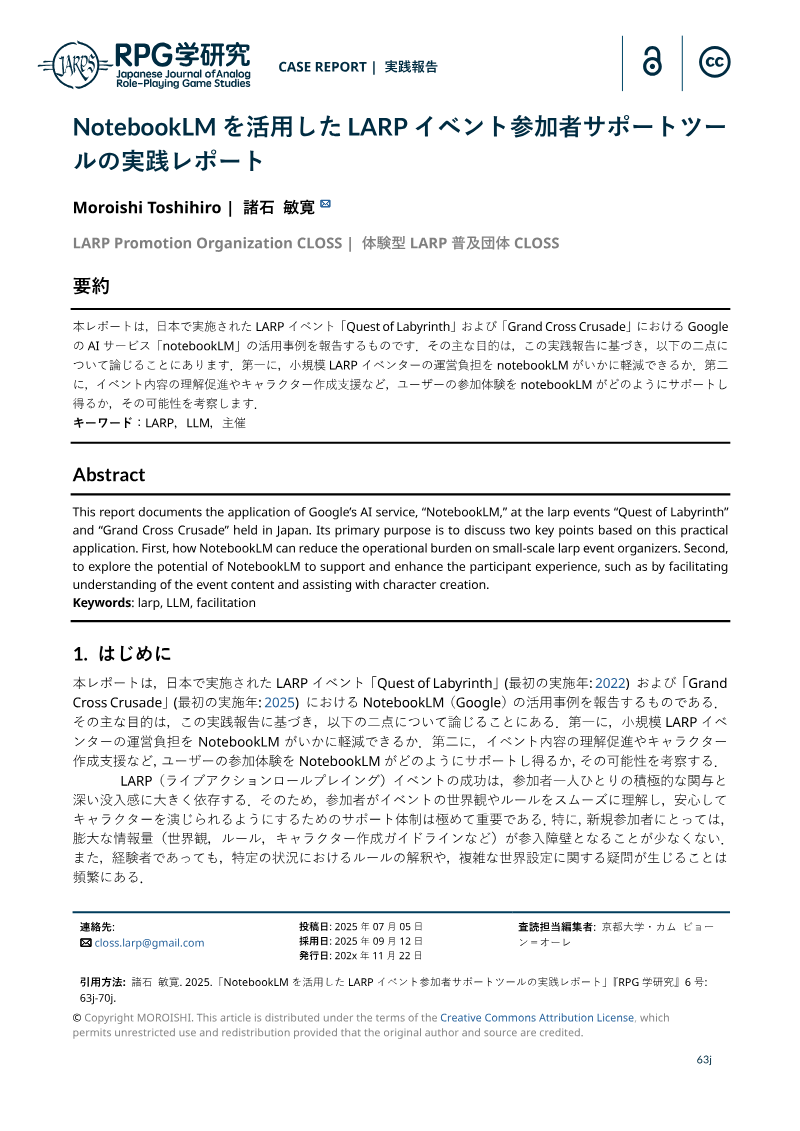
Japanese Association for Role-Playing Game Studies (JARPS) · 2025
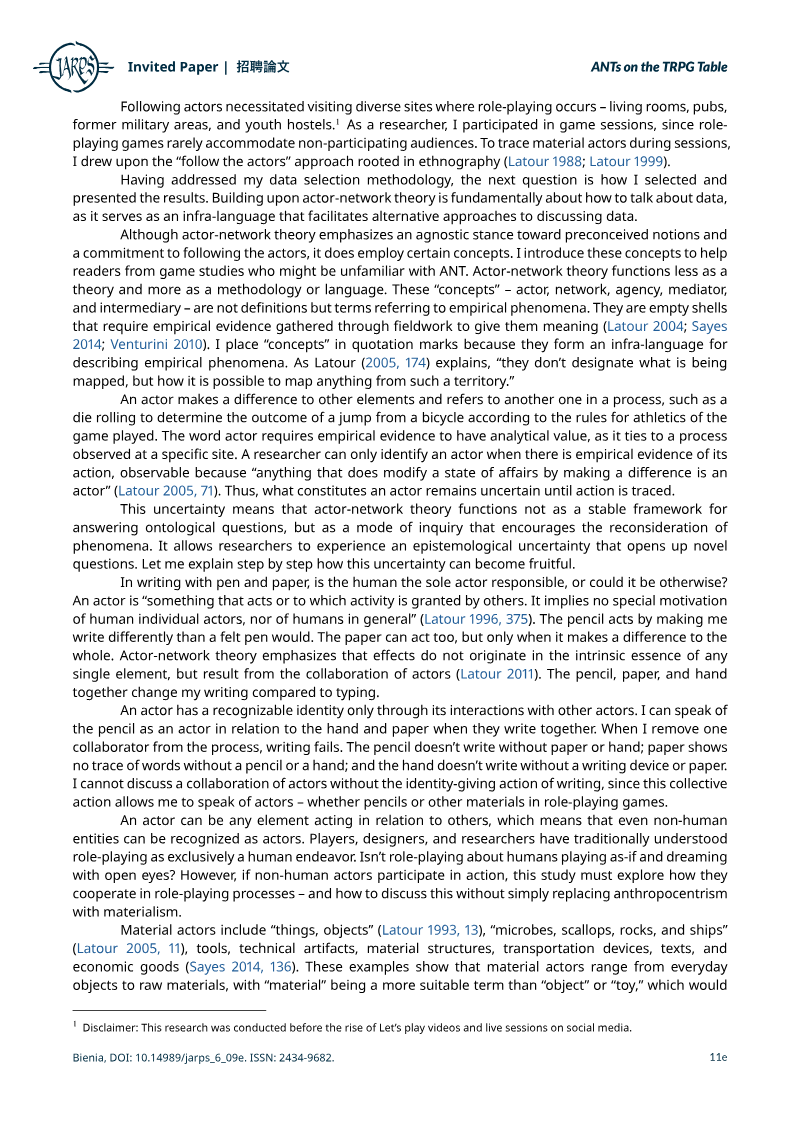
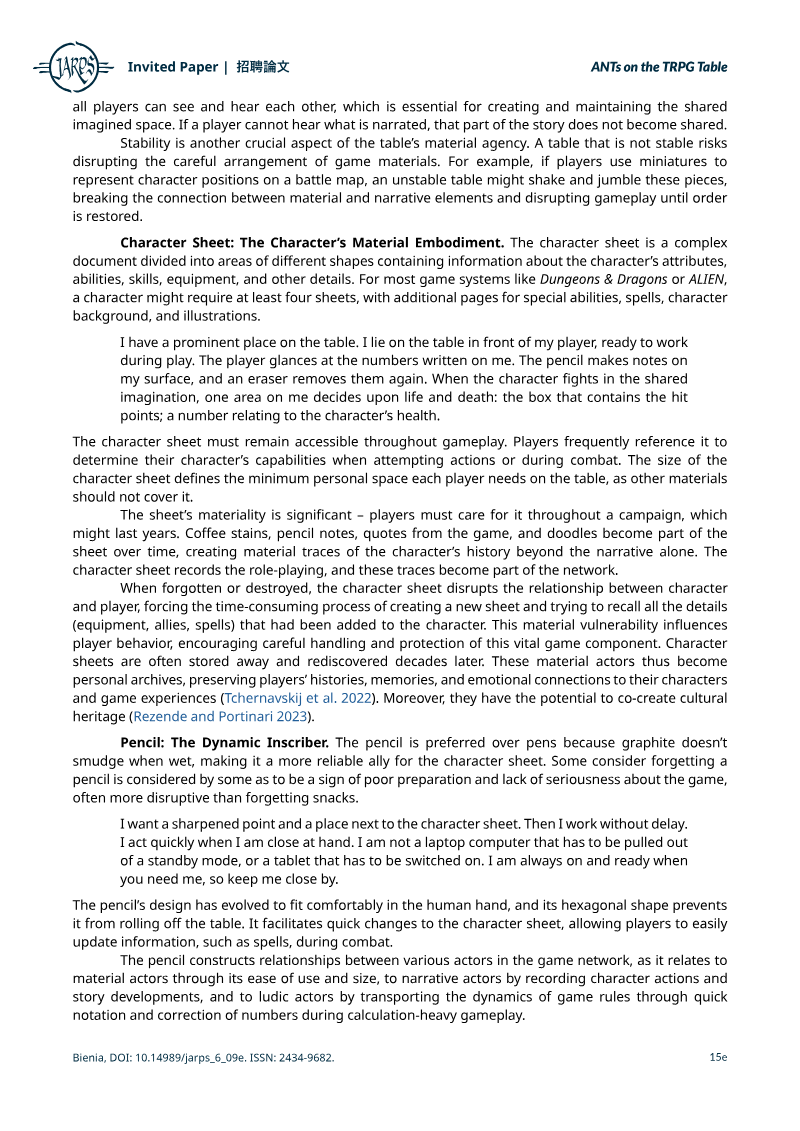
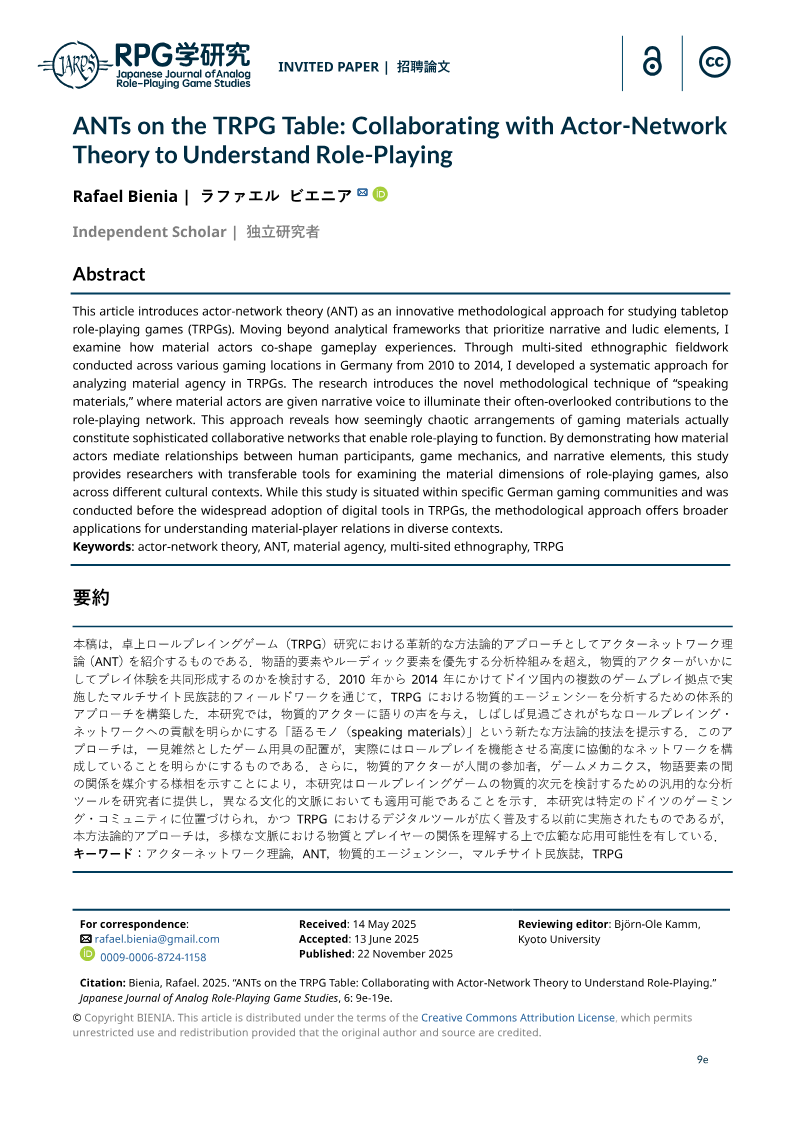
Japanese Association for Role-Playing Game Studies (JARPS) · 2025
Japanese Association for Role-Playing Game Studies (JARPS) · 2025
Japanese Association for Role-Playing Game Studies (JARPS) · 2024
Japanese Association for Role-Playing Game Studies (JARPS) · 2024
Japanese Association for Role-Playing Game Studies (JARPS) · 2024
Japanese Association for Role-Playing Game Studies (JARPS) · 2024
Japanese Association for Role-Playing Game Studies (JARPS) · 2024
Japanese Association for Role-Playing Game Studies (JARPS) · 2024
Japanese Association for Role-Playing Game Studies (JARPS) · 2024
Japanese Association for Role-Playing Game Studies (JARPS) · 2024
Japanese Association for Role-Playing Game Studies (JARPS) · 2023
Japanese Association for Role-Playing Game Studies (JARPS) · 2022
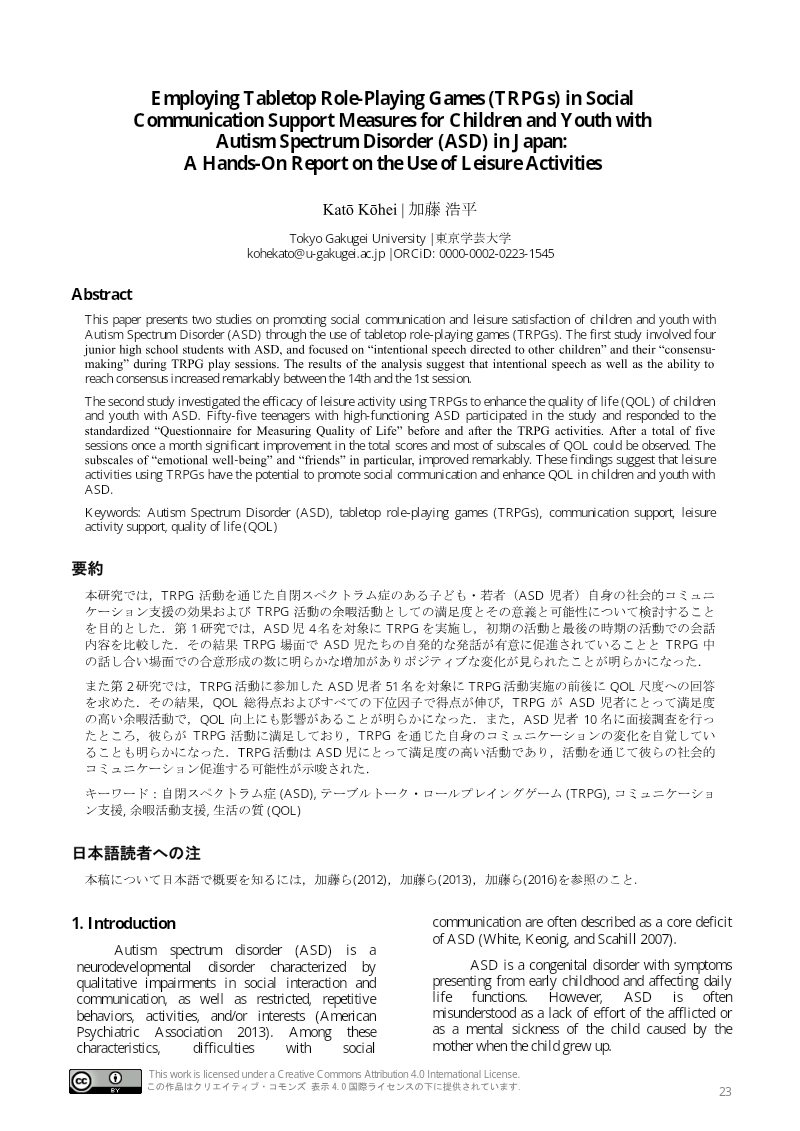
Japanese Association for Role-Playing Game Studies (JARPS) · 2019
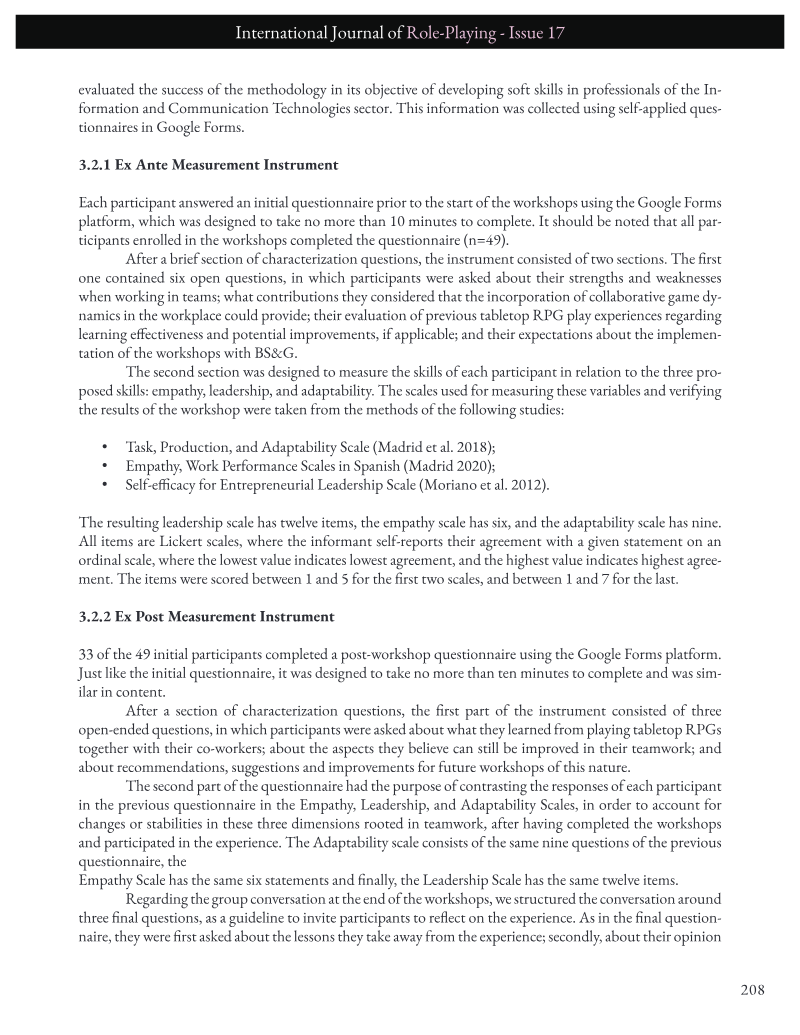
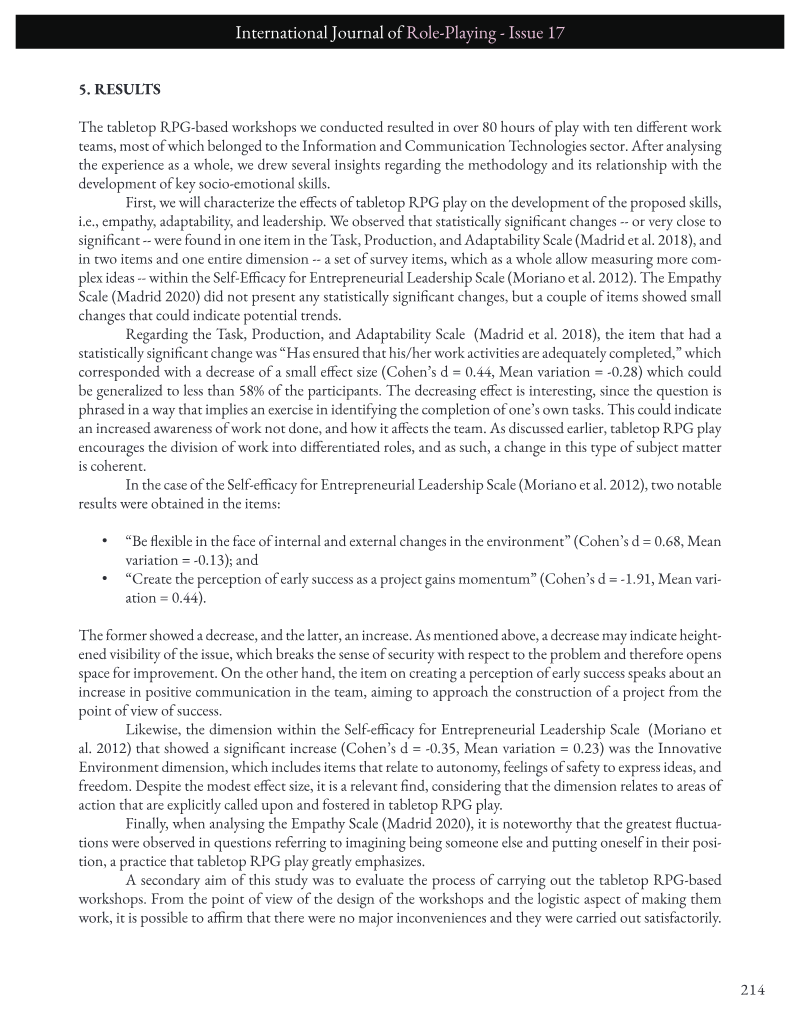
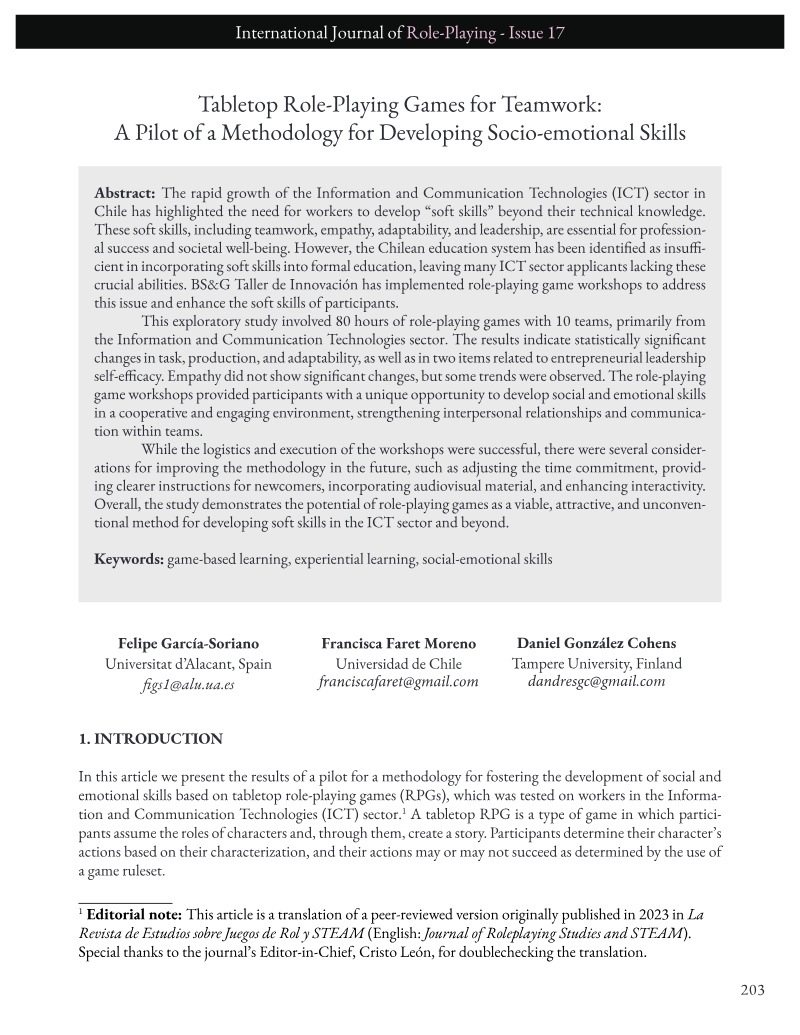
International Journal of Role-Playing · 2026