1 free read left. Create a free account for unlimited reading + AI research.
Create free accountWhitepaper Ludic Language Pedagogy
1 free read left. Create a free account for unlimited reading + AI research.
Create free accountWhitepaperLudic Language Pedagogy
This shift moves university language learning from teacher-led instruction to a self-directed model.
Key shift. Students becoming Gamemasters shifts language learning to a self-directed model and develops soft skills.
The role of the Gamemaster extends well beyond traditional tabletop role-playing games, serving as a vital pedagogical tool for facilitating board and card game engagement within university-level language learning environments. By transitioning students into the role of Gamemaster, educators can effectively scale game-based learning while simultaneously fostering essential soft skills, including leadership, communication, and pedagogical awareness. This approach shifts the classroom dynamic from teacher-led instruction to a self-directed model, leveraging student autonomy to create a more dynamic and inclusive learning atmosphere.
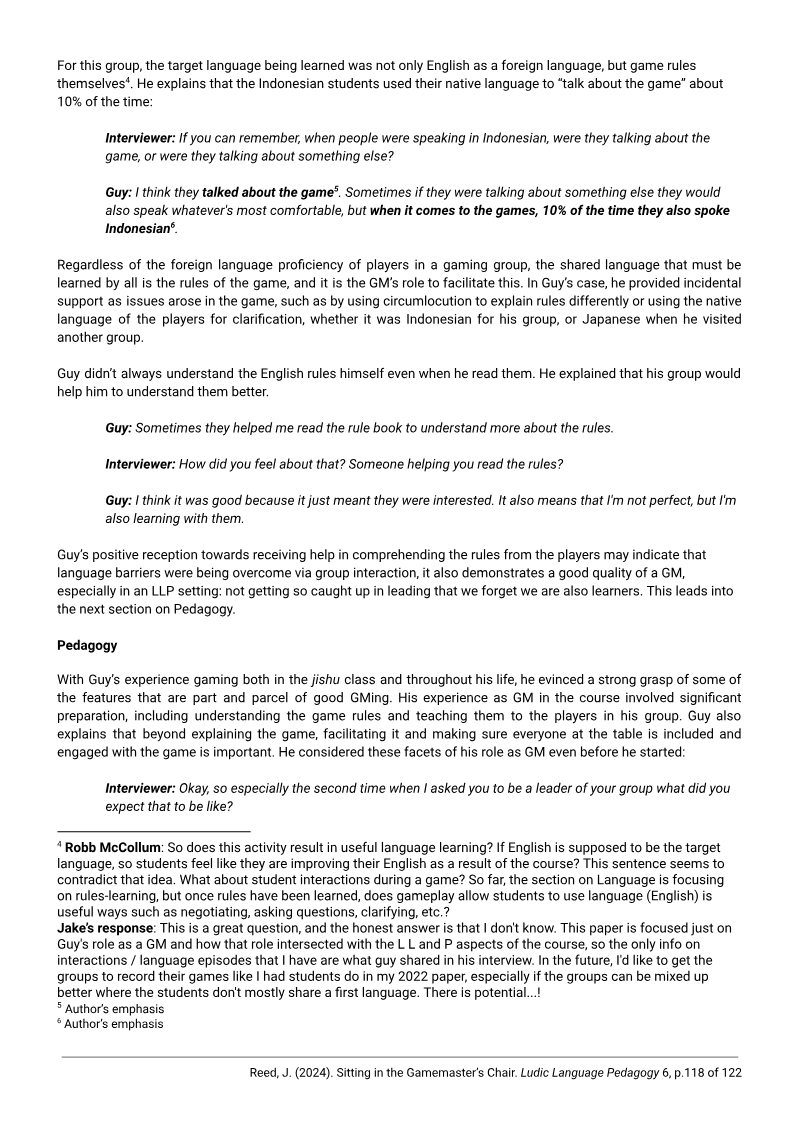
The implementation of this model within a university setting relies on a low-stakes, pass/fail structure that prioritizes intrinsic motivation through the principles of autonomy, competence, and relatedness. By utilizing a communal self-access learning center, the framework employs sociocultural scaffolding where experienced students guide novices through complex rule sets. While board games present unique linguistic and cognitive challenges compared to digital gaming, they offer a superior environment for active language production and social interaction. This methodology proves that when students are empowered to manage gameplay, they develop a deeper understanding of both the mechanics of play and the nuances of the target language.
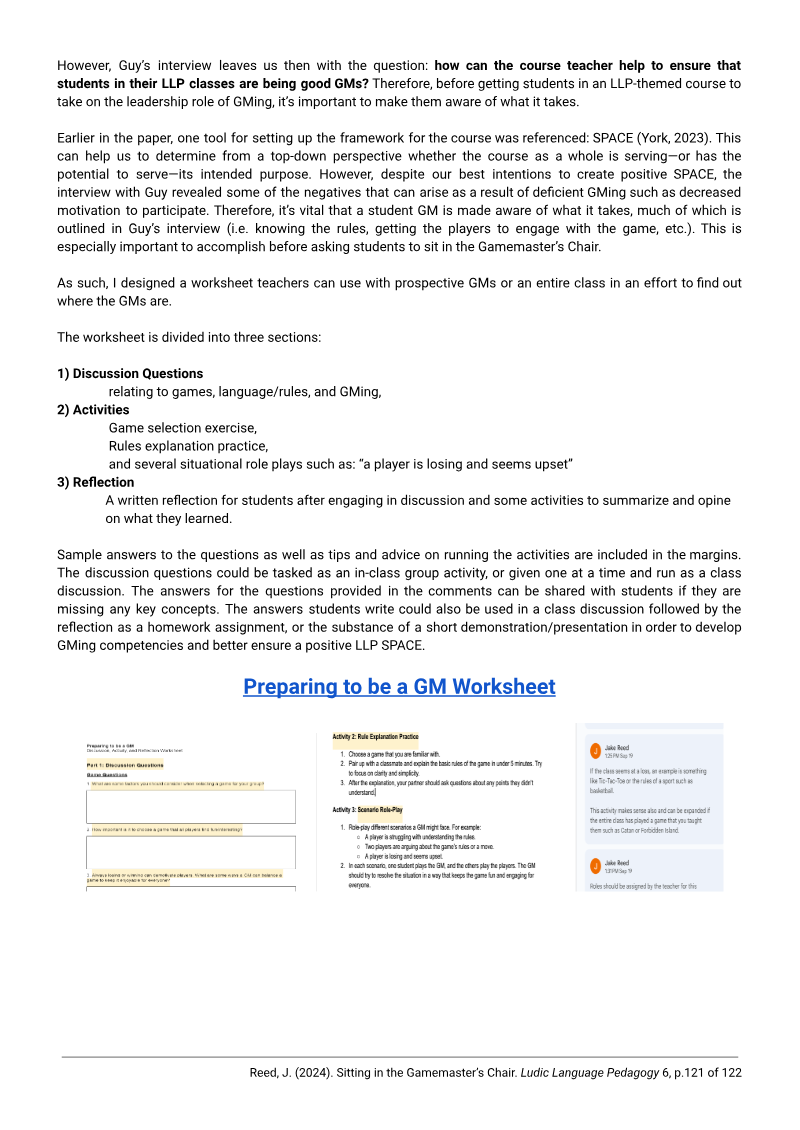
Effective facilitation requires more than mere mastery of game rules; it demands a high degree of pedagogical flexibility and the ability to employ scaffolding techniques to maintain player engagement. Because the quality of the student experience is directly tied to the competence of the Gamemaster, structured training is essential. Proactive preparation, including rule-explanation practice and situational role-plays, ensures that student leaders can navigate the complexities of game facilitation without causing frustration or disengagement among their peers. Ultimately, integrating Gamemastering into the curriculum transforms the classroom into a collaborative space where leadership development and linguistic proficiency are mutually reinforced.
Ludic Language Pedagogy · 2026
Ludic Language Pedagogy · 2026
Ludic Language Pedagogy · 2026
Ludic Language Pedagogy · 2026
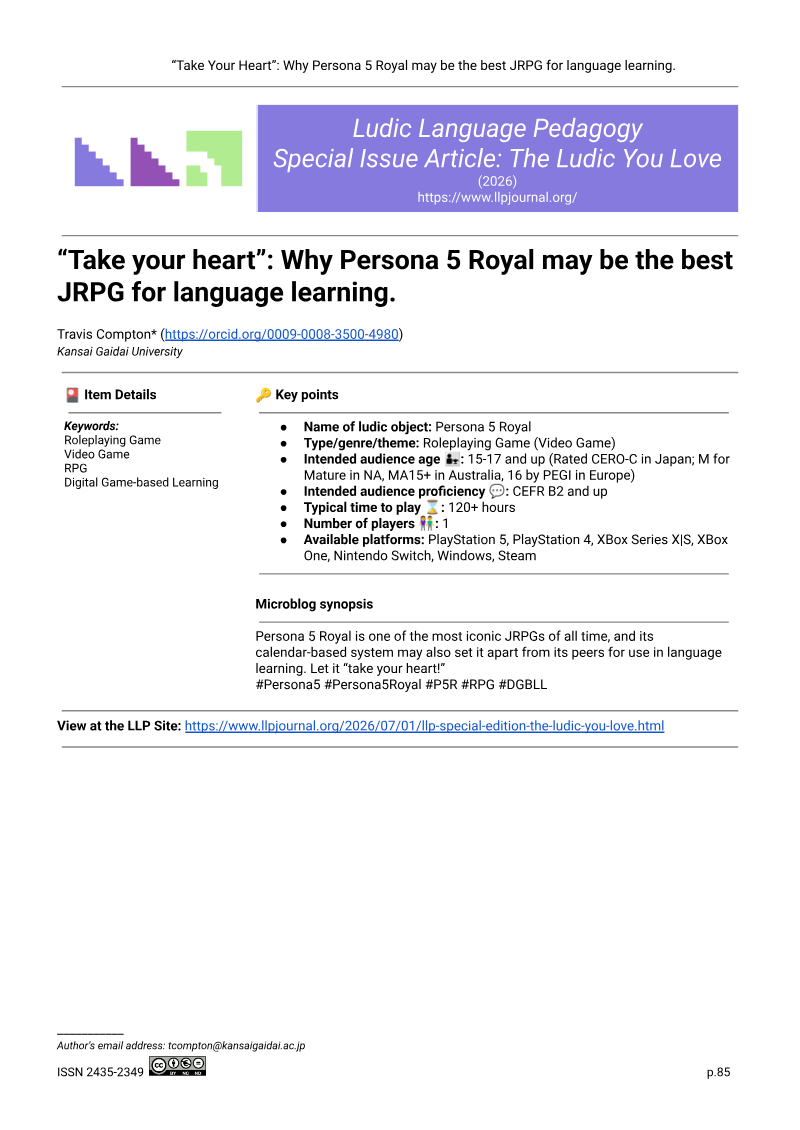
Ludic Language Pedagogy · 2026
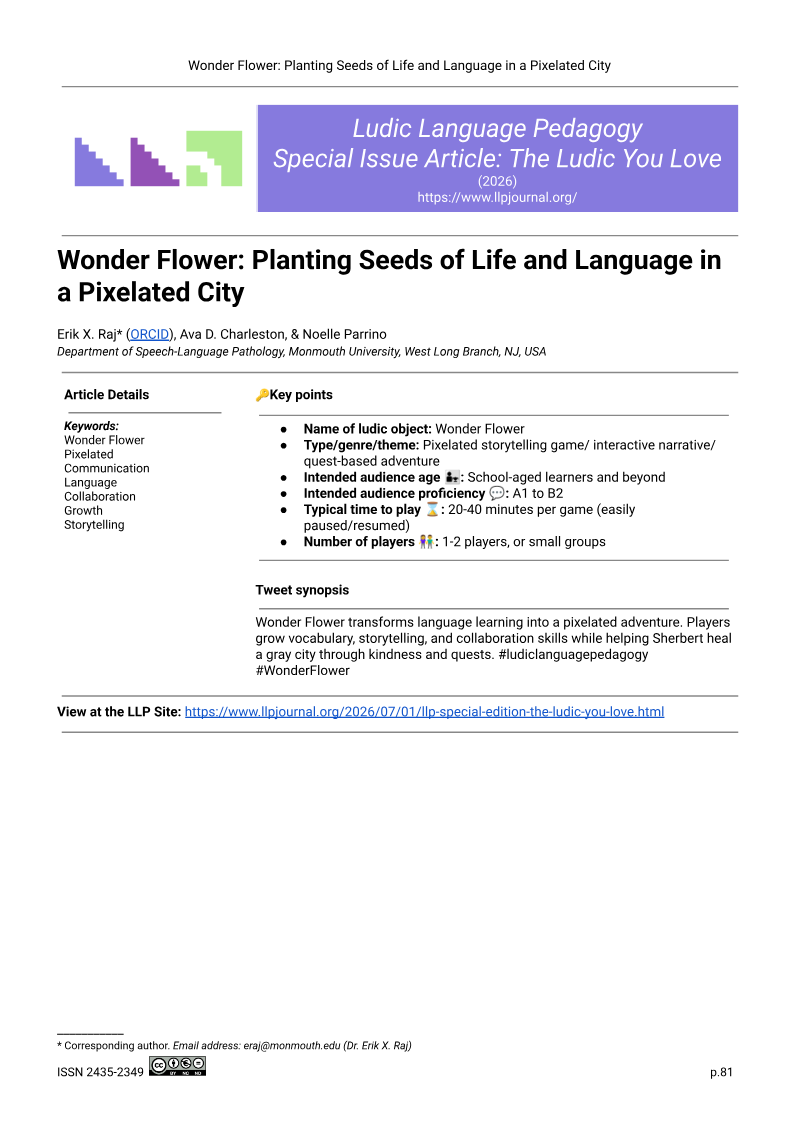
Ludic Language Pedagogy · 2026
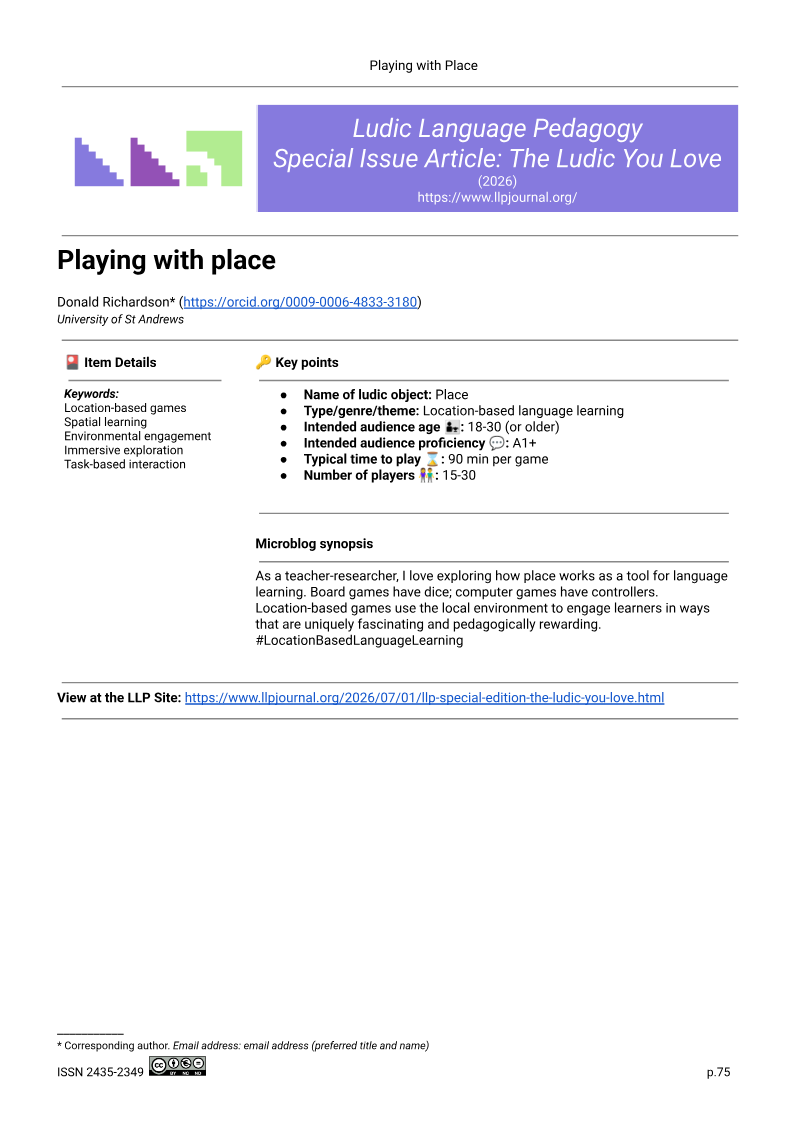
Ludic Language Pedagogy · 2026
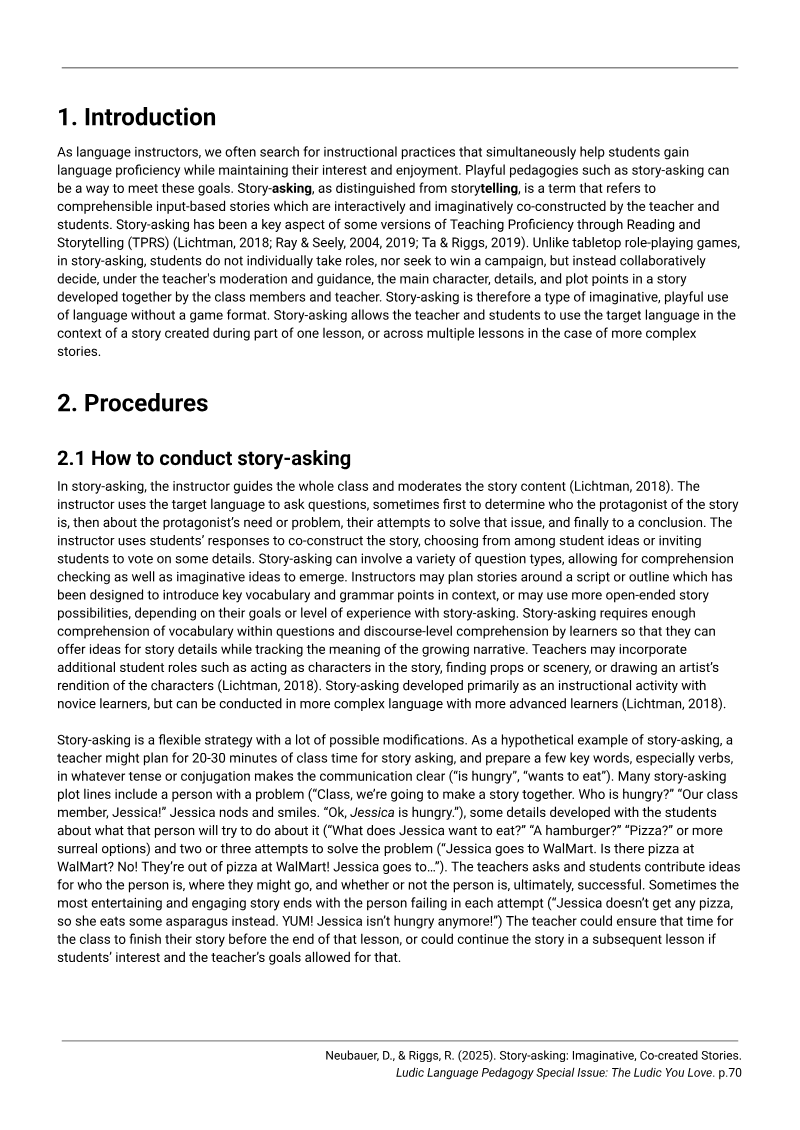
Ludic Language Pedagogy · 2026
Ludic Language Pedagogy · 2026
Ludic Language Pedagogy · 2026
Ludic Language Pedagogy · 2026



Ludic Language Pedagogy · 2026
Ludic Language Pedagogy · 2026