Game Publishing reports and market data
Documents

Branding for Top Line Growth: MY.GAMES Journey by CEO Elena Grigorian
The gaming industry faces a persistent challenge where the cost of acquiring paying users (CPPU) steadily rises while the revenue per paying user (RPPU) struggles to keep pace, creating an inevitable intersection that threatens long-term profitability.
- MY.GAMES is shifting from performance-based marketing to branding campaigns to counter the industry-wide trend of rising costs per paying user (CPPU) outpacing revenue per paying user (RPPU).
- A branding campaign targeting a broad audience increased downloads and marketing efficiency but failed to generate significant revenue because the casual audience could not navigate the game's complex onboarding and monetization.
- A second, more targeted branding campaign focused on demographics with a higher propensity for spending resulted in improved retention rates and higher revenue compared to the initial broad-reach attempt.
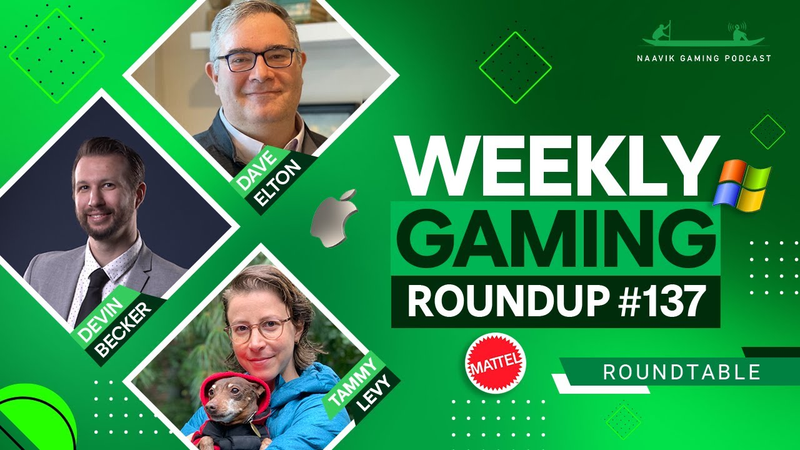
A Mario Movie Sequel / Activision's New Union / Apple's EU Troubles / Toys x Games
The gaming industry is currently undergoing a period of structural transformation characterized by the aggressive expansion of intellectual property, shifting labor relations, and evolving regulatory pressures.
- Microsoft has officially recognized a 600-person union representing quality assurance staff, marking a significant shift toward collective bargaining in the North American gaming sector.
- The EU's Digital Markets Act now mandates that Apple permit third-party app stores and alternative payment methods, though restrictive compliance requirements continue to limit the practical benefits for developers.
- Major toy manufacturers like Mattel are shifting from traditional licensing to internal co-development and self-publishing to capture more value from digital-first younger demographics.
The Past, Present, & Future of Live Service Games
Live service games represent a fundamental shift in the industry, moving away from static, one-time product releases toward an iterative, long-running model that functions more like episodic television.
- The live service market has shifted to a winner-take-all dynamic, where high production costs and barriers to entry make mid-tier profitability increasingly unsustainable.
- Industry growth has stagnated as player acquisition slows and established incumbents dominate, forcing developers to abandon bloated production cycles in favor of leaner, agile models.
- Sustained player retention now depends on superior core gameplay loops and community-driven feedback rather than the sheer volume of content, which is no longer sufficient in a saturated market.
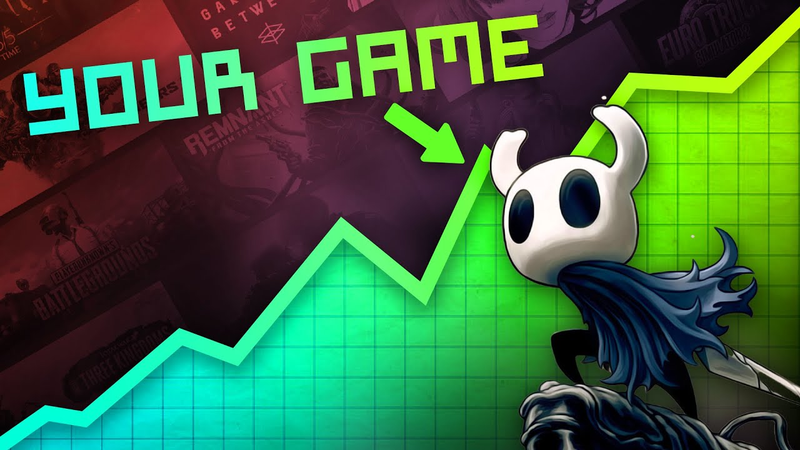
Why 96% Of Indie Games Make NO MONEY
The indie game development landscape is currently defined by extreme market saturation and low financial returns, with the average lifetime earnings for an indie title hovering around $11,000.
- The indie game market is becoming increasingly saturated, with Steam releases growing from 9,000 in 2020 to 14,000 in 2023, leading to an average lifetime earning of only $11,000 for most developers.
- To survive, developers must adopt a 'super indie' model by keeping teams small, utilizing existing assets from platforms like the Unity Asset Store, and leveraging AI tools to drastically reduce production costs.
- Developers should implement a 'Trinity Hook' strategy, which requires defining a specific story, mechanical, and visual hook for every project to ensure the game stands out in a crowded market.
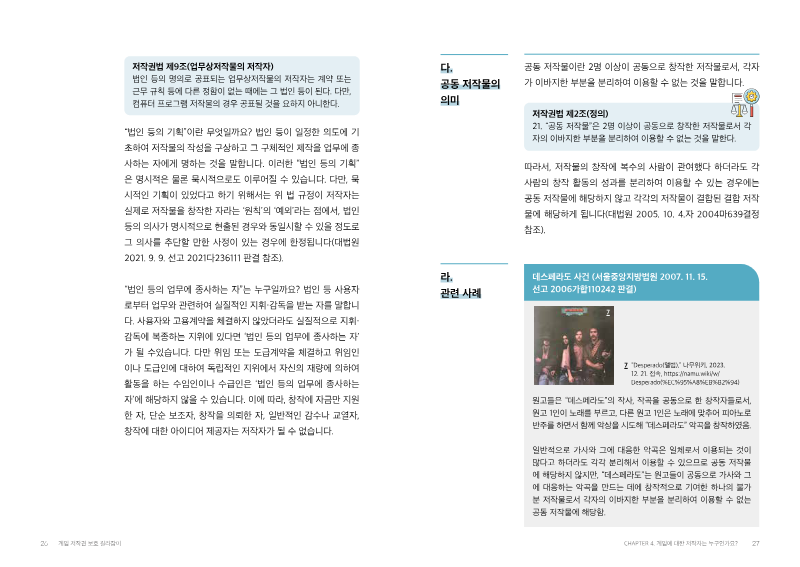
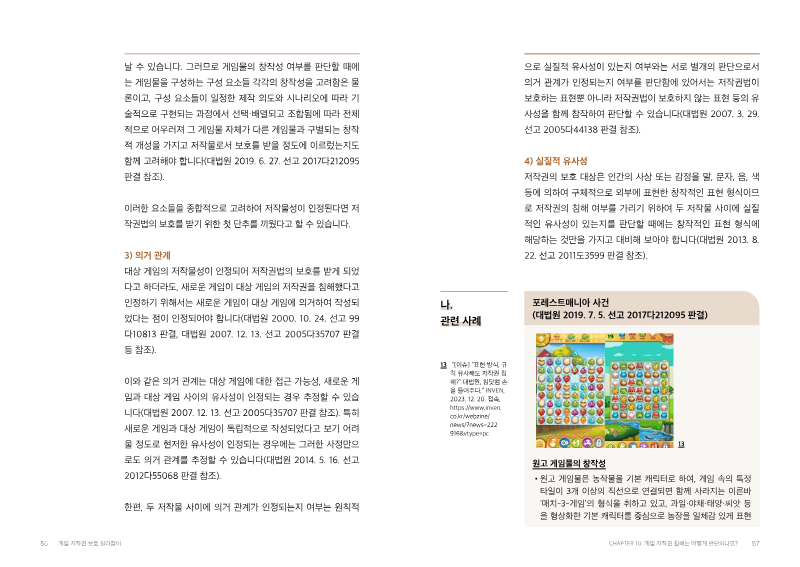

Game Copyright Protection Guide: South Korea
The South Korean gaming industry requires a robust understanding of intellectual property law to mitigate rising copyright disputes and protect creative assets.
- Copyright protection in South Korea is limited to unique creative expressions and does not extend to functional game mechanics, underlying ideas, or generic software elements.
- Courts determine copyright infringement based on the legal standards of access and substantial similarity, requiring evidence of an author’s unique creative personality.
- The Unfair Competition Prevention and Trade Secret Protection Act provides a secondary legal layer to protect significant investments and business efforts that do not qualify for traditional copyright.
Finding a publisher: Live Q&A
Securing a publishing deal for premium PC and console titles requires a fundamental shift from creative-led development to a rigorous, business-oriented strategy.
- Publishers prioritize risk mitigation, requiring developers to present a comprehensive business case that includes realistic budgets, detailed timelines, and clear revenue projections.
- Success in securing a deal depends on demonstrating market demand through tangible metrics such as Steam wishlists, community engagement, and social proof.
- Developers should pitch a singular, confident vision supported by a functional vertical slice that highlights core mechanics and unique selling points, rather than offering multiple design concepts.

How to Succeed in MENA (with Sandsoft Games)
The Middle East and North Africa (MENA) region is rapidly evolving into a pivotal global gaming hub, fueled by a young, tech-savvy population of 800 million and robust governmental support, most notably through Saudi Arabia’s Vision 2030.
- The MENA region represents a massive market of 800 million people, driven by a mobile-first ecosystem and significant governmental investment, most notably through Saudi Arabia’s Vision 2030.
- Successful market entry requires deep culturalization beyond basic translation, including right-to-left UI/UX adaptation, adherence to regional values, and the integration of local themes.
- Monetization strategies must account for a high prevalence of unbanked consumers by integrating alternative payment methods, such as prepaid cards, rather than relying solely on traditional banking.
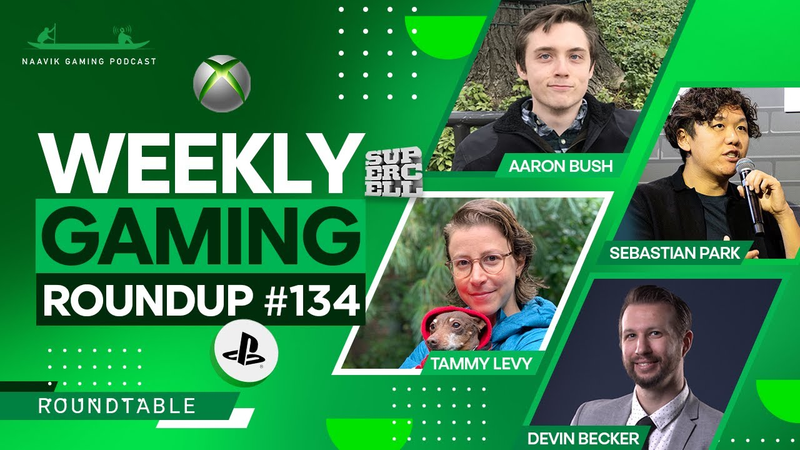
Helldivers 2 Invades Steam / Xbox’s Big Non-Event / Supercell’s Annual Letter
The gaming industry is undergoing a fundamental transition as major publishers move away from rigid hardware exclusivity toward software-first, multi-platform strategies.
- The success of Helldivers 2 demonstrates that $40 mid-tier titles can achieve significant scale by prioritizing simultaneous PlayStation and PC releases over the $300 million budgets typical of modern blockbusters.
- Major publishers are shifting toward a software-first, multi-platform strategy to mitigate the rising costs of development and move away from rigid hardware exclusivity.
- Microsoft is signaling a potential long-term transition from a hardware manufacturer to a ubiquitous gaming service provider as it cautiously expands its software catalog to competing consoles.
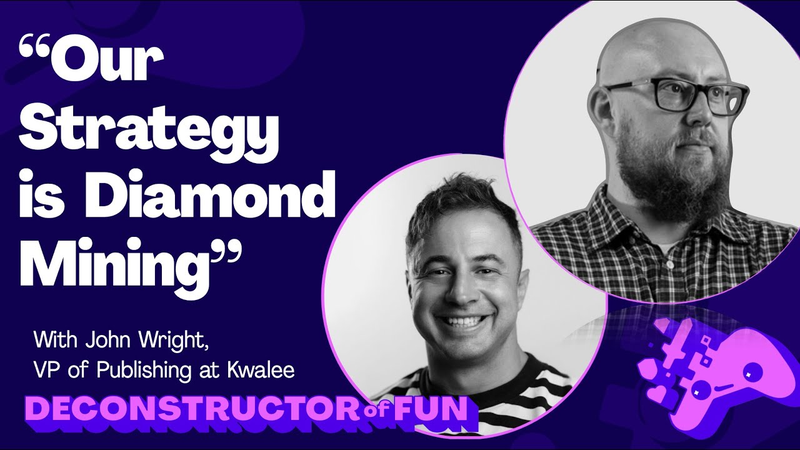
The Inner Works of a Game Publisher with John Wright, Kwalee’s Publishing Head
The mobile gaming industry is undergoing a significant structural shift as privacy regulations and capital constraints render traditional hyper-casual models increasingly unsustainable.
- The mobile gaming industry is shifting away from hyper-casual models toward hybrid-casual titles that prioritize deeper player retention and extended lifetime value.
- Rising user acquisition costs and privacy regulation changes have rendered traditional, purely metric-driven testing models unsustainable for long-term growth.
- Kwalee is transitioning to a co-development partnership model that provides developers with technical coaching, advanced A/B testing tools, and long-term strategic guidance.
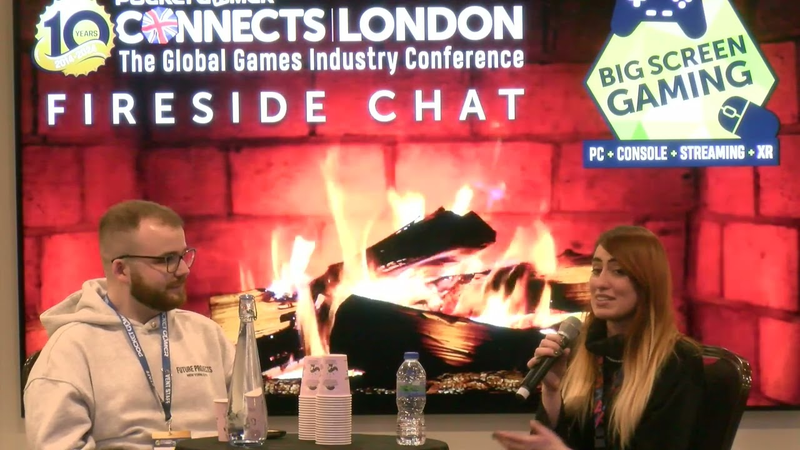
Fireside Chat: How the Home of Dead by Daylight has Stayed Independent. Charlie Scowen & Danni Pratt
Behaviour Interactive, a Canadian game developer with over 30 years of industry experience, maintains its independence by balancing original intellectual property development with strategic co-development services.
- Behaviour Interactive has maintained independence for over 30 years, currently employing over 1,300 people across six global studios.
- The studio enforces a strict 'no-crunch' policy, a culture spearheaded by CEO Rémy Racine that prioritizes work-life balance and employee retention.
- Behaviour Interactive utilizes a 'passion-first' service model, refusing to accept external development projects unless at least one team member is personally obsessed with the specific IP.

TWIG BREAKING NEWS: The Xbox Business Update 2.15.2024 Watch Party
Xbox is navigating a pivotal strategic transition, aiming to expand its reach by porting four established first-party titles to competing platforms like PlayStation and Nintendo Switch.
- Xbox is porting four established first-party titles to competing platforms, including PlayStation and Nintendo Switch, while maintaining day-one Game Pass availability for all new first-party releases.
- Microsoft is integrating Activision Blizzard titles into its ecosystem, starting with the addition of Diablo IV to Game Pass in March 2024.
- The company reports double-digit growth in PC and cloud gaming, though critics argue the overall subscription-focused model has failed to drive meaningful user base expansion over the last decade.
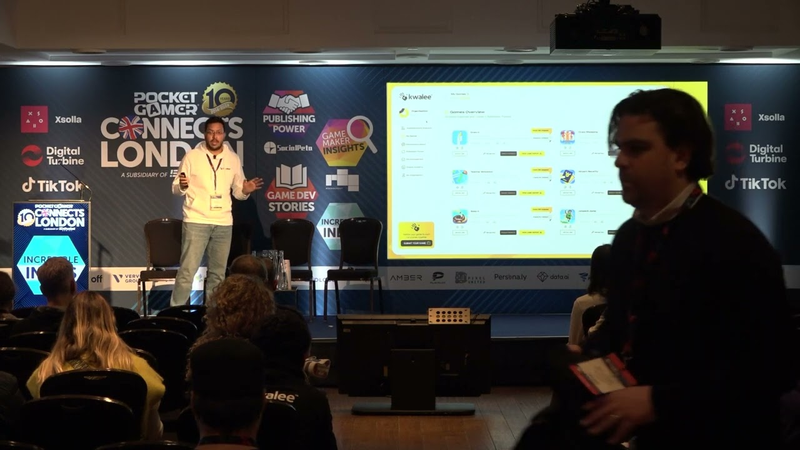
Introducing Kwalee's New Publishing Platform - Muhammad Waqas Khan, Kwalee.
Kwalee is launching a new publishing platform designed to serve as an intuitive, data-driven ecosystem for mobile game developers.
- Kwalee has launched a centralized, zero-cost publishing platform designed to provide independent mobile developers with data-driven insights and professional resources.
- The platform features a three-step submission process and a lightweight, automated SDK that provides developers with real-time dashboard analytics and KPI tracking.
- Developers gain direct access to Kwalee’s internal engineering, QA, and creative teams, alongside a centralized file management system and the Kwalee Academy educational hub.