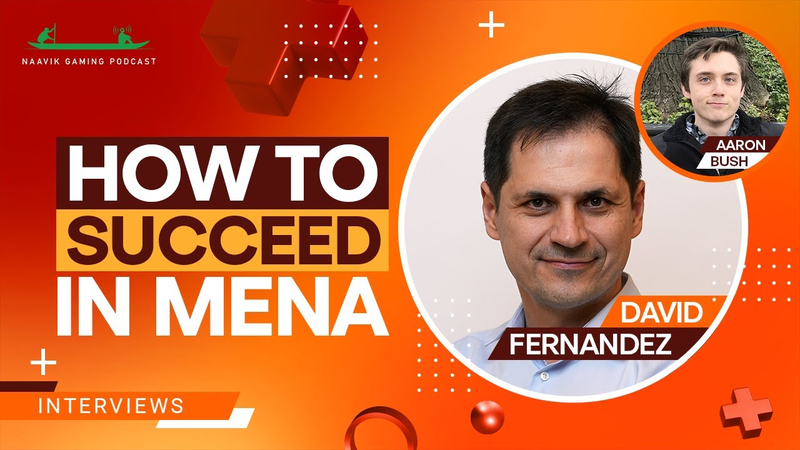
Transcript
[Music] welcome to the novit gaming podcast where it is our mission to explore the business and future of video games we bring together the industry's brightest Builders investors and thinkers to keep a pulse on current events dissect emerging Trends and games share Lessons Learned and have a great time this podcast is also part of novic growing ecosystem which ranges from free and premium research to Consulting and advice services for more information visit [Music] www.nic.edu overwolf is the guild for in-game creators whether you're a gamer Creator or game studio overwolf is the ultimate destination for integrating ugc in games
for Game Studios overwolf offers curse Forge for Studios a white label solution that lets game makers and Publishers easily integrate mods safely and seamlessly into their games both existing and new at zero cost it's battle tested by AAA Studios and games including Maxis with the Sims 4 Studio wildcard with Arc take to interactive and others for creators overwolf is the all-in-one platform that enables creators to build distribute and monetize in-game apps mods and Game servers in 2022 overwolf paid over $160 million to in-game creators proving that they truly value the talents and contributions of The Gaming Community you can check out everything over wolf has to offer at overwolf docomo I'm your host Aaron Bush and today I am delighted to be joined by David Fernandez who is is the CEO of
sand soft games an emerging publisher in the Mina region obviously the Middle East especially with countries like Israel and Saudi Arabia this region is not just becoming a growing hotbed for new gamer activity but due to both governmental support and entrepreneurial tax more legitimate gaming companies than ever before are Now setting up shop with Big Dreams for the region and Beyond so today we'll dive into what Mina's gaming scene is shaping into discuss what publishing is starting to look like in the region and of course learn more about sand soft itself so with all of that said David welcome to the Pod thanks so much Adam glad to be here glad to be engaging with your audience and happy to provide some insight as well yeah so this is going to be a really fun conversation that I think will be insightful for a lot of people who might not breathe live and breathe this region uh like you do but before we dive into into the region and
soft itself David I think it would be great to start with you could you just catch us up the speed on the highlights of your games industry Journey so far well that's maybe a easy question but uh don't really know where to start so maybe let's think about how we start as a gamer which is usually the first you know experience that you have before you become an experienced person in Industry so I think that that started somehow in 1985 when I got an start to uh 2,600 and that was maybe my first you know proper gaming device that I had at home and that created some special moments in my life particularly with my brother where we're playing together and kind of enjoying that intimate moment for us be immersed in a more kind of interactive experience uh if I pass that on I think after that the other Milestone I will share is I started to code somehow early so I start coding when I was 10 years old and I would start coding basic which was maybe one of these basic languages that you start
to learn when you code particularly at these ages and that was really an inspiring moment for me to understand what I wanted to be doing in the industry I would like to be participating on something that was a passion for me which was the games industry however as you may know you know almost 35 years ago there was not so much uh education for game makers so that was more entrepreneur some people that was kind of self-taught and eventually you didn't have the opportunity to go back to University so I maybe a more serious route so I did engineering as a proper kind of Mayor in the University but this game opportunity didn't came early so I need to work a few uh in a few jobs before I actually came to the in Industry that happened in 2004 when I go join tsq uh which uh was a uh I would say old uh publisher and developer in the US uh Toys headquarter the former company and nothing to do with tsq Nordic yes they you know bought some assets but that was a different
company and I joined that company to what it was by then a new industry which was mobile gaming they were setting up tsq wireless which was maybe one of the first party uh game game developers that were coming into the mobile and I started with them as a product marketing manager which is nothing to do with my engineering background nothing to do with my actual Knowledge and Skills but that was my entry point into the games industry after that I had the chance and oppor to work with other you know companies that included digital chocolates but have the fabulous pleasure to work with you know really revealing and inspiring people like TR Hawkins orapan after that I spend some time working with Nokia where I kind of help them in their App Store and games business including engage and then it took maybe a kind of a free uh uh free time to do something different which was more in the mobile marketing and advertising try to learn some of these new uh new uh things to go to market and
eventually a new opportunity came in to join King so I came into King in 2016 to join them uh to support bble three team that was a game that I work as un L team in Barcelona studio and eventually spent with King roughly five years and had also the pleasure to go ahead Kings London studio and support candy class friends over there in my tenure and really happy about these moments but eventually pandemic came you reconsidered yourself and something new popup and that was sansoft and I had the pleasure and the opportunity to leave this team here in Saudi araban Riad to create something which I feel is somehow unique so that's maybe a quick quick summary brief on on my experience and eventually as for many of us this is started as a gamer and eventually turn into a profession no that was great sounds like a a really fun career timeline too um before we get into sansoft I do want to double click into maybe a couple pieces of what you've been involved in the first of
which you know more recently is King you mentioned you spent 5 years there you held spearhead their most important games um and so I'm just curious you know as you look back were there any notable Lessons Learned From that time that help inform how you lead at sansoft today well maybe on the on the sof skill side definitely uh I think that King has really strong culture that is people Centric people focus and eventually everything that we were doing at King was with that consideration trying to make sure that we're involving people in the decision making trying to make sure what the impact on people was and eventually making sure that uh there was not just the internal people that we were looking after which was our employees but also our external you know Partners which was our players so that was really something that was maybe really striking to me and after I left King something I still feel that is the good thing to approach businesses thinking on people first being this your uh employees being thej players and
eventually think business after presume the other one is about how sophisticated at games as a service business could be and I think when you work maybe in a smaller scale organization when you work maybe in a smaller game there is a few things that you can be doing and eventually few things that you can test and go to market but when you work in a company that have games with millions of DS you know some tens of millions of miles event the scale that you have is insane and that means that you can test multiple things at the same time you can run a test in a scale to get meaningful insides that means as well that you can do SUB segments of your audience to make sure that you can Target specific player motivations player needs so everything that a marketeer will be excited about everything that a kind of game designer or product manager will be doing that's really a perfect space for you to run in games at a scale and eventually that giving us some foundations as well to try to understand how we can optimize how we can make the most about the
player experience to make sure that we don't just engage and interact and entertain people but EV to create a commercial viable business that can scale and can be optimized as part of that experience as well so having this combination in between data and Science and eventually between creativity and uh engineering is something that in King was truly unique and that was something that you can uh definely you know uh this style from any particular aspect of the organization so really excited about our journey really happy about the teams that have work working in there and eventually really happy about the success they are having lately and managing to keep drawing candy cr and eventually you know growing as a company as well well that's very well said thanks for sharing all of that um so obviously you learned a lot at king um you mentioned as well how the covid pandemic happened it changed forced you to rethink you know some things in life could you tell us more about why you decided to make the leap to
sansoft because from my perspective that's a pretty big change you live in Saudi Arabia now um working in a completely different region tell us the story of how that came to be sure well I presume that first and foremost I'm one of these leaders that like to kind of showcase by doing and eventually when you tell people you know you need to come out from your comfort zone that's definely I try to do myself and make sure that I'm exploring the wider and broader open opportunity space being this on Career progression being this on product you know decisions being this on any particular business opportunities that you find in your professional life so that's something I truly believe in you know make sure that you think out of the box and come out from your comfort zone so in this particular opportunity there was certain form of lack meaning that opportunities need to appear before you actually can you know definely decide if that makes sense for you but that's as well something that needs to come at the right time and I feel for that specific uh Dimension I was ready
to maybe explore another opportunity and reason being was mostly about I would say two major factors one and it's something that is not new is really hard to innovate in large organizations I think to create something really new something really unique something that is really different to what you have been doing before is somehow hard I think commercially viable successful organizations tend to be more risk AV and tend to focus on incremental value trying to focus on opportunity cost to do X versus doing Y and eventually that's stiffen Innovation um so we have seen maybe not so many companies that have success in the market in the free topr space being able to innovate again being able to do that with a larger scale game or even the same scale that they have successed before so that was maybe one thing second one I presume as as many people in the industry you have this entrepreneur Spirit you have this spirit I would like to start doing something from a scratch I would like to be doing something that I can shape in a
given way from the very beginning and the both things combined appear in this opportunity and maybe a third side effect into this decision was more an altruistic perspective which is more about the notion of giving back I think that if we are somehow successful if we are um in our journey in sense of creating the impact we wanted to be doing eventually will be helping and supporting the growth of an industry in a country in a region that is not majoring the G development in the games industry generally speaking So eventually by us being successful we can provide opportunities for people that wanted to do games in this country in Saudi Arabia but maybe they don't have enough opportunities to do games in this part of the world and eventually they need to leave you know their country to do that in other parts of the world so this GI Gap back component is also important but I will be not honest to you if I will tell you that was the main decision point no I'm I'm altruistic for sure but maybe that was not the the main core uh you know pillar for my this is
you're making yeah well it sounds really exciting and we'll spend a big chunk of the the conversation a bit later diving into all the details of sansoft how you're leading what you're working on all of that but before we zoom in I think it would be smart to zoom out and and focus on the the Mina region Saudi Arabia a little bit just to help everyone better understand what is really going on there and and what it's like to work there and so most of our listeners probably know that this region is growing it's catching more attention um but maybe we can start with the consumer gamer side of things um what type of growth are you seeing what type of Trends are you seeing um like what's that foundational view of the market looking like for you these days perfect so let me maybe U kind of elevate a bit and try to make a figure considerations first from uh how the
games market look like here and eventually taking an small portion of that to diagnose their behavior and eventually get maybe more deeper into specific Market needs uh first and foremost you know Mina definition is somehow Broad and it depends on different definitions on what countries are part of Min and what countries not generally speaking I would say that there are three major regions within Mina one is North Africa which covers from Morocco till Egypt all of the countries in North Africa that are Arabic speakers and speaking right then we have Levant which is a region which covers things like Lebanon Israel that are somehow in the Mediterranean Sea and then we have you know the core part that we talk about which is GCC which is the gulf cooperation Council and that includes countries like Saudi Arabia that includes countries like Kuwait Bahrain UAE and there are some other countries that are not in this region are more in the central Asia which are Iraq Iran and other ones that are part
of the country So eventually we are talking about a population which is around 800 million people right which is quite sizeable is you know at least I would say combined uh Europe and North America that's maybe a sizeable number that is comparable to that one still below India still below you know China but somehow a sizable audience that we can have in the market second component is that in many of these countries Arabic is the main language so in many of these countries you have different dialects and definely this is not the same Arabic that you speak in Egypt than the one that you speak in Saudi Arabia and there are some connotations that you need to take into account when designing a game and particular localizing games but maybe rather than focus on the differences we need to focus on the cultural let's say similarities and when you think Arabic as a language is I if I remember well and maybe excuse me by my I'm Precision on this one is the fifth spoken language in the world so you have people in London you have people in New York you have people in par is speak in Arabic as well so when you take the wider
opportunity about Arabic population then you know thinking about that as a proper segment of the total uh total G Market makes sense coming back to the geographical coverage right uh if we focus about that specific market and maybe is expanding into Africa as a whole that's one of the regions in the world that is growing the fastest meaning that they are growing you know double digits in the last years uh similarly with some countries in in Latin America like Brazil um this is really growing and that's mostly driven because of in my mind three major uh verticals or three major reasons about that one is about the actual age of the population population in this part of the world is younger compared to the rest of the world so the average age for example in Saudi Arabia is 29 years old where most countries in Europe are about 42 years old so definitely there is an appetite from that perspective in terms of of consumer habits for younger
generations to play games and eventually that's thriving as well you know in this particular case the growth second is about the increase in purchasing power and that might be not relevant for GCC for you know uh kuite for UA and for Saudi Arabia but this is relevant for North Africa so the economic uh situations we have seen maybe in the first part of the of the decade was driving that growth now has been stagnating a bit B based on the economic crisis but eventually the increase purchasing power from this part of the world is really uh helping us supporting the growth the third component is access to devices access to gaming devices that being maybe smartphone penetration that may be consoles as well penetration the market and that's also growing as well so all of these combined I think make the Minag Market a potential sweet spot for people looking into leveraging opportunities within that market not to just say on the full Arabic World maybe
trying to diagnose a bit on the on the audience on the on the gamers perspective is true as well that this Market is mostly mobile driven I think if you focus on North Africa that's true for sure if you focus on more wealthy countries is it still the primary platform and is the primary platform not because of uh in this particular case uh the opportuni for them to own multiple you know gaming devices because they own it's more about a um a more accessible device to play on the go I think that is following you is accessible is ous so you can play anytime and that's making you know the device as a perect platform as well for for gamers in other parts of the world is true that the gaming experiences will be different if you play on Console PC this mobile and definitely the player have is May defer if you tackle maybe more casual later short testation experiences on mobile versus PC and console but that's maybe not unique from this Reg that happens everywhere I presume as well you know
another important factor is that particularly focusing now maybe on mobile free to play which is the the industry I know the most I know less about PC and console uh this uh region thinking on GCC is maybe one of the regions with the largest output the largest you know average revenue per user is happening I would say in between United Arab Emirates Saudi Arabia or KU it depends on the actual game but based on the spending power that this you have thus a nature for U or a kind of natural environment for for these wealthy Spenders to engage in gaming communities and eventually find Value in the investment they do in games and eventually increase you know the average revenue per user on on given games it's true as well that maybe uh compare uh this region with other maybe more Western countries being this Europe or North America or even South America I think here people like to compete I mean they are quite competitive and they play
games sometimes to just show off and for that given perspective they don't mind things like pay to win also they are quite maybe uh interested in Social Status so they don't mind to pay just to get this unique thing that you have in the game because you are you know a heavy spender or you're wealthy person so these are things that you see and that's maybe more similar to China as a market where some of these Concepts like vanity items like you know payto week components is something that people don't don't mind and actually welcome as opposed to things that you see in other markets where you might be frightened about showcasing your wealth you might be frightened about thinking that you are cheating the game because you are paying here I think is the opposite way so people feel I wouldn't say proud but well if they just pay to advance quicker or pay to get an extra power or pay to just get this vanity item that is R unique and that can make them more um you know visible in the social space Maybe taking out a different angle which is the games industry you know how
the games industry is shaping up here I think is still nent and I think when you compare this to more developed markets uh is definely not uh or to the extent that this could be based on Talent availability and based on as well the passion that we have here for games and eventually that will take time to develop however I think that there are differences between the different regions as well I think Egypt and North Africa is might be more evolved that was maybe a home for some Outsourcing companies for console PC before you know countries like Morocco had you know Ubisoft implants that were helping them on certain parts of the game we have Egypt as well that happen to be the same and have some kind of smaller side satellite Studios that were working on C development opportunities and maybe closer to Saudi Arabia closer to the core of of the Min of the Middle East region uh we have Jordan I think Jordan might be maybe the more mature ecosystem that we have here they have uh studed 10 years ago in most of the cases and we
had companies that actually did an exit so we had companies like for example jaer or B games that were acquired by still from group we have another company called tamatan that was invested by Crafton So eventually they were more mature uh they have a combination in between Publishers like tamat or maybe game developers game maker ASA Walker or BB games but eventually from the game development ecosystem they were more developed than the rest of the region becoming Maybe more mro about Saudi Arabia I think one of the uniqueness that we have in Saudi Arabia and I see something similar in United Arab Emirates is that the government uh the the public officials are making a commitment to the games industry they are having the games industry as a plan to support the diversification efforts and from that perspective that's part of the national plans and that's what it makes unique Saudi Arabia that there is a policy support there is a effective funds you know deployed into the actual
ecosystem because there is the willingness to create a size of old games industry in this part of the world and they understand that in an organic way it take much more time that incentivizing this with some public support is true as well that this program called Vision 2030 is not just about games it's about other parts of the economy other parts of the of the society and that's a full-fledged program to diversify the economy but also to the more modernize the society and trying to you know move away from oil and petrochemicals and eventually build aness economy that can make them a more prosperous and sustainable country in the future for the younger Generations right um we maybe slightly more precise about one of of of these topics which is uh this is uh you know driven by the government but they are not the only agents in the in the industry here there are a lot of private companies including ours that are trying to support definitely the national plans but EV we have a more commercial attitude towards game making and
definitely working on a for-profit in know organization trying to make sure that we leverage not just the Mina opportunity as its own but eventually Global games Market as well hopefully that gives you an overview not sure if as small or or big but eventually covering um some aspects of of the Mina Market no that was great that was all really fascinating um and there was a lot in there so I have a couple follow-ups that maybe will help us double click into a couple couple zones that we can unpack a bit more um the first one is you did a great job laying out how these gamers in the region and in different different countries uh in the region operate their mobile first they're competitive they're um you know maybe more willing to spend um for pay to win or cosmetic type of items um I'm curious though you know from from the perspective of Western Studios Publishers whoever um looking in
if they want to succeed in this region enter the region and succeed what else should they know to not only best localized games but also best culturalized their games to set them most up to succeed based on all of the factors that you mentioned sure presume uh one of the basic things is language and I think that's a no to everyone that if you speak you know uh to the actual players in their own language that's a more engaging opportunity rather than speaking in a foreign language that they may know but they may not master and they may not get the the flavors that the the the language richness can provide so you know making sure that you translate the game into Arabic in my mind is something relevant uh if you have accessible play audience that you can Target in this particular Market because I presume as well we can come into the gender space in a minut that's something you like to explore but
eventually maybe not all games can grow in the same way here and maybe from that perspective they need to take a different approach so language first particularly with Arabic language this comes with certain design challenges and I think that could be similar to the things that happen in Asia with Chinese or Japanese or Korean where the UI of the game change I think you know in the Western World we write from left to right here we write from right to left and that count not just with the writing aspect it's more about when you expect thei to be so from a western eye perspective when you look into something you know which is new in an screen you tend to start you know looking into the top you know left corner here you look into the top right corner you know so definitely you need to make sure that the flow the ux of your game is considering that particular Nuance that is driven by the language but the event is more than the language so making sure that your game experience flows with that mindset you know and following that
particular you know perspective from how people see the world here from from right to left second one is about content and I think here we have two Dimensions into it one is true as well that some content might be not appropriate because I think in this part of the world uh Islam is really important is really it's really relevant for people here to be respectful about Islam as a religion and from that perspective there are certain specific considerations you need to take to make sure that for example you don't expose nity or you there are certain content types that for the time being are not really appropriate for the region so making sure that you tackle this with respect and eventually considering what your play audience uh like from from that setting perspective the thing that is maybe not unique and could be applicable to any regions is like if you have the opportunity to create local content that feels more close to that particular you know audience here in the a region that's something they will welcome so if you are playing a shooter
game and you are playing I don't know in in the Western Europe that may not relate well with people here people will relate better if you have a maybe an environment in the desert that they mimic you know what we see here eventually you have a racing game that you are playing I don't know in a circuit in in in North America that could could look well but if you don't have a circuit that is in Abu Dhabi or you know other Bahrain other parts of the world that eventually that other parts of the region that eventually will resonate better with your audience so we talk about language localization we'll talk a bit about ux design consideration we talk a bit about content I presume the third component is about community and eventually here people are maybe much more social and competitive on these communities and eventually you need to incentivize that environment where you can create healthy competitions to people to participate and to eventually you know get together as a community but in a way that they feel they are engaged it's not a passive Community where you are just listeners
people like to contribute like to create like to compete like to participate the fourth component is about user acquisition right and here I will maybe tell you that most of the channels that we use in the west still work here I think if you go to the Facebook to the metas if you go to the Instagrams if you go to you know Googles that will work here to a certain extent but eventually there are other you know uh channels that you need to consider and eventually these local channels is something that might be relevant on a kind of country bycount perspective and there are gaming communities for example here in Middle East you know like whizzo or you know STC play all other ones that if you are in this particular case a mobile game developer you may consider as an opportunity for you to explore new challenge there are definely other App Store ecosystems that are more relevant here that are other parts of the world so I think Samsung and Huawei might be stronger here that are in the west and eventually that's other OEM up store opportunities you can consider as part of your roll out into the Middle East and North Africa region and maybe the
last one is about payments I think that that's maybe a a maybe topic for a proper full let's say uh session to discuss together with you Aon uh but eventually if we think about the consumers about the players uh particularly North Africa but could be applicable to other countries in Levant and GCC and the no core uh Middle East uh they are unbanked so pretending that they have a credit card to input that in the Google Play account or you know in the Apple Apple Apple Store account is not working so uh you need to find ways to interact with these consumers and then eventually make them monetized through other other Payment Systems so uh exploring alternative payment methods for some of these consumers is relevant on top of the potential you know uh Integrations that app stor may have with operator builing and so forth but in some countries things like SC Scrat cars or you know prep cars still work so some of these nuances you need to be on the market to try to understand and
definitely I'm not expecting a kind of Indie developer you know in the West trying to disentangle all of these things together by themselves but eventually experience this with a support of a publisher being this ass or others yeah and I'm sure sansoft can help with a bunch of this we'll get to that in a moment my my second followup is um really just an observation that in most Emerging Markets I think what we've seen is Talent forms first you get great successes and then the capital follows in some way you know successful exits lead to Great Venture environments and such but in this region I know that still is the case in some places but it's almost like the equation has been flipped where now there's tremendous Capital available and now the region is working hard to develop and scale up talent to to be able to deploy into more interesting projects than before um could you share more about what is going
on in terms of developing talent in the region um what you expect that to look like over the next few years and of course um if sansoft is involved in any initiative so that'd be interesting to to hear about as well sure perfect so I presume if you think about raw talent and what I mean by raw talent is people that have certain core skills to develop a game making job uh these Ro talents exist here I think you get you know people from universities that have these basic foundations for you to come them convert them into game makers what it doesn't happen here yet is we don't have a full you know uh degree in University where you can graduate as a game design you can graduate as a game developer you can graduate as game arst this doesn't exist here but let's be also honest this was not existing either in the West 10 years ago you know so as I was telling In My Own Story right so this is something that is not happening what is happening is that the government is trying to support some of the uh
knowledge transfer and eventually um train up and level up these developers by creating specific programs in partnership with the industry so for example Unity is providing support and creating programs with Saudi de Academy to support uh in this particular case uh computer science Engineers to become somehow Unity developers and that kind of uh boot camp is helping them to become more knowledgeable about the tools that you use on game making versus being that row as mentioned before as a potential you know programmer or you know a computer Siz engineer presume as well there are a specific opportunities not just on these upskilling programs but also uh we are now working on trying to understand what a full fresh program could look like but we know that this will take time and eventually we need to make sure that we have these uh people that have been entering to this uh first uh leveling up uh um training programs to eventually
being uh being employable before we can roll out a proper full fled University curriculum for talent to develop in our case as you were describing we had an initiative that we did in partnership with the ministry of communication information technology which was called Press Start and in our case this started uh in uh January 2022 sorry 2023 last year uh where we uh just created a program for enthusiasts for people that have certain game making experience for graduates where some of these core skill set were already in place meaning that we were not teaching Unity we're not teaching Maria we were supposing that these cor skills were there but eventually hire a team of eight people uh for the you know intensive program for them with an unique objective to create a game duing Theos program so they have the opportunity to interact and to work in a professional gaming environment to understand how games are made eventually we have as well the opportunity to Har
this talent and that's why we are setting up this program but for those ones that are not the stay in soft we help them in kind of developing their skill set not just on hard skills but also on soft skills because if you have been involved in game making in some form uh yourself Adon or people in the audience you know that soft skills really matter in game development you know being able to work as a team player being able to support the creative thinking being able to challenge your team being able to s the wins and celebrate the the the learnings is really important and that's something that maybe paraphrasing my dear friend El here you know good games are made by great teams not by great individuals great individuals can compose great teams but sometimes it's not uh the same the same situation right so def tality development really important and maybe coming back to your former question that's as well one of the natures of the full you know company sorry full uh contribution how we can train this new Talent generation to make sure that we
are ready to cope that transformation as a country being this in games or in whether industries that we are tackling here awesome no that's fantastic and I I have one last question for you here before we really spend the rest of the episode talking about what you're building at sansoft which is that as you mentioned um this region and maybe we can just drill in on on Saudi Arabia here too um has very heavy governmental support and ownership but it also has teams like yours that um are um private companies have strong entrepreneurial Spirit behind it don't have that that government backing I'm curious to hear your take on where that Trend will go over the next few years when you look at Saudi Arabia and its games industry do you think that it will become more or less governmental versus private Market Ron or how do you see that shaping out in the next few years sure I think in the end and it happens
in every country in the world and across all of the industries there is the expectation that the private sector will drive this in future right and I think the the role of of um in this case the government or Regulators generally speaking is how they can create the right environment for this private sector to lean in you know to take the space that they are now taking and eventually that's as well true here in Saudi Arabia through that P the public investment fund have been present in games since a long time you know they used to own part of Activision they still own part of electronic cars they own part of Nintendo they own some size of old share as well in other games companies so definitely that's something that as an investment trying to look for financial returns pif the public investment fund have been doing in games in the same way they have been doing in other parts of the uh Financial let's say investment opportunities they are following presume what is unique is that there is a country plan that uh
where games is is the focus or is part of the Focus right and eventually I think government here thought about a good way to uh incentivize that is was creating Sav G Group which in that particular case is a PF owned company that can help to accelerate the growth a Sav games group I think here they have two uh different uh missions one is about how they can acquire the scale to compete in the global G market and hence we have their Acquisitions through you know ESL face it or da scopely but eventually as well creating local value and you have for example Ste Studios which is one of the local companies they have to make that happen but as K was coming to you before that's may be a way to accelerate the growth and making sure that they can transfer knowledge they can transfer Talent uh to support the growth of the ecosystem but but is equally important that are other private organizations in the in the in the
country in Saudi Arabia that are willing to do the same so in our particular case sansoft we are part of a large familyowned uh business uh that wanted to as well diversify you know their their group as part of the country Vision but in our case as well that was coming with a new generation coming in to the to the corporation and eventually them creating their own businesses and we have a person in the group that was really passionate and family was really passionate what games and decided to create that Venture and we eventually you know came in support that that Vision that he had and eventually Landing this into a potential Global b game business together but coming back maybe to your you know uh former question it's maybe studied by the government is incentivized by the government but expectation is that it's you know private driven and a private uh you know the growth is driven by the private companies in future and maybe the last consideration is like there are specific incentives for private comment panies to set up here as they have in
Canada or they have in Mala or they have in France I mean definely they are trying to support companies willing to enter the market to operate from here and that's where they can propose some specific uh support for companies to operate and to the risk the operation if they do that from Saudi Arabia awesome well I'm really excited to see where all of this shapes out but for now let's let's go ahead and talk about sansoft and so I guess the best lead in question is just um you you told us a little bit of the story of soft right there but if there's more to it would love to hear that but also what is sansoft today like what are all the different pieces that you have that you're working on uh tell us a bit about what the the company is like these days too sure I think sansoft in in a naal is a mile first game developer and publisher that has Global aspirations I think definitely we are born in Saudi Arabia and we are owned by Saudi Corporation but we are aspiring to be a
leader in the global market and that comes with global games not you know games that are in this particular case local Regional games even though that might be opportunities for some people as well to explore that local nuances and that Regional opportunities presume as well what it make us unique is that uh we have really the determination and the mission and the resources to make sure that we can play maybe in a different scale um just kind of now being humble about you know Sav and and PF but eventually uh creating a a sizable organization with a with a global impact um we have at the moment presence in four major locations so we have presence in Saudi Arabia which our headquarter is we have also an Studio here in Saudi Arabia and some you know corporate uh functions here we have a growing team in Barcelona in Spain as well where we have just announced an a studio a few a few months ago and we have some publishing activities from
from that uh from that com that uh Team over there we have a couple of uh smaller you know uh Business Development publishing teams in Helsinki in Finland and in shangai in China and I presume uh we are also having an an an investment uh operation in in Leon in France where we invested in time Factory which is a racing mobile you know first game developer over there so that's in a Nal you know what we are doing and definitely we are trying to focus on a specific set of of the market we are trying to you know uh maybe you know summarize our product strategy we are trying to create social Innovative accessible core games for the global ex Market uh on the free-to-play space So eventually we you will see more about that in future not sure how much I can unve in our conversation today but I try to do my best to provide some color to the extent I can no that's great and um yeah you guys are everywhere now it
seems working on all sorts of interesting stuff uh tell me more about your publishing business what makes publishing or working with sand soft unique or different or you know especially tailored to succeed in this region well I presume that that was maybe the the starting uh part of our business meaning that when we think about shortterm the capabilities we had when we started with organization the opportuni we saw a few years ago we felt that there was an space in the publishing environment where definely this local knowledge could matter this particular experience on how you can leverage them in a market was something that we truly believe in and eventually we saw the opportunity that uh there was maybe not enough Publishers in the region that can help and support companies to penetrate the market so that was be the the short template or the kind of goto market for us to start building capabilities as an organization making sure that we we can have our UA teams in place making sure that we have our you know product management function
in place making sure that we can build a customers for making sure that we have all of these things that eventually once you have your own Studios and you can have your own games you also require to make sure that you can be a proper self-publisher so that's maybe how we started and eventually we are really happy with our publishing Partners so far uh for the trust they have given us but I will not deny something which is maybe a market reality which is scaling games is not easy right and we have tested many games we have tried you know to support many many different developers but in the end with many cases we Face the market reality and some of this you know they materialize in proper games we could have a scale still trying still having a few projects that I cannot unveil yet but are kind of still on on testing phases we are really you know um bullish about those opportunities but still as mentioned before kpis will tell and Market will prove if we can esale these games or
not um maybe coming back to the part which is about uh uh internal game development I think here you know uh most of us we are game makers as I was sharing with you before had the pleasure and the privilege to lead you know the bory team in Barcelona when I was at keing I had the pleasure to lead the candy friends teams when I was in London uh working at King as well and we have passion for game creation and from that perspective for us was really meaningful to create our own game teams and there are other commercial considerations by you owning your own IP and eventually some opportunities that in this kind of more challenged you know UA growth Market by you owning your own content will make uh or you will create economies of scale uh because you have let's say more opportunities to spend more Ina but leaving this kind of maybe uh commercial considerations aside you have more creative freedom you have more opportunities to do what you dream rather than trying to advise a game
developer on your experience what things work and what things don't and eventually when you work on your own IP as well versus licensed IP you have more creative freedom and you don't need to attach to an specific World attach to an specific narrative or to attach to an specific character setting and particularly in that context um I feel that for us was really uh important to build longlasting you know IPS that as mentioned before we have the aspirations to be a global games company and uh that IP ownership is really relevant asset for us to be able to expand uh and I would say maybe a kind of a a primary for you I said mobile first not mobile only right So eventually with this IPS you have more opportunities to become available in wider platforms without the need to renegotiate these platforms after you know with the licensors to make sure you have an space to operate this not just on mobile but also on PC and console so that was who wanted to enter into the into the game making
eventually based on as I mentioned to you in the very beginning we wanted to create some capacity some capability uh here in Saudi Arabia but also we understood that maybe the Rhythm uh uh to you know get the right talent in place locally will take us more time So eventually decided as well to open up an operation in Europe in Barcelona where we can maybe Fast Track some of our internal game development while also new your talent here and we have you know the talent ready now toat as well yeah yeah I was going to say you mentioned you have aspirations to be a global games company but and a since you already are you walk through how you have you know people and teams all over the world I'm just curious um what you've learned about best managing teams that are you know not just in diverse time zones and the the logistics that come with that but also just the cultural differences is and kind of bringing them together under one um umbrella and and working together well
what have you learned about doing that so I think that um maybe from that perspective and and and thinking retrospectively as well here I think particularly mobile free-to-play game development in the west is somehow similar no matter which company you looking into I don't mind if this is robio if this is King if this is mini clip you know some of the settings about how people work together to create games is somehow similar and that was coming what to something I mentioned to you before which is a the team is more important than a person right and making sure that creativity is something that everyone can practice is something that is really relevant in the game industry in the creative industry generally speaking right so but maybe coming back to your specific question which is you know which are the learnings from working with multiple culturally different teams I think it's really enriching but it's really enriching in the way that you can have different and multiple perspectives
into the same topic uh their different experiences based on different cultural backgrounds based on different you know experiences is also quite quite revealing but it comes with certain complexity when you need to make a decision right and I think that's where you need to get together with the team and make sure that everyone can bu on top of what we think is best rather than you know you just building on your own idea and my is the only one that matters no I think that the generosity we see in game making is when people is able to build on top of something that someone mentioned and maybe that's a good generosity for I would say mostly game designers in all honesty I think that capturing that feedback and making sure that your game design team is embracing that cultural diversity is really important because first and foremost they may mimic your audience your audience is the best So eventually if you listen to multiple viewpoints that that might be a better player voice than if you have just a kind of white men in
the room right so that may not uh be maybe uh the right way to explore a global audience similarly I think that's I was mentioned to you before sometimes best ideas come from unexpected places right sometimes is a person you know doing QA sometimes it's your artist sometimes it's your produ marage sometimes is the actual C of the company that happens person less but I mean ideas are welcome no matter where they're coming from and I think the beauty of of the game designers that are able to craft these ideas into something that matters into the game Space right and maybe I like to share here um an illustration of what I mean by that uh I had some fellow colleagues at blizzard when I was part of King as you remember you know Activision Blizzard King was part of Activision as a whole as a whole group and you know when you see a game develop by blizzard and you check the credit and you see the design team it says blard Bally means everyone in the
company has contributed toward the design of the game so that generosity is something that maybe was a good learning um being working in such large teams such diverse setting and and eventually that's something that I will try to you know incentivize people to think about how they can Embrace uh creativity how they can Embrace different opinions but to the extent this is manageable and you can have action and that means usually making concessions and eventually being able to build on top of something that you feel is relevant for this particular Cas your players audience was very thoughtful and well said um you also mentioned how this region is more mobile dominant but in how you're thinking it's not you're not just thinking about mobile only games you're thinking about mobile first games which implies some level of increased cross platform activity in the future could you um Talk a bit more about what
you expect that to look like in the region and how that ties into how you're thinking about building your own games at sansoft well sure I think that you know when we think about mobile first it doesn't necessarily mean a crossplatform multiplayer you know a play I think that one of the challenges that we have seen when games have approached different platforms is that maybe the game experience is not exactly the same and maybe I can refer to this into a specific game exp franchise you know I hope my friends at other companies uh won won't be uh judging me because of using this example but let's say League of Legends for example which is an tremendous IP tremendous game uh in PC the way they approach mobile is different while Rift is definitely different you know from a traditional League of Legends on PC yeah Des spite of the commercial success and that's definitely something that we can mention tackle in other in other kind of podcast
in future I think that they try to create a more comparing experience on mobile for that particular play audience which b means you to reduce your session length you to make sure that controls are more accessible you may need to support with certain autof functions because the controls are different does it mean that you are competing head-to-head versus a kind of person playing mobile sorry U League of Legends on PC not actually not is a different experience if we think about maybe another game and that could be maybe fortnite as an example so fortnite tried to do crossplatform play and that comes really hard that comes hard because in a competitive game environment uh you are prioritizing certain platforms because uh the experience or maybe let phrase it the Mastery of certain platforms is providing you unique advantages when you play in a competitive setting so if you play fortnite take Call of Duty as an example as well here or pubg you know uh
you play better a shooter if you have mice and keyboard no matter what other platform you use being this orad or a touch device on your phone it's not compartible the performance you can get so that's where things become more challenging because the communities make you know particularly competitive you know environments will be uh eventually you know trashing because eventually the game is not f and if you are playing on your mobile and you are just playing with PC players I mean you don't last more than a few seconds you know so I think is where this particular crossplatform um um crossplatform um opportunity becomes more relevant to us I think in our case we are trying to make first compelling mobile first experiences and then once this has been done try to understand how we can transfer them this into other Platforms in some cases could be just if I can say it in this way an upscale Port of the you know experience that we have on mobile in some cases would be an
enrich game version and in some other cases be just the world the IP the theme and eventually some core game mechanics that make sense but maybe the actual game experience is somehow different so our approach would be more kind of platform specific thinking on how we can leverage the platform once we have a core game core IP that makes sense on mobile and the eventual form of that specific uh game in PC and console needs to be seen because it's kind of gender dependent okay yeah that's fair I it's a very nuanced conversation I think we're going to see a bunch of companies all over the world take different approaches so we'll be interesting to see what those look like in the next few years um you also talked about how clearly Mobile gaming as a whole has been challenged we've seen slowing growth and the postat world as you mentioned scaling games um today uh is quite challenging sometimes um could you maybe talk about you know
other when you look at the mobile market what are you optimistic about like kind of beyond the scaling challenges like what are the zones or the pieces that um you see opportunity in and you're excited to kind of build around or or push toward or is it all challenging well I I presume that you know coming back to the goto Market uh is challenging and I will deny that and eventually go into Market with uh with mobile games on the free to play Space if you like to grow uh that particular game to a certain scale it's going to be challenging no matter what even if I share with you my optimism it's important that you acknowledge that from the very beginning iume what's the roote for you to mitigate that challenge is what is driving my optimism and I see things that are more thinking on innovative ways to uh create game experiences I've seen maybe at this stage smaller team teams trying to become more Innovative about the specific uh experiences that they felt
unique uh in a mobile setting eventually bringing some experience on other platforms where these game experiences might be more relevant and have them adapted better to mobile that used to be before so I think there is still a blue ocean for that particular space I can maybe frame one of those uh which is racing I think racing games have not had the potential jet in Mobile compared to what we have seen on console and PC uh is our Port from mobile sorry from PC to mobile working maybe not I think that uh we have incredible games and I think for example asphalt is a good you know driving simulation racing game but the ones that are topping up you know the racing category mobile are not racing simulation games are top drives or our you know CSR CH so I think there is an opportunity for example that space and some Innovation that could help to create a compelling experience on mobile in some of these genders that might not
be still leverage or supported well enough in the mobile space will be a still opportunities there is definitely still a space for some disruption in combining business models and I think that uh there is a eventual uh uh learnings we are taking from the three crypto world that uh you know we are still to be seen if you know that's going to be an eventual goto market and business model that is viable but eventually having a multiple uh options for you to combine in just business model could be bringing uh opportunities um you may remember as well a game called Fast Lan from my friends in the space ape that was a game that was specifically designed uh based on in app advertising not H casual game you know something completely different I think when you tailor and design a game that can support multiple business models feel more unique and I think that we are still seeing games on a siloed
perspective that players will convert only with one Viewpoint I mean it's true for example in that v as well that you see uh battle pass as a monetization in many games now that's a subscription based mechanic right I think when you integrate some of these options uh in the games and try to transform uh how the value generation is for the consumers and they F value for money eventually that's a sustainable business opportunity as well the thing that I may be more skeptic is about technology I think technology disruption that can maybe drive grow for mobile games seem to be proven I think that you know um maybe 5G something that is over there like maybe a eventual opportunity to disrupt you know the mobile games ecosystem cloud gaming as well something that still to be seen but eventually having your mobile device to play a kind of console like experience um still to be proven um I think AI have certain
angles into mobile games and to what extent that could be a a way to create better games still to be seen from not just productivity perspective but in terms of game experience I'm talking not here about how you can fast track your game development by leling AI tools but more about how you can have a more enriched game experience by leveraging AI in a certain way you know being this NPCs being this more live invol worlds whatever it is that you are passionate about um maybe that's some kind of thoughts about how I see optimism and maybe the last ballot will be more about I know that this half days for the industry I know that there's you know un forly some layoffs happening in the industry but that's as well a good opportunity for game makers to think differently and try to come up with these ideas that they were not able to do before because they have certain constraints being able to do that in a different setting being this by them creating their own teams their own companies and being able to you know
join companies that have more appetite for Innovation So eventually I think that this you know unfortunate situation where you have maor layoffs in the industry will generate an eventual growth opportunity through Innovation the next three to five years great that's all well said uh well we are about getting to time to to wrap this up so I just wanted uh to ask you David is there anything else about sansoft we haven't talked about that you'd be excited to share or we should be looking forward to learning more about in the future well I can be talking hours about us but is not about us it's about trying to make sure we are doing a small contribution towards the audience and I presume here in our in our mind is like stay tuned I think this year is really important to us we have had some uh developments particularly in the last part of last year but we are hopefully announcing a few big things coming up in uh Q2 uh stay tuned that includes not just games that we are working on but
eventual Partnerships that are we really excited about awesome and I guess uh two final questions one beyond sansoft beyond the the mea region we've talked about and maybe even Beyond some of the challenges in Mobile that you've discussed well what else in the industry are you excited about uh like where what what's peing your interest these days um I mean as as a player maybe here I'm excited about BR I think that uh that's maybe a niche market opportunity and maybe always be nich maybe it might not be B market and I think Apple has not make you know this even more popular with their new device considered price point but I think now we are getting into a hardware and software that is providing an unique experience definitely is immersive that's something that you need to plan for something that maybe you won't be consuming on a day-to-day perspective if but you have the chance to experience VR with a new you know Apple device or with a new
Quest device i' really encourage you to do so because that's really unique uh so maybe that's something from player perspective maybe from from industry perspective I'm really excited about the new regions coming in I think that you know Latin America Brazil Mexico Indonesia southeast Asia uh Middle East and and Mina regions I think we are you know Paving the way for a new generation of Gamers and eventually the growth for the industry will come with this new generation of of Gamers that we are seeing in these parts of the world and eventually that will be the the people that will be playing the future candy crashes right and uh so I think we need to make sure that we have healthy game experiences for this you know uh a younger play audience that can be you know a well U uh well designed in a way that is healthy from player har perspective but in a way that is entertaining and that could be a sustainable habit for for these future Gamers that we are now embracing into
into the games industry great and last question for you if anyone who who enjoyed this episode wants to learn more or connect with you or sansoft where's the best place for them to do so well I presume I'm all guy here I'm not using Instagram not using Twitter not using one of these more mass Market you know social media I barely use Facebook so I think LinkedIn will be maybe the best platform to to get in touch and eventually just ping me over there and just I will just give you a small advice tell me a bit about you don't send me just a kind of uh empty you know invites I tend to qualify a bit you know uh the invite I get to make sure that I just bring meaningful connections where you know I can help you you can help me rather than you know get the Spam great advice and I'll I'll link your LinkedIn um in the show notes so everybody can find it there but awesome I think that's a a great place to wrap things up David
it's been a real pleasure to have you on and to learn from you today and best wishes to you and everyone at sansoft going forward thanks so much Adam for the opportunity and a big you know hello to your audience hopefully we can talk soon if you enjoyed today's episode whether on YouTube or your favorite podcast app make sure to like subscribe comment or give a five-star review and if you want to reach out or provide feedback shoot us a note atod podcast nov. or find us on Twitter and Linkedin plus if you want to learn more about what navic has to offer make sure to check out our website www.nic.edu and advisory Services again that is [Music] www.nic.edu you in the next episode
Auto-generated captions from YouTube — names and numbers may be misheard.
















Comments