Game Development reports and market data
Documents

System-Centric Puzzle Design in 'Patrick's Parabox'
The development of the award-winning puzzle game Patrick’s Parabox serves as a case study for system-centric design, where the primary objective is to showcase a core recursive mechanic rather than purely challenging the player.
- Iterate on puzzle difficulty by trimming the possibility space, such as constraining objects within walls to limit incorrect moves and ensure players focus on the intended solution path.
- Utilize playtesting sessions where users record both their screen and voice narration to gain deep insights into their mental models, emotional states, and specific points of confusion.
- Crowdsource puzzle ideas by observing 'almost happen' moments, where a playtester attempts an action that fails but could be turned into a valid, core mechanic or solution in a future level.
Taking Snake.io to the next level and building multimedia brands with Kooapps CEO CK Wang
Kooapps is shifting its strategic focus from traditional hypercasual gaming to a unified casual model, prioritizing long-term brand equity, deep progression systems, and community-driven development.
- Kooapps is pivoting from hypercasual gaming to a unified casual model, focusing on long-term brand equity and deep progression systems to sustain its 30 million monthly active user base.
- The studio prioritizes global accessibility by localizing titles into 23 languages and optimizing engineering for low-end hardware, driving significant market penetration in Brazil and the Middle East.
- Development follows a data-centric validation process where titles are launched with minimal user acquisition budgets to confirm retention metrics before scaling globally.
You MUST AVOID These 4 Game Dev Mistakes
The primary purpose of this analysis is to identify critical pitfalls in indie game development that lead to costly production delays and poor player reception.
- Developers must prioritize early player feedback and structured design processes to avoid costly production delays and ensure commercial viability.
- Implement rigorous gray-boxing by blocking out levels with abstract shapes before applying assets to ensure gameplay loops are functional and logical.
- Mitigate 'creator bias' by assuming players possess only one-third of the developer's internal knowledge regarding game mechanics.
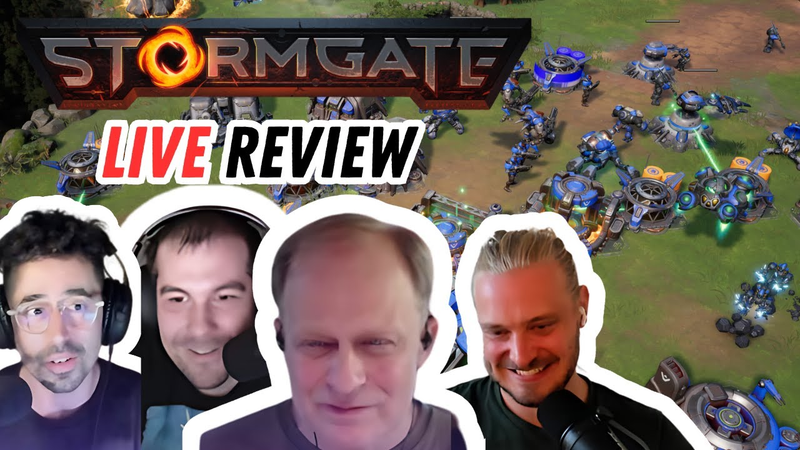
Inside Stormgate with Tim Morten: In-Depth Live Review & Gameplay with Insights
Frost Giant Studios is positioning Stormgate as a modern successor to the classic real-time strategy genre, specifically targeting the legacy of Blizzard titles like StarCraft and Warcraft.
- Frost Giant Studios is developing Stormgate as a free-to-play real-time strategy game using Unreal Engine and proprietary SnowPlay technology to manage high unit counts and network complexity.
- The monetization model rejects pay-to-win mechanics in favor of à la carte purchases for campaign expansions, cooperative commanders, and cosmetic items.
- The studio maintains creative independence through a combination of private investment and crowdfunding, bypassing traditional publishing deals to avoid KPI-heavy mobile gaming metrics.

Rise and Play’s Sophie Vo On The Skill You Can’t Overlook When Scaling Your Studio
Effective leadership in the game industry necessitates a fundamental shift from traditional, authoritative management toward a model of conscious leadership.
- Scaling a game studio requires shifting from authoritative, ego-driven management to conscious leadership that prioritizes self-awareness and human-centric responsibilities.
- Effective leaders must treat leadership development with the same technical rigor as product development to ensure long-term organizational health.
- Instead of micromanaging individual tasks, leaders should establish clear organizational frameworks that empower teams to operate with autonomy.

Killer Portfolio or Portfolio Killer: Advice from Industry Artists
A successful portfolio in the modern game industry relies on rigorous curation, prioritizing high-quality, specialized work over broad, generic collections.
- Prioritize rigorous curation by leading with your strongest, most relevant work, as hiring managers typically evaluate a portfolio within a 10 to 30-second window.
- Adopt a T-shaped skill profile that demonstrates deep expertise in one core discipline while showcasing secondary abilities to prove adaptability and storytelling potential.
- Avoid AI-generated content entirely, as studios prioritize portfolios that reflect an artist’s unique creative process, human ingenuity, and fundamental technical training.

Crafting Winning Games: The Critical Role of Consumer Insights with the Best in the Business
Consumer insights serve as the essential bridge between raw behavioral data and the underlying motivations driving player engagement.
- Long-term player retention is driven by understanding intrinsic motivations, such as social connection and escapism, rather than relying solely on surface-level quantitative metrics.
- Modern player demographics, particularly younger audiences, prioritize identity-driven experiences and social engagement over traditional competitive metrics like leaderboard dominance.
- Developers must shift focus from purely transactional mechanics to core product experiences that foster community, as players exhibit high loyalty and significant switching costs.
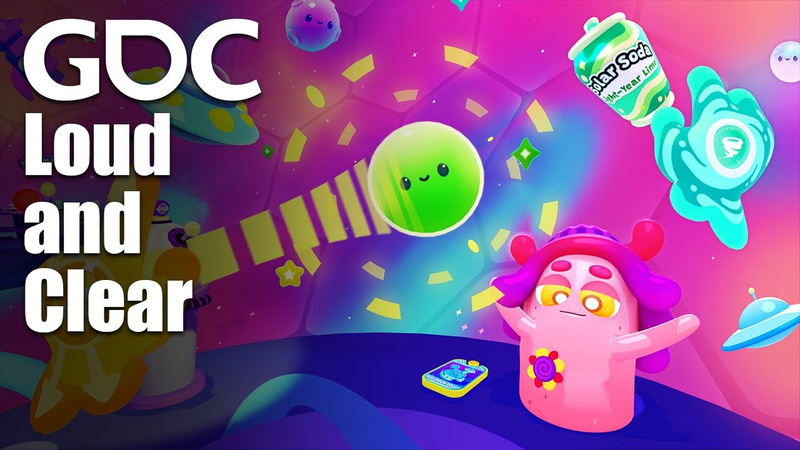
Loud and Clear: Improving Accessibility for Low Vision Players in 'Cosmonious High'
Owlchemy Labs has established a new standard for inclusive virtual reality design through a comprehensive accessibility update for the title Cosmonious High.
- Owlchemy Labs implemented a 'describable item system' in 'Cosmonious High' that functions like alt text, using text-to-speech (TTS) to describe interactive objects, journals, and tutorial popups for blind and low-vision players.
- The development team utilized spatialized audio to provide players with a sense of an object's location, using volume and directional sound to help players narrow their search for items in the virtual environment.
- A dedicated 'assist button' was mapped to unused controller inputs, allowing players to trigger or cancel TTS descriptions on demand, giving them control over the information flow and preventing audio clutter.
Is The Indie Game Dream Still A Thing? — Full Time Game Dev Podcast Ep. 016
The modern independent game development landscape demands a strategic fusion of distinct artistic identity and rigorous commercial planning.
- Building an email list is the most critical marketing asset for indie developers, as it serves as the primary driver for both Kickstarter campaign notifications and Steam wishlist conversions.
- Indie developers can achieve financial viability by focusing on marketing with the same intensity as game development, including proactive outreach to potential backers and community members.
- For teams with limited development time, such as the six-month window utilized for 'Layers Deep,' prioritizing the creation of a high-quality trailer is essential for building early momentum and community interest.
Is The Indie Game Dream Dead?
The indie game development landscape remains viable for those who treat marketing with the same rigor as technical development.
- Crowdfunding remains a viable path to full-time indie development, evidenced by a successful $48,000 Kickstarter campaign that allowed the developer to transition to full-time work.
- A successful pre-launch strategy requires building a base of 500 to 1,000 followers on the Kickstarter page before the campaign goes live to ensure initial momentum.
- Marketing should be treated with the same intensity as game development, utilizing outreach to influencers and professional contacts to secure promotional support prior to launch.

Hearing Health in Video Games
The World Health Organization is spearheading the development of international hearing safety standards for the video game industry, mirroring existing protocols for mobile devices.
- The World Health Organization is establishing international hearing safety standards for the gaming industry to address the irreversible destruction of inner ear hair cells caused by prolonged headphone use.
- The industry is adopting 'equal energy principles' to allow players to track cumulative sound dosage, aiming to prevent permanent conditions like tinnitus.
- New accessibility frameworks will integrate real-time telemetry to monitor sound pressure levels, alongside features like dynamic range limiting and granular audio settings.
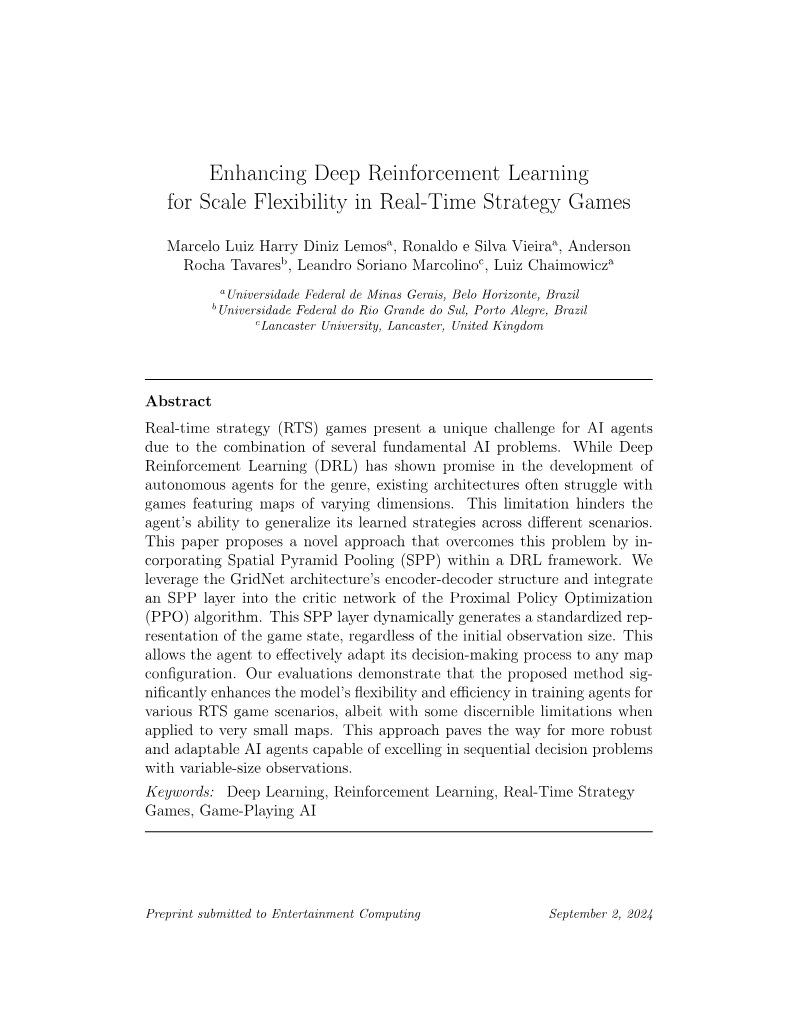
Enhancing Deep Reinforcement Learning for Scale Flexibility in Real-Time Strategy Games
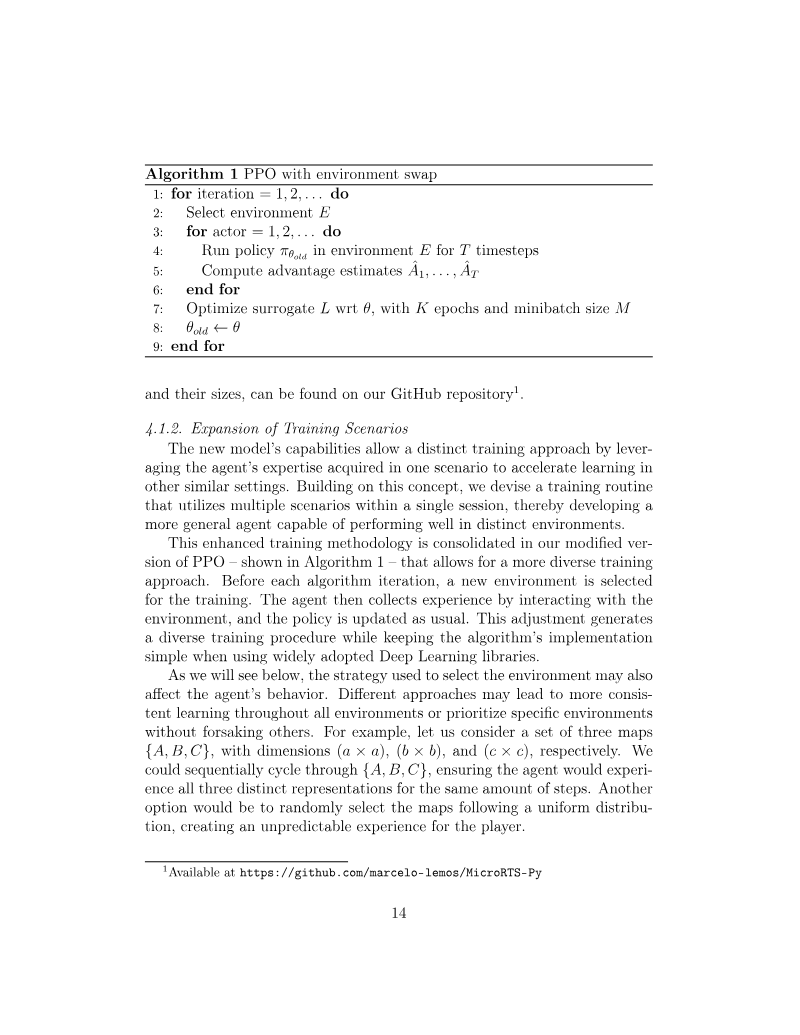
The authors present a deep reinforcement learning approach for real-time strategy (RTS) agents that can handle maps of varying sizes.
- In the specialized setting, the proposed model outperformed the baseline on all three maps, with the largest difference on the 8×8 map.
- The generalist proposed model reached a better mean score than the baseline while using a third of the baseline's total training budget.
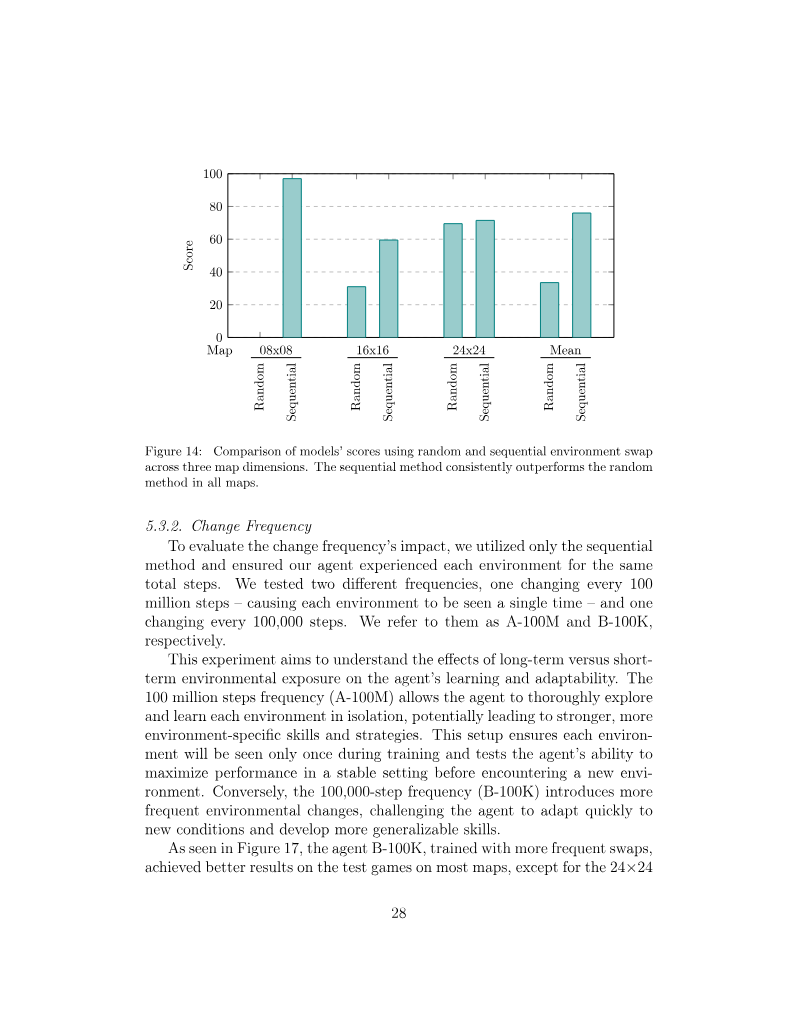
- Sequential map selection outperformed random selection on all three maps tested, most markedly on the 8×8 map.
Writers
Games and companies
Games