Game Development reports and market data
Documents

Kelly Kang’s Secret Sauce To Monetise Your Game Like A Boss
Successful mobile game monetization hinges on fostering deep internal collaboration between ad strategy teams and game developers.
- Modern offer walls have shifted from internal cross-promotion to external brand partnerships, which now account for 50% to 60% of total revenue.
- Monetization teams must prioritize long-term player retention over short-term gains to overcome rigid development roadmaps and quality assurance constraints.
- To secure high-value brand partnerships, developers must improve transparency by adopting ethical advertising practices, viewability metrics, and Consent Management Platforms.
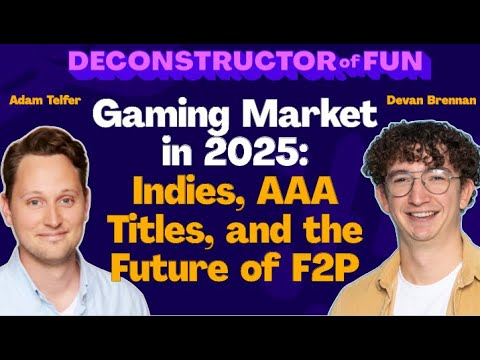
5 x Tactics for the Volatile PC/Console Gaming Market with Newzoo's Devan Brennan
The global gaming market is poised for a 2.1% year-over-year growth in 2024, signaling a recovery led by mobile gaming and the resilience of PC live-service titles.
- The global gaming market is projected to grow 2.1% year-over-year in 2024, with recovery driven by mobile gaming and resilient PC live-service titles.
- Console sector growth is currently stagnant due to a sparse AAA release schedule, but a significant market catalyst is expected in 2025 with the launch of Grand Theft Auto VI.
- Developers should prioritize PC and PlayStation in their roadmaps, as the value proposition of Xbox hardware is diminishing under its current cross-platform strategy.

10 Years Of Game Dev Experience In 20 Minutes
The primary objective of this guide is to provide a sustainable, low-risk blueprint for indie game developers to achieve financial stability and avoid the common pitfalls of the industry.
- Shift from high-stakes, multi-year development cycles to a diversified business model that combines small-scale game production with consistent digital product sales.
- Establish a 'safe bubble' by creating two foundational assets: a Steam or opt-in page to collect wishlists and a high-value educational resource, such as an asset pack or mini-course, to generate monthly revenue.
- Prioritize the development of micro-games—tight, high-concept projects—to minimize financial risk and avoid the 'all-or-nothing' volatility of single, large-scale game launches.
TWiG #296: THE RETURN OF LONG LOST HOST + Black Myth Wukong Goes Ape Shit and Stormgate Flops
The global gaming industry is currently navigating a period of intense volatility characterized by shifting player engagement patterns and the unsustainable escalation of AAA production costs.
- The gaming industry is facing a crisis of unsustainable AAA production costs and a stagnant hardware install base, forcing a shift away from traditional $70 premium models toward shorter, high-impact experiences or live-service ecosystems.
- Black Myth: Wukong has shattered Steam records, demonstrating the massive, untapped influence of the Chinese market on global commercial performance.
- Market performance is increasingly polarized, evidenced by the commercial failure of the RTS title Stormgate due to poor execution, contrasted with the success of EA’s College Football 25, which leveraged brand nostalgia and strategic bundling.
Noita: A Long Journey of a Game Idea
The study covers development spanning over ten years and uses timelines as a structuring method, drawing on devlogs, prototypes, builds, interviews and fan engagement.
- Noita's development spanned over a decade, from an initial idea around 2005 to 2007 to a final round of fixes in April 2021.
- The authors state that the first trailer had a bigger role than the final launch in the design process, locking the game's design to certain features.
- The timeline reconstruction produced over 150 entries across seven phases, drawn from a wide range of sources.
Creative-Rational Tensions in Game Development: A Danish Case Study on Team Collaboration
This paper by Mark Staun Poulsen and Hanna Wirman, published in the Transactions of the Digital Games Research Association (2024), reports an ethnographic case study of a single 8-person development team at Triband, an established indie studio in Copenhagen, Denmark.
- The team's Sprint Reviews used a scripted voting format that operationalised 'proven' as the criterion for judgment, and deliberately steered away from concrete feedback for improving designs.
- The authors argue that Sprint Retrospectives operate on a meta-level with a pre-emptive function, while Sprint Reviews balance framing the conversation with reducing workload.
- The project lead moderated the Sprint Review to focus members' attention, and the authors describe it as a framework for refining the conversation from preference to viability.
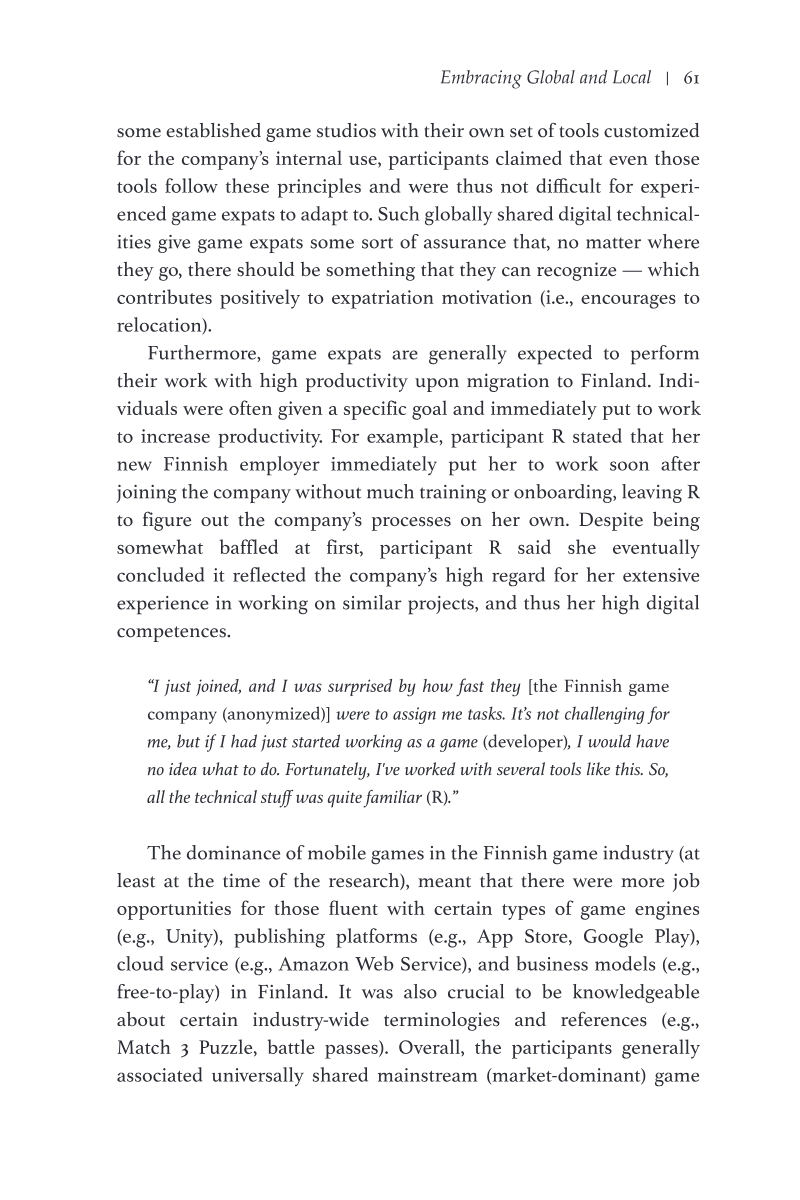
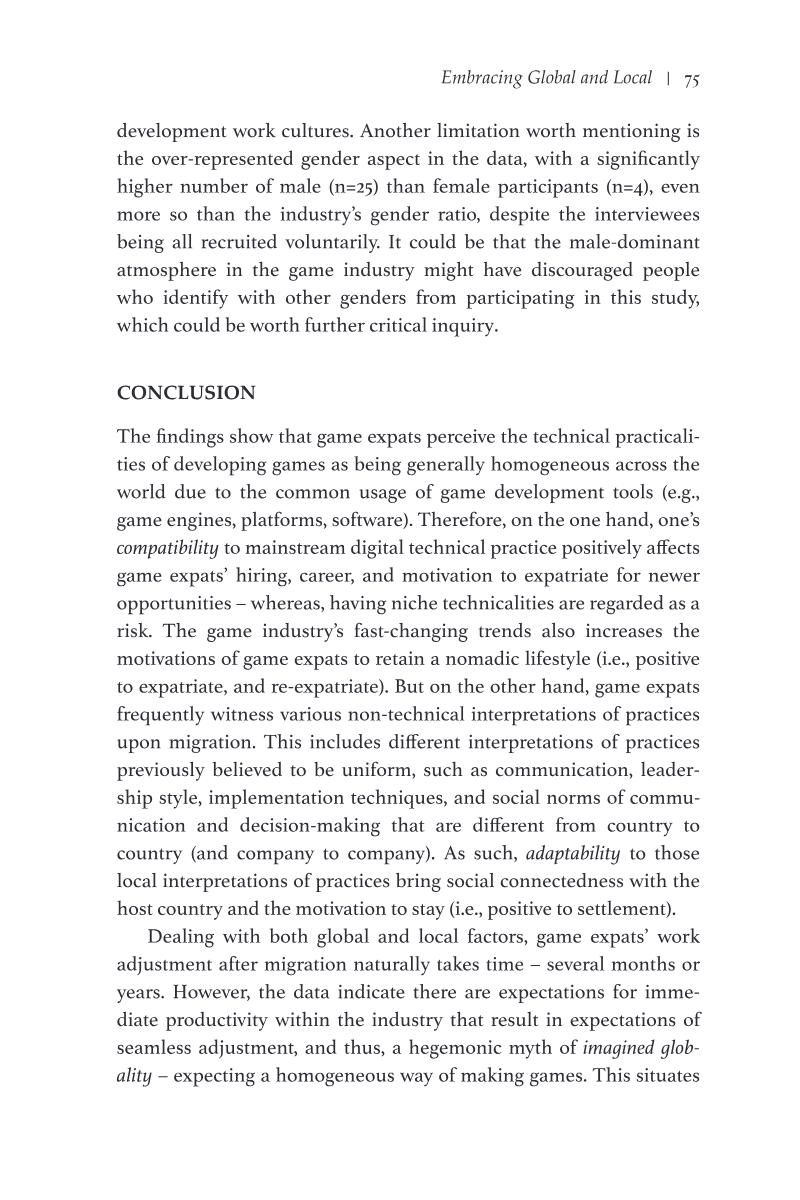
Embracing Global and Local: How Game Industry Expatriates Work Between Global and Local Game Development Practices
This paper, by Solip Park and published in the Transactions of the Digital Games Research Association (2024), examines immigrant or expatriate game developers, called "game expats," in Finland.
- Game expats generally described their day-to-day work as similar after migration because it relies heavily on globally shared tools and platforms. Compatibility with these tools positively affected their migration intentions in the short term.
- Participants described niche tools or unconventional skill sets as a risk, and one participant said he would rather migrate again when his contract expired.
- Participants reported that terminology and work practices varied between countries and companies, and they often had to adjust on their own. One participant said nobody explains what terms mean.

Learn from Our Mistakes: What Experience Has Taught Us About Leveling Up Our Careers
Navigating the competitive landscape of the global game industry requires a strategic blend of technical specialization, professional resilience, and a commitment to personal well-being.
- Prioritize deep technical specialization over generalist skill sets by benchmarking your portfolio against industry leaders to identify and close specific knowledge gaps.
- Build a sustainable career path by initiating small, manageable projects and strategically relocating to established industry hubs.
- Conduct a personal SWOT analysis and thorough due diligence on visa regulations and regional resume standards to effectively navigate international job markets.
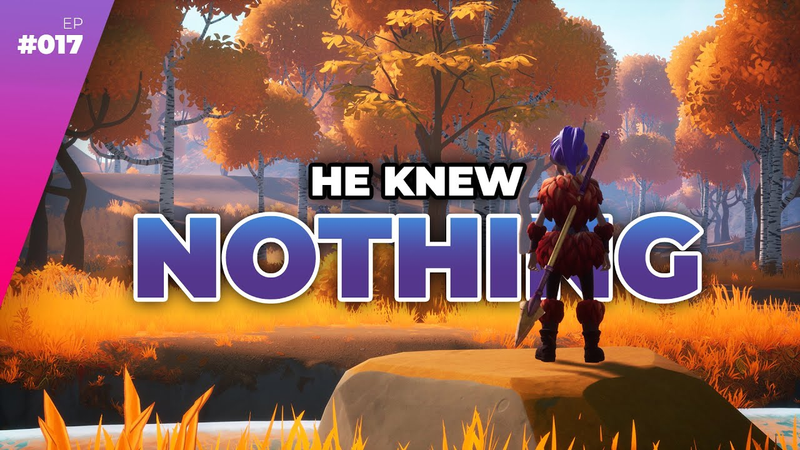
He Knew Nothing.... But Got His Indie Game Published — Full Time Game Dev Podcast Ep. 017
Transitioning from a background in video production to indie game development requires a fundamental shift in perspective, moving from the linear control of film to the complex, non-linear demands of player agency.
- Securing publishing partnerships provides essential funding and access to professional resources like voice talent, but developers must vet these partners as long-term collaborators rather than just financiers.
- Developers should stabilize the long-term development cycle by diversifying capital through a combination of government tax credits, grants, and crowdfunding.
- Successful game design requires mastering subtle signposting to guide player agency through non-linear environments without breaking the sense of discovery.
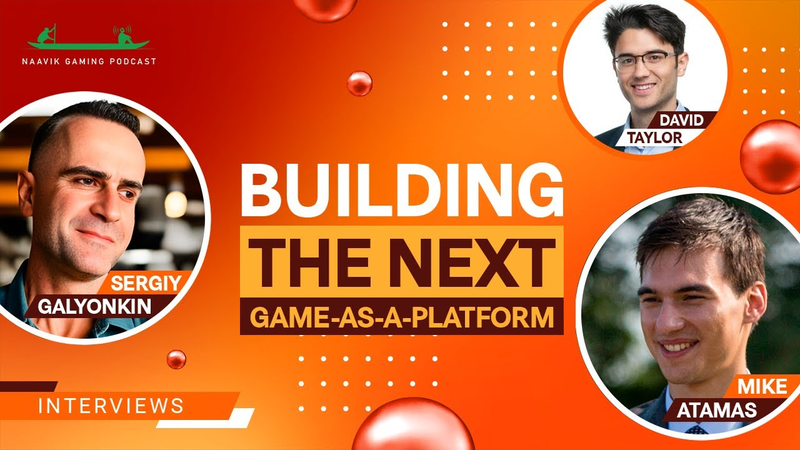
Building the Next Game-as-a-Platform
The evolution of gaming platforms is shifting toward a model where user-generated content serves as the primary engine for long-term engagement.
- The industry is shifting toward a 'mod-first' philosophy that replaces high-barrier professional engines with accessible, iterative tools that allow users to remix existing assets.
- Platforms are integrating development tools directly into the gameplay loop to minimize the 'quantum of creation,' enabling users to produce and share bite-sized content instantly.
- Long-term platform viability depends on a hybrid monetization model that utilizes automated, three-way revenue splits to fairly compensate original creators and contributors.

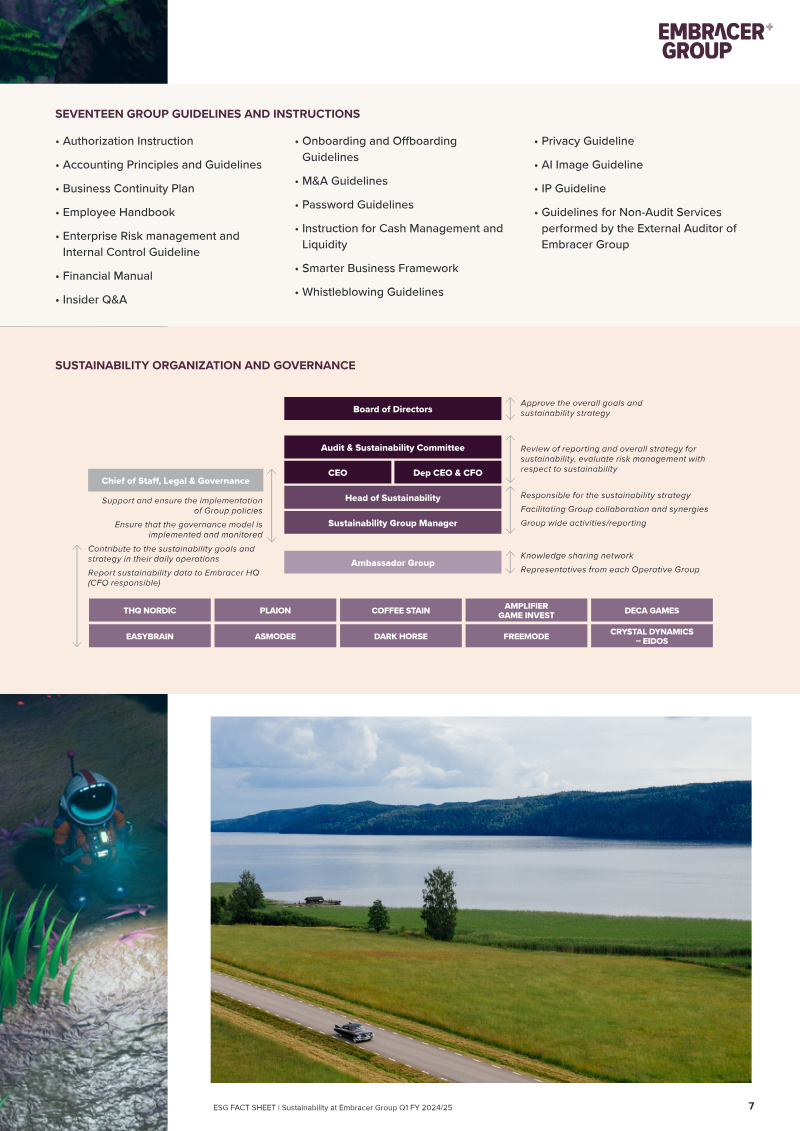
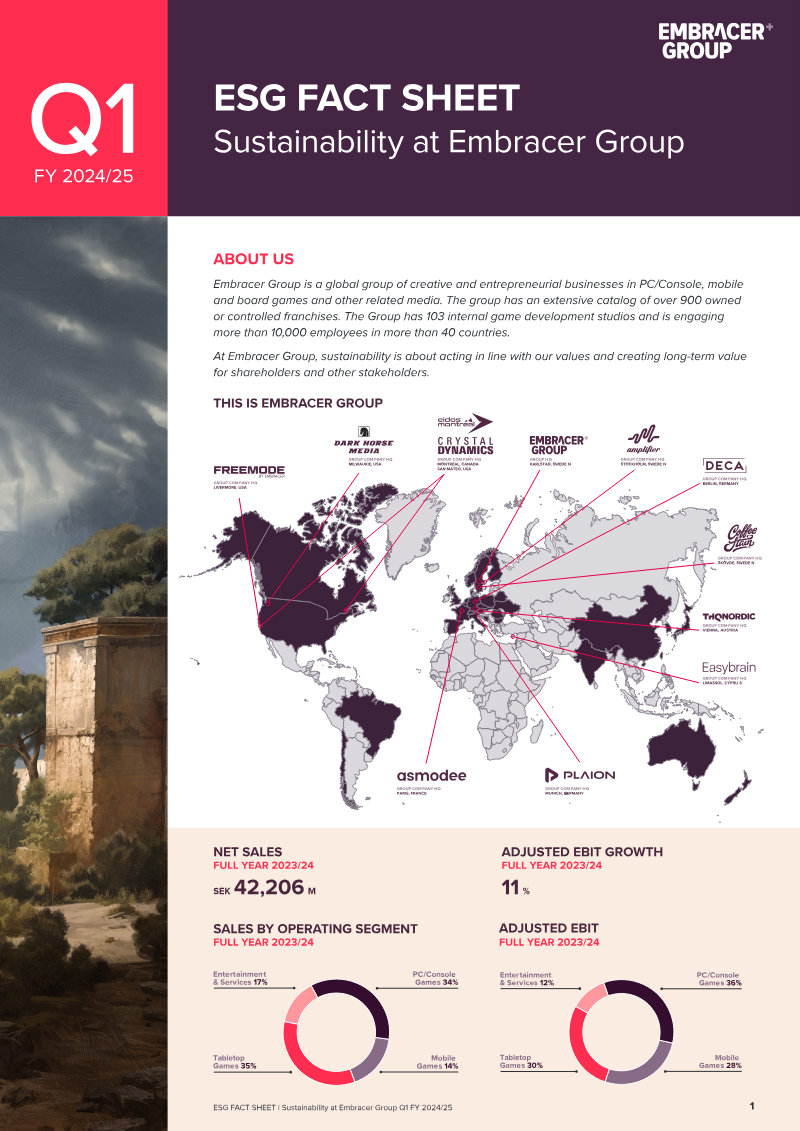
Sustainability at Embracer Group: FY 2024/25 ESG Fact Sheet
This ESG Fact Sheet for FY 2024/25 outlines Embracer Group's sustainability strategy, progress, and goals across its global operations in PC/Console, mobile, and board games.
- Embracer Group is undergoing a corporate split into three standalone entities, requiring each new board to redefine and approve sustainability targets tailored to their specific operational contexts.
- The company aims to reduce Scope 1 and 2 carbon emissions by 45% by 2030, though 98% of its current total emissions are categorized as Scope 3.
- Female representation within the group stands at 30% for total employees and 26% for management roles.
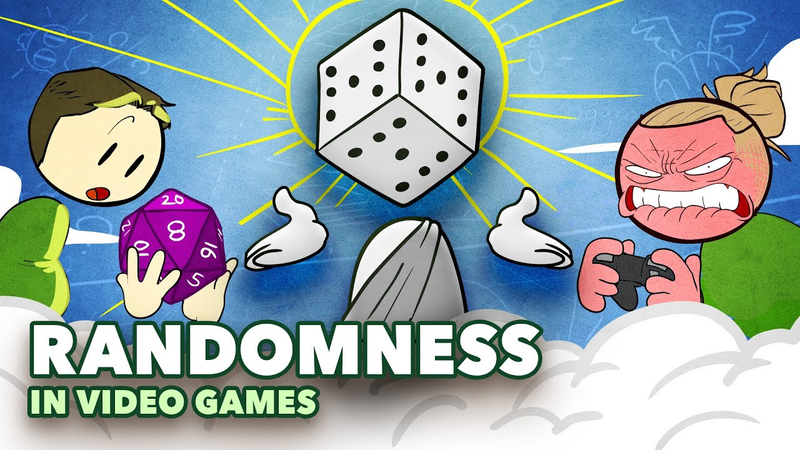
Randomness in Video Games | Compilation | Extra Credits Gaming
Randomness serves as a fundamental tool in game design, functioning as a mechanism to evoke specific emotional responses, heighten suspense, and challenge player intuition.
- Designers should use clarity when they want players to think through a problem, but use obfuscation when they want to evoke specific emotional responses like nervousness, hope, or power.
- The frustration level of RNG in games can be estimated using the formula: Frustration = Time Lost × Percentage Chance of Losing, which helps designers identify if a game's randomness is unfairly punishing.
- To maintain consistent player engagement, designers should reduce the impact of randomness as the game progresses; for example, a game might allow a 35% chance of RNG-based loss at 20 minutes, but only an 11.7% chance at the one-hour mark.
Writers
Games and companies
Games