Game Development reports and market data
Documents
Writing Great Video Game Characters With Brandon Sheffield - GDC Podcast Ep. 4
Effective character writing in video games relies on the intersection of personal passion and iterative refinement.
- Character development should prioritize distinct, tenacious personalities over generic archetypes to sustain long-term player engagement, as demonstrated by the protagonist design in the action RPG Indivisible.
- Managing large ensembles of over thirty characters requires drawing inspiration from visual media like anime to establish clear, recognizable identities quickly.
- Production constraints, such as strict voice-acting deadlines and the integration of backer-funded content, necessitate a commitment to cultural sensitivity and diverse development perspectives to ensure authentic representation.
No Time, No Budget, No Problem: Finishing The First Tree
Solo game development requires a disciplined, high-impact strategy to overcome the inherent constraints of limited time and budget.
- David Wehle developed 'The First Tree' over 18 months while working a full-time job and raising two children, completing the project with approximately 1,000 hours of work and a $10,000 budget.
- The game generated $150,000 in revenue during its first year on Steam, demonstrating that a low-budget, hobbyist project can achieve commercial success through focused, high-impact strategies.
- To save roughly 600 hours of development time, Wehle utilized licensed, publicly available assets and prototypes, revising them to add a unique creative twist rather than building every element from scratch.

Public Relations with Michael Brown | Game Dev Unchained Episode 210
The modern gaming landscape has undergone a fundamental shift, moving away from traditional press-led discovery toward a model dominated by influencers, streamers, and platform-specific algorithms.
- Marketing and public relations budgets should account for approximately 50 percent of the total development cost, with a minimum recommended spend of $50,000 to $80,000.
- Developers should engage PR professionals at least one year before launch to ensure project viability and maintain a clear, executable vision.
- An optimal development cycle lasts one to two years, which provides sufficient time for audience cultivation while avoiding the fatigue associated with longer production timelines.
Half Life: Alyx VR's Killer App? | Games ReCAP
The announcement of Half-Life: Alyx marks a significant strategic pivot for Valve, signaling a return to high-budget, flagship game development.
- Valve is utilizing Half-Life: Alyx as a strategic flagship title to drive hardware adoption and establish VR as a viable platform for serious, core gaming experiences.
- The project serves as a major investment to revitalize the VR medium, which has historically struggled to maintain engagement beyond casual rhythm-based software.
- Valve’s dominant control over the Steam storefront provides the financial stability and creative autonomy required to absorb the high risks associated with premium VR development.
Embracing the Co-Op Studio Model in Indie Games
Worker cooperatives represent a transformative organizational model within the independent game industry, replacing traditional top-down hierarchies with democratic, horizontal governance.
- Worker cooperatives replace traditional top-down hierarchies with democratic, horizontal governance, ensuring employees share equally in profits, decision-making, and workplace management.
- This model functions as a form of micro-unionization, providing creators with a collective safety net and professional leverage against the volatility of the gig economy.
- Operational success in co-ops requires balancing individual autonomy with consensus-based governance, often utilizing vertical deployment where members maintain specialized roles.

Watch This Before Making Your Next Indie Game!
The primary objective of this guidance is to provide a methodical framework for solo developers aiming to create commercially successful indie games.
- Validate game mechanics and visual appeal early by prototyping directly in-engine rather than relying on paper-based design.
- Identify a unique selling point (USP) through market research of similar titles and community feedback, then focus design efforts heavily on that specific feature.
- Develop a Minimum Viable Product (MVP) rapidly and maintain a 'finished' state throughout the production cycle to simplify iteration and enable early releases.
Patch Notes 1.20 Return of the Zombie King
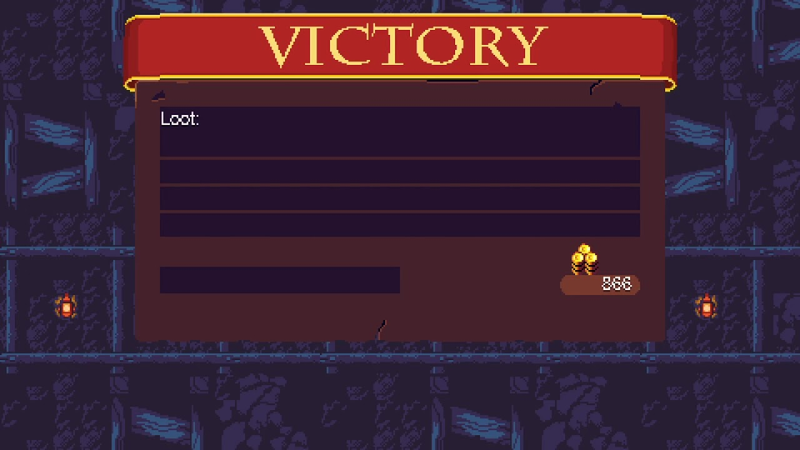
Patch 1.20 for Return of the Zombie King introduces a comprehensive suite of technical refinements and gameplay adjustments driven primarily by community feedback.
- Patch 1.20 resolves critical stability issues, specifically fixing crashes triggered by the first-hit bonus mechanic and rapid in-game purchases.
- Gameplay balance was adjusted to address difficulty spikes, including the removal of unpredictable, shotgun-like patterns in plant-shooting mechanics.
- The update eliminates a coin-farming exploit that allowed players to repeatedly reset levels to gain bonus currency.
2D Character Design Tutorial (if Half-Life was 2D!)
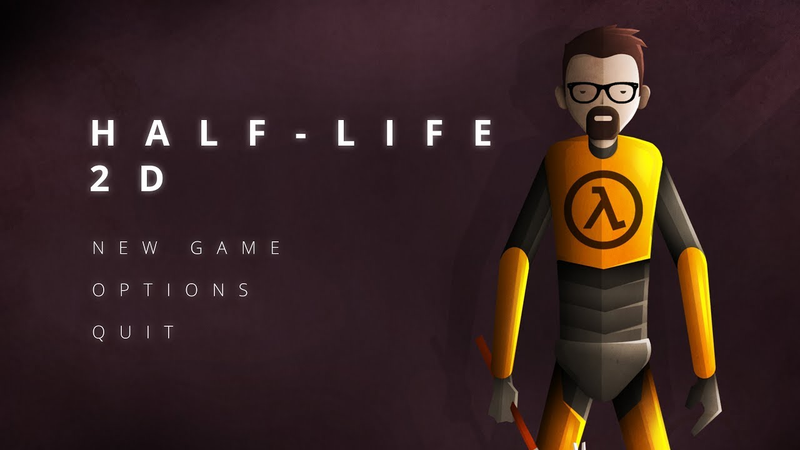
This tutorial outlines the process of translating a complex 3D character design into a functional 2D format suitable for game development in Unity.
- Effective 2D character design prioritizes simplicity and abstract readability, ensuring characters remain recognizable at small scales or low resolutions.
- Designers should construct characters using basic geometric shapes, such as rectangles with rounded corners, to maintain visual consistency.
- The 'abstract testing' method—zooming out or squinting at the design—is essential to confirm that the character's silhouette remains distinct without relying on excessive detail.
Creating League of Legends Champions: Our Production Framework Revealed
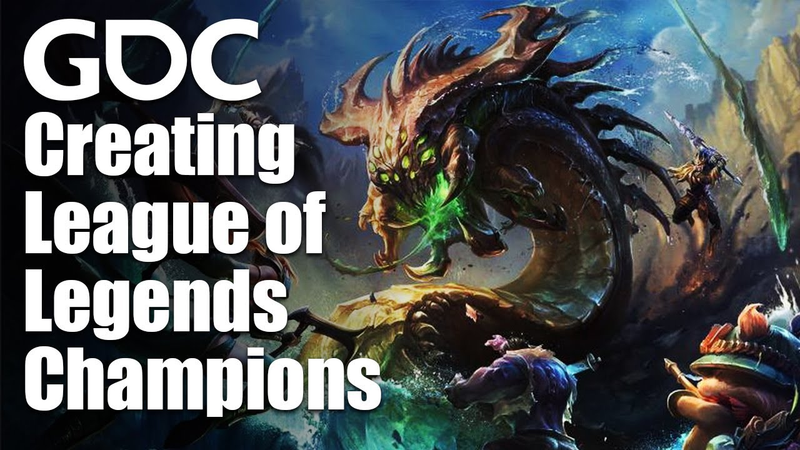
The production of champions for League of Legends relies on a rigorous, multi-phase framework designed to balance creative innovation with operational scalability.
- Riot Games manages the creative chaos of champion development by implementing a structured production framework that prioritizes clarity, scalability, and flexibility to prevent creative energy from being wasted on process-related confusion.
- The development process is divided into distinct phases—Ideation, Pre-production, Production, and Sustain—each with clearly defined deliverables to ensure the team knows exactly when a project is ready to advance.
- During the Ideation phase, the team utilizes a 'pattern lock' deliverable, which requires identifying the champion's strategic identity and finalizing three of their five core abilities to prove the character's viability.
Adopting Continuous Delivery (In Sea of Thieves)
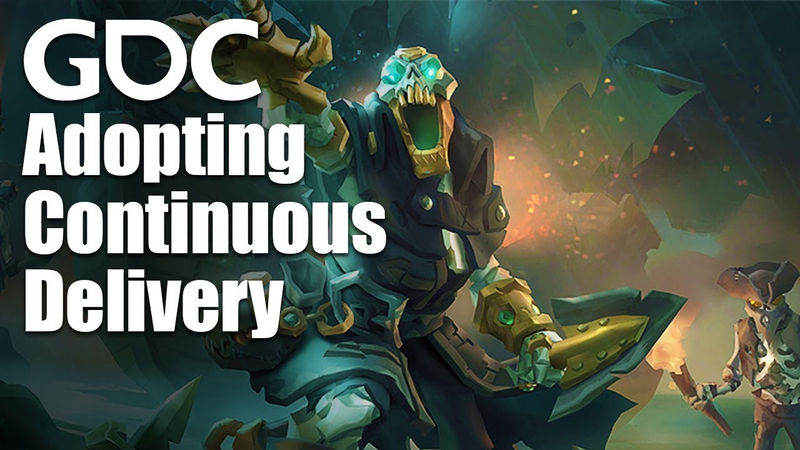
Transitioning from traditional waterfall development to a continuous delivery model has proven essential for the long-term sustainability of Sea of Thieves.
- Rare adopted continuous delivery for 'Sea of Thieves' to transition from a monolithic waterfall process to a sustainable model that minimizes crunch while supporting long-term live service updates.
- The studio successfully executed over 150 releases during the technical alpha phase, the highest volume of releases for any title on the Xbox platform at the time.
- To manage risk, developers are encouraged to submit small, atomic changes daily, as larger batches of 500+ changes exponentially increase the likelihood of build failures and complex integration issues.
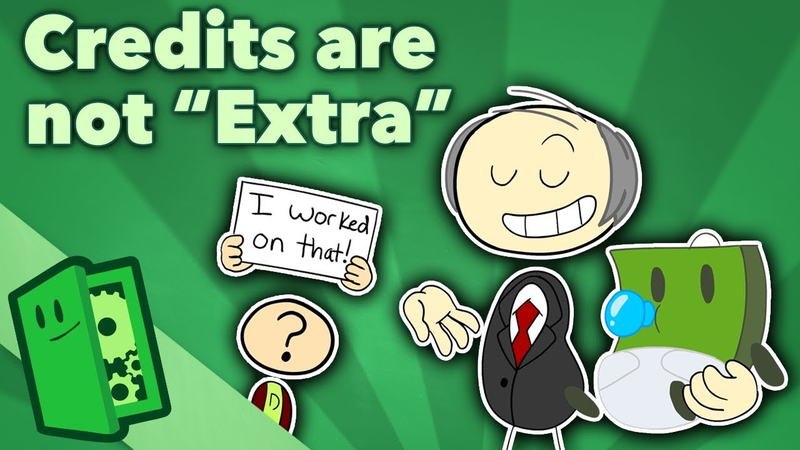
Credits are not "Extra" - Why Game Credits Matter - Extra Credits
Game credits serve as a vital professional record for developers, functioning as a primary currency for career advancement and job acquisition.
- Game credits function as the primary professional currency for developers, serving as essential documentation for career advancement and future job acquisition.
- The absence of standardized crediting practices often leads to the omission of contributors who depart projects before completion, effectively erasing their professional history.
- Some studios historically utilize the withholding of credits as a strategic lever to prevent employee poaching and force staff to remain on projects until completion.
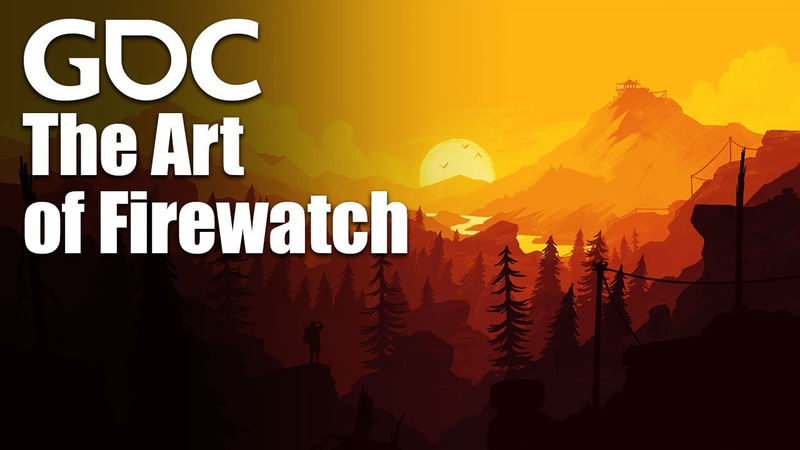
The Art of Firewatch
The development of the narrative exploration game Firewatch required a strategic approach to translating a bold, 2D graphic art style into an immersive 3D environment.
- Campo Santo utilized a small, distributed team of ten to develop Firewatch, proving that resource constraints can be leveraged as an empowering design strategy.
- To maintain a stylized 3D aesthetic, the team implemented a procedural sky system and custom 'stylistic fog' using RGB texture strips to manage atmospheric depth and mood-driven color shifts.
- The team prioritized production efficiency by using a limited set of modular rock and tree assets, reserving high-detail artistic bandwidth exclusively for unique, narrative-critical props.
Writers
Games and companies
Games