1 free read left. Create a free account for unlimited reading + AI research.
Create free account
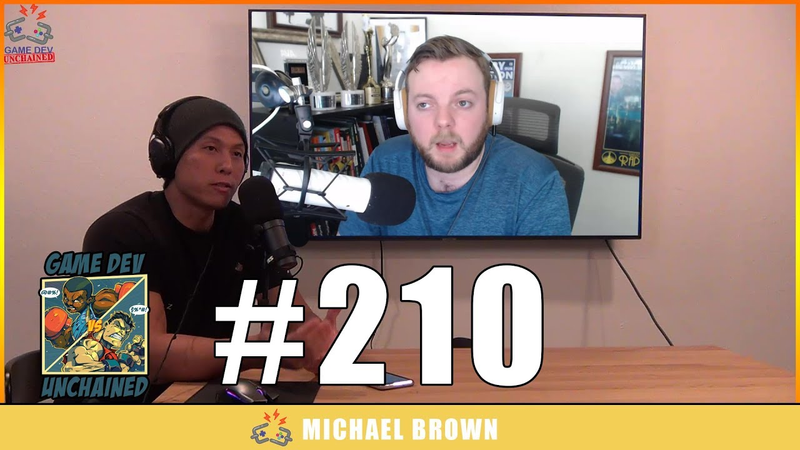
Public Relations with Michael Brown | Game Dev Unchained Episode 210
Key insights
6 takeaways- 01A balanced marketing strategy must integrate short-term sales tactics driven by influencers and streamers with traditional media outreach to establish long-term brand credibility.
- 02Indie teams should prioritize human-centric community engagement on platforms like Discord and pursue cross-promotion with other studios to leverage shared audiences.
- 03Developers should engage PR professionals at least one year before launch to ensure project viability and maintain a clear, executable vision.
- 04An optimal development cycle lasts one to two years, which provides sufficient time for audience cultivation while avoiding the fatigue associated with longer production timelines.
- 05Marketing and public relations budgets should account for approximately 50 percent of the total development cost, with a minimum recommended spend of $50,000 to $80,000.
- 06Subscription-based streaming services are currently viewed with skepticism due to technical hurdles and concerns that curated platforms may limit the discoverability of smaller indie titles compared to open storefronts like Steam.
Ask AI about this video
Transcript
[Music] what's up everybody welcome to another episode of game to have Unchained the number one game development podcast and the lifestyle fara I am your host Brandon Pham and joining me this week a very special guest Michael Brown did you and Mike hello how's it going ray man thanks for joining us very welcome so this is part of the podcast where our guests such as yourself introduce yourself to our listeners and audience out there of who you are where you come from and where you're heading chef so I'm Michael I'm the CEO of vicarious PR and vicarious publishing and vicarious PR is a video game PR agency and vicarious publishing is a newly formed
publishing label specifically targeting indie games and kind of mid tier games on PC and console do you mind kind of going a bit into your past how did you get into PR was marketing a buzz than your passion I kind of fell into it actually so before this I worked at the games journalists mostly freelance across multiple different sites in the UK and the US and it got I was a news editor for a couple of sites and then during the 2008 depression we kind of scraped through that but then things started tightening up a couple years ago and it was getting to the point where the freelance work was becoming more and more difficult to sustain particularly with the family so and I done marketing in PR in a previous life when I was a lot younger and then I saw really a gap
in the market for something that I thought myself and my co-founder could do a little bit better a little bit different and so it was just a perfect opportunity and circumstances kind of fitted together and so we set up vicarious PR and you know we've been there ever since really the subject of game journalist and have something I've been really curious about the last previous guess when we talked about the in it oculus and or how we actually get the word out where the traditional route of journalism was a place where gamers would seek advice for what to play next and you're talking about the collapse of 2008 can you kind of dig into that a bit more about why that happened and what led to that sure well I mean I think in terms of when the financial crisis happened I think it hit a lot of traditional sites quite badly simply
because it affected the advertising revenue quite strongly and the way that many of the traditional gaming press sites were operating was a strictly advertising revenue model and this was really before I mean you know you had started to see the rise of influences and youtubers and and streamers and but it was still kind of a new thing and a bit of a Wild West and what you saw with that crisis was websites either adapted to the new reality of hey how do we go about you know finding new revenue sources and how do we adapt to a more video focused marketplace or they didn't and you know as advertising revenue shrunk and as traffic shrunk and as ID blocker increased you found that a lot of sites just couldn't keep up with that at all and so they either shrunk or you know disappeared completely in some cases and so you know that's been very
much you still feeling the effects of that in some cases I mean you know it's very difficult now to to own and operate a gaming website especially with traditional models so I think you know a lot of what i GN in places like that are doing is still trying to figure out what new ways and what new content they can do to monetize to you know continue to build revenue and sustain those sites and hopefully grow them these additional sites I think our age group are pretty much used to I still regularly go through these as a resource for at least triple-a gaming right in recent years I'm finally discovering the mobile side of things the indie side of things in terms of just where to look for them because like anybody when you're in these commute type of situations you see people playing these games you never heard of but everyone seems to be into
it I'm part of that generation so with these sites trying to figure its new price model or how to a revenue model what's your general perspective like is that still a valuable asset in terms of maybe that shift has changed for a gamers perspective but more and lately I feel like a game developer perspective of at least these expose are lace-like game labors or buy more of those type of stories are that are catching a lot of a lot of waves notoriety yeah respect anymore I think it yeah I think it depends right I mean you know a perfect example of the differences in how press and how websites can operate is is even take mobile games for example there's very few successful mobile press sites
still around you have touch arcade and you have a pocket gamer and a couple of others but you know the once upon a time you know 5 10 years ago there was hundreds and the reason that is is because if you look at mobile games specifically mobile users don't look at press websites to get recommendations for the game because why would they because they have the App Store and so all they need to do is look at what's trending on App Store look at social media and you see a dozen mobile game advertisements every time you scroll and then you would just go on to the App Store and see what the user reviews are like so there's no need to go view what a member of the press thinks about a game because you can just get you know a general consensus or instantly on the app store where is console and PC games that's a little bit different right because often times you'll have press that you know will get
access to a PC or console game earlier and so you're able to kind of feel out the game before it comes out and and the cost difference makes a big impact here because it's very easy you know the majority of mobile games are free to play free to download so it costs you nothing just to try it out for ten minutes whereas it costs you sixty dollars to try to play a game and so you're obviously gonna want to read about that before you make that financial investment into a game so you know audience and what they what they need and what they're looking for plays a big role in you know what type of content to push forward as a site and then on top of that with the rise of video you know you have to blend the written word bit and video carefully because you know a lot of sites have moved to having a lot more video content simply because it's easy to digest for people and you know there is a generational thing in that in the sense
that I think younger generations don't want to read a long-form written article anymore they would rather just watch a five-minute video where they can actually see the gameplay and I think there's benefits and downsides to both but it's interesting to see the shifts within that mm-hmm in talking about the shifts where it used to be where we look towards these online sites to buy what's next right even with the streaming wars that are happening with our favorite streamers the product is more of the streamers now more so what they're playing and so there's this rich TIF at least where as a game developer myself where it's hard to kind of peg exactly how do we exactly market that equals two dollars like there seems to be multiple paths to take and hoping the show exposure itself was somewhat work itself out but in your perspective what is the science here where if the let's play and the girl
game journalism are kind of still figuring out the purchasing habits of a customer we're exaggerating for yeah I think I think you have to from a game developer perspective you have to remove the mindset of just short-term thinking in terms of what leads me to the biggest conversion rates right because while that is good for like a game launch it does nothing for you long term now in terms of conversion rates and ie traffic to like say a store a steam store page right you know influences and having large influences medium sized influences and micro influences play you know having a lot of those guys play your game on launch day is gonna bring massive traffic and probably massive sales conversion to you say whereas having several top-tier press websites review your game positively is probably gonna give you a bump but it's probably not gonna be anywhere near as
comparative all to having a very large youtuber play that said however there is something there is inherent value in going the traditional media route because a lot of marketers will go well you know say something like Brown building is important which a lot of people kind of glaze over the rise and go I don't know what that means and that just sounds like marketing speech but it comes down to longevity of the title and longevity of a brand in terms of not only the products brand but also your developer brand right so having lots of media articles written about you in a positive way may not lead to a sale right there and then but it does lead to recognition in the fact that if you're trying to go from a you know a small indie team who's making their first game and you're trying to make it a games company and build and grow that company you're going to need that brand recognition to have success with the
next game right so you know what will happen is that becomes a familiar area familiarity within the press and so you know if someone like you know you say your average Joe reads about your first game in GameSpot and Rock Paper Shotgun and PC Gamer and then but isn't particularly interested in you know the type of game that you presented for your first game you know maybe you made a platformer and they don't like platformers so they're not going to buy it right but they can see that it's been reviewed positively however the next game that you bring out is an RPG and that's right up their alley and they know that the first game that you made because they saw it the first time round on all those websites they know that you made a quality high quality title the first time around and so actually this is going to be worth me looking into at this point and so you have to play the game from multiple angles right you have to look at your long-term goals you have to look at your short-term goals when
when really executing any kind of outreach strategy because yes there are things that you will do that aren't gonna pay off you know until much later but that does not inherently mean that they're not worth doing it just means that you will see dividends later hmm a follow-up question to that a lot of any developers are kind of finding the balance when it comes to exposure to early or the right timing overall right we know developers that since day one they have dead batteries they're building that fan base to eventually have a community built around them until launch is there a method to that madness is there do or don't with that type of thinking I I hear both sides of that argument is like hey you know it's great yes a building interest early on but if your game doesn't come out five years there's such a thing as like tiredness
of your plan yeah I mean you've got to avoid you know fatigue of any tie whether it be community fatigue or media fatigue it ultimately comes down to I think a couple of really important points the what type of game you're meeting making right if you're making like a 60 hour in-depth RPG with multiple characters choice consequences dialogue trees everything like that then you have more to talk about over the long term than you do if you're making a three-hour platformer community building is massively important more so than ever before I would say because you know with the way that this with valve and house theme is changing its algorithm to promote released titles that are performing well it's very difficult to acquire organic install traffic and so really to be successful at a launch now you have to have built a solid community foundation that you know X number of players really
enjoy the game these are your core following and they're gonna go and buy the game on launch one of the mistakes I see in the developers doing a lot of times is they'll get like these core followers on like a discord to say like they'll get like 200 followers and discord and they'll give them all free keys for supporting the game before it's out and it's like why would you do that when those are the people who will buy your game mmm did you know that you don't need to convince them they're the people who are already invested and so really it's important to push the game in terms of social media and community growing as much as possible before launch I think five years is a bit too extreme but I think you have to give yourself enough time to be able to grow a community as much as possible now how long does that actually take it can vary I think a year or two is fine I think
what's important is being consistent on social media making sure that you're providing a really good experience for to the community on places like this God so make sure you interacting with the community making sure that your social media isn't boring and just you know you're not using it as a as a posting platform you know a posting board that we it's all about you and just announcing use it as a tool to engage people with instead and I think you know it does you know like I say it doesn't have to be as particularly social media it doesn't have to be all about you all the time like you can just use it to outreach to people and to talk to people and say you know if a film comes out like a new Marvel movie comes out ask people what they thought about it and you don't miss we have to talk about your game all the time and that's a really good and that's something I see people doing a lot of times he's like you go on you know a Facebook page or a Twitter page and it's almost like reading a notice board it's like we're doing this way this week we're doing this this week and and you know while that is interesting to some
degree it doesn't come across as particularly fun or human and I think that's what you need to really push forward is get people behind you in a human way and that really pays off so social networking has always been like a personal struggle because you know it is a full-time gig for a lot of indie developers that are already stretched out for time discord I feel like adds another layer to that because this is real time 24 hours type of fan involvement what drew suggestions to to that side with disk art being such a prevalent player now with games and game marketing how would one best use that platform to keep people engaged I think you just use it the trick is to not use it like you would like a corporate facing thing use
it like you would with your friends right and talk about things and just engage people and just have fun with your community and I think that's the best way to interact just be human and interact on it on a one-on-one level and don't try and be something that you're not I think that's super important you know in terms of a full-time gig yes social media management is is a full-time gig but I think there are ways to get results without it eating your life away I think the best thing to do is schedule one of the things that you know that I find particularly in developers do or habit that they get into is that they'll go I don't particularly enjoy doing social media or discord and so I'll do it later because I've got you know programming or designed to do and then I'll just do it later and then it always gets pushed off later and later until the you know it's six months later any navigates it never gets done the best thing to do is just schedule 30
minutes a week to make some social media posts for the week and then plan them out and then in terms of discord just schedule you know 10 minutes a day and just be like okay you know 10 minutes in the middle of the day I'm gonna go into the discord check up on what the conversations have been interact with a couple of people and then go and that way you know schedule the time in and it makes the whole thing much more manageable and when it comes to any developers supporting each other right now I feel like we're still in a lot of our infancy where that seems to be a logical thing for us to do with these small pockets of communities sharing technology or at least sharing knowledge about development because everyone's pretty much heads down what's your perspective on that front like do you see any of this really going on I mean my hopes are this is happening but I feel like with this such a small team
right not anybody's really dedicated to this very important part of our industry yeah I mean are you talking specifically about stuff like cross promoting and that kind of thing promoting or just opportunities where I feel like when I go through these events especially right I see that everyone seems to know everybody within the community but it doesn't match up to how there isn't enough cross-promotion within the games themselves or at least in promotion events you know there's nothing really going on with them yeah I mean that's that's very much games industry 101 is now I mean I you know when we first got into it it felt very cliquey and it felt like we would go to events and everybody knows everybody except us right and I think that happens to a lot of developers is that like they turn up and they feel like everybody's in baby's friend groups and they're the only ones not in there and so it does feel like
that at times I think I do see cross-promotion happen and I do see in these helping each other out I don't think it happens enough I don't think it happen as much as it should the difficulty is it's on a case-by-case basis and I also think it's on an individual basis because you have to find a game and someone leading a games project it's actually nice and and you know doesn't see you as or as a business rival or a threat which they shouldn't really but just people can be funny like that so it just comes down to really do the people like each other and if so do they like each other enough to cross-promote I mean for me I wish people would do it more because it doesn't doesn't hurt you in any way you don't you only gain from it on both sides ultimately because you tap somebody else's audience and they tap yours and you know you're not going to lose anybody from that or you're gonna do is gain and so it makes sense to you know be to do that more often but
yeah I mean I'd I have seen it being done I I haven't I don't see it as much as much as I would like but I think that's also down to the nature of games development and everyone's heads down and not really focusing on anything else and so it's very it's almost a very internal process in with looking process so you often find that the reason that people don't cross more is because they have an outreach to each other so you know you don't ask if you don't get what suggestions or at least ways that you've seen a successful cross promotion work is it mostly through social media retweets or is it something at least during conventions oh how do you see a successful hey I like this game you like mine let's do something better apartment sure so I think there's two things that I've seen successful I think events on social media social media is the easiest
to do and I think it's always worth doing but I've also seen you know a couple of developers who like each other's games group together to you know go to events because events are very expensive so they you know they chip in and go together and share a booth so that's one way that I've seen you know that those are a couple ways I've seen that I think I would definitely like to see more creative cross-promotion so what I would like to see is maybe developers putting in characters from each other's games as a way to cross from or adding Easter eggs in and from each of those games to you know do that kind of thing I think that's more fun and inventive but yeah I mean there's lots of ways that they can potentially be done it's just about finding the right partner so the the indie development base have been growing scattered but not quite together
as a unit but it has been grown there's more at least little channels that we can put our games out there it's making it easier for any individual to go out there with an idea to execute and fully go out there and and and and put it out in the world by curious PR firms are actually representing indie developers now so it actually seems professional and not just one guy yelling out the window to his neighbor is right I'm seeing a lot of these transformative things happening within this niche industry where do you see it being in five years from now with the new generation of consoles being elites more supportive and actually making it more of their public offering when they announce console it's not just about triple-a it's about the any titles - as well yeah I mean it's it's a strange one
right I mean Indies have been fantastic in pushing the industry forward in innovation and in you know showing what you can do on very little the downside has been the sheer amount of indie games that launch because I would say you know if you look at steam as a perfect example the amount of games that launch on Steam every day is just becoming ridiculous and of those the majority of them are Indies and then of those only maybe you know 2 or 3 out of 15 or more are actually what I would consider quality Indies and so it's a very competitive marketplace I think the issue that to touch on your point about you know using Indies as you know as a way to engage customers on platforms and such as consoles it's a fine line because really
in terms of large promotional pushes that these companies are going to do or any platform is gonna do it's gonna have to be with a game that people like and it's popular and so inherently if your game is not doing particularly well then that offers really no value to you and I think you know what interesting to me is it ultimately comes down to what Indies are looking for in terms of what they're creating and where they want to go because you'll often fire I mean I usually when I go to you know events and speak and stuff you often meet two types of indie developers you'll meet the in developers who want to become the games companies or you'll meet indie developers who are just kind of following their own thing and they're not really interested in commercial success they're doing it more as a hobby and the difference between the two is
massive in terms of potential but it's also massive in terms of game design and where you're going to take it right because if you're just doing as a hobby then you can pull out anything that you want to put out even if it's not a particularly consumer friendly game and you can just sit there and just play it out and no big deal but I often find that the indie developers who do you want to be games companies and they want to do this long term and they want to make money out of this they have some basic business principles that are missing in their business plans and they game design documents that one of the mistakes that they make is they mistake the they'll go with their vision but not consider what the consumer wants and what that is a recipe for commercial disaster because you have to consider what games people want to play when
making a game that you want to sell and I feel like as the as as the industry matures particularly the indie signatures I think you'll actually find them more and more indie developers who want to go that commercial success route start developing more games that have a lot more market research behind them and so they'll start developing you'll start to see trends within like like you see trends within the triple a marketplace where like Battle Royale comes out sell six million copies then for more battle Royales come out I think you'll actually see a lot bigger trends within the indie market as well as that industry begins to mature because they'll tried to focus more on making games itself also with that crowd I always see two types right the types that come from fresh out of college or are off have always worked in smaller teams and decided to branch off on his own or her own to create that
game and recently in recent years a lot of Triple A guys kind of get into that market with their group of guys and going about hmm have you noticed the difference of their style about how to begin this like soul killing journey coming from such a to different backgrounds I mean you're talking about one being going in as a hobby while the other one's going at it as a growth platform for a bigger bigger goals like it yeah there's something I think it's exactly that right I mean the Indies that come from like the triple-a background they will often make games that I come very commercially viable from the star they'll come in with a plan and say we want to make this RPG but this is what we're going to do with it this is you know these are the reasons why this is gonna work this is gonna work here's the the research and data to back up our decisions on why this game design element is going to
work versus this game design element and they'll come into it with a lot more business sense I would suppose like they've considered every angle and they've come at it from that standpoint where is the indie developers who've come at it you know who were looking to be commercially successful coming straight out of college or very little actual game dev experience they will focus solely on the development but be blind to all else including you know marketing and everything like that is there a percentage that you feel I guess not a percentage but the pros and cons of both methodology to approach this very same problem which is in the end wanted to sell copies because uh at least the patterns that I've seen right the patterns that I've seen with the business sense Triple A guys they kind of are in it maybe for at least one game obviously mm-hmm maybe two right but
like in the recent interviews or in everyone I talked to on that side of the fence it's more about the long tail of things it's not a belch oh yeah not the first hit that you get all right and that's it so what'swhat's the mixture of feelings there where you feel one actually does better than the other in terms of Jess longevity as a group yeah well I mean the companies that I've got a long-term plan will always be successful long-term they'll always have inherently more longevity regardless of if they have one hit or they have you know four games that sell reasonably well that turn a profit and the you know the people who are forward-thinking will always have more longevity than the than the developer who is just going gay by game and hoping for the best because planning is everything right and I think one of the reasons why you know these commercially successful in these do so
well is particularly the ones that come from like that Triple A or well experienced backgrounds is that they they know they know the importance of everything that goes with game development not just because one of the biggest mistakes that Indies make is they'll go in and go okay well I'm gonna blow three hundred thousand dollars on the game and then they'll finish the game and then they'll come to like a Pru saying like okay I need to you know it's two months away from launch I need to market my game and I've got no money to do it and agencies like us will kind of look at them going well I don't know what you expect us to do like you're you're a month away from launch but what you're not giving me anything to work with here because the sole inward focused on making the game that they want to make and oftentimes you know they can even free to creep to add things to the game that didn't need to be added in and they can't you know that they need to have an outside perspective on on the game
design document to avoid that kind of thing but they don't plan to actually sell games and I think that's the biggest importance right like how can you you can't build a business without customers and sales and operating under the idea that if I build something good they will come is foolish especially in today's market because you know what why would people choose your game that they can't you know they view you've inherently got no visibility anymore anyway there's 25 other games or more releasing every single day so there's massive competition and games are relatively cheaper than they've ever been there's more of them than there ever been so why would they go to your game when they could choose a dozen others in the same genre get them cheaper and have a similar experience and so that's why I think developers who come in with a very
business focused mindset have a lot more longevity because they they understand the importance of getting visibility making sure that they have a good community making sure that there's marketing and PR behind them to actually promote the game and ultimately get sales what's the window of time that you recommend for developers out to the get in touch with a PR firm such as yourself during their development I think you should do the initial consultation about a year away about a year away from launch I think it's always worth having I would say ask for advice before you when you start a game and ask for advice on like features I could say one of the things I see more and more is like people come to me in logo I made this really cool narrative driven single-player game and by the end
and then you know they'll say to me something like off the handle go oh and we'll go also gonna add in one on one local co-op or local bond local one on one PvP and I'm like why why why would you do that like it's a single-player narrative driven game why what's the what's the need to add a pointless multiplayer mode that no one is gonna play and that just cost you money and so I think you know having someone to give you that type of I see super helpful in terms of like specifically marketing in PR I would say have the initial consult maybe a year away from launch to start talking about budgets and plans and you know where you want to take it and that kind of thing I think you know the average a really good campaign in terms of a really good PR marketing campaign will will will run anywhere from like six months to a year but very much depends on you know but ghin stuff like that well we got the at least time what is the at most time because I I feel
like in the brainstorming session and this is where developers I feel a lot of creatives lacked the business sense is where they don't really look at the market the timing of things other entertainment mediums of when the ruffle release date is so that when they coincide with that it actually makes sense like the general public is prepared for a game with such as yours whatever it is and I feel like someone like it like you yourself or a PR firm has a firmer idea of market of the market to actually help develop an idea that makes sense two years from now when is it too early to actually approach with a rough like one line or one page summary to kind of get that consultations like hey I'm thinking like this you guys know the market better than I do is this something viable two years from now according to your background sure I mean it's I don't think it's ever too early for that initial like the initial piece of advice I don't think it's ever
too early for that but I think that's not to say that you know just because you get some advice you should take it cuz you know advice is free for a reason sometimes but I think that you know it's worth getting it's worth educating yourself about the market it's worth educating yourself about what other people think about it and so you know having it straight away before you even get into the nitty-gritty of the game is always worth having that initial conversation because you know you maybe develop you know cuz I see so many Indies that like get developed and it's like why did you make this now like that that whole trend is over like we come at it like a year or two late and because they started on the tail end of it and I think you know if you have that conversation very very early on before you've really built out your game it gives you the time if needed to and if you look at the mark and say the reason that there's not going to be the market
for this in two years it gives you the time to pivot before you've you've got yourself a knee deep and tens of thousands of dollars and into it mm-hmm and this kind of leads me to another question like maybe a few years ago and I hear this a lot with with friends or at least on the other side of people who are part of like investment firms were looking at games and you know we're dear friends with Steve gainer and I worked with them a long time ago and gone home was one of those things that indie teams would pitch as like this is like gone home but for this and most of it is because it's a it's a viable product for a small team to make it's a two three-hour experience of compelling storytelling but as of late those type of games are like you said those that that trend is gone like people want to invest in a community not into a two-hour again that cost $20 and it's not unless you're
like really groundbreaking in some way where you're like no man no man skies not a two-hour game but something that is so compelling that you have to play like the witness or something right those games are just not viable for the market anymore in your experience like these people who have a dream of telling a story as straightforward as a single narrative gameplay is there a place for them anymore or are you is there a way that they can adapt it with the market trends to make it viable again because there's still a really good place like I myself and still enjoy those type of games but like you said yeah it's just a different audience that might not be ya know I mean I think it's still an audience and I think I think there's still an audience I think those games can still sell well right the biggest issue is not is there an audience I think you can always find an audience it's especially with narrative games they're short and very concise the biggest issues presentation and execution and the the brutally honest
fact is that the majority of developers who try these type of games do not get either of those - right and so if you don't get you know if you're making like a three-hour game that is very narrative focused and you don't get the presentation in execution right that is the fundamental thing of what is going to be interesting to people and so you've got like one of the core pillars of the game instantly wrong and and you know it's one of those things that is if it's very difficult to gauge from I suppose from a game developer perspective because you're coming in it go and I want to do this I think this is a good idea but one of the things that I think didn't develop it don't ask themselves enough is why do I think this is a good idea I think that's the big that's the big problem by they do they go I I like this so I'm going to do this versus why do I like why do I think this is going to why do I think people are going to like this what what evidence
what you know why why Diaz what thoughts are behind this where's the proof of people are going to like this art style that I like and if if your answer is well someone else did it then that's not a good answer one of the things that I always tell indie developers when they come to me very early on is don't look at another indie success and try and replicate that because that's not a path to success because you can't if it was as easy as looking at what someone else did and then replicating that everybody would be successful and I would be out of a job it's about I would suggest looking and studying failures and seeing why all the games failed that provides much more valuable insight into into what to do and how to go forward than something
like looking at gone home and going oh that was successful why was it cessful because you're never going to replicate those things and so that's the best way to approach it is to is to really think through how are you going to to execute kind of writing off that a lot of indie developers you approach you like what what are the common mistakes that you keep seeing with new teams coming coming at your firm or other firms like sure with a set of problems I think common mistakes are one they don't budge you anything for marketing in PR they come in and they'll go to me or can you take a percentage of my revenue no I don't want to do that like you're asking me to work for free would you would you would you be okay if I asked you to work for free like it's a it's a very strange thing that kind of only happens to PR marketing people sometimes I know it happens to develop as well but like all developers can work for us from rev-share and stuff like that it's it's a weird thing but like especially when
what makes me laugh is like when you get those those projects where that you know like they've literally just tell you that we've spent like half a million dollars of their own money on development but like want you to work on 5% revenue very strange thing so that's one mistake is that they don't like a lot of in these really don't budget enough for PR marketing because you need to have a really good marketing budget to be able to get the visibility you need to be able to get sales another big mistake that I find what they do is they'll feature creep quite heavily so they'll add things into the game that do not need to be added in that don't add anything to the core experience and have only just cost time and money they another big mistake is they don't post regularly and put any time and effort into social media efforts another is that they have come into development
operating on assumptions and a lot of which tend to be either wrong or looked at in the incorrect way so though you know though they'll come in and go okay well we've got a battle royale game and there's battle Royales popular without really thinking through some key elements outside of that and so I say build those are probably the biggest ones in terms of like when developers come to pitch me for the publishing side the biggest mistake I see in pitches is that they'll show me the game or like a prototype or a vertical slice and you know just let's say somebody's making a turn-based RPG and they'll show me like the turn-based combat but the unique selling point of the game is like the changing environments within combat so like environmental kills and stuff like
that they won't show me that and what I want to see as a publisher you know is that you can execute on the thing that's most difficult above the game and if you can't show me that you because it's really easy to you know have someone walk down the hallway anybody can program that in unity but show me that you can do the difficult thing of your pitch and that gives you a lot more credibility that's I feel like a lot of developers kind of a Mis plan right I feel like having someone on the marketing side at the very beginning game can help a lot of any developers from crashing and burning and I feel like um yeah every team probably is a little different but what would you say is like a percentage would you think if you were to sit down with teams like yeah you should probably put this aside for marketing if I were to
ask for from an investor like 20 percent 50 percent like how much of a percentage from small to big like would you suggest showing I'll protect about this and put this aside I would say about half mm-hmm whatever you're gonna spend on if you spent five hundred thousand dollars on the game you need half that for your marketing budget I think you need a minimum I think you need a minimum of around fifty to eighty thousand dollars but I think and that's not always the case like some games you can get away with smaller Butchie I'm not saying that you can't get away with a small budget sometimes but I think on average I think you should be putting half of what you spend on game development towards marketing in PR and when it comes to term of this is something that I've been trying to look for but we haven't really found is that the traditional way of putting your product out there until it's done right so there's there are
ways that I see a lot of games playing around with like crowdfunding as the game is going on mm-hmm and stuff like that just you know is this a viable product from beginning to end will people pay for it from day one versus day you know 700 after two years have you seen any fun way that developers are kind of changing how we pay for a product that that fits along with this changing landscape of indie development no I mean I think there's two ways to go about it right you go you go the the free-to-play model a traditional model in terms of trying to and what I see more and more is developers using funding is a proof-of-concept almost a lot of the time so they'll raise like 10 $15,000 for the sake of trying to prove that the game is commercially viable I
don't think there's really any massive innovations in terms of business models I think it'll be interested in the next like five to ten years is more and more streaming models come along where like almost like Xbox game paths where you get more and more companies trying to be the Netflix of games I think their inherent problems with that on the technical side but there'll be interesting to see how that business model works I think on the PC side of things there's there's not much you can do to really innovate in that in that business model type of way I think all you can try and do is price the game at a level that you think is fair and that appeals to to customers and to pull the trigger point rather than just add it to a wish list and wait for a really deep sale and I think you've got to try and find that that balance you touched on
this point that I've been kind of curious about and there's the streaming side of things lie I do agree with you there's a lot of tactical stuff at least in the states that we have we have market caps which kind of refrains us from streaming all the games that we want I mean that alone is a problem but like the business side of thing is something very curiously Iowa my best hopes with it is that the console makers or whoever is providing the service is gonna pay the fair share for any developers to thrive because you know it is very nice to kind of open up a Netflix type of menu and be exposed to games that I wouldn't normally consider right that's what's happening at least with the movie model and that is something I hope that would transfer the games but I feel like it's a different medium you're not investing just with certain hours of the time you're investing days and even weeks and months to finish the game
um to its full satisfaction I wonder what your general thoughts about are you kind of waiting and seeing are you hopeful or are you just are you thinking that this is something that won't give too much of a boost for indie developers out there I think it's an interesting concept right I am not convinced on the technical aspects yet I think because it's very easy to stream a movie because you're just watching it whereas an interactive form of entertainment is much more difficult to do over the internet without operating our local machine and I think there's so many technical issues right now with things like Google Star do that I don't think it's viable yet as a mainstream solution and I think it's I think it's an interesting concept that will find a market if those technical issues get solved I think on the business model side I think it's you know it'll be
interesting to see how that works right like are they going to pay I say they're gonna put your game on there on the service for six months they're gonna give you X amount of money like it's it's a potential decent revenue source particularly for Indies but the question is on those those services are going to be heavily curated so are Indies outside of the most popular Indies gonna even get a look in on that service because though you know it's not going to be like Steam it's gonna be a hand-picked service where the games are all curated very carefully and because they're gonna be paying for them upfront right so it'll be interesting to see how many how open that is to indie developers but I'm not convinced on the on the on the technical side of it yet and but I think if you did get that if you did get the technical salt I think what it was one
thing I don't think it will be is it's not a replacement for the way that consumers play games now like I don't think a streaming service with a large library of games he's going to replace team I don't think he's gonna replace the Xbox who's gonna replace the the ps4 because gamers inherently like ownership of their titles and they like creating their library of games and with streaming services you're never gonna be able to do that because all you need to do is cancel your subscription and you never have access to your games again so I think it's gonna be the Mart it's good there's gonna be a market for it I just don't think it's going to be inherently revolutionary as people think it's going to be I think I agree with you I am also in the wait-and-see we're about a year away from that all that happening anyway so but speaking of which we have finished an hour of podcasting and I want to congratulate you on that for sticking with us for the last hour this
is also the time where I hand the mic over to you so that you can give attention to shout out or promote anything that you wish to promote so the mic is yours sure so yeah I mean game developers if you're interested in getting a consult on PR marketing you can hit them fly Kerry's PR and also we just announced our debut title our for vicarious publishing which is a game called my beautiful people smile so and you can go check that out on Steam alright thank you Michael it's a great conversation it's always great to kind of talk to people on that side about actually selling products it seems to be a very important part and I agree with you you would think so right yeah 5050 sounds a very fair in very important and so thank you so much Mike and that concludes today's episode see you guys next week bye [Music]
you [Music]
Summary
The modern gaming landscape has undergone a fundamental shift, moving away from traditional press-led discovery toward a model dominated by influencers, streamers, and platform-specific algorithms. While influencer marketing excels at driving immediate, short-term sales, traditional media remains a vital component for establishing long-term brand credibility and developer reputation. To navigate this environment, developers must adopt a balanced strategy that integrates short-term launch tactics with sustained community building. An optimal development cycle spans one to two years, providing sufficient time to cultivate an audience without triggering the fatigue often associated with prolonged production timelines.
Success in the current market requires a disciplined, business-focused approach that prioritizes market research and strategic planning from the earliest stages of development. Indie teams frequently falter by failing to allocate adequate marketing budgets, succumbing to feature creep, or attempting to replicate outdated successes rather than analyzing current trends. Engaging with public relations professionals at least one year prior to launch is essential to ensure project viability and maintain a clear, executable vision. Furthermore, developers should prioritize human-centric engagement on platforms like Discord and explore cross-promotion opportunities with other studios to leverage shared audiences and collaborative marketing efforts.
Financial planning is a critical determinant of commercial viability, with a recommended marketing and public relations allocation of approximately 50 percent of the total development budget, or a minimum spend of $50,000 to $80,000. While crowdfunding serves as a useful proof-of-concept, the industry remains largely reliant on traditional sales models. Emerging subscription-based streaming services are viewed with skepticism due to unresolved technical hurdles and concerns that curated platforms may inadvertently restrict the discoverability of smaller indie titles compared to open storefronts like Steam. Ultimately, developers must reconcile their creative vision with rigorous market analysis to thrive in an increasingly competitive global industry.


Comments