Finland reports and market data
Documents
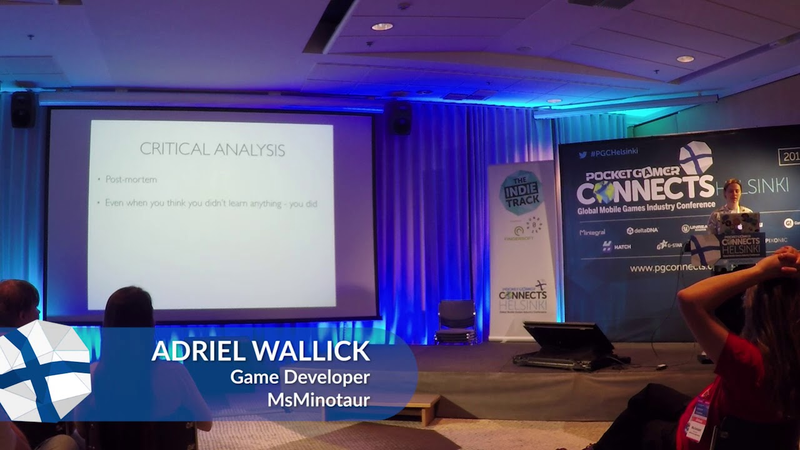
Prototypes and pitfalls: Lessons from a year of jamming
Adriel Wallick, an independent game developer and organizer of the annual Train Jam, reflects on a year-long project in which she developed and released one game every week.
- Rapid prototyping cycles, such as Adriel Wallick’s 52-game annual challenge, are effective for building core mechanical skills but create a 'learning duality' that neglects long-term production tasks like system architecture and final polish.
- The relentless pace of a weekly development schedule can lead to severe creative exhaustion and long-term burnout, potentially resulting in years of professional disengagement from the industry.
- Treating every project as a disposable prototype prevents developers from mastering the final stages of production, including the implementation of essential features like menus and credit screens.
Community-based games development
Community-based game development leverages the power of internet tribalism to foster collaborative, high-engagement projects.
- Community-based development leverages existing niche lore, such as the SCP Foundation, to secure a built-in audience and reduce reliance on traditional marketing.
- Projects utilizing community collaboration can achieve significant scale, evidenced by an SCP-based game reaching over 10 million downloads without traditional advertising.
- Open-development models can drive high engagement even in early stages, as seen with a submarine simulation game on Europa that garnered 100,000 downloads while still in open alpha.
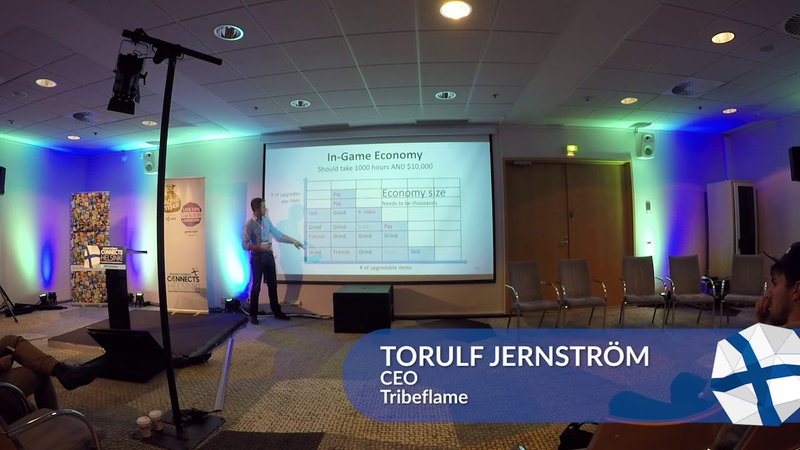
Game design for incentivising players
Effective game design in the free-to-play mobile sector requires a holistic approach where every feature serves a specific incentive, such as increasing session frequency, extending play duration, or strengthening the in-game economy.
- Game design must prioritize a unified, expansive in-game economy where every feature—from progression paths to social systems—directly drives player engagement and monetization.
- Developers should implement a '10% rule' to provide granular, frequent upgrades that maintain player interest and depth over thousands of hours of gameplay.
- Monetization strategies must balance the needs of 'grinders' who invest time and 'whales' who invest capital by allowing purchases to bypass time-intensive progression without sacrificing competitive fairness.
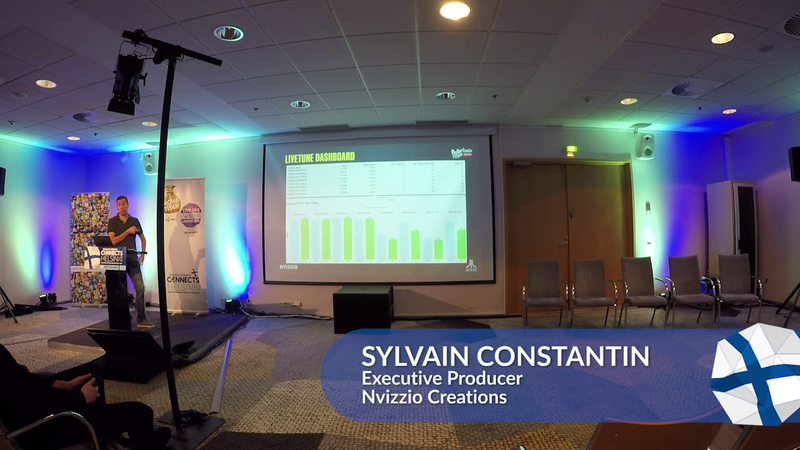
How Nvizzio increased day 30 retention by 50% with Unity's LiveTune
The mobile game developer Nvizzio Creations, led by executive producer Sylvain Constantin, utilized Unity’s LiveTune and Unity Ads to significantly optimize the performance, retention, and monetization of the title RollerCoaster Tycoon Touch.
- Nvizzio Creations achieved a 50% increase in day-30 retention for RollerCoaster Tycoon Touch on Android by using Unity’s LiveTune to optimize technical performance across fragmented devices.
- LiveTune enabled real-time adjustments to game settings, such as frame rate and memory management, without requiring full build updates, effectively closing the performance gap between Android and iOS.
- By shifting to a diversified ad strategy featuring user-initiated rewards, the studio increased daily revenue per user by a factor of three.
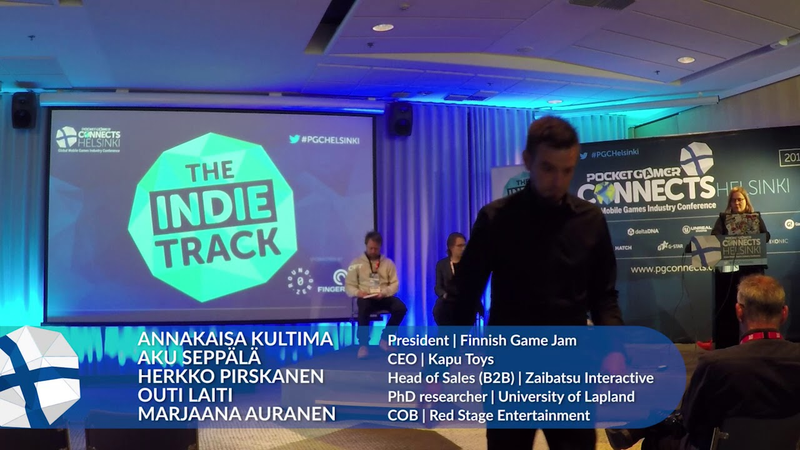
Sami in play: Building games on indigenous themes
The integration of Sámi culture into the Finnish game industry represents a critical shift toward authentic indigenous representation in digital media.
- Successful indigenous game development requires a collaborative framework that prioritizes direct engagement with community experts to ensure historical accuracy and linguistic precision.
- Developers must move beyond exoticized stereotypes and superficial mysticism to portray Sámi culture as a modern, evolving identity that includes both traditional practices and contemporary lived experiences.
- Initiatives like the Sámi Game Jam serve as a model for how developers can work alongside indigenous communities to create content that is both educational and engaging.
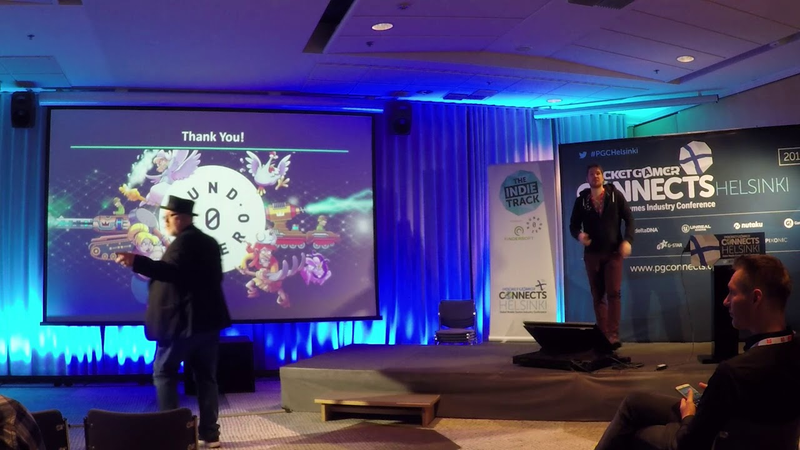
Round Zero's game evaluation process: A date with real users
Round Zero, the publishing arm of Fingersoft, utilizes a data-driven evaluation process to identify and validate mobile free-to-play games.
- Round Zero leverages the Hill Climb Racing user base to test prototypes with 100 to 1,000 users over one-week campaigns to validate market viability.
- The evaluation process sets a 30% day-one retention baseline for initial tests, accounting for backfill traffic from lower-cost markets.
- The firm has tested over 100 games since inception, achieving an 80% pass rate for monetization testing.
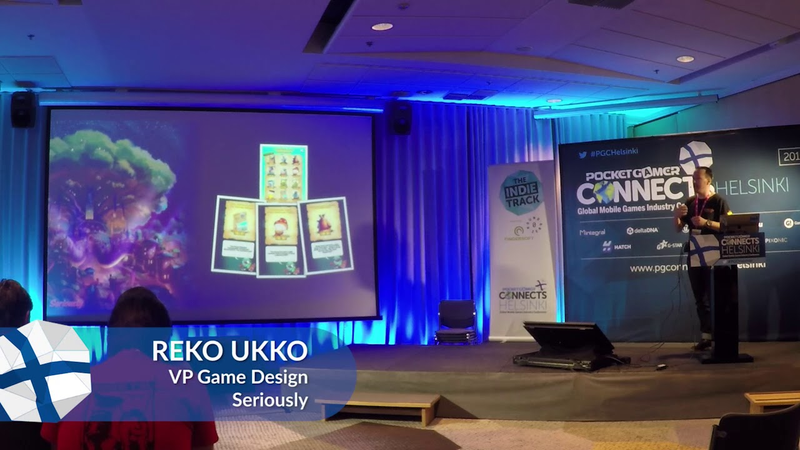
Telling your brand's narrative across mediums: A case study on Best Fiends
Seriously, a game development studio based in Los Angeles and Helsinki, utilizes a narrative-driven approach to brand building for its flagship title, Best Fiends.
- Seriously generated over $100 million in revenue for its flagship title, Best Fiends, by prioritizing long-term IP development over short-term monetization.
- The studio maintains a consistent brand narrative by hosting workshops that integrate Hollywood creative talent with game developers to ensure tonal alignment across all media.
- High-production-value animations have garnered over 15 million views, serving as a key driver for both player retention and efficient user acquisition.
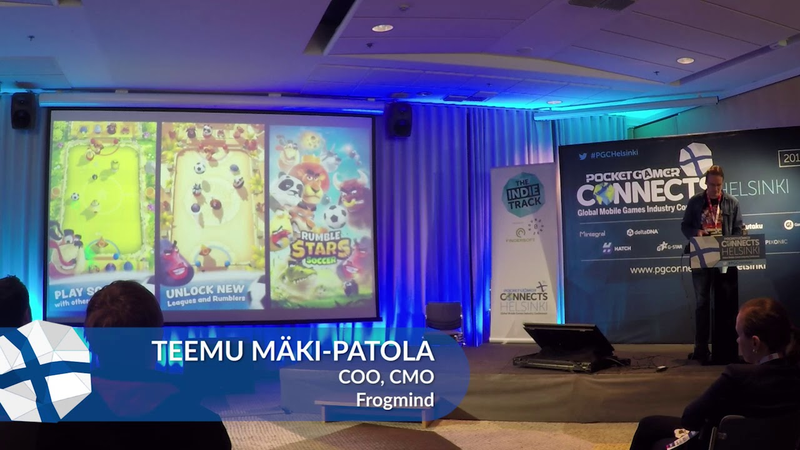
Badland Brawl and Rumble Stars Soccer soft-launches
Frogmind’s transition from premium mobile titles to free-to-play, real-time player-versus-player (PvP) gaming is defined by the development of Badland Brawl and Rumble Stars Soccer.
- Frogmind transitioned from premium titles to server-side validated, free-to-play PvP games to ensure game integrity and prevent cheating in titles like Badland Brawl and Rumble Stars Soccer.
- The studio achieved an 80% reduction in data consumption by optimizing networking and matchmaking stability during soft-launches in Finland, Vietnam, and Thailand.
- Maintaining effective matchmaking requires a minimum threshold of 5,000 daily active users (DAU).
Fantasy game pitching
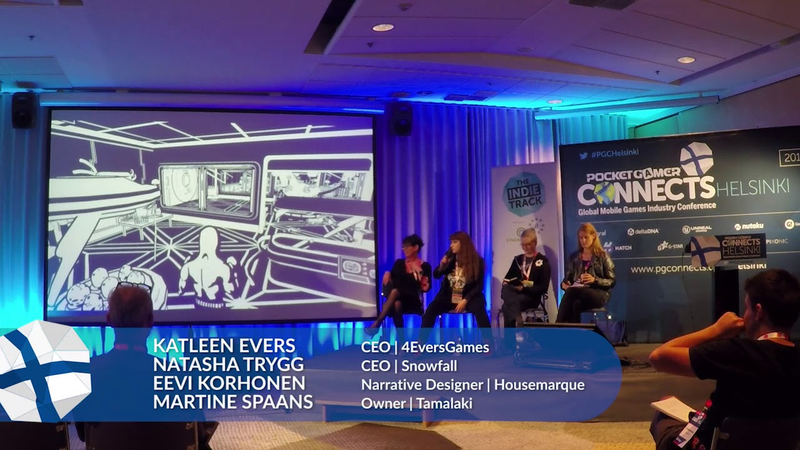
Successful game development relies on the ability to synthesize creative vision with viable market strategies, a process exemplified by the rapid conceptualization of diverse gaming titles.
- Successful game pitching requires balancing high-concept creative narratives with clear commercial feasibility and alignment with current consumer market trends.
- Developers must integrate revenue strategies—such as microtransactions, in-game sponsorships, and influencer-driven marketing—directly into the core game design to ensure long-term sustainability.
- Modern game development demands the ability to pivot across diverse platforms, ranging from mobile-first architectures to major console releases like the Nintendo Switch.
Growing as a developer in Finland
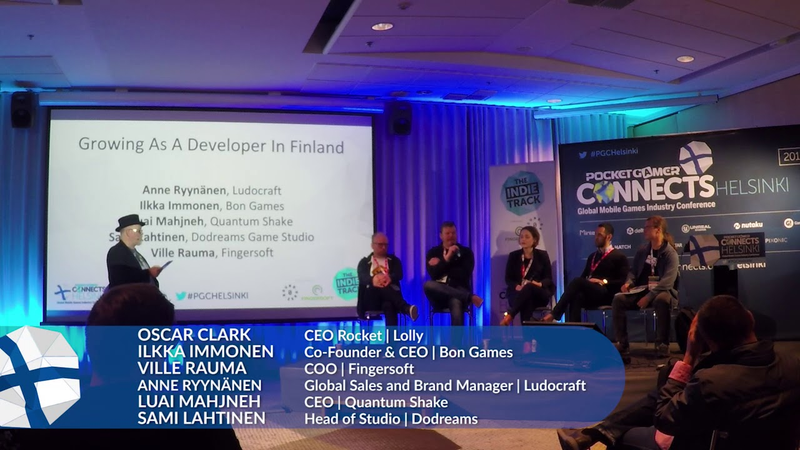
The Finnish game development sector has evolved from a landscape of experimental indie projects into a mature industry defined by strategic discipline and professionalized operations.
- Sustainable growth in the Finnish game industry requires balancing a human-centric organizational culture with a data-driven, pragmatic approach to project viability.
- Successful studios prioritize early market validation and niche targeting over trial-and-error methodologies to maintain competitiveness in a crowded global market.
- Long-term operational success is achieved by institutionalizing post-mortems, treating project failures as essential learning opportunities to foster resilience.
Company culture: Growing too fast, (mis)communication and how to fix it
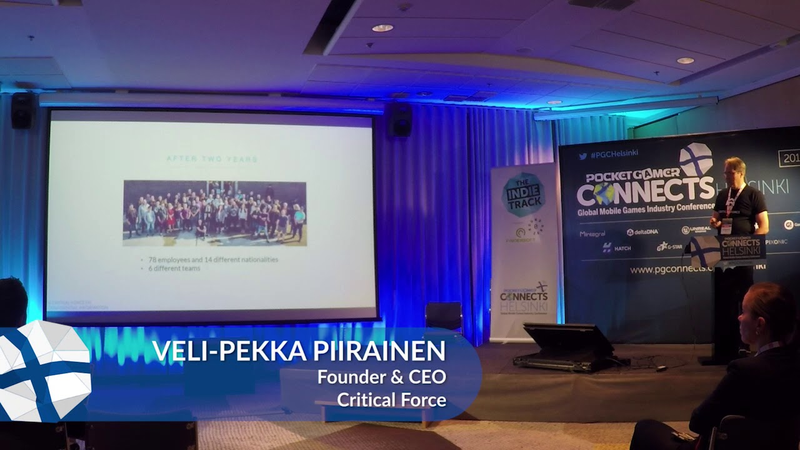
Rapid organizational growth presents significant operational and cultural challenges for game development studios, often leading to a widening gap between operational complexity and internal management capability.
- Rapid scaling, such as Critical Force’s growth from 18 to 78 employees over two years, necessitates a shift from informal team structures to formalized processes, roles, and strategic alignment.
- Autonomous team models, while effective for small senior-led groups, create inefficiency and uncertainty when applied to larger, less experienced workforces.
- Over-reliance on digital communication tools like Slack can hinder productivity by discouraging face-to-face interaction and fostering disorganized information silos.
Gold standards for acquisition and retention
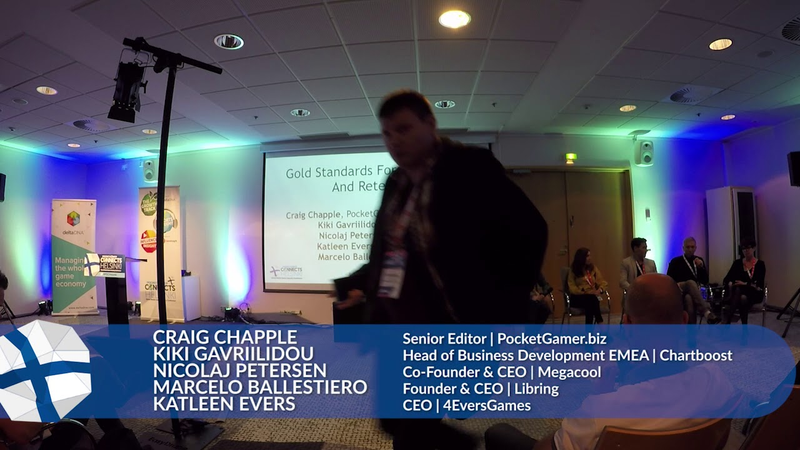
The mobile gaming industry faces a challenging landscape characterized by market saturation and rising user acquisition costs.
- Retention is the primary driver of profitability, as high user acquisition costs make business models reliant on high churn rates unsustainable.
- Users acquired through peer-to-peer recommendations exhibit 60% higher retention rates on the 14th day and generate double the revenue compared to those from paid channels.
- Deceptive advertising must be avoided, as misleading creative assets lead to poor retention and negative app store reviews that permanently damage long-term growth.