1 free read left. Create a free account for unlimited reading + AI research.
Create free account
Sami in play: Building games on indigenous themes
Key insights
5 takeaways- 01Developers must move beyond exoticized stereotypes and superficial mysticism to portray Sámi culture as a modern, evolving identity that includes both traditional practices and contemporary lived experiences.
- 02The integration of authentic indigenous themes offers a path to more nuanced interactive storytelling, provided creators commit to rigorous research and ethical representation standards.
- 03Successful indigenous game development requires a collaborative framework that prioritizes direct engagement with community experts to ensure historical accuracy and linguistic precision.
- 04Sustained consultation with the Sámi community is essential to mitigate the risk of ethno-stress and prevent the use of harmful clichés in game mechanics and storytelling.
- 05Initiatives like the Sámi Game Jam serve as a model for how developers can work alongside indigenous communities to create content that is both educational and engaging.
Ask AI about this video
Transcript
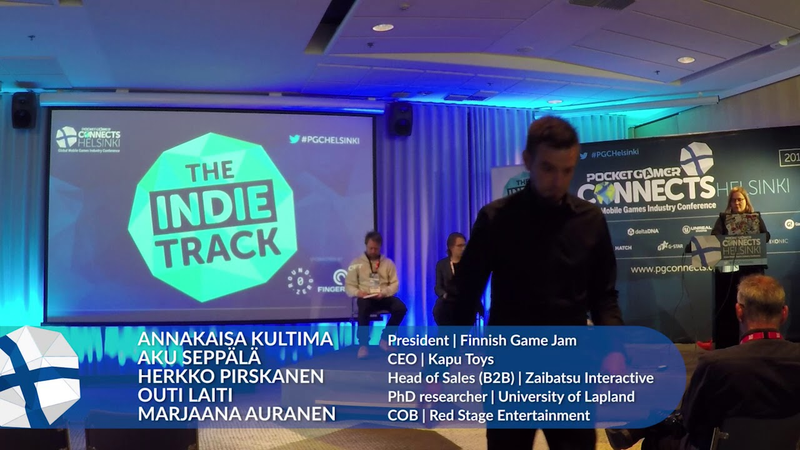
[Music] so hi everybody my name is Onika is a cool team um I am both a game scholar but also game jam activist and today we're talking about something that I found out that is surprisingly surprisingly unknown we have one more panelist coming in okay about three years ago when I got involved in putting together the Finnish Museum of games I was very kind of decided that there should be something on on the only indigenous people of the Europe as well as part of the Finnish history of games but the thing is that it was impossible to have anything modern there because I couldn't find anything not in in Sami
the language and not about the topics the themes of Sami so we ended up using one of the kind of like traditional games with with the bones of reindeers to also present on behalf of the other traditional similar types of games at one part of the game history so I was a little bit bummed that they couldn't find anything at that point but the situation is has changed so to speak so there are games on these topics today also we this year 2018 million ot and also a couple of others here we ran a game jam called Sami game jam and through that process I also found out when I was recruiting people to join the event in foreign north of Finland that very many game developers had zero
understanding or no knowledge whatsoever what is sami altogether so sami is obviously also finished boys name but that's not what we're talking about here today so my personal ground for this topic is that I grew up in southern Chile which is exactly in the middle of the map and the north north and Finland my background is culturally connected to saw me so maybe because of that I was really it was hard for me to understand how little of the kind of common knowledge of the indigenous people we have so it was a learning experience for me too to understand that we have to talk about this more also in games and that is what we're doing today with the absolutely amazing line of panelists with different roles and takes on the topic so that's
all about me but I would like to our panelists to introduce yourself what is the role as a game person but also the connection to the Sami culture so in the meanwhile I'll also play a couple of things in the background for for you to see what kind of stuff they do but let's start with Mariana okay hello everybody my name is Mariana arena and I'm coming from a company called red stage entertainment at the moment we are making Sami inspired games copmi Paula Knight and my background is Sami I actually come from Lapland also from Capitola so that's about it okay hi everyone my name is Ulta lighty and I am a PhD researcher in University of Lapland I was one of the organizers in Sami game jam this year with Anik
Isaac altima and my field of study is indigenious games some technical difficulties for you to see this stuff which is well we can look at them while we go as well but go ahead yeah my name is Erika Pierce Cannon and I'm from chopper 2 interactive we did this demo version of a game about better yell of a zombie poet and now we are having a it on hold until we get you funding hopefully this fall and then we are going to continue continue on that project hi I'm a COO Seppala I'm the CEO of this small game startup called couple toys and we are making games for kids it's 2
to 6 years old and peacockin and the children's kids program of Finnish Broadcasting Company Allah asked us to help them to create a zombie themed game especially for their Sami language Department softly and I also participated as a part of the research of the subjects I participated on the some game jam and I think that's it it's a bummer we can't get the slides working um any ideas okay maybe which is so don't mind that we'll show that great pictures of your works as well so we have different kind of set of panelists here but I would like to have
a specific question to OD that please click explain explain us a little bit what is Sami well Sami is we are speaking about a culture and the language and some people are indigenous people living in four states area in Europe and they are the only indigenous people living in Europe so that's yeah it's in it in a nutshell of course we we I refer it as a way because I am I am one of the I am Sami myself and um we have our own unique culture language music all kind of stuff that like like any other culture so we take a kind of a survey for the audience how many of you have heard about saw me before nice it's very good in terms of
numbers for instance how many Sami people live in the Sami land I don't know the exact number in Finland we are talking about approximately 10,000 people living in finished living Sami people living in Finland I don't know how many of them lives in the same area I I think it's around because the variation how you count Sami it varies a lot but it is around 80,000 to 100,000 I think so there's also people living outside the area it's called cities army right and well that's kind of not all of the Sami living in cities want to be called city sites so this is
kind of I don't know the correct answer for that right okay okay let's move on to question why some in games maybe from the from the gentleman on the on the side of the panel why for instance accorded you decided to work on a Sami topic in games yeah I think it is important to represent minority cultures in games and especially it is important that hula which is supposed to be for all Finnish people including to some people I think it's very very important for them to show to the kids younger kids and everyone else that they are part of the culture and they are like part of the people who who make less possible by paying taxes and being part of the part
of the country and in our our situation they wanted to have like not exit the exoticized version of the Sami culture represented there so they wanted to also avoid using the most cliche things like the traditional clothes and so on and to show younger kids and everyone else that the Sami people are not living in tents or Kota just using reindeer sledges to go from place to place and I guess we managed to do that by like picking a important part of Sami culture which which is the reindeer reindeer gathering a reindeer herding and showing how it is done today in a of course game-like way like maybe you could we have your image
in their slides now so just to briefly say what you do in this game yeah your supposed to start the game from the photos Oliver from the Gathering Place and go to the wilderness and get reindeer home because the reindeer herding works that way that the most of the year the reindeers are roaming free in the wilderness and during specific times of the year people take moto how do snow mobiles and go get them back to the gathering place where they are separated and counted based on who owns them yeah okay and it's inside an app for yeah it's inside of a big book on an app which may I meant for younger younger kids hmm then the game that is on the works from red stage entertainment Mariana maybe you could because it's a very different perspective than or
perhaps not but explain what is your reasons like why Sami seems in your game for me because I started script writing writing and I'm a scooper writer so I'm a story teller and storytelling is a big part of sonic culture and I I kind of feel that the need of transforming these old mythologies and stories into a digital format that younger generation can more easily to get close and maybe get inspired of making their own stories through games so the storytelling tradition don't die basically that's revealing the storytelling tradition maybe I don't know which one of you would like to tell but who is better at yalla V and why do we have a game on on that so maybe Perry is poet and
storyteller from Itsuki actually the northernmost municipality in Finland and he he was I think this project that we started two years ago I I think something like that it was 100 years after Peter olivey had died so it was kind of we were we had some sort of a celebration about it and we decided that we want to make a game that people would know the work of beta reality right that was the reason to do this I think there's a particular interesting detail and the making of this game that we could go into the question of what are the challenges in in utilizing indigenous themes in in game development so maybe HECO you could explain that's three issue for instance yeah we had had
this one incident that evolved into ever Korean Kate as we call it nowadays and have even a laugh about it now but back in the time it it was a real real problem so we started developing by going through all the material that better yahwea actually did and all his work and all his life and studies in you vascular and all the history around that we needed needed to know for actually to come up with the game concept oh they came to us for a game idea that spread the awareness of sami people and repaired our reality and we decided to do a side-scroller game where you actually pick up pieces of his poem and
actually hear that poem read by asami person in that poem there's this line that talks about better Yahweh walking in a forest climbing a hill and then going going into a forest everybody working on the project has been visiting north and parts of Finland we know the landscape and the scenery there but when we were making the game the line working in the forest was interpreted literally literally so for us it was a forest so we what we did for the first version we sent there was like
three meter high evergreens there yes it's it's problem that we call lost in translation because the poem was originally written in northern sami and northern sami language their line actually said that Petry Ali was climbing to a fill or a place where no trees are growing and in finish the poem said that he was climbing to a hill where actually histories so they read the finished part and we read the note in Sami pod and when they thought that of course we want trees and we were kind of looking at the forest and thinking that oh my god now we have to tear down the virtual trees because of course this has to be
authentic or something but and for us although it said on the previous line he's climbing a field but we didn't like think of it that way that it would actually be like that it's straight out of the VR lab is the first part so we misinterpreted so that there could be some trees actually there and didn't even think about the fact that there goes a tree line but we were learning from this I think so that next time when we are doing parallel with 2.0 we are probably discussing this more yeah so let's let's you know there's not to discuss today all of those these details that there's so much more to
discuss but did you have similar kinds of pressure or or difficulties in translating the experiences of the Sami not necessary pressure but like of course there's some kind of difficulties and funny thing is that we also got like this kind of tree tree country gate yeah trick it because we had kind of like trees that we know there's lots of in Finland like a fir trees and pine trees and so on but in a very late part of the thing they Ilyas up me people who is it correctly pronounced sup me okay yeah they wanted us to change all the trees to pine trees yeah yeah because there's no fir trees in in that hi and that was like a really big hit for me and I actually couldn't change all of the trees three graphics to match the actual landscape there and the other thing was I draw this character with a snow mobile
helmet of course safety first but at some point they contacted me that actually during the Rainbow Gathering you do not you are not required and commonly you do not use the helmet and actually I guess it was like a pipette for habitat part law because it makes makes it much harder to look around so we needed to change the character to have a normal hat and then we had to have a conversation like how about kids who see that okay this character is driving without a limit like is it a good example for there so very kind of the surprising teachers and that you might not have tools to know yeah for hands and even if even I knew that there are three some languages I was like super and it was like a kind of like again in a very late part of the project when we needed to add support for all three some languages
and Finnish language like because it's yes voiceover skits can't read so we need to record you need it like organized recording of all the different Sami language that is officially used but you have to have the three of them yeah and I think it is good I think it's a good thing I think it's a great thing too that we had a capability to show that there is multiple languages and to have them side-by-side with Finnish language as I like equal equal like options to select I think it is good because like people that forget about these things for example I forget about that thing completely when I was developing the gap ot maybe you could give us a short sentence of the Sami languages like the whole Sami land not just Finland how many languages do we have in the salmon and I'm not sure of
the living languages how many of them but I think 12 or 10 yeah so this is one of the details that you might not think about that when we talk about some is not just one language but there's yeah inland we have three languages and one of them is spoken in Finland only right Mariana you have a very different situation you have your own cultural background in Sami so what kind of challenges do you think that you already have faced or maybe the future challenges might be in developing the game for Sami teams well for me it was the lost knowledge and how hard it is to find historical information or books written by Sami about sonic culture and love like the
first book about Sami that is written by a sami person was just a hundred years ago and everything before that there has been books about Sami for hundreds of years but they have been written by outsiders explorers and priests and researchers and I don't know crazy French poets and so it is it is challenge of course to be able to read these texts through a lean lens like understand the context that someone else outside has been reading these how true are they and yeah so that is one challenge this summarizes the problems that the Outsiders developing games in Sami themes might be similar for the ones that I insiders because we don't have enough records in the history kind of stored for this so we are currently
losing a lot of the knowledge in the history because the people are dying so that's that's even more problems in the future if we are to kind of cover these topics yeah so not easy perhaps but let's jump into other games that indigenous teams so there it's been a rising theme for indie games to have also other works of art that explores other parts of the world we need with indigenous teams so I know at least I never alone and Malacca maybe the panelists would OTO Mariana or even echo and her co that to explain like if you use this as an inspiration or kind of the to look at the the previous works and how it can effects your opinion on making games on these topics any any other kind of ideas on this yeah I try
to look but in all of the games none of the games are found matched requirement or limitation the I approved the limitation completely of not having like exoticized imaginary over done that also but like we didn't want to have any kind of like a sailed oh say the room PO icons or anything like this we like and we were told not to use that kind of like mysticism or like like the most mystic family people in the magical LaPlante kind of things but like more like on the contrary to show that it is like living culture and it's happening right now and there are normal people normal Finnish people with some background or normal Sami people so most of the games I've found had this kind of like a mysticism so like in our
project it wasn't I I didn't at least this wall atmosphere or somatically it didn't match so well yeah the never alone I think it was in the background when we started to do the paid reality game yeah it was we pinch mark never alone and did some early stage drawings based on that and even when true adventure of thinking about the mysticism and once again we should have talked more with all the and the first concepts were more like more like concentrated on those elements and the
problem was there that we couldn't couldn't use them and even we had to say that ronbo idea for a while but because it's not not that team that wants to be using in games we changed the gameplay so that it's side-scroller and picking up objects one of the first ideas was to make it more like a dream that you played through about never alone is very I want to say I do not I'm not saying that the those linguistic teams or like a fantasy elements or zone or story or like how do you call it like a missus anyway select all those teams are bad in like in every case like sometimes I think they are like very there's a very
rich tradition and there it's like a visual culture around it so I think when it is done respective respectfully I think like those should be also okay but they just need to be you just need to be careful not like we appropriating those elements yes we have a shaman drum so we have the stereotypical instrument of battle like yes but I wanted to say about never alone and malacca that it is so important that there are these big games about indigenous themes that that shows to game industry that there are other cultures there are other themes that you can handle in your games and it's okay also to use indigenous themes if you if you honor the culture and
respect the people and ask ask from the indigenous people about their culture maybe there's never alone used a lot of like interaction between that you know it's right like would you any of you have more information how it was done my god he knows a little bit more they had this tribal council in the background right oh they own the rights of the game yeah and and all the funding goes to that yeah I will counsel and Malacca also there is I think some part of the finances Kota yeah people and their culture but these games were actually the reason that I I switched to indigenious game studies because um this these games are interesting because they are trying to represent the cultures as
true as they are without missing the element of fun that makes people play these games and if you want to do an indigenious game that involves some small culture it's the risk that your budget is blowing sky-high when you are polishing all the details that if you want to do it so correctly it's kind of a missing the element of fun when the cultural elements are correct it's kind of balancing between the element of fun and the pollak political correctness mm-hmm in my opinion so this is kind of interesting how to do it properly that of course yeah yeah to do it right you have to have a person that
is experts or maybe if it's it's possible to have actual sabi people or any indigenous people in the day daily basis they're actually going through every single detail that it's done right yeah I think we can all agree that the collaboration is key for success here but also at some points it can be impossible so for instance let's go to our events ami game jam so we did have a combination so we had about 40 people flown into the Aussie oke which is very far north in the in Finland and some of them were finished people some of them were semi locals or Sami from other areas and then we also had representatives of other cultures and finished people and the the whole
process we ended up with six different games also with a similar type of a style that we're not doing just the most typical imagery of the Sami culture and one of the kind of the core things that we facilitated this work was to put together 12 different themes that would be handling the the topics that we wanted to aim for so we did a lot of research and ot and Mariana were using a lot of time to write this down to kind of open up what we would like to do so aku and Mariana and ot were part of this event maybe if you could pick one of the themes and of your favorite ones and kind of explain a little bit about how you created a game or on top of that or what does the steam represent to you yeah I now team in our team our theme
was cross generational stories and in that we make like a virtual reality game about this one legend or like a fault story of like goofy tar which is this kind of like magical elf people who had huge reindeer hurts on the ground and there's a story that you need to throw an iron item over the herd and you will get the riches of the goofy talk and on that project we went like full-on like mysticism and like exoticism and the game is on the left top top corner yeah that one with pink reindeers yeah and I was really satisfied with that and in the like during that thing I was like kind of like little bits like uh it's great
to make it like a realistic not realistic but like something that it's not based on those things but the family meets us and stories are so great and originals it like I think it's also like a little bit lame not to use them in any case but like you should like like there's lots to lots to gain from those costumes OTO Mariana which which team would you like to open up my theme was lost memories and it was about them elderly Sami people who live in western institutions when they become old people lose their memories slightly so so the game is on the right top corner yeah
yeah it was a virtual reality about losing your memories and of course living in in an environment that is kind of strange to you so it was referring to the elderly Sami people who have memory diseases like Alzheimer's when they are institutionalized that nothing actually reminds them about their ways of life that they have lived that and this was a virtual reality bit living between two worlds there was this city apartment with nice smooth jazz and pizza and laptop and mobile devices and on the other hand there was this portal that you can see in the centre it was about a size of a door that you could step through and end up in a field during
scape ma polar night and there was a roaming fire for your place and Aurora's in the sky it was there was a ambience of of a polar night it was a calming environment and you could pick up stuff and go through of the portal and you could pick up stones and go to the city place and you could pick up pizza and go to the field sander and then eventually I was shrinking yeah and it disappeared eventually yeah it was great game I remember how fun it was to throw the pizza dough that we picked a story and I kind of like a rewrote its to fit on the on the gameplay and in the game the
story was read aloud like while you were like moving in the virtual reality world you could hear their story and we translated that story to English and for Sami language and I think even though I a little bit modified to star to be kind of like this kind of horror kind of story like I still think it was like a respectfully done and because it was like false story that is supposed to be read aloud in in by the bonfire something like this I think like it was very nice way to like make the players to listen to the story because they would at the same time wander around the landscape yeah Mariana what is your favorite theme of these are important one yes I wasn't in any of the groups we were documenting the game jam but for me the one that spoke to me most is at no stress I think because I feel it every
day and at no stress means that that you need you have this need to be perfect Sami you have this need to learn the language you have the need to the handicrafts and be like perfect presentator of the culture or at least you feel all the time you don't know enough you are not good sami enough so unfortunately I can't show you the video of the event but anyway so yeah these were the themes that kind of explores the the current state of of the sami culture that we wanted to present in the games and as already here co and ot has been experiencing the communication a kind of sharing knowledge while making is a challenging part and it's also time consuming but maybe not always something that you might think that is definitely needed so in also in this event when we had
outsiders and insiders in I could sense this kind of a stress for for the other part to feel of pressure to be correct in everything and the other part might feel like the Ethne stress to represent the whole kind of people of of this army so there is it's not it's definitely not an easy topic to explore but there's much richness in this so I would love to see so many more games on this side we don't we're not here to scare you with the topic so maybe a couple of words about the future Sami in games we are going to get this gamma at what point we are hoping to get it done 2020 let's hope bring it fingers crossed yeah my hope for the future is that the younger generation gets excited and uses more of a past and evolve these stories
and yeah evolve the culture right what happens with parallel reality I think parallel we will collect his poems again yeah in a forest make something but I see brightness in in the future of Sami games because I'm of course we have done ten games in a year small games but still a game so this is way more than I ever expected so it's great yeah and I've been happy to hear that pika Calculon is now interested in developing more zombie-themed and Sami language content on their mobile mobile app and I hope they will continue on that that way and what you said about like is it difficult or scary to work
with these teams like I found out that people from the culture are very helpful and very easy to talk and everyone is not everyone but everyone who I talked with was very interested in like helping to make the content to like actually be correct in that sense it's not like maybe you could help us with the last question how to Sami in games so what would you what would be your tips to the to the very big audience here that all wants to create Sami games now collaborate Sami people and just basically know the background and don't be scared don't be scared about the topic you can make great games out of any basically any topic if you do the background work and if you are willing to even make some sacrifices on the gameplay if it's needed to have correct
content and from the from Islamic games I'm I learned that there's lots of talented digital artists in the Sun community and in our project we worked with two illustrators well who were great and I would love to work with them again and I know now like some audio artists and a problem and game designers from the background so like if you are going to make that game with that team I recommend you at least try to include some actual Sami people on the development and they are there so there's more of those and we're planning with ot another one Sammy came to him so hopefully in the Helsinki areas I don't feel scared to participate in that so stay tuned and unfortunate on that note I don't have to say thank you very much indeed so thank you for coming here and we are here to also provide you more information so searches on internet so
we can help you thank you thank you very much so [Music]
Summary
The integration of Sámi culture into the Finnish game industry represents a critical shift toward authentic indigenous representation in digital media. By moving beyond the exoticized stereotypes and superficial mysticism that have historically plagued portrayals of indigenous peoples, developers are increasingly focusing on the lived, contemporary realities of the Sámi. This movement emphasizes that indigenous identity is a modern, evolving experience rather than a static historical relic, encompassing everything from traditional reindeer herding and folklore to the complex, present-day challenges faced by elderly community members.
Successful implementation of these themes necessitates a rigorous, collaborative framework that prioritizes deep research and direct engagement with Sámi experts. Initiatives such as the Sámi Game Jam demonstrate that when developers work closely with community members, they can effectively navigate the complexities of linguistic representation and historical accuracy. These partnerships are essential for mitigating the risk of ethno-stress and ensuring that game mechanics remain both educational and engaging without resorting to harmful clichés.
Ultimately, the potential for indigenous-themed game development is vast, provided that creators commit to a process of sustained consultation and cultural sensitivity. While the technical and ethical hurdles of representing a distinct culture are significant, the resulting projects offer a more nuanced and meaningful contribution to the global gaming landscape. By grounding game design in authentic research and community-led narratives, the industry can foster a more inclusive environment that honors the complexity of indigenous heritage while pushing the boundaries of interactive storytelling.












Comments