1 free read left. Create a free account for unlimited reading + AI research.
Create free account
Company culture: Growing too fast, (mis)communication and how to fix it
Key insights
6 takeaways- 01Autonomous team models, while effective for small senior-led groups, create inefficiency and uncertainty when applied to larger, less experienced workforces.
- 02Over-reliance on digital communication tools like Slack can hinder productivity by discouraging face-to-face interaction and fostering disorganized information silos.
- 03To resolve operational friction, Critical Force utilized external consultants to identify four core areas for improvement: strategic goal setting, communication protocols, role clarity, and player-centricity.
- 04Implementing cross-functional 'SWAT teams' allows organizations to address specific pain points through measurable, short-term goals that foster internal engagement.
- 05Rapid scaling, such as Critical Force’s growth from 18 to 78 employees over two years, necessitates a shift from informal team structures to formalized processes, roles, and strategic alignment.
- 06Management must proactively scale its own capabilities alongside headcount, moving away from reactive, informal leadership toward defined job descriptions and established organizational processes.
Ask AI about this video
Transcript
[Music] so good afternoon everyone happy to see with you here so this is actually third or fourth time I have been having a speech at Pocket Gamer last time was two years ago when we were in the another venue and and that time I talked about about the critical ops and eSports things but now I'm going to talk about what happens when your company grows too fast so short introduction I'm very poppy Ryan had been intrapreneur since 1994 founded six different companies I used to work also at supercell as a studio manager in Kyani almost one year and we made the very first mobile game for supercell that time 2011-12 then I also work at
Cayenne University I established the game development curriculum there and and then I found it critical for 2012 so six years ago about the company itself so actually the employees are very hardcore gamers and they are aiming to build the best mobile multiplayer games mobile games for gamers we could say that we are a global market leader for real-time mobile multiplayer FPS games so you think about fortnight but luckily its third person shooter sell games fps and we are building the largest mobile ApS community in the world at the moment we have got some nice awards and
recognitions we were chosen chosen as a finished game developer of the year 2016 and we also were one startup companies in Cosmo open here in Finland 2015 so that was also great success we got have got funding two years ago we had got 4.5 million u.s. dollars from Ennis in entertainment as a seed funding around and this year we also got additional funding from business Finland about six point three million u.s. dollars partly grant partly alone but the game itself game is still in beta so version 1.0 is coming slowly but it will come and and then we can say that we have kind of
question that we like the game to pee but of course the development continues all the time we have got lots of positive reviews and especially cuckoo play over 45 million downloads combined all platforms so iOS and Android and without paid user acquisition so the game has been fully Cairo and and so we have made only some tests with UA so paid you like spending couple of thousands per month to find good ways to have cheap user acquisition and we have also respond million daily active users and now I tell about our company story which is true and probably it's a story that has happened for every company that's grows very fast so in June 2016
we were happy star up we were poor trapping that time developing the game we were only 18 employees so we would say that the company was one team or one we team was a company so we would say would say that we were one big happy family working hard together so we work it hard had big dreams we had lots of passion and our salaries kind of like peanuts so we work with very very low salaries for example myself I didn't take any salary that's all that time and then boom 2016 we got the big investment from Korea and then we started to grow fast so we had money to hire people we need and in the beginning everything felt fine we had to
LA so like bus going on new people coming everything looked very fine everything feeling very great and after one year we already had 47 employees and from 8 different nationalities and 3 different teams already so we had to development teams and then we had HR team that time so we believed that autonomous teams is solving all the problems that we let the teams decide by themselves what they can do the best and actually that has been working very well so far so the teams work very well but we really didn't see the problems of what we are going to
have in the future so they started to be miscommunication the more people we had the more most is thought to be people that the communicate different way because have different cultures so the cultural cultural differences people understand how I understood things differently which also caused miscommunication we had also spayed problems so at that time we had about 250 square meters space and we need to renovate that was a very uncomfortable place it was not easy to use the whole space there was a lot of raised space so we started to renovate the office so and we made it so that we renovate half our
size of the office and when it was ready people moved another side and then there are no another part and that of course caused problems especially when you are packed in a small place this proclaims and and also the noise what games from the construction site and so on and and also later we rent another part of the second floor where we are and and renovate that later so that caused also some kind of interruption so it would have been whether to print right away the whole floor and and renovate a little bit different way but we make so we crew the office space as we grew by ourselves
also there came certain kind of uncertainty when you are now when you have more people in the company for example they start to be worries that are we going in the right direction or other all teams going to right direction inside the teams there was also some kind of uncertainty about that especially when we had the second game team that what they actually are allowed to do so so we believe that ok they are game developers let them decide what they do what can ok came they do but the team was quite young and and also unexperienced so there came lots of uncertainty where to aim are there any limits and and so on can they do what
they think they can do or not how can money how much money they can spend how many people they can hire in the team and so on then they started to pay also small fires here and there and lots of time went distinguish in the small fires there for example there but some people have relationship problems and and and and also these small problems can easily escalate the speaker problems and and for example we lost one could Spanish employee because of that that they were miscommunication and he felt that he was not treated well enough and it was just miscommunication the other
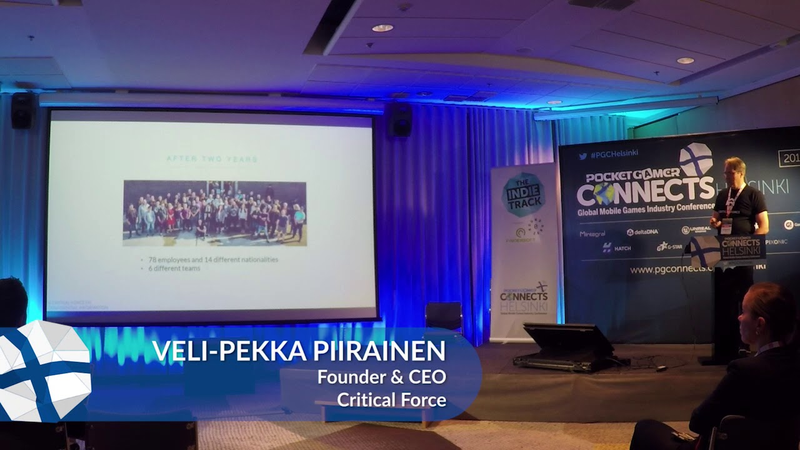
person didn't mean what the other person understood so after two years seventy eight employees fourteen different nationalities and six different teams and also an studio in Seoul in South Korea so we practically quadrupled our amount of employees in two years so this is a very important picture that I found in the in that book so when company size grows the organizational capability declines but same time complexity of operation grows so in certain point they start to be kept a capability gap in the organization and that can be gap you have to feel somehow so I really recommend it reading this book so it's already in Finnish and the English
version is coming quite soon so we realized that you need to really define company's vision mission and values it's a basement of the company and it practically shows the big goal somewhere in the future so what can kind of games you will make what are the company values and how you structure the vision mission values as a strategy and and and of course also we find out that our management including me was quite experienced experienced and it didn't scale up same time as the amount of employees so for example they were came lack of when the production team grew up there came lack of product producer capability so we need to hire
also assistant producers and so on but especially on the sea level we found out that we cannot handle this we also found out that the organization and the processes should be in place and clear for everyone for every employee and it also means the chopped crisps descriptions for defining the roles and responsibilities are very important that people know what is your role what tasks what are our responsibilities otherwise they comes or will happen between people for example there was a small misunderstanding that to art is made practically same thing because there were different teams so one artist in the marketing team made a marketing banner and one artist in the development
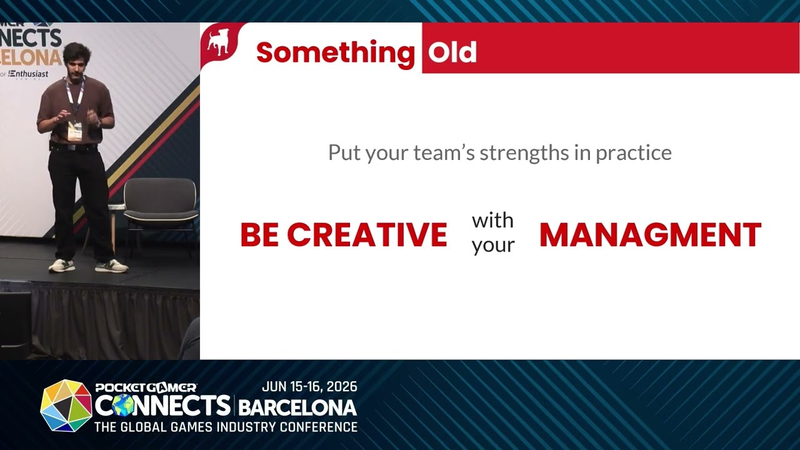
team made a marketing banner but that's a small thing but it showed that there were that kind of problems and autonomous teams would work best if the people in the team are senior and they know things they are doing that they have done it before so young teams always need more leadership and and steering so growing too fast without proper structures is big mistake I talked about slack yes like it's awesome but slack is a good servant and a bad master because this lots of problems using slack this very addicting and reactive so people actually all the time in slack when there comes a message they answer and and also mmm it makes then follow the slack so and it
decreases face-to-face conversation so people sent a message to a colleague who's its opposite of you they communicate with using slack not taste of face talking so it really disgraces the face-to-face economic system it's also very disorganized it's very hard to find these questions it's very hard if you see a very transparent so there are many hidden and secret secret discussing groups that you don't even know that they exist there are certain people in like Ana capsule talking about some something and others don't know but that at all and slack gross possibility for misunderstandings a lot which cause negative effect in the relationship between employees and one good rule is that don't even think about joking slack people this always somebody who really
don't understand the joke and then that gives him a bad feeling and so many custom emoticons this is what we have at the moment so we really who knows what they are what is this who the hell are the stands I don't know this still I don't know what if miss is it positive or negative but no but what saved us in the first place so we had excellent teamwork and we have have had a great company culture that saved us a lot but it's also kind of covered the problems we have behind so how did we fix this or started to fix it still under construction suppose we hide a console to facilitate our organizational development so we had
a company worth caring for one week it's also about team from Korea came to Kalani and and we had like a questionnaires workshops interviews so with that we tried to pinpoint the pain points so what things are not so good in our company and what problems we need to tackle and we found four most important so we need to fix our strategy and company goals our communications roles and processes and also player understanding that rice also many our employees we're kind of worried about that to really understand our players and our customers and we create a steering group with handles everything so steering this candle we
have SWAT teams there so one SWAT team tackles communication and all the members about five six members in each team there are it's like a mixed compositions there are employees there are team leads and and and so on but the most important thing is that they are interested in developing the topic for example this red team members they are very interesting interested in to improve our communication somehow and then we wrapped our sleeves and start to improve the things one by one so we have got already results so we have exceed quite instant results so there came enthusiasm and positive buzz inside the company and the whole personal team started already communicate and help each other and we
also started to reorganizing our management so we need acknowledged what we really need there and so on and what we had to do what kind of person we have to hire in the management side and also short term results that we have really started setting small but axial and measurable goals for the teams that they have something to target and reach little by little and as a long-term result we will have better communication processes and efficiency which means scalability that we are ready to scale in the future because the foundation is solid and that means always profit thank you very much thank you very much so yeah I mean absolutely the kind of critical thing isn't it of growth is understanding how
you keep people talking and I remember being in big companies and it's still the problem there but in some ways it kind of feels oppressive that you've got these structures and these job specs and you're gonna follow these processes but when we see the experience you've gone through you can kind of see why that happens yeah does anyone have any questions are we sharing retire anyone going through this experience at the moment a question here yeah so we'll come back to the the question I was about to ask I just yeah a hand for questions will do that will ask question doctor thank you what did the investors think about these problems actually Oh investors have been very let's say they really haven't cared so much about what's going on so anything in the diamond has been very interested about the developed know the game and Asia version of the game
because they are going to publish the game so what really happens inside the company damn indicator that's wrong too the question was gonna ask was how many people are going through this net company remember this cultural change so you know how many people think they're gonna be going through in the next six months yeah actually interesting how many of the people whose hands were already up was stayed up you know it was absolutely true that used to ongoing process not doesn't come to an end on that note I'm gonna say thank you very much thank you and [Applause] [Music]
Summary
Rapid organizational growth presents significant operational and cultural challenges for game development studios, often leading to a widening gap between operational complexity and internal management capability. Drawing on the experience of Critical Force, a Finland-based mobile game developer, the primary thesis is that scaling a company requires a transition from informal, autonomous team structures to clearly defined processes, roles, and strategic alignment. Without these foundational structures, rapid expansion—such as quadrupling headcount from 18 to 78 employees over two years—inevitably results in miscommunication, role ambiguity, and cultural friction.
Key findings indicate that while autonomous teams are effective for small, senior-led groups, they become sources of uncertainty and inefficiency when teams are younger or less experienced. The reliance on digital communication tools like Slack often exacerbates these issues by discouraging face-to-face interaction, fostering disorganized information silos, and increasing the risk of interpersonal misunderstandings. Furthermore, physical office environments that grow incrementally without cohesive planning can hinder collaboration and productivity.
To address these challenges, the company implemented a structured organizational development program. This involved hiring external consultants to facilitate workshops and interviews, which identified four critical areas for improvement: strategic goal setting, communication protocols, role clarity, and player-centricity. By establishing cross-functional "SWAT teams" to tackle these specific pain points, the organization was able to foster internal enthusiasm and implement measurable, short-term goals. The conclusion emphasizes that management must scale its own capabilities alongside the workforce, moving away from reactive, informal management toward a model defined by clear job descriptions, established processes, and a unified vision. This transition is essential for maintaining long-term efficiency and ensuring the company remains scalable as it matures.